Fistral Beach 2026: A Guide to the Soul of UK Surfing
From the legendary Cribbar wave to Michelin-rated seafood, discover everything you need to know about Cornwall's most iconic beach for the 2026 season.
Published on 22 Aug 2026 17:52 GMT
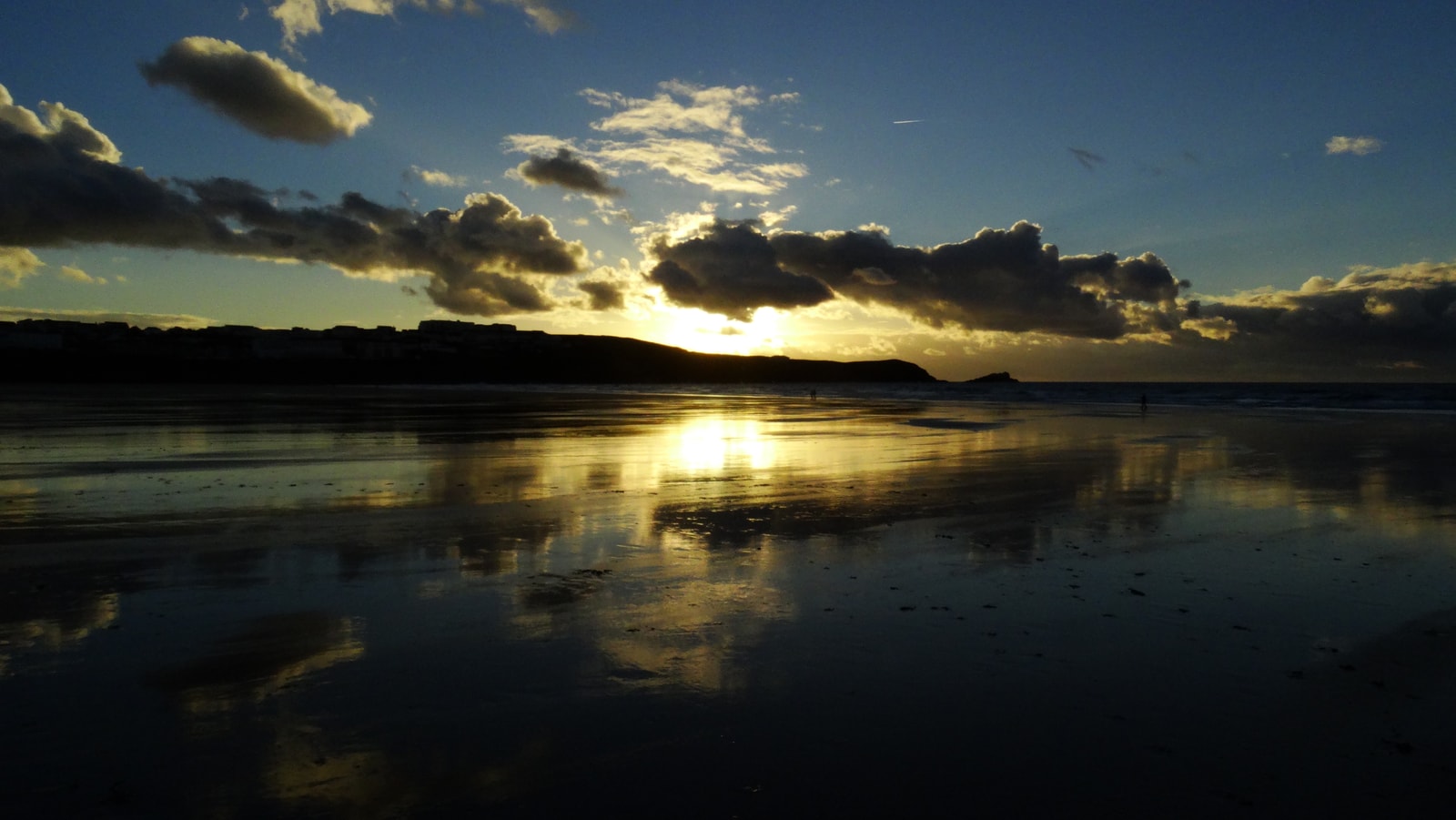
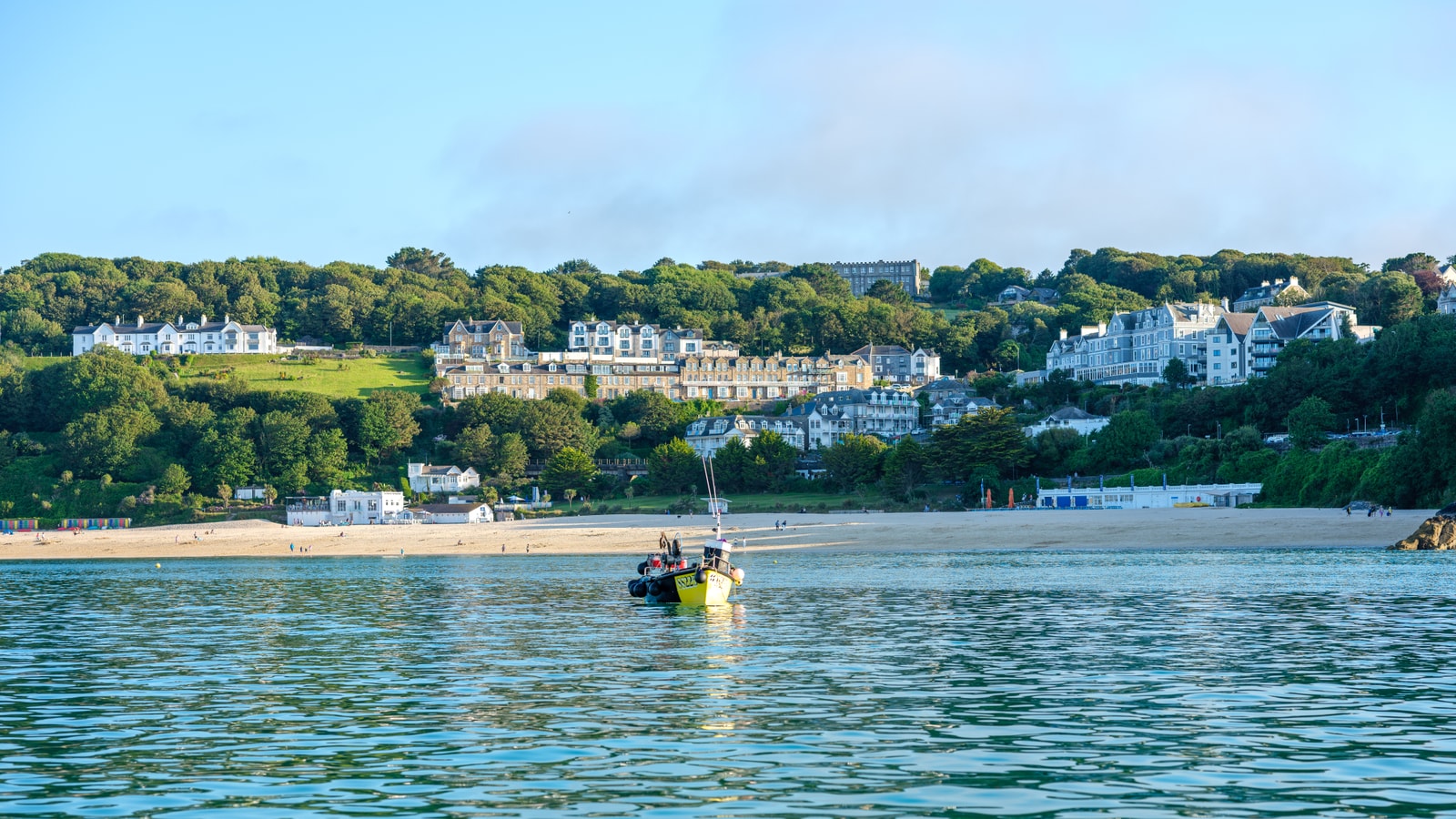
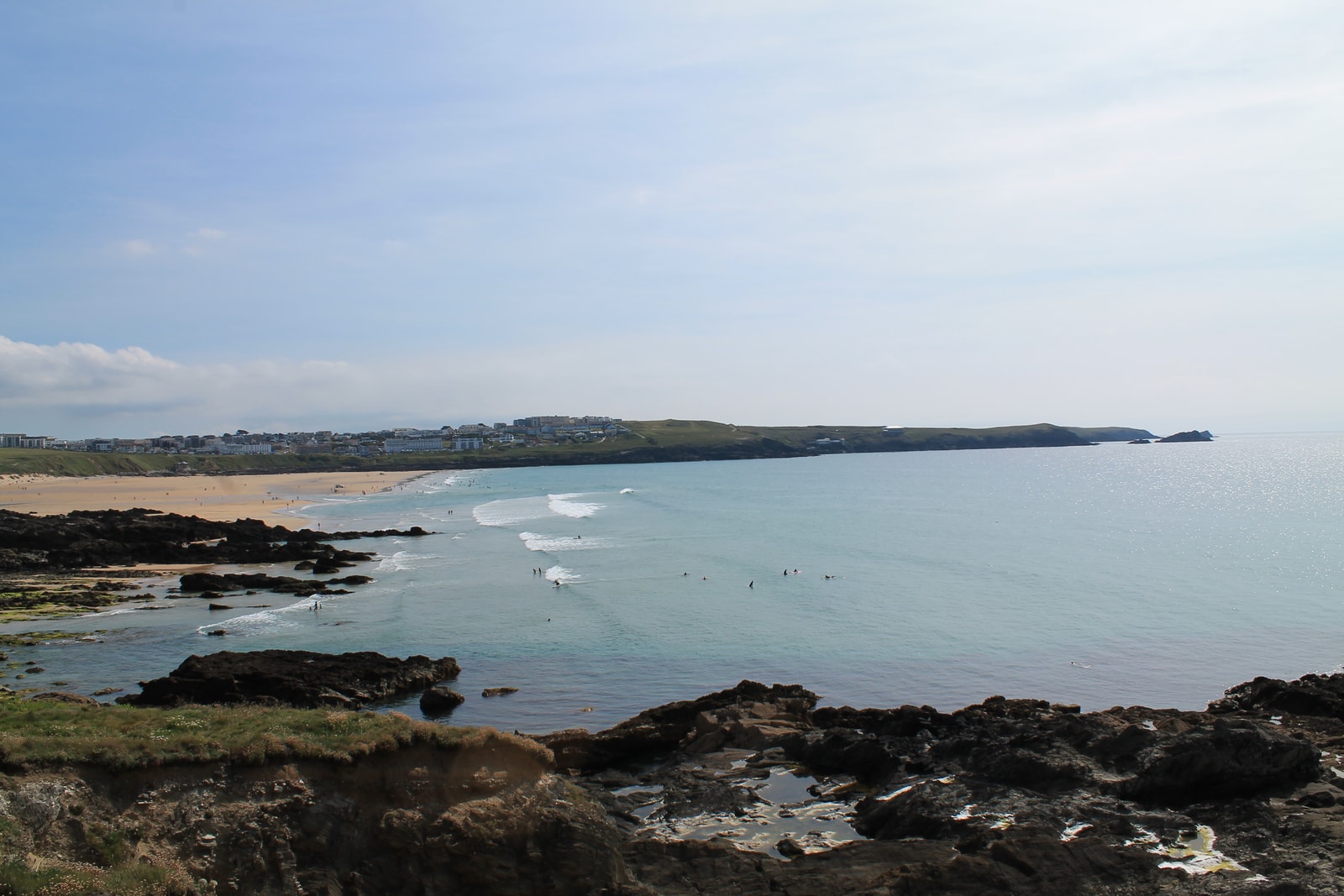
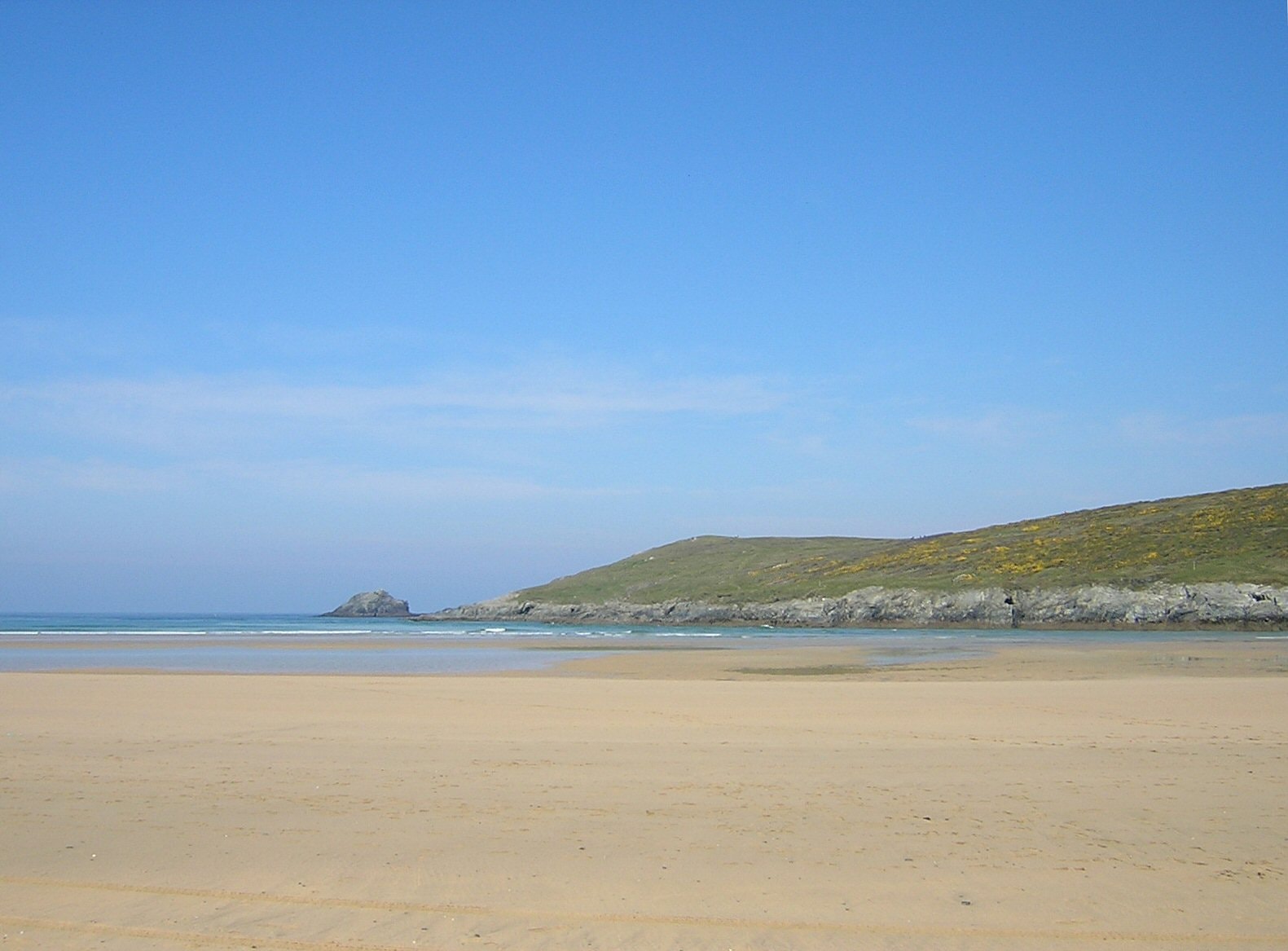
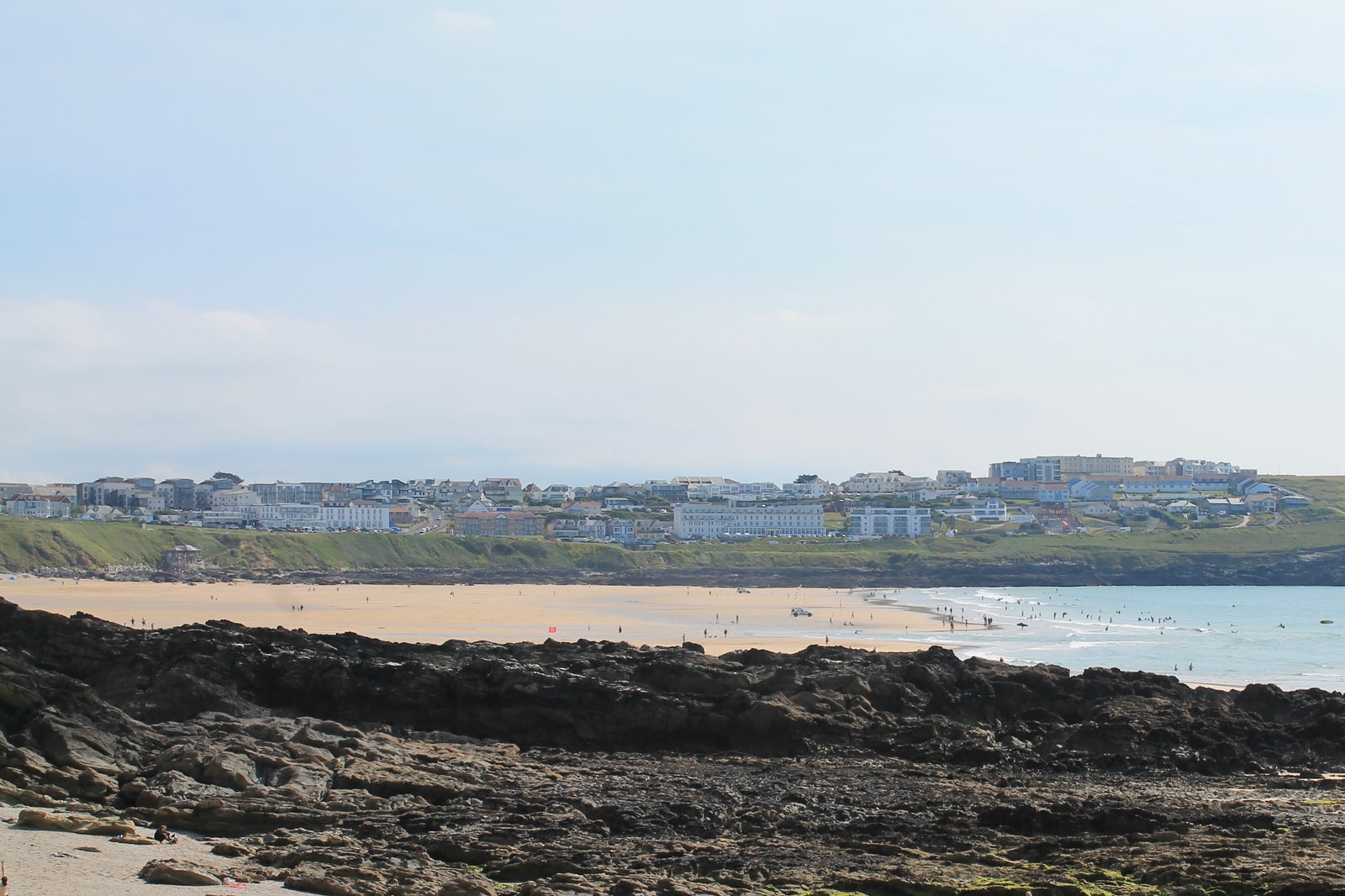
Perched on the edge of north Cornwall, Fistral Beach is the undisputed heart of British surfing. This 750-meter crescent of golden sand faces directly into the Atlantic Ocean, capturing some of the most consistent and powerful swells in Europe.
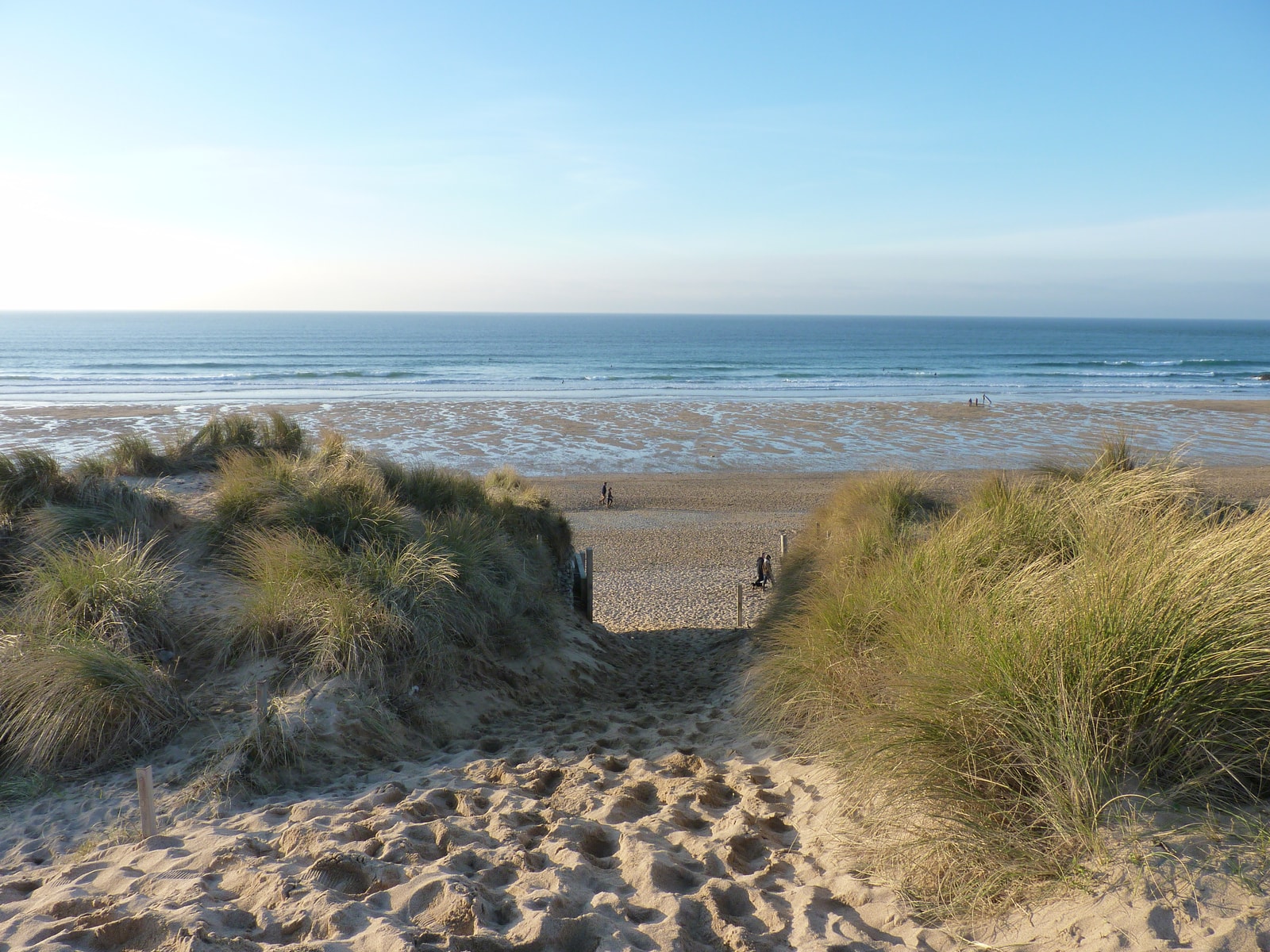
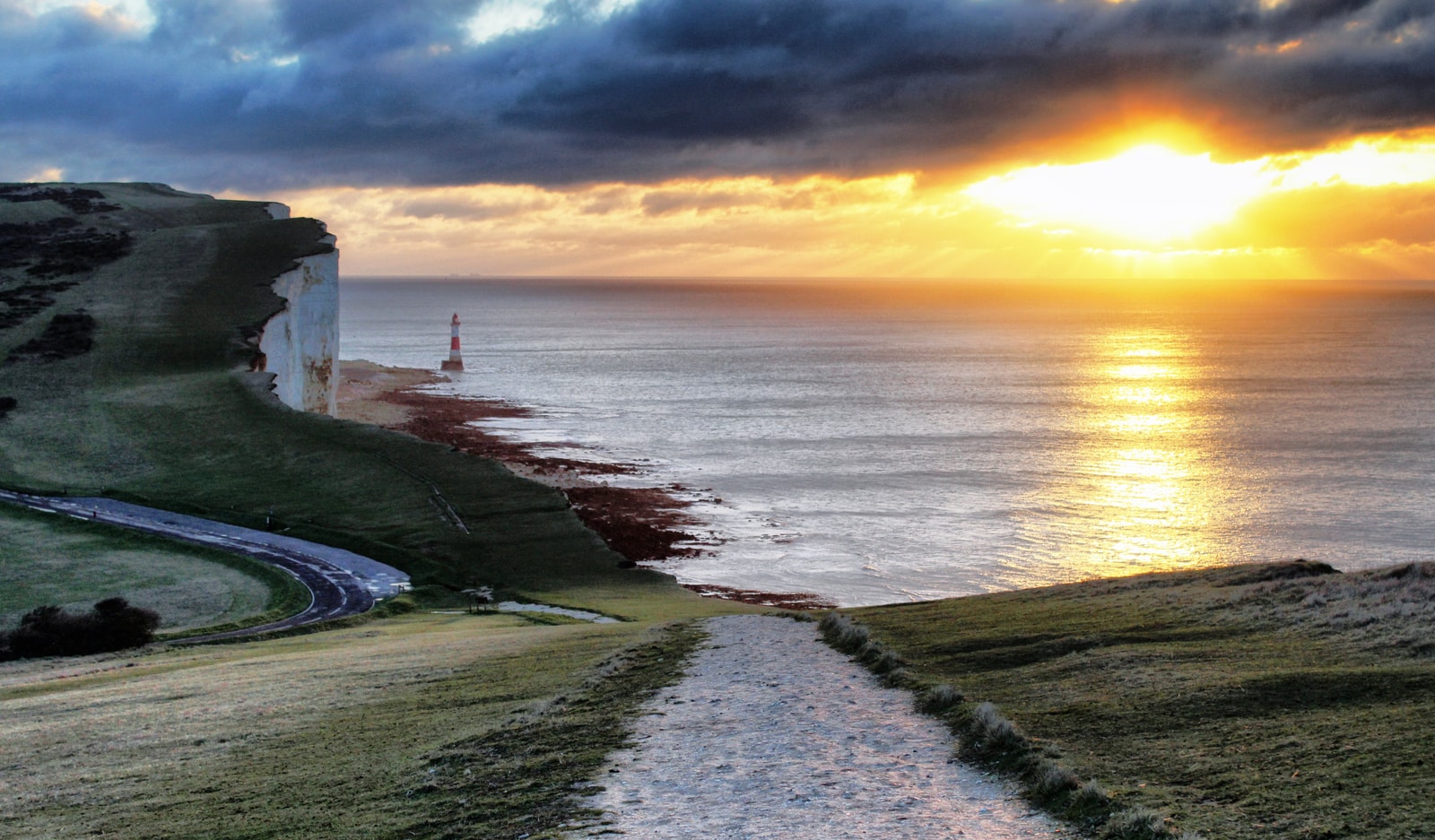
The beach is flanked by two ancient headlands. To the north, the rugged Towan Headland is a steep peninsula of 400-million-year-old slate shot through with white quartz veins. To the south, Pentire Point East offers a gentler landscape of rolling dunes, rock pools, and sea caves.
Its famous golden color comes from highly calcareous sand, a mix of fine seashell fragments and quartz. This creates a firm, hard-packed surface ideal for beach walks, especially at low tide when a massive plain of sand is revealed.
Fistral experiences a dramatic macro-tidal environment, with a vertical range of up to 7.5 meters during spring tides. The water level changes twice a day, rapidly transforming the vast beach into a narrow strip of sand against the dunes.
Riding the Atlantic: A Surfer's Guide to the Waves
Fistral's west-northwest exposure makes it a reliable wave magnet, with shifting sandbars creating several distinct breaks catering to all skill levels.
- South Fistral: Sheltered by the headland, this end offers smaller, more forgiving waves, making it the perfect training ground for beginners.
- Middle Fistral: This wide, sandy section produces consistent A-frame peaks, offering fun rides for intermediate surfers.
- North Fistral: Receiving the full force of the swell, this area delivers fast, powerful, and often hollow waves for experienced riders.
- Little Fistral: A low-tide reef break near the cliffs, this spot is for advanced surfers only, creating steep and fast waves.
The Cribbar: Chasing Britain's Mythical Monster Wave
Off the tip of Towan Headland lies the Cribbar, a shallow reef that produces the UK's most famous big wave. Known as "The Widow Maker," this legendary break is both rare and formidable, attracting elite surfers from around the world.
The beast awakens only a few times each winter, typically between November and March. It requires a perfect storm of conditions: a massive North Atlantic groundswell, a long wave period of 14 seconds or more, light offshore winds, and a very low spring tide.
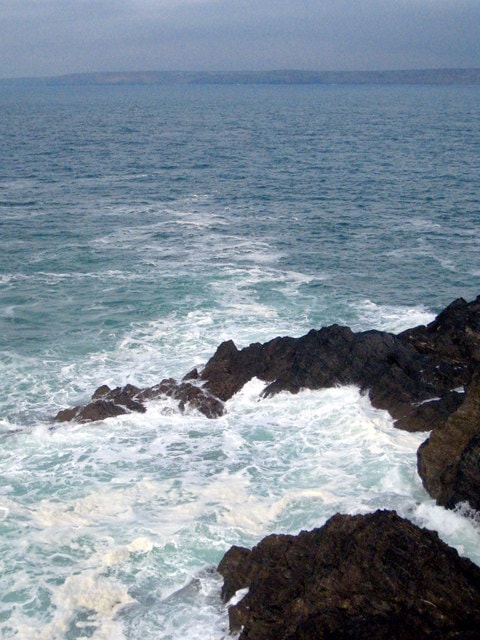
When these elements align, the swell collides with the reef and shoals violently, creating a thunderous wave face that can reach heights of 20 to 40 feet. The wave was famously conquered in September 1965 by a group of pioneering surfers, cementing Fistral's place in global surf history.
Coastal Culture: From 60s Rebels to Modern Icons
Fistral's identity was forged in the 1960s surf revolution. In 1965, Bilbo Surfboards, the UK's first major surfboard manufacturer, opened in Newquay, transforming the beach into a hub for a free-spirited, counter-cultural lifestyle.
The British Surfing Association was formed here in 1966, establishing Fistral as the competitive capital of UK surfing. The 1970s brought the shortboard revolution and a rise in localism, as Newquay surfers protected their home breaks from visiting crowds.
Navigating Fistral Safely: Lifeguards and Surf Schools
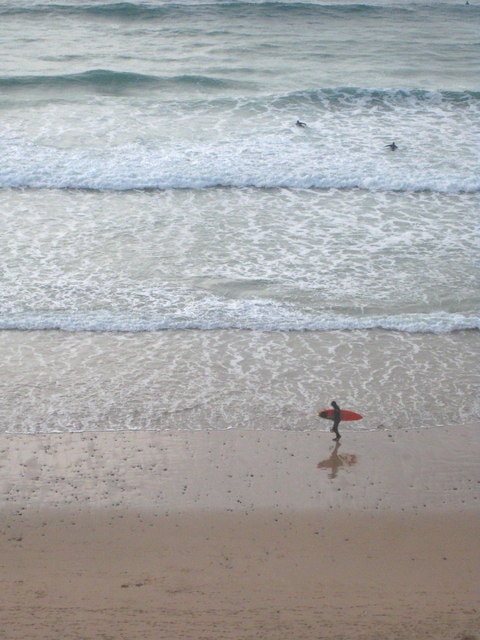
Fistral's raw Atlantic power demands respect. Powerful rip currents are a permanent feature along the rocky headlands at both ends of the beach, acting like conveyor belts pulling water out to sea. Swimmers and surfers should know how to spot and escape them.
During summer, tiny weever fish bury themselves in the shallow sand. Stepping on their venomous dorsal spines causes an intense sting. The best prevention is to wear wetsuit boots or do the "weever shuffle" by sliding your feet along the sand.
Professional RNLI Lifeguards patrol the beach daily from Easter through October. Always swim between the red-and-yellow flags, and surf between the black-and-white chequered flags. A solid red flag means conditions are too dangerous to enter the water.
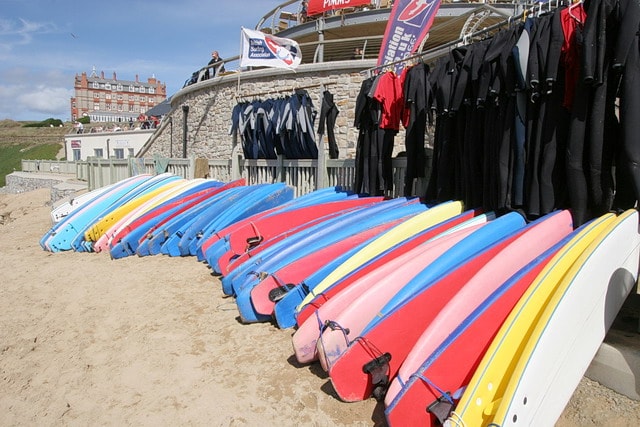
For expert guidance, Fistral's accredited surf schools offer lessons for all abilities. Fistral Beach Surf School, located in the International Surfing Centre, is fully accredited by Surfing England. The Newquay Activity Centre is a Surfing England Centre of Excellence, specializing in advanced coaching and coasteering.
Landmarks and Legends: The Headland Hotel and Beyond
Dominating the northern cliffs is the magnificent, Grade II listed The Headland Hotel. Opened in 1900, its striking red-brick facade was a controversial choice by architect Silvanus Trevail, leading to the Newquay Riots of 1897 as locals protested the development on common land.
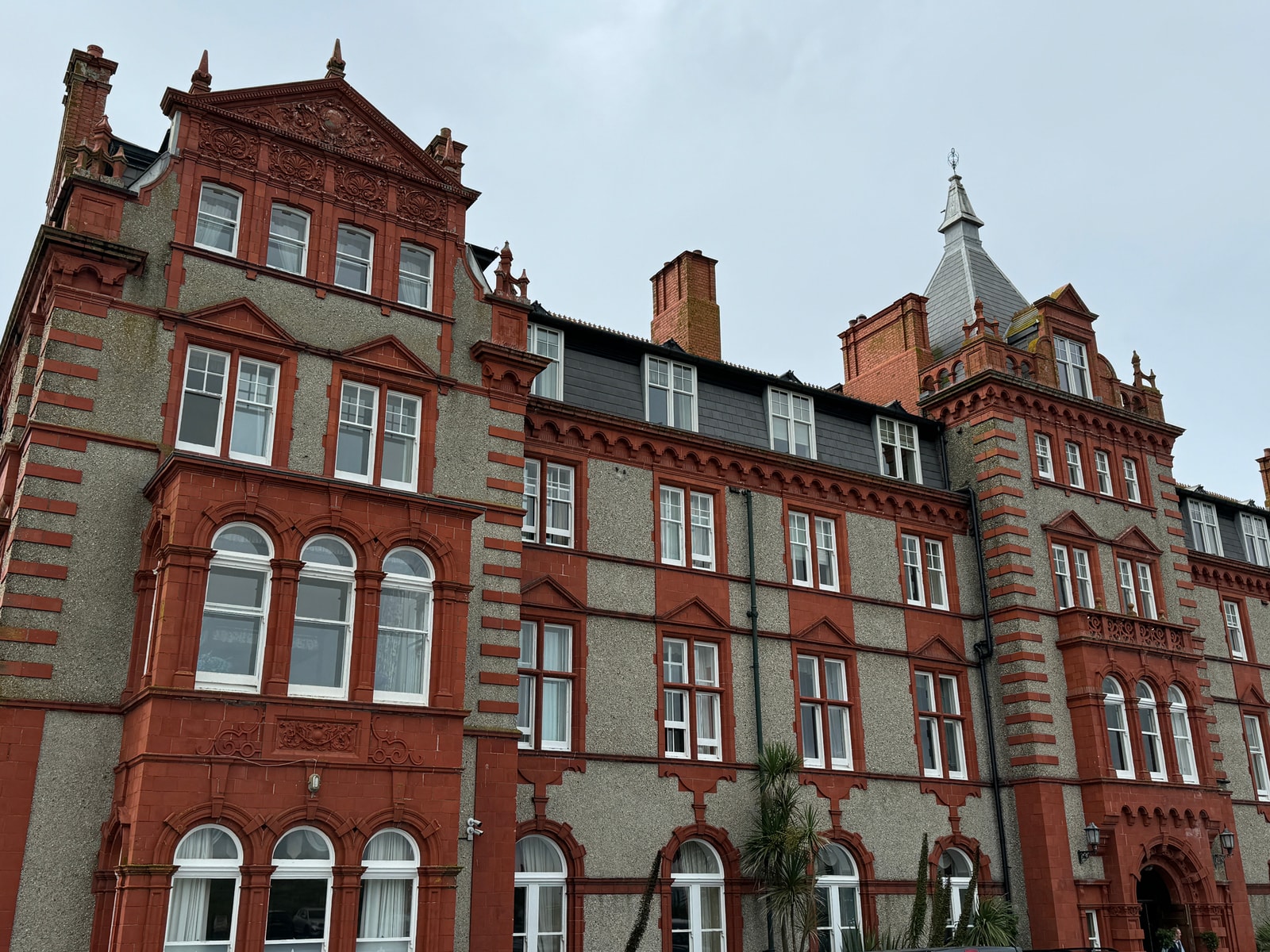
The hotel became a favorite of royalty and famously served as the primary filming location for the 1990 film adaptation of Roald Dahl’s The Witches, where it was called "The Excelsior Hotel."
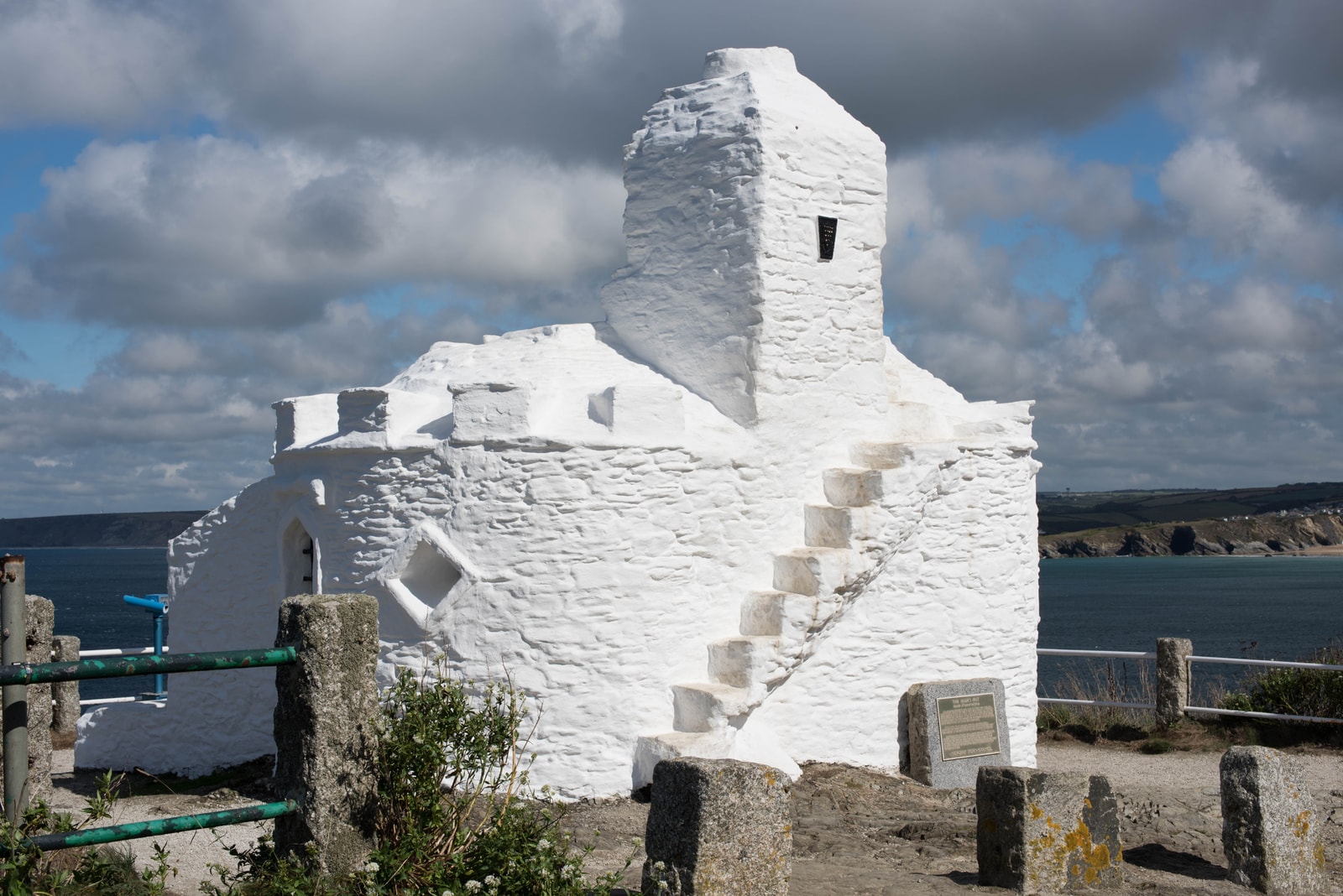
Nearby historical sites include the Huer's Hut, a 14th-century lookout where a "huer" would spot shoals of pilchards for the fishing fleet. The South West Coast Path runs along the cliffs, offering stunning walks, including a 1.5-mile loop around Pentire Point East.
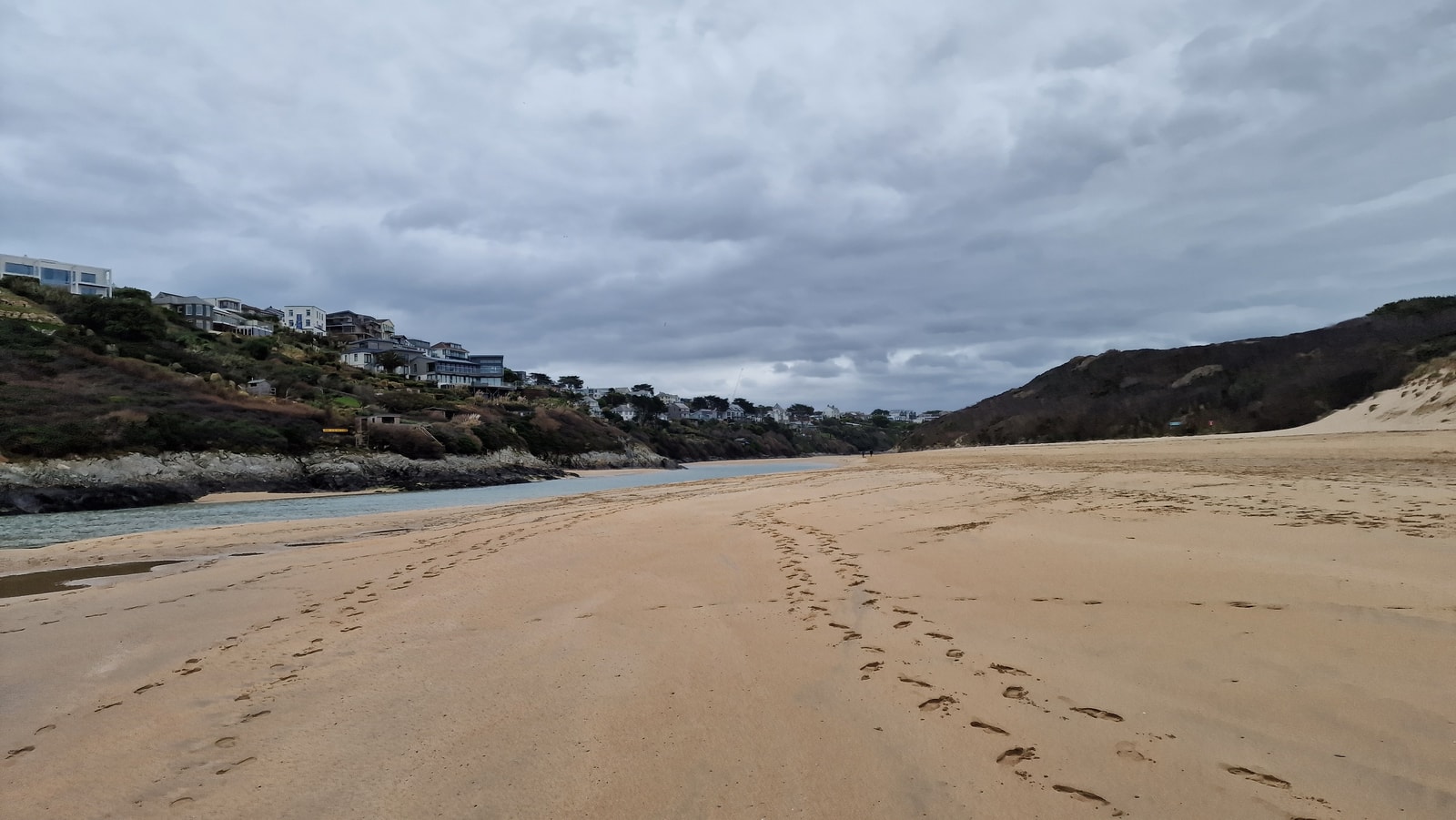
To the south, The Gannel Estuary separates Newquay from Crantock. This tidal river is a tranquil haven for wading birds, but walkers must carefully check tide tables before attempting to cross its sandy flats at low tide.
The Wild Side: Fistral's Thriving Marine Life
The waters around Fistral are a vibrant ecosystem protected under the Newquay and The Gannel Marine Conservation Zone (MCZ). At low tide, the rock pools at either end of the beach teem with life, including anemones, crabs, and camouflaged fish like the Shanny and Rock Goby.
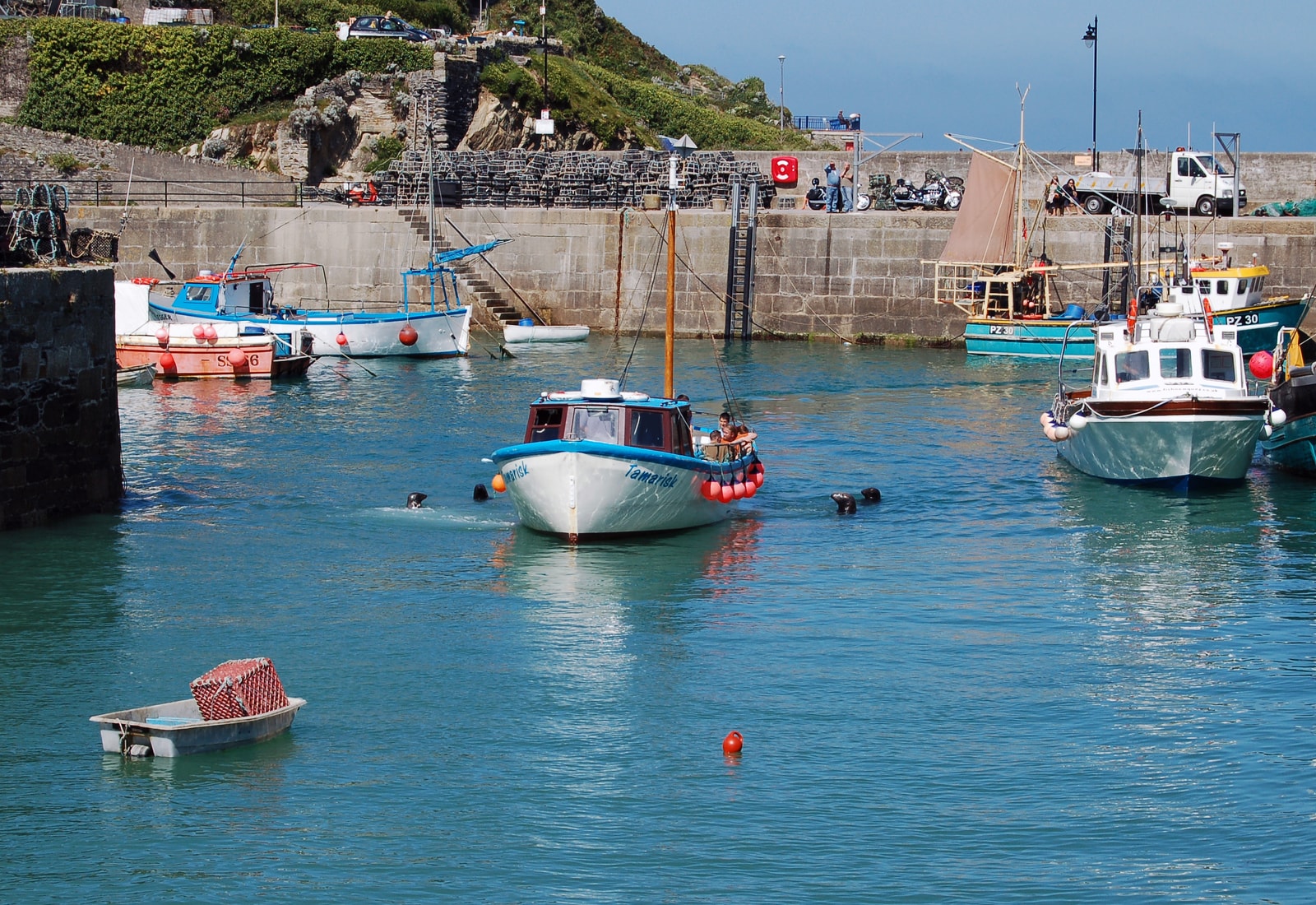
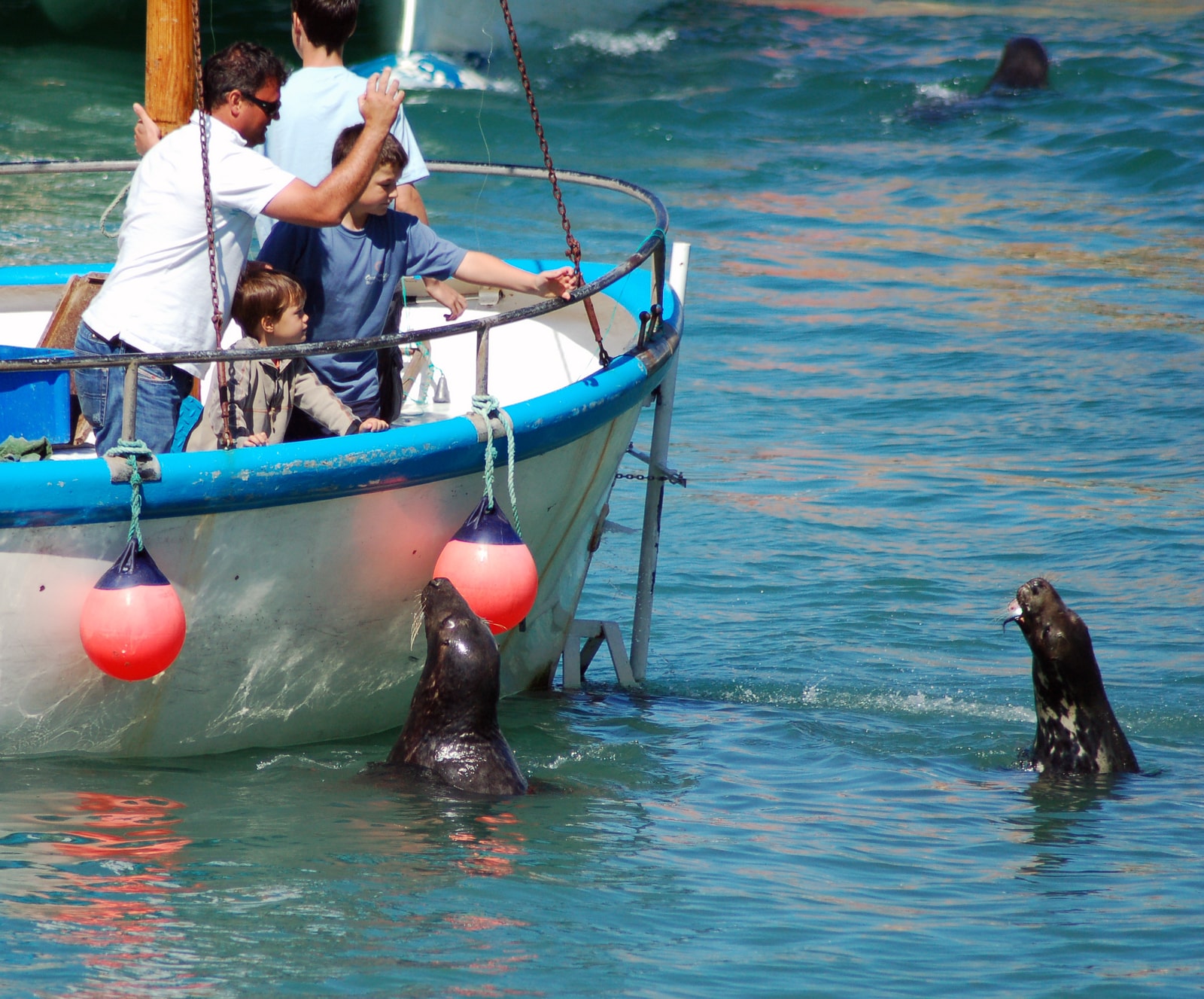
Atlantic Grey Seals are a common sight, often seen bobbing in the water or resting on the rocks. Pods of Bottlenose Dolphins frequently play in the waves, and from May to October, gentle Basking Sharks—the world's second-largest fish—arrive to feed on zooplankton blooms.
The cliffs also provide nesting sites for seabirds like Fulmars and Kittiwakes, while Gannets can be seen plunge-diving for fish offshore. Groups like the Cornwall Wildlife Trust and Surfers Against Sewage work to protect this rich marine environment.
Beachfront Dining: From Cornish Pasties to Fine Seafood
Fistral has become a serious culinary destination, blending high-quality Cornish ingredients with relaxed beachside dining. The main beach complex and surrounding cliffs host an impressive array of eateries.
Fistral Bar & Kitchen by Rick Stein offers a mix of classic British fish and chips and bold Asian-inspired dishes like Goan curry and Pad Thai. For a refined experience, The Fish House Fistral Beach is a Michelin-recognized restaurant serving fresh catches straight from Newquay Harbour.
Overlooking the beach, The Stable specializes in artisan sourdough pizzas and offers a huge selection of West Country ciders. For more casual bites, the Fistral Beach Bar is perfect for a sunset drink, while Sea Spray Café at South Fistral is a go-to for breakfast and traditional Cornish cream teas.
Your 2026 Visit: Parking and Practical Tips
Parking at Fistral is divided into two main car parks, each with different rules and tariffs updated for the 2026 season. It's essential to know the difference to avoid fines.
The Main Fistral Car Park, located behind the surfing complex, is privately managed with an ANPR camera system. Tariffs are pay-on-arrival, ranging from around £2.20 for an hour to £15.00 for a full day. Overnight parking is strictly forbidden between 2:00 AM and 4:00 AM.
The South Fistral Car Park is council-run and operates on a seasonal tariff. For 2026, the structure has been updated to support the local community.
- Summer (April 1 – October 31): Charges apply from 9:00 AM to 4:00 PM. Parking is completely free after 4:00 PM.
- Winter (November 1 – March 31): Parking is entirely free all day, encouraging year-round visits.
What's On: Fistral Beach Events for Autumn & Winter 2026
Fistral's event calendar continues well into the autumn and winter months. Here are some key events scheduled after August 22, 2026:
- The Wickedly Witchy Sleepover & Afternoon Brew (October 16 – November 1, 2026): The Headland Hotel celebrates its connection to The Witches film with themed sleepovers and a spooky afternoon tea overlooking the beach.
- Newquay Zombie Crawl (October 24–31, 2026): This town-wide Halloween festival includes spooky surf sessions and costume contests on Fistral Beach during the October half-term.
- Halloween Party at The Esplanade Hotel (October 31, 2026): A family-friendly event with games, crafts, and themed dining overlooking the beach.
- Festive Christmas Party Nights (Select Dates in November & December 2026): Local hotels host festive party nights with premium dining and DJs, all with a backdrop of the wild winter Atlantic.
Gallery
Additional Resources
- Official Newquay Events Guide
- The Headland Hotel Stays and Offers
- Fern Pit Cafe and Ferry
- Lewinnick Lodge