Nacpan Beach: Your Guide to El Nido's Golden Shoreline
How to reach, what to do, and what to pack for a perfect day at Palawan's magnificent four-kilometer stretch of sand and palms.
Published on 5 Nov 2026 20:15 GMT
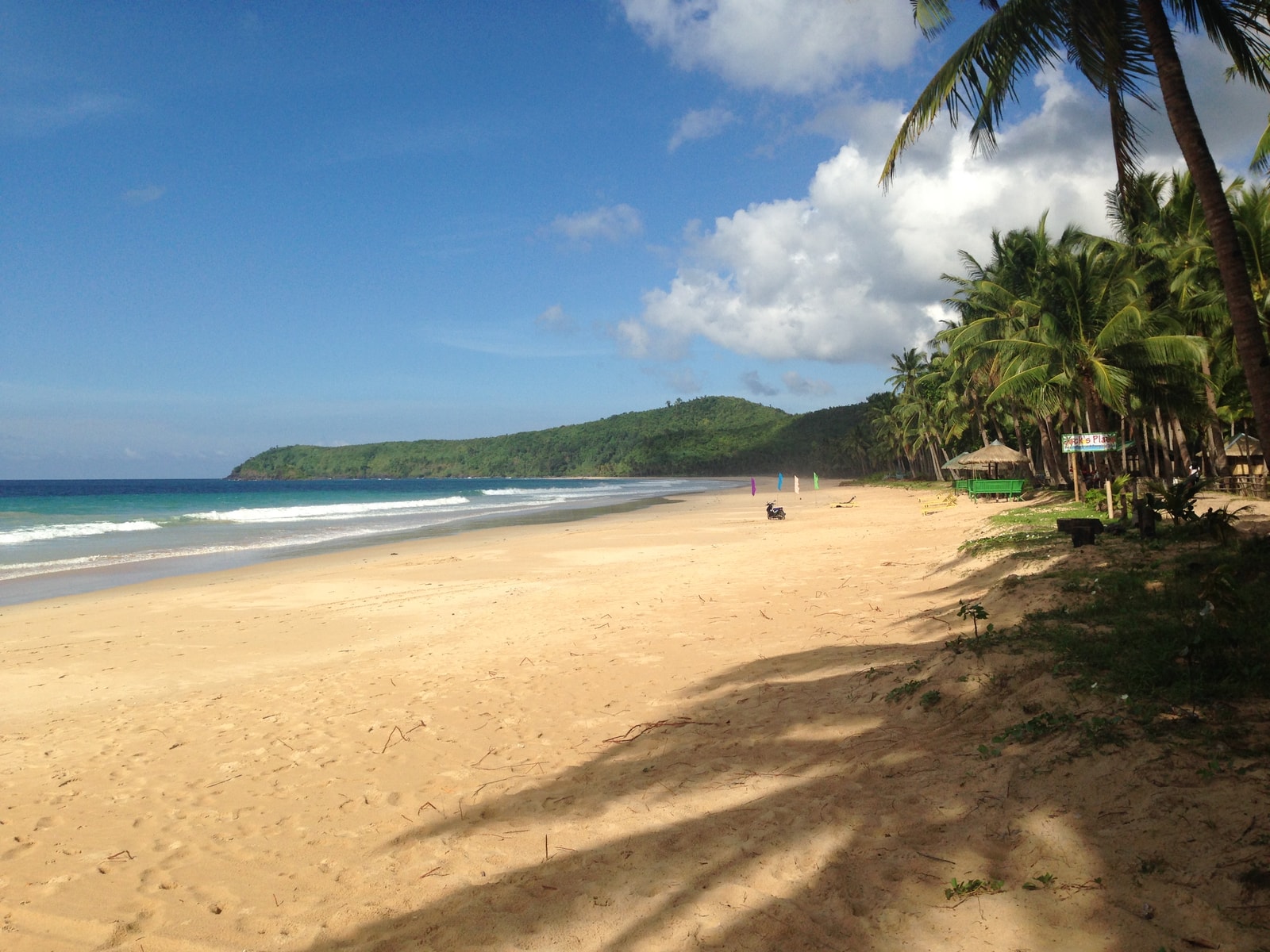
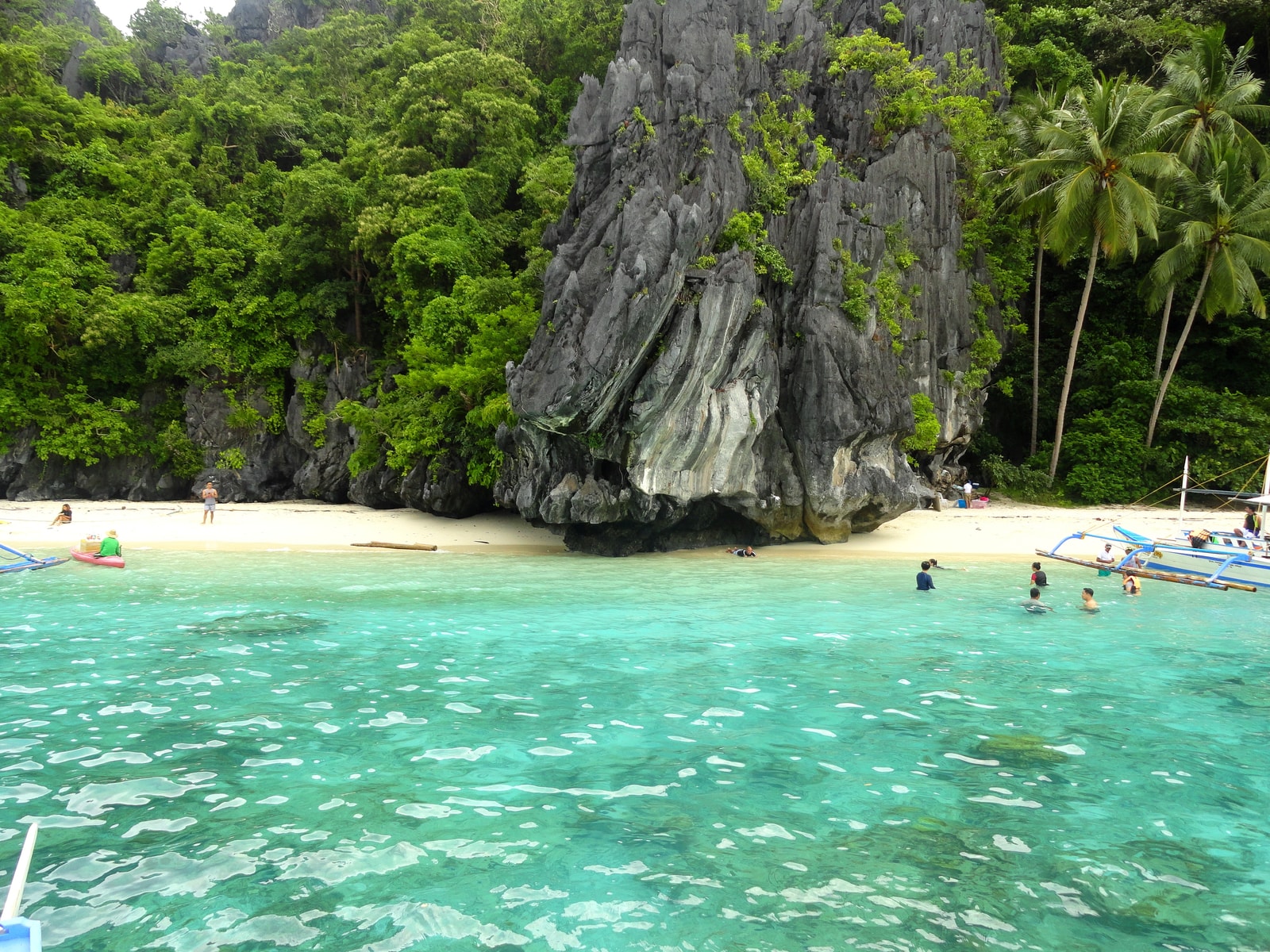
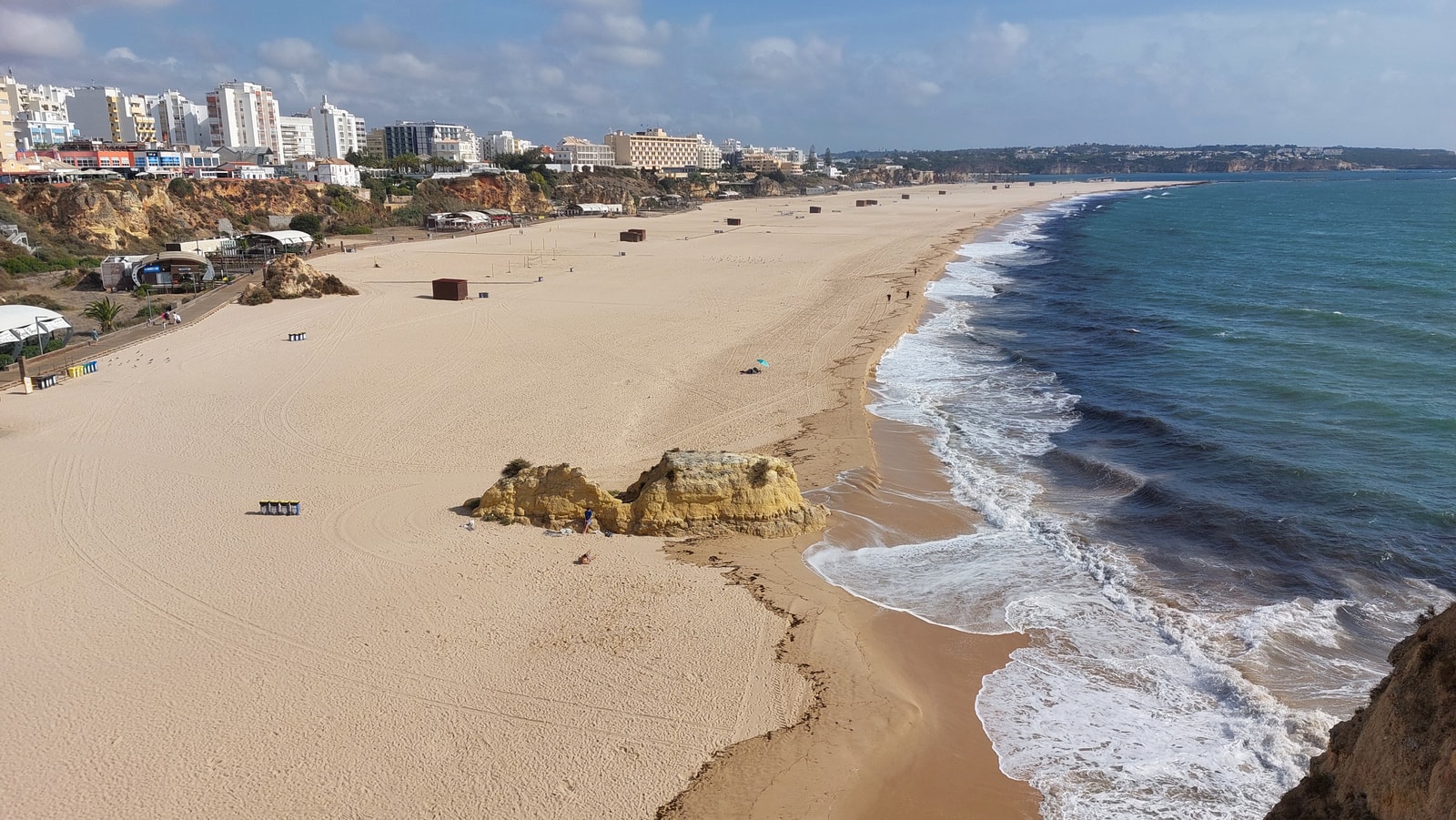
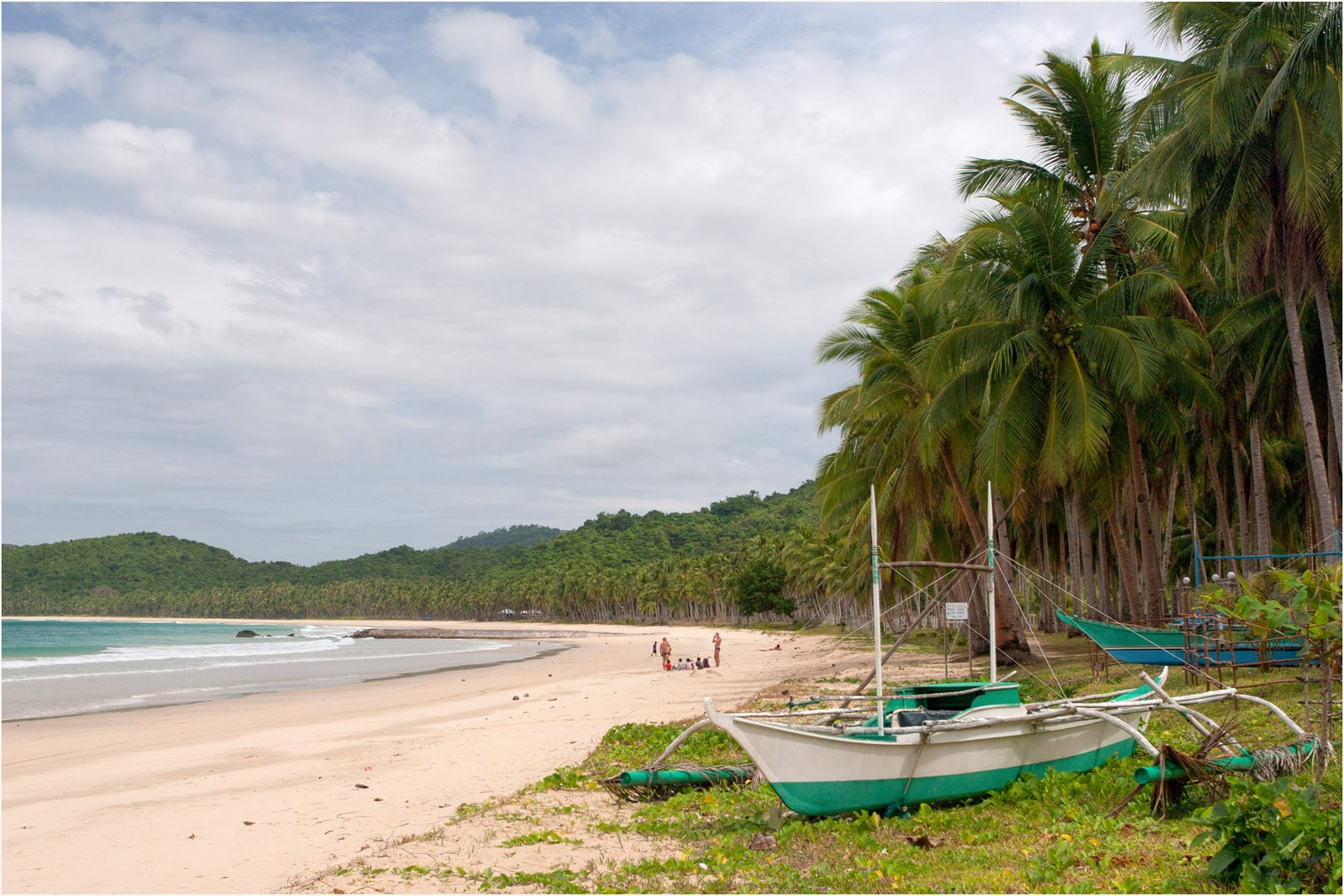
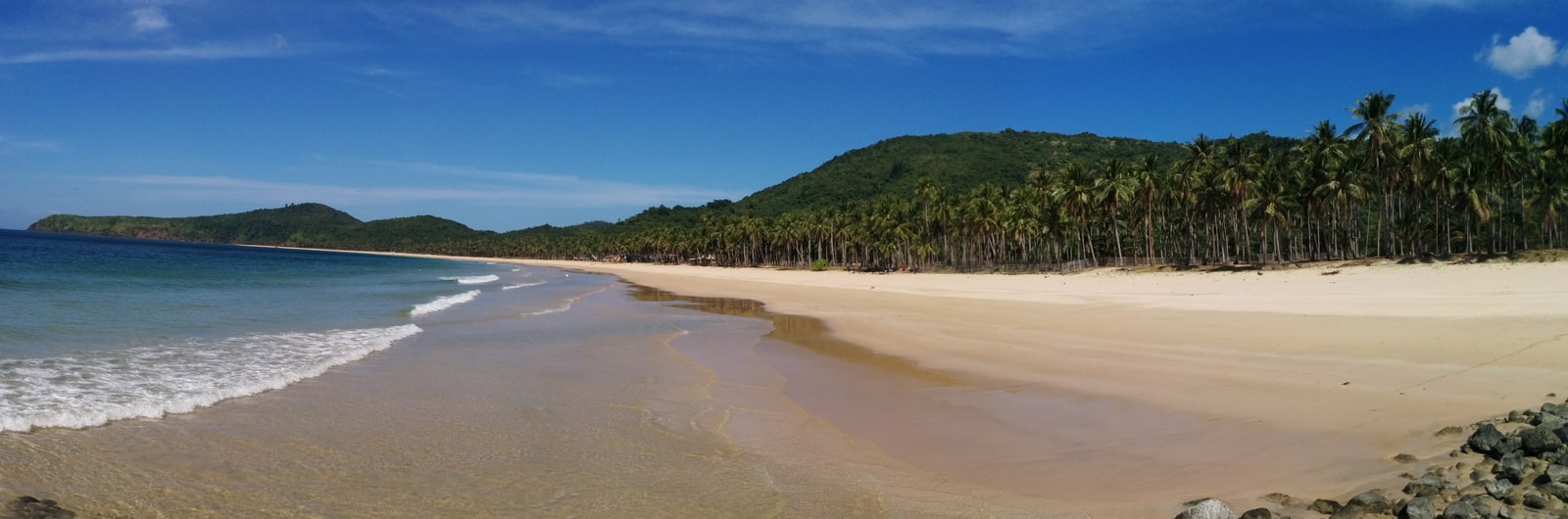
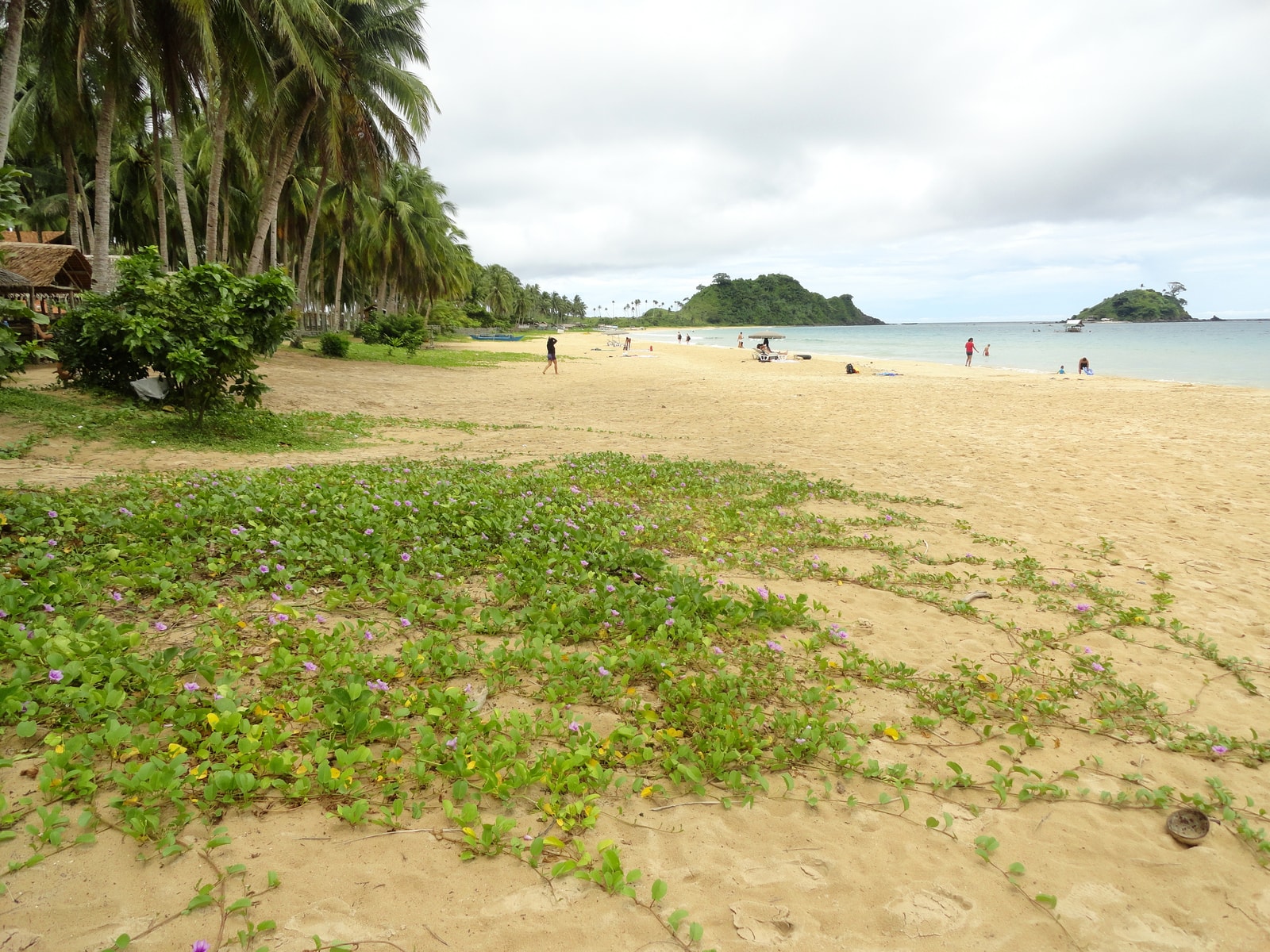
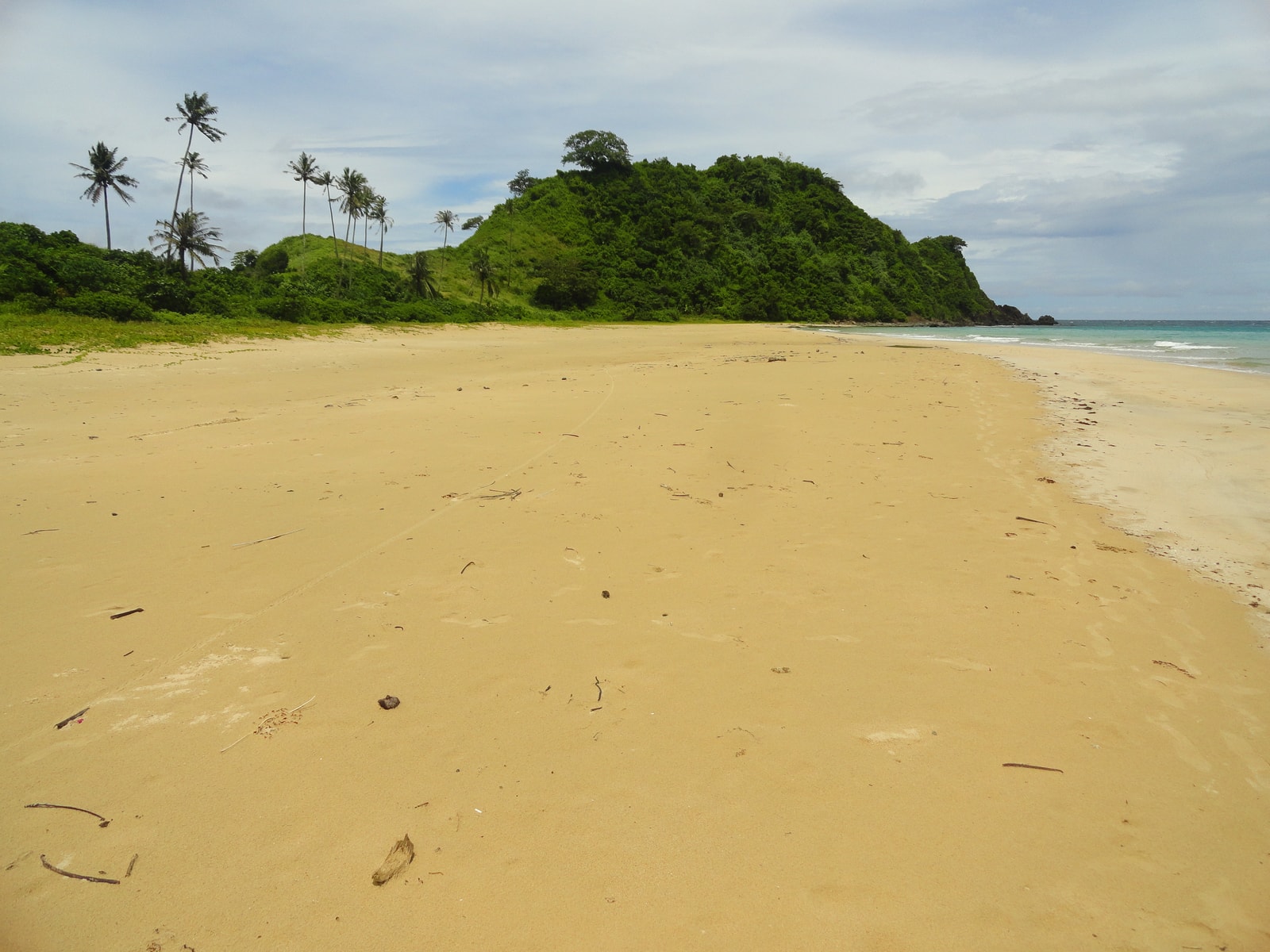
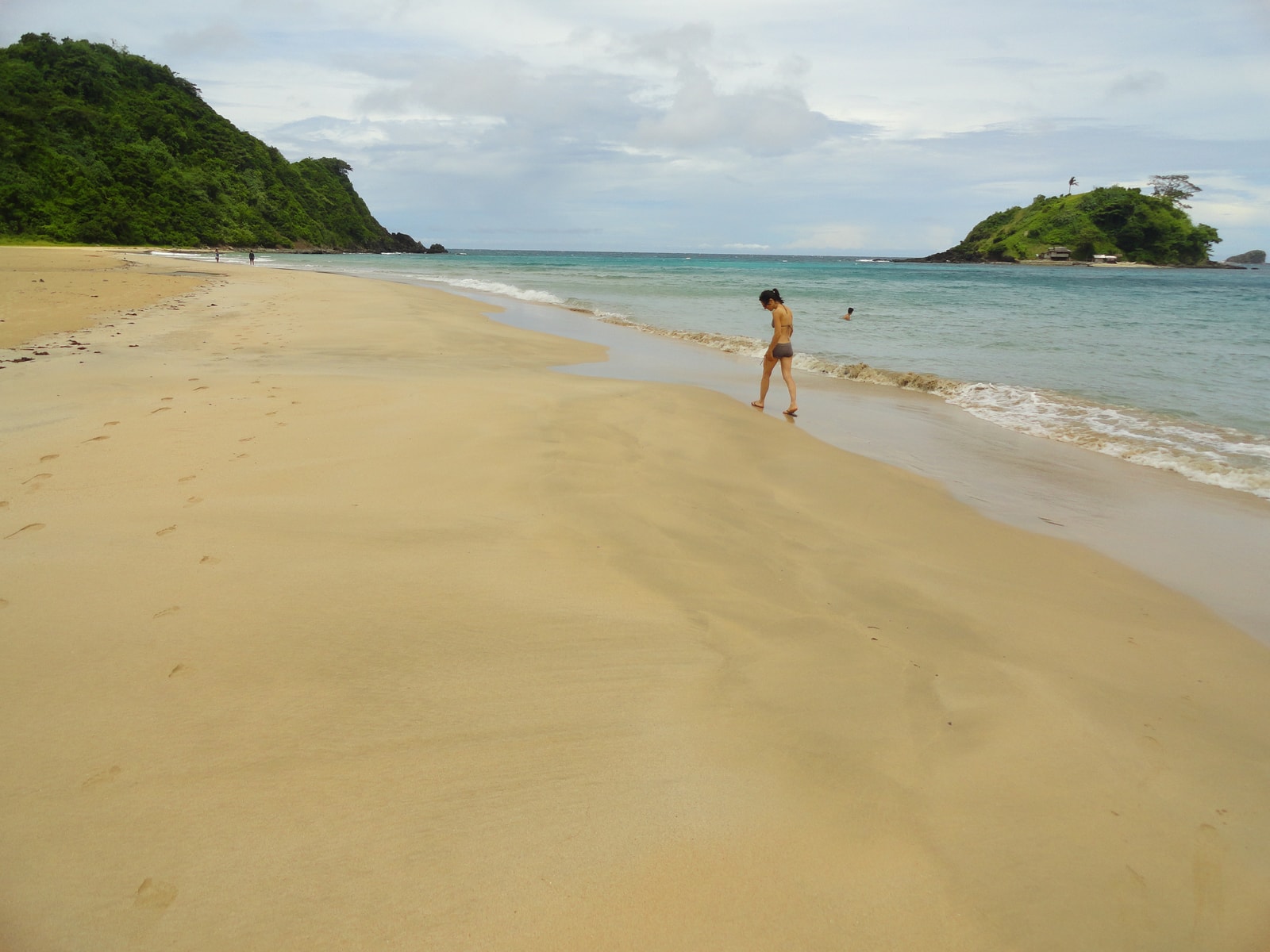
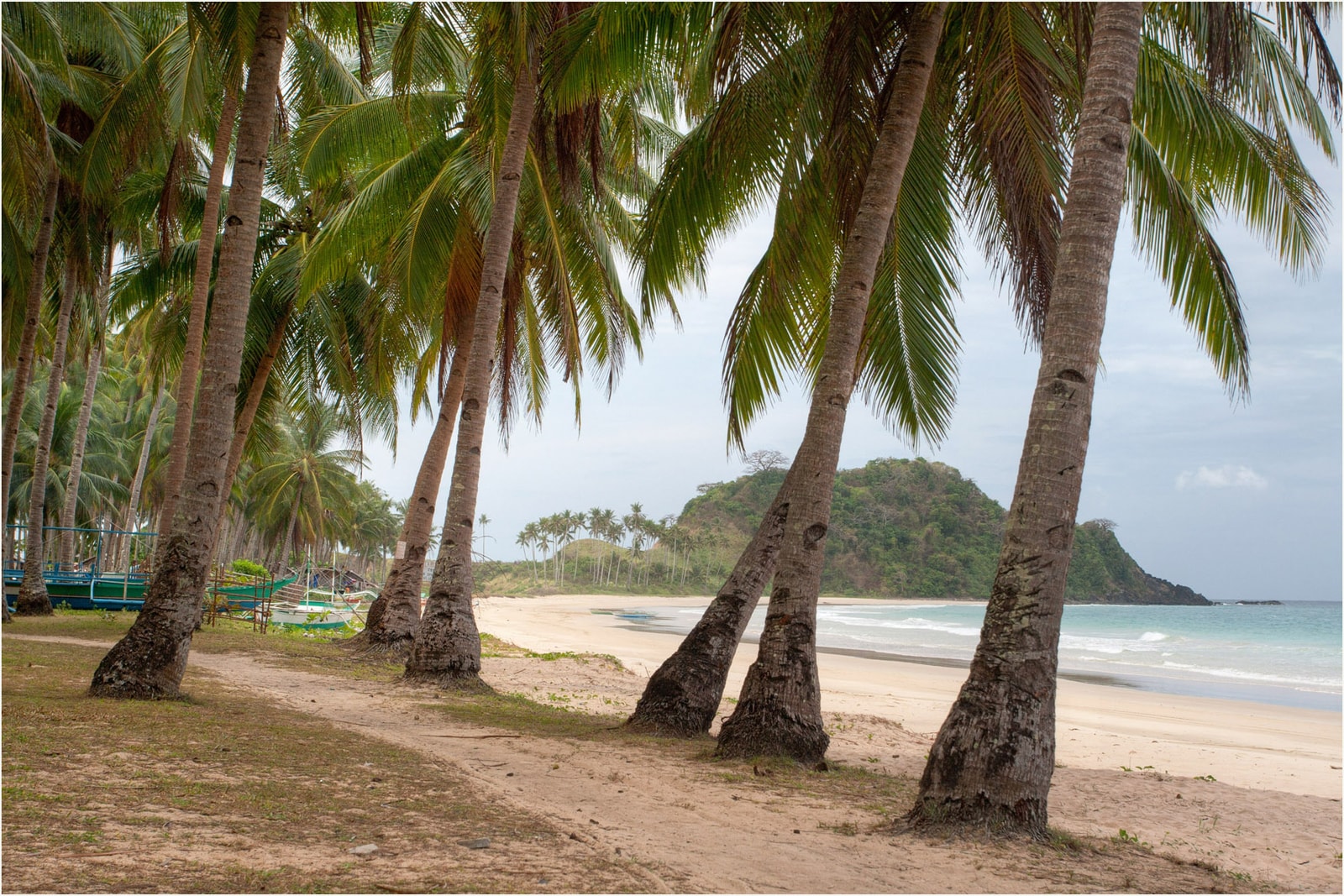
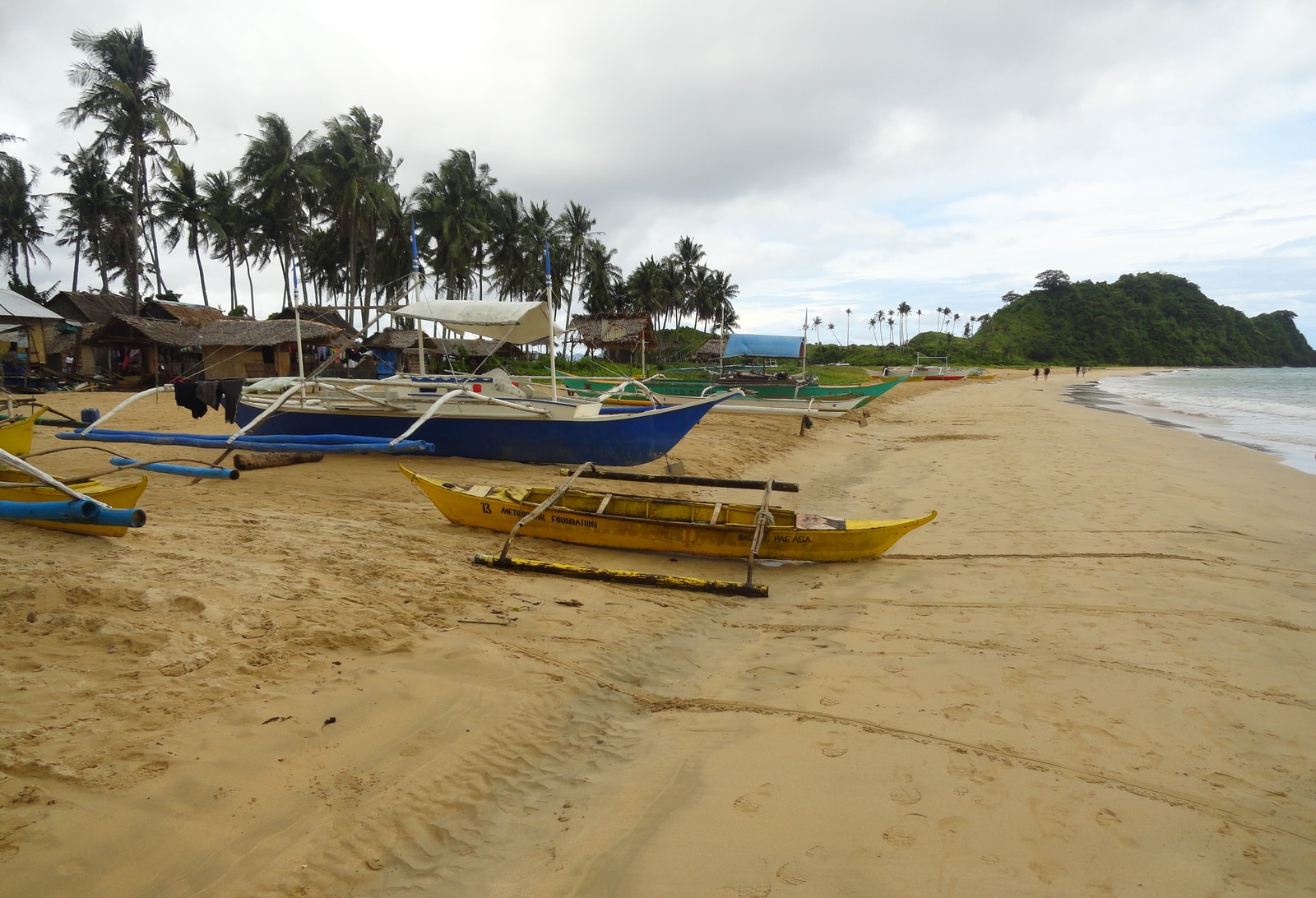
North of El Nido town in Palawan, Nacpan Beach unfolds as a spectacular, four-kilometer arc of golden sand. This long, open-coast beach is edged with coconut palms and lush greenery, offering a feeling of expansive natural space that’s increasingly rare.
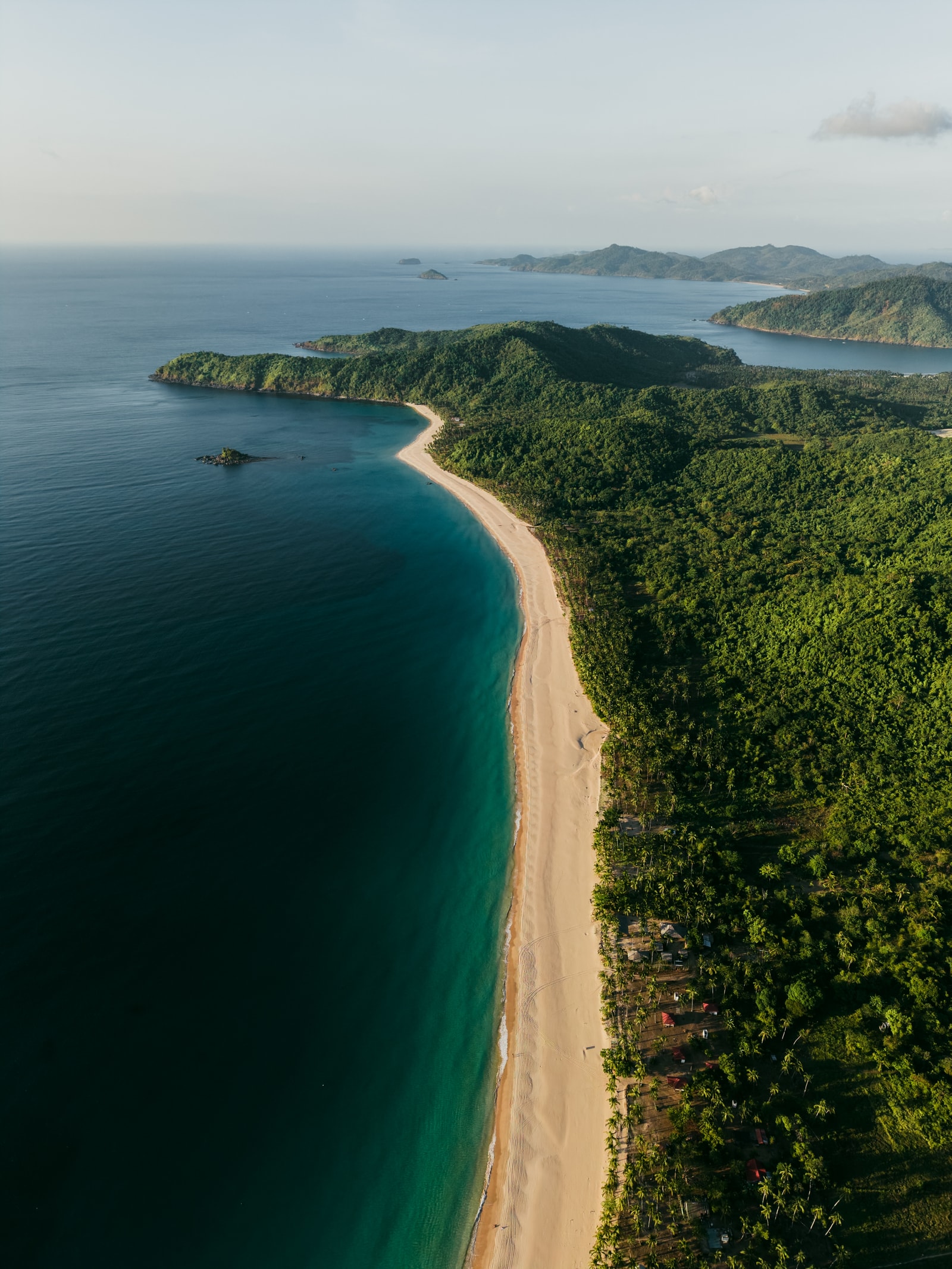
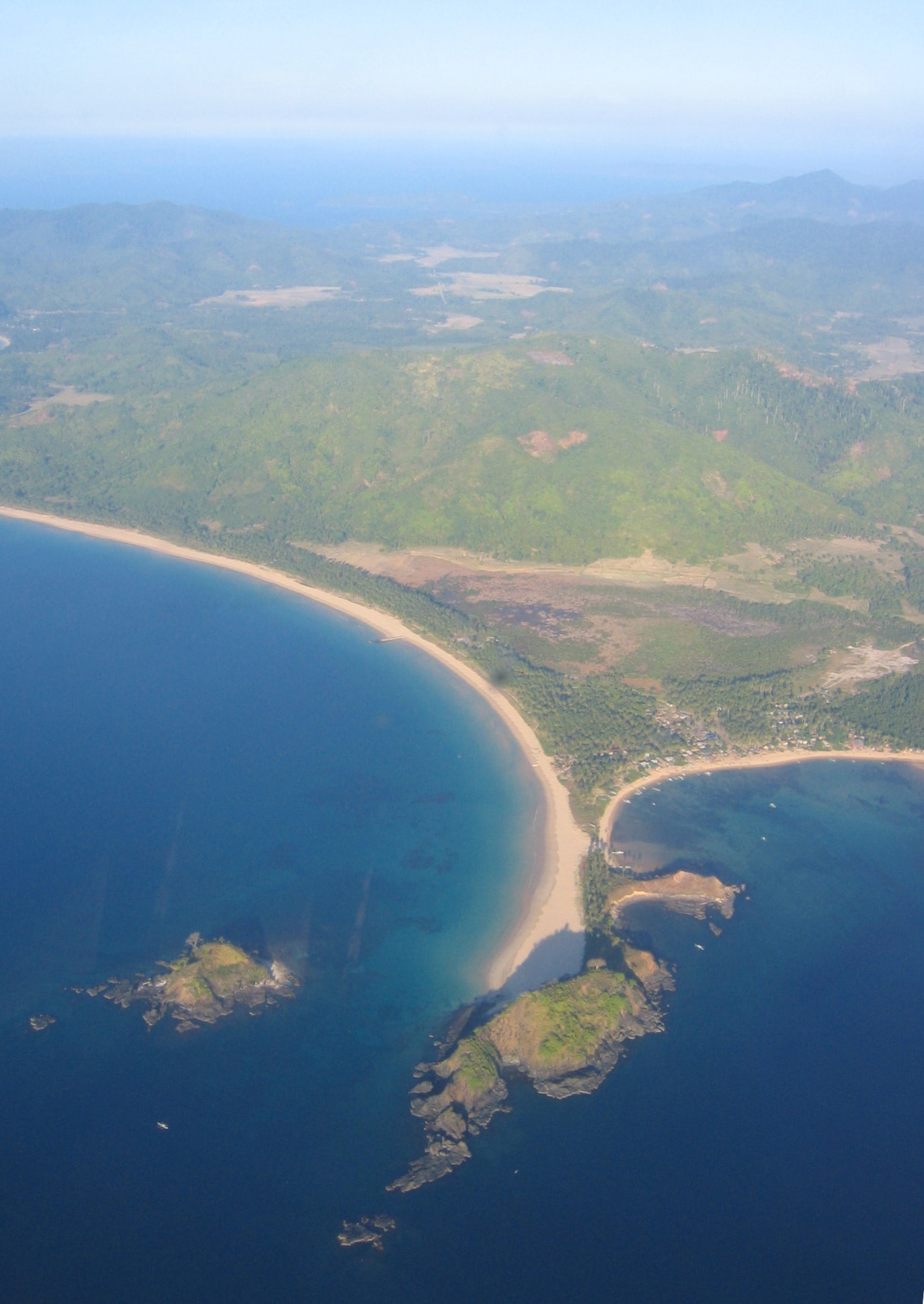
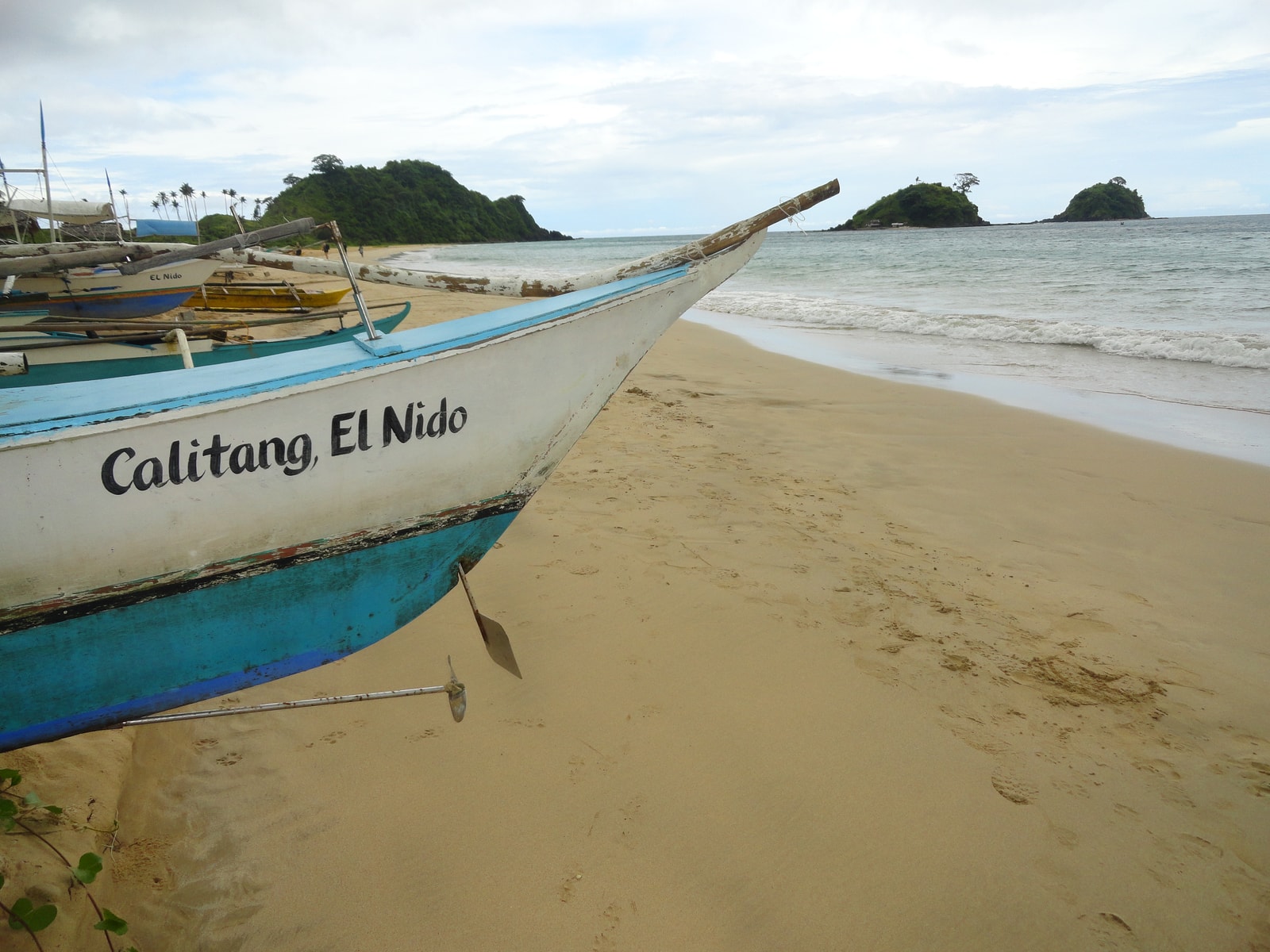
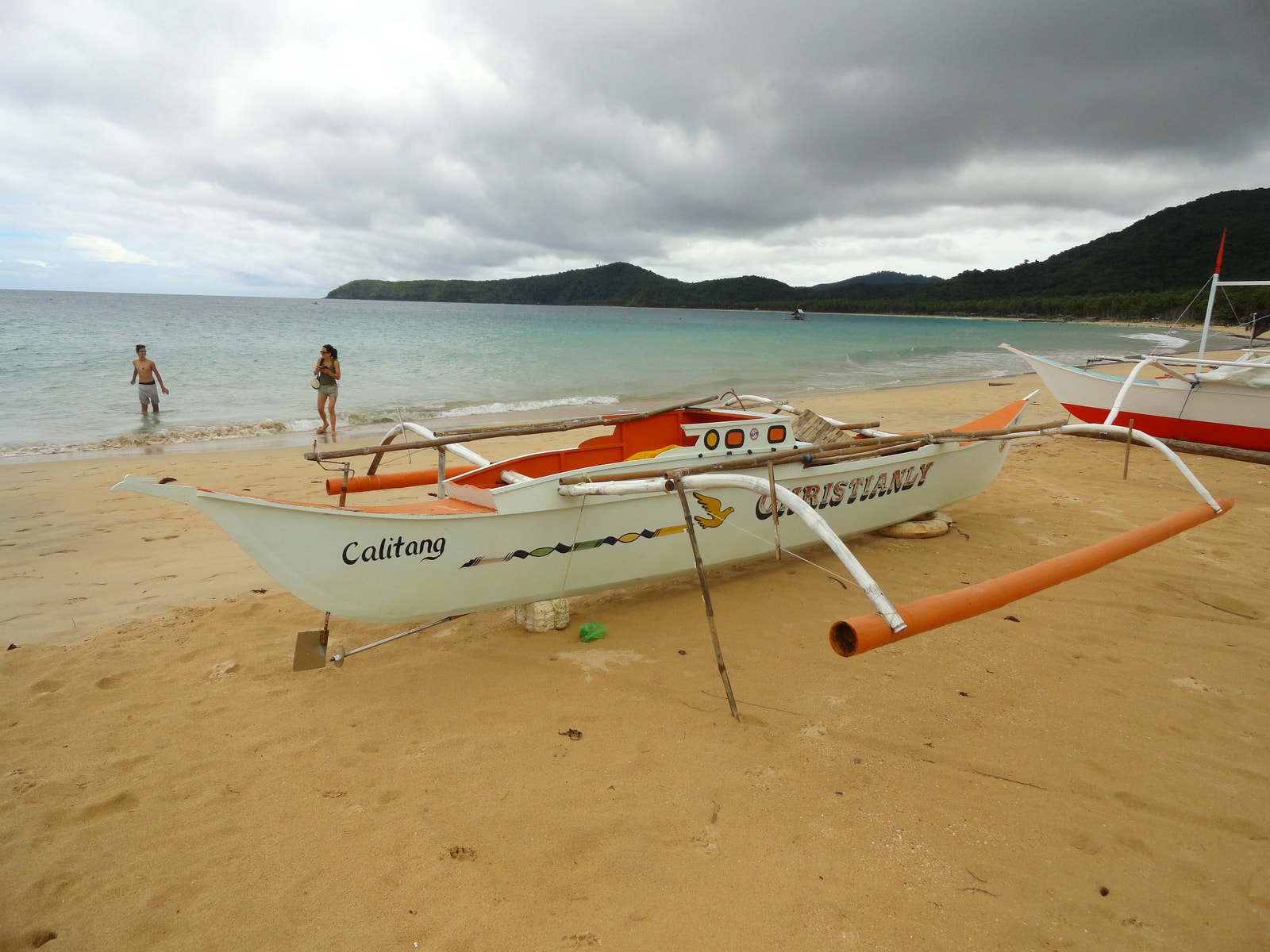
At its southern end, Nacpan meets its smaller neighbor, Calitang Beach. Together, they form the famous Twin Beaches, curving away from each other. A short walk up a low hill at their meeting point rewards you with an elevated view of the two distinct shorelines.
While the setting feels vast, it isn't entirely undeveloped. You’ll find a selection of eateries, accommodations, and activity providers along the shore, blending convenience with the area's natural appeal.
How to Get to Nacpan Beach
Unlike El Nido's island-hopping tours, getting to Nacpan Beach is a land-based journey. The beach is located about 17 to 22 kilometers from El Nido town proper, with travel time typically estimated between 40 and 60 minutes, depending on your mode of transport and road conditions.
Common options for the trip include:
- Scooter: Offers the most flexibility for independent travelers comfortable with local traffic and potentially uneven roads.
- Tricycle: A classic local option that avoids the need for self-driving.
- Shared Shuttle or Van: Often a more comfortable ride, though it operates on a fixed schedule. You can find services like the Nacpan Beach Shuttle Service.
- Private Hire or Inland Tour: Provides convenience and a dedicated vehicle for your group.
Be aware that parts of the road to Nacpan can be rough or unpaved, becoming slippery and challenging after rain. It’s wise to check on current conditions with your driver or accommodation before you set out, and exercise caution if you’re riding a scooter.
A Perfect Day on the Sand
The main attraction at Nacpan is the simple pleasure of enjoying a world-class beach. Its sheer size invites long walks along the water's edge, and taking the time to wander away from the central access points can lead you to quieter, more personal stretches of sand.
When the sea is calm, swimming is a popular activity. For a different perspective, take the short uphill path at the southern end for the iconic view over the Twin Beaches. Local operators may also offer activities like kayaking and paddleboarding, though availability and prices can vary.
Sunsets and Overnight Stays
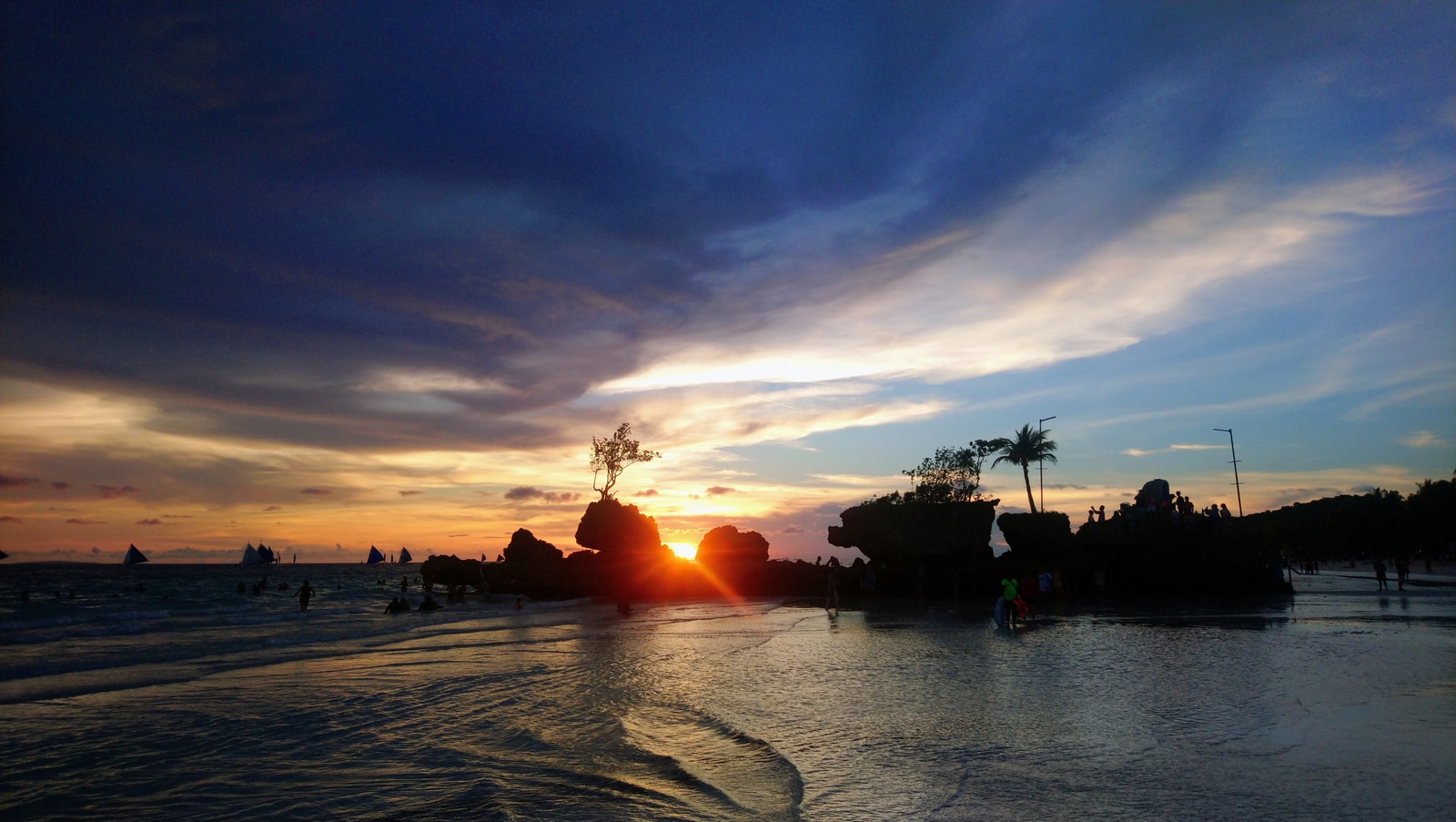
As a west-facing beach, Nacpan is a prime location for watching the sunset. Many visitors time their day to end with the spectacle, and some choose to stay overnight to savor the evening atmosphere without needing to travel back to El Nido in the dark.
Accommodation options have grown beyond basic huts and now cater to a range of travelers. You can find everything from social backpacker spots like Mad Monkey Hostels to more comfortable stays at Sunmai Nacpan Beach, stylish villas, and unique experiences like Nacpan Beach Glamping.
Staying on-site allows you to experience the beach when day-trip crowds have thinned out, offering a more peaceful and immersive experience.
Water Safety and When to Go
It’s important to remember that Nacpan is an open-coast beach, not a placid, sheltered cove. Currents can be present, particularly near the point separating Nacpan and Calitang, so always check sea conditions before entering the water. Lifeguard services are not guaranteed along the entire four-kilometer shoreline.
The Philippines has two main seasons. The dry season generally runs from December to May, with the period from February to May often bringing calmer seas. The rainy season occurs from June to November, when the water can be rougher. These are general patterns, not daily forecasts, so local conditions are always the most reliable guide.
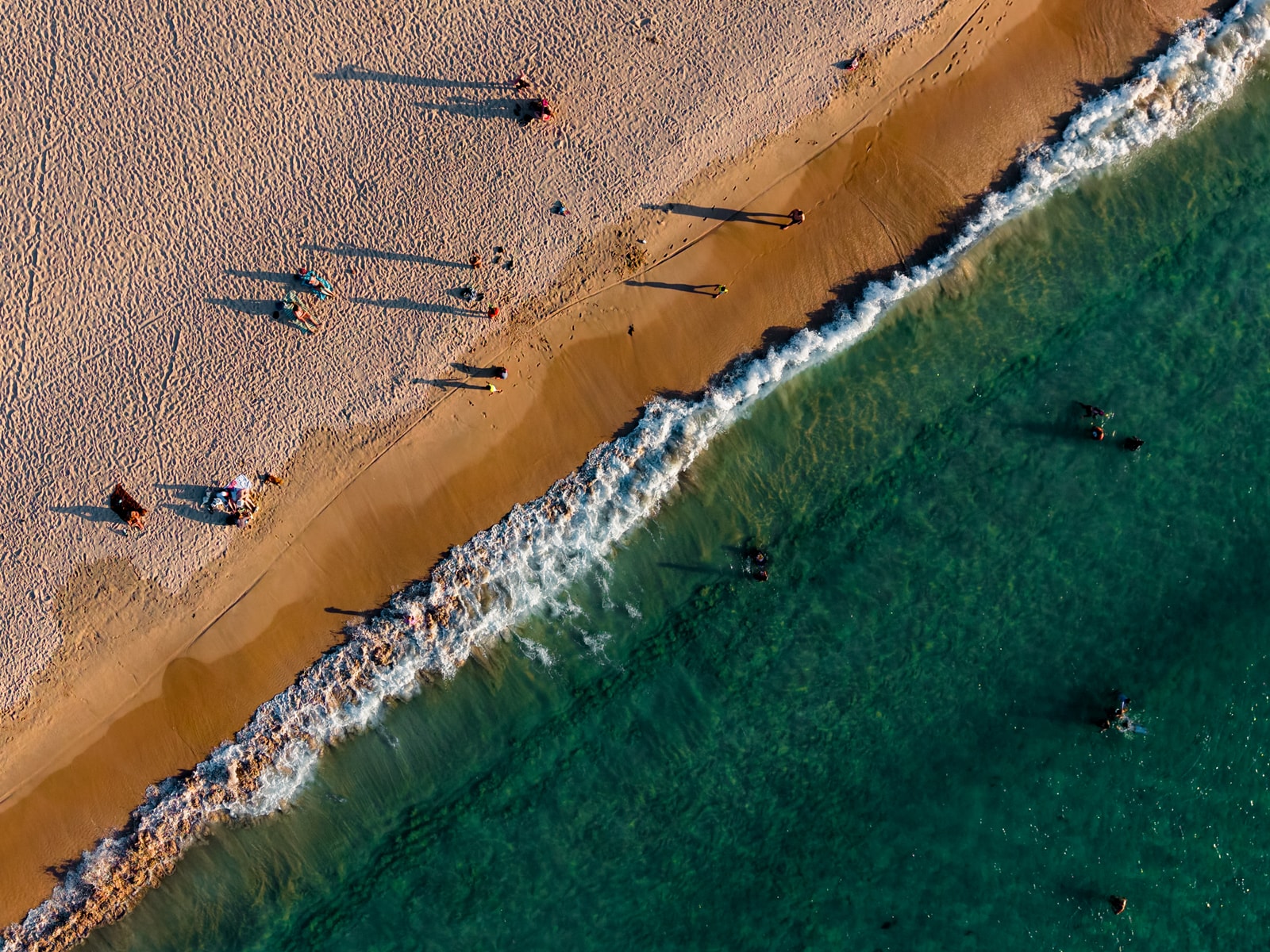
While you might encounter some waves, Nacpan is not considered a reliable surfing destination. Any swell-related activities are dependent on specific weather and sea states, not a regular feature of the beach.
Practical Tips for Your Visit
A little preparation will help you make the most of your time at Nacpan Beach. The area has services, but it’s not a town center, so it’s best to be self-sufficient with a few key items.
- Bring essentials: Pack your own water, sun protection, and a towel, as natural shade can be sparse in some areas.
- Guard against sandflies: Locally known as nik-nik, sandflies can be present, especially around dawn and dusk. Bringing insect repellent is highly recommended.
- Carry cash: Don't rely on finding a working ATM at the beach. While some larger establishments may accept cards, many smaller stalls are cash-only.
- Expect limited connectivity: Mobile signal and Wi-Fi can be weak or intermittent. Plan accordingly if you need to be online.
- Be ready for fees: Reports on entry and parking charges vary. It's a good idea to carry some small cash in case a fee is collected.
Day-trip traffic tends to peak around the middle of the day. Arriving early or staying late for sunset can offer a calmer experience and help you find your own slice of this Palawan paradise.
Gallery
Additional Resources
- Nacpan Beach on Google Maps
- Calitang Beach on Google Maps
- Nacpan Beach Villas Location Information
- Roads & Rivers Guide to Nacpan Beach
- PAGASA Guide to Climate of the Philippines
- UK Foreign Office Travel Advice for the Philippines
- El Nido Insights Nacpan Beach Guide
- Bookaway Guide to Nacpan Beach
- Nacpan Beach Resort Activities
- Calendar of Palawan Festivals and Events