Naples Beaches 2026: The Ultimate Volcanic Coast Guide
From sunken Roman ruins to lively beach clubs, discover Naples' unique charcoal-sand shores with our complete guide to the Summer 2026 season.
Published on 13 Jul 2026 14:22 GMT
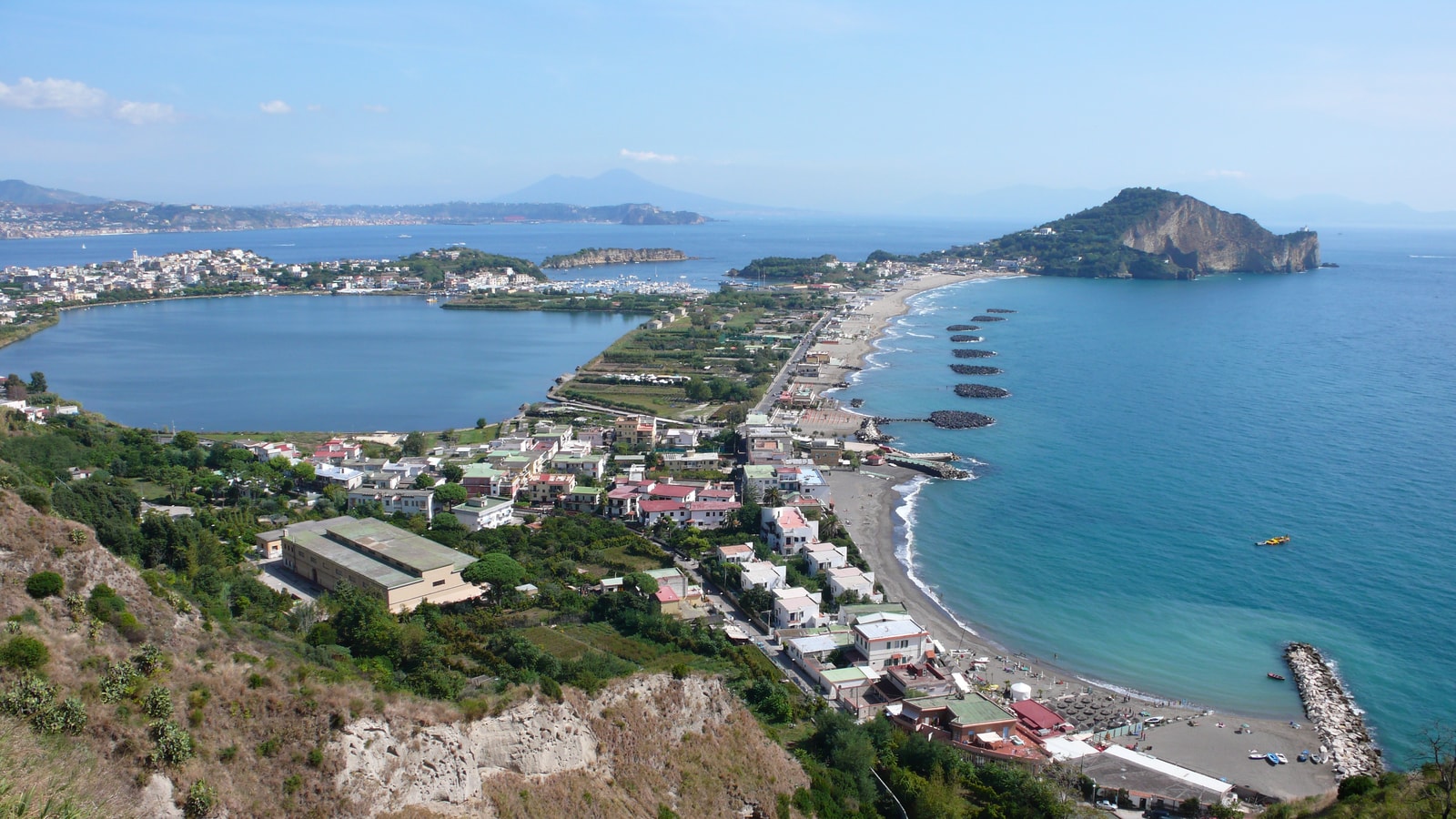
To understand the beaches of Naples is to meet the landscape on its own terms. West of the city, the Campi Flegrei, or Phlegraean Fields, form a vast, active volcanic caldera. This powerful geological force defines the entire coastline, creating a beach experience unlike any other in Italy.
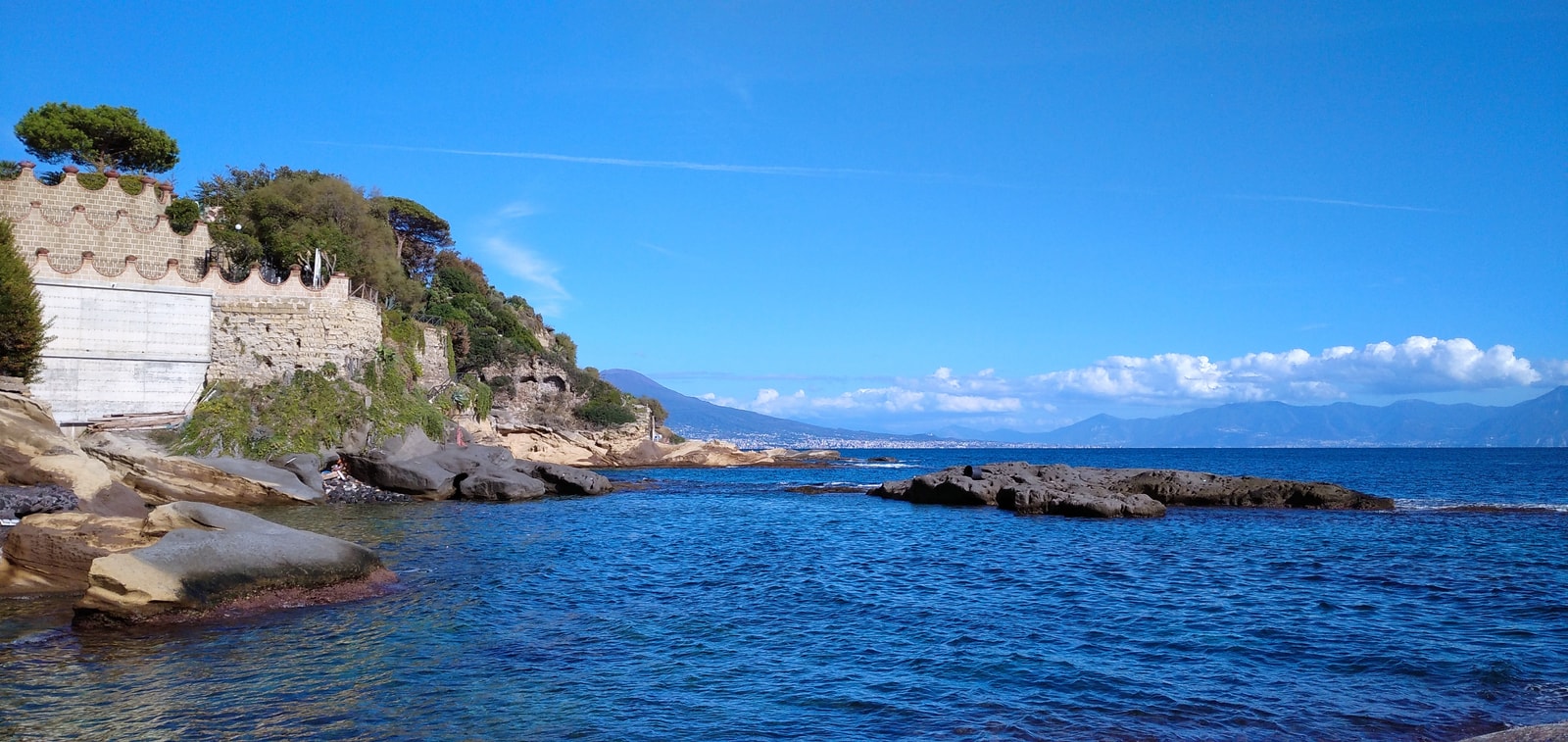
Instead of pale limestone sands, Neapolitan shores feature fine-grained, charcoal-grey volcanic sand. Rich in iron and minerals, it absorbs heat rapidly, making footwear a must. Locals have long practiced psammotherapy—burying themselves in the warm sand to soothe their joints.
In bays like Baia and Lucrino, thermal springs and gas vents bubble up from the seabed, mixing warm, mineral-rich water with the cool sea. This same volcanic activity causes bradyseism, a slow rising and falling of the coast that has submerged ancient Roman villas, turning the shallows into an underwater museum.
Summer 2026 in Naples: What's New on the Coast
As you plan your trip for Summer 2026, a major regulatory update has changed the game for public beach access in Posillipo. This is fantastic news for anyone seeking a spontaneous day on some of the area's most beautiful public shores.
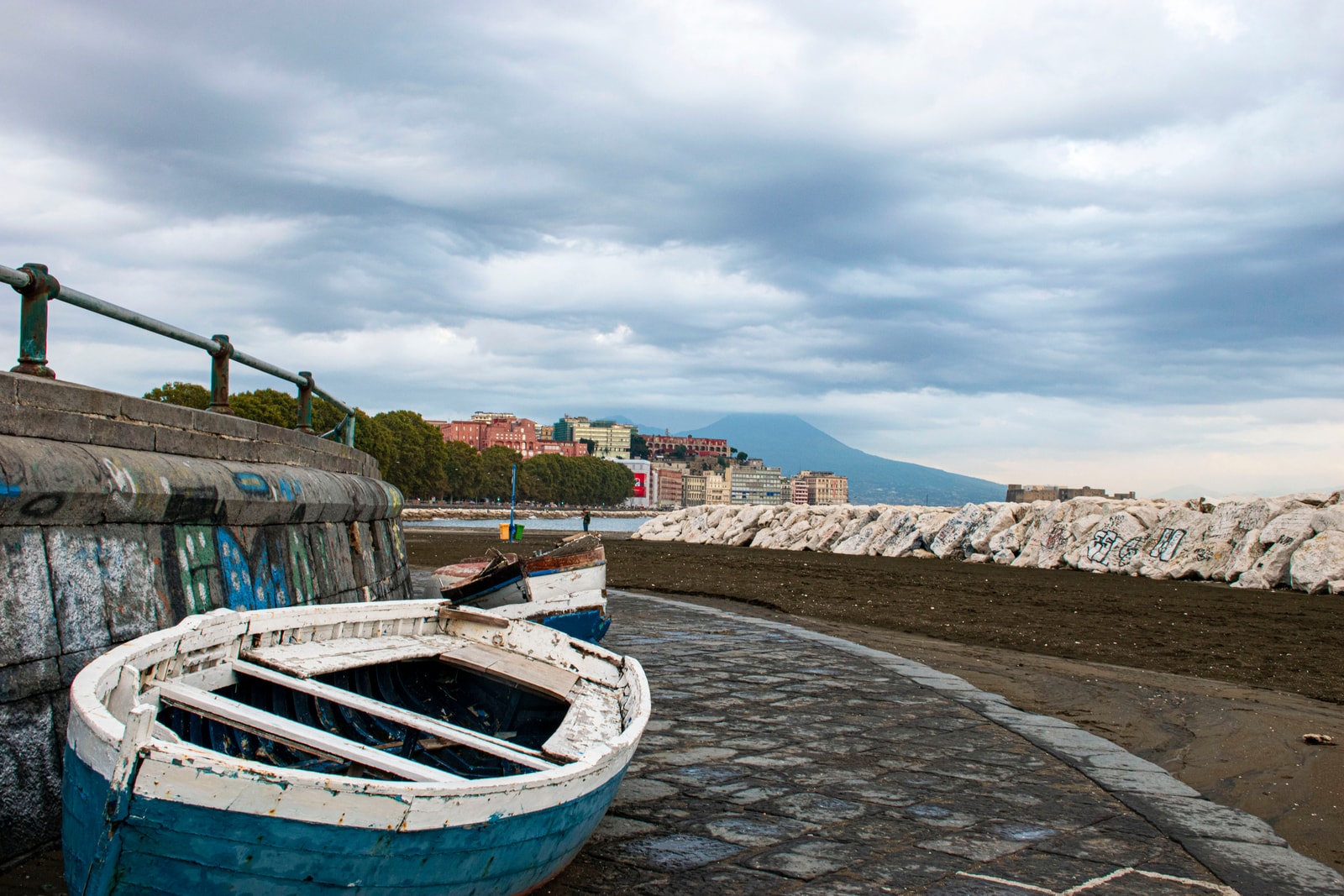
In February 2026, the regional court struck down the visitor cap and online reservation system for public beaches like Spiaggia delle Monache. This means access to these stunning coves around Palazzo Donn’Anna is now completely free and open, without any booking required through the city's portal.
A Guide to Naples' Summer 2026 Coastal Events
The heart of the Neapolitan summer, from mid-July onwards, is packed with music, sailing, and cultural festivals along the coast. Here are the can't-miss events scheduled for the 2026 season.
Noisy Naples Fest 2026 (July 23–28, 2026): A major music festival at the Arena Flegrea, right by the shore. Headliners include Franz Ferdinand, Skunk Anansie, Kasabian, Planet Funk, and Subsonica.
Estate a Napoli 2026 (Through October 8, 2026): The city’s official cultural program, featuring outdoor plays, concerts, and film screenings at scenic coastal venues.
Festa di Piedigrotta 2026 (September 8–13, 2026): Naples' most historic maritime celebration, with boat parades along the Mergellina waterfront, light installations, and traditional song contests.
America’s Cup Preliminary Regatta (September 24–27, 2026): Watch elite racing yachts compete in the Gulf of Naples, with the Posillipo cliffs providing a magnificent natural amphitheater for spectators.
Gaiola Beach: A Protected Underwater Roman World
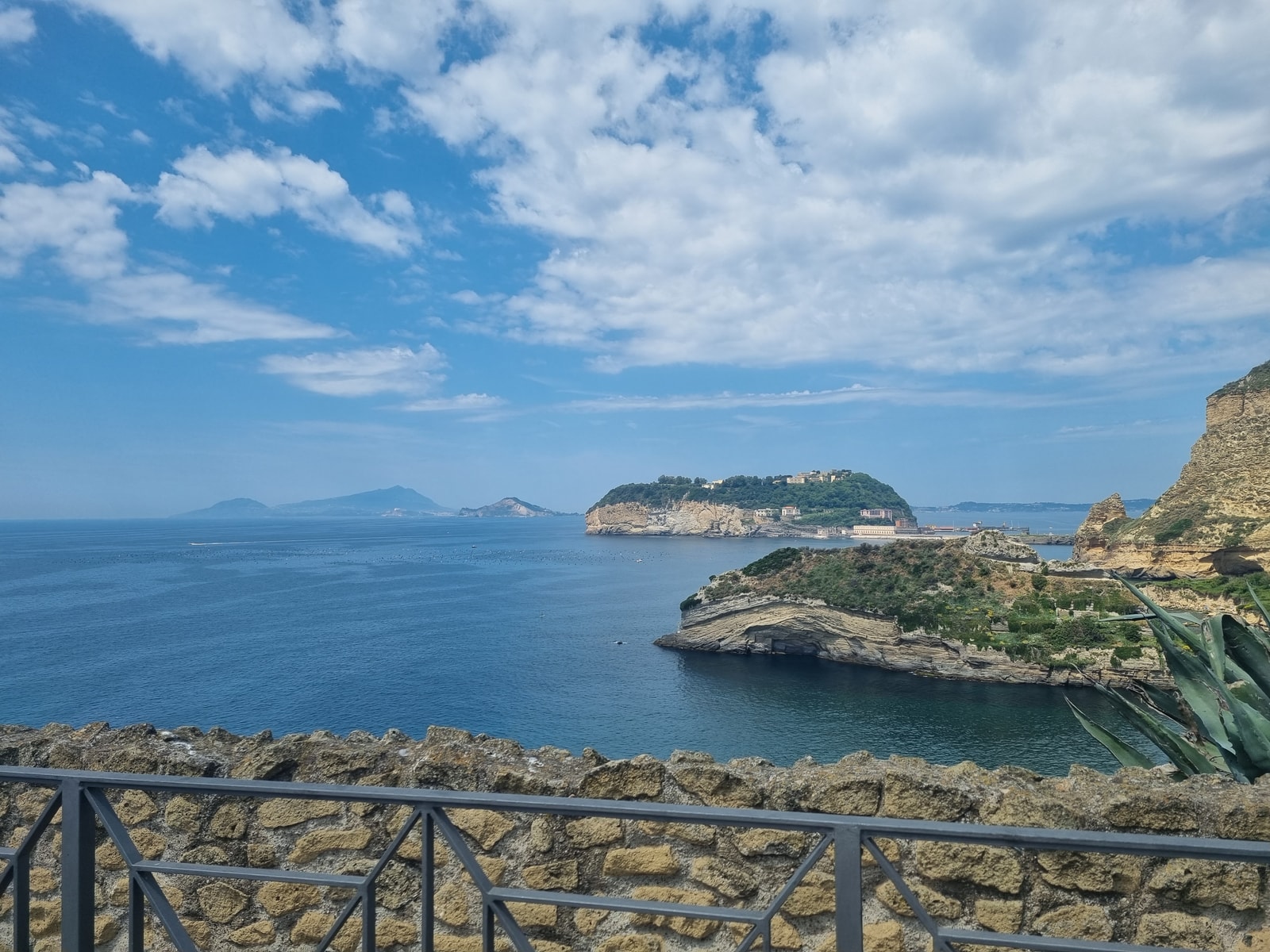
At the tip of the Posillipo hill lies Gaiola Beach, a breathtaking marine protected area where ancient history and vibrant ecology meet. It’s centered around two small islets connected by a narrow stone bridge, all framed by yellow Neapolitan tuff cliffs.
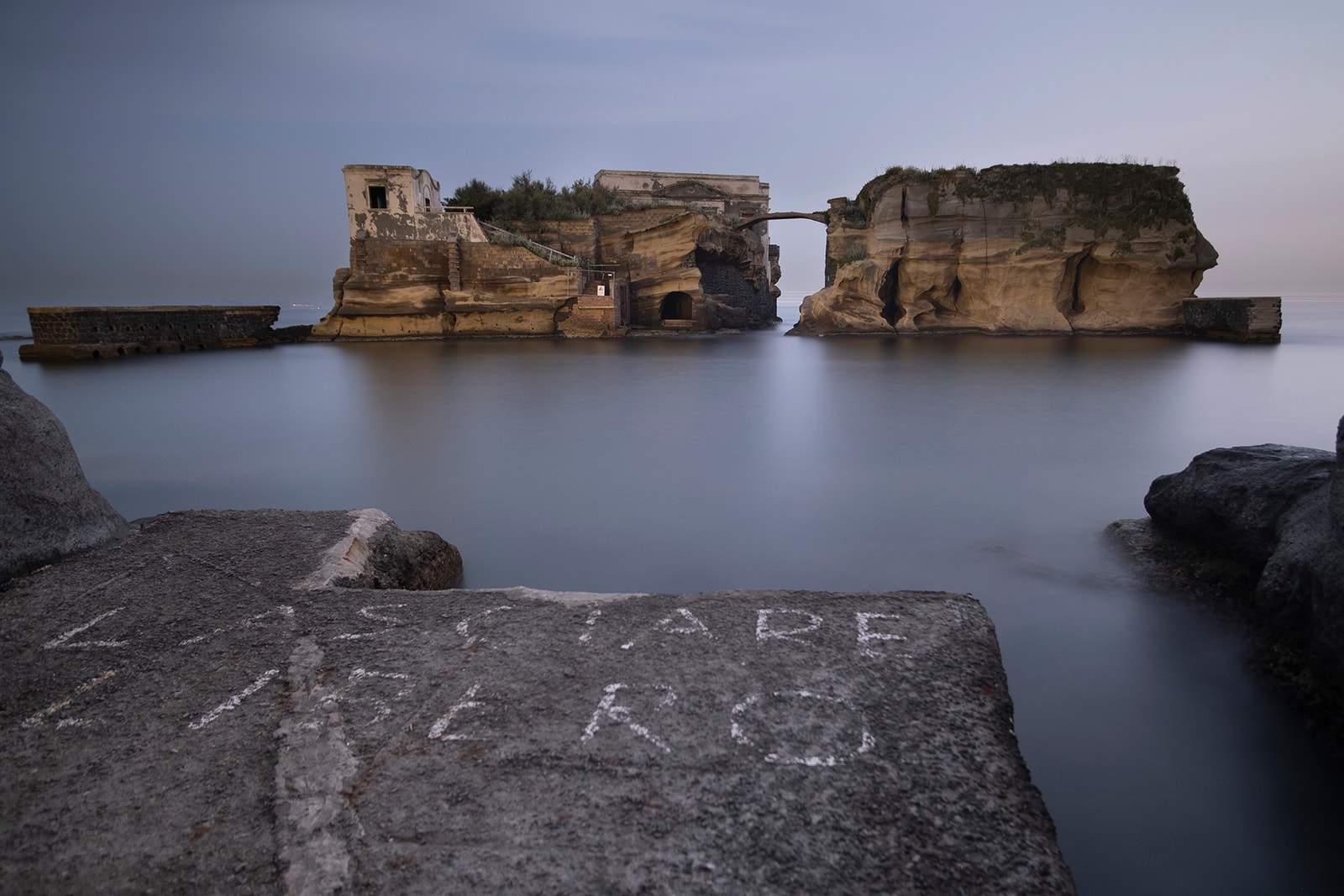
The waters are part of the Area Marina Protetta Parco Sommerso di Gaiola. Here, the flooded remains of the 1st century BC Villa Imperiale di Pausilypon rest in just a few meters of water. Snorkelers can float directly over ancient fishponds, colonnades, and docks.
Access is free but tightly controlled to protect the fragile site. You must book a spot online via the official park portal. Daily visitor numbers are capped, a matching photo ID is required, and single-use plastics are forbidden. Getting there involves a steep 1.5-kilometer walk and a long flight of stairs.
Posillipo's Historic Beachfront: Bagno Elena & Palazzo Donn'Anna
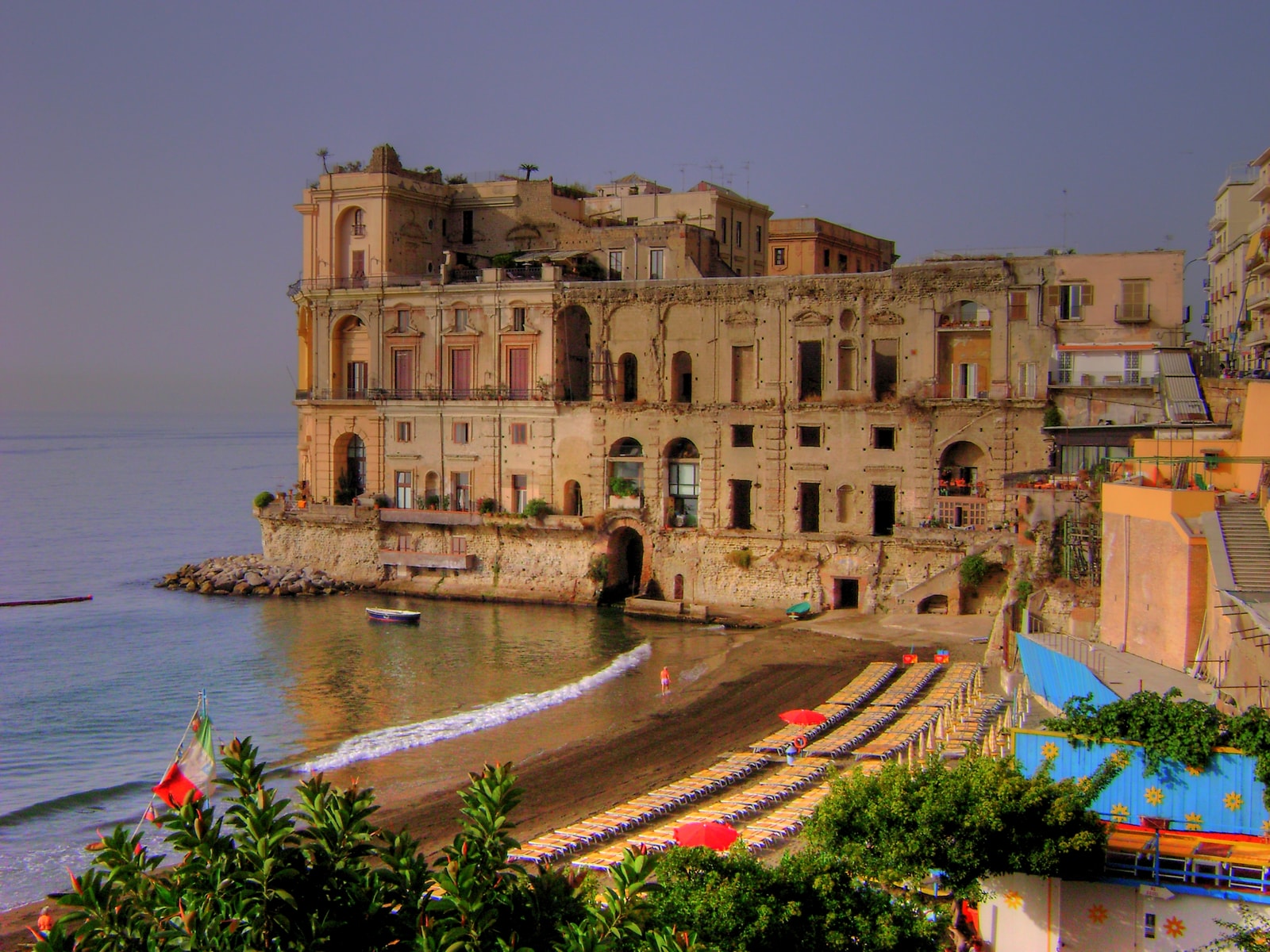
For a taste of classic Neapolitan beach life, Bagno Elena is an institution. Established in 1840, it was Naples' first organized beach club, hosting literary giants like Oscar Wilde and Richard Wagner. It offers a perfect blend of history and seaside relaxation.
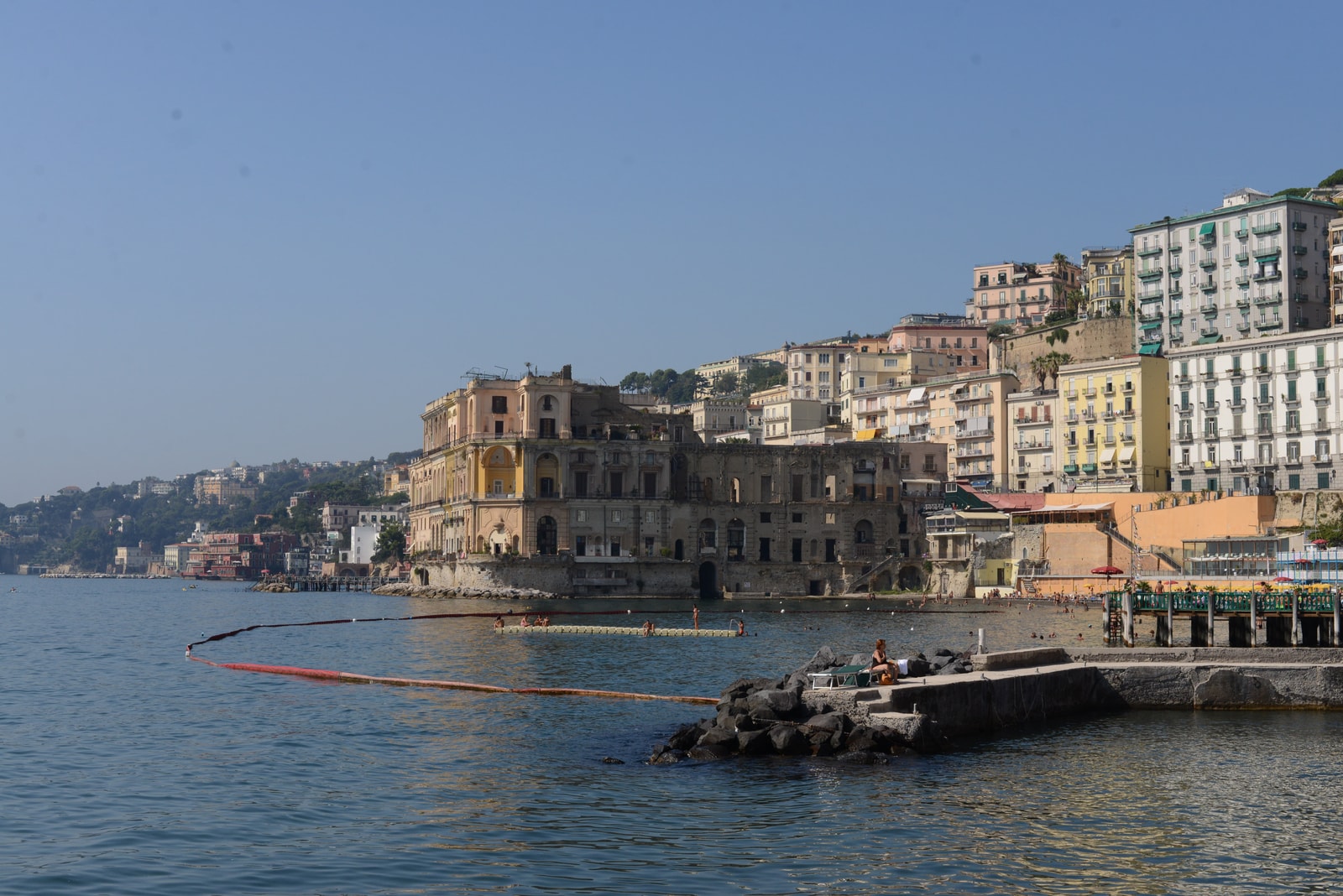
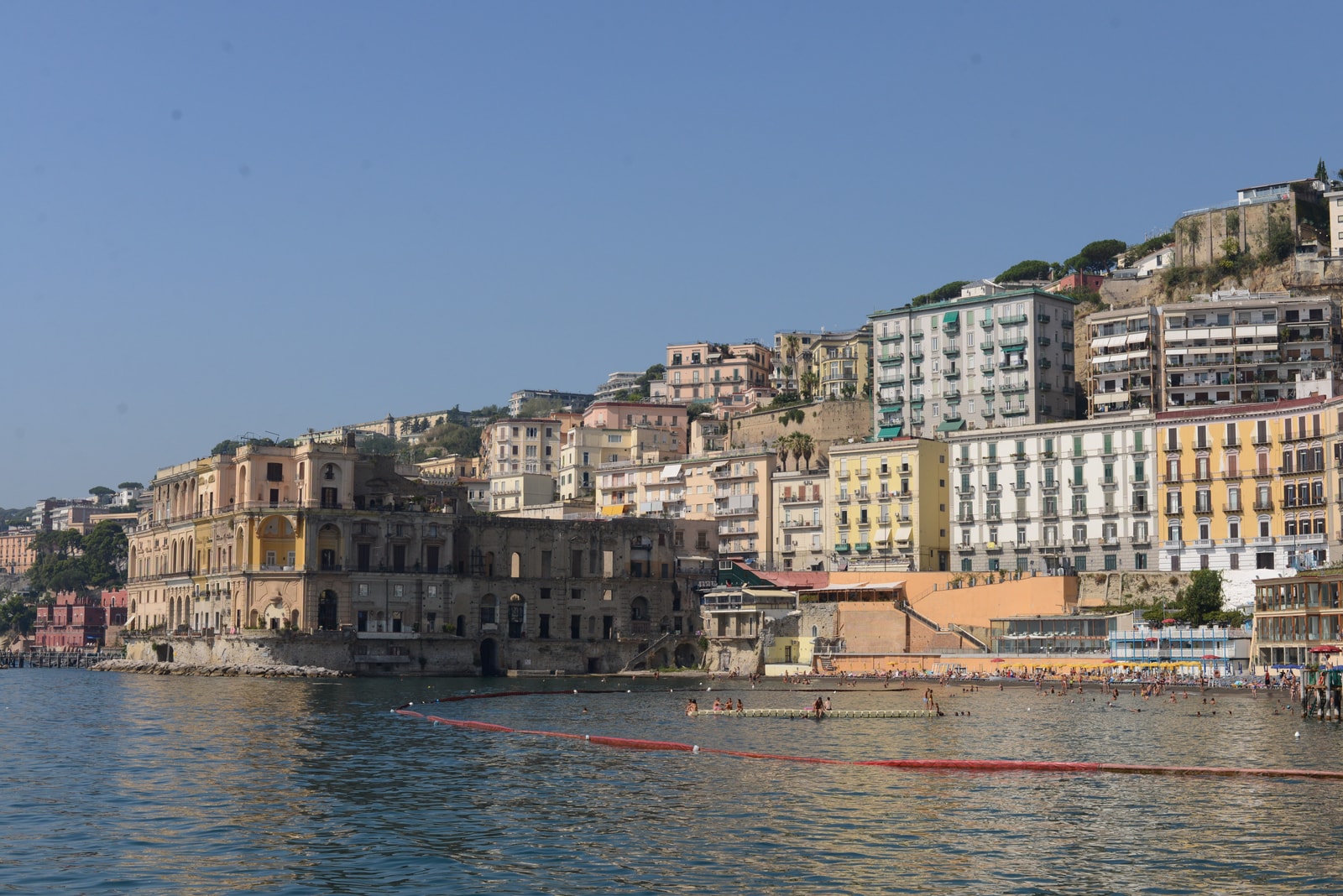
The club features a large wooden deck built on stilts over the sea for sand-free lounging, alongside a traditional volcanic sand shore favored by families. Towering beside it is the imposing Palazzo Donn'Anna, an unfinished 17th-century Baroque palace that creates a stunningly romantic backdrop. Amenities include cabins, sunbeds, and a seaside bar perfect for a sunset aperitivo.
Marechiaro's Scoglione: A Slice of Local Life
Immortalized in the 1885 Neapolitan song "A Marechiare," the picturesque fishing village of Marechiaro offers a truly authentic experience. The main sunbathing spot isn't sand, but the Scoglione—a long, flat volcanic rock platform jutting into the sea.
To reach it, you must take a traditional wooden gozzo boat operated by local fishermen from the main pier. The vibe is intensely local, with generations of Neapolitan families setting up for the day with elaborate homemade lunches like frittata di maccheroni. It’s a lively, warm, and unforgettable scene.
Chic Cliffside Escapes: Baia delle Rocce Verdi
Nestled within the private grounds of Villa Fattorusso on the Posillipo coast, Baia delle Rocce Verdi is a premium beach club that lives up to its name, "Bay of Green Rocks." It is famed for its green and gold volcanic tuff cliffs and stunning views of Vesuvius and Capri.
Instead of sand, the club features multi-tiered wooden decks built directly into the cliffs, with ladders providing access to the clear sea. Its signature features are two seawater pools carved into the rockside—a large panoramic pool for adults and a smaller one for families. With a high-end restaurant and sunset aperitivo scene, it offers a chic and stylish day by the water.
Mappatella Beach: The City's Proud Public Shore
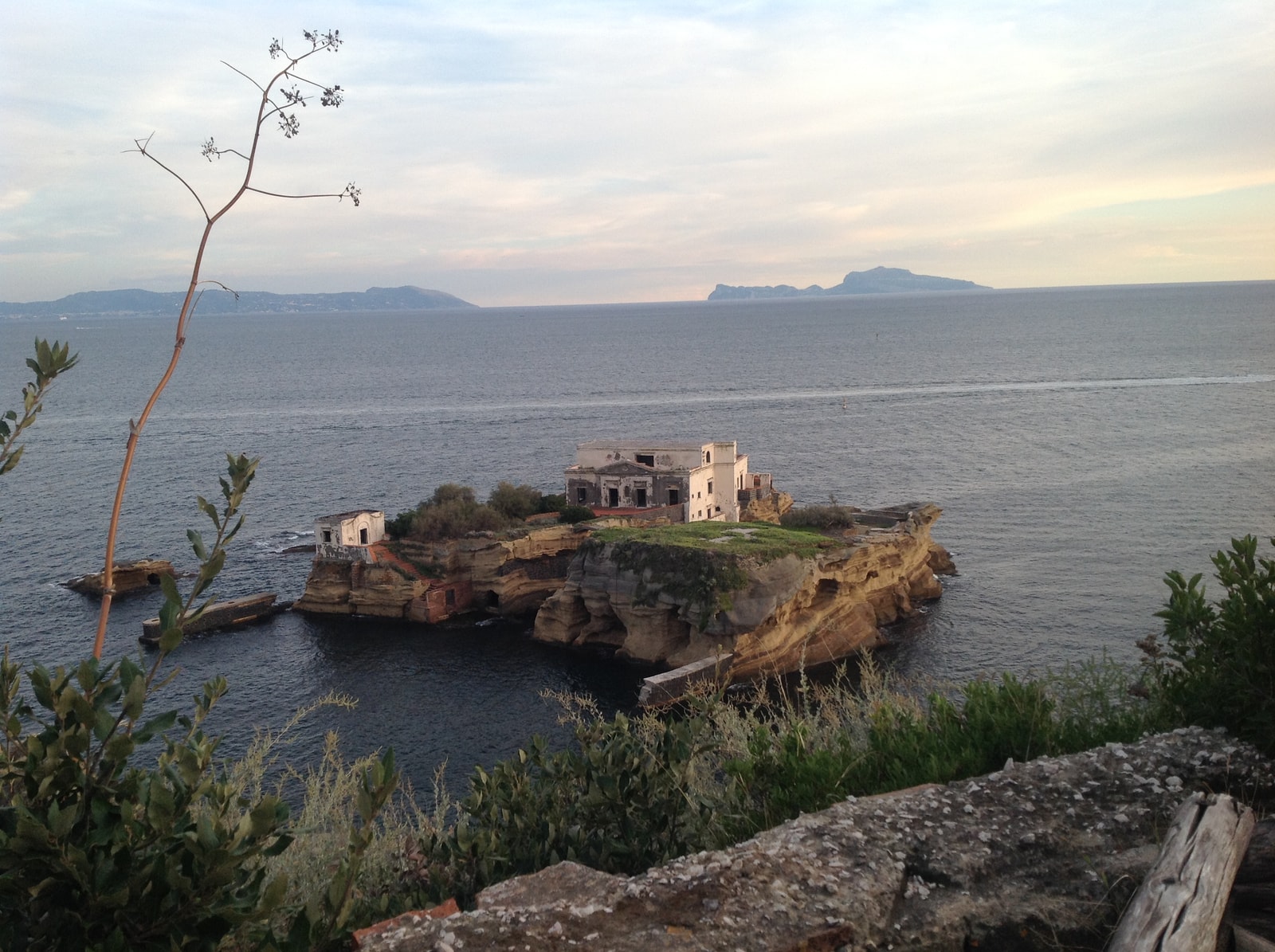
Located right on the city's elegant waterfront promenade, the Lungomare Caracciolo, Mappatella Beach is a high-energy urban oasis. Its name comes from the Neapolitan word for the cloth bundles working-class families used to carry their lunch for a day at the sea.
Once known for poor water quality, the beach has been completely revitalized thanks to extensive cleanup efforts. It is now officially safe for swimming, with its calm waters protected by offshore breakwaters. The city provides free public showers and accessibility walkways, making it a truly democratic and lively spot with spectacular views.
The Phlegraean Coast: Miliscola and Miseno
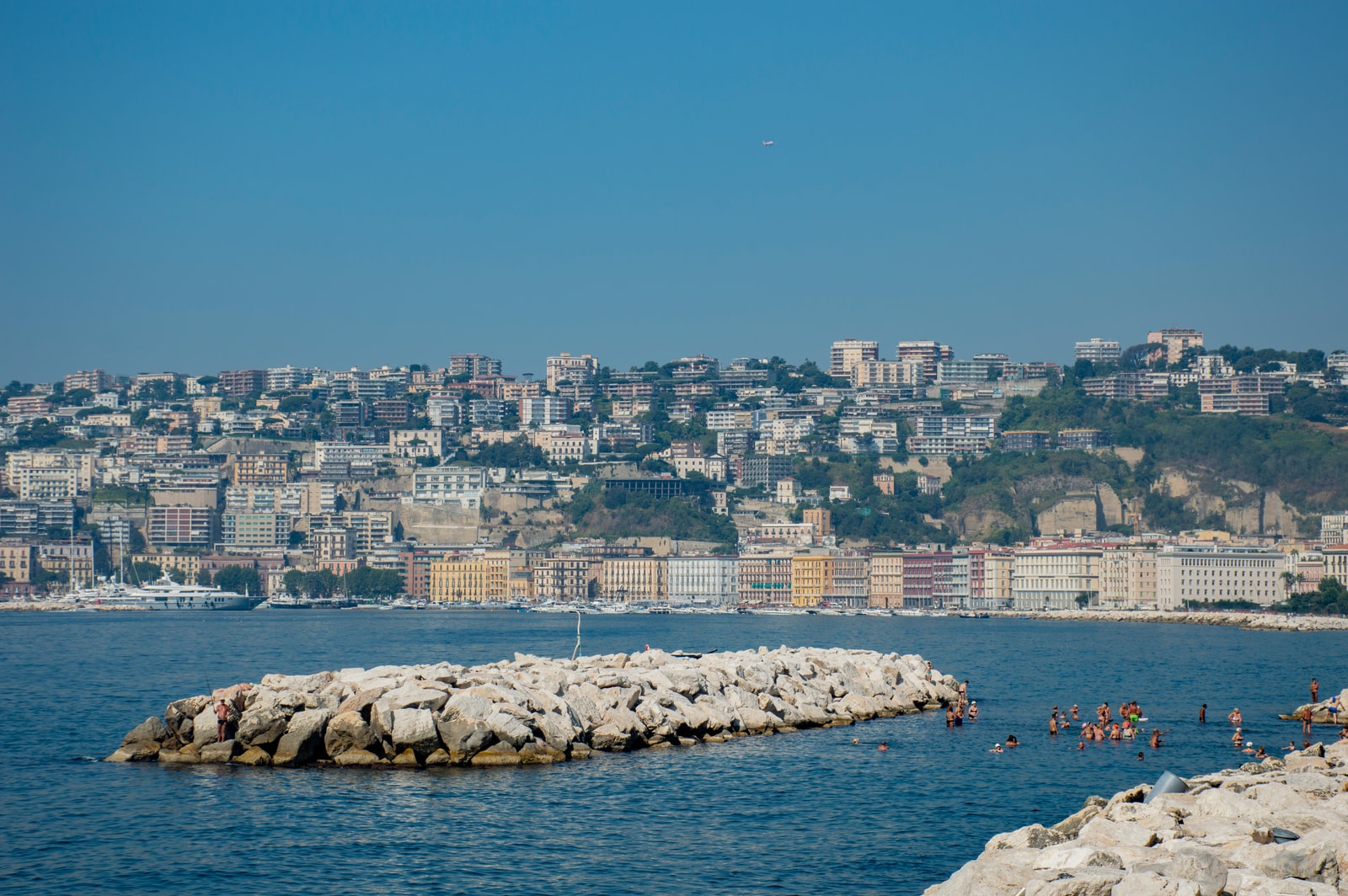
In Bacoli, west of Naples, the neighboring beaches of Miliscola and Miseno form a continuous crescent of dark volcanic sand. This wide bay is anchored by the sheer tuff cone of Cape Miseno, which once sheltered the Roman imperial fleet.
The shoreline is lined with private beach clubs, or lidi, that are a sanctuary for Neapolitan families, many of whom rent the same umbrella for the entire summer. At sunset, these clubs transform into buzzing open-air lounges with DJ sets, making them popular nightlife destinations. The coast here offers incredible views of the islands of Procida and Ischia, perfect for watching the sunset.
Secluded Shores of Bacoli: Castello di Baia & Schiacchetiello
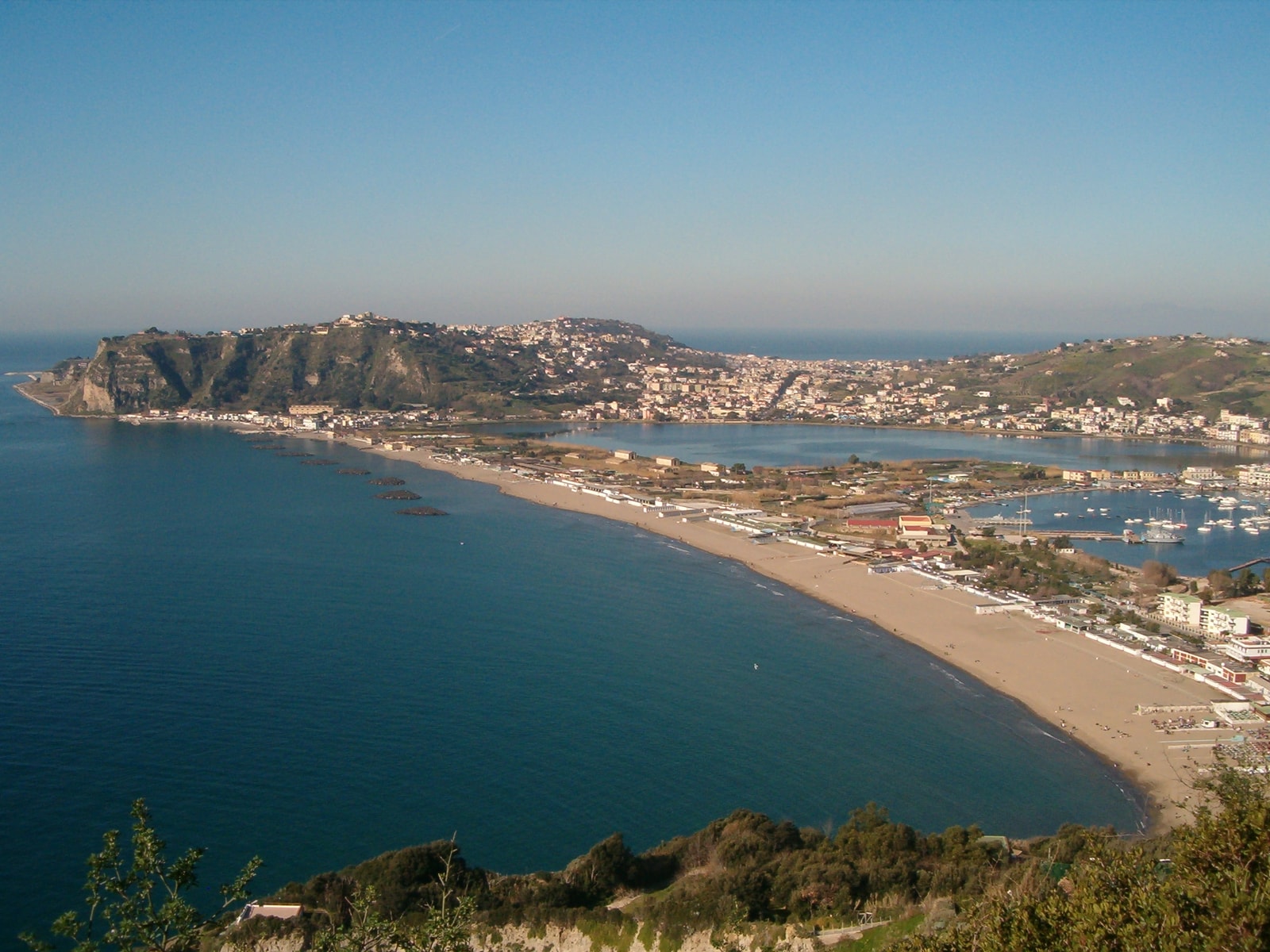
For those willing to venture a little further, the Bacoli coast hides some spectacular gems. The Spiaggia del Castello di Baia is a secluded beach club that is completely inaccessible by land. Visitors take a short ferry shuttle on a traditional boat from the Port of Baia, a journey that keeps the crowds at bay.
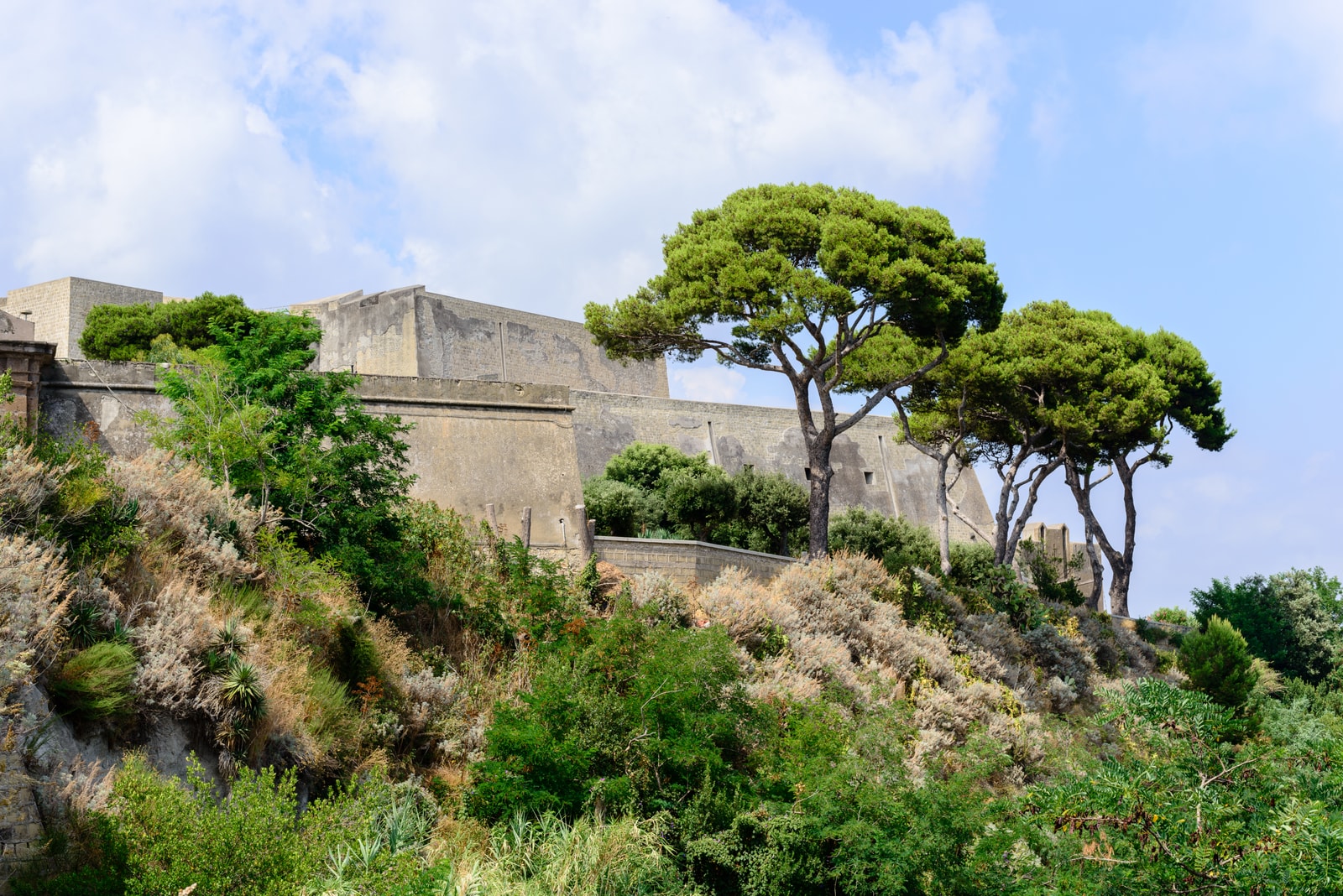
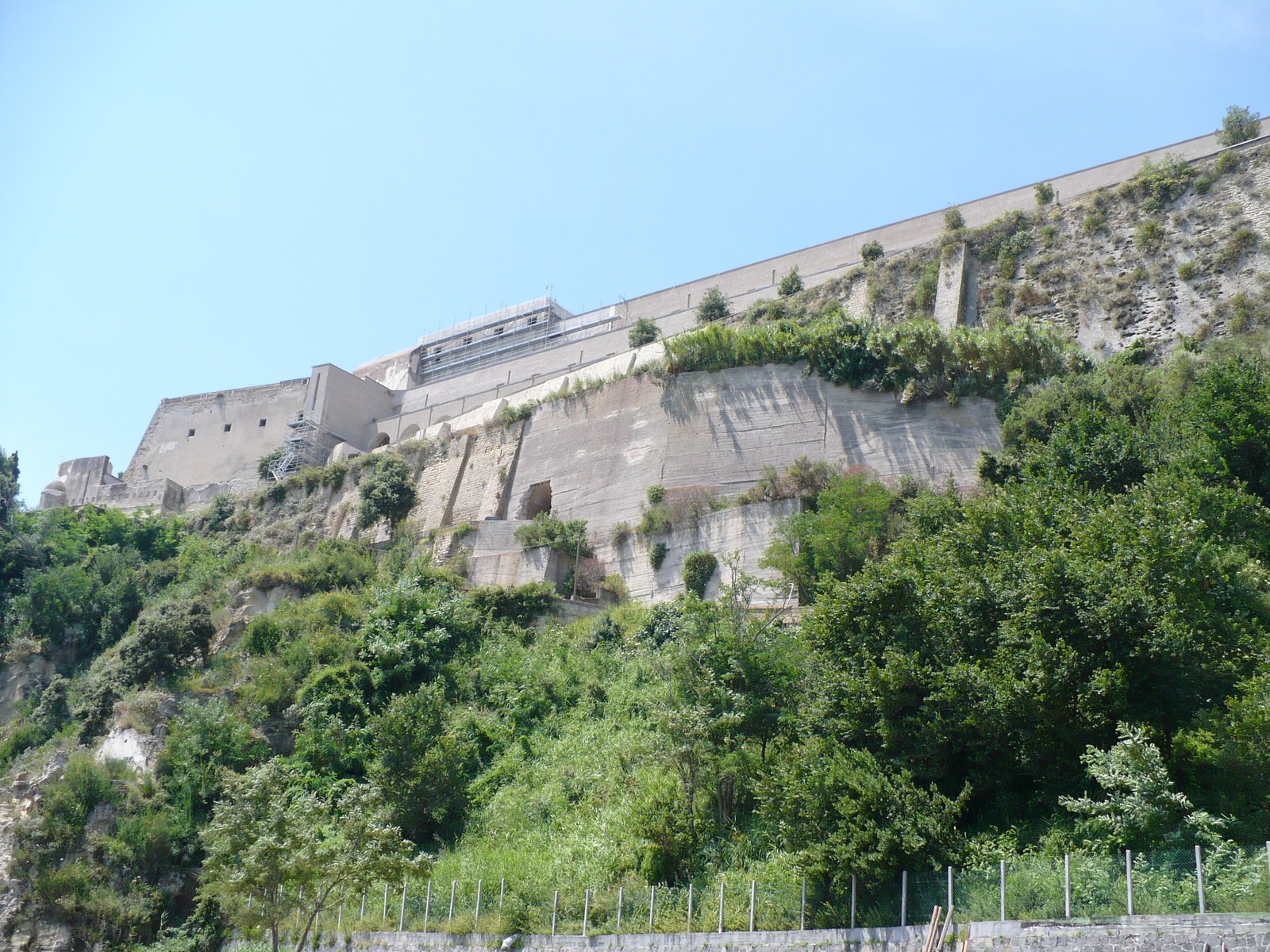
The beach sits beneath the towering 15th-century Aragonese Castle, and just offshore are the sunken Roman ruins of ancient Baia. It’s a serviced club with a great seafood restaurant.
Nearby, Schiacchetiello is a tiny, rustic cove protected by the uninhabited Pennata Island. Accessible via a steep stone staircase or a small boat shuttle, its calm, turquoise water is perfect for snorkeling among volcanic rocks and ancient Roman remnants. Local legend says this is where Ulysses once landed his ships.
Planning Your 2026 Naples Beach Trip
A little planning goes a long way when navigating the Neapolitan coast. Keep these practical tips in mind for a smooth and safe trip.
Getting Around
The Cumana Railway connects central Naples to the Phlegraean Fields, while city buses like the 140, C21, and C31 serve the Posillipo coast. For the most secluded coves, look for local water taxis and traditional barchette that run seasonal shuttle services.
Seasonality
September is often considered the best month, with warm water and fewer crowds. July and August are the peak, with maximum heat and traffic. For a quieter experience, aim for weekdays in May or June.
Water Safety
Be mindful of a few local hazards. Sea urchins are common on rocky ledges, so waterproof shoes are essential. Swimmers should always stay within the designated buoy lines due to heavy boat traffic. On crowded public beaches, keep valuables secure.
Gallery