Chania's Best Beaches: Your Complete Guide for Summer 2026
From the pink sands of Elafonissi to the rugged south coast, discover western Crete's top beaches and local secrets for 2026.
Published on 16 Jul 2026 11:38 GMT
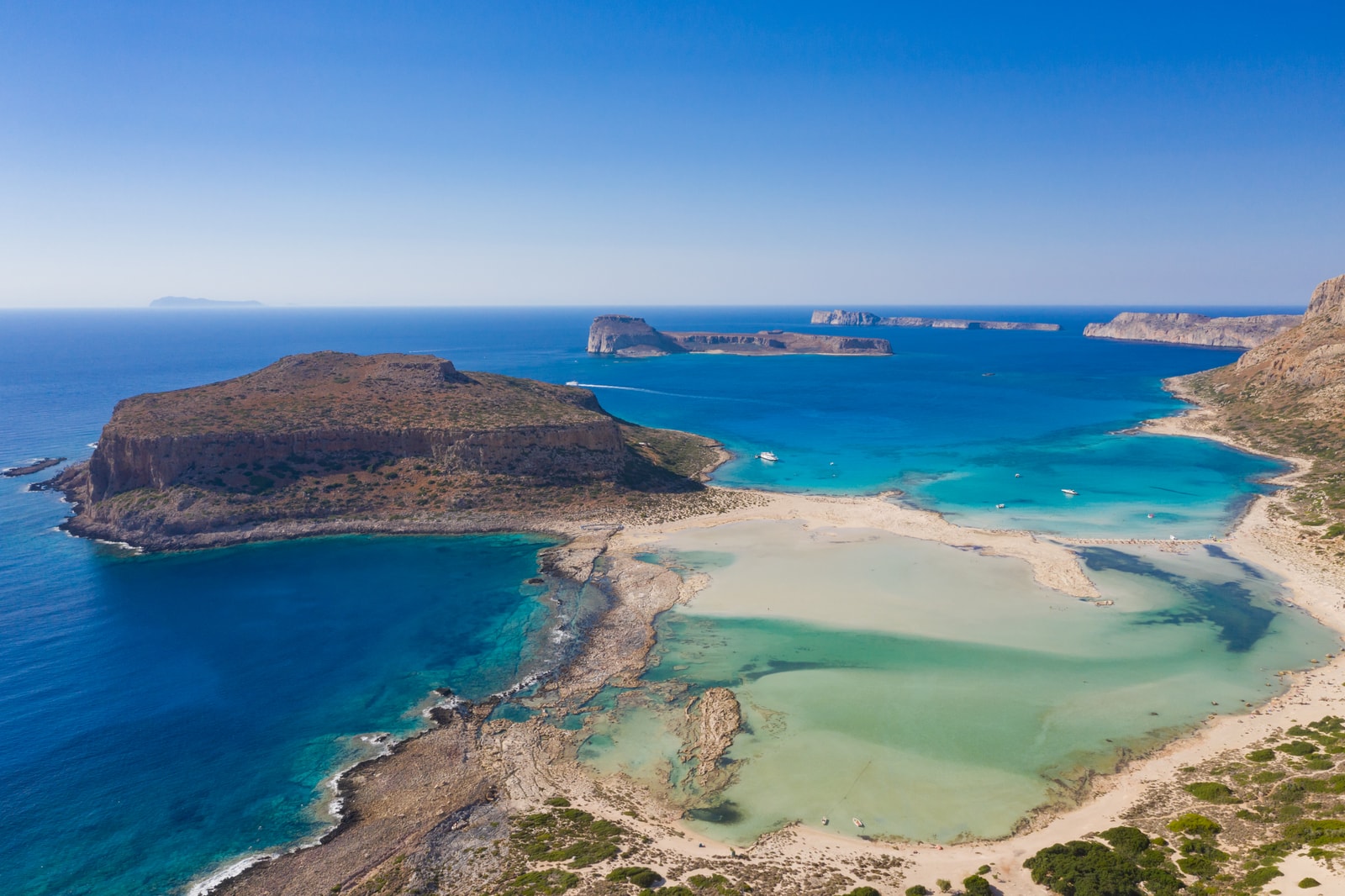
The coast of western Crete is a land of dramatic contrasts, but its worldwide fame rests on two extraordinary lagoons. As Chania prepares for the Summer 2026 season under new environmental regulations, these protected sanctuaries offer unparalleled natural beauty that demands mindful exploration.
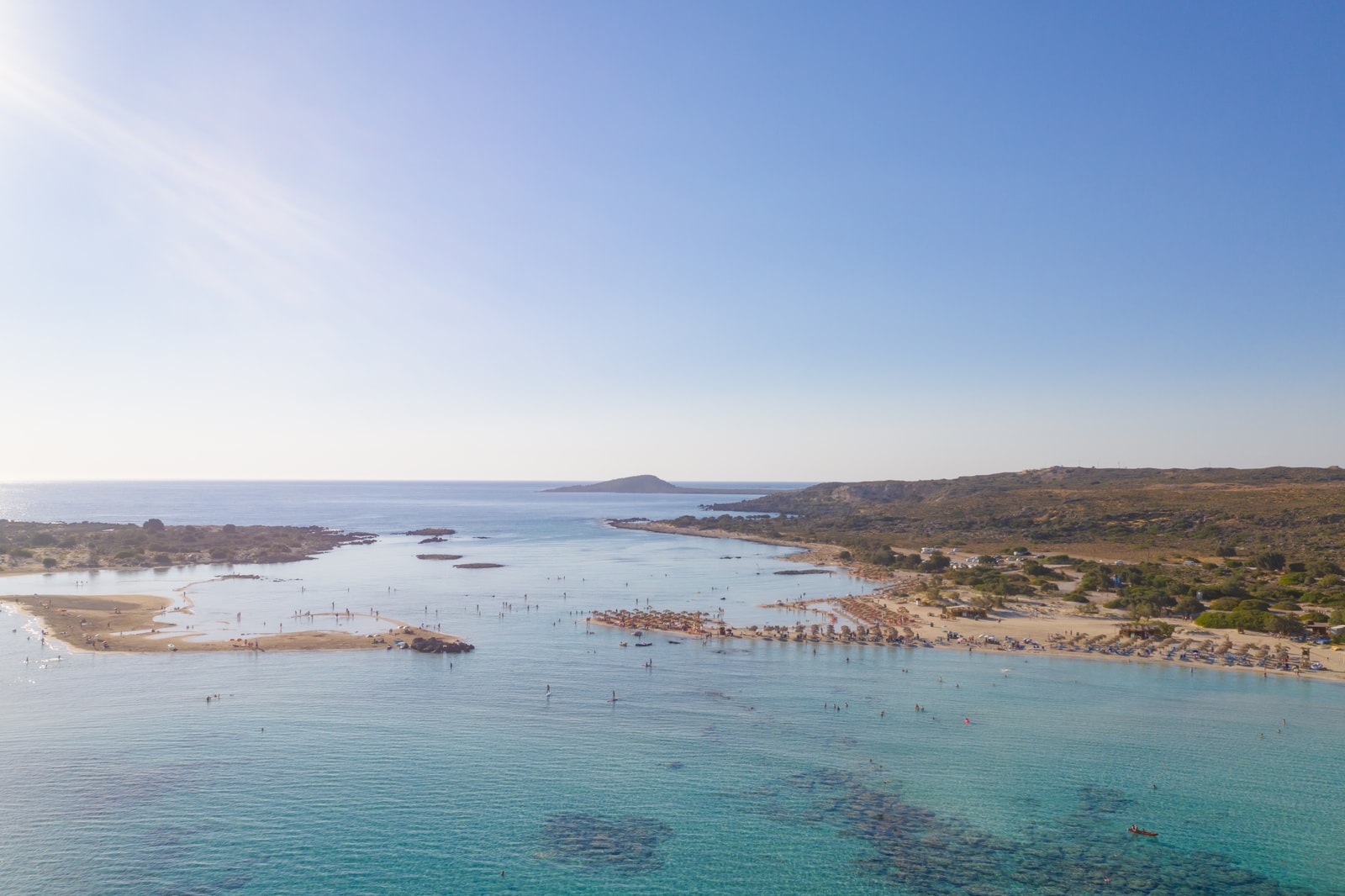
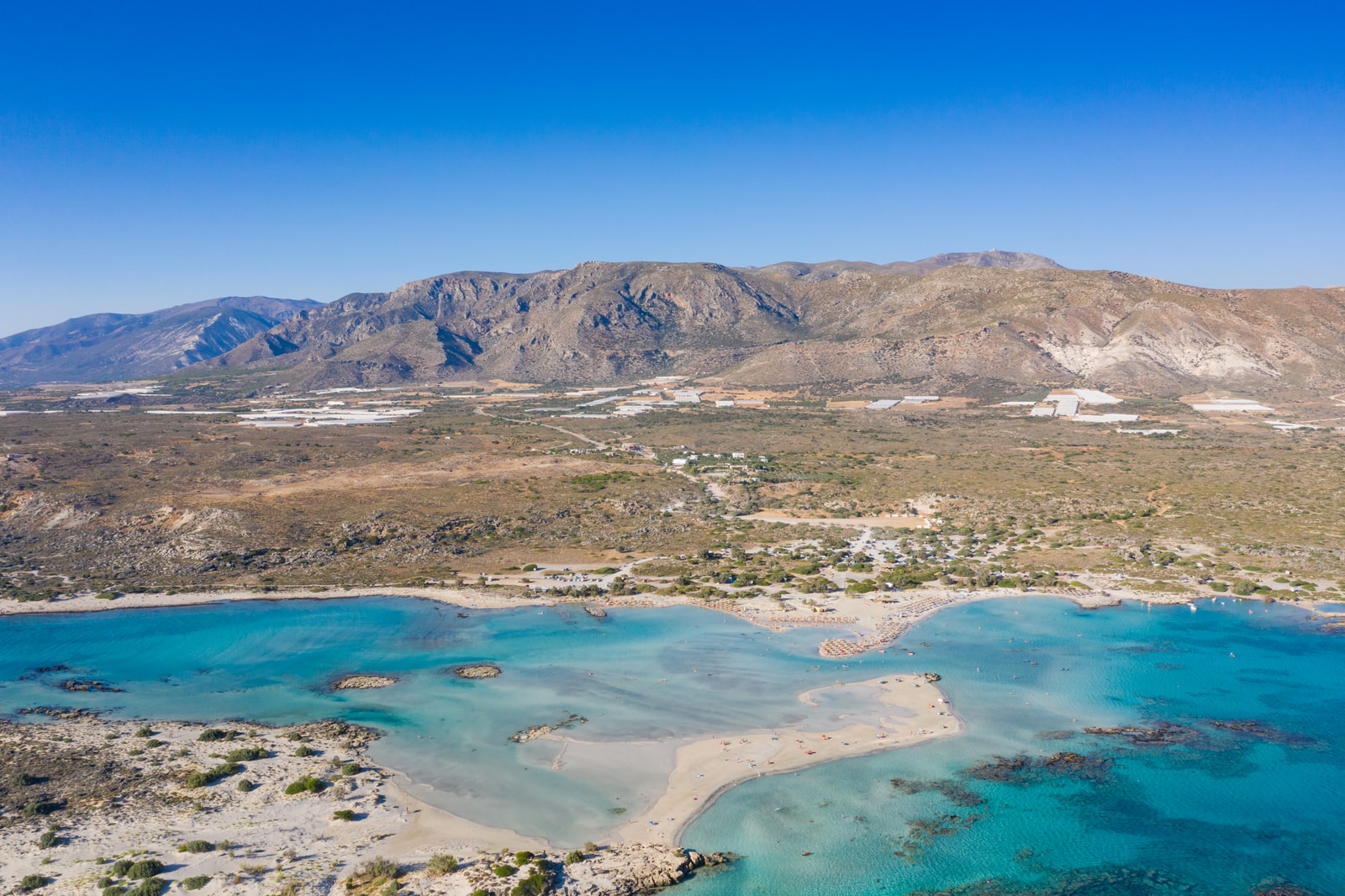
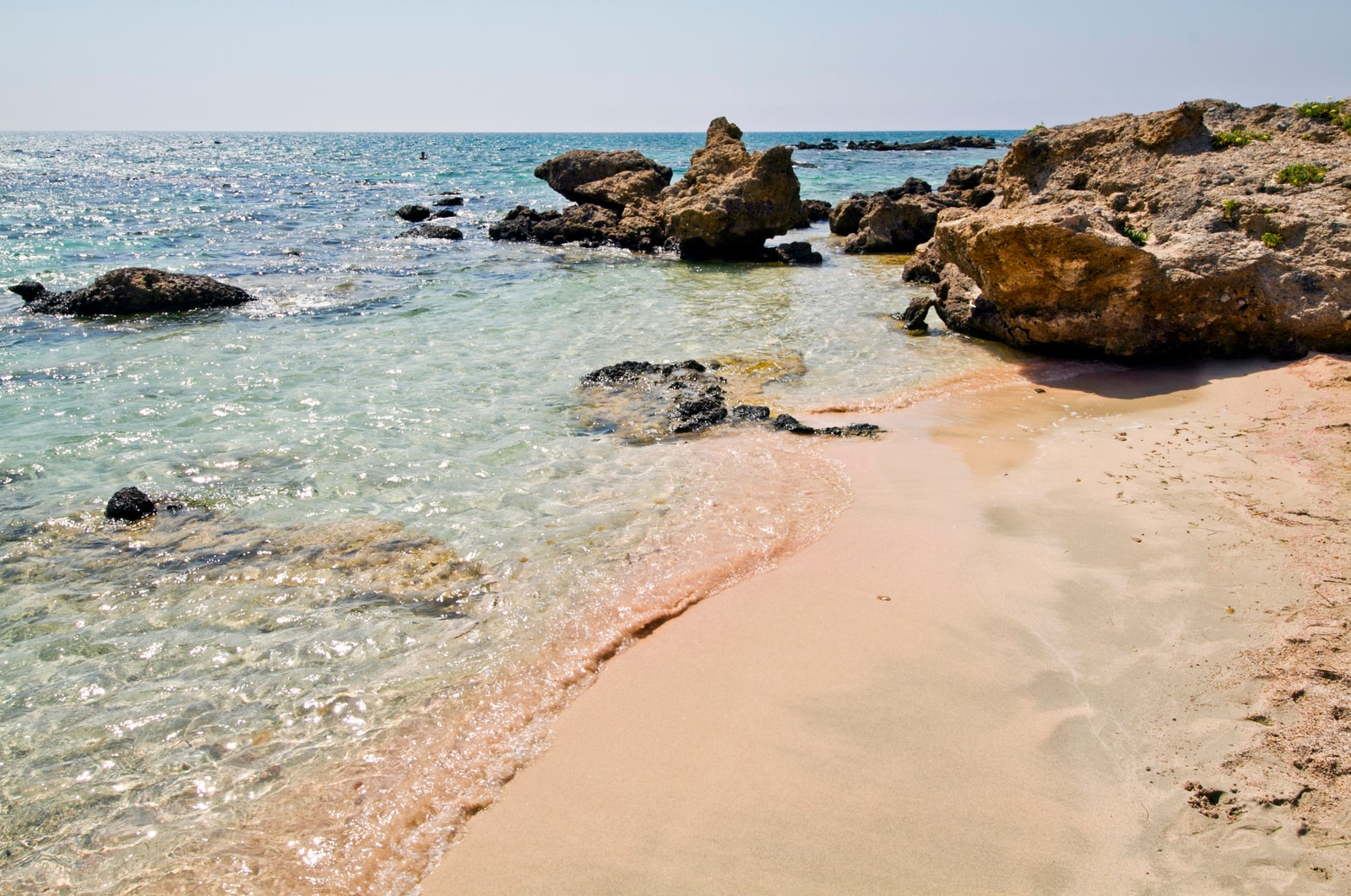
Elafonissi Beach is a breathtaking ecological marvel. Its famous pink-tinged shoreline isn’t sand but the crushed red shells of tiny marine organisms, Miniacina miniacea. This fragile ecosystem is protected under the European Union’s Natura 2000 network, and removing sand is strictly illegal.
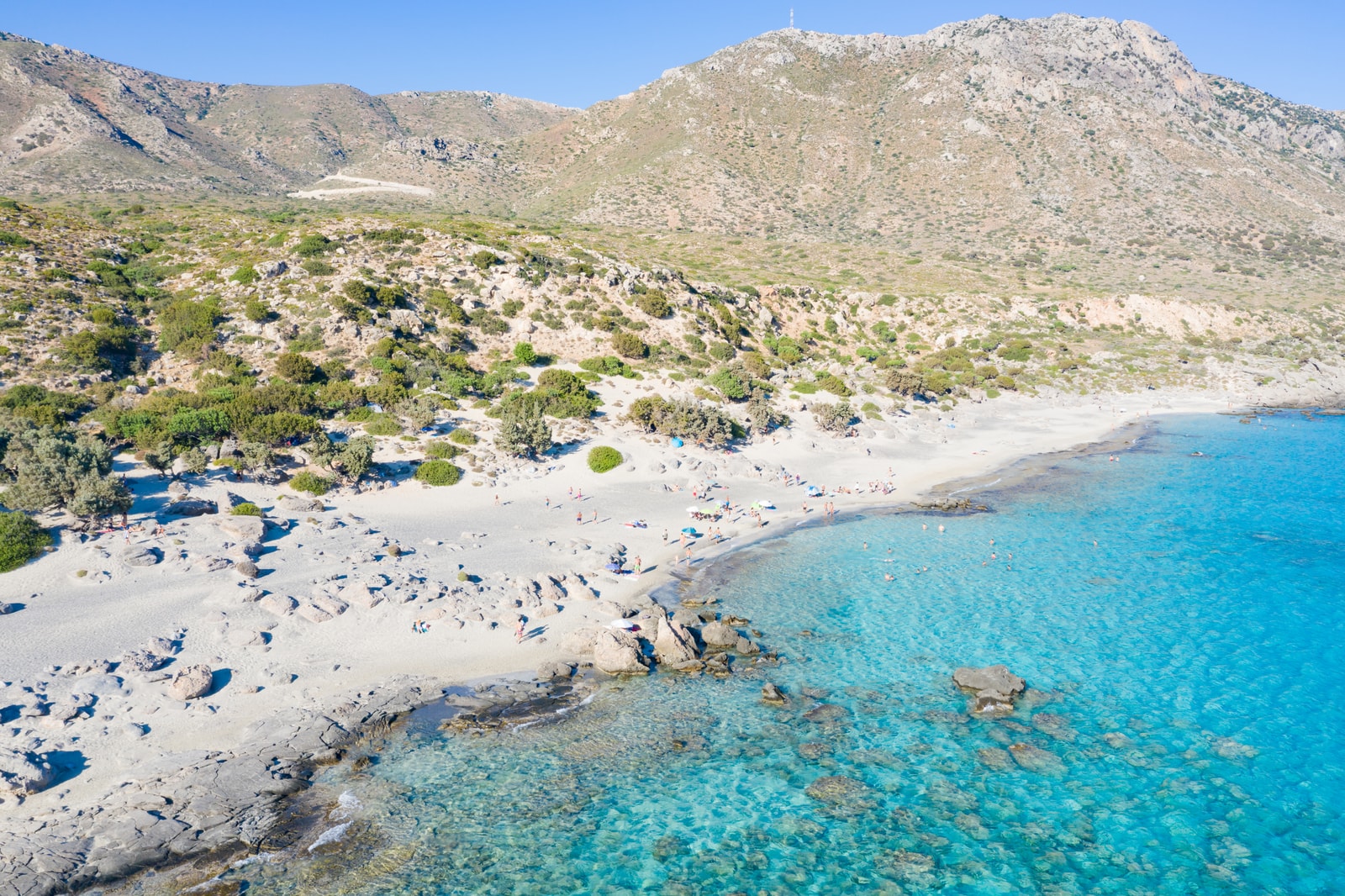
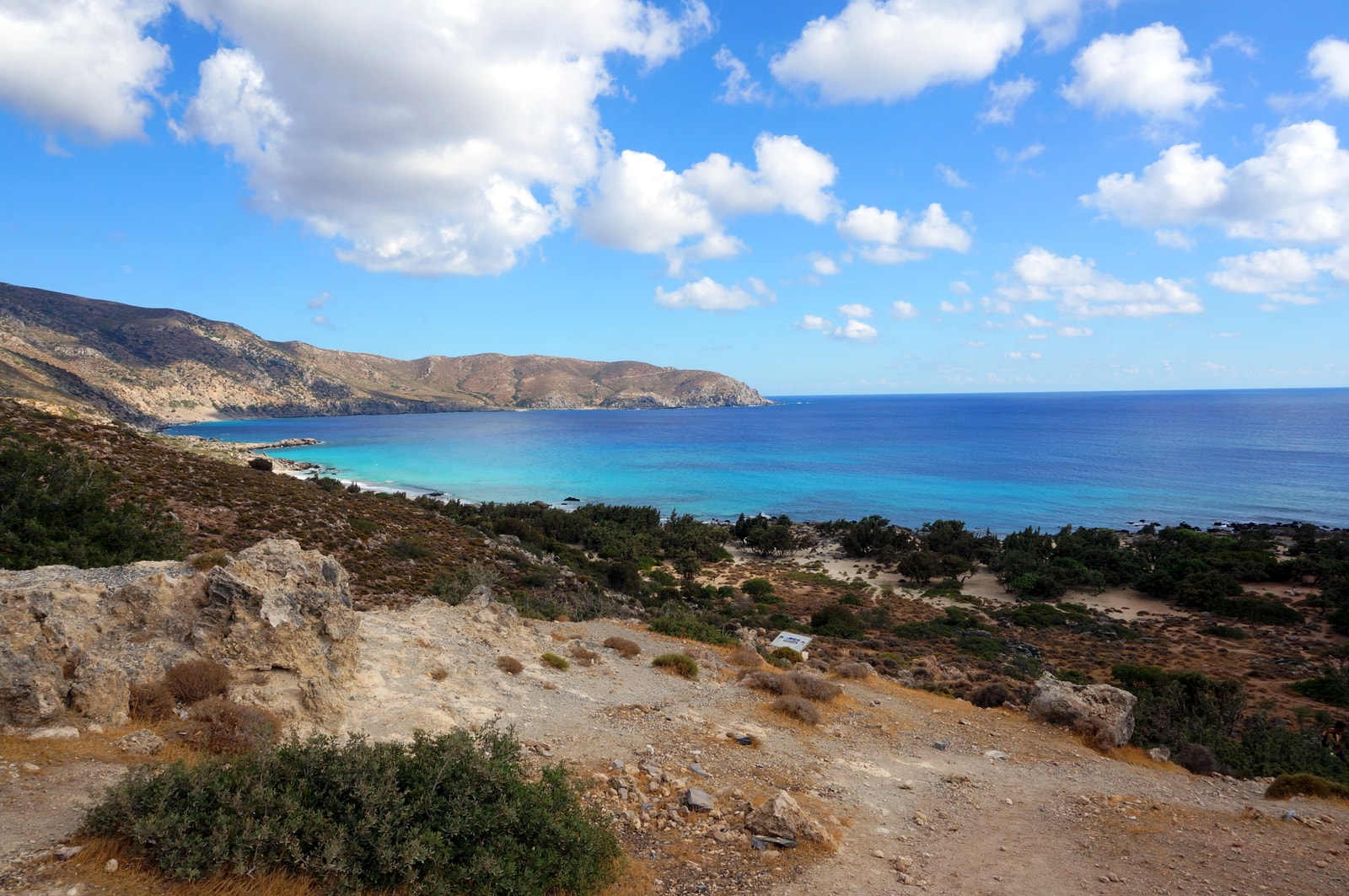
Kedrodasos Beach, a 45-to-60-minute hike from Elafonissi along the E4 coastal path, is home to an ancient forest of sea junipers. These slow-growing trees are highly vulnerable to foot traffic, and wild camping is illegal, with fines of €300 actively enforced to protect the pristine environment.
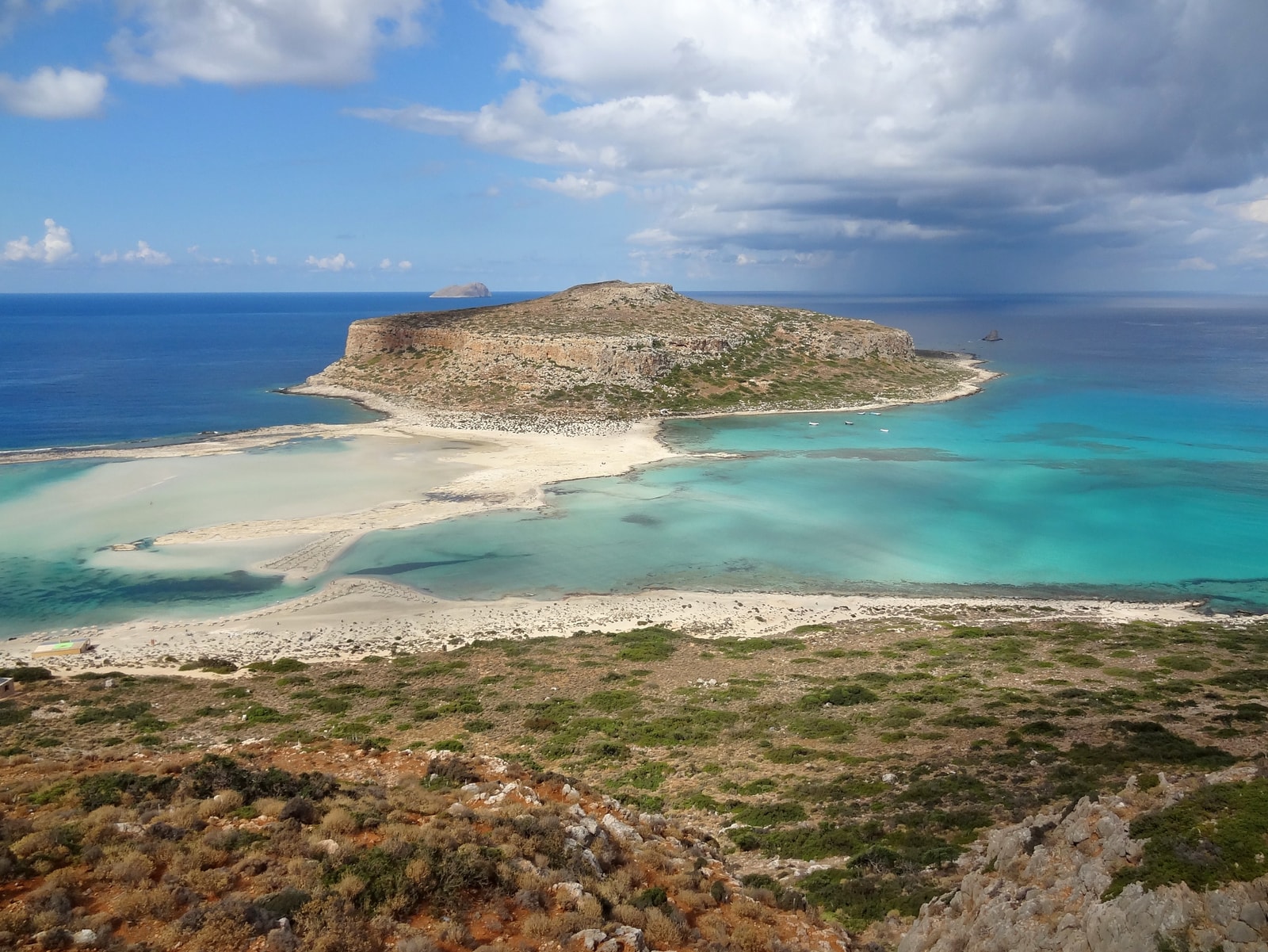
Balos Lagoon, on the Gramvousa Peninsula, presents a logistical challenge. You can brave the 8-kilometer unpaved cliffside road—where rental car insurance is voided—for the iconic clifftop view, or take a comfortable ferry from Kissamos port, which arrives with the crowds.
Falassarna: Sunsets, Windsurfing, and Ancient Ruins
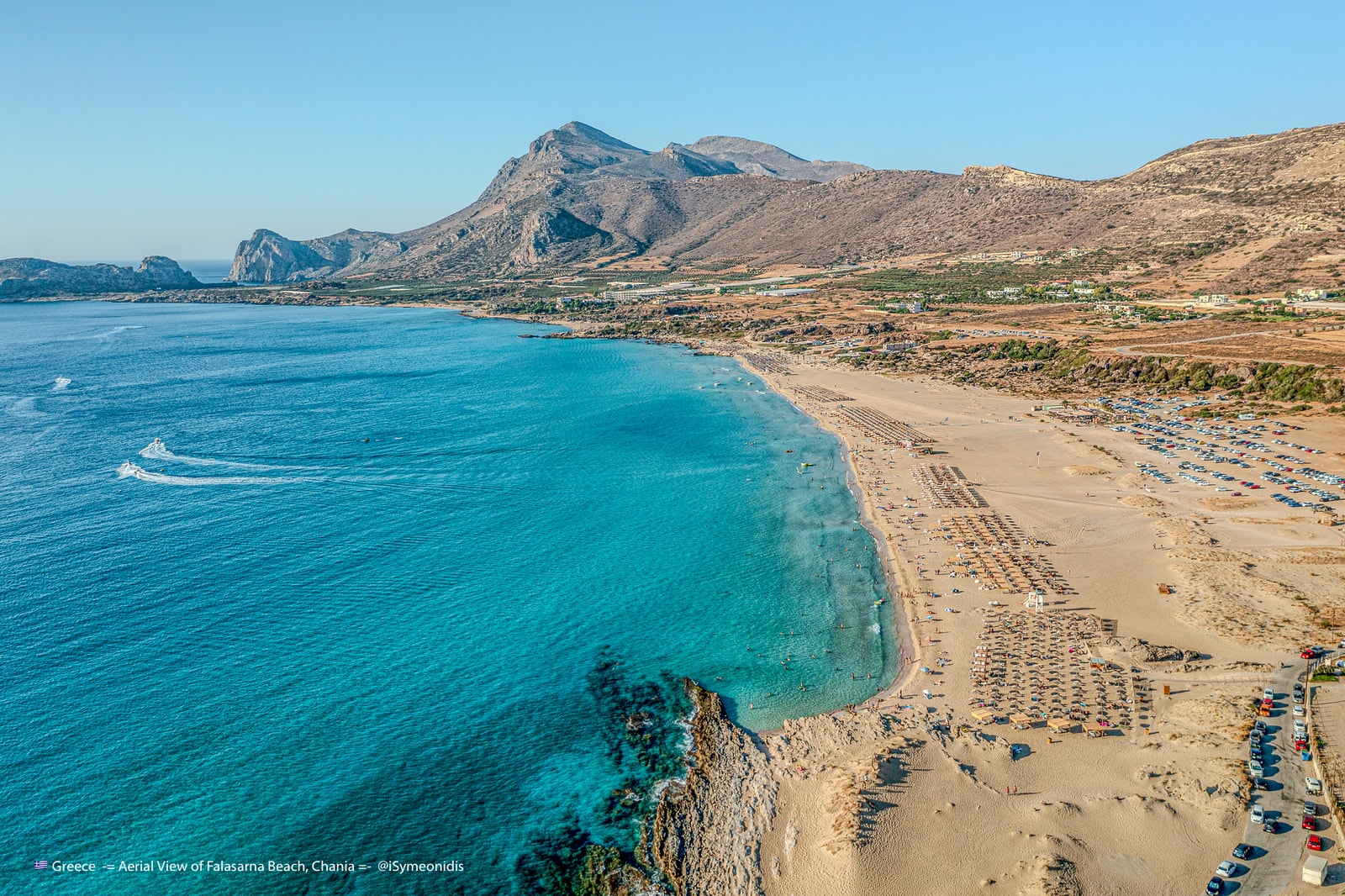
On Chania's western edge, Falassarna Beach offers a perfect blend of high-energy activities, relaxation, and history. This vast expanse of golden sand is a hub for windsurfing and kitesurfing, especially on days when the Meltemi winds create ideal wave-riding conditions.
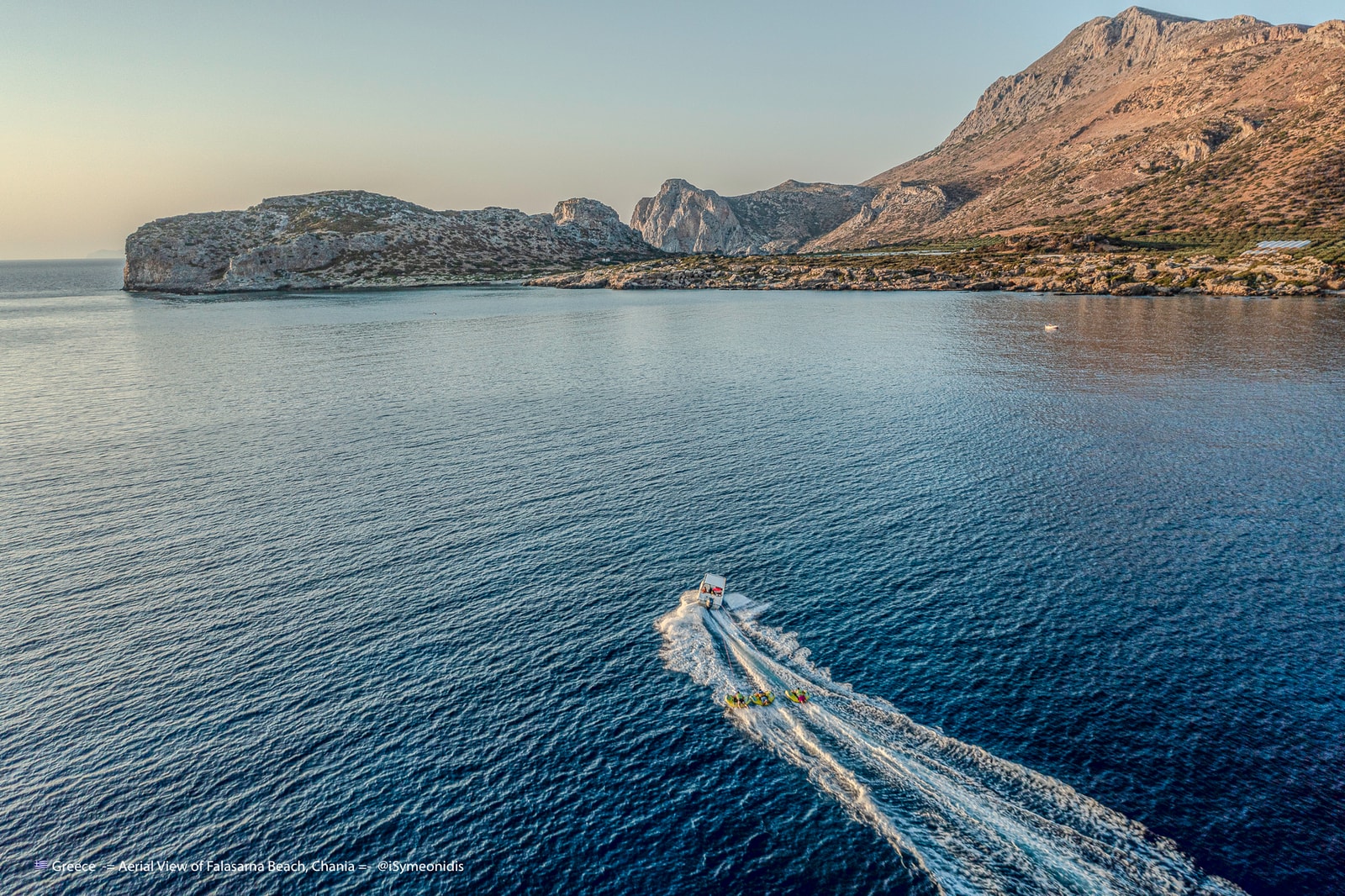
The coastline is a series of distinct bays:
- Pachia Ammos: The main beach, over a kilometer long with organized sunbeds and fine golden sand.
- Agia Paraskevi: A smaller, quieter cove offering more shelter from the wind.
- Livadia: A wild, unorganized southern bay ideal for snorkeling.
At the northern tip lie the ruins of Ancient Falassarna, a 4th-century BC Hellenistic city. In a dramatic twist of history, a massive earthquake in 365 AD caused a tectonic uplift that raised the entire coastline by up to 9 meters, leaving its once-mighty harbor completely dry and hundreds of meters inland.
The Akrotiri Peninsula: Your Shelter from Summer Winds
When the northerly Meltemi winds pick up, the sheltered coves of the Akrotiri Peninsula, northeast of Chania Town, become the perfect refuge. This landmass acts as a natural shield, keeping the waters calm and ideal for families and relaxed swimming.
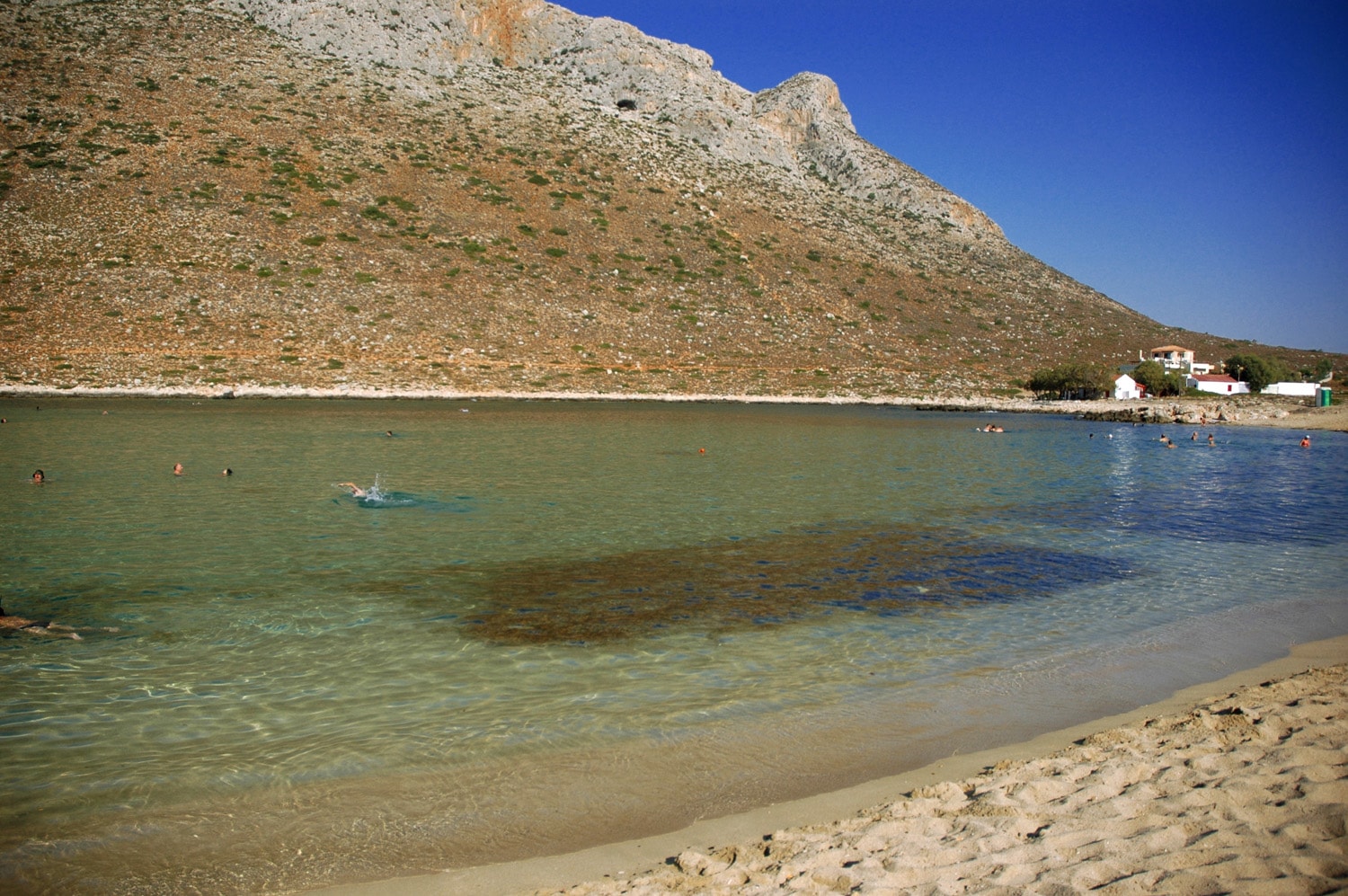
Stavros Beach is perhaps the most famous, with its circular, lagoon-like bay set against the mountain from the classic film Zorba the Greek. Its waters are shallow, warm, and almost always perfectly flat.
Marathi Beach faces south into Souda Bay, offering complete protection from northerly winds. It features two shallow, sandy coves with excellent waterfront tavernas serving fresh seafood.
Kalathas Beach is a wider, west-facing bay that is sheltered from the north but can experience some waves when westerly winds blow. A small rocky islet sits just offshore, popular with swimmers.
Tersanas Beach is a narrow, deep cove that was once a traditional boatyard. It offers total wind shelter, making its calm, shallow waters a favorite for families with young children.
Beaches for the Adventurous: Gorges and Cliffside Coves
For those who prefer their beach days with a side of adrenaline, Chania offers several spots that require a challenging hike or scramble. These are raw, untamed coves where the journey is as much a part of the experience as the destination.
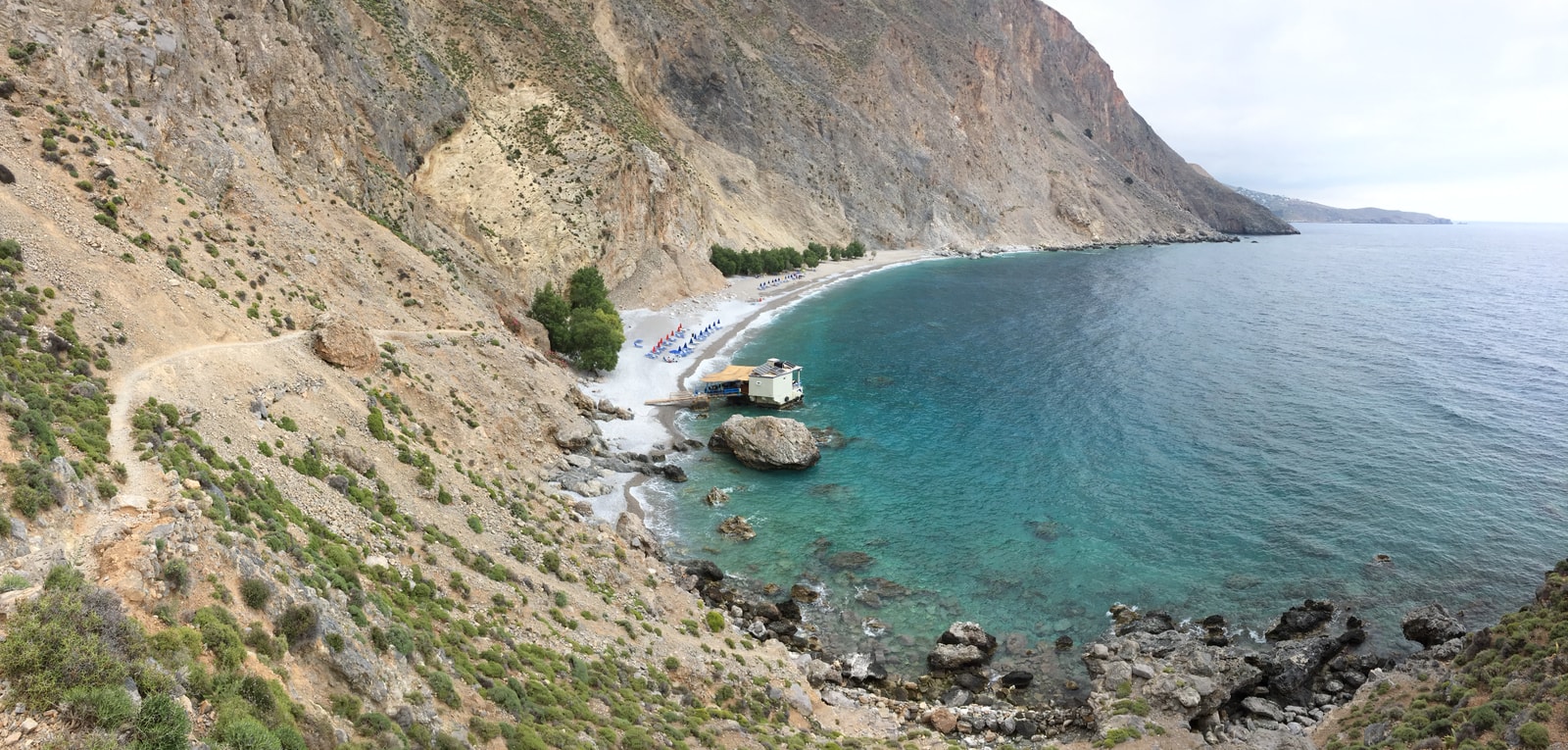
Seitan Limania, or “Devil’s Harbor,” is a tiny, electric-blue cove at the end of a zig-zagging limestone canyon. The descent from the clifftop involves scrambling down unmarked rocky slopes with loose scree and sharp rock, presenting a serious slipping hazard. There are no facilities, shade, or cell service.
Katholiko Beach is a rocky fjord reached via a trail starting at the Gouverneto Monastery. The trail, closed on Wednesdays and Fridays, passes ancient caves and the ruins of an 11th-century monastery before descending into the rugged Avlaki Gorge. Note that swimming at the bay is strictly prohibited, as it is considered sacred monastic ground.
Agia Roumeli Beach is the final reward for hikers completing the 16-kilometer Samaria Gorge. Scheduled to open in mid-May 2026, the national park operates under strict safety rules. The beach of dark volcanic pebbles and black sand gets scorching hot, but the deep, cold Libyan Sea offers the perfect relief for tired muscles.
The Remote South Coast: A Bohemian Escape
The wild south coast, separated from the north by the formidable White Mountains, feels like another world. Here, sheer cliffs plunge into the deep Libyan Sea, creating a string of remote, bohemian retreats accessible mainly by ferry or coastal hiking trails.
Sougia has a relaxed, bohemian vibe with a wide beach of coarse sand and smooth pebbles. The western end is popular with free campers, while the eastern end is more organized. The water here is deep and refreshingly cold.
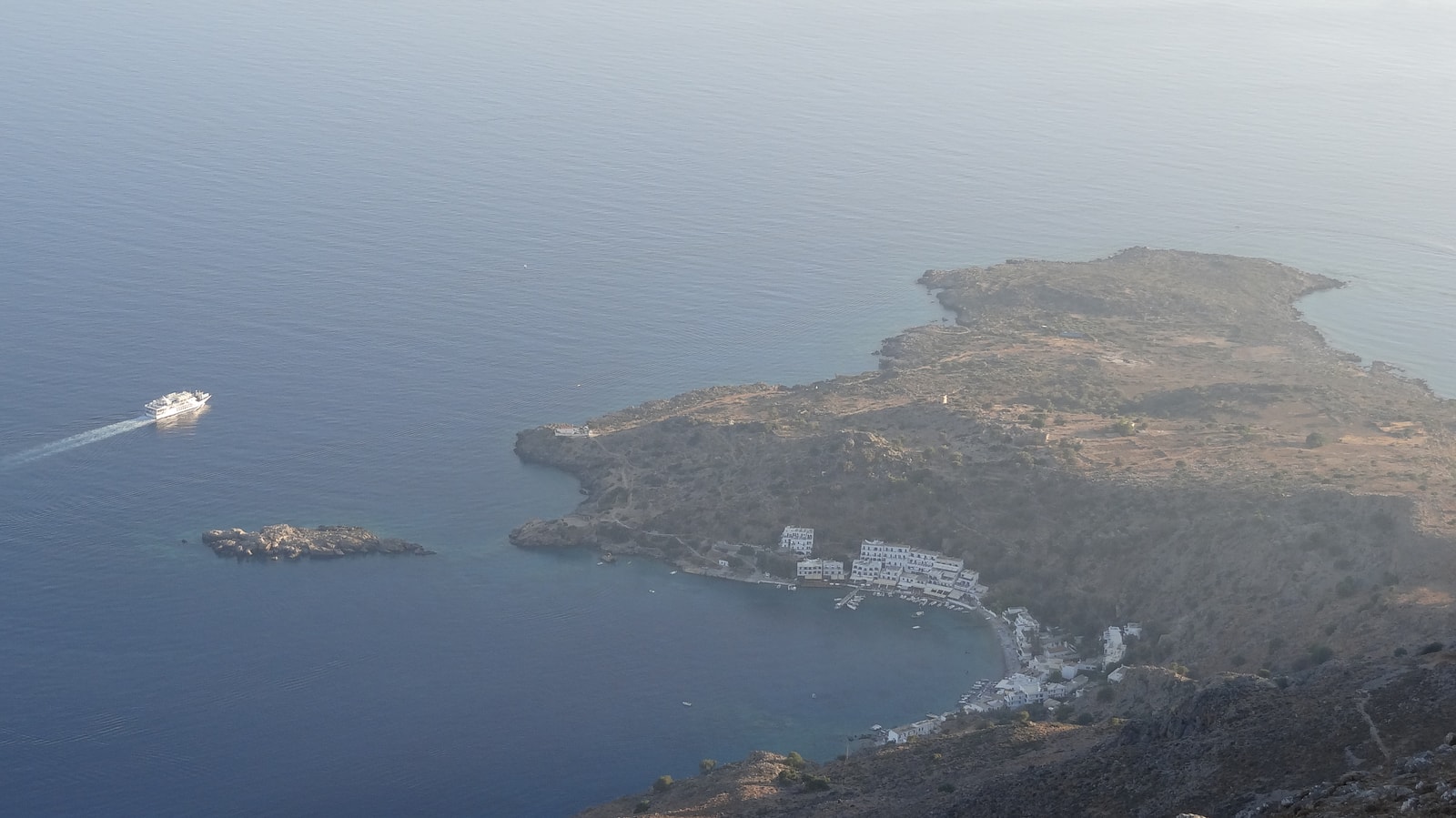
Loutro is a postcard-perfect fishing village with no cars, built around a crescent-shaped emerald harbor where the water is always calm. It is a true escape, reachable only by ferry or the E4 trail.
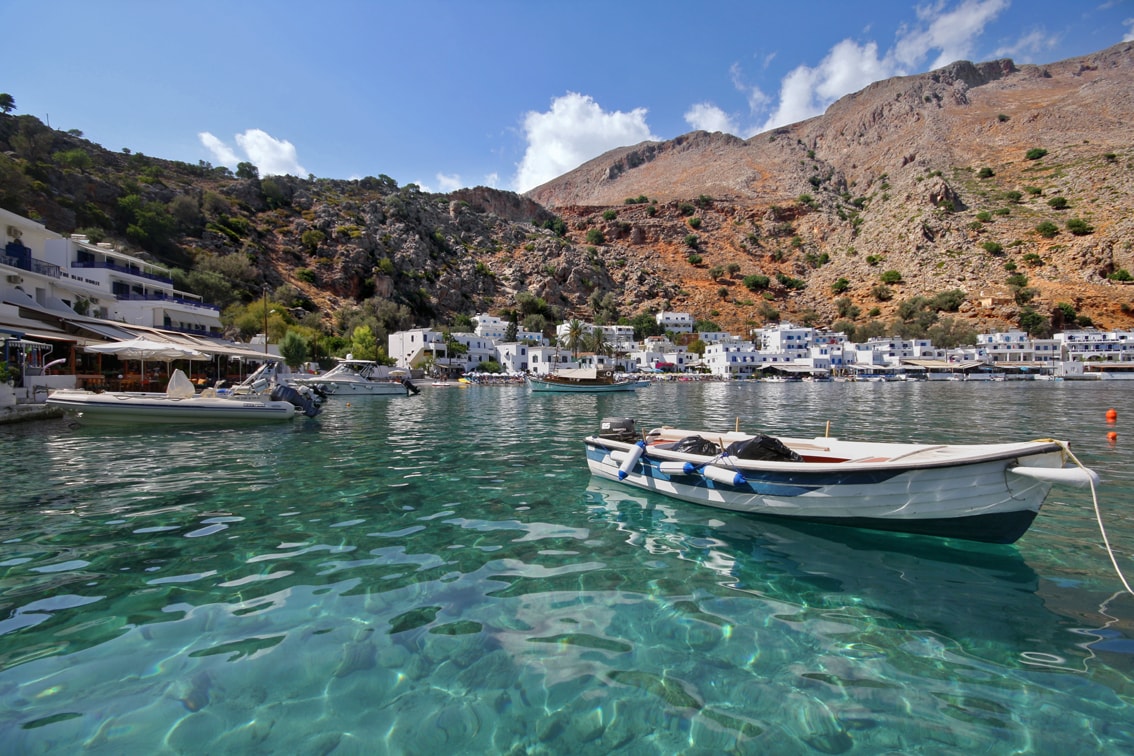
Sweetwater Beach (Glyka Nera) gets its name from freshwater springs that bubble up through the pebbles. Pinned against massive cliffs, this unique beach is accessible by taxi-boat or a steep, exposed cliffside trail.
Frangokastello offers a different scene, with a vast sandy plain and shallow, family-friendly waters. It is dominated by a remarkably preserved 14th-century Venetian castle, set against the backdrop of the White Mountains.
Convenient Swims: Beaches Near Chania Town
For those staying in Chania Town, a refreshing swim is never far away. A string of accessible and lively beaches lies just west of the Venetian Harbor, offering a taste of the local Cretan summer without the need for a car.
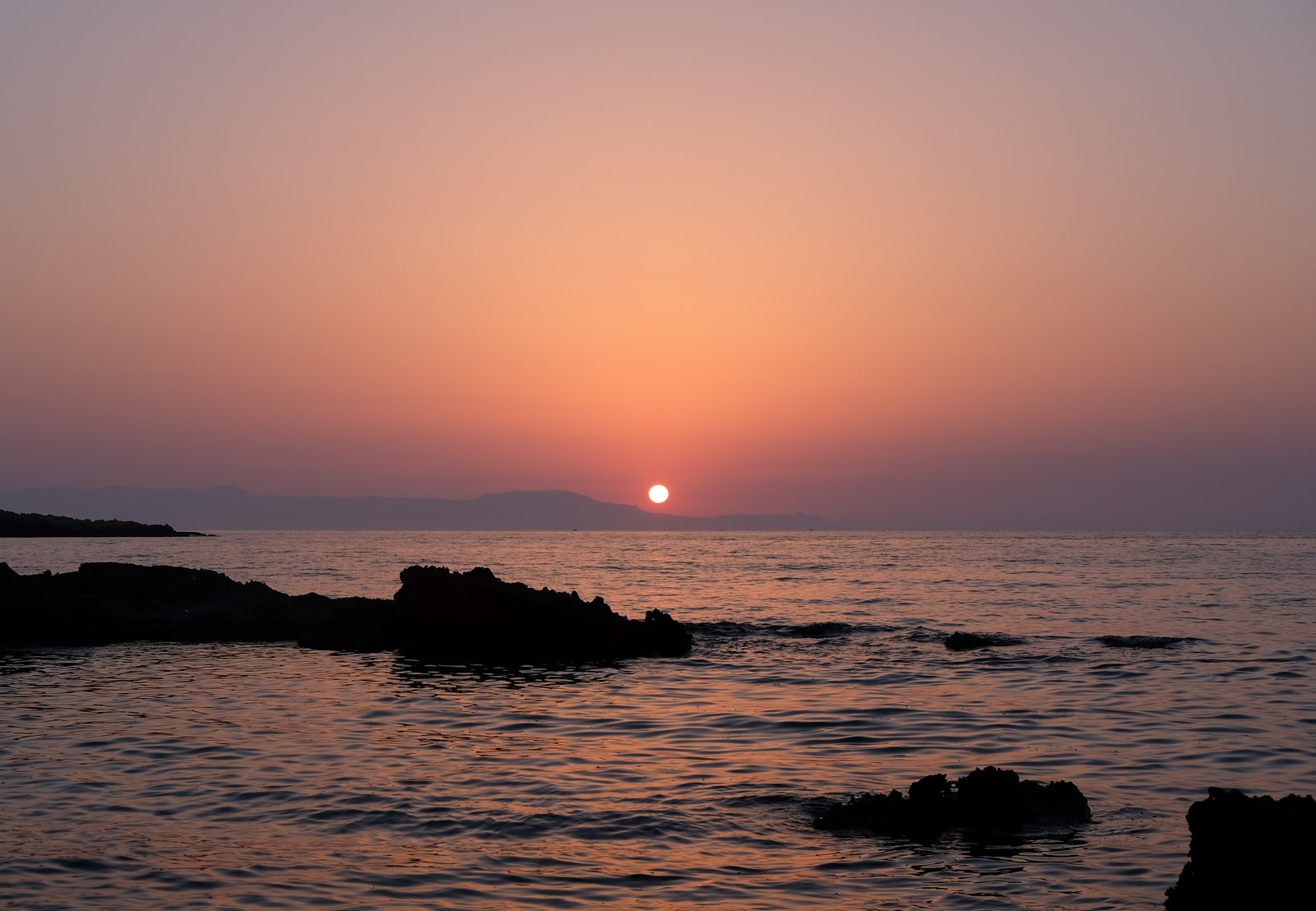
Nea Chora Beach is just a 15-minute walk from the Old Town. This organized, Blue Flag beach has a real neighborhood feel, lined with traditional seafood tavernas and popular with local residents. It also features SEATRAC systems for mobility assistance.
Chrissi Akti (Golden Beach), about 3 km from the city, is a favorite for local families. Its soft golden sand, shallow waters, and an adjacent pine-shaded park with a playground make it an ideal spot for a relaxed afternoon.
Agioi Apostoloi Beach features two beautiful horseshoe-shaped bays that are heavily sheltered from the wind. The area is a recreational hub, with a pine forest park popular for jogging and beach volleyball.
Chania Summer 2026: Coastal Festivals and Events
The summer of 2026 in Chania is set to be a vibrant one, with a calendar full of music, dance, and cultural celebrations taking place in stunning coastal settings, from historic harbor walls to beachfront stages.
- Dance Days Chania (July 20 – August 2, 2026): An international contemporary dance festival using coastal landscapes and the Venetian Harbor as a stage for site-specific performances.
- Beach Bar Live Sessions (Throughout July 2026): Weekly acoustic and live music sessions at beach bars in Agia Marina, offering relaxed entertainment right by the water at sunset.
- Chania Rock Festival 2026 (August 1 – 2, 2026): A major rock and metal festival held in the East Moat Theatre, adjacent to the sea and the city’s historic coastal walls.
- Chania Beach Party (August 10, 2026): One of Crete's biggest electronic music events, hosting international DJs for a massive party on Agia Marina Beach.
- Chania Music Festival 2026 (August 12 – 13, 2026): An annual festival featuring classical, jazz, and contemporary music in historic venues along the Old Venetian Harbour.
- Nea Chora Sardine Festival (September 7, 2026): A beloved local tradition on Nea Chora beach celebrating the area's fishing heritage with free grilled sardines, wine, and Cretan folk dancing on the sand.
Gallery