Maspalomas Beach Guide 2026: Dunes, Nightlife, and Events
From the iconic lighthouse and protected dunes to the vibrant beach kiosks and late-season events, here's your ultimate guide to Gran Canaria's famous coast.
Published on 12 Aug 2026 16:05 GMT
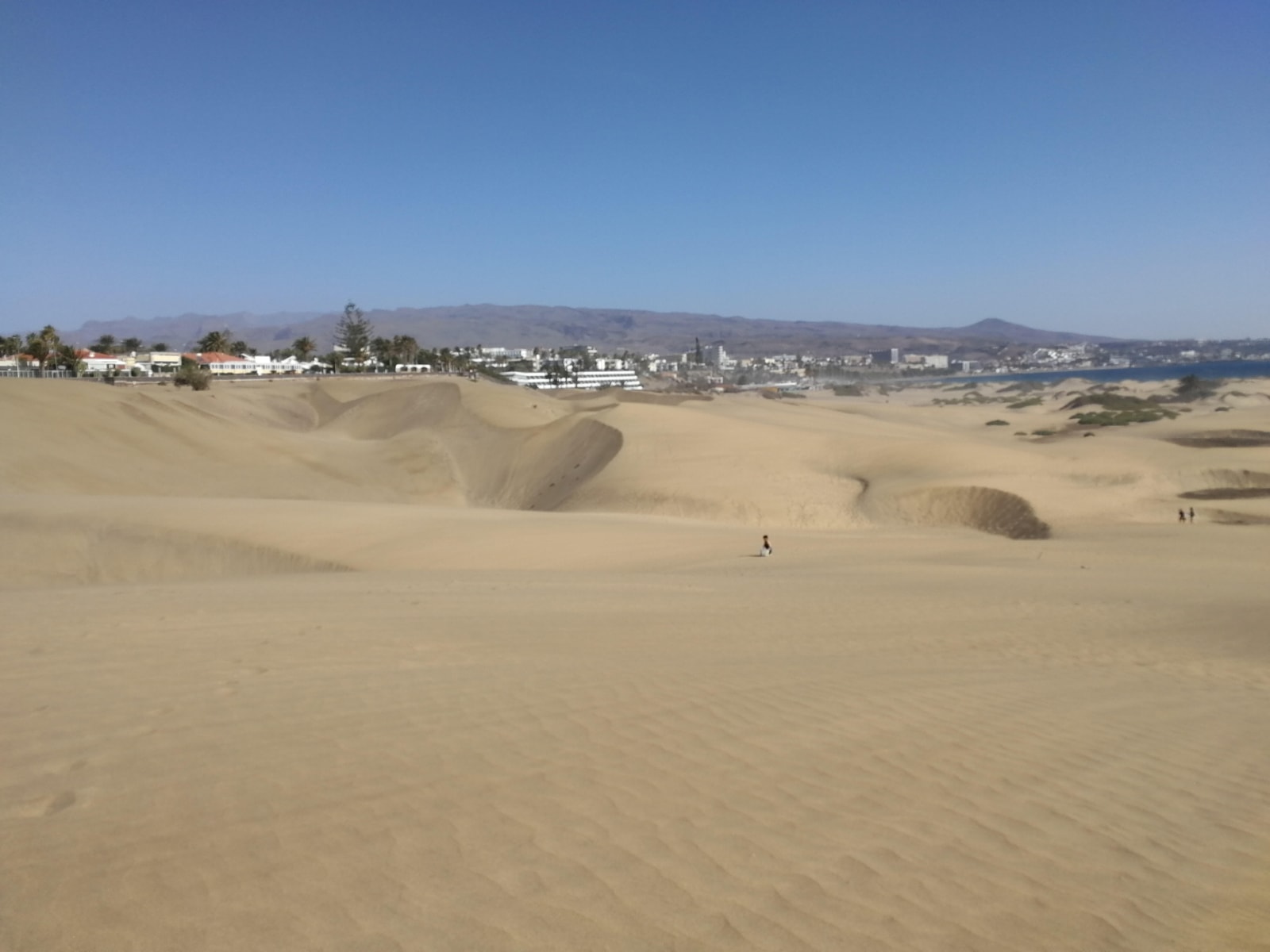
On the southern tip of Gran Canaria lies Maspalomas Beach, a stunning coastal landscape where a desert of golden dunes tumbles into the turquoise Atlantic. It’s a place of beautiful contrasts, attracting families, surfers, and a vibrant international LGBTQ+ community to its diverse shores.
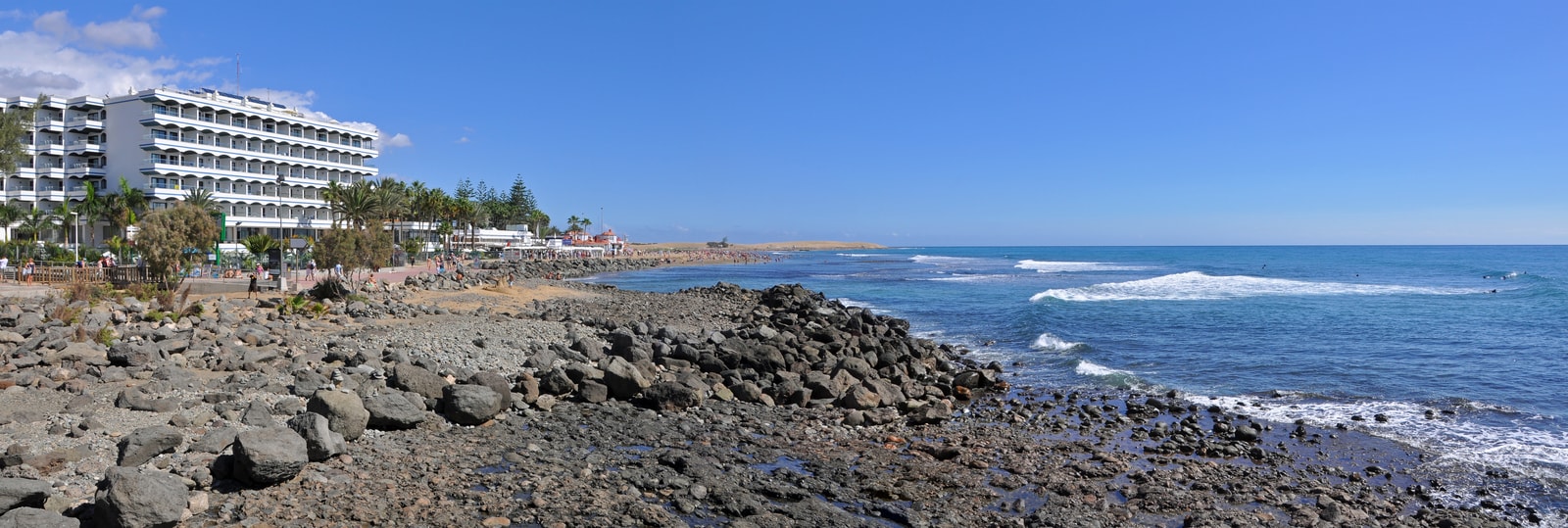
This is more than just a beach; it’s a destination defined by its remarkable natural features and the sophisticated resort life that has grown alongside it. Whether you're here for relaxation, adventure, or celebration, Maspalomas offers a unique coastal experience.
The Living Dunes: A Protected Ecosystem
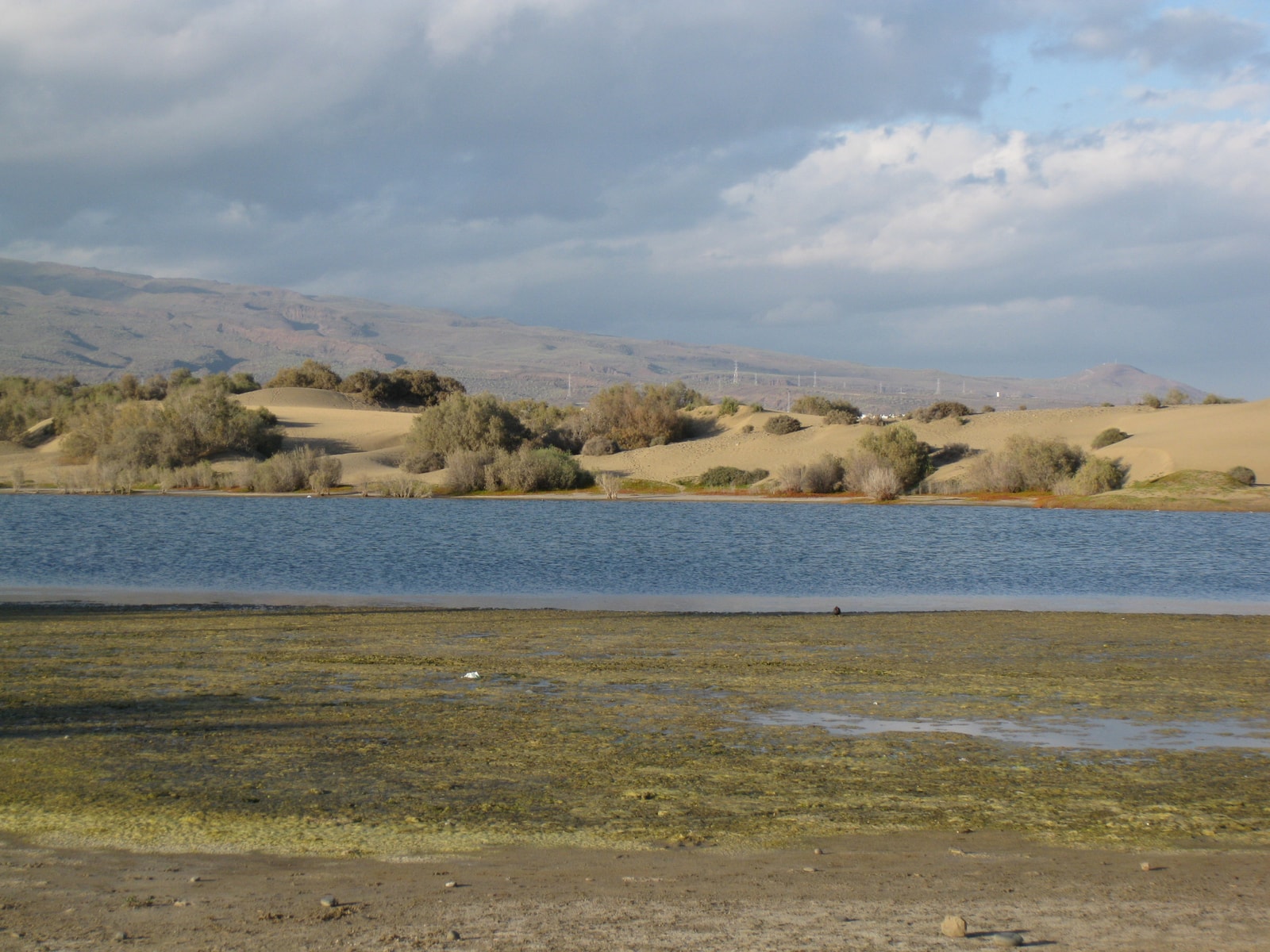
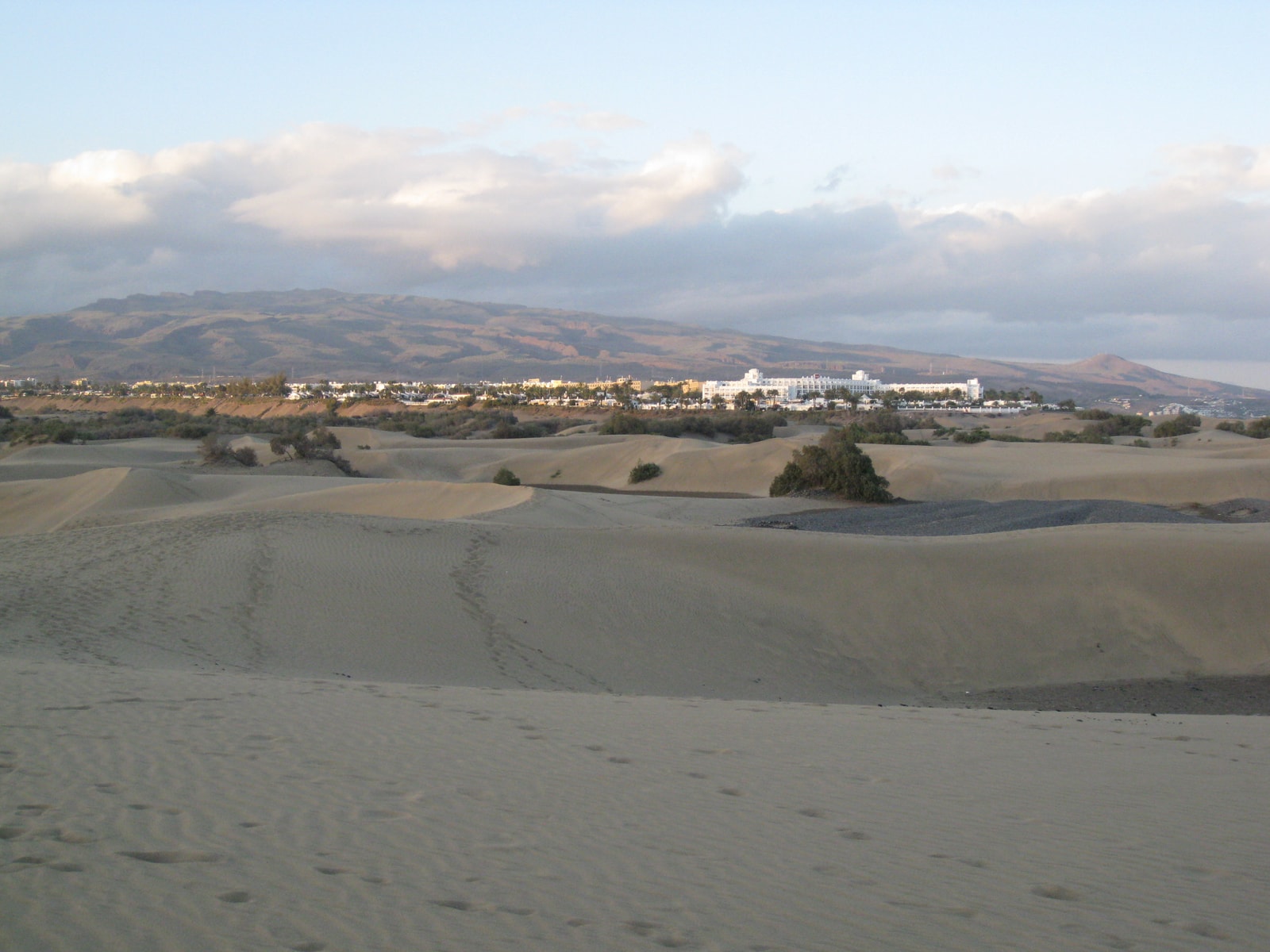
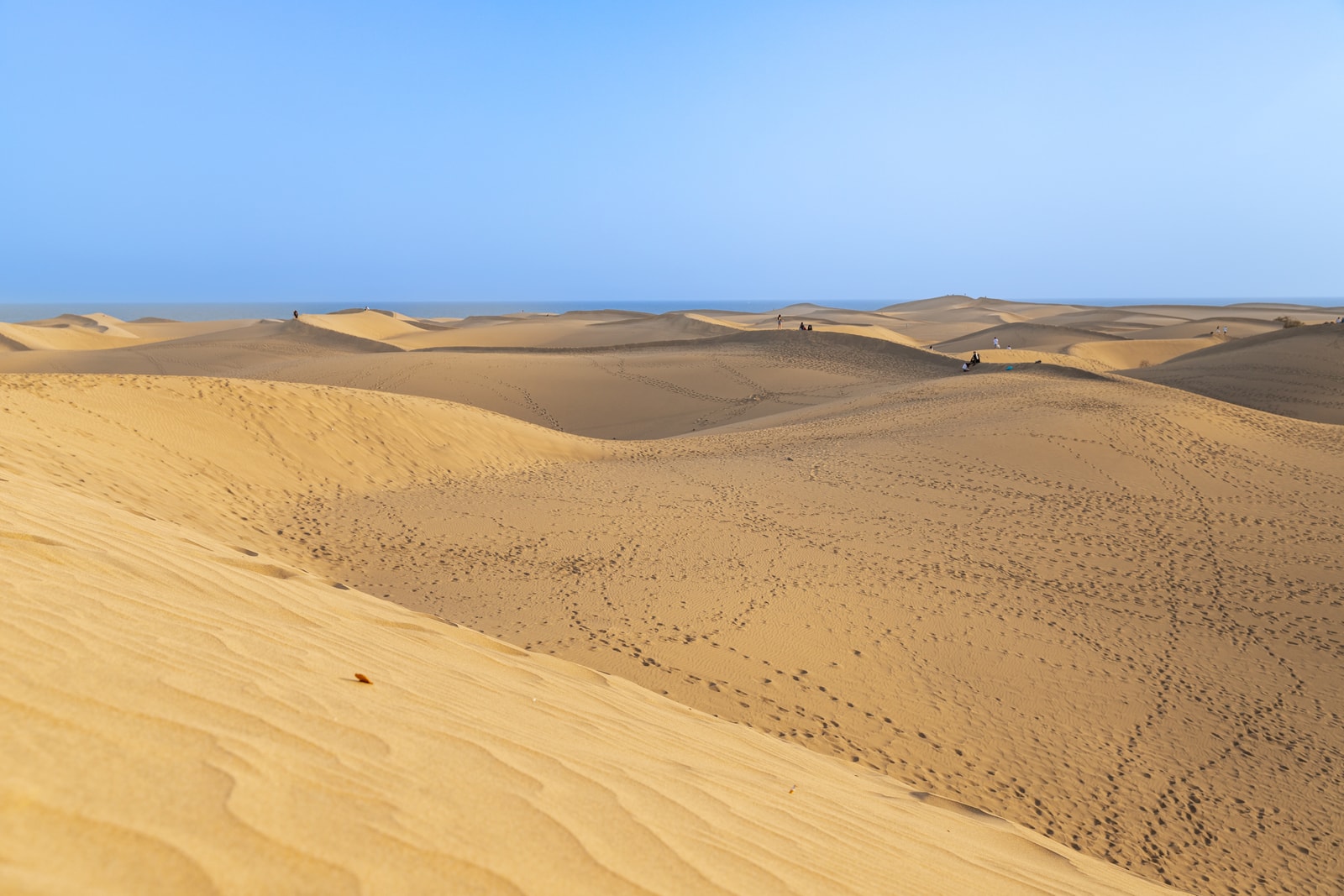
The landscape is dominated by the Special Nature Reserve of the Maspalomas Dunes, a 400-hectare sanctuary of European importance. This protected area is a fragile, interconnected system of dunes, a palm grove, and a coastal lagoon.
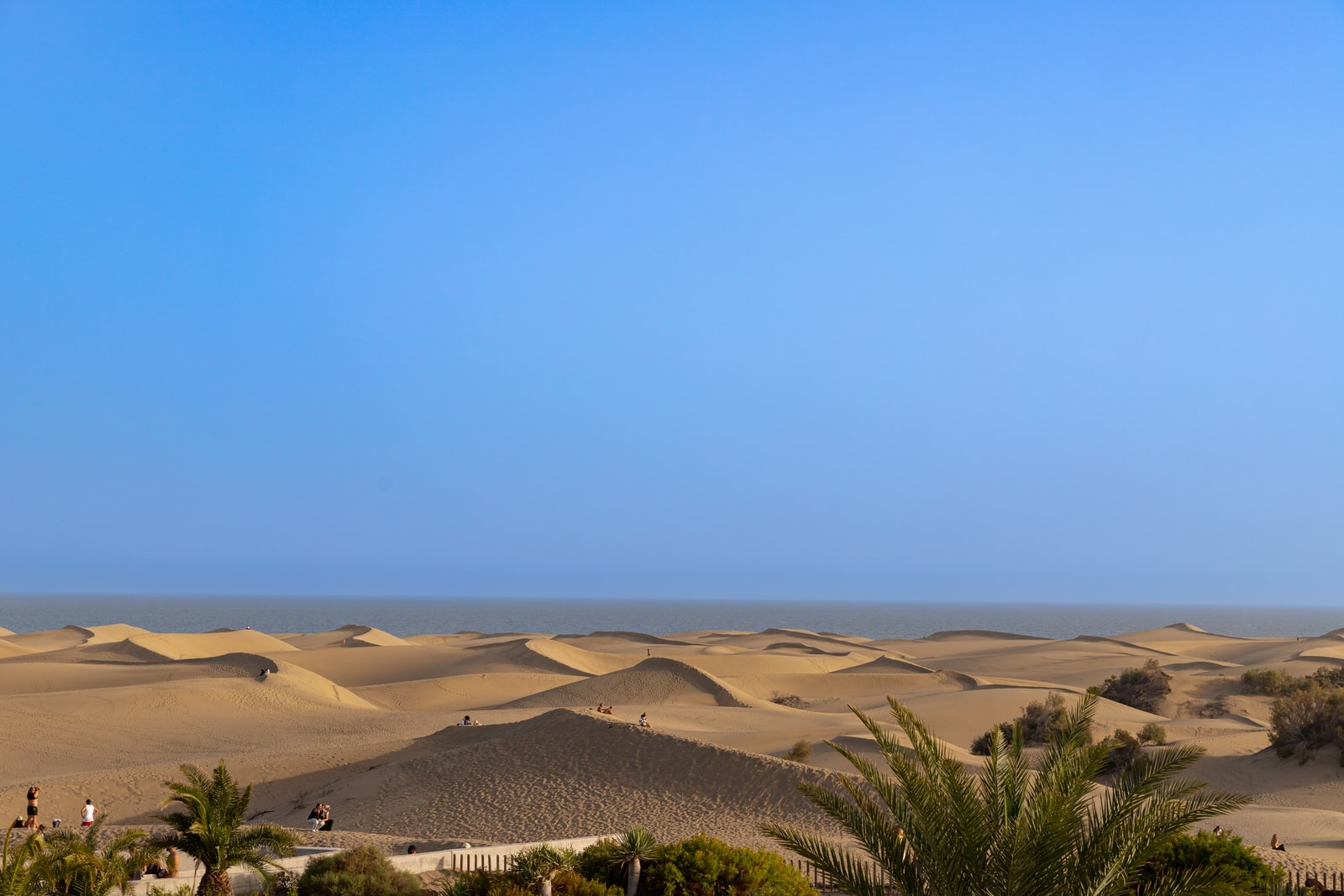
Contrary to local myth, the sand isn't from the Sahara. It’s a mix of crushed marine shells and volcanic rock fragments from the island's interior. The northeast trade winds power a natural cycle, moving sand from Playa del Inglés southwest across the dunes and back again via marine currents.
The MASDUNAS conservation project works to protect this cycle from urban development. Measures include mechanically recovering sand and planting native shrubs to anchor the dunes. Visitors must stick to marked trails to avoid heavy fines and protect the delicate environment.
At the western edge lies La Charca, a brackish lagoon that is a vital stop for migratory birds on the East Atlantic Flyway. Birdwatchers can spot species like Eurasian spoonbills, little egrets, and grey herons.
El Faro: The Historic Lighthouse Beacon
Dominating the coastline is the Maspalomas Lighthouse (Faro de Maspalomas), a 55-meter-tall beacon that has guided ships since 1890. Designed by engineer Juan de León y Castillo, its heavy blue basalt stone was transported entirely by sea due to the area's isolation during construction.
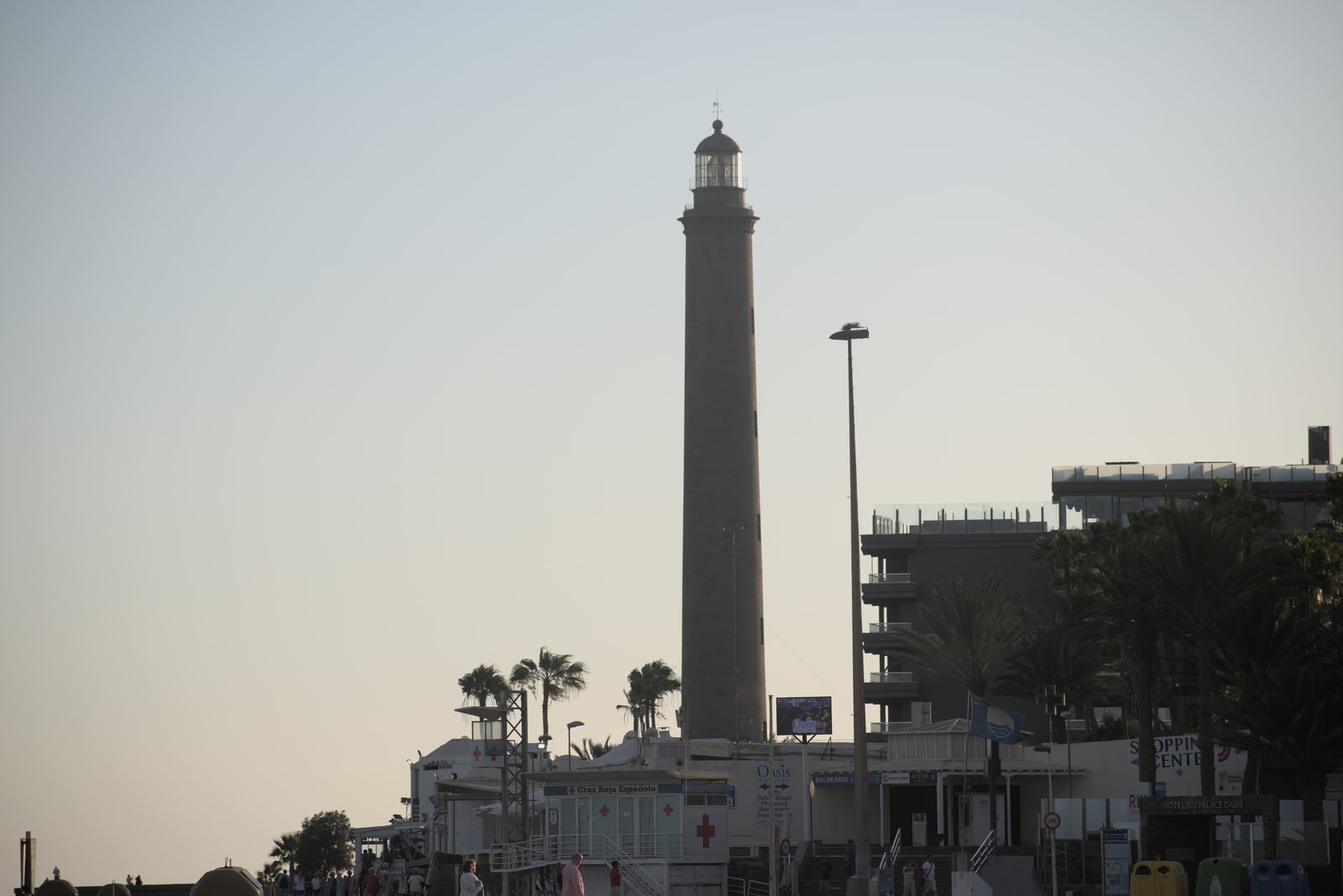
First built for transatlantic steamships, the lighthouse is still an active navigational aid. Its beautifully restored keeper’s quarters now house a cultural center, featuring a tourist office, an ethnographic museum, and a shop for authentic Canarian crafts.
Navigating the Sands: The Numbered Beach Kiosks
The long stretch of sand that connects Maspalomas to Playa del Inglés is organized by nine numbered beach kiosks, known as chiringuitos. These landmarks are essential for navigating the beach and finding your perfect spot.
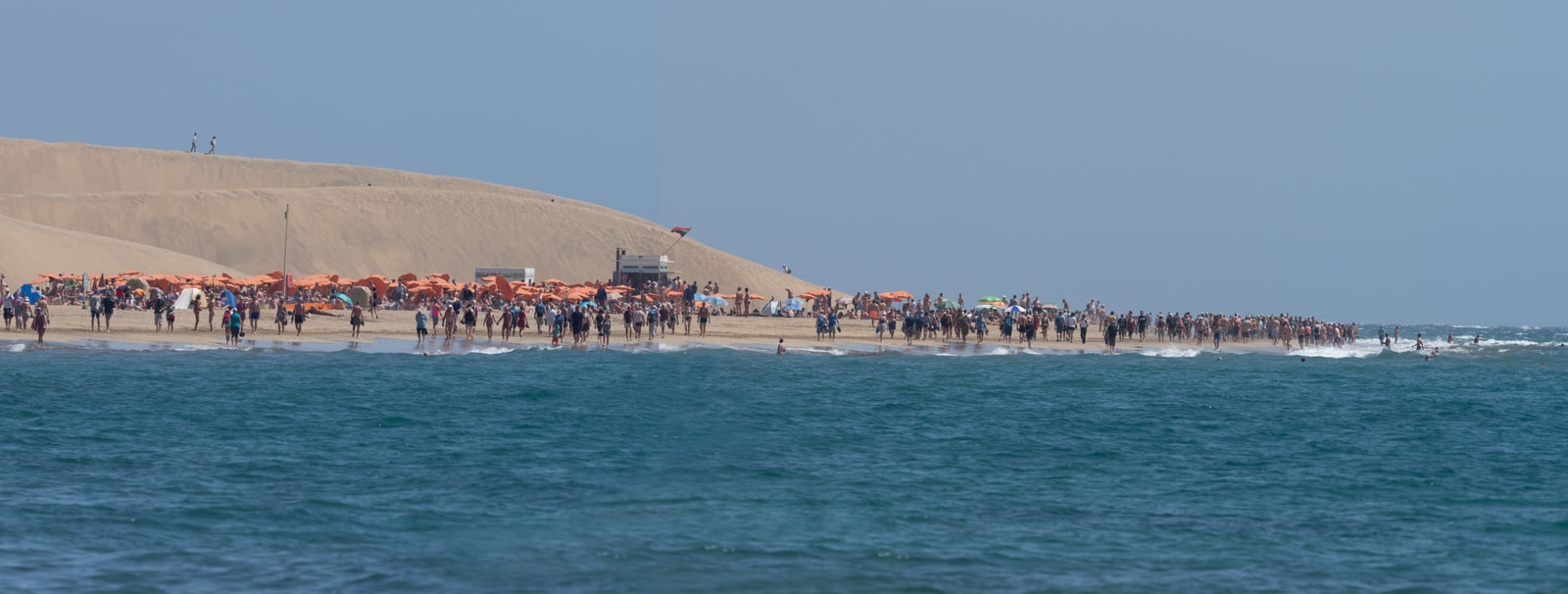
The kiosks are numbered from east to west, starting at Playa del Inglés. Each section of the beach has a distinct character:
- Kiosks 1-3 & 9: These are the family zones, with calm waters, lifeguards, and sunbeds. These are clothing-mandatory areas.
- Kiosks 4-6 & 8: These are designated naturist zones, offering peaceful, clothing-optional relaxation against the backdrop of the dunes.
- Kiosk 7: This is the world-famous LGBTQ+ beach, marked by rainbow flags. It's an energetic, clothing-optional hub and a legendary gathering spot for the queer community.
In recent years, the kiosks were updated to be more eco-friendly, with solar panels and sealed wastewater tanks. They serve simple fare like cold beers, cocktails, and Spanish bocadillos, operating only during daylight hours to protect nocturnal wildlife.
Active Pursuits on Sand and Water
Maspalomas is a playground for sports enthusiasts. A well-regarded right-hand reef break known as El Faro attracts intermediate to advanced surfers, especially during winter swells. Beginners can find gentler waves further east.
Early mornings are perfect for stand-up paddleboarding on glassy waters, while runners enjoy the firm, packed sand of the 6-kilometer track to Playa del Inglés. Yoga and fitness sessions are popular on the sand near the lighthouse.
While dune hiking offers a strenuous workout, it is restricted to designated paths to prevent erosion. For safety and conservation, wind and kite surfing are prohibited on the main beach; enthusiasts should head to nearby spots like Bahia Feliz or Pozo Izquierdo.
Sophisticated Sunsets on the Meloneras Promenade
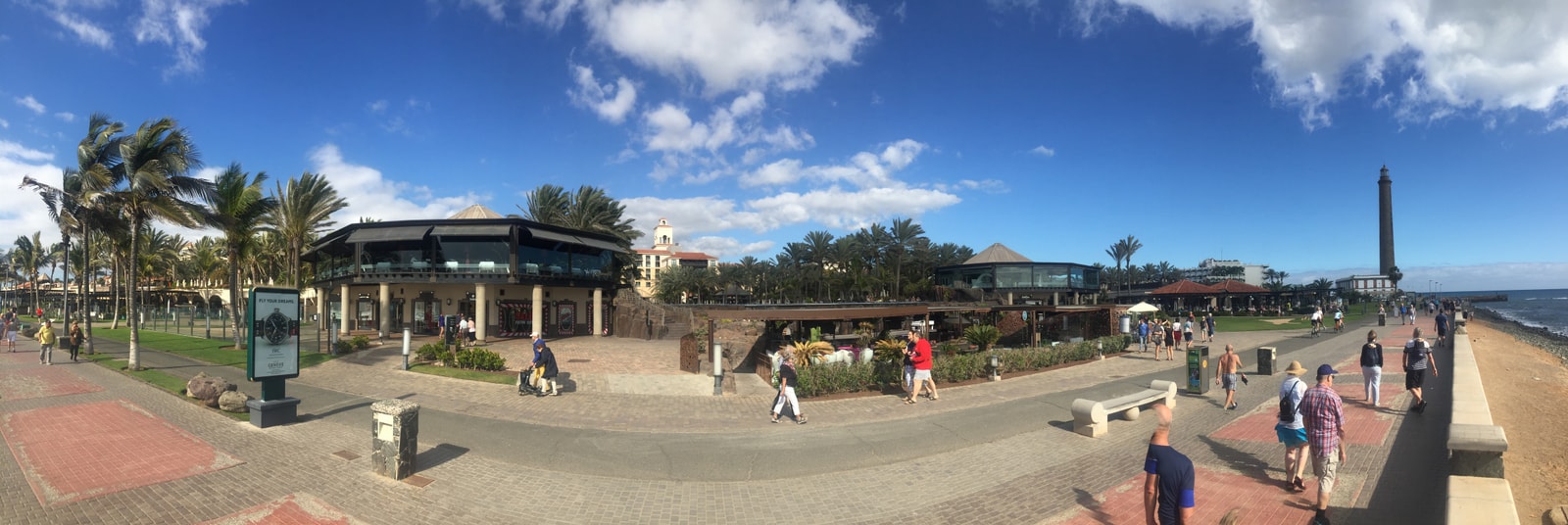
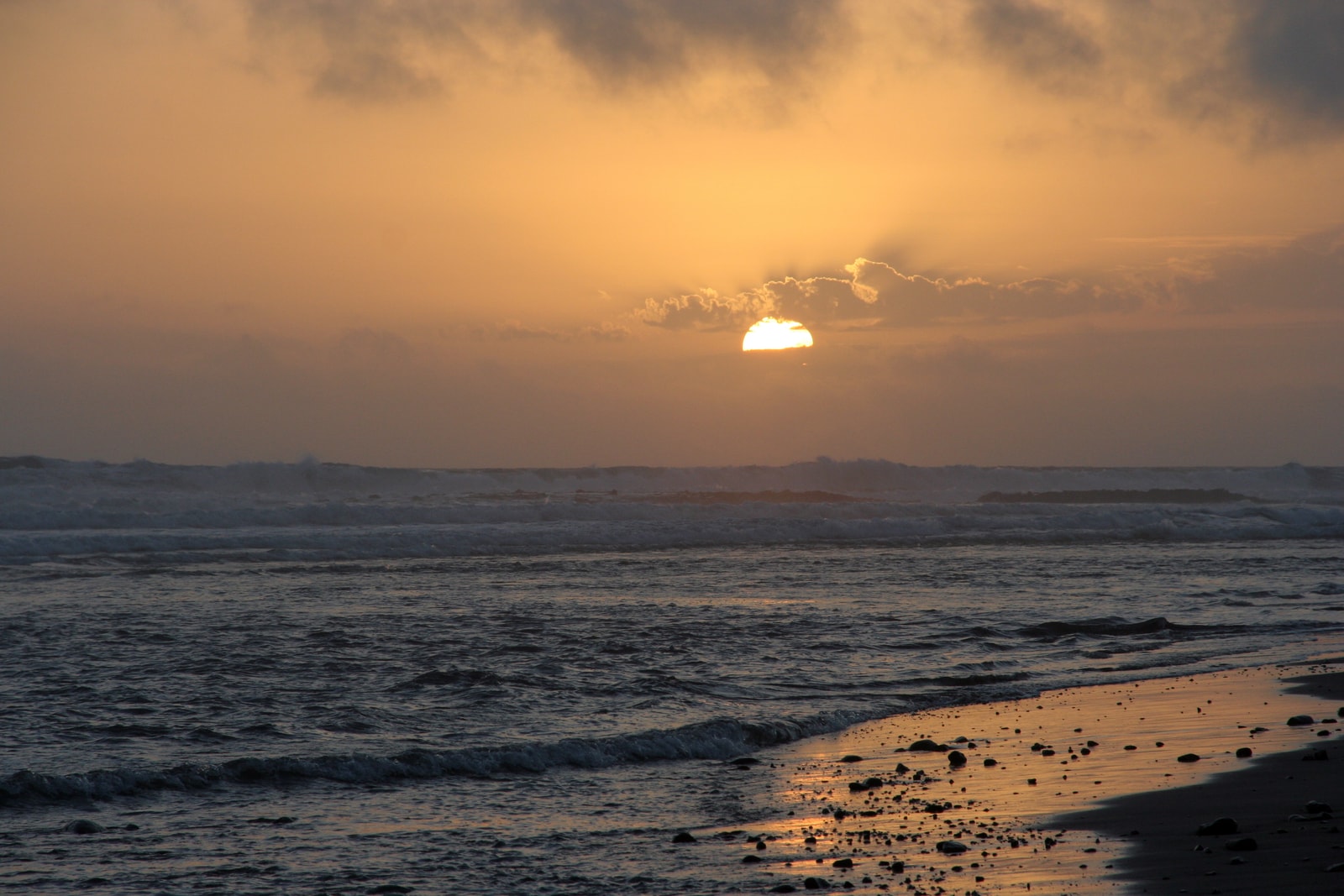
For a change of pace, head west from the lighthouse to the Meloneras Promenade. This upscale, palm-fringed walkway is the island's premier spot for watching the sunset. It connects luxury resorts with high-end restaurants, boutiques, and chic nightlife.
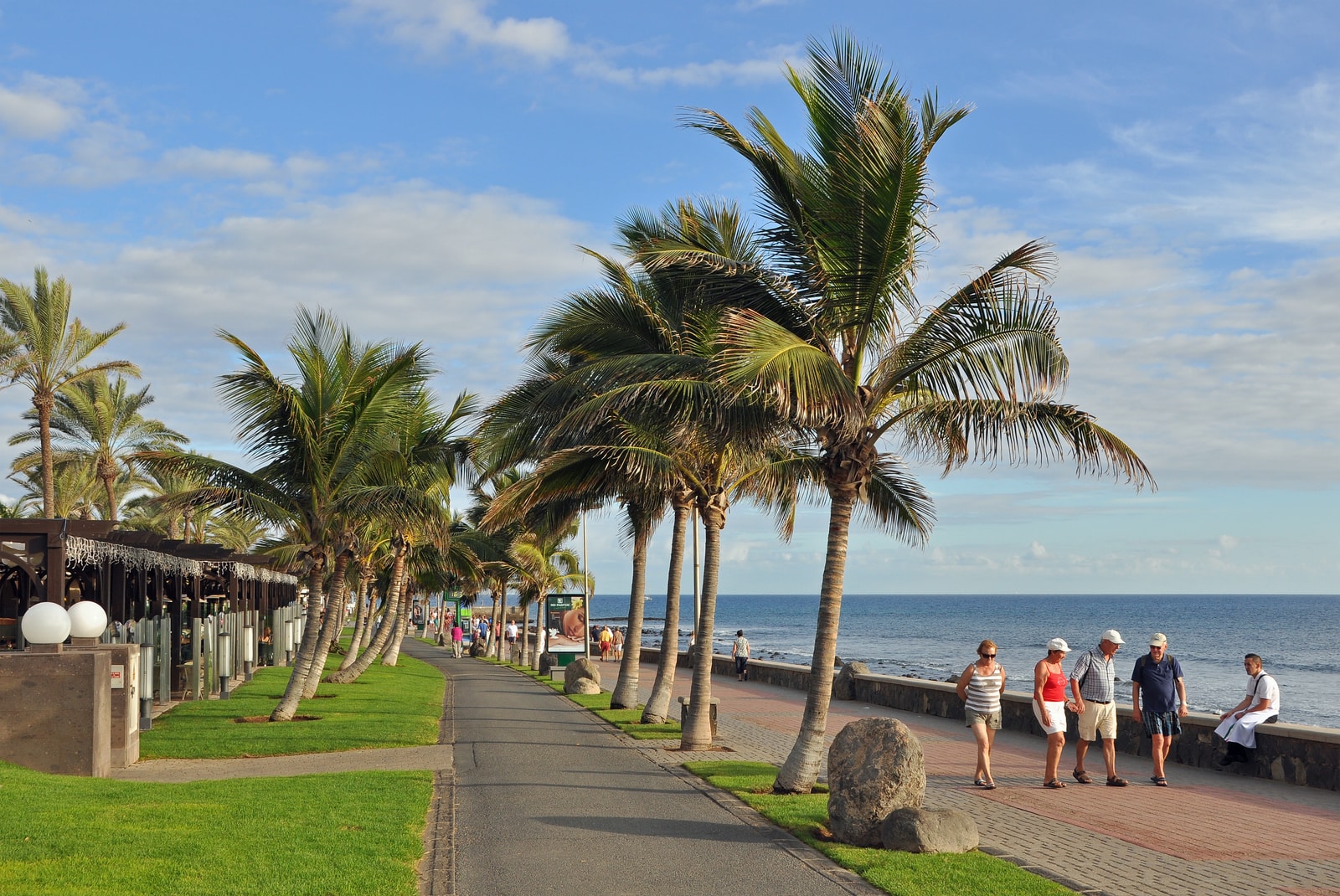
Elegant seaside terraces serve refined Canarian cuisine, including fresh Atlantic sea bass and papas arrugadas (wrinkly potatoes) with mojo sauce. The adjacent Boulevard El Faro is the island’s luxury shopping hub.
Nightlife here is mature and sophisticated, with waterfront lounges offering craft cocktails and live music. You can also find a stylish casino and Europe’s only permanent open-air cinema, where you can watch movies on plush sofas with waiter service.
Maspalomas Events Calendar: Late 2026 Highlights
Plan your trip around the vibrant cultural and sporting events scheduled for the latter half of 2026. From traditional crafts to international celebrations, there's always something happening on the coast.
- Summer South Craft Fair (Feria de Artesanía Verano Sur) (August 7–16, 2026): An annual fair at the foot of the lighthouse showcasing traditional Canarian crafts.
- Fiestas Patronales de San Bartolomé (Culminating August 24, 2026): Traditional festivities featuring religious pilgrimages, folk music, and local food.
- Maspalomas Open Water Gran Canaria (September 12, 2026): An international open-water swimming race with routes culminating at the lighthouse.
- Maspalomas Winter Pride (November 2–8, 2026): One of Europe's biggest winter LGBTQ+ festivals, with pool parties, live shows, and a massive Pride Walk on November 7.
- German Carnival (November 11, 2026): A lively celebration marking the start of carnival season, driven by the island's large German community.
- New Year’s Eve Celebration (December 31, 2026): Vibrant public parties with live music and fireworks around San Fernando Park and the promenades.
Fun Beyond the Beach: Family Attractions
Just minutes from the coast, you'll find a variety of parks and attractions perfect for a family day out. These offer a great alternative when you need a break from the sand and surf.
- Camel Safaris: Gentle, Saharan-style camel treks through the iconic sand dunes.
- Aqualand Maspalomas: A massive water park with everything from thrilling slides to toddler-friendly splash zones.
- Palmitos Park: A stunning botanical and zoological park featuring a dolphinarium, butterfly house, and birds of prey shows.
- Holiday World Maspalomas (Wooland): An amusement center with fairground rides, bowling, escape rooms, and a street-food market.
- Sioux City Park: A Wild West theme park complete with cowboy stunt shows and bank robbery reenactments.
Practical Guide: Getting Around Maspalomas
Getting to and around Maspalomas is straightforward. The public bus company, Global, operates a fleet of comfortable blue coaches connecting the resort to the airport, the capital, and other towns.
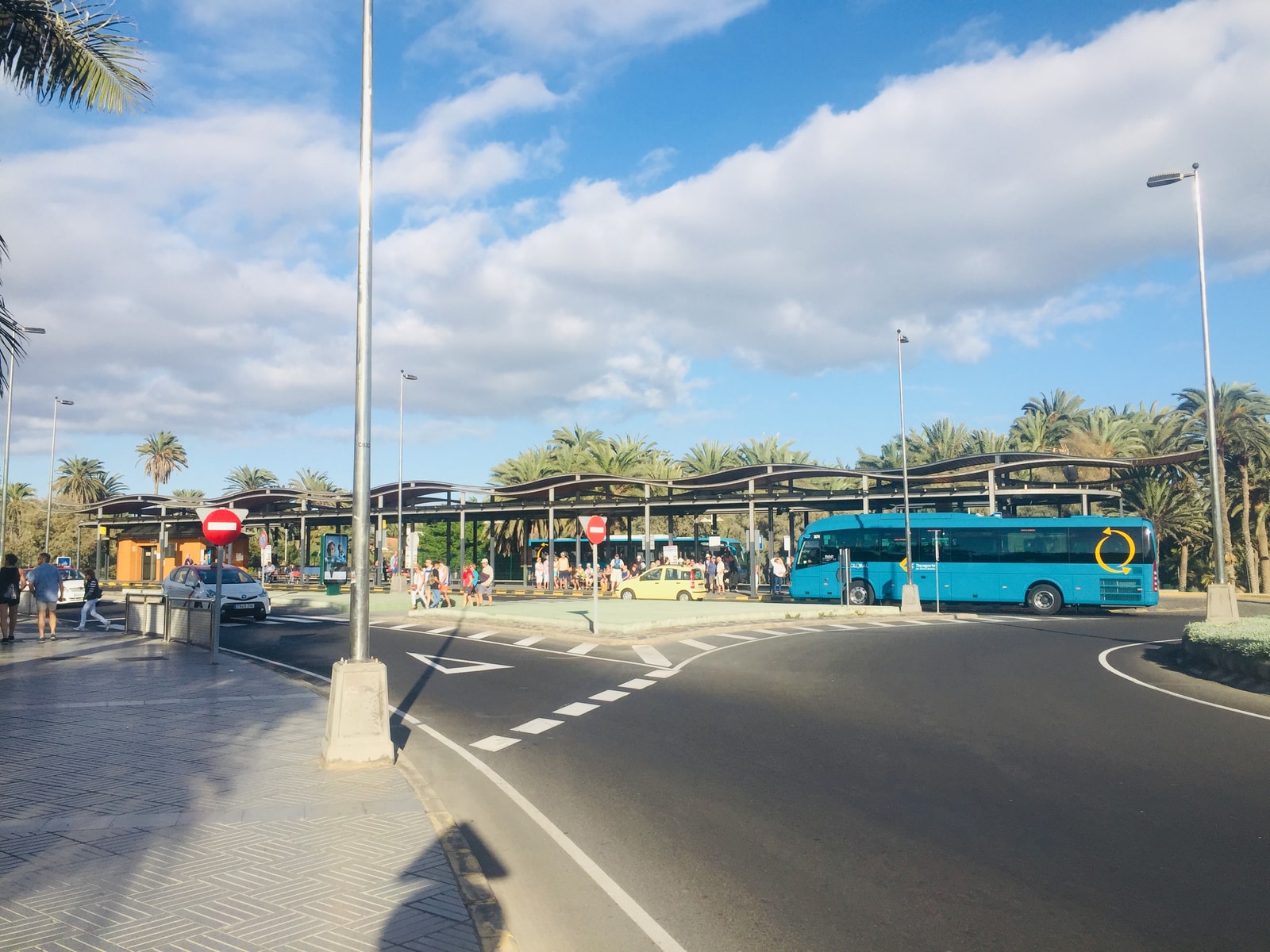
The main hub is the Faro de Maspalomas Bus Station, a three-minute walk from the beach. Key routes include the express lines 30 & 50 from Las Palmas and lines 66 & 90 from the airport (LPA).
If you're driving, parking can be competitive. Paid underground garages are the most convenient option. Cheaper metered street parking (Zona Azul) is also available, while free spots can be found in residential areas like Campo Internacional, though it requires a 15-20 minute walk.
For safety, always obey the beach flag system (Green, Yellow, or Red). The Red Cross also provides accessible infrastructure, including floating amphibian chairs. Finally, if you plan to walk the full coast to Playa del Inglés, check the tide tables—at high tide, the walk becomes a tough slog through deep, dry sand.
Gallery