Valencia Beaches 2026: The Ultimate Guide for a Landmark Summer
From a total solar eclipse to the inaugural SailGP, discover the city's vibrant urban shores, wild nature reserves, and a calendar of can't-miss coastal events for 2026.
Published on 23 Jul 2026 13:04 GMT
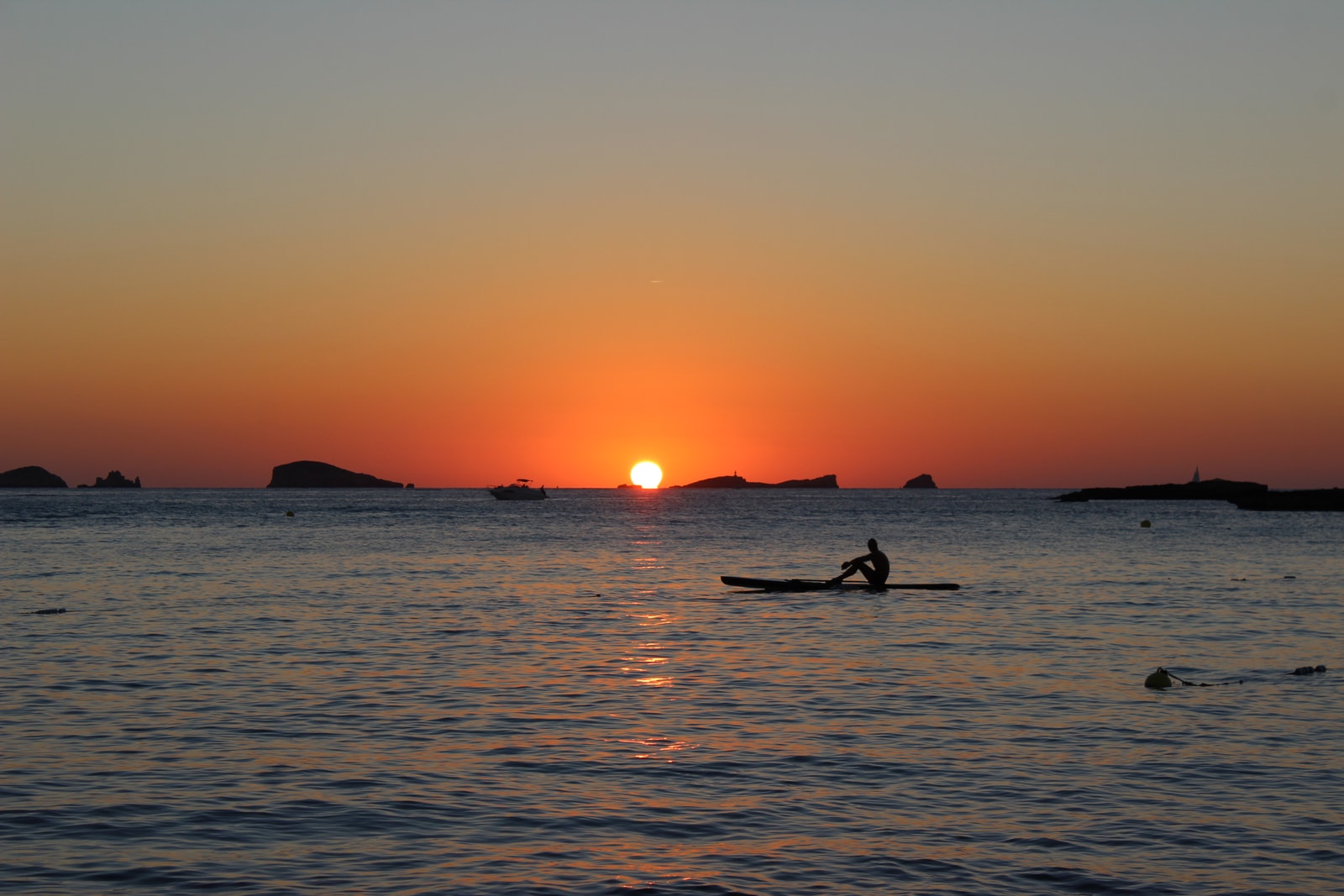
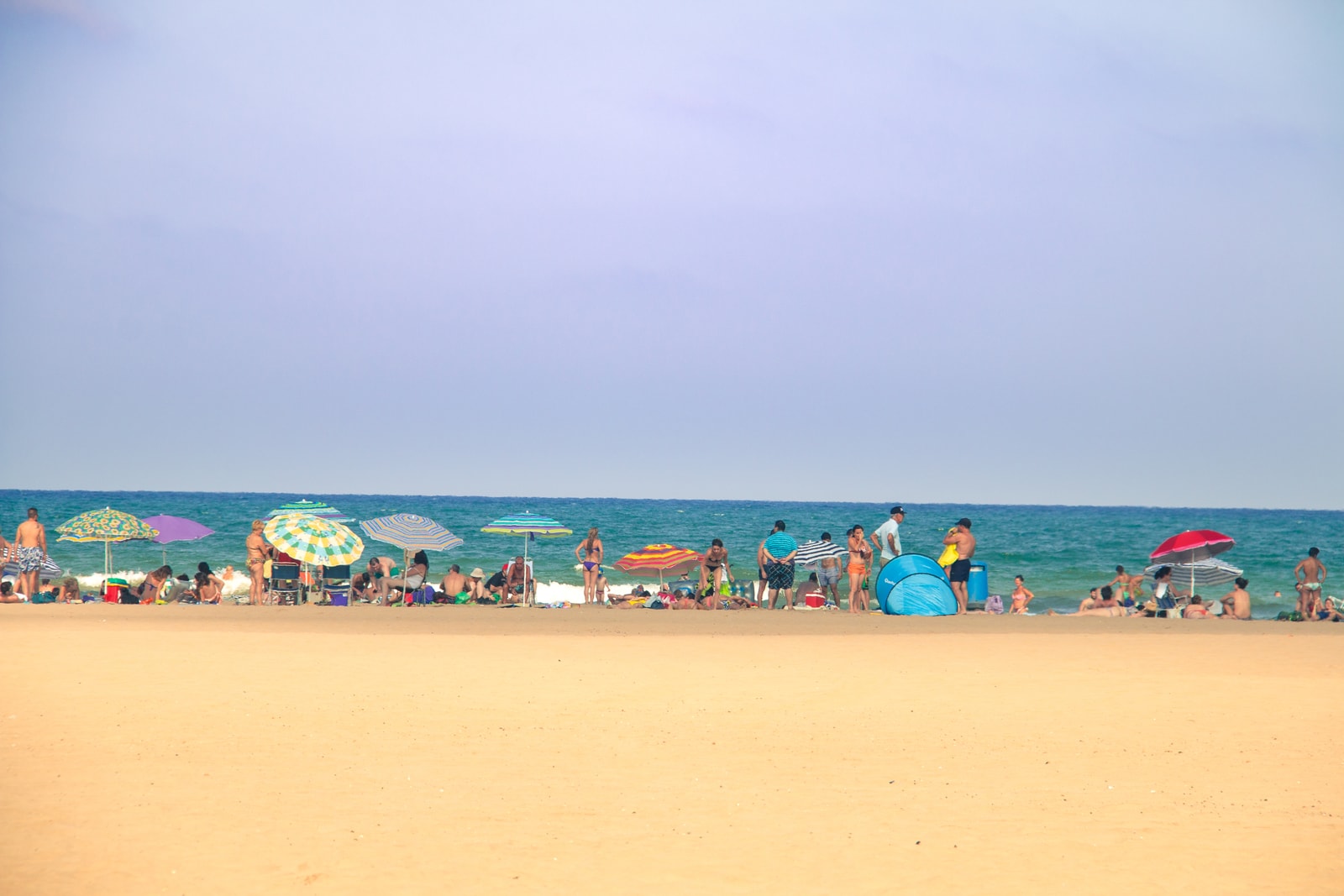
Valencia’s city coastline is a seamless stretch of wide, golden sand where history and modern leisure meet. This vibrant urban waterfront is divided into three distinct yet connected beaches, each with its own character, backed by a palm-lined promenade, the Paseo Marítimo.
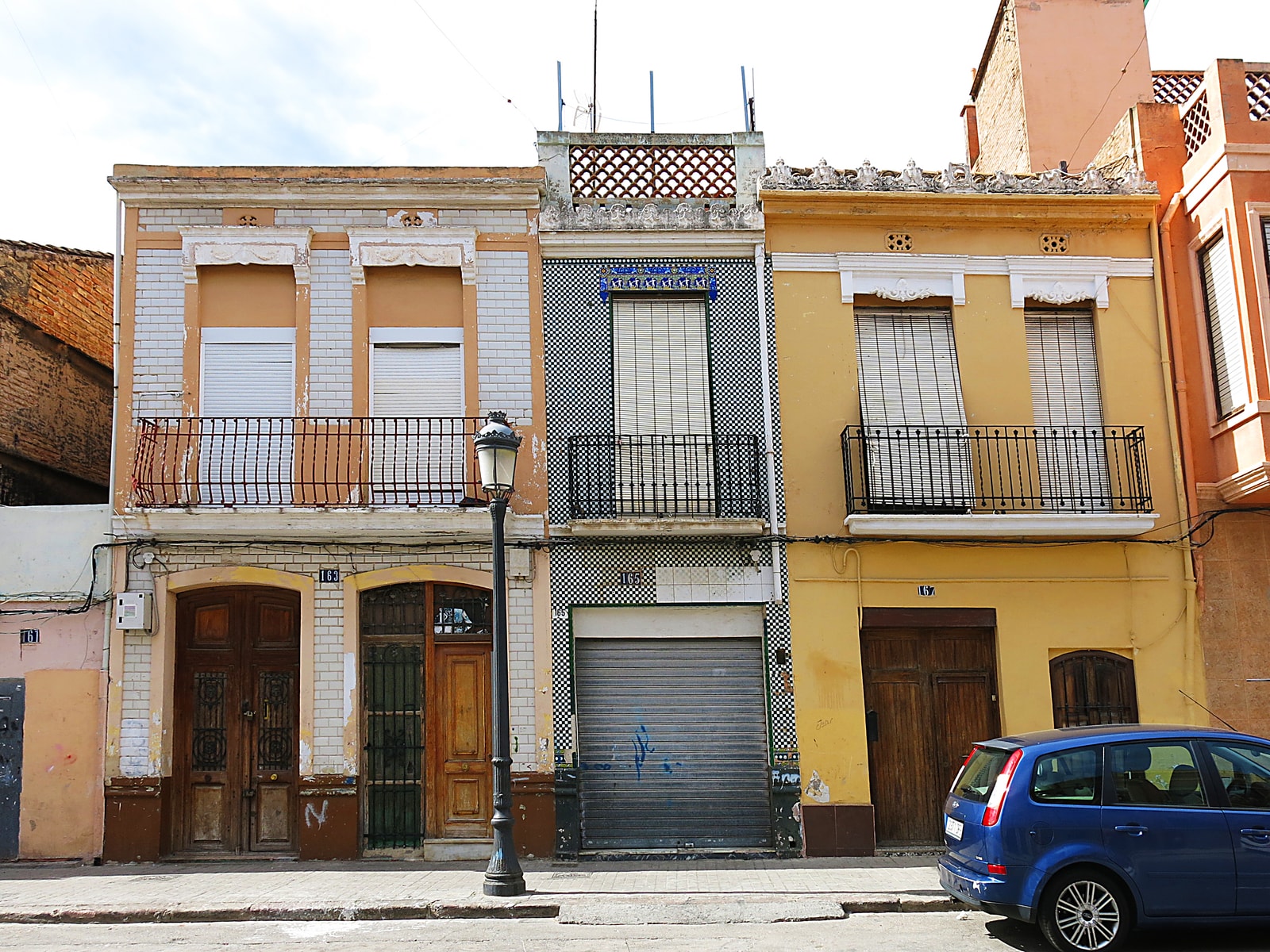
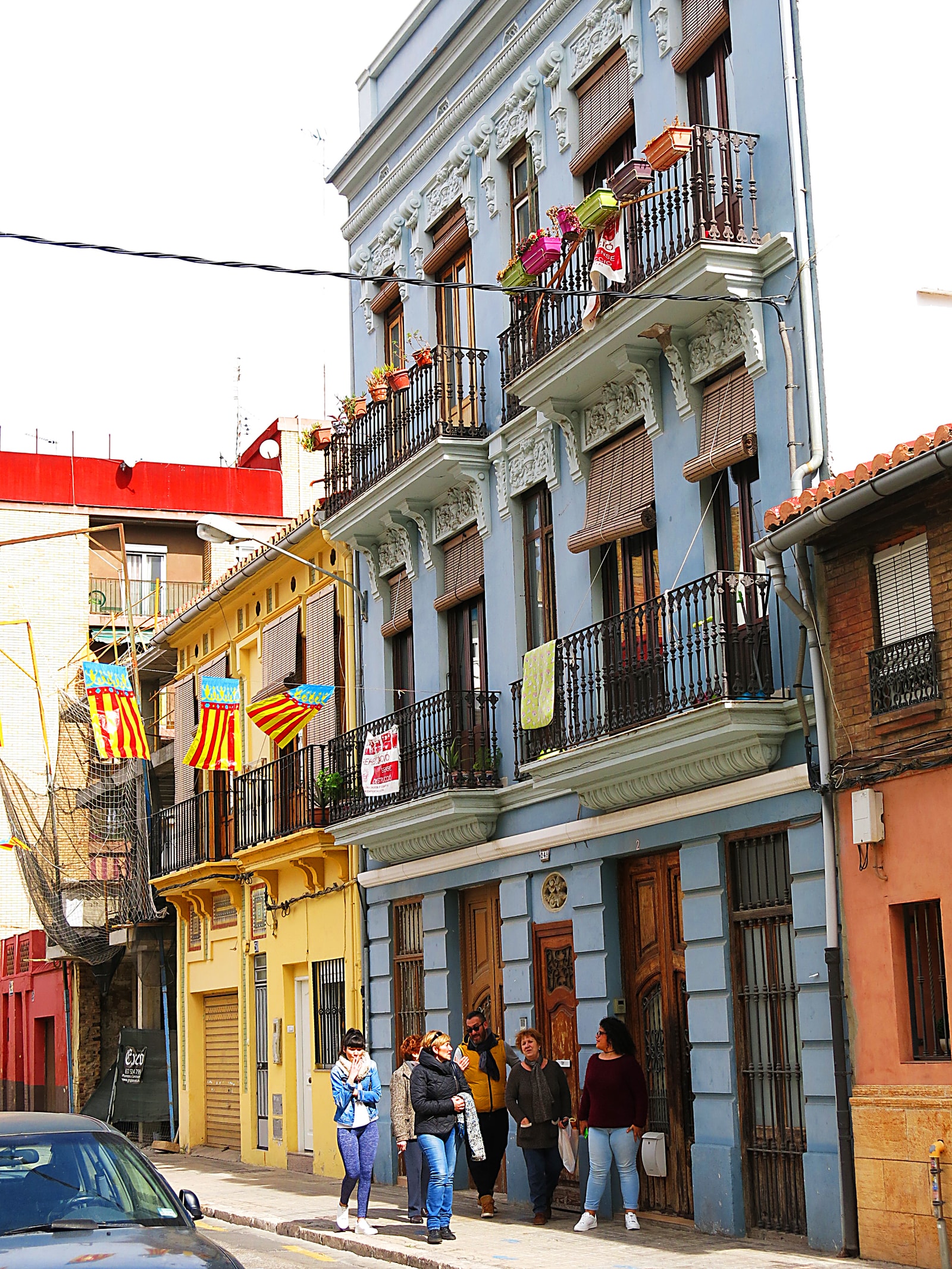
Playa de las Arenas is the southernmost city beach, located near the Marina de Valencia in the historic fisherman's quarter of El Cabañal. Its identity is shaped by the neighborhood's unique architecture, featuring colorful glazed tiles (azulejos) that protect homes from the sea air.
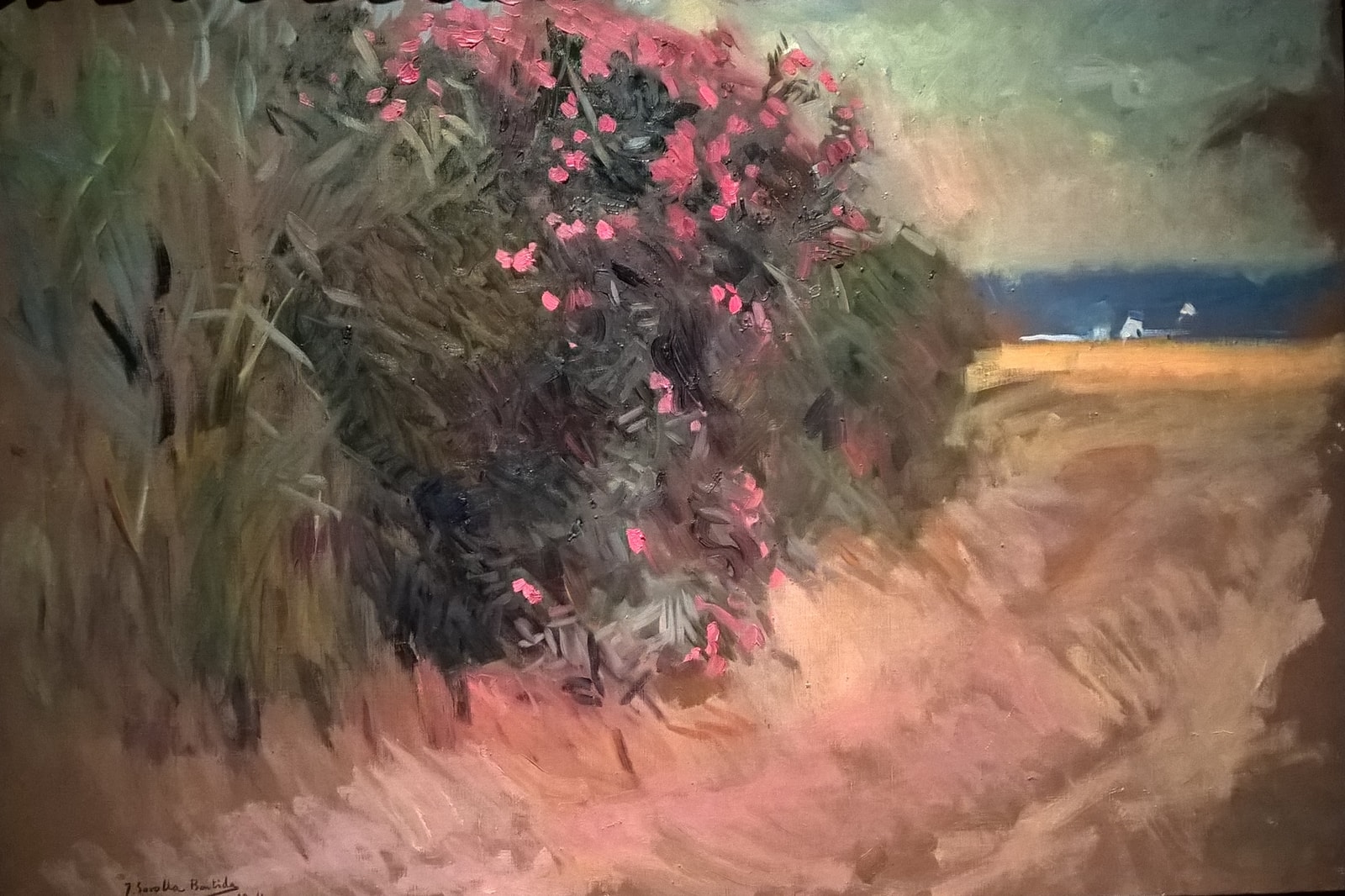
This beach was the famous open-air studio for impressionist painter Joaquín Sorolla, who masterfully captured its unique Mediterranean light. Today, it is the spiritual home of beachside dining, offering authentic Paella Valenciana with its prized caramelized crust, the socarrat.
For 2026, it's notable that the beach, also known as Playa del Cabanyal, lost its Blue Flag certification after water quality ratings dipped slightly from "excellent" to "good," a reminder of the ecological pressures on urban coastlines.
Playa de la Malvarrosa, directly north of Las Arenas, is the city's widest and most energetic beach. It proudly holds a Blue Flag for its excellent water quality and is a hub for sports, with dedicated areas for beach volleyball and soccer.
Playa de la Patacona, though technically in the municipality of Alboraya, continues seamlessly from Malvarrosa. It offers a more relaxed, bohemian vibe favored by locals and is the prime spot to try authentic horchata, a creamy drink made from locally grown tiger nuts, perfectly paired with sweet fartons.
The Wild South: Albufera Natural Park’s Pristine Coastline
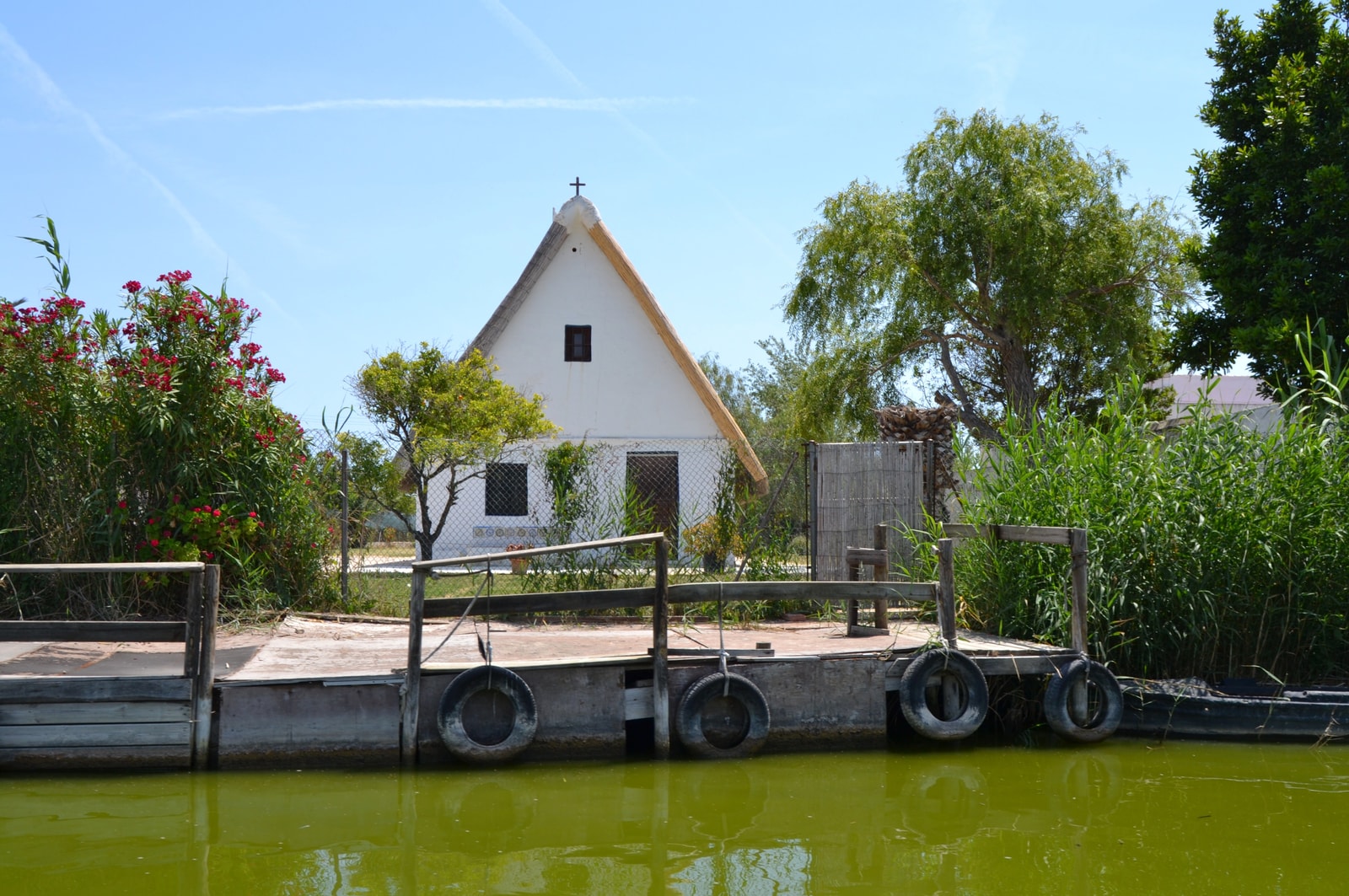
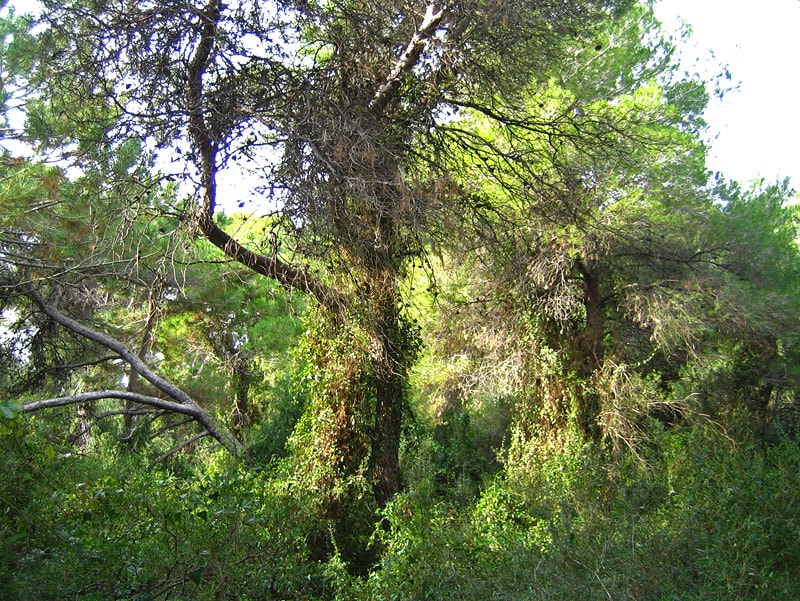
South of the city's bustling port lies the Parque Natural de l'Albufera, one of the Mediterranean's most important wetland ecosystems. Here, the coast transforms into a wild landscape of dunes, pine forests, and a massive freshwater lagoon separated from the sea by a sand spit known as the restinga.
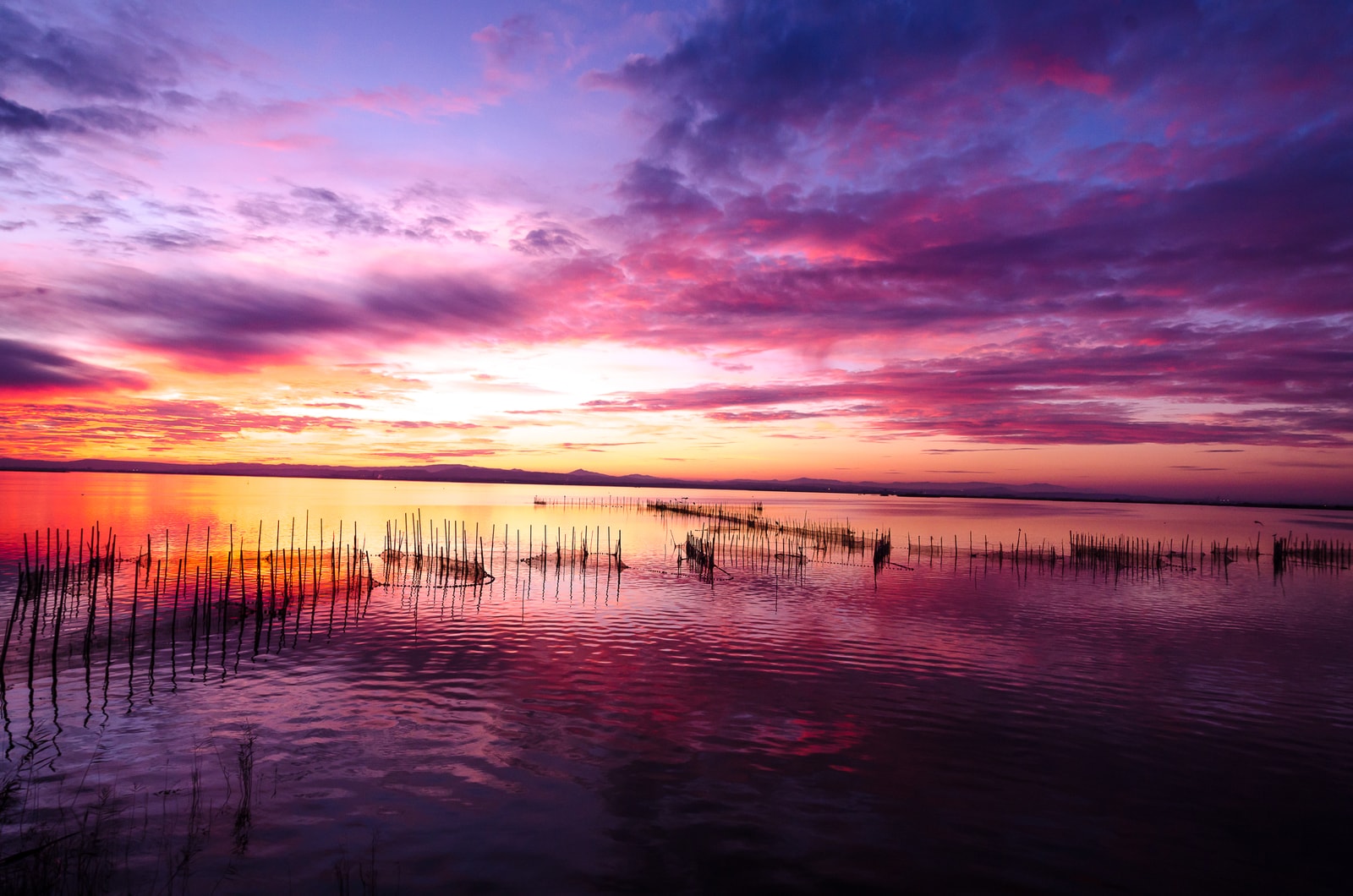
This delicate ecosystem is managed by channels called golas, which use floodgates to control water levels, protect the lagoon from salt, and support the surrounding rice paddies. These channels are also vital corridors for migratory species like the European eel.
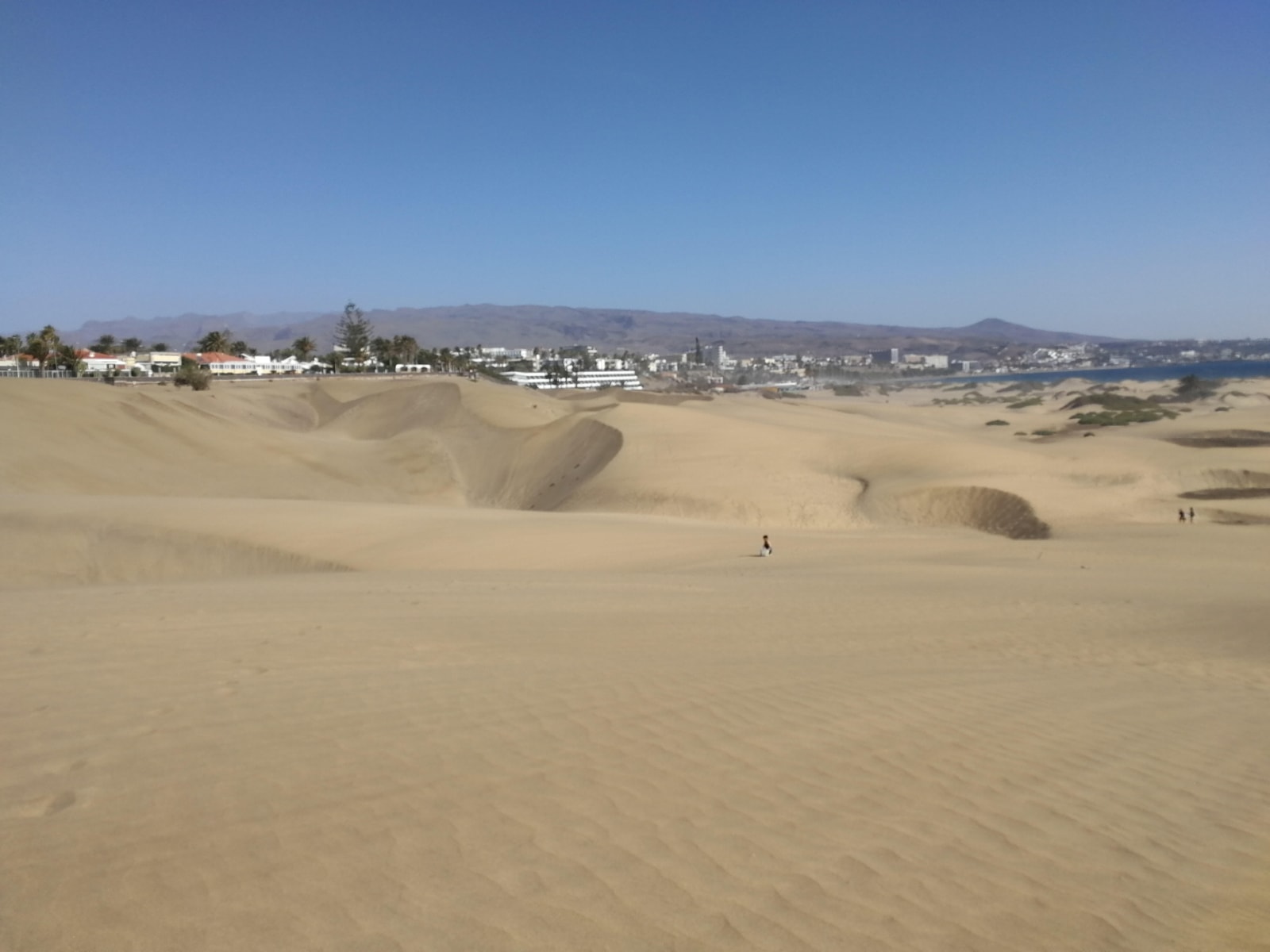
Playa de El Saler is the most accessible of the park's beaches, offering fine white sand backed by impressive dunes and the vast Dehesa pine forest. It perfectly blends natural beauty with a light footprint of summer kiosks and parking.
Playa de la Garrofera has undergone intensive environmental rehabilitation to restore its natural dune profile after it was degraded by sand extraction in the 20th century.
Playa de la Devesa is the wildest and most pristine beach in the park. Its embryonic dunes provide critical nesting habitat for the threatened Kentish plover, which lays its camouflaged eggs directly in the sand.
Northern Getaways: Little Venice and Classic Resorts
North of Valencia, the coastline shifts into planned maritime communities and rugged pebble shorelines, offering a different kind of seaside escape.
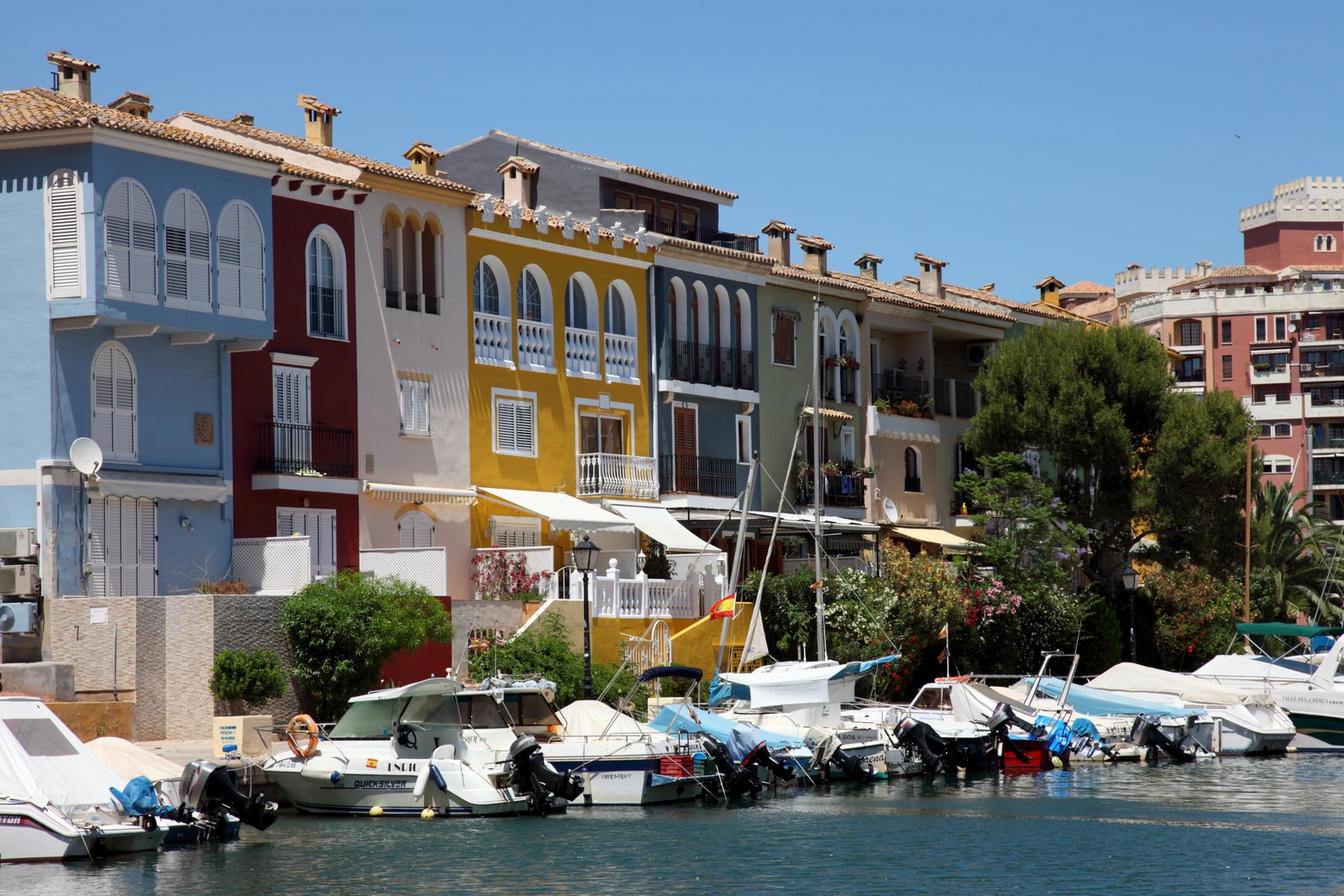
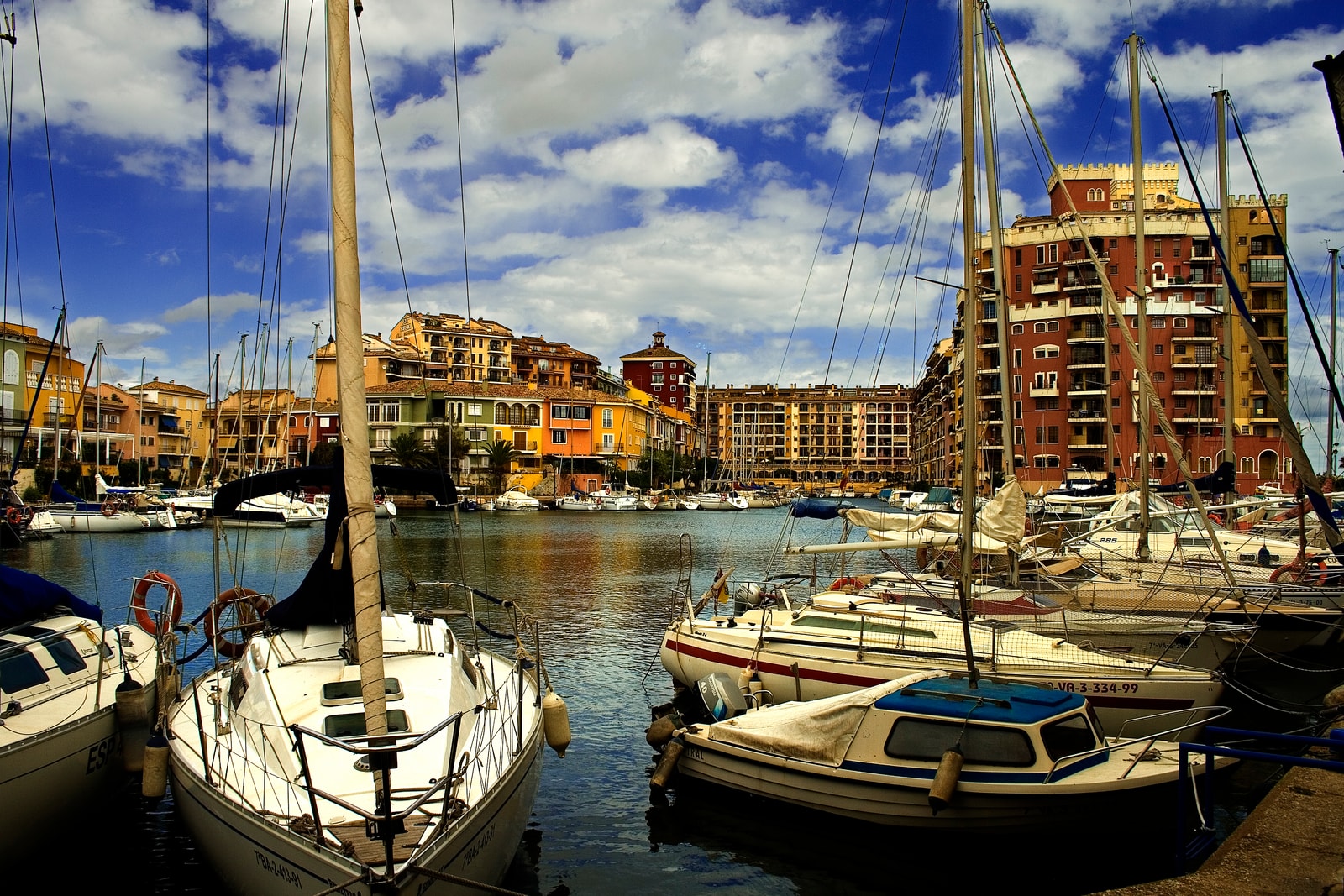
Port Saplaya, nicknamed "Pequeña Venecia" (Little Venice), is a unique residential village built in the 1970s. It features a network of canals lined with pastel-colored townhouses, many with private boat docks. Sheltered by stone breakwaters, its two beaches offer calm swimming.
Puebla de Farnals is a classic seaside resort popular with families and second-home owners. Life revolves around the Pobla Marina, with a palm-lined promenade full of cafes, pizzerias, and ice cream parlors that bustle in summer and grow quiet in winter.
Further north, the Sagunto coastline presents a dramatic gradient. Puerto de Sagunto beach is set against a backdrop of historic industrial steelworks, while Almardá Beach is an ecologically protected dune-and-gravel stretch. Corinto Beach, the wildest of the three, is a secluded naturist-friendly zone of coarse sand and pebbles.
A Landmark Summer: Valencia’s 2026 Coastal Events Calendar
2026 is shaping up to be an unforgettable year on Valencia’s coast, with a packed calendar of cultural, sporting, and celestial events. The beaches will serve as the front-row seat for many of the year's biggest happenings.
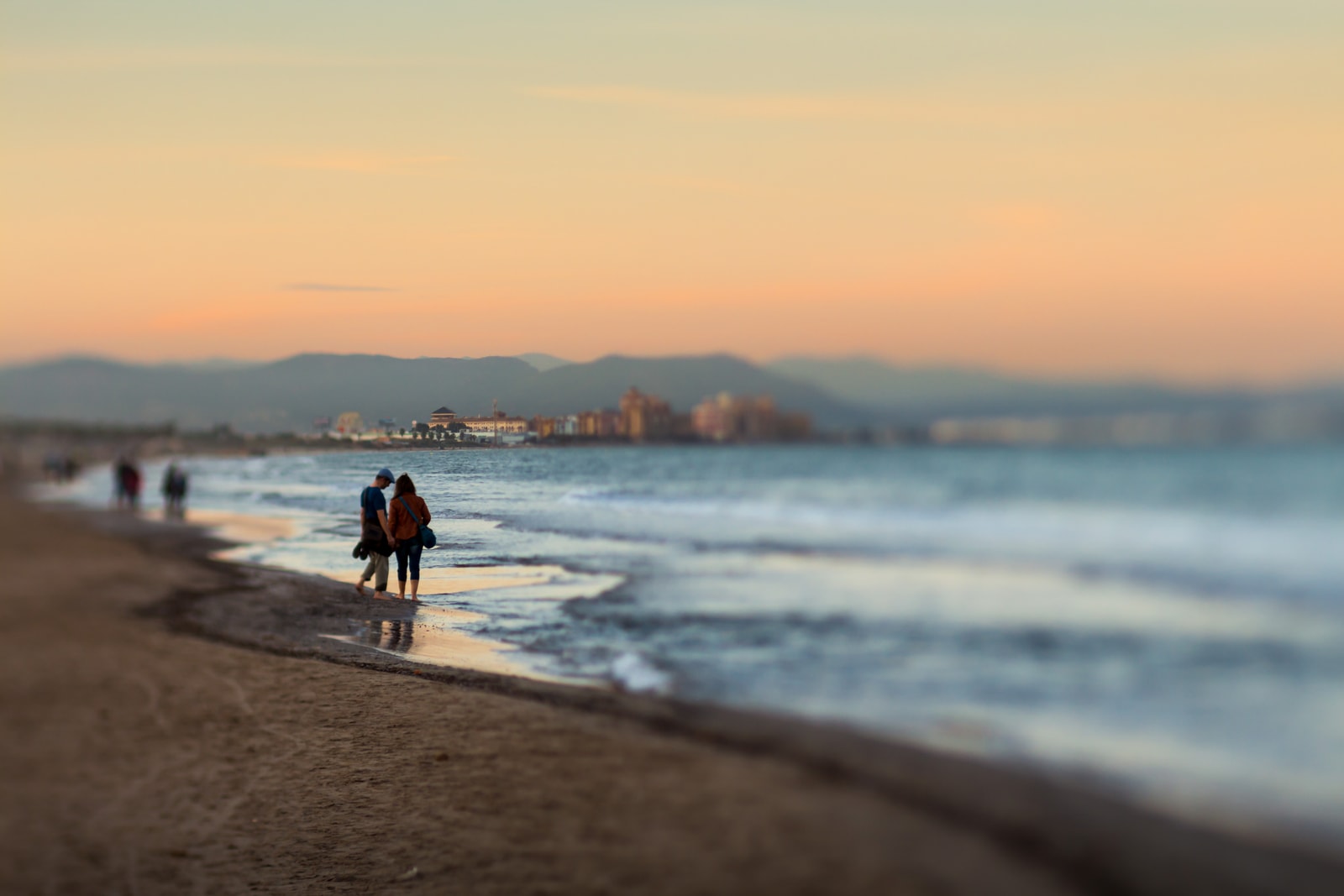
Here are the key coastal events scheduled for the latter half of the 2026 season:
- Gran Fira de València (July Fair) (Throughout July 2026): A city-wide festival featuring fireworks, live music, and a large summer funfair located near the Marina de València.
- FAR València (Music by the Sea) (July 8 – 31, 2026): A month-long concert series at Marina Norte, with international acts like Jean-Michel Jarre, Rick Astley, ZZ Top, and Belle & Sebastian performing on a stage overlooking the sea.
- XVI Open La Malva (Beach Volleyball) (July 24 – 26, 2026): Valencia’s largest annual beach volleyball tournament takes over the sands of Malvarrosa Beach, attracting elite European athletes and amateurs.
- Total Solar Eclipse Viewing (August 12, 2026): Valencia lies directly in the path of totality for a historic solar eclipse. The city's beaches are expected to be the primary public gathering spots for this spectacular celestial event.
- Spain Sail Grand Prix (SailGP) Valencia (September 5 – 6, 2026): The city hosts the inaugural high-speed F50 catamaran race. These cutting-edge hydrofoil yachts will compete at nearly 100 km/h, offering incredible stadium-style viewing from the beaches.
- Love to Rock Festival (October 2, 2026): An indie and alternative rock festival set against the industrial-chic backdrop of the La Marina de Valencia, closing out the summer festival season.
- Valencia Boat Show (October 28 – November 1, 2026): A world-class exhibition at the marina featuring over 170 marine brands and on-water boat trials celebrating the Mediterranean seafaring lifestyle.
Valencia's Naturist Beaches: A Guide to Clothing-Optional Shores
Supported by Spanish law and a progressive local culture, Valencia offers several excellent, officially designated naturist beaches. These clothing-optional zones are typically located in protected natural areas, offering tranquility and beautiful scenery.
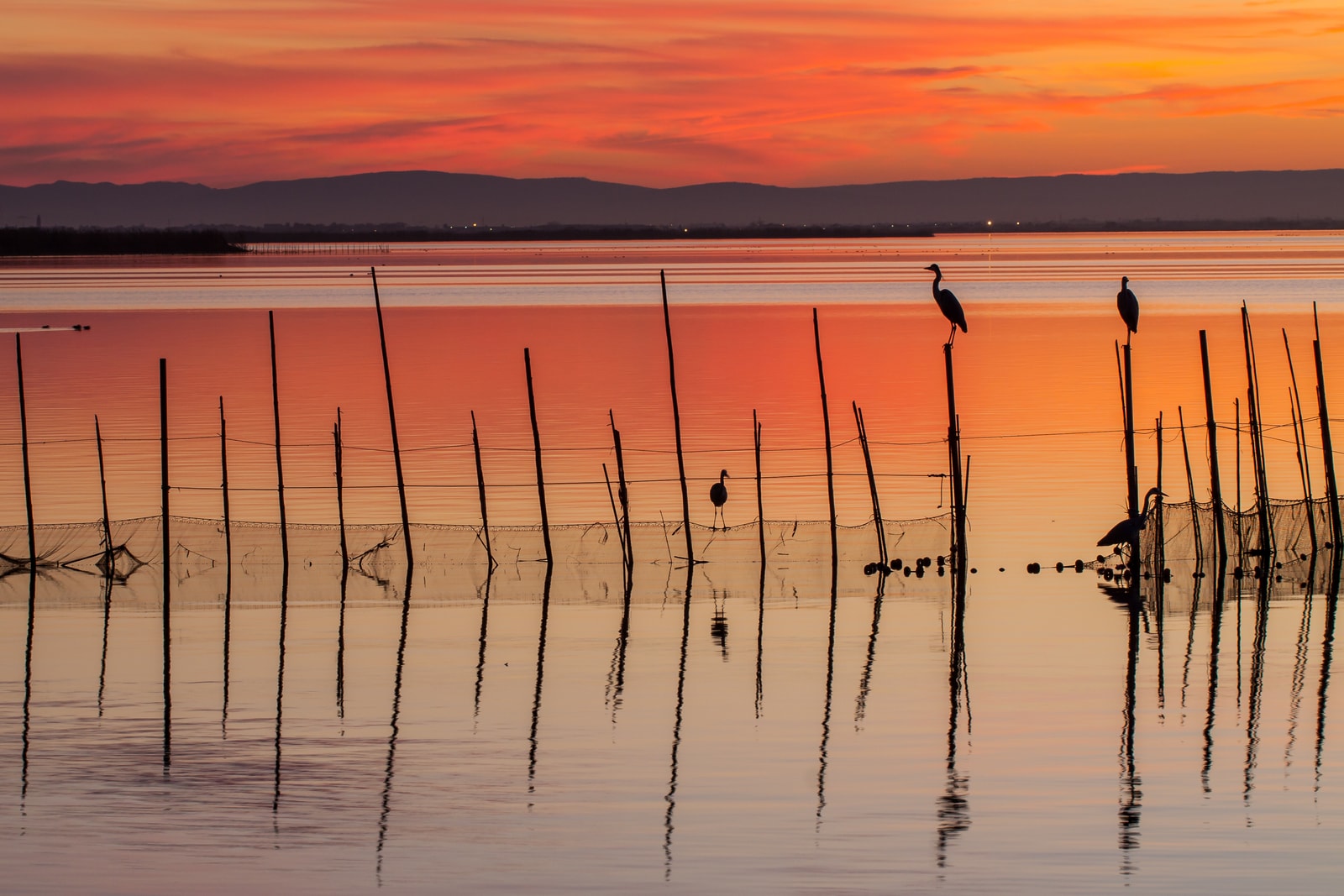
Key naturist-friendly beaches include Playa de la Devesa, the region's premier spot, and parts of Playa de El Saler in the south. Playa de Pinedo, just south of the port, is popular with the LGBTQ+ community. Further afield, Playa de Corinto in Sagunto and Playa de L'Ahuir in Gandia offer privacy and protected dunes.
Local naturists follow a clear code of etiquette to ensure a respectful environment. This includes always using a towel on shared surfaces, refraining from photography, respecting personal space, and understanding that naturism is a non-sexual, family-friendly lifestyle.
Water Sports Hub: Sailing and Kitesurfing in Valencia
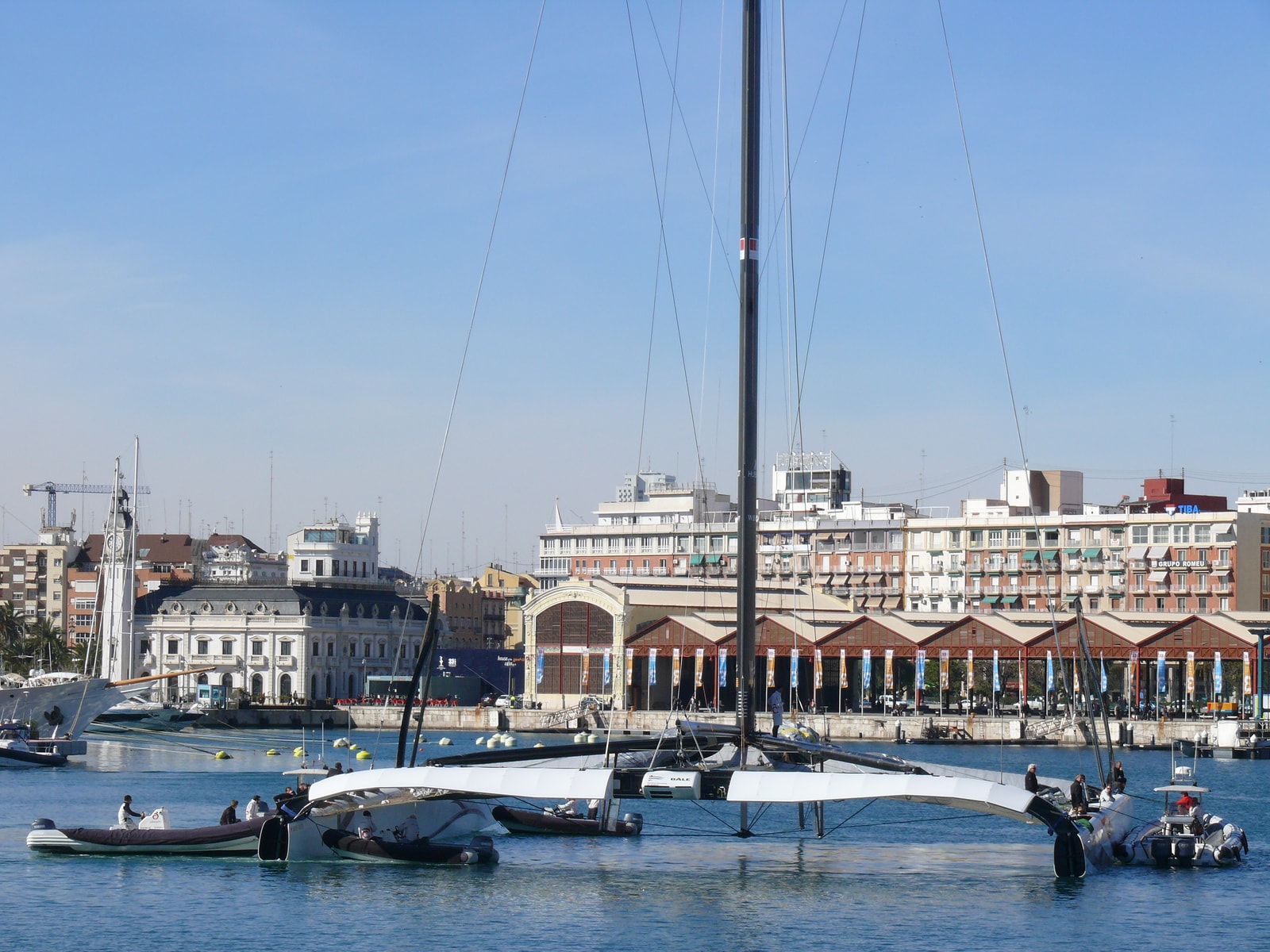
With reliable thermal winds and world-class facilities, Valencia is a top destination for sailing and wind-powered sports. The Marina de Valencia, massively upgraded to host the America's Cup, is the city's nautical epicenter, housing sailing schools and hosting international regattas.
The region's primary thermal wind, the Garbí, blows steadily from April to September, making it ideal for sailing. During peak summer, water sports must operate outside a 200-meter swimmer buffer zone, using designated channels to launch.
Hotspots include Playa de la Patacona for its launch channels and Cullera's Cap Blanc, where a mountain funnels and accelerates the wind. Further south, Oliva is known for its vast sandy stretches and legally designated summer kiteboarding zones.
Accessibility and Family-Friendly Services
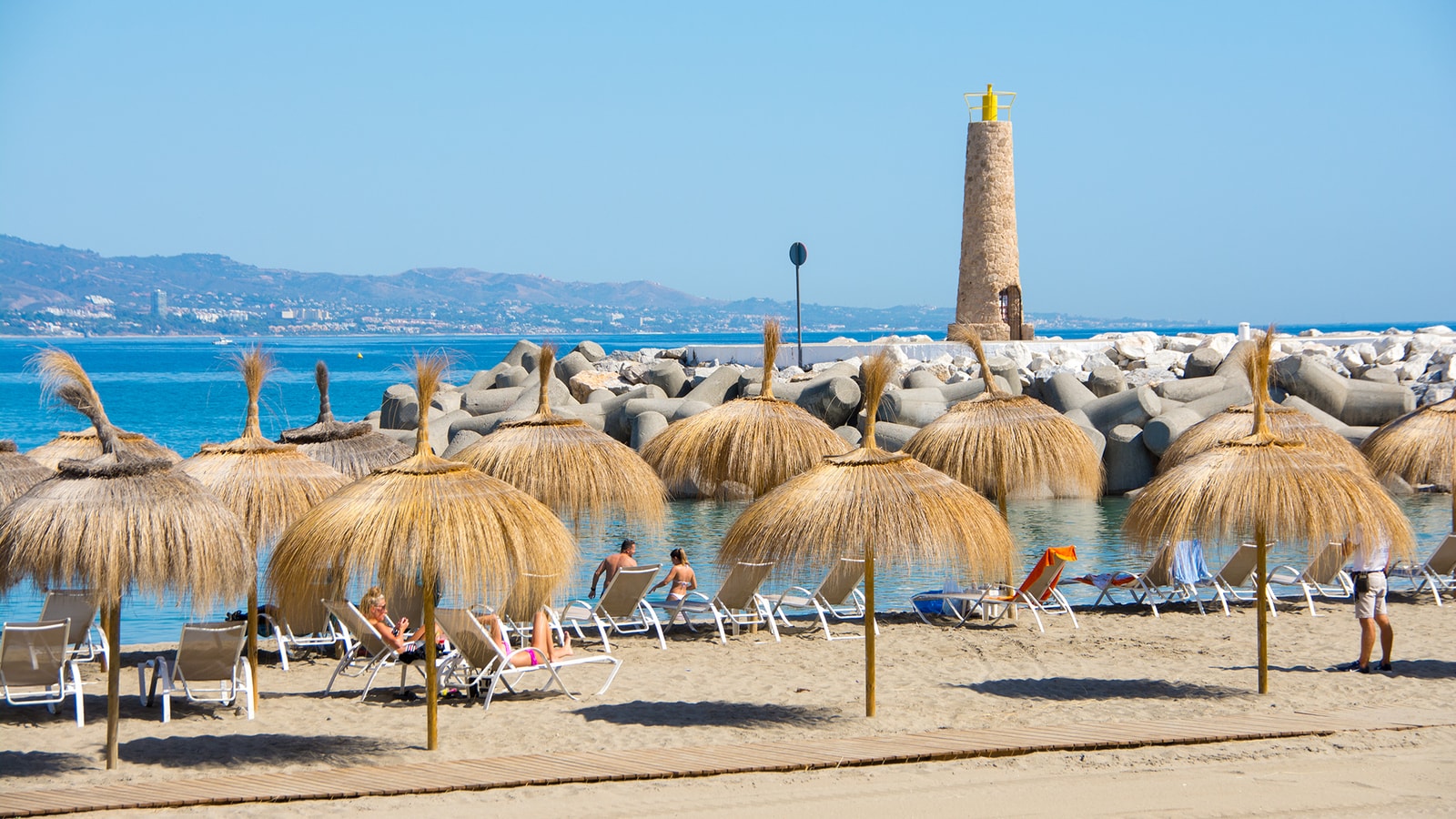
Valencia's municipal beaches are exceptionally well-organized and accessible, consistently earning Blue Flag status for their high standards. The flat, barrier-free promenades at Las Arenas and Malvarrosa are lined with bike paths, and wooden boardwalks extend across the sand toward the water.
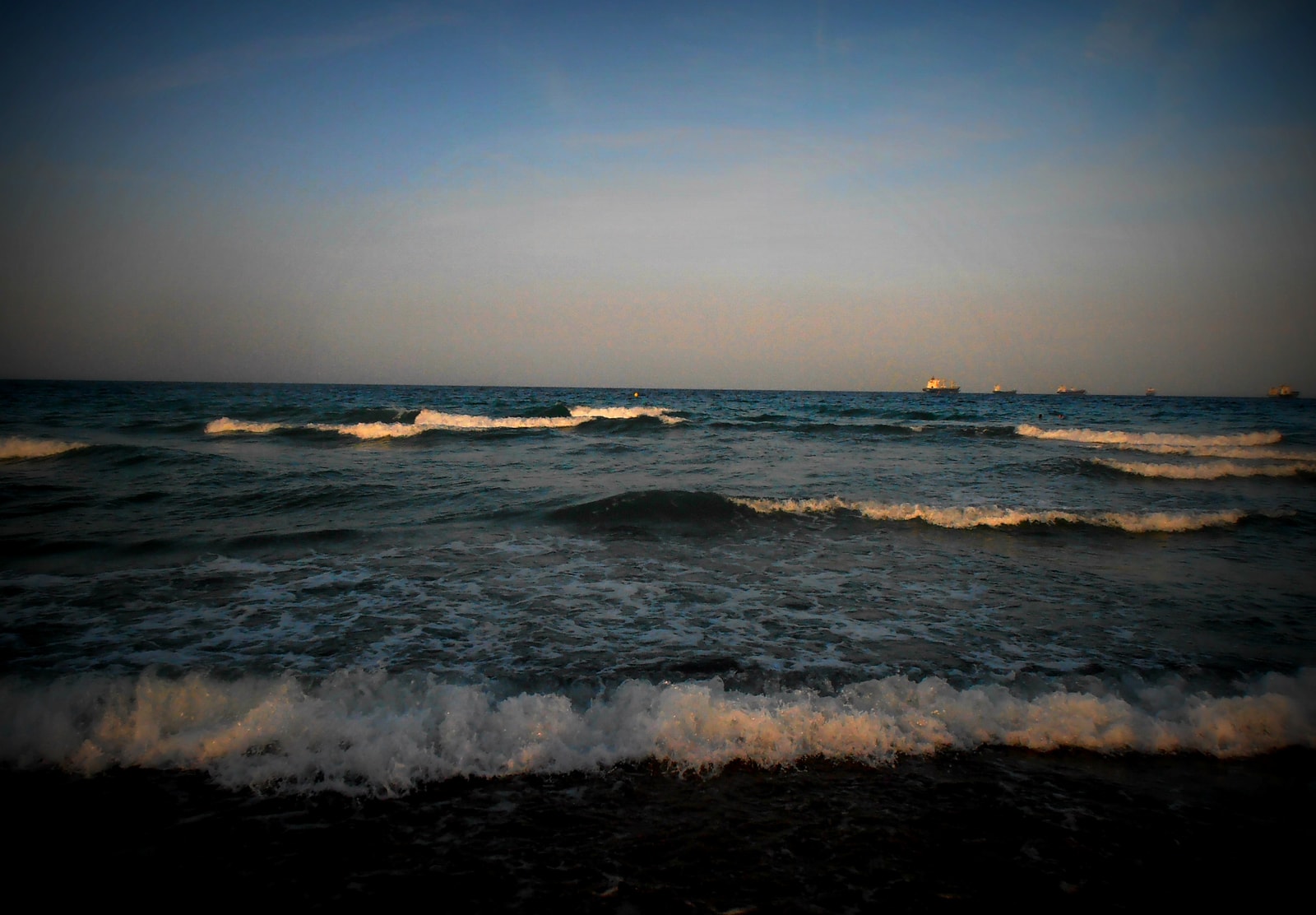
From mid-June to mid-September, "Punto Accesible" (Adapted Bathing Points) offer incredible services for individuals with reduced mobility. These include amphibious chairs and crutches, adapted showers, and trained staff who provide assisted bathing, accompanying users safely into the sea.
A new specialized point at Playa del Cabanyal is specifically designed for people with cerebral palsy. For families, playgrounds are located directly on the sand, and lifeguard stations provide free waterproof identification wristbands for children.
Gallery
Additional Resources
- Gran Fira de València (July Fair) Official Information
- Total Solar Eclipse 2026 Information
- Spain Sail Grand Prix (SailGP) Valencia 2026 Overview
- Love to Rock Festival Information
- Valencia Boat Show Official Website
- Playa de las Arenas on Google Maps
- Playa de la Malvarrosa on Google Maps
- Playa de la Patacona on Google Maps
- Port Saplaya on Google Maps
- Playa de El Saler on Google Maps
- Playa de la Devesa on Google Maps
- Marina de Valencia on Google Maps
- El Cabañal Neighborhood on Google Maps