Fuerteventura Beach Guide 2026: From Wild Coasts to Calm Lagoons
Your complete guide to the island's best beaches, whether you're seeking world-class kitesurfing, family-friendly coves, or dramatic volcanic shores.
Published on 25 Aug 2026 10:17 GMT
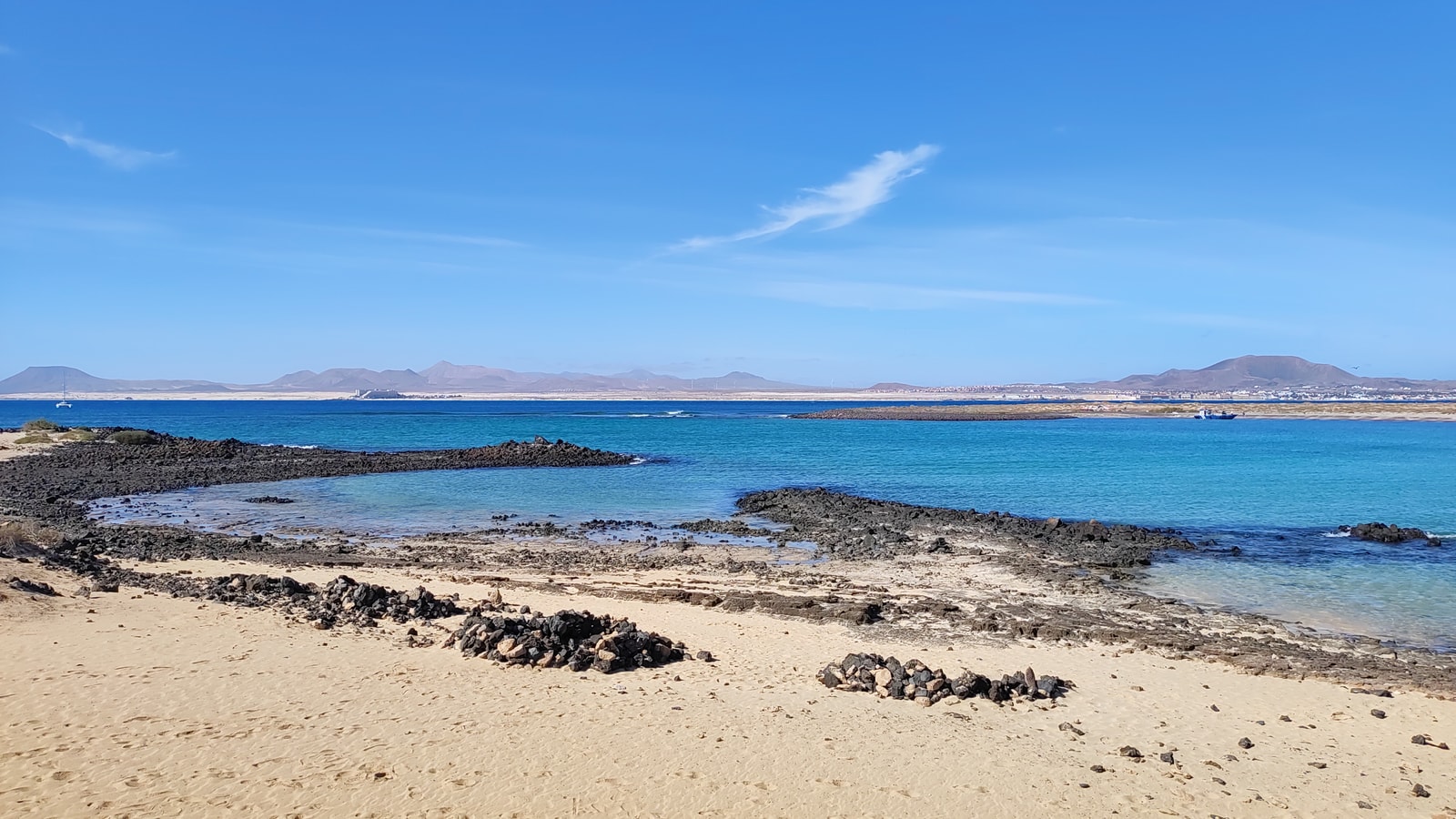
Fuerteventura, the second-largest of Spain's Canary Islands, is an ancient volcanic landscape that emerged from the Atlantic some 20 million years ago. With over 150 kilometers of coastline, its identity is forged by sprawling beaches and the steady trade winds that give the island its name, which translates to "strong wind."
Its proximity to the Saharan coast blesses it with dramatic dunes and a unique ecosystem so fragile and rare that the entire island was designated a UNESCO Biosphere Reserve in 2009. From world-class waves to tranquil turquoise lagoons, Fuerteventura offers a coastal sanctuary for every kind of traveler.
For the Adventurer: The Wilds of Playa de Cofete
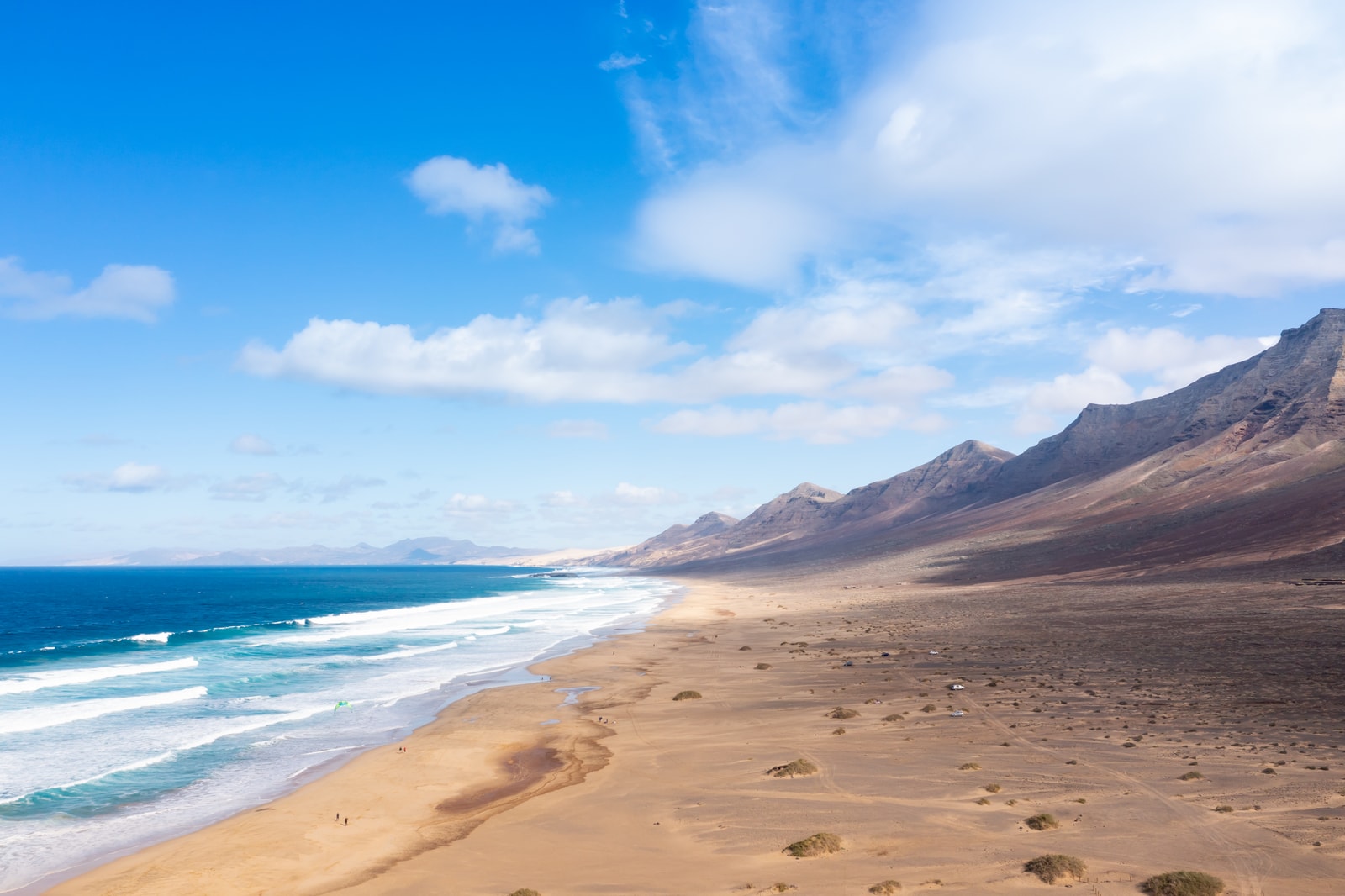
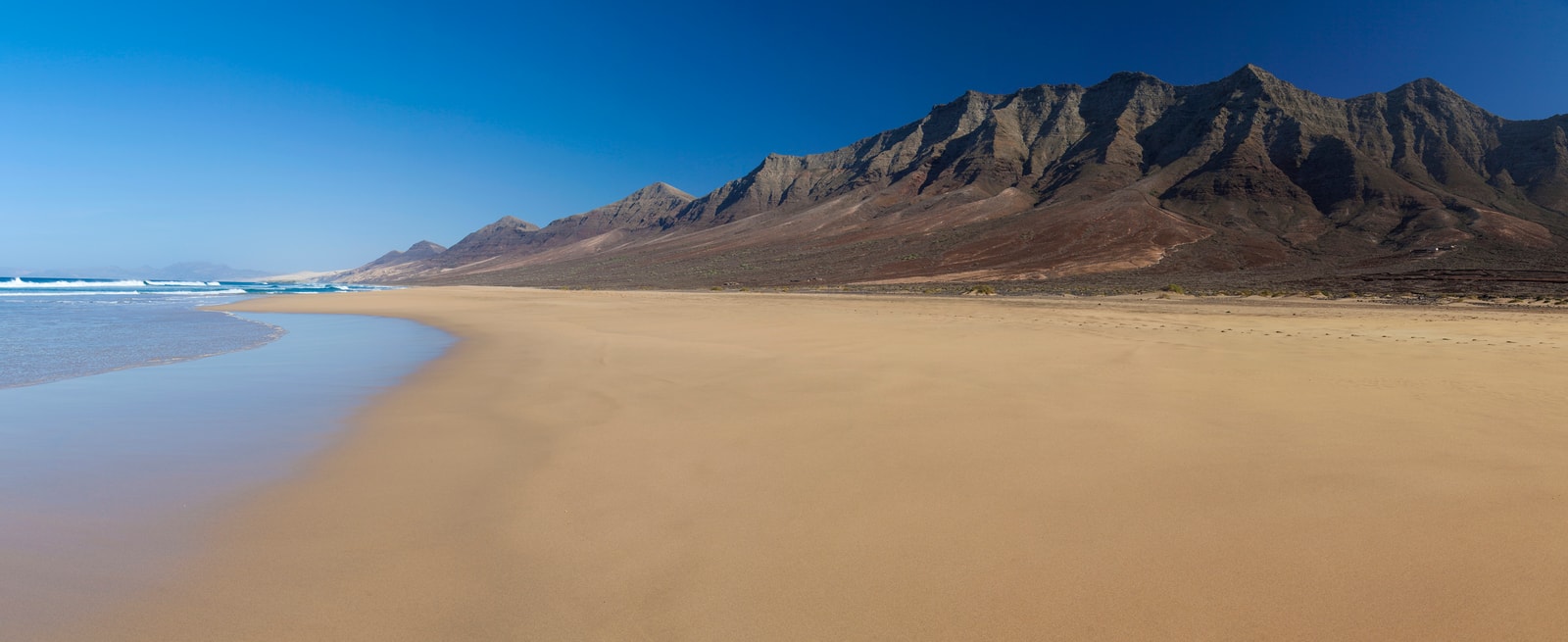
Backed by the towering Jandia mountains, Playa de Cofete is the zenith of Fuerteventura's raw, untamed wilderness. This breathtaking 12-kilometer stretch of dark-and-golden sand is a place for solitude and appreciating nature on a grand scale.
Reaching Cofete is an adventure. The journey involves a rugged, 19-kilometer unpaved mountain pass past Morro Jable, with steep drop-offs and no guardrails. Standard rental car insurance is voided on these roads, so drivers proceed at their own financial risk.
A specialized all-terrain minibus service (Line 111) offers a safer alternative, departing daily from the Morro Jable bus station. Hardy hikers can also cross the mountain range via the shadeless Gran Valle Trail (PR-FV 55).
Cofete's isolation makes it a crucial sanctuary for the Loggerhead Sea Turtle Reintroduction Program, where translocated eggs hatch, allowing the young turtles to imprint on the beach. This vital project aims to re-establish a breeding population in the Canaries.
A serious safety warning applies here. The ocean is exposed to the full force of the Atlantic, creating massive waves, lethal undertows, and powerful rip currents. With no lifeguards or mobile reception, visitors should adhere to a strict "look but don't swim" policy.
For the Watersports Enthusiast: Playa de Sotavento
On the southeastern Jandia Peninsula, Playa de Sotavento is a world-renowned mecca for wind-driven watersports. Its defining feature is a massive, 4-kilometer-long tidal lagoon that forms between the shore and an offshore sandbar, offering warm, waist-deep, and glass-flat water perfect for beginners.
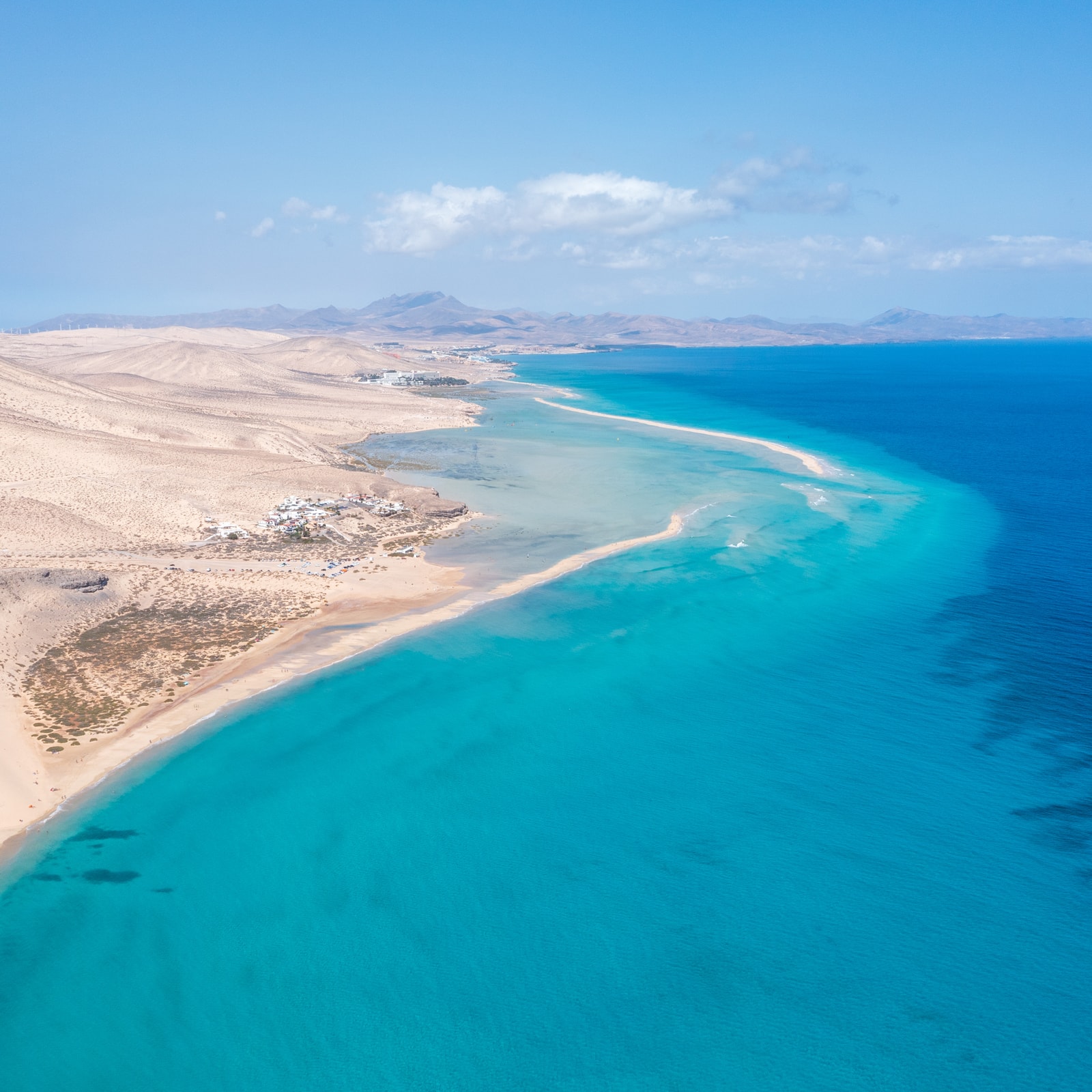
The island’s trade winds, Los Alisios, are amplified here by a localized Venturi Effect from the surrounding valleys, creating powerful offshore winds ideal for pros. The beach is split into two main areas:
- Playa Barca: The northern hub, home to world-class watersports centers and host of events like the Windsurf & Wingfoil World Cup.
- Risco del Paso: Further south, offering "double-sided" conditions for riding in the flat lagoon or tackling open-ocean waves.
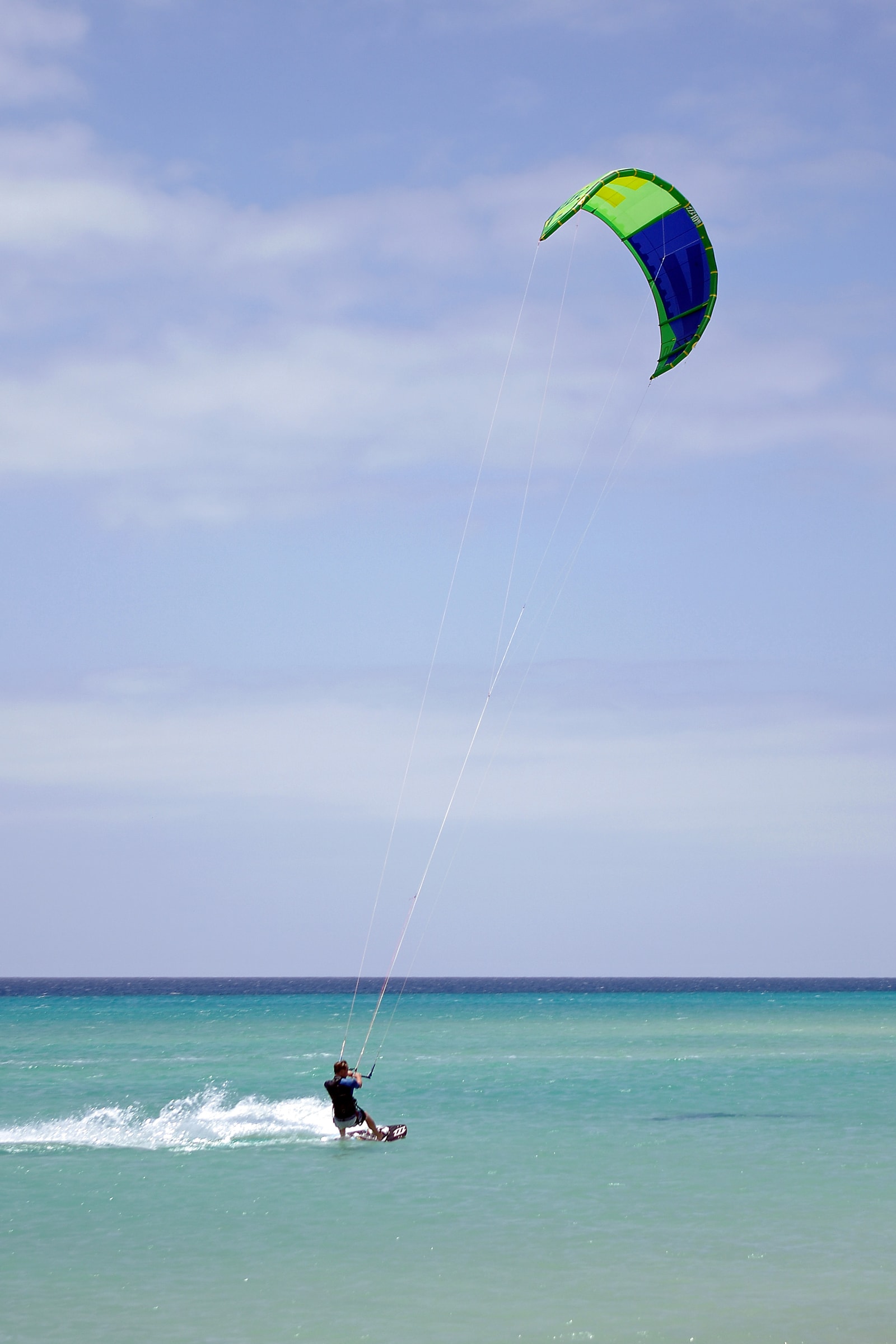
Sotavento is home to massive watersports schools like the René Egli Center, which has operated since 1984. To manage the strong offshore winds, the area is equipped with watchtowers and a fleet of rescue boats and jet skis, ensuring a safe environment for all riders.
For All-Rounders and Naturists: Grandes Playas de Corralejo
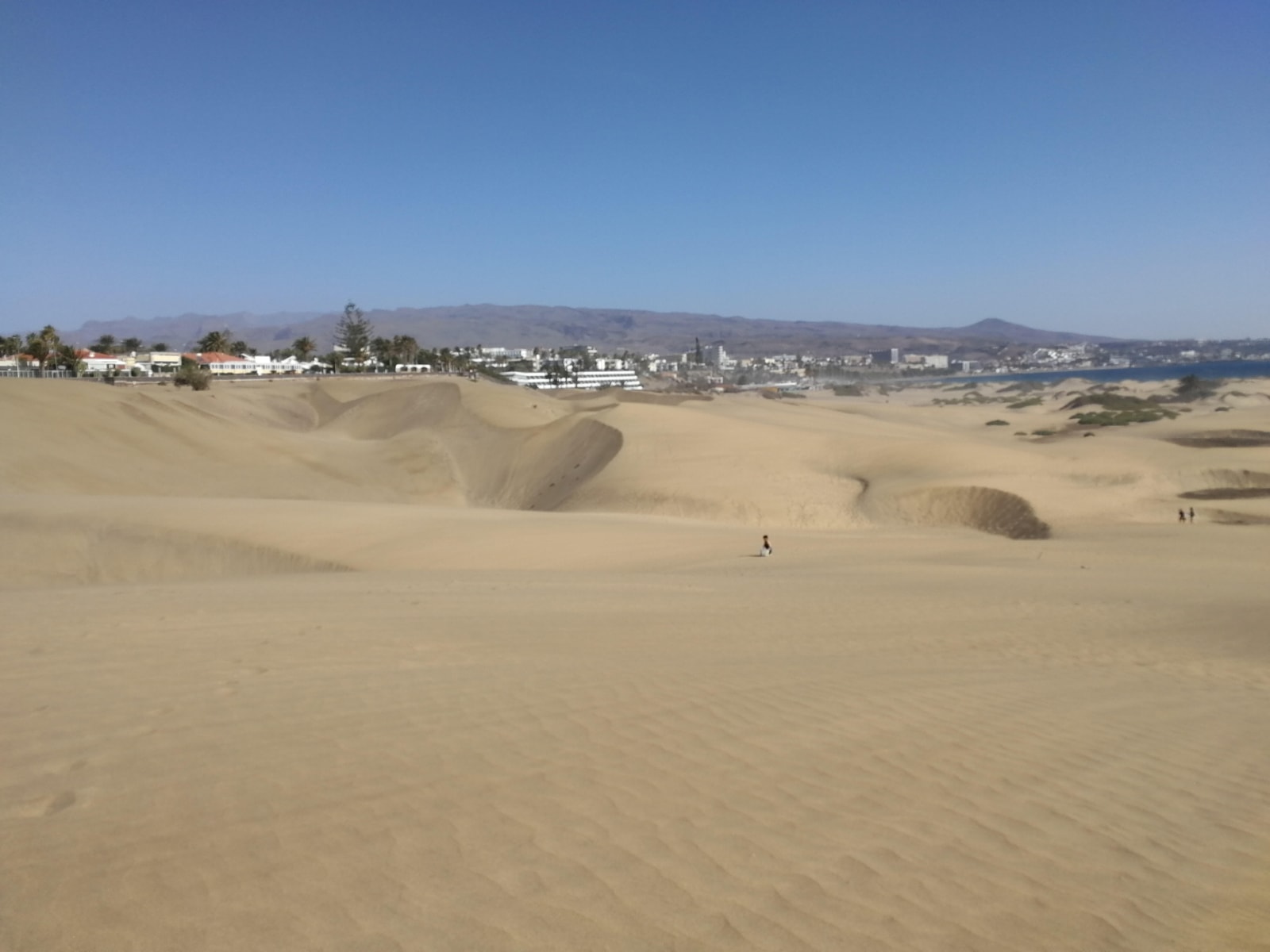
Bordering the famous Corralejo Dunes Natural Park, the Grandes Playas de Corralejo are kilometers of fine white sand sloping into turquoise water, with spectacular views of the nearby Isla de Lobos.
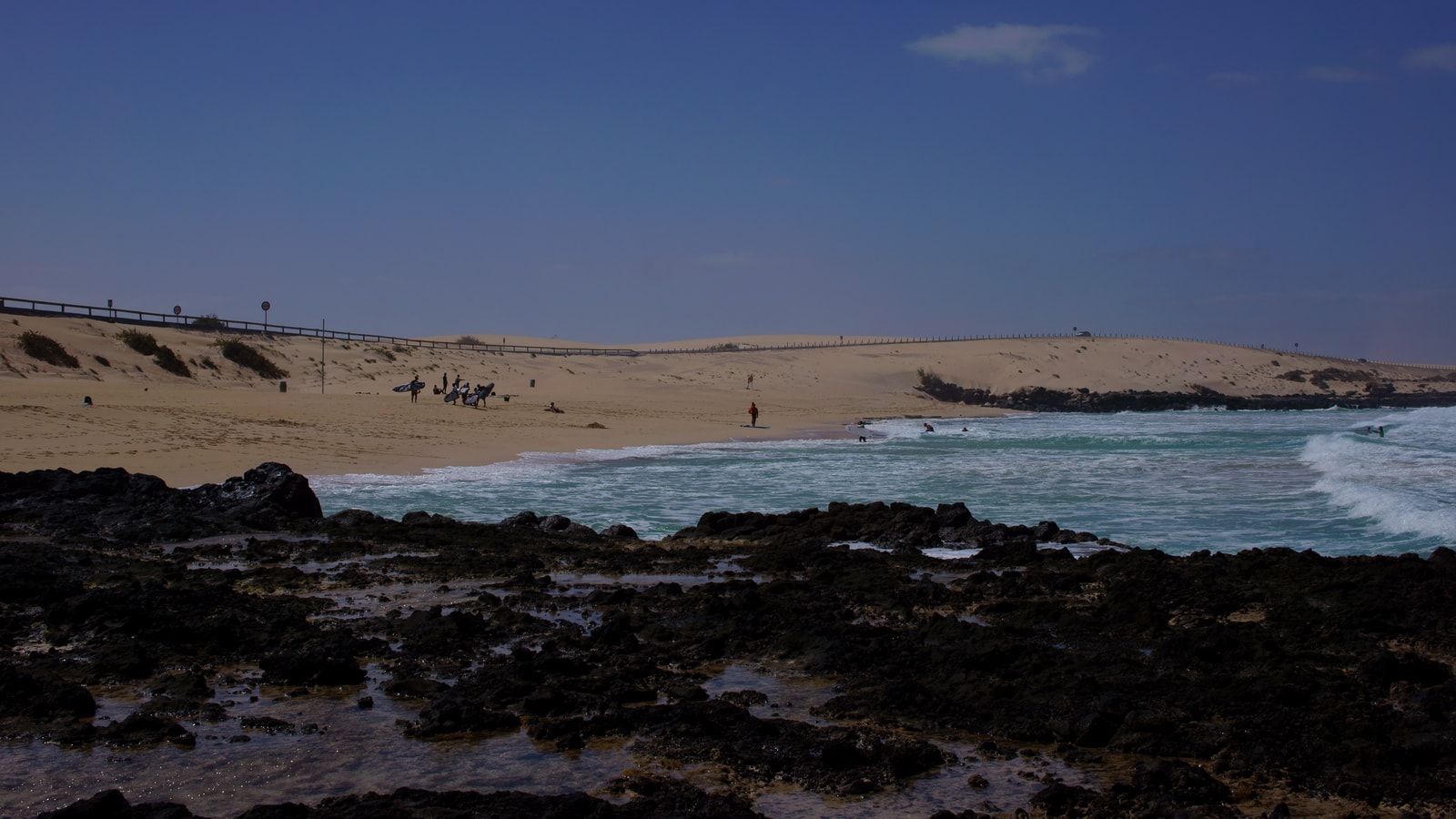
These beaches seamlessly accommodate everyone through organic zoning. Areas near the hotels are popular with families, while a short walk in either direction leads to clothing-optional zones. Here, sunbathers build corralitos—semi-circular windbreaks made from black volcanic stones—for shelter and privacy.
Windier sections like Flag Beach are popular with kitesurfers. The surrounding dunes host rare desert wildlife, including the endangered Canarian Houbara Bustard. Visitors must stay on marked paths to protect these fragile habitats.
For Families and Lagoon Lovers: El Cotillo's Calm North
The coastline around the fishing village of El Cotillo offers two distinct experiences. To the north, a series of calm, reef-protected beaches provide a safe haven for families, with La Concha being the crown jewel.
This horseshoe-shaped bay is shielded by a natural basalt reef that blocks the Atlantic swell, creating a tranquil, shallow, and crystal-clear turquoise lagoon. With virtually no waves, it's like a giant natural swimming pool, making it exceptionally safe for toddlers.
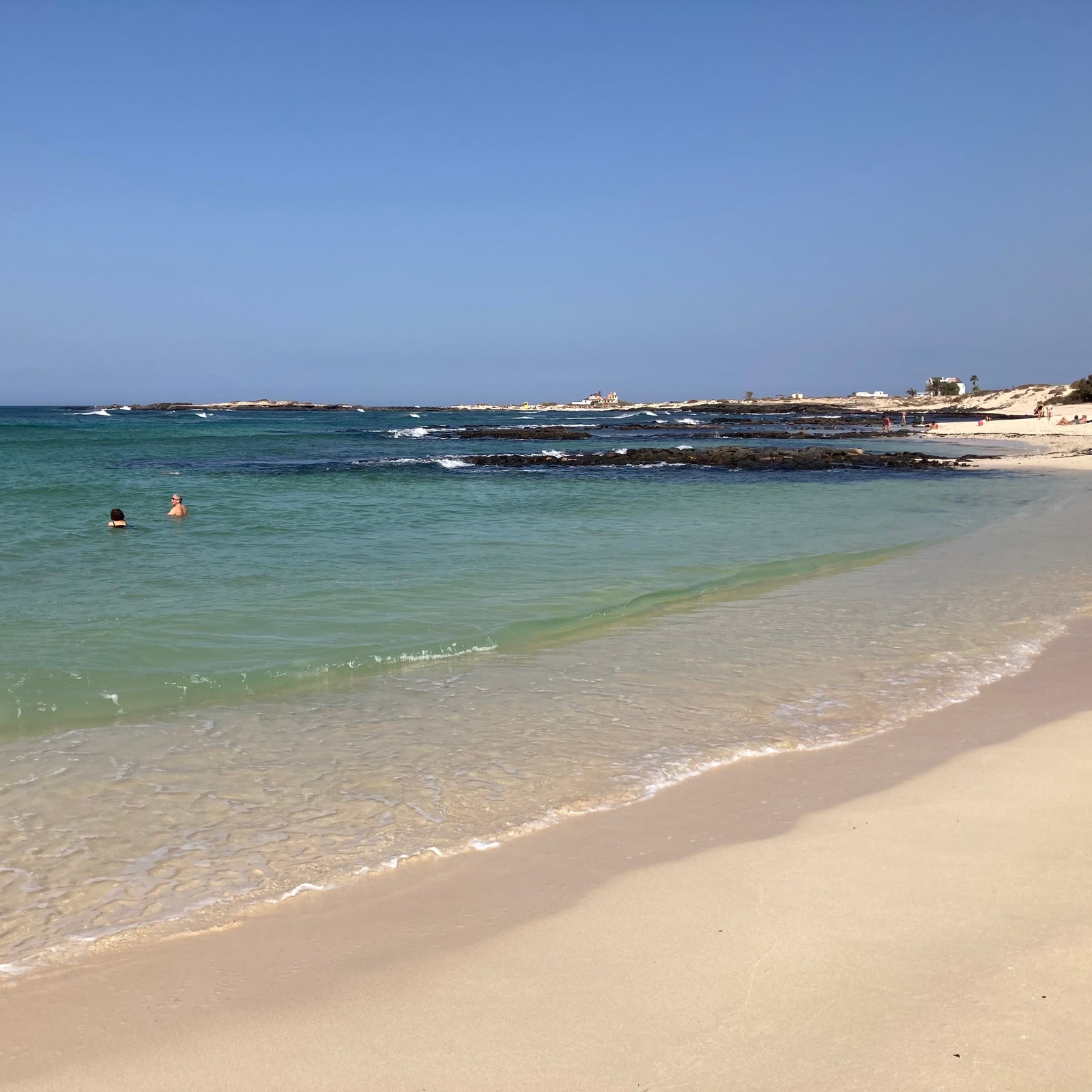
Further north towards the El Tostón Lighthouse, you'll find several smaller lagoons known as Los Charcos. These pristine spots are favored by naturists and those seeking a quiet escape, with stone corralitos providing shelter from the breeze.
For the Surfer: El Cotillo's Wild West Coast
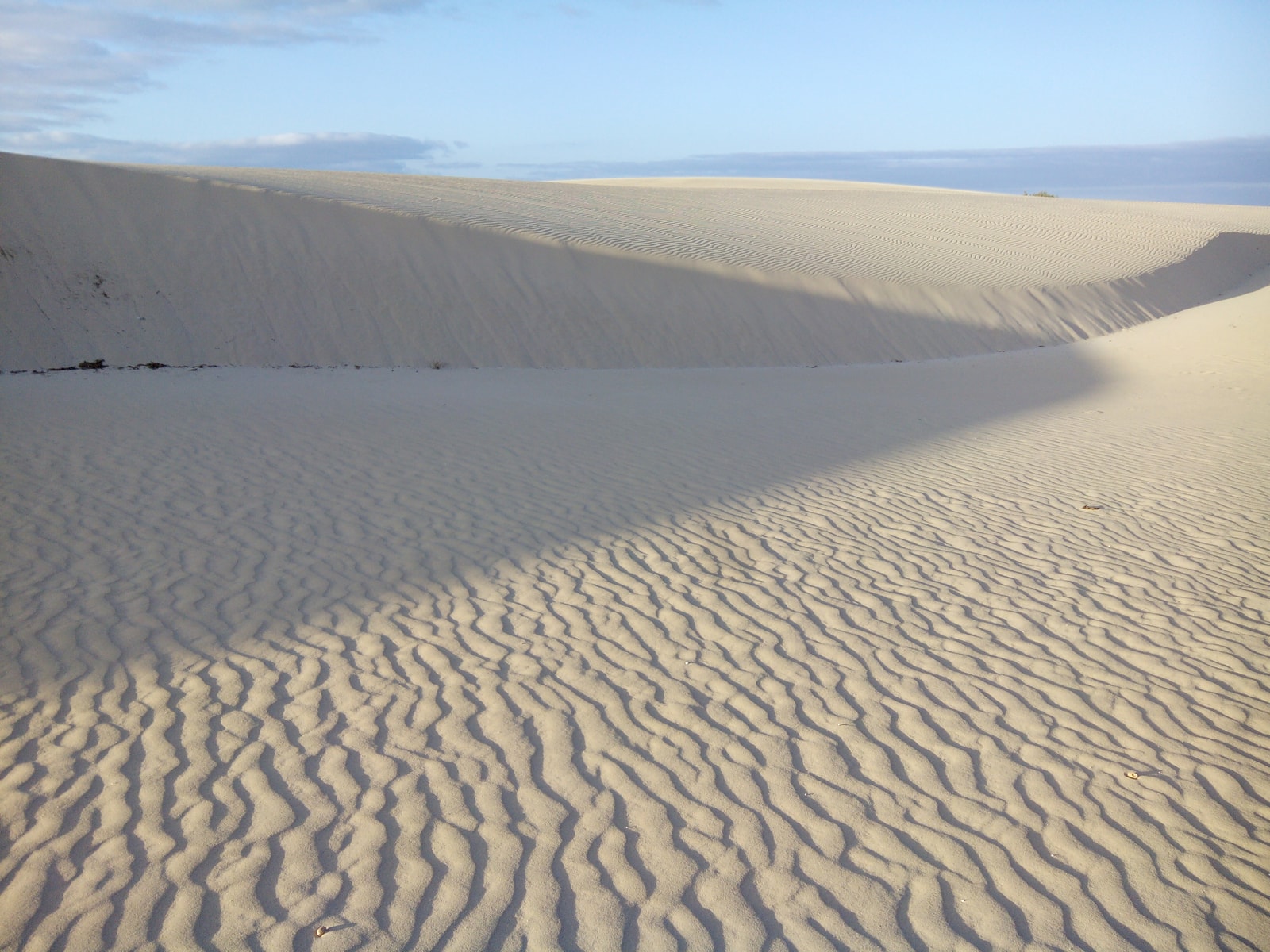
In stark contrast to the calm northern lagoons, the coast directly south of El Cotillo's harbor is a high-energy zone for surfers. Exposed to the open Atlantic, these beaches are a major swell magnet year-round.
- Playa del Castillo (Piedra Playa): The most popular surf beach, framed by dark volcanic cliffs and home to local surf schools.
- Playa del Aljibe de la Cueva: A long, secluded beach offering dramatic scenery and total isolation.
- Playa del Aguila (Playa de las Escaleras): Famous for its steep staircase entrance carved into a cliff, this beach can disappear completely at high tide.
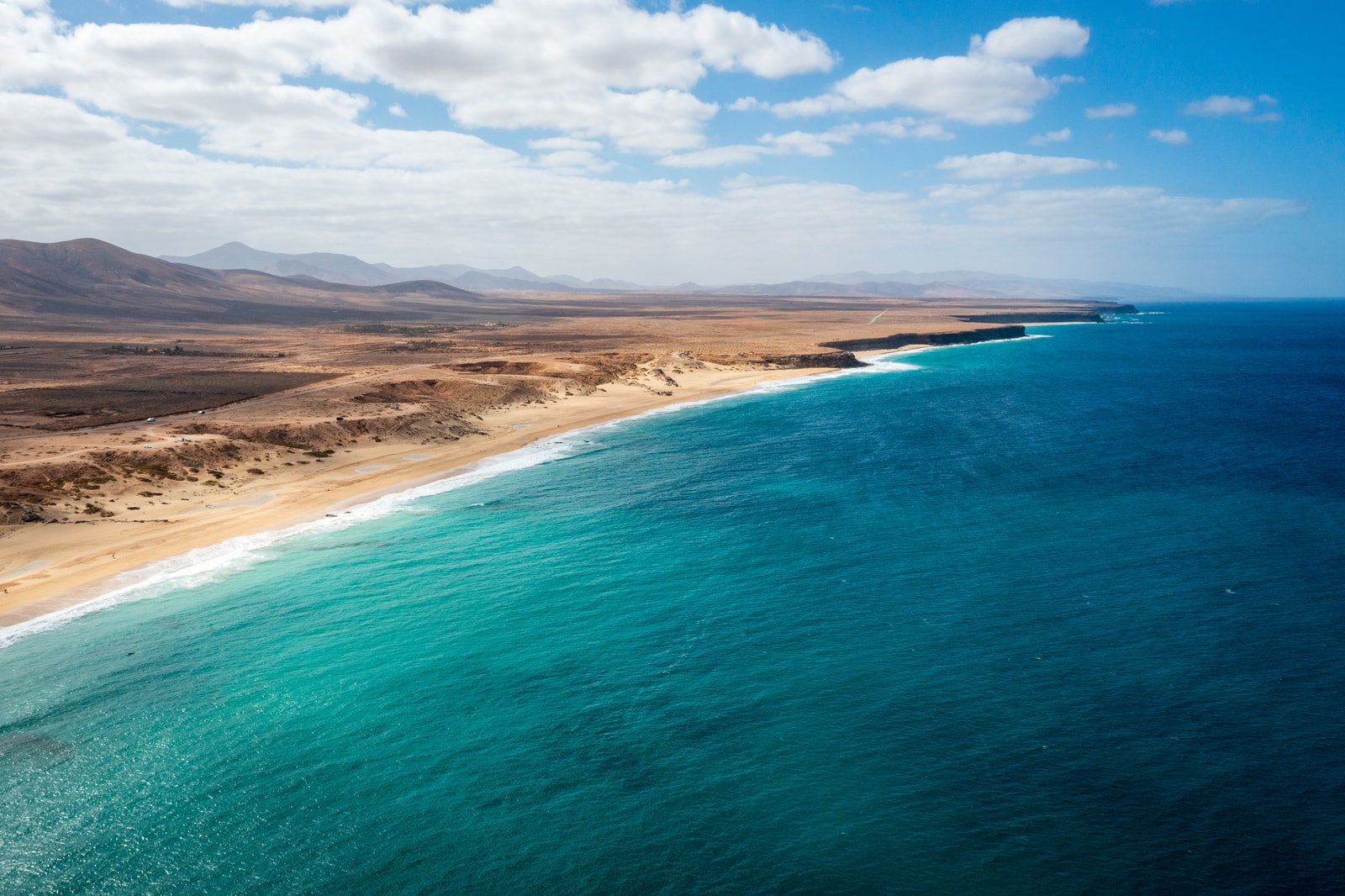
While summer offers gentler waves for beginners, winter brings powerful North Atlantic groundswells. The hazards here are severe, including strong rip currents and violent shorebreaks. Swimmers should exercise extreme caution and never enter the water alone.
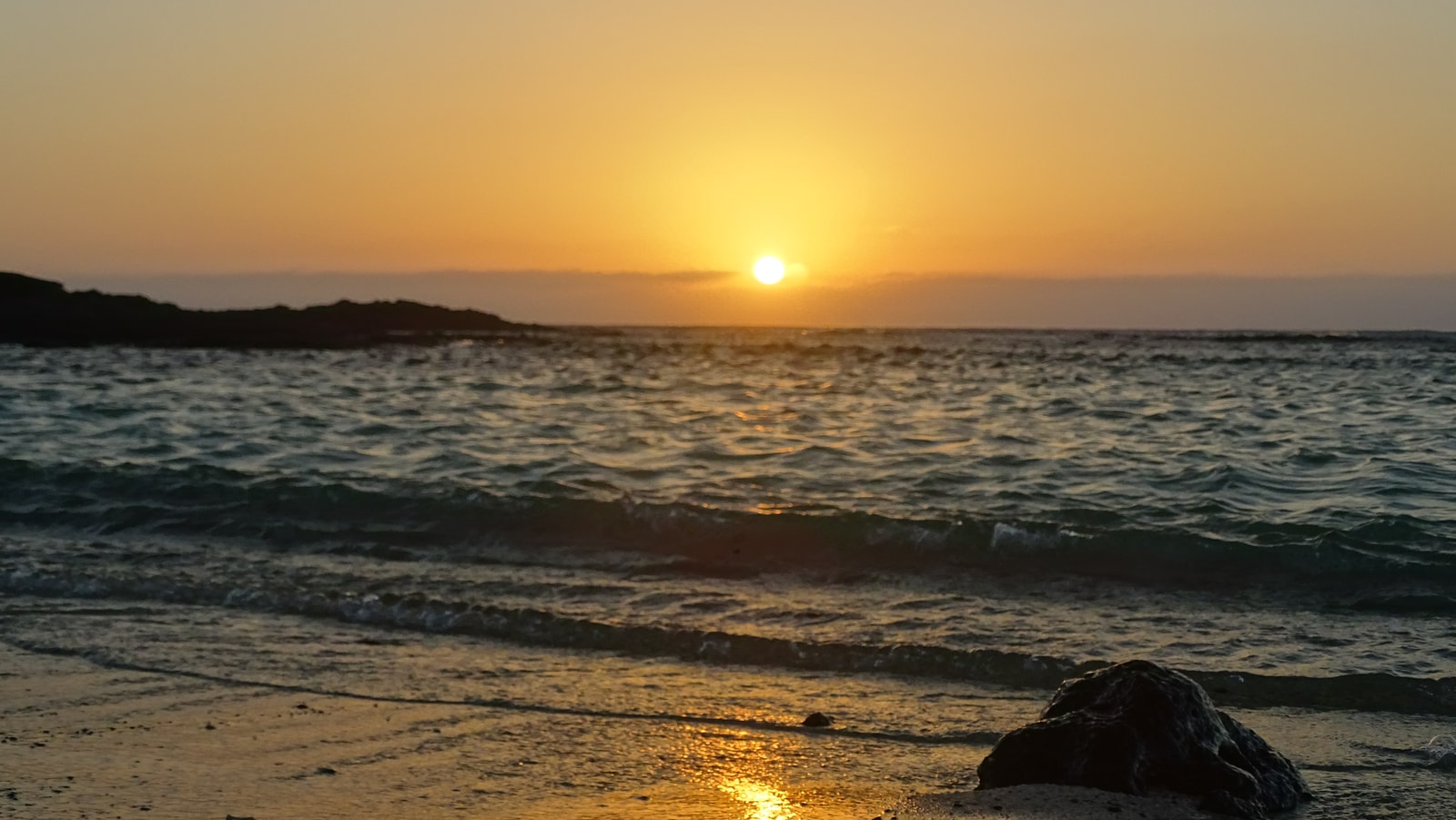
The Island's Geological Wonders: Ajuy and Popcorn Beach
Fuerteventura's coastline is full of geological surprises. Near Majanicho, Popcorn Beach (Playa del Bajo de la Burra) has become a social media sensation for its unusual shoreline, which is covered in what looks like popped corn. These are actually rhodoliths—the fossilized remains of coralline red algae that have washed ashore over thousands of years.
Growing at just 1 millimeter per year, these rhodoliths are vital ecosystem engineers, preventing coastal erosion and providing nurseries for marine life. Unfortunately, the beach faces a conservation crisis, with an estimated 10 kilograms of rhodoliths stolen by tourists daily. Removing them is illegal, with fines up to 2,000,000 euros. The local #PasaSinHuella (Leave No Trace) campaign urges visitors to admire, not take.
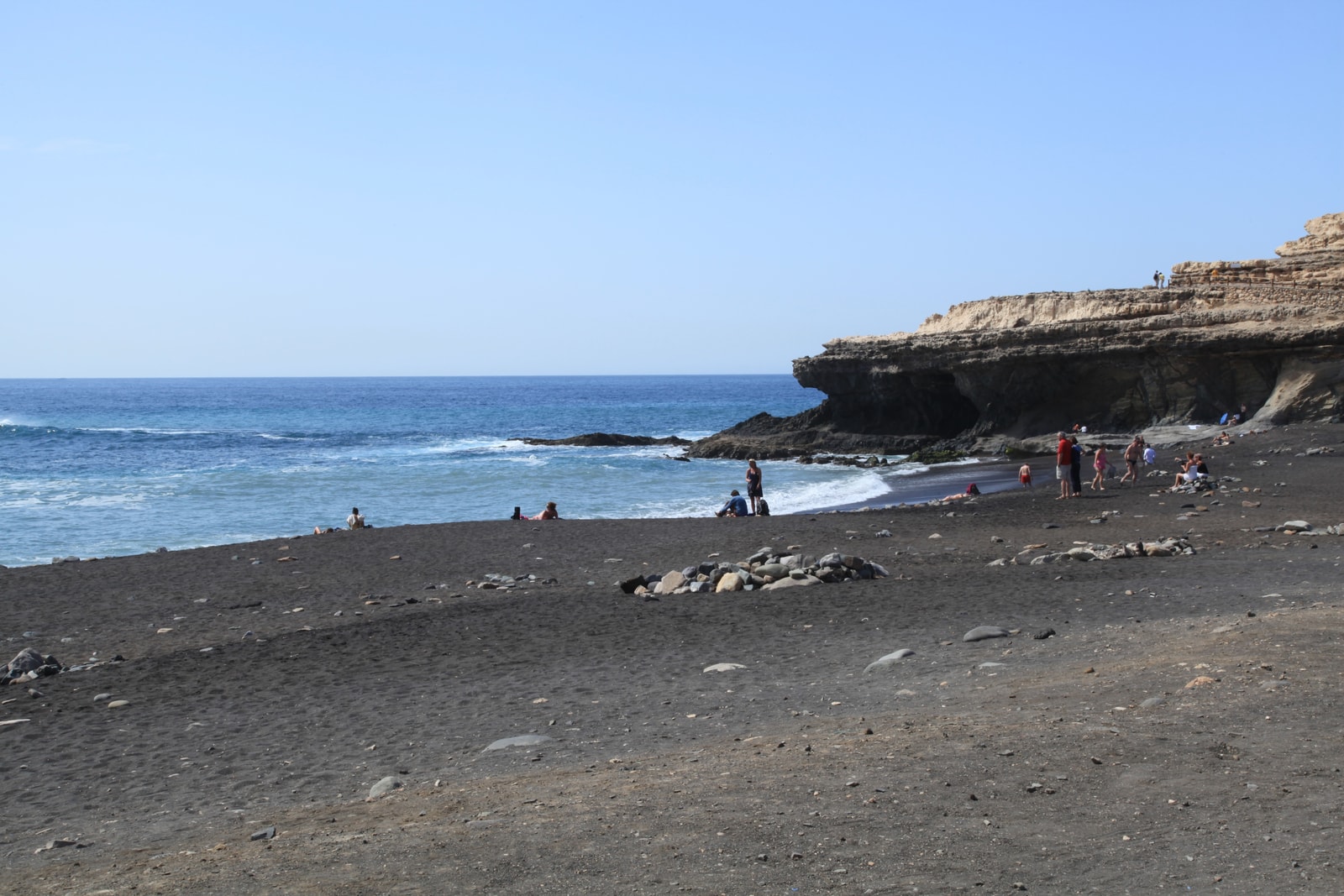
On the wild west coast, the village of Ajuy offers a different kind of spectacle. Its beach is made of deep black volcanic sand, but the real treasure lies in the surrounding cliffs. Here you can find the oldest exposed rocks in the Canary Islands, an ancient oceanic crust known as the Basal Complex, dating back over 100 million years.
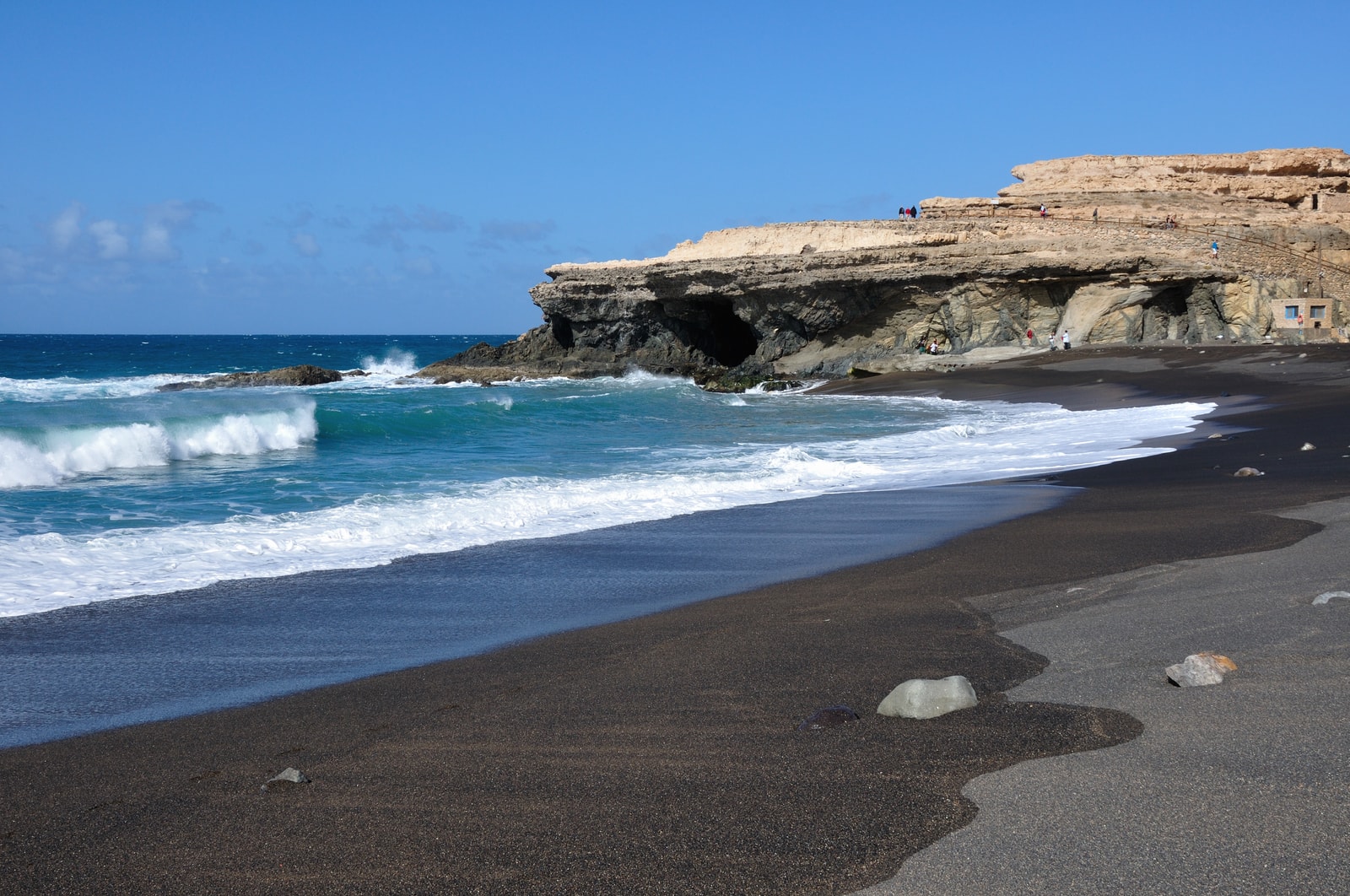
A cliffside path leads past historic lime kilns (hornos de cal) to the enormous Cuevas de Ajuy, deep sea caves carved into the rock. As with Cofete, swimming here is highly dangerous, and sturdy footwear is recommended for exploring the slippery cave steps.
Resort Comfort and Peaceful Coves
For travelers who prefer amenities close at hand, Playa de Morro Jable / Playa del Matorral offers a perfect balance of nature and convenience. This vast beach of fine white sand is divided by the iconic Morro Jable Lighthouse. The area to the north is resort-oriented with loungers and restaurants, while the zone south of the lighthouse is an established clothing-optional area.
The beach is also adjacent to the Saladar de Jandía, a protected salt marsh that's home to rare coastal birds. Nearby, the Morro Jable Turtle Nursery rehabilitates injured turtles. It is open to the public only on Thursdays from 10:00 AM to 1:00 PM, and visits must be booked in advance online at fuerteventurabio.com.
Tucked between Costa Calma and Sotavento, Playa Esmeralda lives up to its name with stunning, emerald-green waters. A series of coves sheltered from the wind by low cliffs, it’s a warm, calm sun-trap favored by couples and those seeking a peaceful day of swimming and sunbathing.
The Unspoiled Escape: Isla de Lobos
Just 2 kilometers off the coast of Corralejo, the uninhabited islet of Isla de Lobos is a highly protected natural reserve. Access is strictly regulated, with a cap of 400 visitors per day across two time slots. Travelers must obtain a free official permit online at lobospass.com up to five days in advance before booking a ferry.
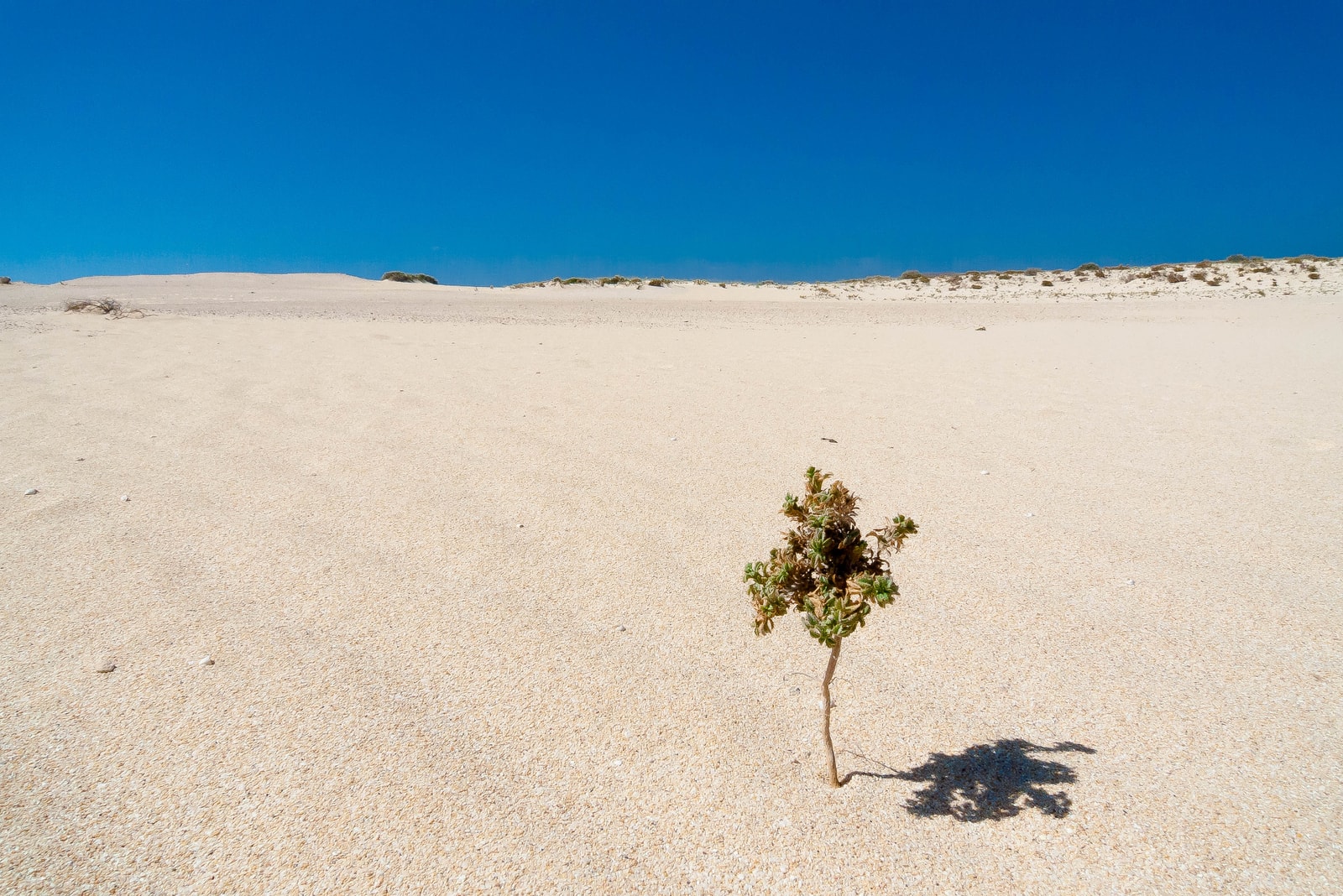
The island's coastal highlights include Playa de la Concha de Lobos, a stunning crescent bay with shallow, turquoise waters perfect for snorkeling, and El Puertito, a rustic cove with volcanic rock lagoons. El Puertito is home to the island's only restaurant; seating is very limited, so you must reserve a table in person upon arrival.
A circular hiking trail (PR FV 1) leads to landmarks like the Martiño Lighthouse and the volcanic crater of Montaña de la Caldera. As a protected bird sanctuary, visitors must stay on the paths and pack out all trash.
Fuerteventura's Coastal Flavors
Beachfront dining in Fuerteventura is a relaxed affair, centered on simple, fresh ingredients. Local chiringuitos (beach bars) serve up island staples that celebrate the bounty of the Atlantic.
- Papas Arrugadas: "Wrinkled potatoes" boiled in saltwater and served with mojo rojo (red pepper and garlic) and mojo verde (cilantro and garlic) sauces.
- Queso Majorero: An award-winning goat cheese, often served grilled and drizzled with palm honey.
- Fresh Catch of the Day: Local fish like cherne (wreckfish) or vieja (parrotfish) are simply grilled with olive oil and garlic.
- Gofio: A toasted-grain flour from the indigenous Guanche era, often served as a savory paste thickened with fish broth.
The best hubs for coastal dining are the authentic lagoons of El Cotillo, the maritime taverns of Corralejo, and the seafood promenade of Morro Jable.
Fuerteventura's Late 2026 Coastal Events Calendar
Fuerteventura's late summer and autumn 2026 calendar is packed with high-energy festivals, challenging sporting events, and cultural celebrations set against the island's stunning coastal backdrop.
- Travesía a Nado Isla de Lobos (Mid-October 2026): A demanding 3.5-kilometer open-water swim from the pristine shores of Isla de Lobos to Corralejo town beach.
- International Blues & Jazz Festival Corralejo (October 22–24, 2026): A free, three-day music festival on the seaside promenade of Corralejo, featuring renowned international and national artists.
- Arena Negra Festival (November 6–7, 2026): A massive music festival on the black sand beach of Gran Tarajal, attracting tens of thousands for live pop, Latin, and electronic music.
- International Kite Festival Corralejo (November 9–15, 2026): The 39th annual edition of this world-famous festival, filling the skies over the Corralejo Sand Dunes with hundreds of colorful and creative kites.
Gallery