Nerja Beaches 2026: Your Ultimate Guide to the Cliffs, Coves, and Coastline
Forget the long, flat sands of the wider Costa del Sol. This guide explores the dramatic coastal world of Nerja for summer 2026, where rugged cliffs and hidden coves define every beach trip.
Published on 3 Sep 2026 12:58 GMT
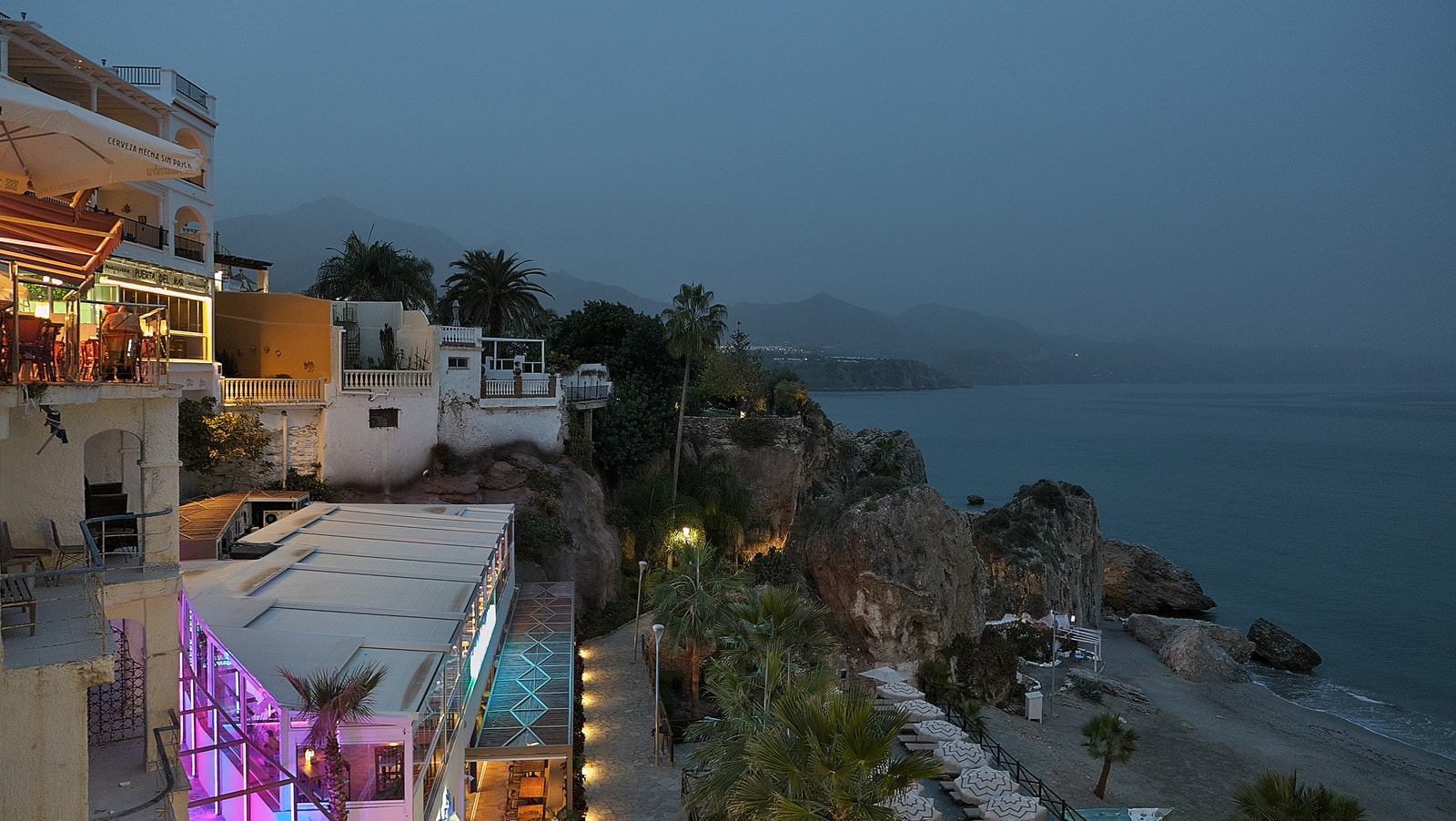
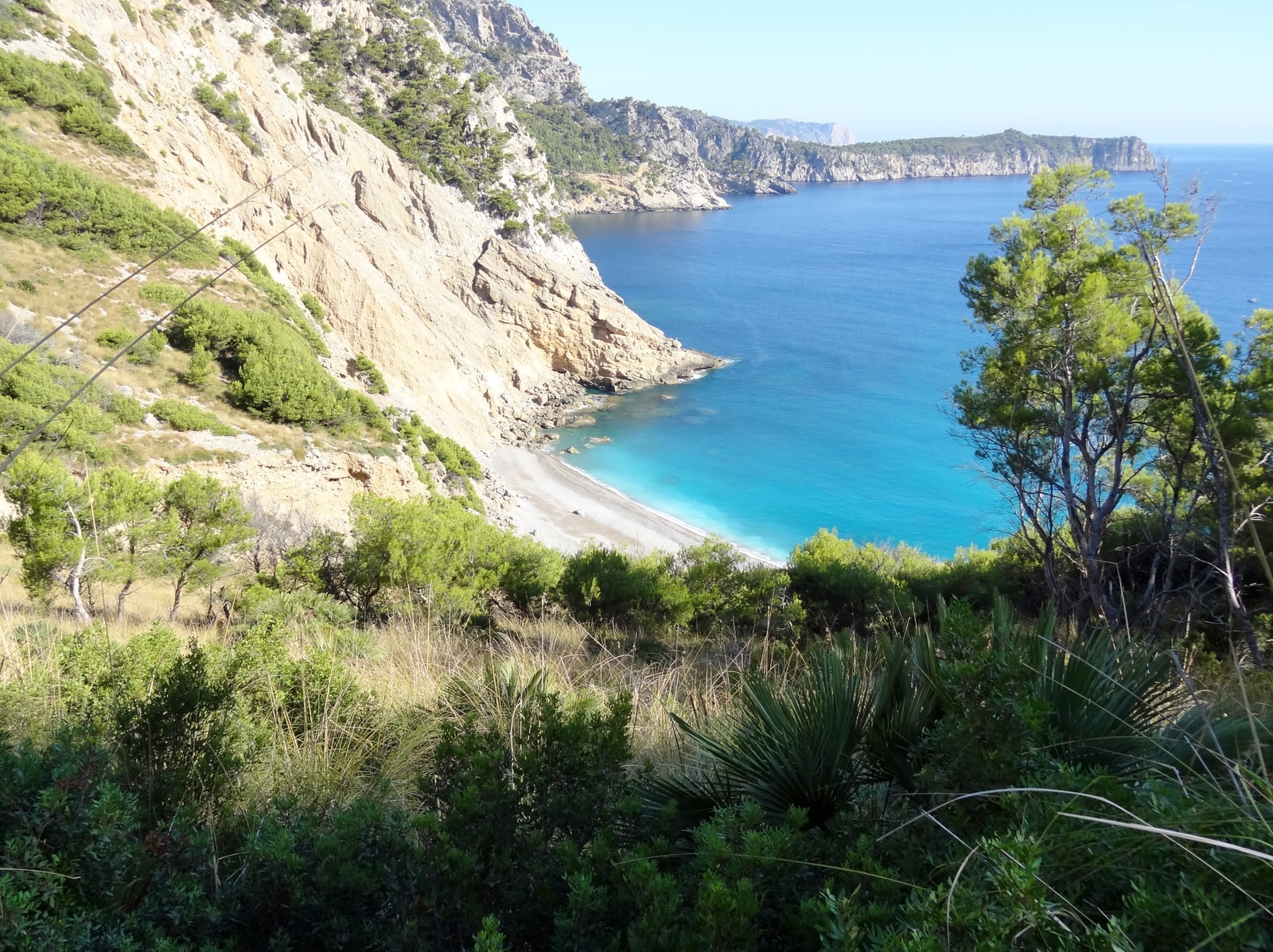
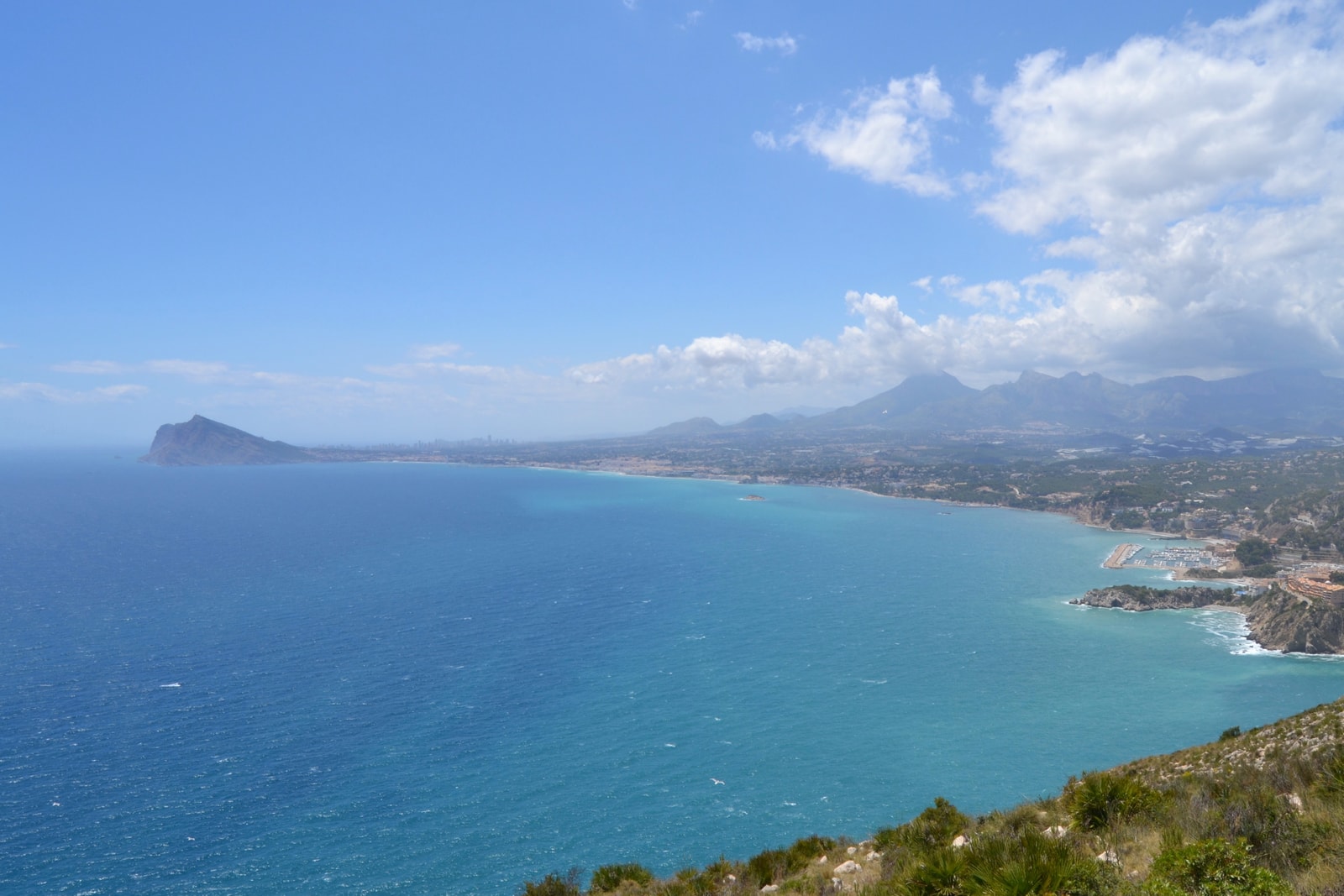
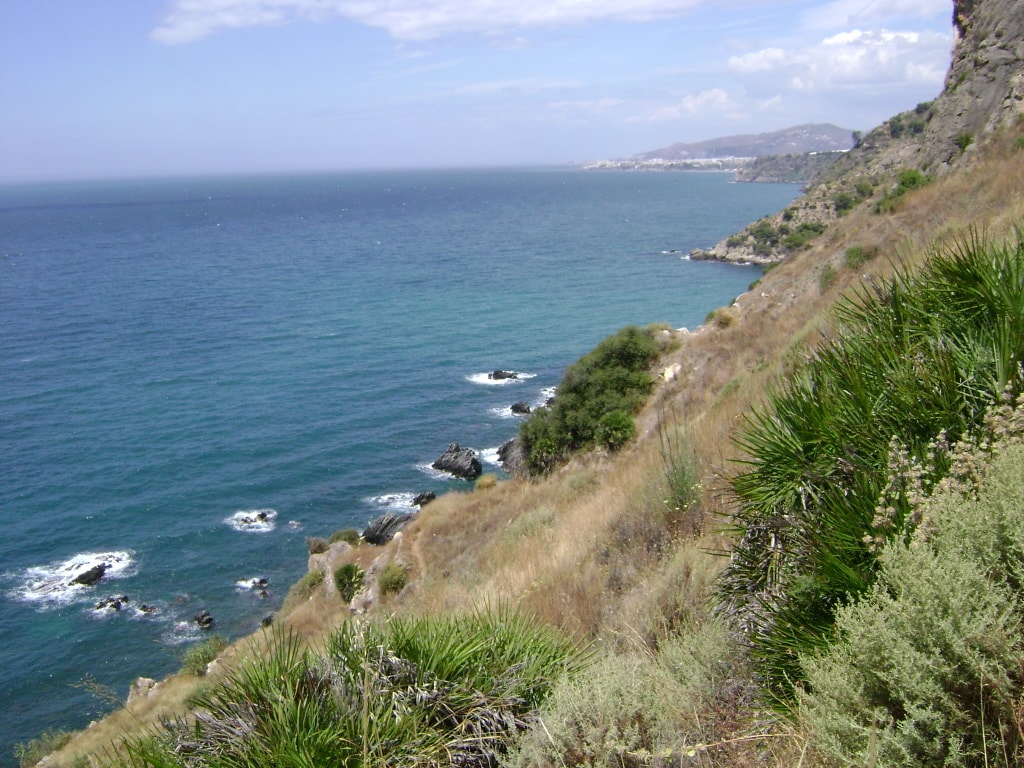
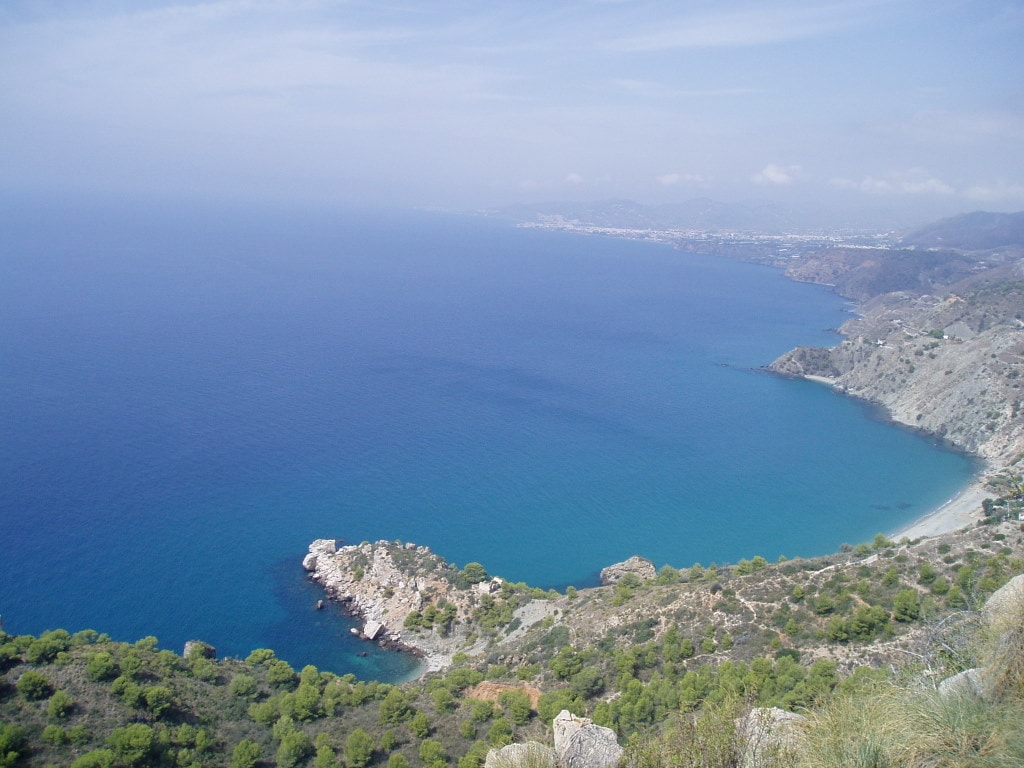
At the eastern edge of Málaga province, Nerja’s shoreline is a place of geological theater. Here, the Sierra de Almijara mountains tumble into the Alborán Sea, carving the coast into a stunning series of cliffs, ravines, and intimate coves.
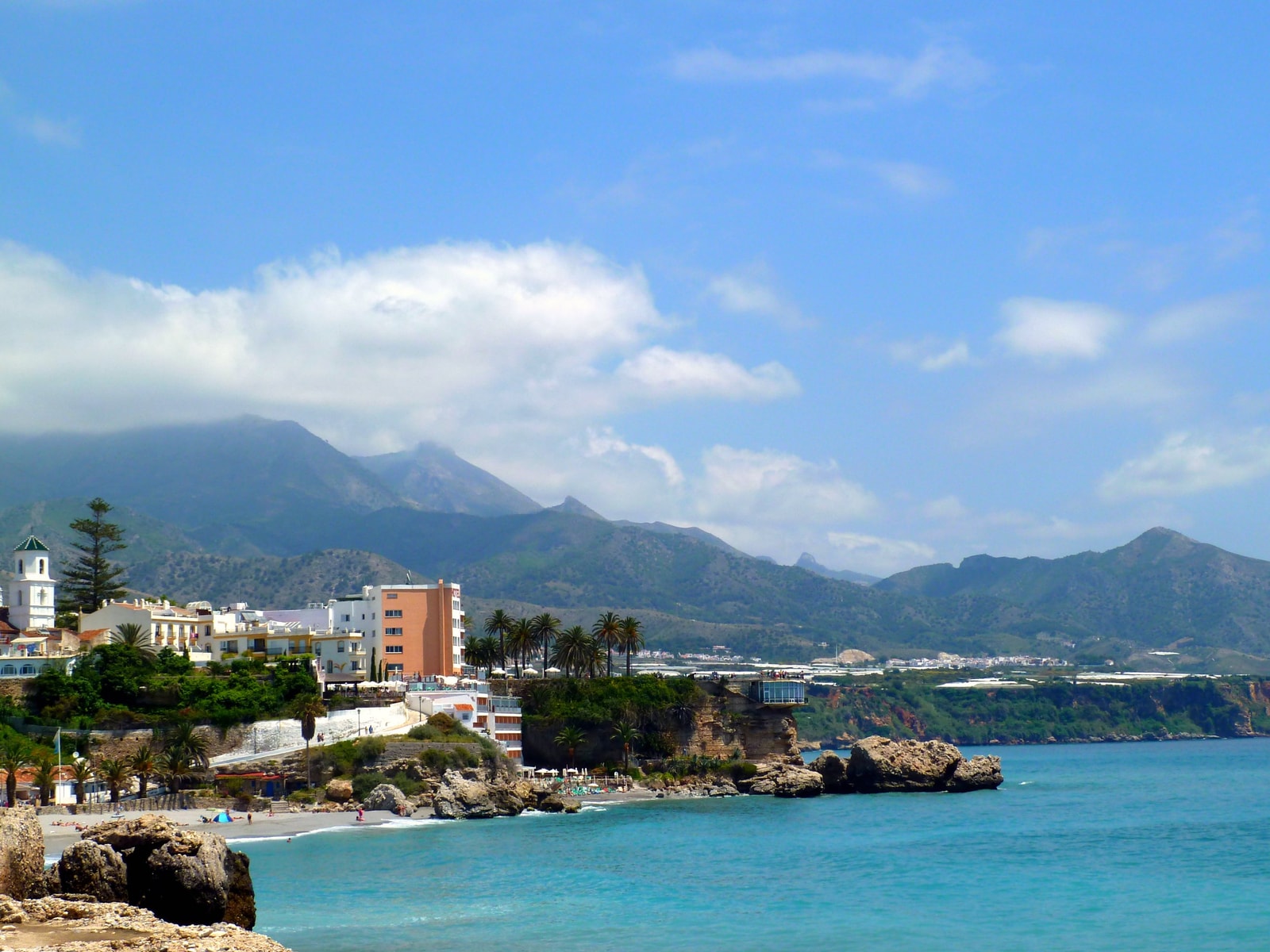
This dramatic topography has protected Nerja from the high-rise development common elsewhere, allowing it to retain its traditional pueblo blanco (white town) charm. The air is a mix of woodsmoke, roasting sardines, and the salty Mediterranean breeze.
The Balcón de Europa: Nerja's Clifftop Heart
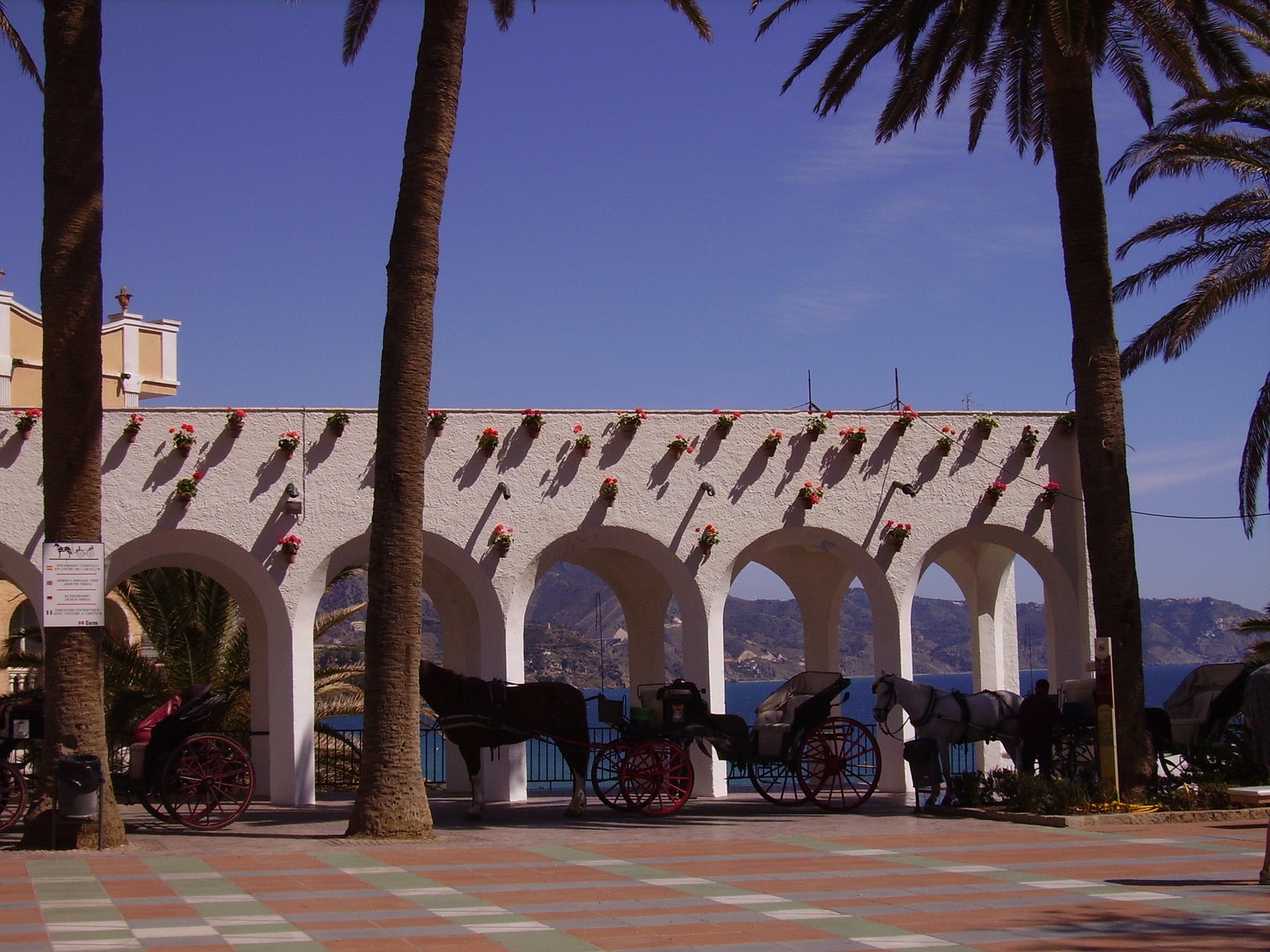
Geographically and culturally, all of Nerja revolves around the Balcón de Europa. This palm-lined promenade sits on a rocky promontory, offering commanding views and serving as the town's vibrant social stage.
Once a 9th-century Moorish watchtower and later a fortress armed against pirates, the site has deep historical roots. Two iron cannons remain from its past as a military battery, which was dismantled by British warships in 1812.
Its modern name came in 1885 when King Alfonso XII, visiting after an earthquake, declared it the "Balcony of Europe." Today, a life-sized statue of the king is a popular photo spot. The promenade is anchored by the 17th-century Iglesia de El Salvador, and is always alive with street musicians, artists, and families enjoying the evening paseo.
A Guide to Nerja's Beaches
Nerja's collection of coves and shores offers something for every type of traveler. From bustling family beaches to secluded, romantic hideaways, each spot has its own unique character and access challenges.
For the 2026 season, four of Nerja's beaches have earned the prestigious Blue Flag certification for safety and quality: Burriana, La Torrecilla, Maro, and El Playazo-Chucho.
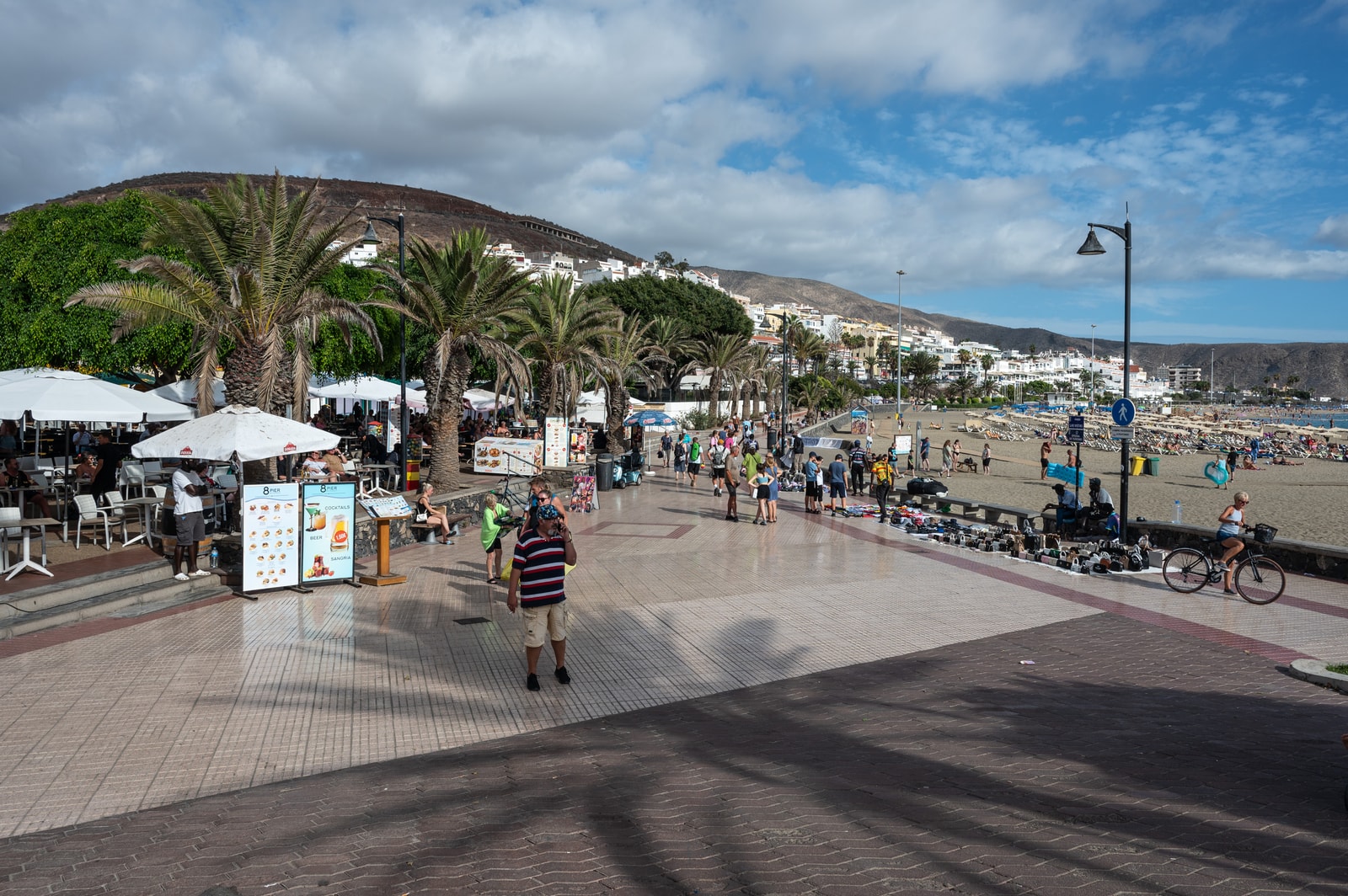
- Playa de Burriana: The town's largest and most action-packed beach. This wide, golden shore is backed by a promenade filled with shops and restaurants. It's a hub for watersports and families, but access involves a steep road locals call "Cardiac Hill."
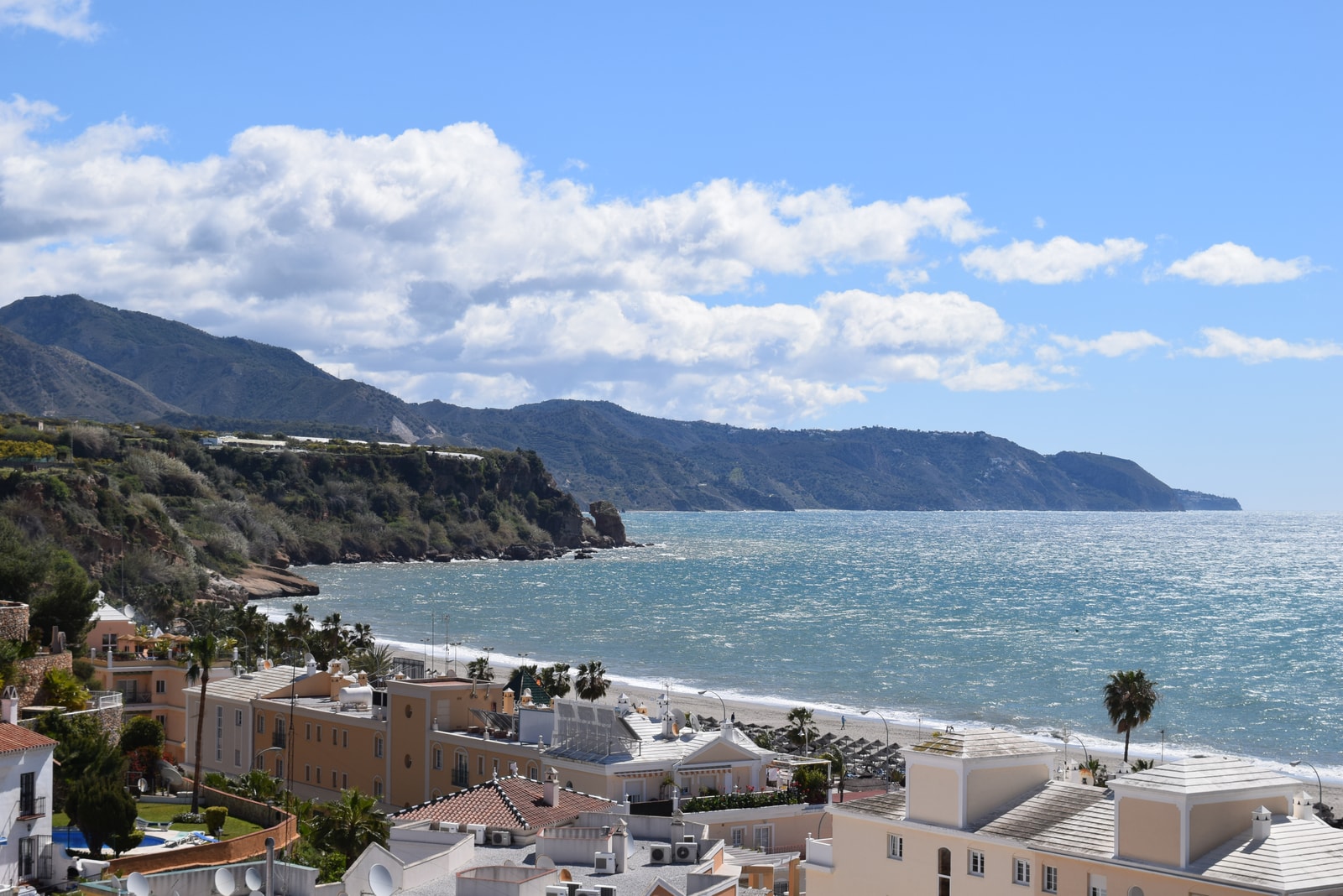
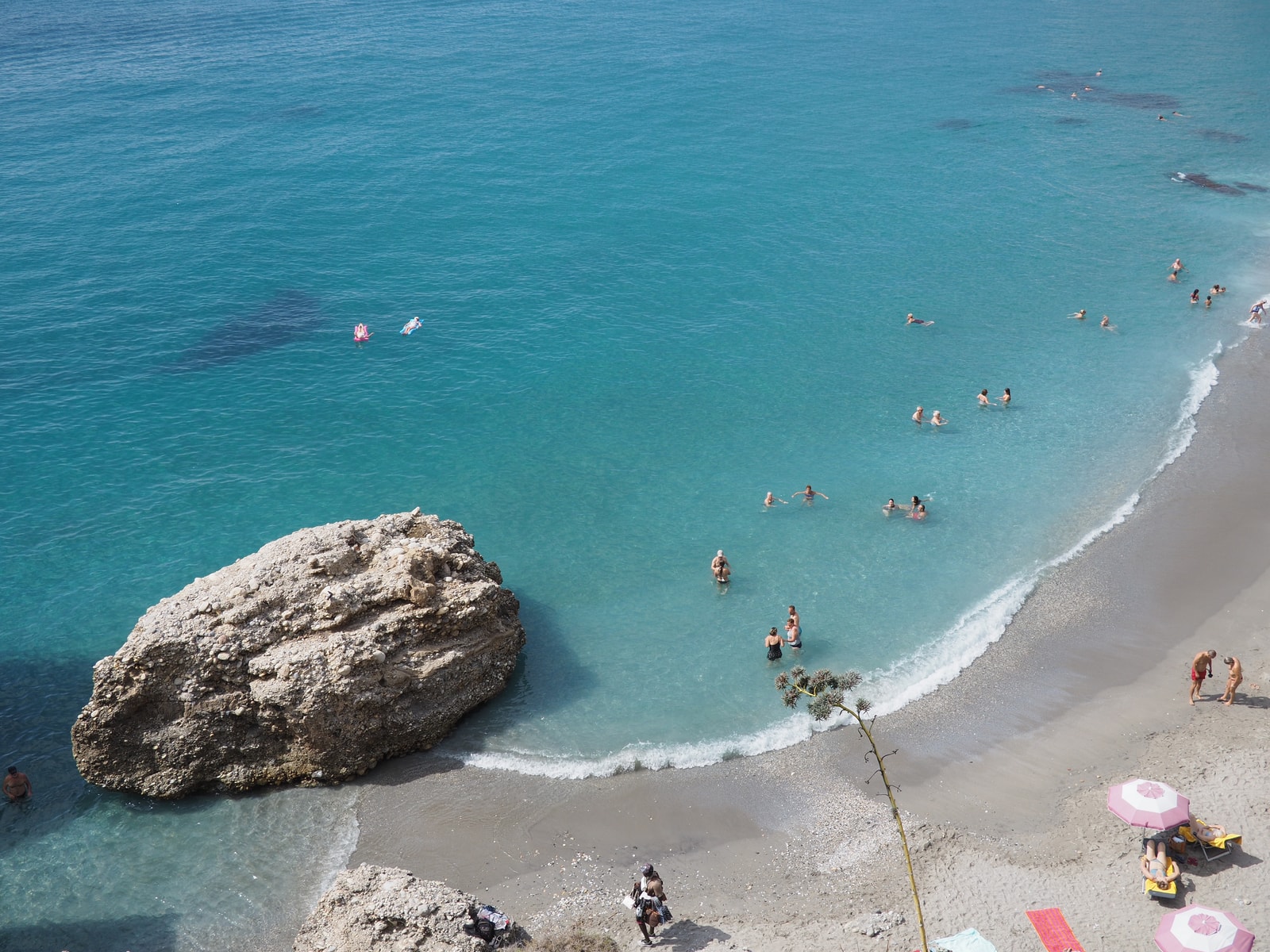
- Playa de Calahonda: An iconic and highly photographed cove directly below the Balcón de Europa. It's defined by old fishermen's cottages built into the cliffside and is reached via a beautiful arched gateway and a winding path with stairs.
- Playa de la Torrecilla: A Blue Flag beach on the western side of town, praised for its outstanding accessibility. With flat entry points, ramps, and amphibious wheelchairs in summer, it's ideal for travelers with limited mobility.
- Playa El Salón: A local favorite tucked west of the Balcón. Its calm, shallow waters are sheltered by high cliffs, making it perfect for families with young children. Access is via a steep, cobbled pedestrian ramp.
- Playa Carabeo: A romantic, hidden gem enclosed by towering cliffs. Its minimal amenities help keep large crowds away, offering a quiet escape just a short walk from the center.
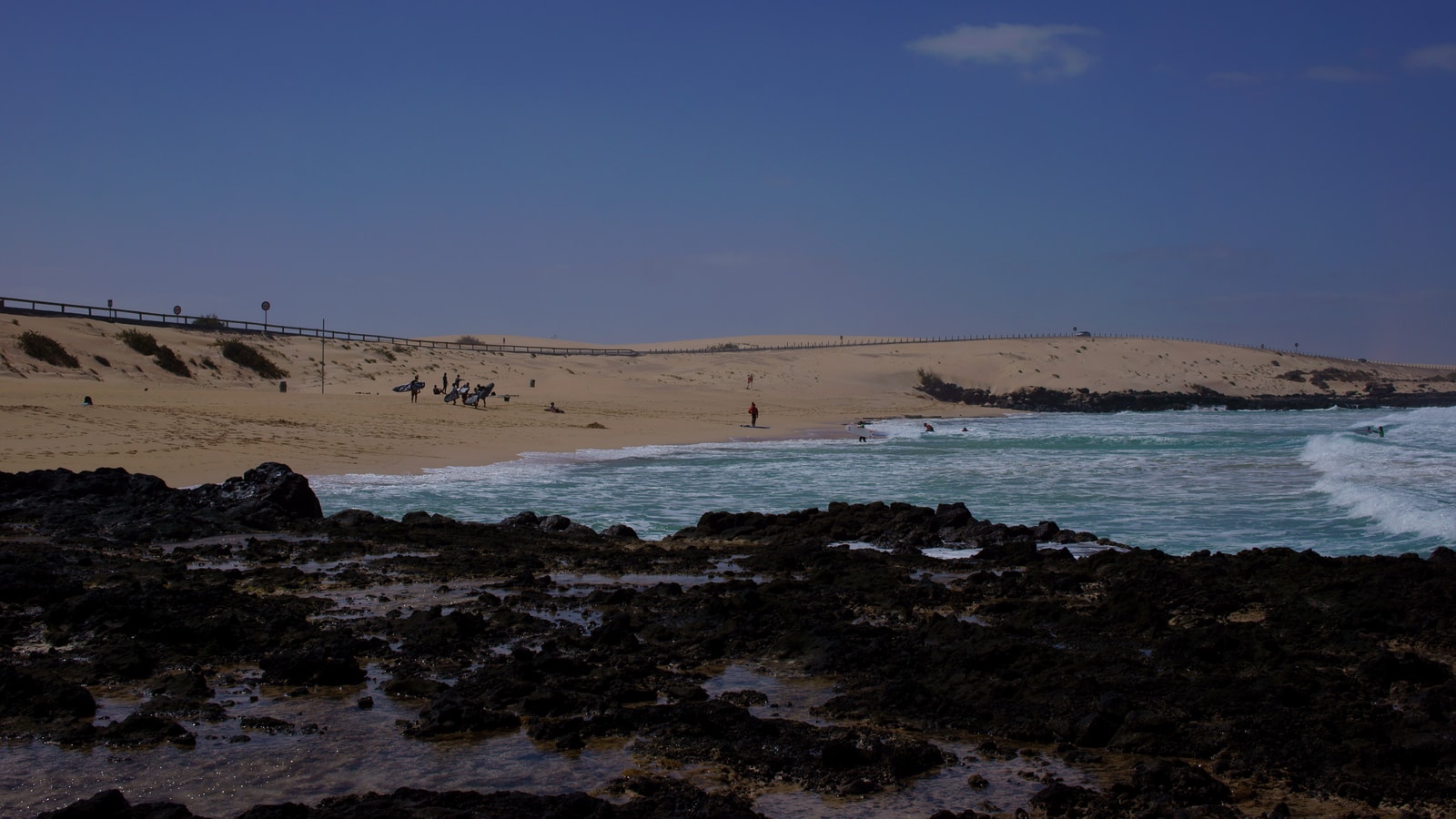
- Playa El Playazo: Nerja's longest beach, stretching for 1.7 kilometers. Its rustic, open nature and coarse sand make it popular for windsurfing, running, and beachcombing away from the crowds.
Chiringuitos and Smoky Sardines
Nerja's beach culture is inseparable from its chiringuitos, the rustic beach restaurants where meals are unhurried and the dress code is beachwear. Dining is an unpretentious affair, with many wandering from the sea to sit with their feet in the sand.
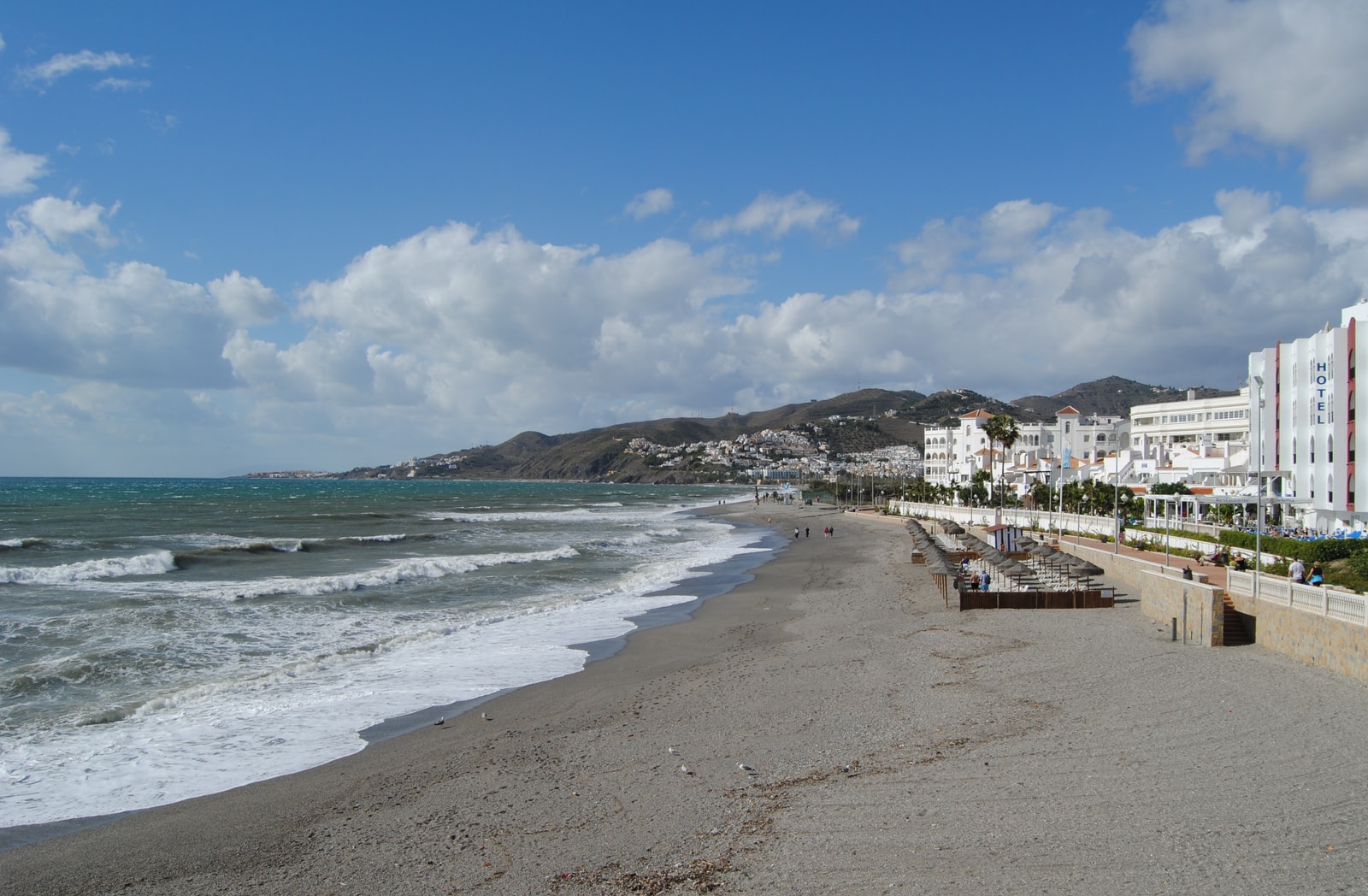
The culinary heart of this scene is on Playa de Burriana at the legendary Chiringuito Ayo. Famous since the 1960s, Ayo cooks enormous pans of paella over open olive-wood fires, which gives the rice a smoky flavor. In a gesture of classic Andalusian hospitality, one plate of paella comes with unlimited refills.
Another essential taste of Nerja is the espetos de sardinas. Fresh sardines are skewered on bamboo, salted, and roasted over embers in sand-filled fishing boats right on the beach.
The Wild Coast: Maro-Cerro Gordo Natural Park
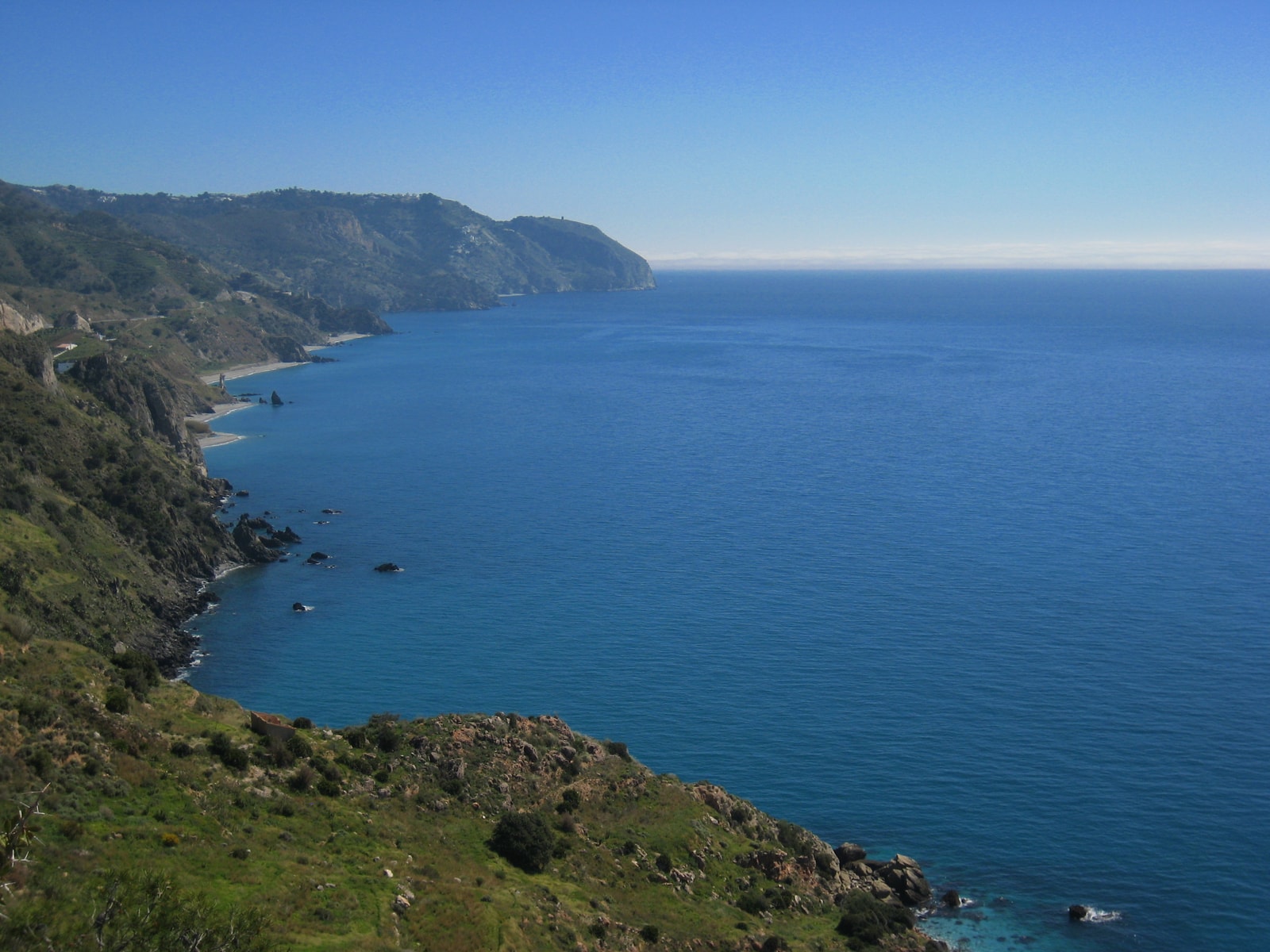
East of Nerja lies the spectacular Acantilados de Maro-Cerro Gordo Natural Park, a protected maritime-terrestrial reserve. Its pristine ecosystem has earned it status as a Specially Protected Area of Mediterranean Importance (SPAMI).
Sheer limestone cliffs plunge up to 250 meters into the sea, dotted with the endangered Malaga Sea Lavender. The park's most famous residents are the Iberian Ibex, or wild mountain goats, often seen scaling the cliffs.
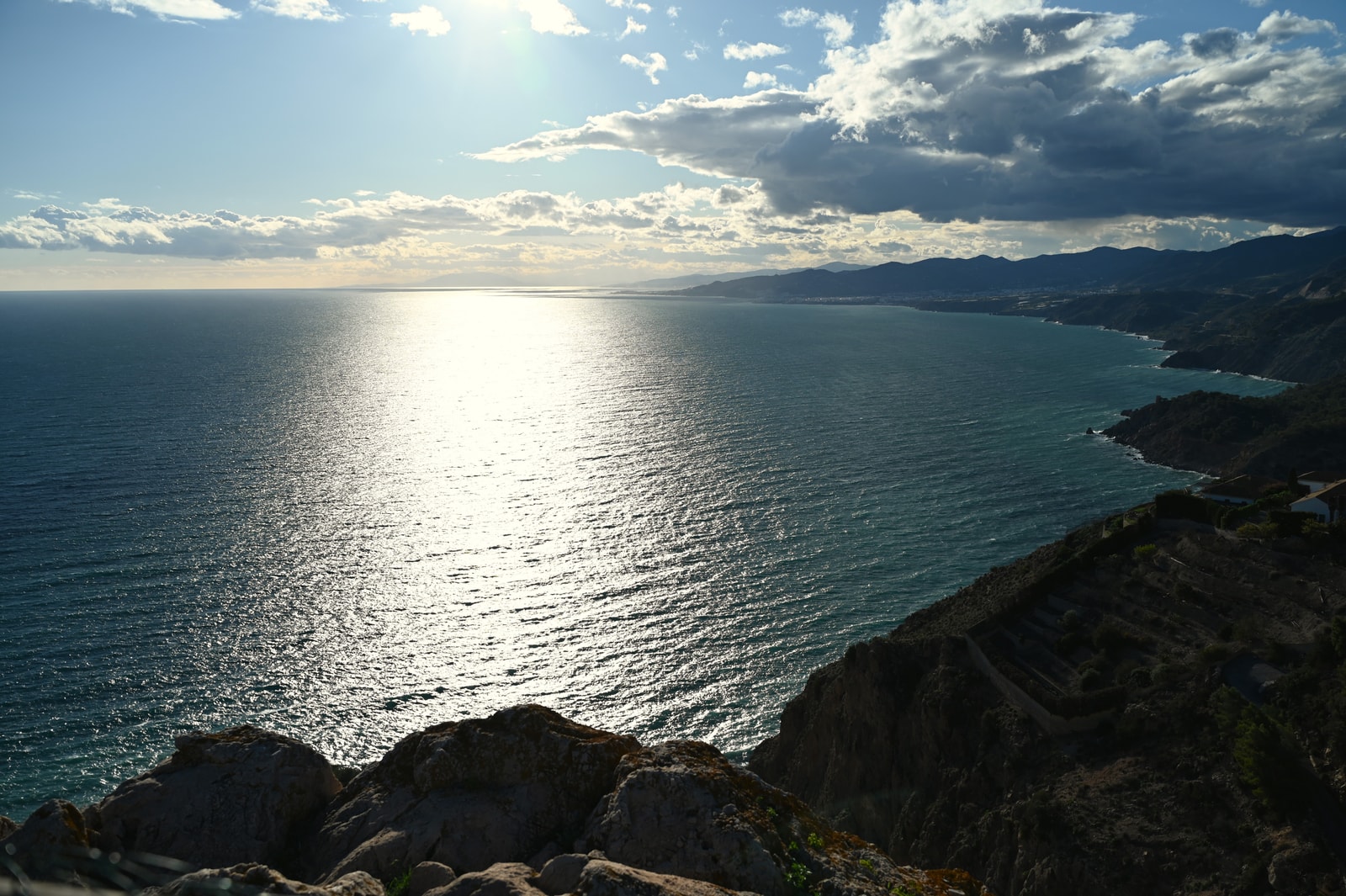
Beneath the surface, meadows of Posidonia oceanica (seagrass) create crystal-clear waters with 15-meter visibility. The caves and rocks are home to protected Orange Coral, a sign of an unpolluted environment. Strict regulations, including anchoring restrictions and a ban on private vehicles in summer, protect this delicate habitat.
Kayaking to Waterfalls and Sea Caves
The park's dramatic cliffs and clear waters make it a premier destination for sea kayaking. The most popular route takes paddlers from Playa de Burriana or Playa de Maro along the coastline.
The highlight is the Cascada de Maro, a stunning 15-meter waterfall that cascades directly from the cliff into the sea. Along the way, you can explore glowing sea caves like the Cueva del Lobo Marino (Cave of the Sea Wolf) and the Cueva de la Doncella (The Maiden's Cave).
The route is considered easy to moderate, but it's crucial to be mindful of the wind. Sturdy water shoes are essential for the rocky coves, and visitors should use reef-safe sunscreen to protect the marine ecosystem.
Clifftop Views and a Forbidden Path
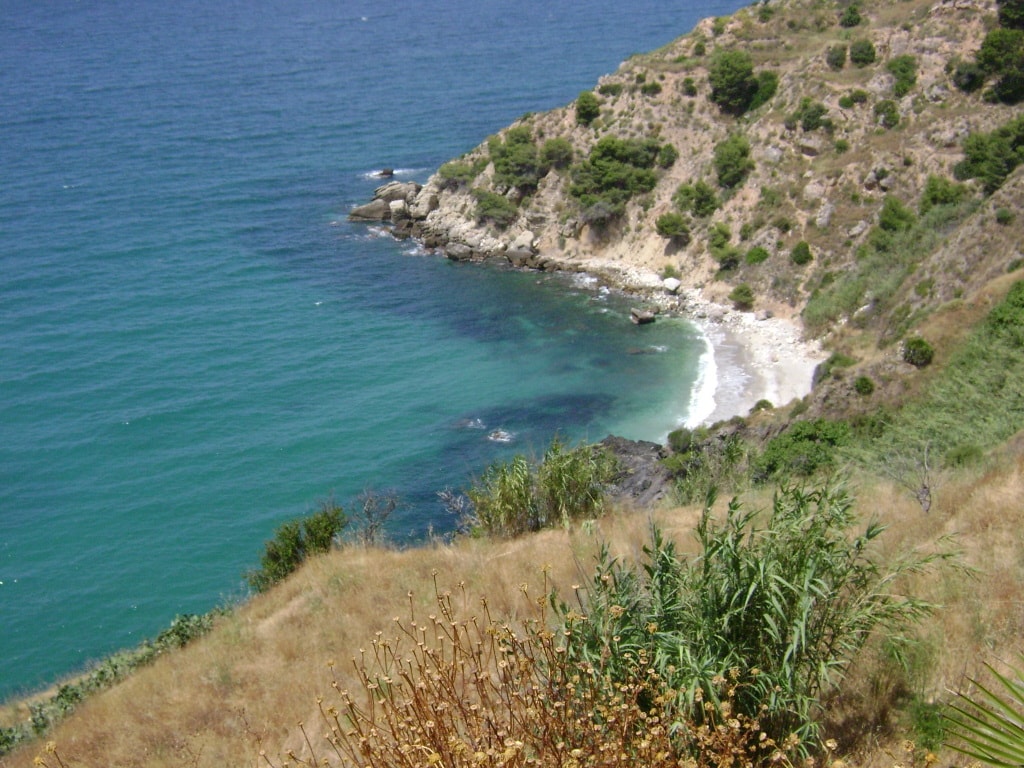
Nerja's vertical landscape offers some of Spain's most spectacular coastal viewpoints, known as miradores.
- Mirador de Carabeo: A quiet, romantic platform offering views down to Playa de Carabeo.
- Mirador del Bendito: A landscaped plaza with tiled benches and panoramic views over Playa Carabeillo and Burriana.
- Mirador de la Torrecilla: A prime sunset spot on the ruins of an old Moorish watchtower.
One historic path, the Paseo de los Carabineros, once connected Playa de Calahonda to Playa de Burriana. Built for the coast guard to patrol for smugglers, it was officially closed in 2001 due to dangerous rockfalls. Today, the full route remains strictly inaccessible and blocked by steel barriers.
Planning Your Visit for Summer 2026
Nerja enjoys a subtropical microclimate with over 300 days of sunshine a year. In peak summer (July-August), temperatures range from 30°C to 34°C, with sea temperatures peaking around 24°C to 26°C.
For a quieter experience, consider September. The sea is still warm, the intense heat subsides, and the beaches are less crowded. Winters are mild, making it a year-round destination for coastal walks.
Because of the cliffside terrain, parking requires planning. Use central underground garages like Plaza de España Parking or open-air lots like Parking Carabeo. A local blue bus and taxis can help you avoid the steepest climbs. For travelers with limited mobility, Playa de la Torrecilla and Playa de Burriana are the most accessible options.
Late Summer and Autumn Festivals 2026
Plan your trip around Nerja's vibrant local festivals, which bring the streets and beaches to life with music, food, and tradition.
- Feria de Maro (September 4 – 8, 2026): A traditional festival in the village of Maro honoring the Virgen de las Maravillas with parades, music, and a religious procession.
- Veladilla de San Miguel (September 15, 2026): An intimate neighborhood street festival with food tastings and local music.
- Día del Turista (September 27, 2026): A celebration of visitors centered on the Balcón de Europa, featuring flamenco, giant paellas, and local wine.
- Feria de Nerja (October 7 – 12, 2026): The town's biggest annual fair, with a fairground, party tents, and live music. The highlight is the grand procession on October 10.
Gallery
Additional Resources
- Nerja Travel Guide by Senses of Spain
- Nerja in Summer Holiday Guide by Narixa Villas
- Feria de Maro Event Page
- Veladilla de San Miguel Event Page
- Día del Turista Event Page
- Feria de Nerja Event Page
- Balcón de Europa on Google Maps
- Iglesia de El Salvador on Google Maps
- Playa de Burriana on Google Maps
- Playa de Calahonda on Google Maps
- Playa de Maro on Google Maps
- Playa de la Torrecilla on Google Maps
- Playa El Salón on Google Maps
- Acantilados de Maro-Cerro Gordo Natural Park on Google Maps