Corralejo Beaches: Town Beaches & Sand Dunes (2026 Guide)
From sheltered town coves to the wild dunes of the natural park, discover which stretch of sand is right for your trip to the Canary Islands.
Published on 5 Oct 2026 14:58 GMT
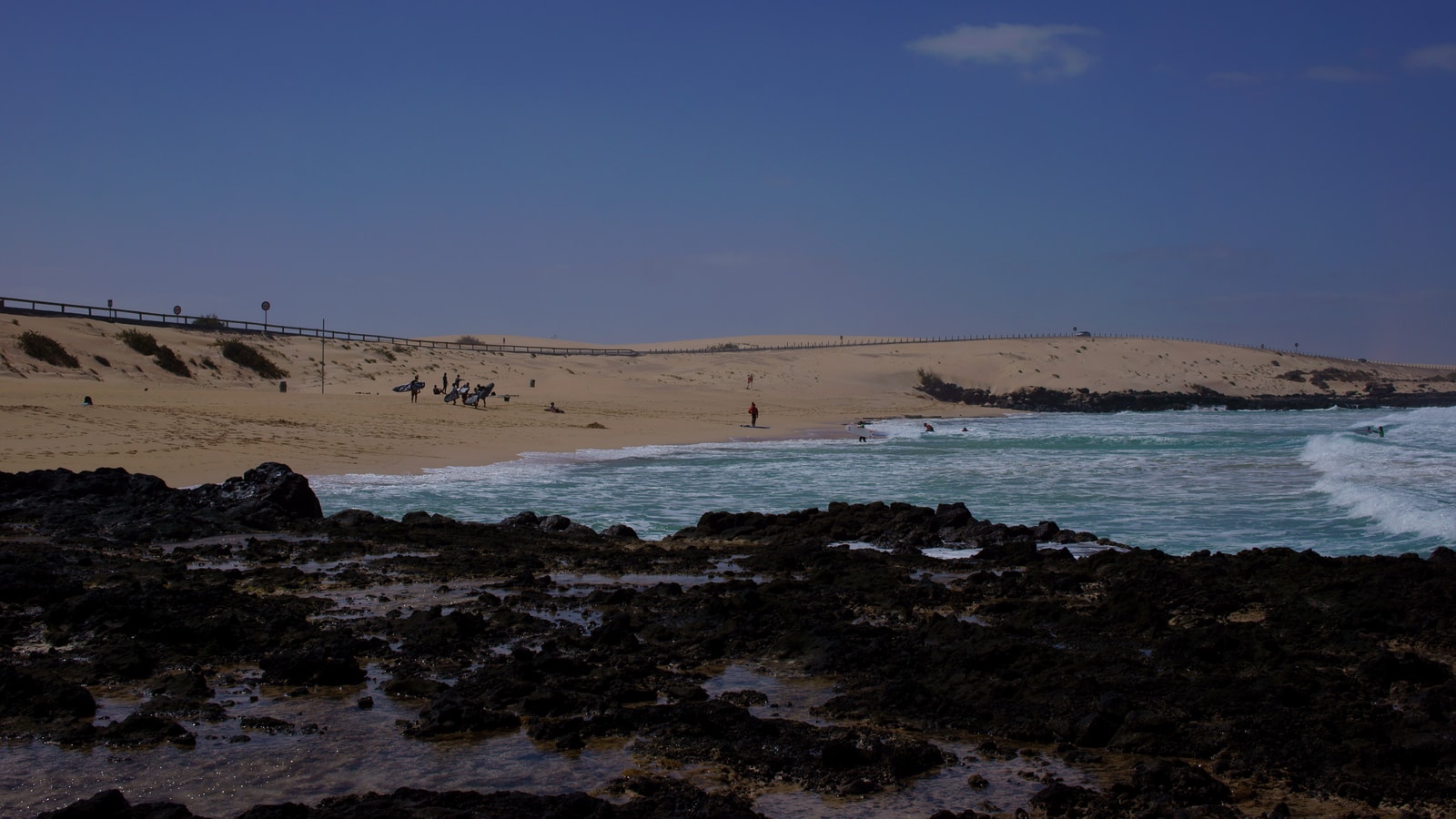
Corralejo, a resort town on the northern tip of Fuerteventura, offers not one single beach experience, but a collection of distinct coastal moods. The shoreline here is best understood as three unique zones: convenient town coves, the wild dunes of a natural park, and rugged geological coastlines perfect for exploring.
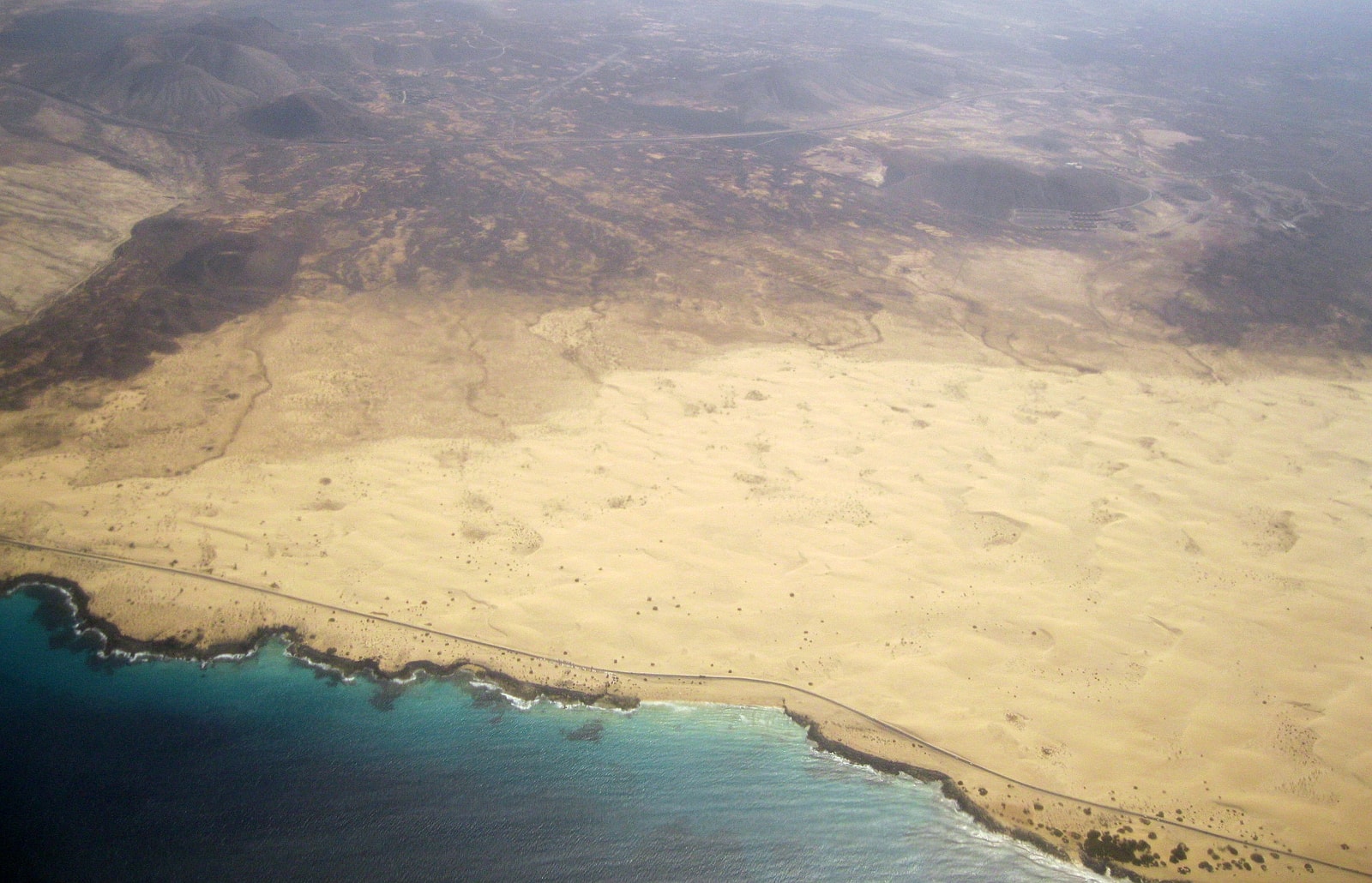
This variety allows visitors to choose their ideal beach day. You can opt for a spontaneous swim near the promenade, a long walk across a vast, windswept shore, or a trip to see a shoreline made of natural wonders.
Sheltered Town Beaches: Convenience and Calm Waters
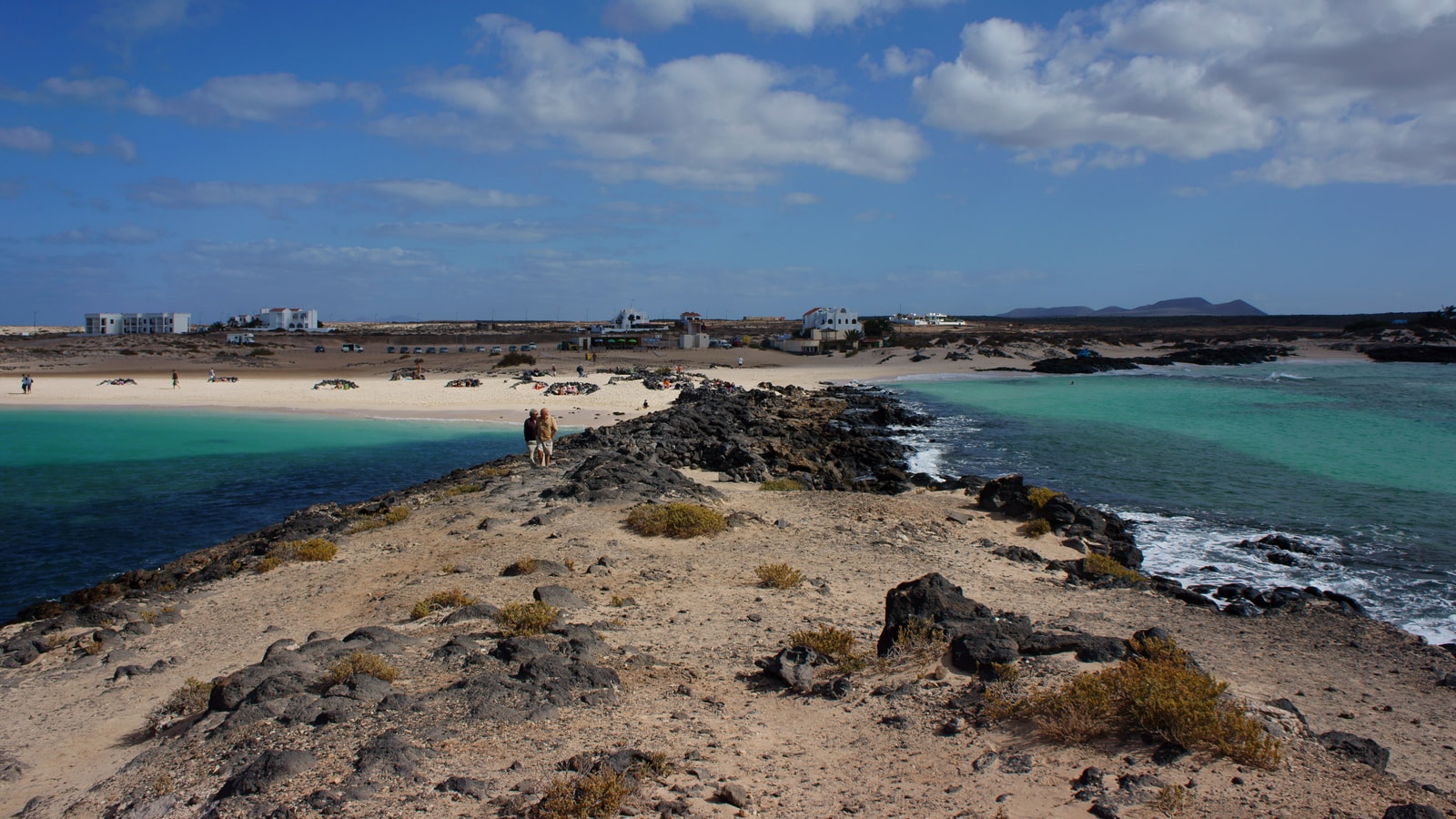
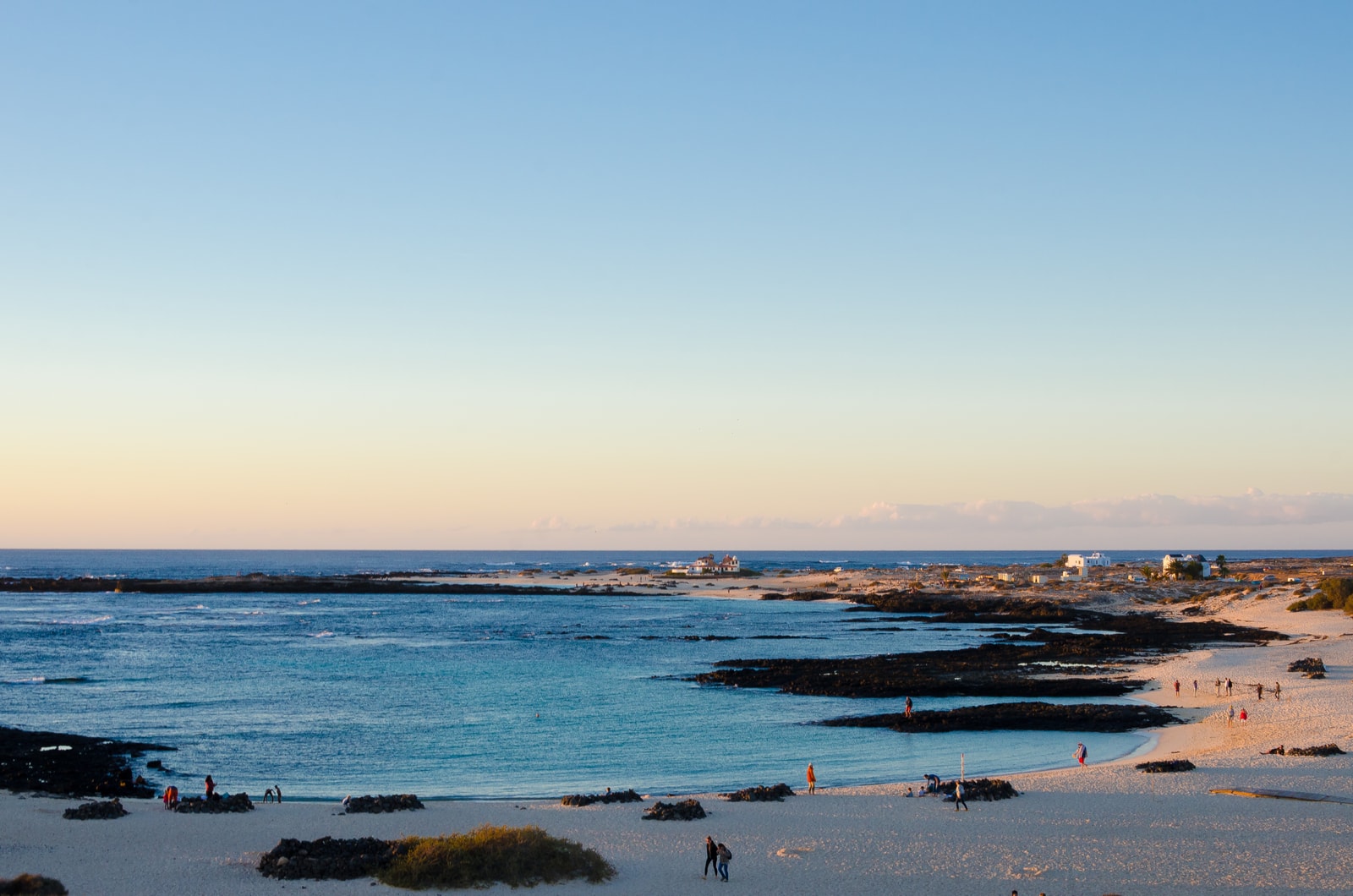
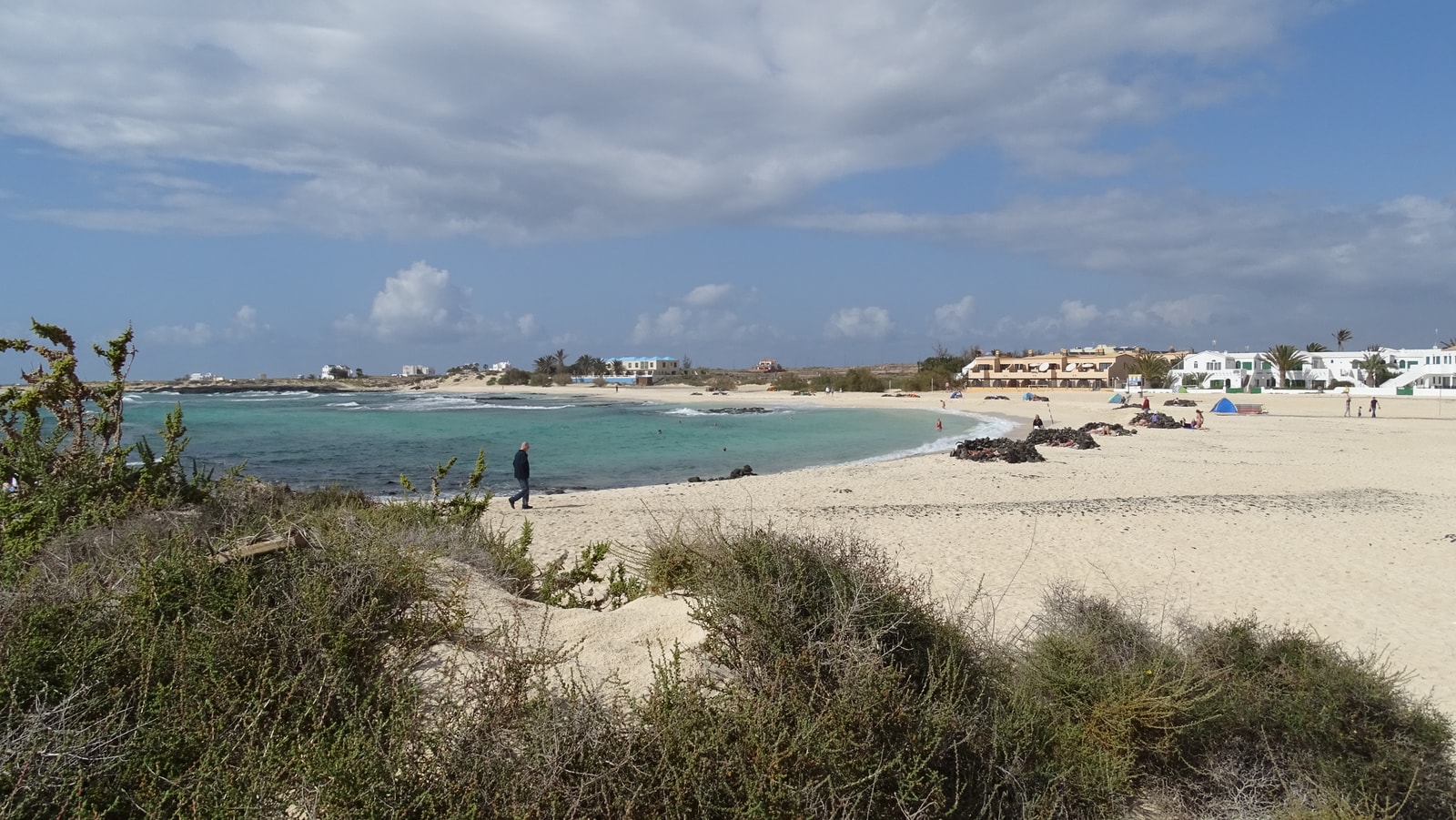
For families, casual swimmers, and anyone seeking easy access, the town's sheltered coves are the perfect starting point. These beaches are walkable from the resort and offer calmer waters protected from the open Atlantic swell.
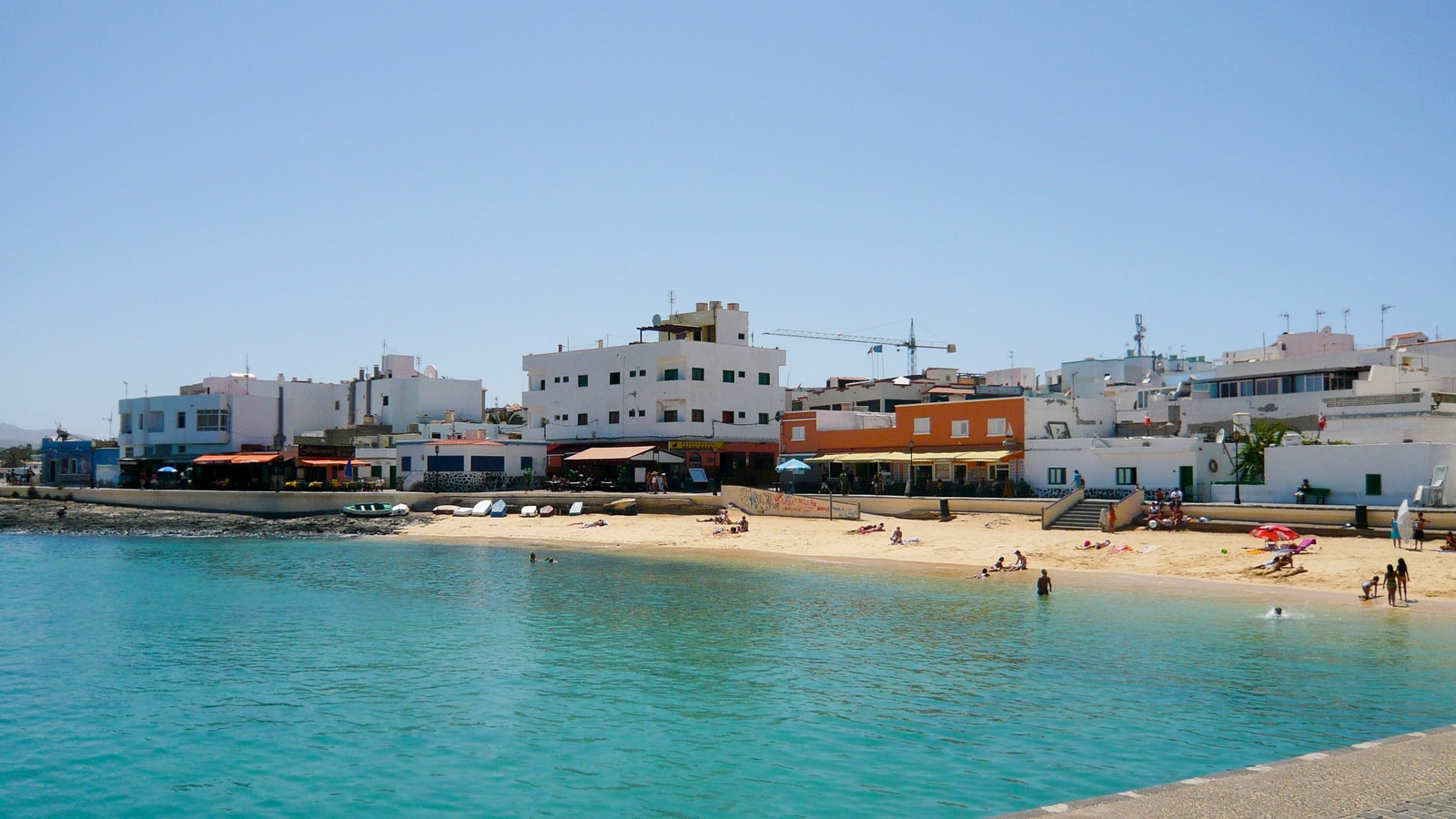
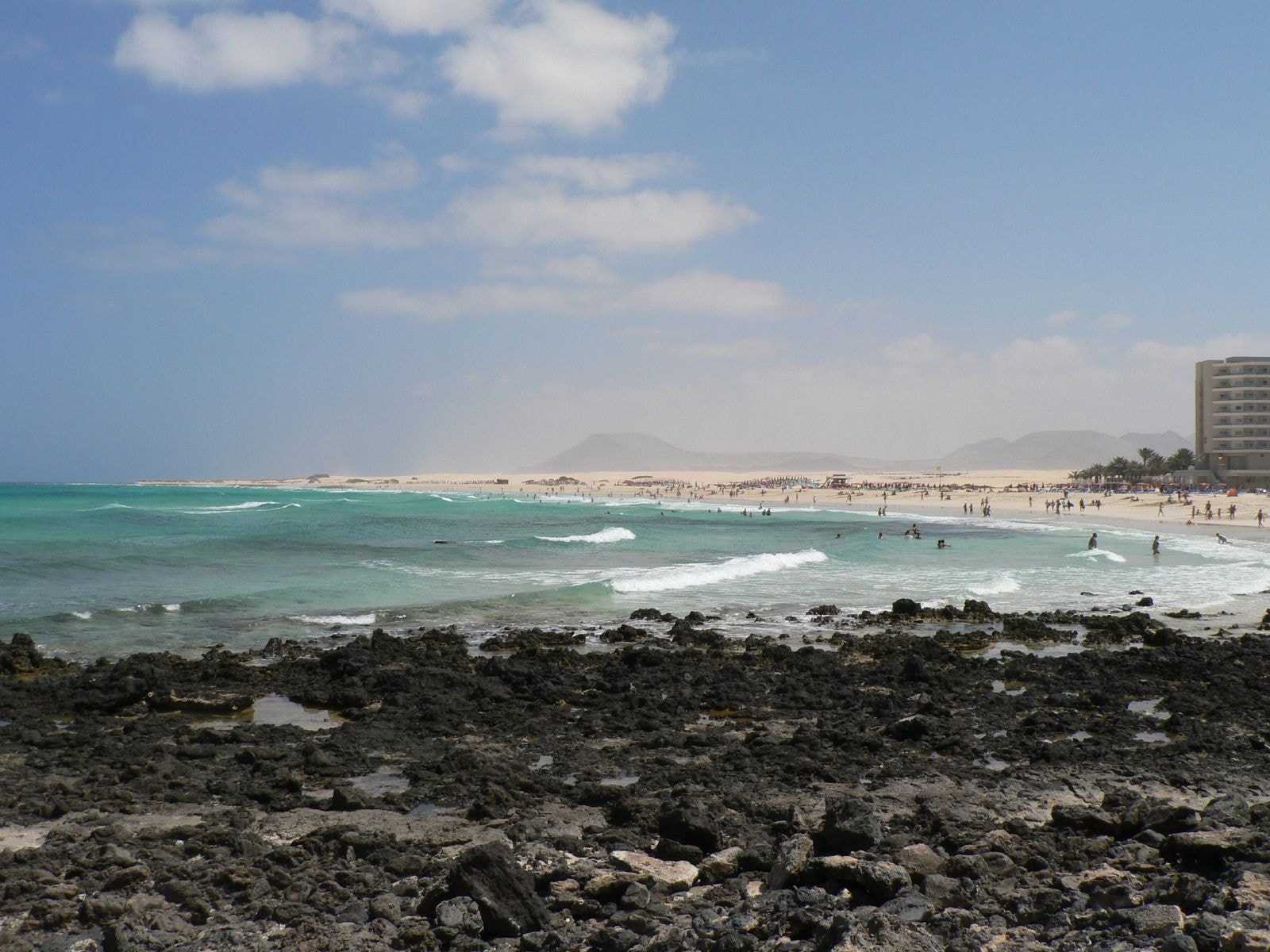
Corralejo Viejo is the top choice for accessibility, with ramps leading to the sand and calm conditions ideal for children. Other nearby options include Playa de las Clavellinas, Muelle Chico, and Waikiki/La Goleta, each providing a convenient spot for a swim without needing to travel far.
Be aware that Playa del Medio (Rocky Point) features a shallow reef, creating lagoon-like conditions at low tide but requiring attention to the underwater terrain.
Corralejo Viejo: best for an easy beach day with facilities. Choose it when nearby cafés and straightforward access matter more than an uninterrupted sweep of dunes. The official tourism listing describes ramps, toilets, showers and nearby parking. Check the availability of accessibility assistance locally rather than assuming every service operates at all times.
Clavellinas, Muelle Chico and La Goleta/Waikiki: best for staying close to town. These smaller urban options suit a short beach stop combined with lunch or a promenade stroll. Muelle Chico is the harbour-side choice; La Goleta/Waikiki suits visitors who want beach time close to the resort’s restaurants. They offer less space and a more built-up atmosphere than Grandes Playas. Choose the stretch closest to your accommodation for convenience, and check tide, rocks and local swimming conditions on arrival.
Rocky Point: choose for coastal scenery, not as a default family swimming spot. The shallow reef and changing tide make this a different proposition from a sandy town cove. Do not treat a pool-like appearance at low tide as proof of safe bathing.
Grandes Playas: Wild Dunes and Turquoise Waters
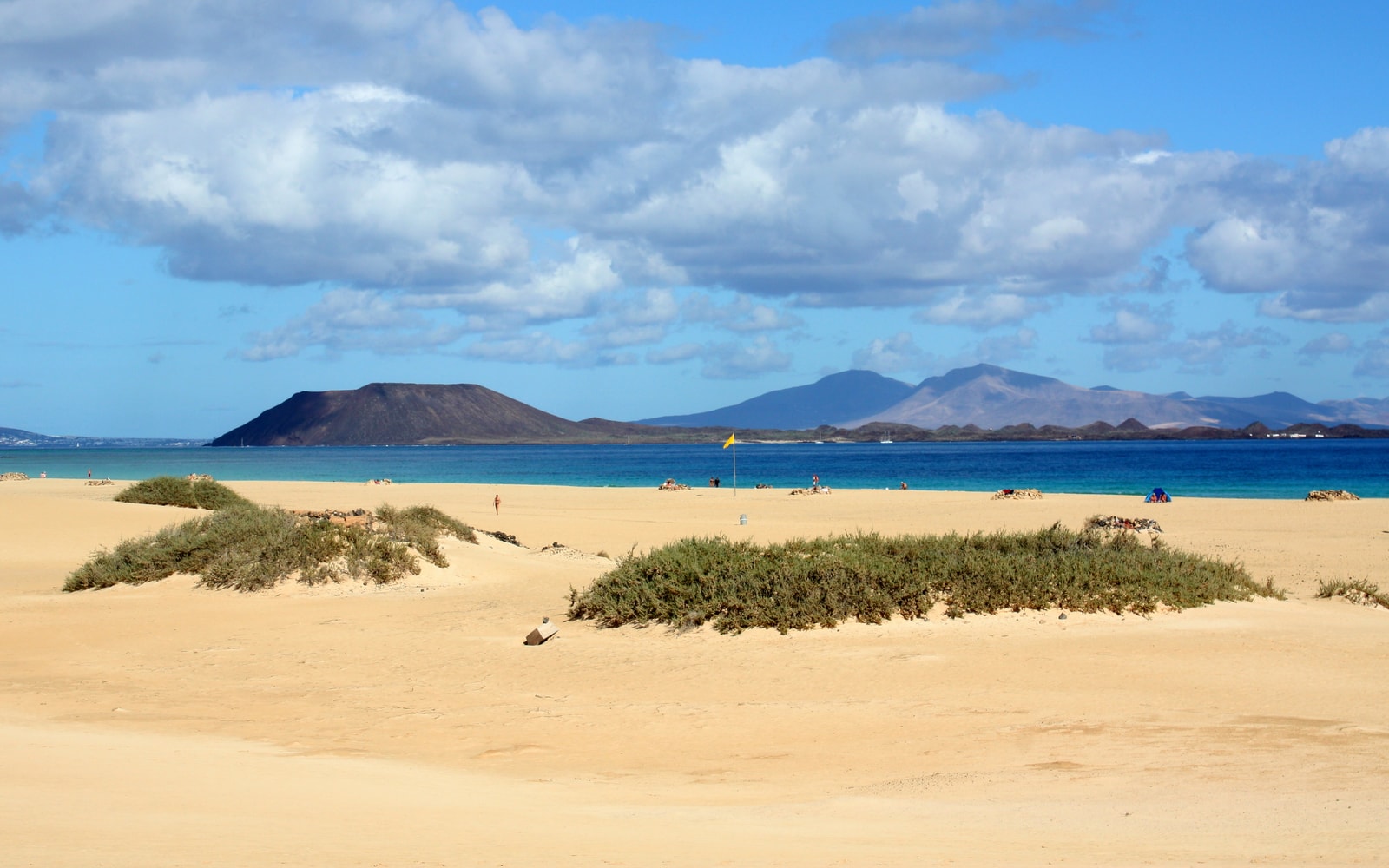
Just south of town lies the breathtaking coastline of Corralejo Natural Park. Here, the Grandes Playas unfold as a series of connected beaches backed by the Canary Islands' largest dune field, offering fine white sand and stunning views toward Lobos and Lanzarote.
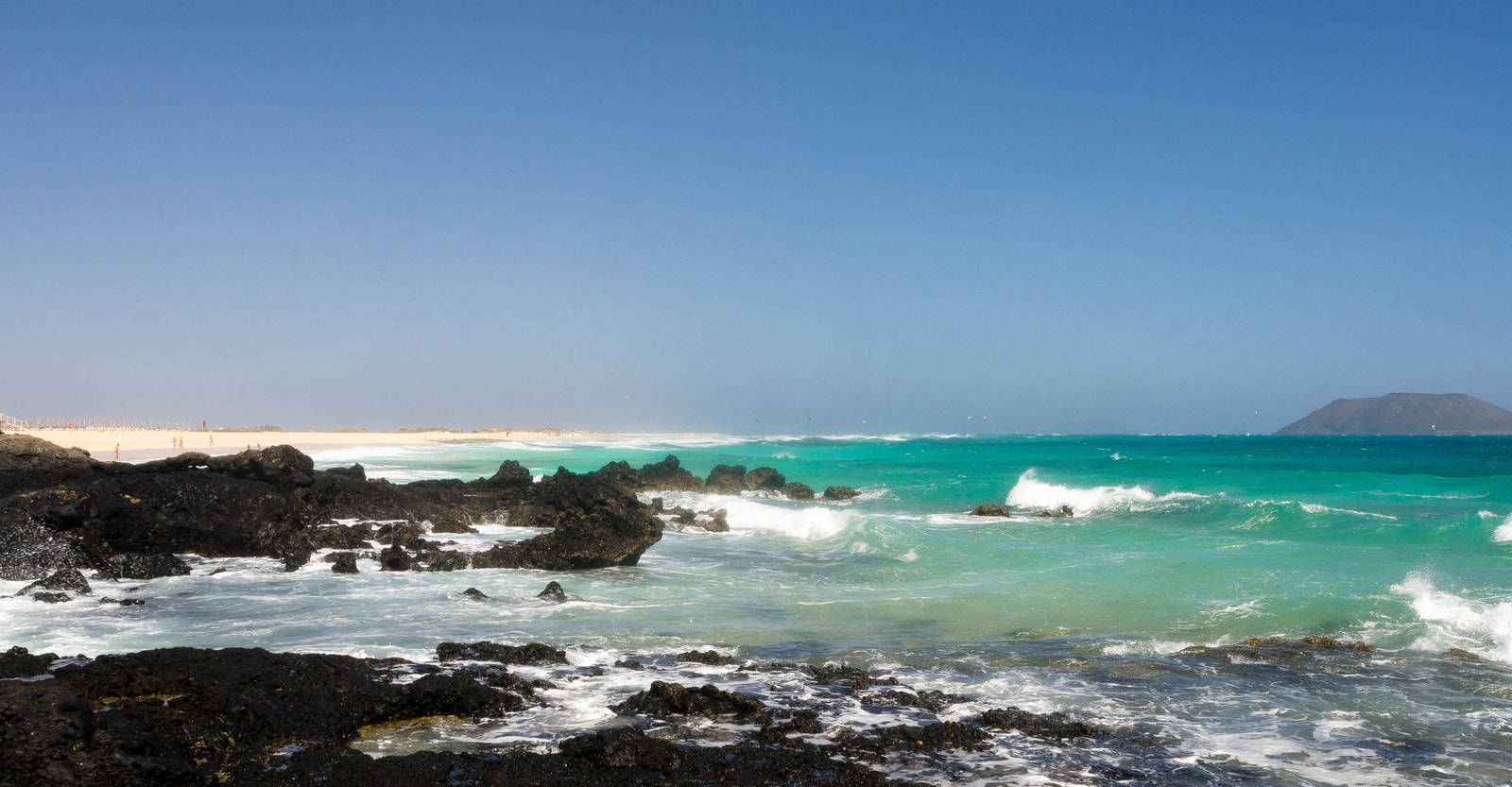
This exposed, windy shoreline is a paradise for watersports. Flag Beach and El Médano are renowned hubs for windsurfing and kitesurfing, catching the steady trade winds. For a beautiful bay perfect for photos, head to Playa del Moro.
Access to this area is from the FV-1 road. Visitors should park in designated areas and use signed paths to explore the fragile dune ecosystem on foot.
Flag Beach / El Médano: best for watersports atmosphere and views toward Lobos. This is the choice for watching kitesurfers and windsurfers rather than expecting the enclosed feel of a town beach. Keep clear of launch areas and do not assume conditions suitable for experienced watersports participants are suitable for casual swimming.
Bajo Negro versus Playa del Moro: choose Bajo Negro near the Riu hotels when beach services matter; the official tourism guide lists sunbed and parasol hire here. Playa del Moro is better approached as a scenic dune-backed stop, with supplies brought from town rather than a promise of full facilities. Facilities and lifeguard coverage vary along this coastline; check the particular beach instead of treating Grandes Playas as one serviced resort beach.
Popcorn Beach: A Geological Wonder
For a completely different coastal experience, head north toward Majanicho to find Playa del Bajo de la Burra, more famously known as Popcorn Beach. This unique shoreline is covered in rounded, fossilized calcareous algae that look remarkably like popcorn.
It is a fascinating stop for photography and geology, but it's not a conventional swimming beach due to its rocky shore. Visitors are reminded that this natural wonder is protected; it is crucial not to take any of the "popcorn" material from the beach to preserve it for everyone.
Island Excursions: Lobos and El Cotillo
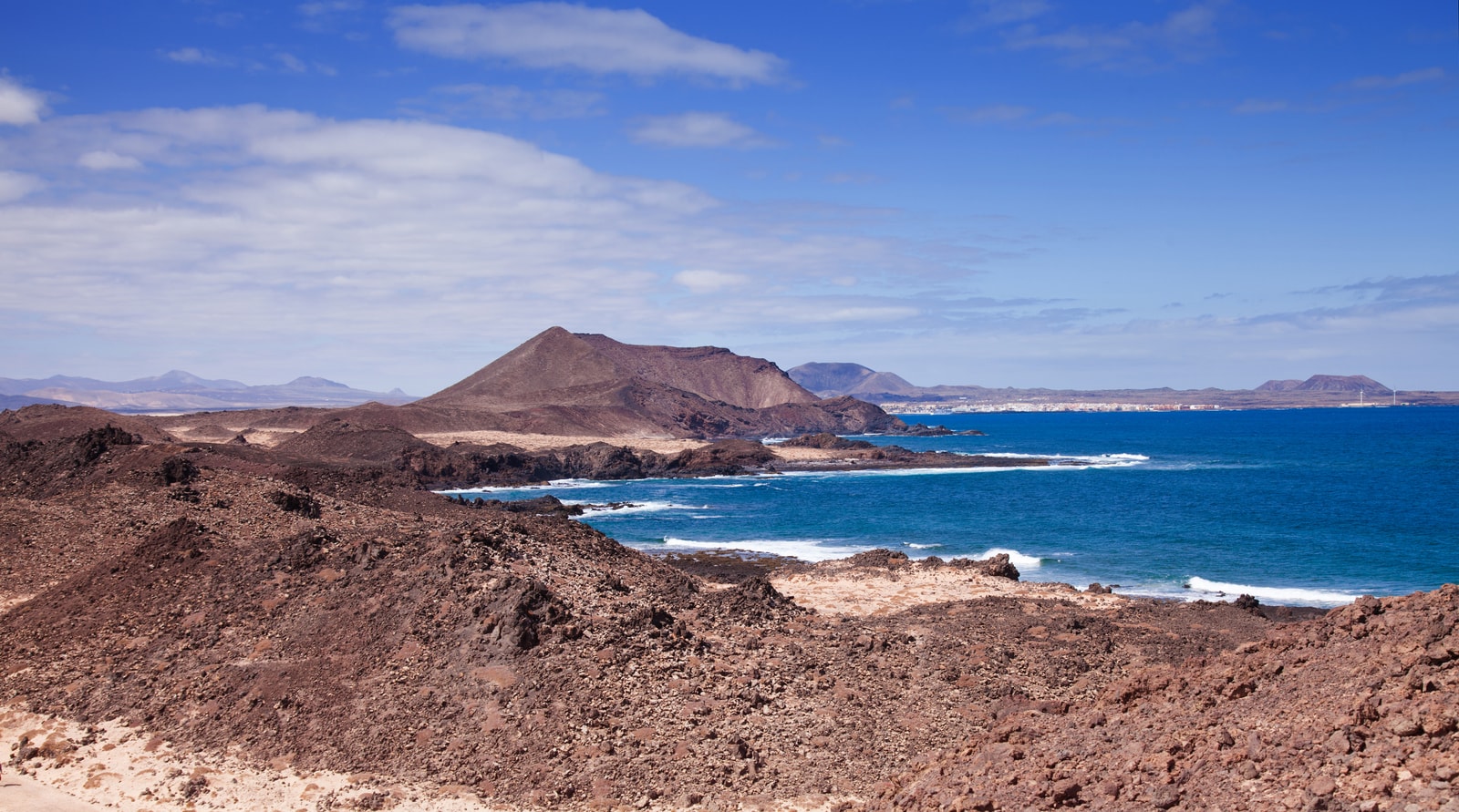
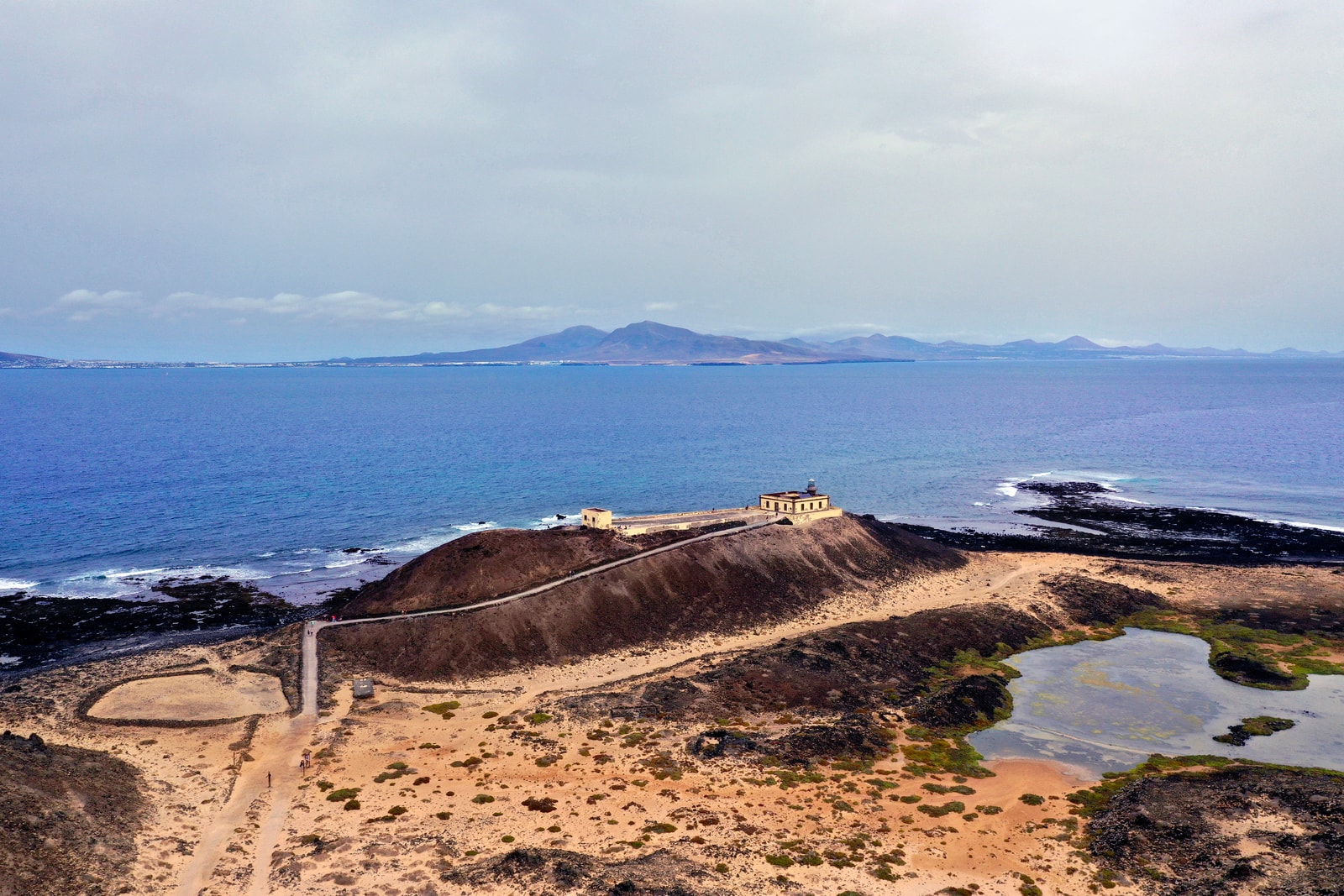
Corralejo also serves as a gateway to other stunning coastal areas. A short boat trip takes you to Lobos Island, a protected nature reserve. Here, you can find La Concha, a sheltered crescent of sand with calm water, perfect for a peaceful swim in a wilder setting. Access is regulated, so be sure to secure a permit through the LobosPass system in advance.
For a west-coast alternative, visit the village of El Cotillo. Its beaches offer a different character, from the reef-protected, calm waters of La Concha to the wilder, surf-oriented scenery of Piedra Playa. The Los Lagos and Los Charcos areas also provide sheltered, lagoon-like bathing spots framed by volcanic rock.
Planning Your Visit: Wind, Water, and Safety
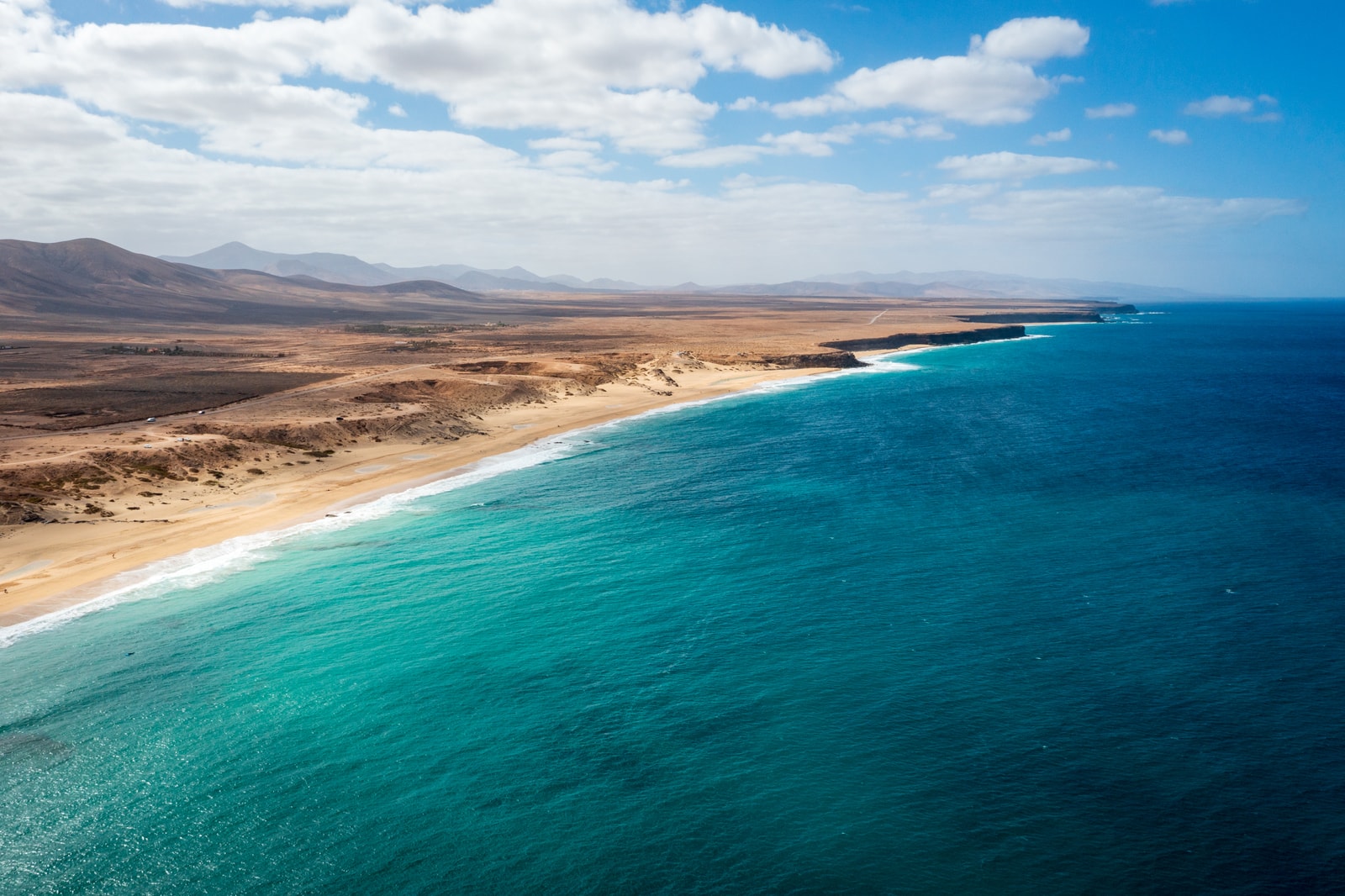
Fuerteventura's trade winds are a defining feature, especially in summer. While they create world-class conditions for windsurfers and kitesurfers, they can make sunbathing on exposed beaches like Grandes Playas feel chilly. For calmer days, stick to the sheltered town coves.
Always respect local conditions. Open Atlantic beaches can have strong currents and swell, so always check the flags and lifeguard warnings. Low tide can also reveal rocky areas, making water shoes a good idea. The cooling breeze can be deceptive, so remember that UV exposure is intense; use sunscreen, seek shade, and stay hydrated.
When visiting the Corralejo Natural Park, follow conservation guidelines: stay on signed paths, take all waste with you, and do not remove any plants or stones. This helps protect the fragile dune environment for future visitors.
Getting to Corralejo’s Beaches: Walking, Buses and Parking
Without a car: use the town beaches for the simplest day. Corralejo Viejo, Clavellinas and Muelle Chico fit a walk around the central waterfront, but walking time depends on your accommodation: a central apartment and a hotel on the resort’s southern edge are not equivalent starting points. The dune beaches extend beyond town, so check the distance to your specific beach rather than walking toward “Grandes Playas” without a plan.
By bus: TIADHE line 6 serves the Puerto del Rosario–Corralejo corridor. Its published information distinguishes general services from Los Hoteles variants; confirm which departure and stop suit the Riu/dune-beach area, plus the return service. The route is not a shuttle to every dune cove. For El Cotillo, check line 8 separately.
By car or taxi: specify Flag Beach, Bajo Negro or Playa del Moro rather than simply asking for Corralejo Beach. Budget the journey from your actual starting point, plus the walk from the drop-off or parking area to the sand. Use designated roadside parking and signed access along the dune road; never drive onto the dunes or beach. A taxi can simplify the outward journey, but arrange how you will return from a less-serviced stretch.
What to bring: water, sun protection and a wind-resistant layer are useful beyond town. Do not assume remote dune beaches have toilets, cafés, shade or staffed lifeguard posts. For the fewest logistics, choose Corralejo Viejo; for dunes and more space, accept the extra transport and bring supplies.
Corralejo Beach Days in October, November and December
October: plan for beach time but select the beach according to the day’s wind and swell. Town coves are a useful first option when you want nearby facilities and less exposure than the open dune coast. Shelter is relative, not a guarantee of safe swimming.
November: keep a beach day flexible enough to become a dune walk or waterfront lunch if conditions deteriorate. Autumn and winter can bring stronger Atlantic swell, which is appealing to experienced surfers but can make bathing unsuitable. Check forecasts, flags and lifeguard advice before entering the water; sunshine alone tells you little about currents.
December: start outings earlier to make use of shorter daylight hours and carry a layer for breezy beach stops and the journey home. For climate context, AEMET’s 1981–2010 Fuerteventura Airport normals show average daily highs of about 26°C in October, 24°C in November and 22°C in December, with December wetter than October. These are historical airport averages, not a Corralejo forecast or a measure of sea temperature.
Choose by conditions, not the calendar: try a town beach for convenience and relative shelter, Grandes Playas for dune scenery on a suitable day, and Popcorn Beach for a photography stop rather than a swimming plan. At any beach, skip bathing when flags, swell or local advice indicate it is unsafe.
Autumn 2026 Events in Corralejo
If you're planning a trip in late 2026, you can experience some of the area's vibrant cultural events. These festivals offer a great way to enjoy the local atmosphere after a day on the coast.
- Corralejo International Blues & Jazz Festival (October 22–24, 2026): An open-air festival held near the town's promenade, bringing music to the heart of the resort.
- International Kite Festival / Corralejo Kite Fest (November event; confirm the 2026 programme before travelling): Giant kites are displayed around Corralejo’s dunes, with activities also held at El Cotillo. The linked tourism listing gives November 9–15 without an explicit year, so those dates should not be treated as confirmed for 2026.
- Market of Traditions, La Oliva (Various dates in Oct, Nov, Dec 2026): A local market featuring culture, crafts, and gastronomy at Casa del Coronel.
Gallery
Additional Resources
- Official Tourism Page for Corralejo Beach
- Official Tourism Page for Corralejo Viejo Beach
- The Surf Atlas: Corralejo Beaches
- The Surf Atlas: El Cotillo Beaches
- Official Tourism Guide to La Concha Beach in El Cotillo
- Official Guide to La Concha Beach on Lobos Island
- Story of Popcorn Beach
- Tiadhe Bus Line 06 Route Information
- Cabildo de Fuerteventura Line 06 Bus Schedule
- Cabildo de Fuerteventura LobosPass Announcement
- Information on Lobos Island Access Permits
- Tips for Safe Bathing in the Canary Islands
- Safety Tips for Unguarded Beaches
- Corralejo International Blues & Jazz Festival 2026 Event Listing
- Spain.info International Kite Festival Guide
- Corralejo Kitefest Schedule and Overview