Alcúdia Beaches: Best Beaches Near the Town (2026 Guide)
Choose between Port d’Alcúdia’s sandy shore, Playa de Muro and the peninsula’s smaller coves, with practical advice for visiting in autumn and winter.
Published on 14 Oct 2026 09:39 GMT
Alcúdia Beach (Playa de Alcúdia) is the easiest choice for a sandy beach day near the town, especially if you want restaurants and a straightforward walk to the waterfront. Alcúdia’s walled old town is inland; Port d’Alcúdia is the coastal resort and harbour beside the main beach. Check which one your accommodation is in before assuming you can step straight onto the sand.
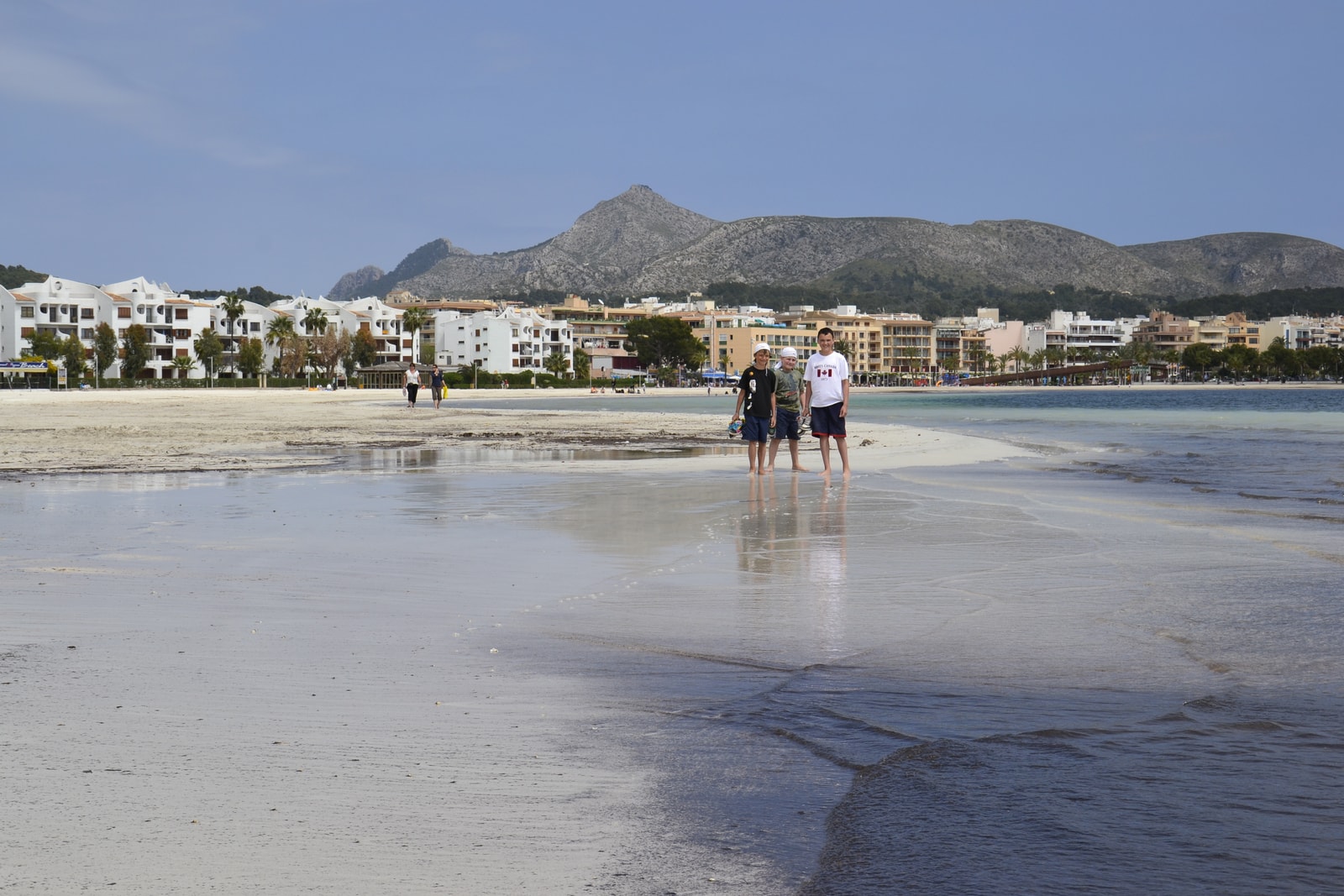
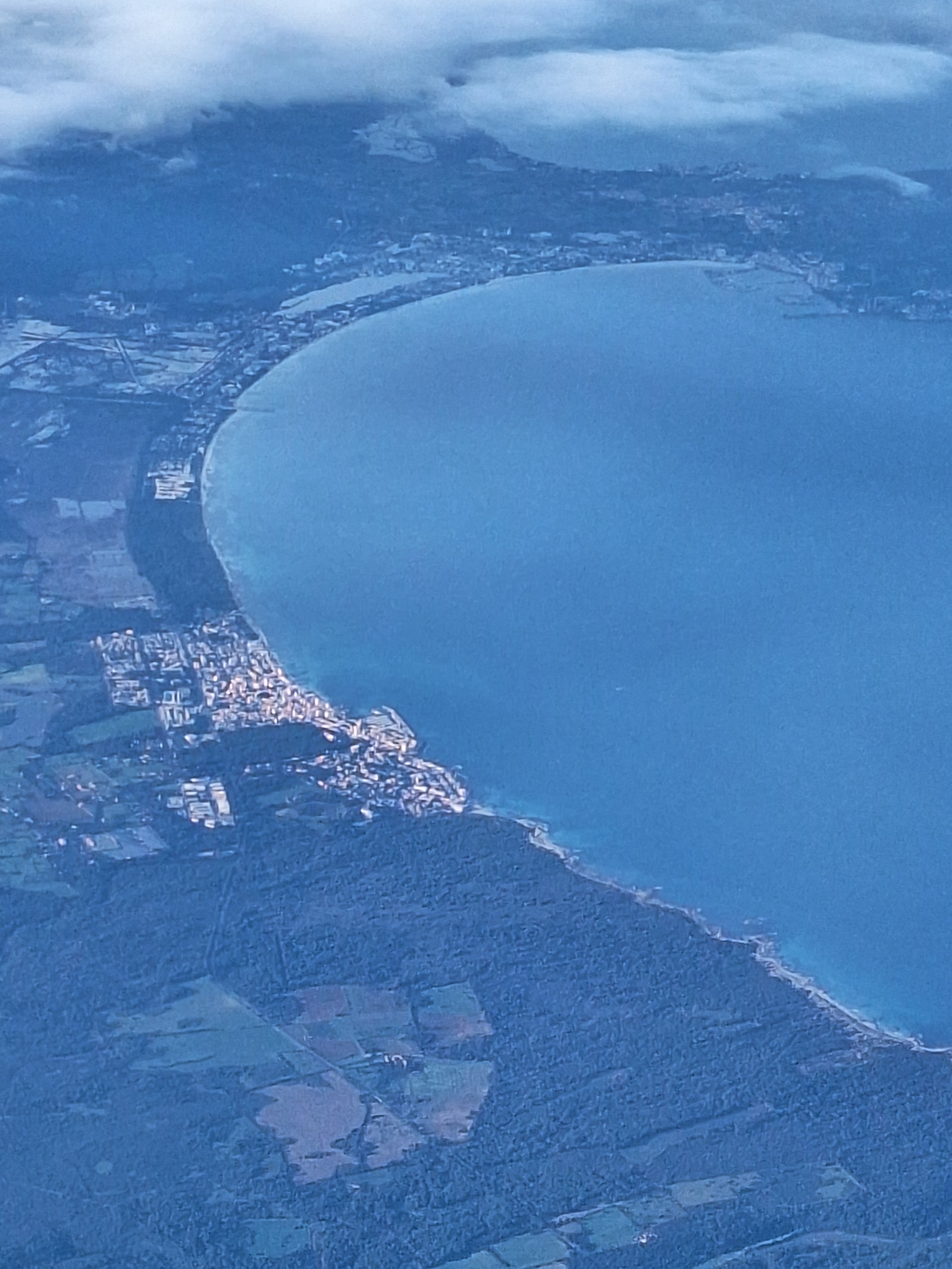
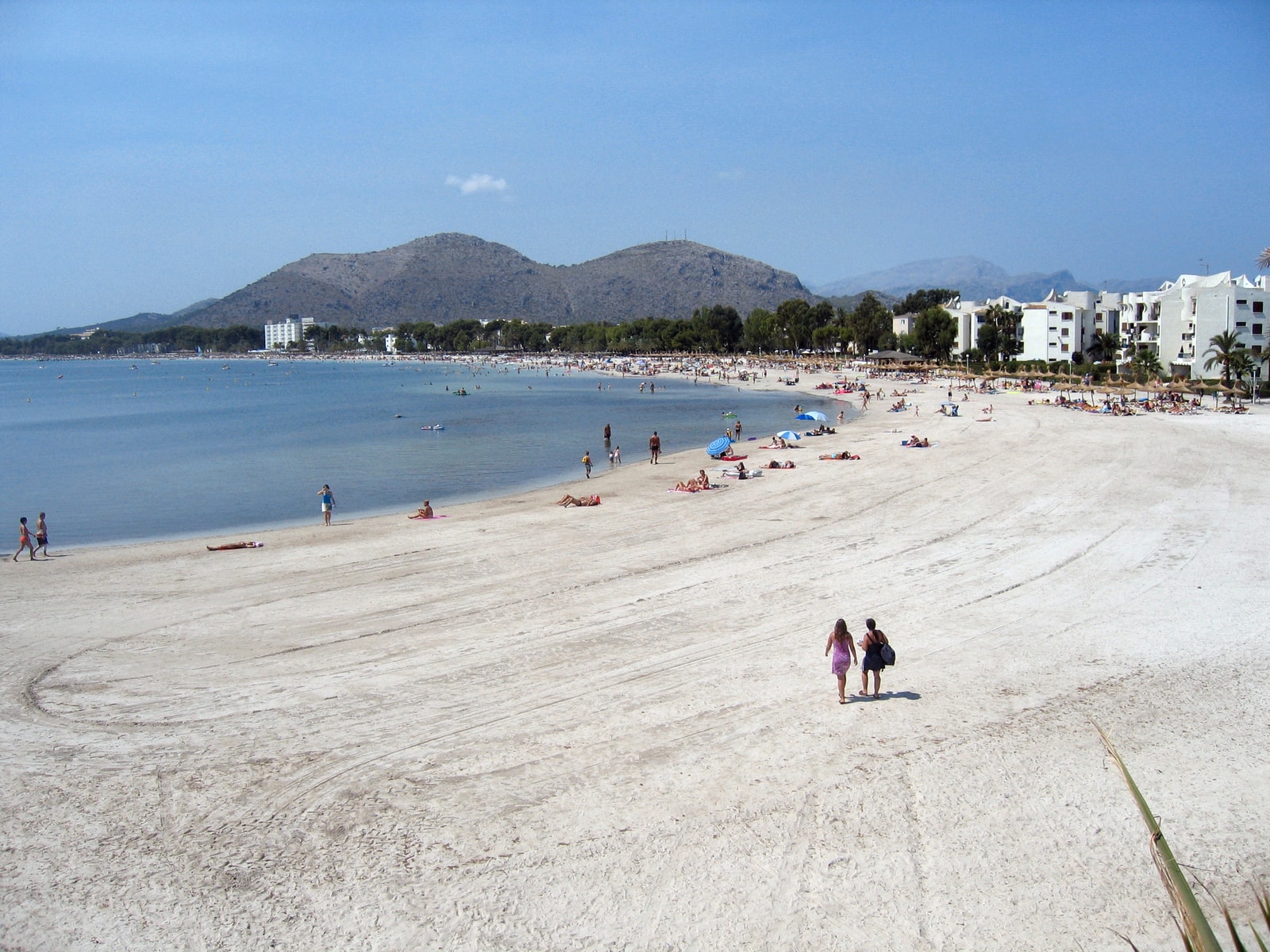
Playa de Alcúdia, also known as Alcúdia Beach, is the main event. Stretching for roughly 3.5 kilometers, its fine white sand meets shallow, gently shelving water, making it an ideal spot for families and casual paddling. You may need to wade out a bit for a deep-water swim.
The northern end, beside Port d’Alcúdia, is the most convenient. A promenade backs the beach, putting shops and restaurants within easy reach. This area is also a hub for watersports, with activities like windsurfing, paddleboarding, and parasailing often available seasonally.
South along the connected sandy bay, Playa de Muro offers both serviced resort beaches and the protected dune-backed shore of Es Comú. Choose the section, not just the beach name: the facilities and atmosphere are different.
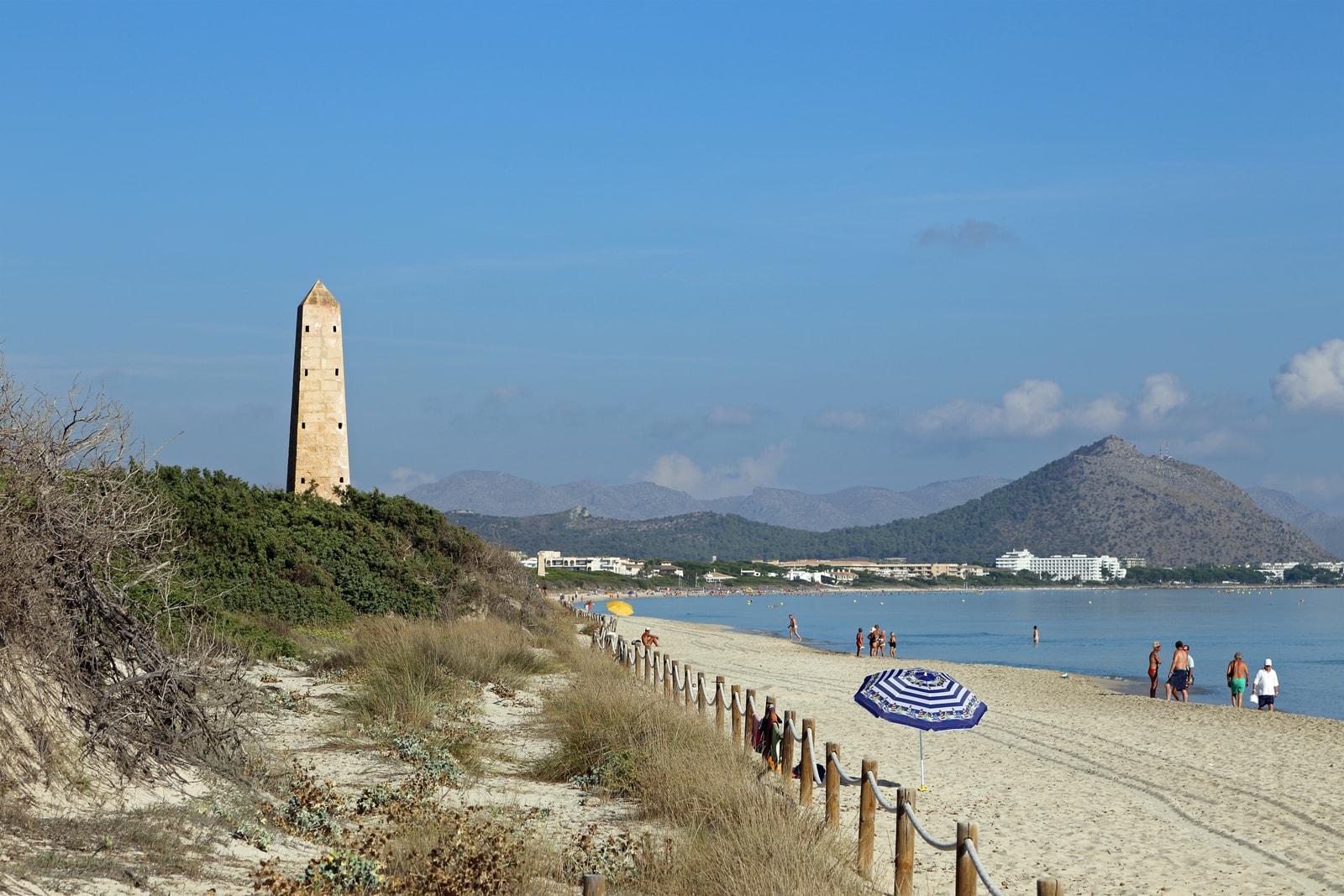
Choose Playa de Alcúdia for convenience. The port end suits families who want soft sand and somewhere to eat nearby, and visitors staying without a car. The long shoreline allows a walk away from the busiest access points, but its gently shelving seabed is not a promise of safe conditions on the day. Café terraces offer a break from the sun; do not count on natural shade across the open sand.
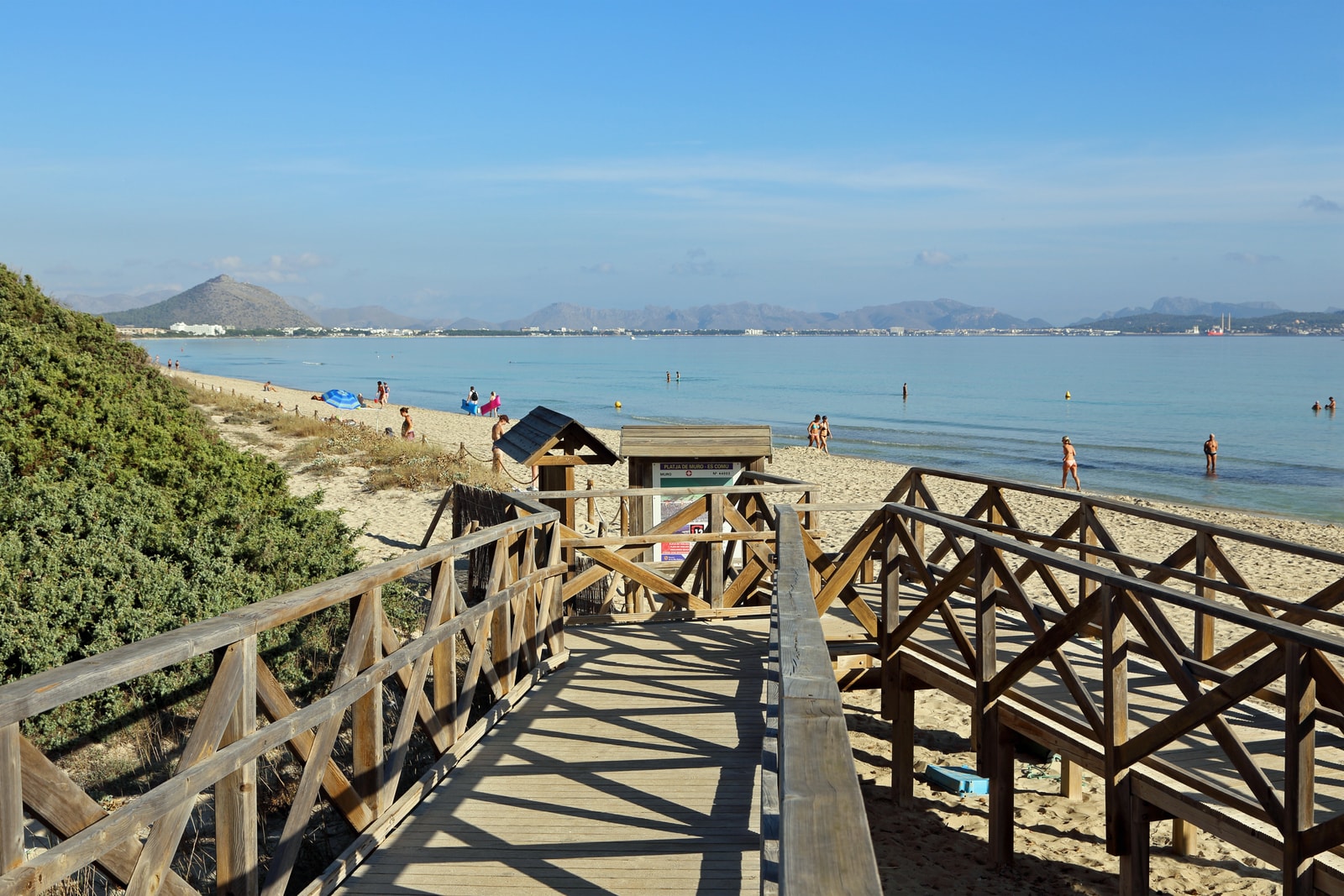
Choose serviced Playa de Muro for sand with facilities. Its developed sectors 1 and 2 retain the resort-beach feel, with nearby accommodation, food options, beach-access infrastructure and toilets listed by the destination’s visitor guide. They are not the same experience as the undeveloped dune-backed stretch farther south. Check seasonal opening before relying on rentals or staffed facilities in late autumn.
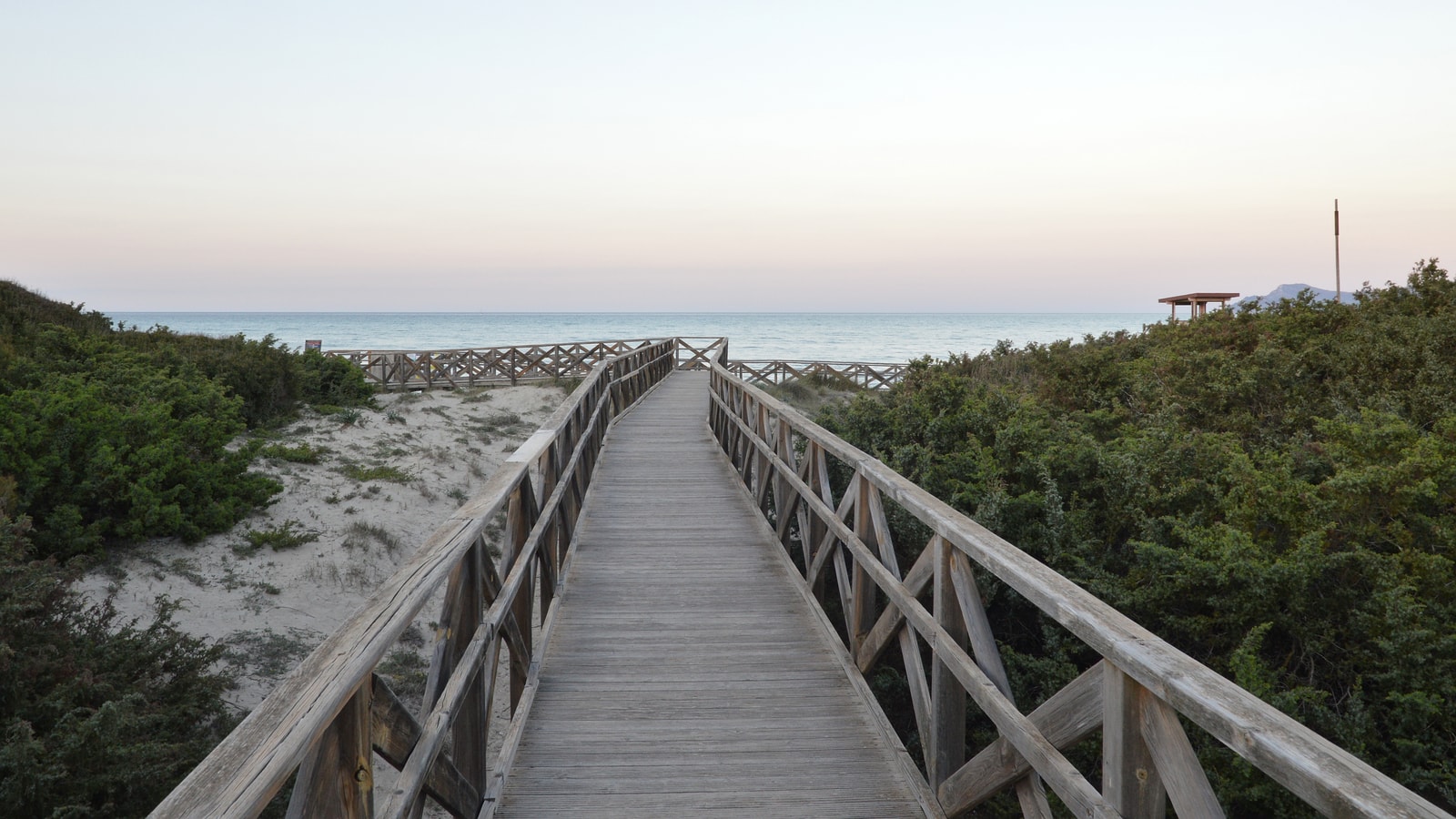
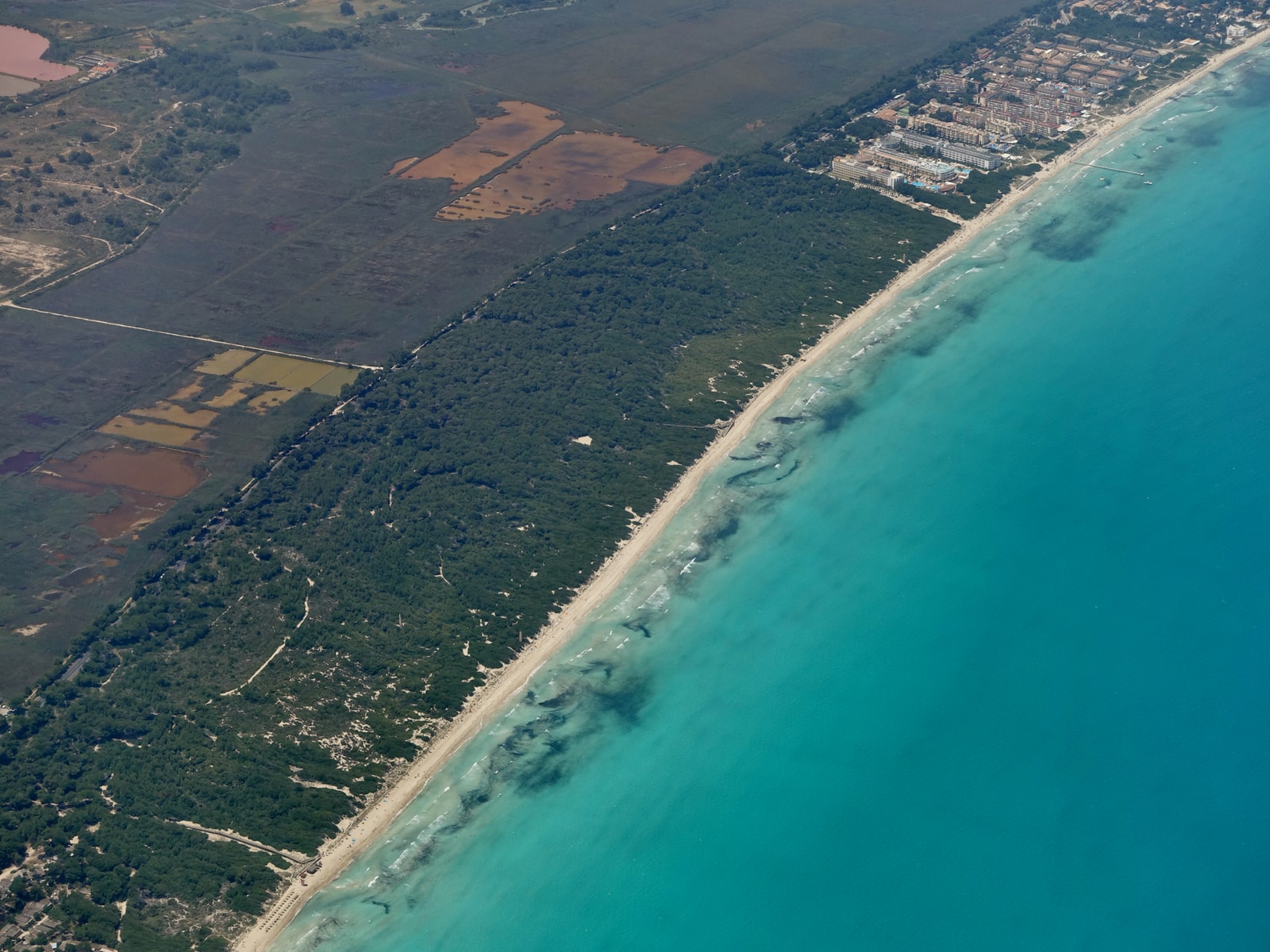
Choose Es Comú for a more natural setting. This protected part of Playa de Muro has no sunbed or parasol rentals and no beachfront resort buildings. Access is on foot along the shore or authorised paths from the Ma-12 side; keep off the dunes and leave vehicles in authorised parking. Bring food, water and shade rather than expecting the services of the neighbouring resort beaches. It suits a coastal walk or a self-sufficient beach visit, not someone needing toilets and refreshments close at hand.
Visiting Alcúdia’s Beaches in October, November and December
An October–December visit calls for a different plan from a summer holiday. Use the main sandy bay for flexible outings near the resort, and treat the smaller coves as optional excursions when the weather and access conditions suit. The following is seasonal planning guidance, not a forecast for your travel dates.
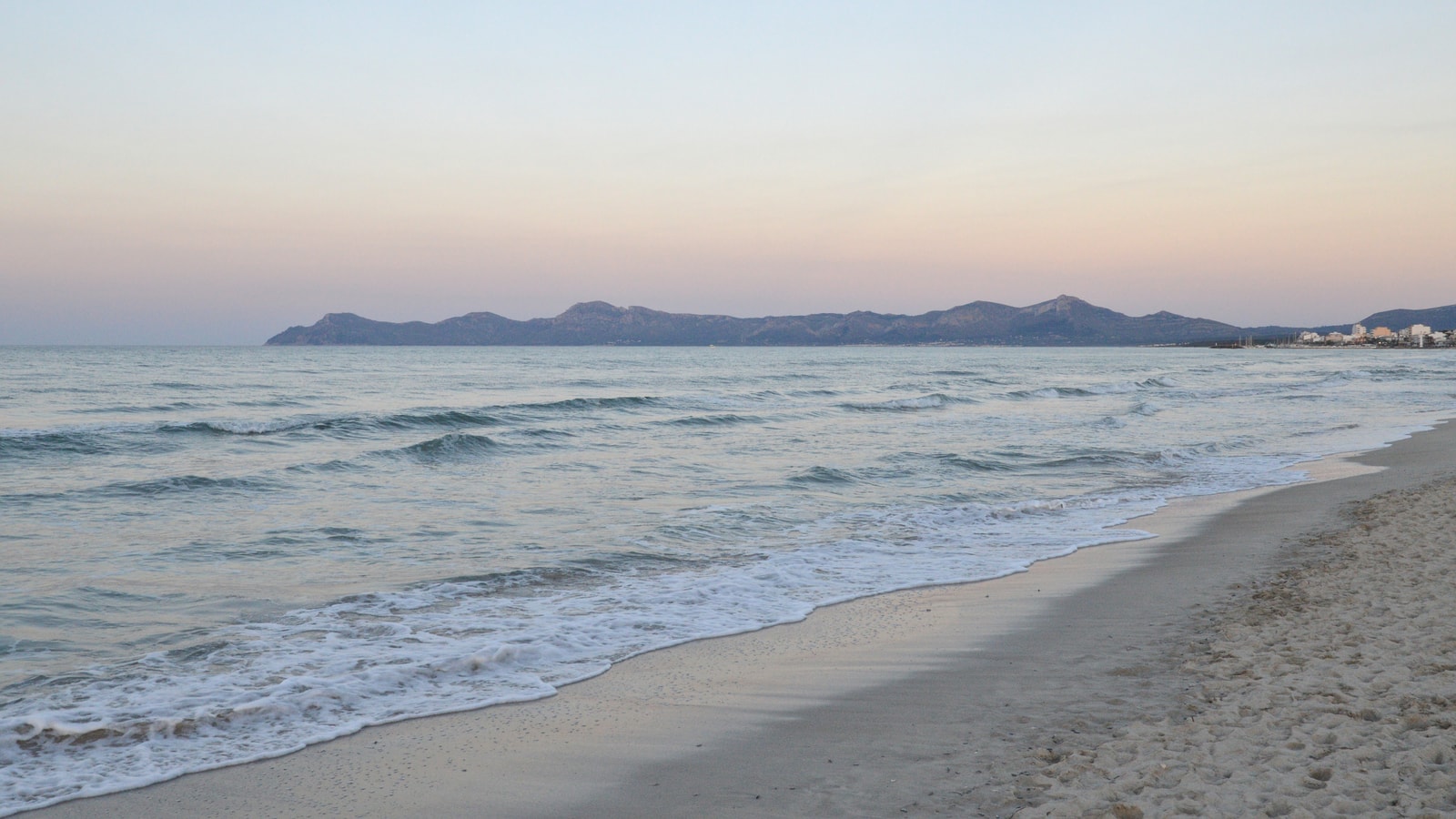
October: Leave room for a beach afternoon, but keep an old-town visit or café stop as an alternative if rain or wind interrupts it. Playa de Alcúdia and the serviced parts of Playa de Muro are practical bases because you can shorten the outing without committing to a remote hike. Do not book activities on the assumption that every watersports operator or beach rental remains open.
November: Focus more on coastal walks, scenery and time in the town than on a guaranteed swimming holiday. On a dry day, compare the port-side promenade with Es Comú’s dune-backed shore; for the latter, take supplies and use the marked access paths. Check your return bus before setting off, and avoid making a remote cove the only plan for the day.
December: Plan shorter daylight outings, bring layers and a rain jacket, and use the main beach as an easy addition to the town rather than promising a full day of sunbathing. For context, AEMET’s historical Palma Airport normals give average daytime highs of about 24°C in October, 19°C in November and 16°C in December. These are an island reference, not Alcúdia-specific predictions or water temperatures.
Wind, waves and services: Check the day’s forecast and beach flags before choosing any shore. A smaller cove is not automatically sheltered or safe; if there are strong winds, rough seas or weather warnings, switch to an inland outing rather than searching for somewhere to swim. Shorter days also leave less margin for the return from Coll Baix. Do not assume lifeguards, sunbeds, showers or beach bars operate through winter.
Beyond the Bay: Quieter Coves and Snorkeling Spots
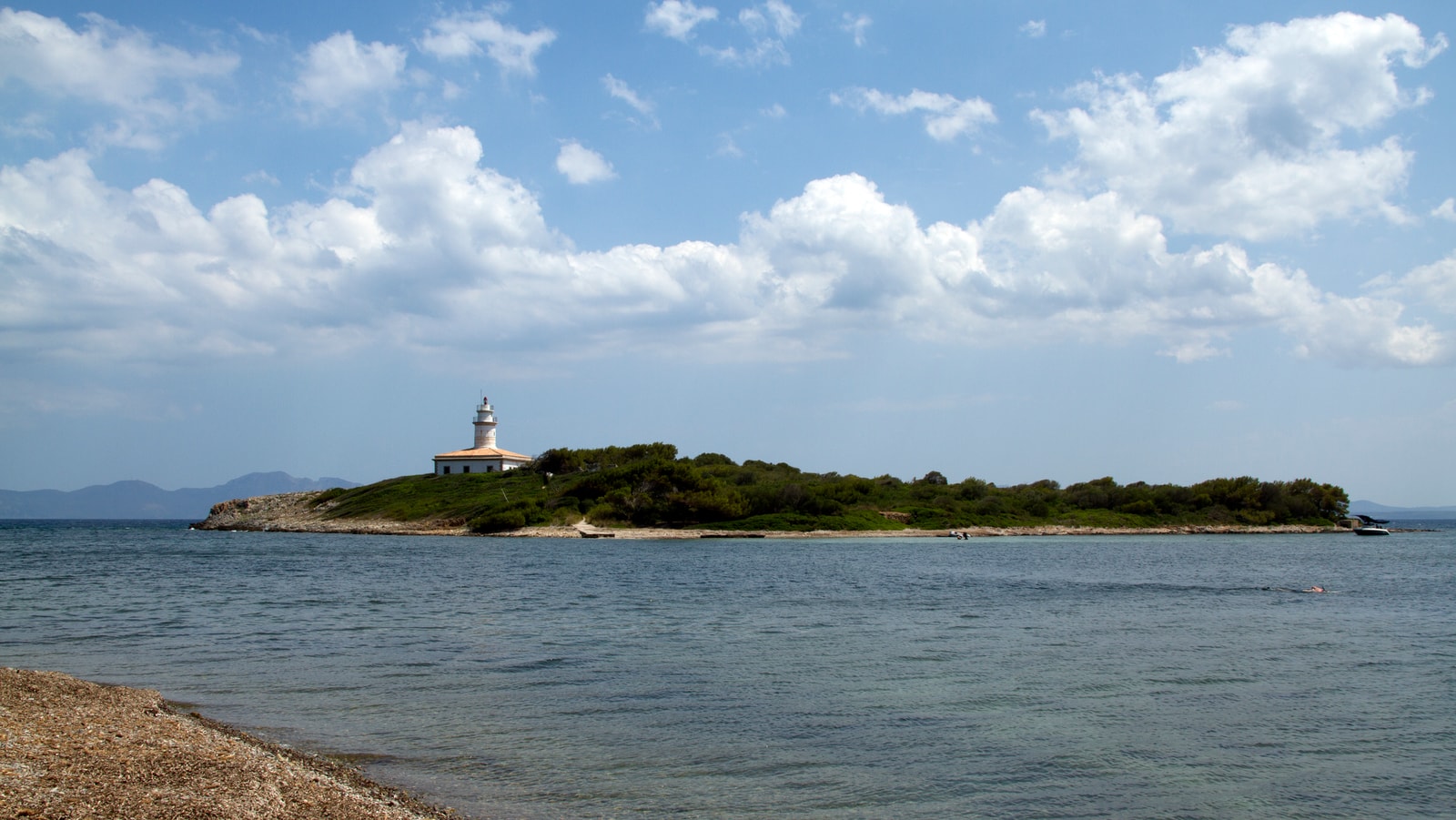
The peninsula offers a different beach day from the long resort bay. Sant Joan, Sant Pere and S’Illot face the Bay of Pollença, while Alcanada lies east of Port d’Alcúdia, looking towards its lighthouse island. These are separate outings, not successive stops along the main sandy promenade.
Sant Joan — a compact sandy alternative. Choose it when you want a smaller beach with views towards Formentor rather than the scale of Playa de Alcúdia. The official tourism guide describes a roughly 100-metre sandy shore, a small car park and seasonal beach amenities. Its limited size means it is not a guaranteed escape from crowds.
Sant Joan is about 2.6 km from Alcúdia according to that guide: a bicycle outing or a substantial walk, not a few steps from the port promenade. Allow roughly 40 minutes or more on foot, depending on your starting point and route. Bring water and sun protection; confirm the beach bar and rentals are operating if your October–December plan depends on them.
Sant Pere — sand beside the Mal Pas neighbourhood. This neighbouring cove is another choice for a smaller sandy setting rather than a rocky shore. Spain’s tourism guide lists toilets, showers and lounger and sunshade rental, but their listing is not a guarantee of winter availability. Choose it for a compact beach visit; skip it if you need the main bay’s long walking space and wide choice of nearby services.
Sant Joan and Sant Pere are separated by a rocky strip. Look at conditions and available space at each rather than assuming one is always quieter or calmer. For a late-year visit, take your own essentials and plan the route back to town before settling in.
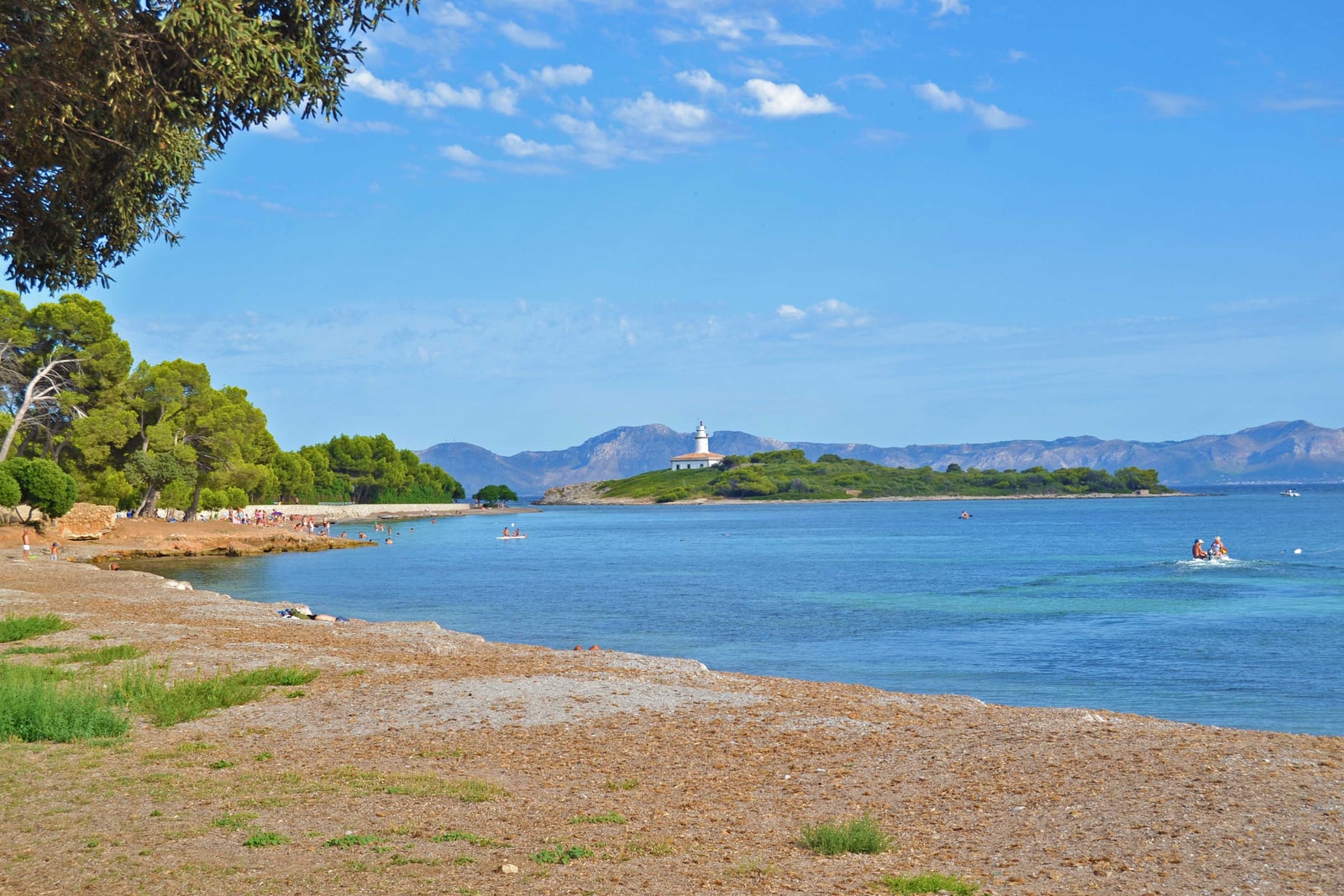
Alcanada — lighthouse views and a picnic setting. Its pebble-and-stone shore and pine trees make it more appealing for scenery than for visitors who specifically want soft sand. The official guide notes natural shade, a small car park and no services on the beach itself. Carry food and water, and take suitable footwear for the stony edge.
Choose Alcanada for a slower outing with views of the islet; choose Playa de Alcúdia instead for sandcastles, easy beach access and more facilities nearby. Nearby village businesses are not a substitute for services at the shore, particularly outside the main season. Enjoy the island from land rather than assuming the crossing is a suitable swim.
S’Illot — a rocky coastal outing on La Victòria. This is the cove near Alcúdia, not the resort of the same name on Mallorca’s east coast. Coarse sand, pebbles and the rocky seabed distinguish it from the resort beaches. It can interest snorkellers when conditions are suitable, but it is not the easiest choice for visitors wanting soft sand or uncomplicated water entry.
The official guide places S’Illot about 4.6 km from Alcúdia and describes two small parking areas, a picnic area with shade and a nearby terrace bar. A car or taxi is more convenient than treating it as a short walk from the main beach. Take supplies and check the bar’s opening; in autumn and winter, the coastal scenery and picnic setting can be the reason to visit without entering the water.
The Adventurous Choice: Hiking to Es Coll Baix
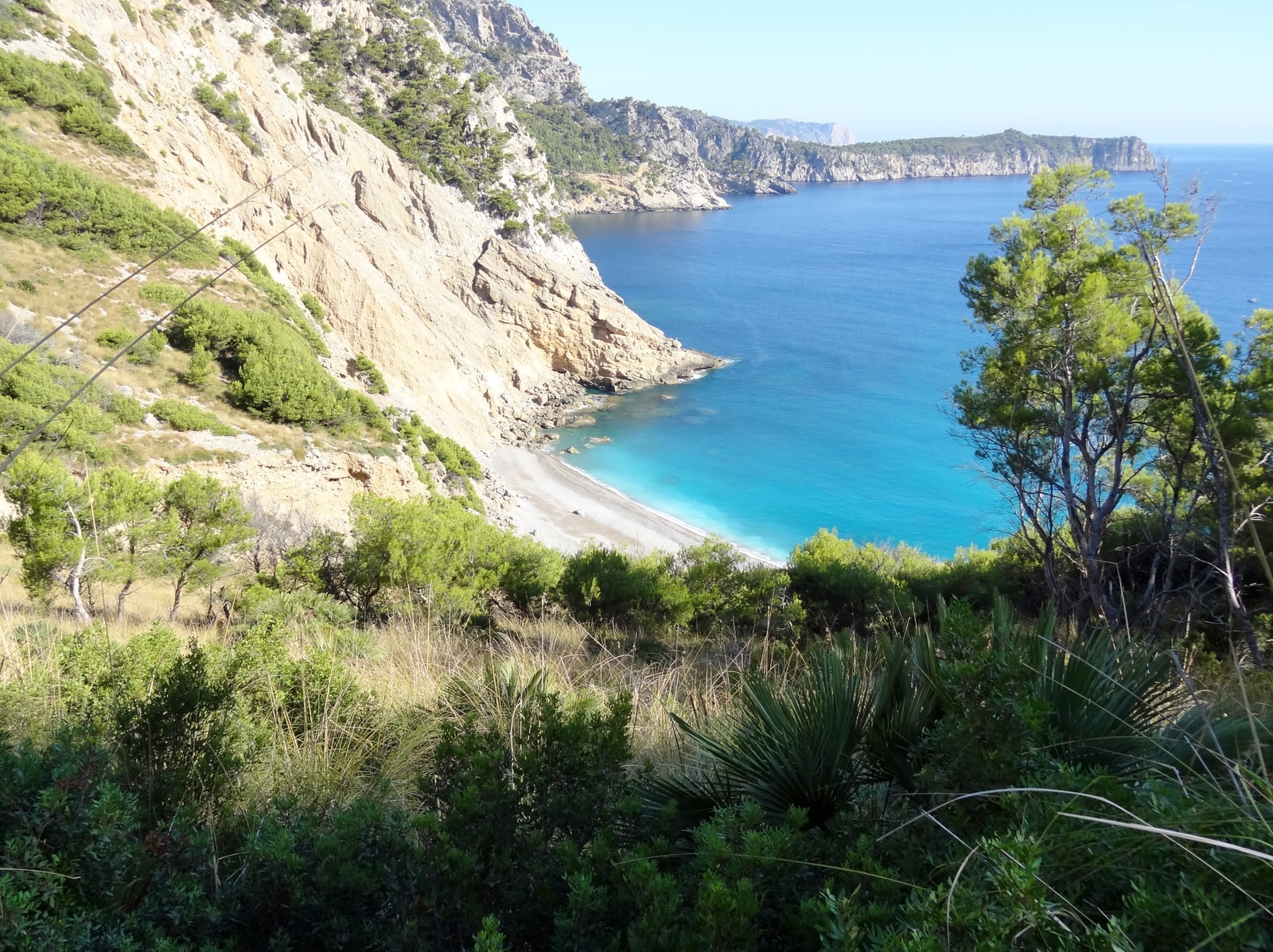
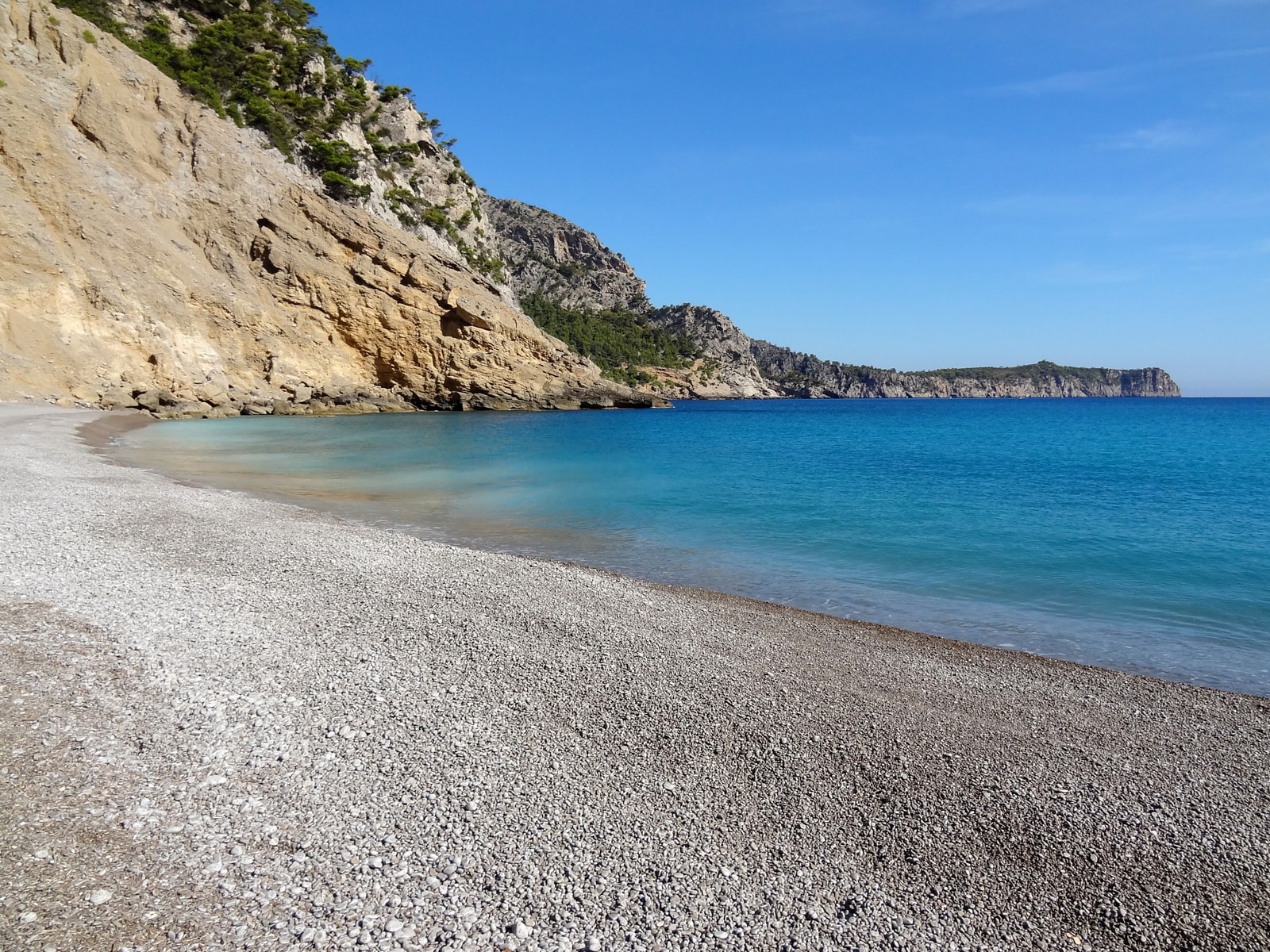
If you’re looking for a beach day that feels like a genuine excursion, Es Coll Baix is the answer. This is not a casual stop; reaching this remote cove is part of the adventure, rewarding the effort with dramatic, unspoiled scenery.
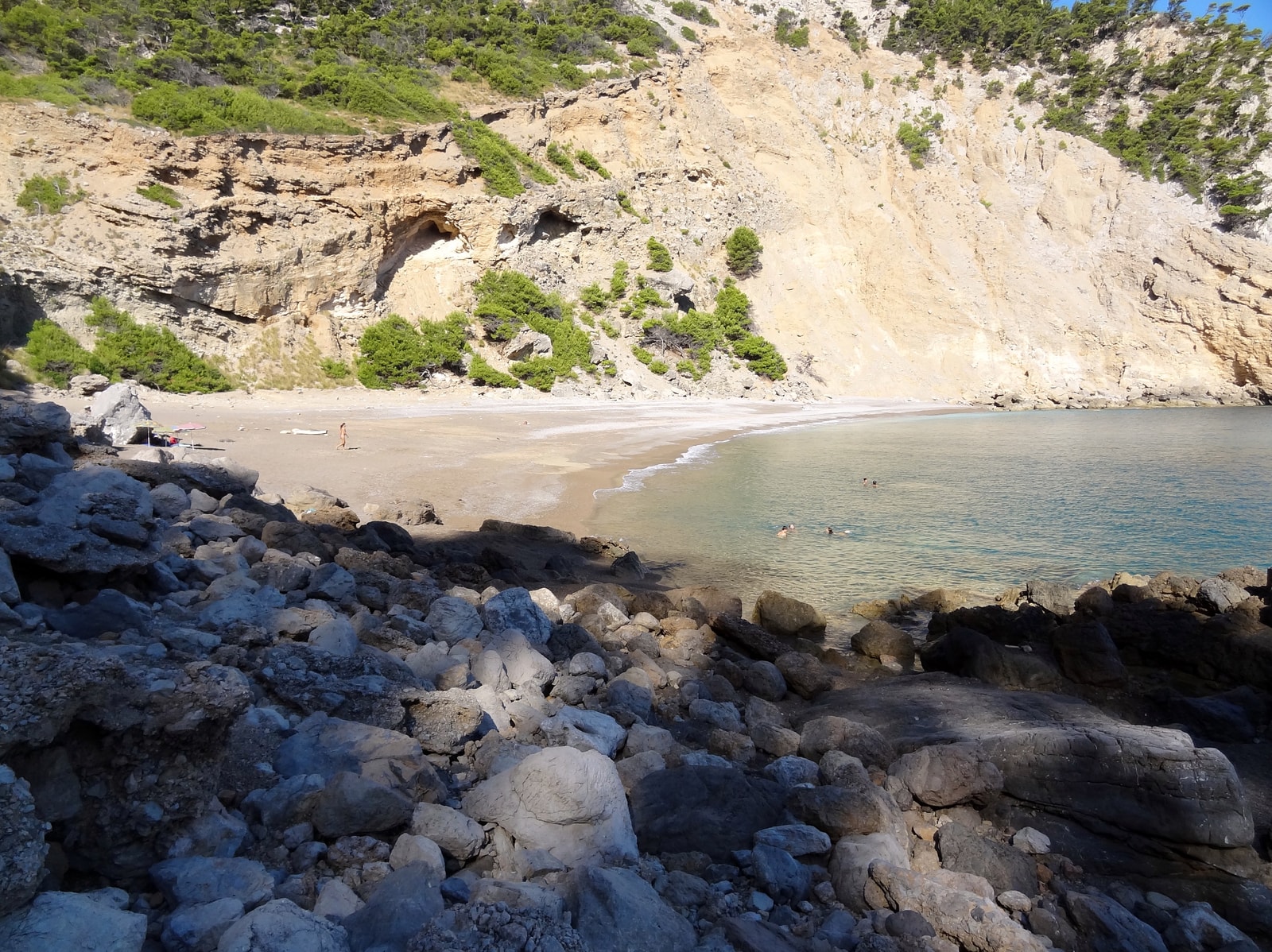
Nestled beneath steep cliffs, the beach itself is made of coarse pebbles and gravel, a world away from the soft sands of the resort areas. Access is either by sea or via a steep, rocky trail, so it's essential to be prepared. Before setting out, check the route and weather conditions.
This is a self-sufficient outing: carry water, food, sun protection and footwear with grip, and do not expect toilets, refreshments or other beach services. The reward is the dramatic setting, not a guaranteed swim. Skip the descent in wet or stormy conditions, leave time for the climb back and return before darkness. If easy access matters more than the hike, choose one of the sandy resort beaches instead.
Practical Tips for Visiting Alcúdia's Beaches
The easiest car-free beach base is Port d’Alcúdia, where you can combine the main sandy beach with the waterfront. Staying in Alcúdia old town gives you a different experience: plan a bus, taxi or walk to the coast rather than assuming your accommodation is beachfront.
Bus routes: TIB route 324 connects Alcúdia, Port d’Alcúdia, the Platja d’Alcúdia resort strip, Playa de Muro and Can Picafort. It is the local route to investigate for beach hopping along the sandy bay. Route 302 connects the area with Palma; do not assume every service permits short local journeys. Check the current itinerary, stop closest to your chosen beach and last return departure for your date.
Walking and parking: Choose the port end for a short waterfront outing; Playa de Muro is farther along the bay, so a bus is more practical than expecting every section to be a short walk. Drivers should use signed public parking and check restrictions at the space they choose. Sant Joan and Alcanada have small parking areas, so parking is not guaranteed. At Es Comú, park legally outside the protected area and enter on foot along authorised paths.
Toilets, showers and shade: The municipal beach guide lists cafés, toilets and showers at Playa de Alcúdia. Use the developed beach areas if nearby facilities matter, but check seasonal availability rather than assuming every access point has the same provision. The open sandy bay has limited natural shade; Es Comú requires your own supplies, while Alcanada’s pines and S’Illot’s picnic area offer a different setting.
Accessible beach visits: The municipality identifies the beach entrance on Carrer de Saturn as the base for technical aids and adapted bathing services. Contact the municipal service about operating dates, booking requirements and equipment for your visit. Do not assume assisted bathing is available in October–December just because the beach has accessible infrastructure.
Choosing without a car: Start with Playa de Alcúdia, then use the bus to compare a serviced Playa de Muro section. The peninsula coves require more route planning, while Coll Baix is a hiking excursion rather than a convenient bus-and-beach day. Beach access and optional paid rentals are separate: check posted prices before hiring equipment rather than relying on an unverified 2026 price estimate.
Safety First: Sea conditions can change. Descriptions like “shallow” or “calm” are general guides, not daily forecasts. Always heed local warning flags, check official weather notices, and do not assume lifeguard coverage, especially at smaller or remote coves.
Gallery
Additional Resources
- abcMallorca Guide to Playa de Alcúdia
- abcMallorca Guide to Es Coll Baix
- Information on S'Albufera Natural Park
- Playa de Muro Destination Guide
- Official Information for Sant Joan Cove
- Official Information for Coll Baix Cove
- SeeMallorca Guide to Alcúdia Beach
- SeeMallorca Guide to Playa de Muro
- SeeMallorca Guide to S'Illot Beach
- Mallorca-Beaches Guide to Alcúdia Beach
- Mallorca Tourist Guide to Alcanada
- Mallorca Tourist Guide to Playa de Sant Pere
- Mallorca.com Guide to Sant Pere
- Mallorca.com Guide to Coll Baix
- Official Weather Warnings for the Balearic Islands (AEMET)
- Public Transport Timetables (TIB)
- Accessibility Information for Alcúdia's Beaches
- Municipal Guide to Playa de Alcúdia
- Es Comú Access and Facilities
- Official Alcanada Beach Guide
- Official Sant Pere Beach Guide
- TIB Local Beach Route 324
- AEMET Historical Climate Normals: Palma Airport