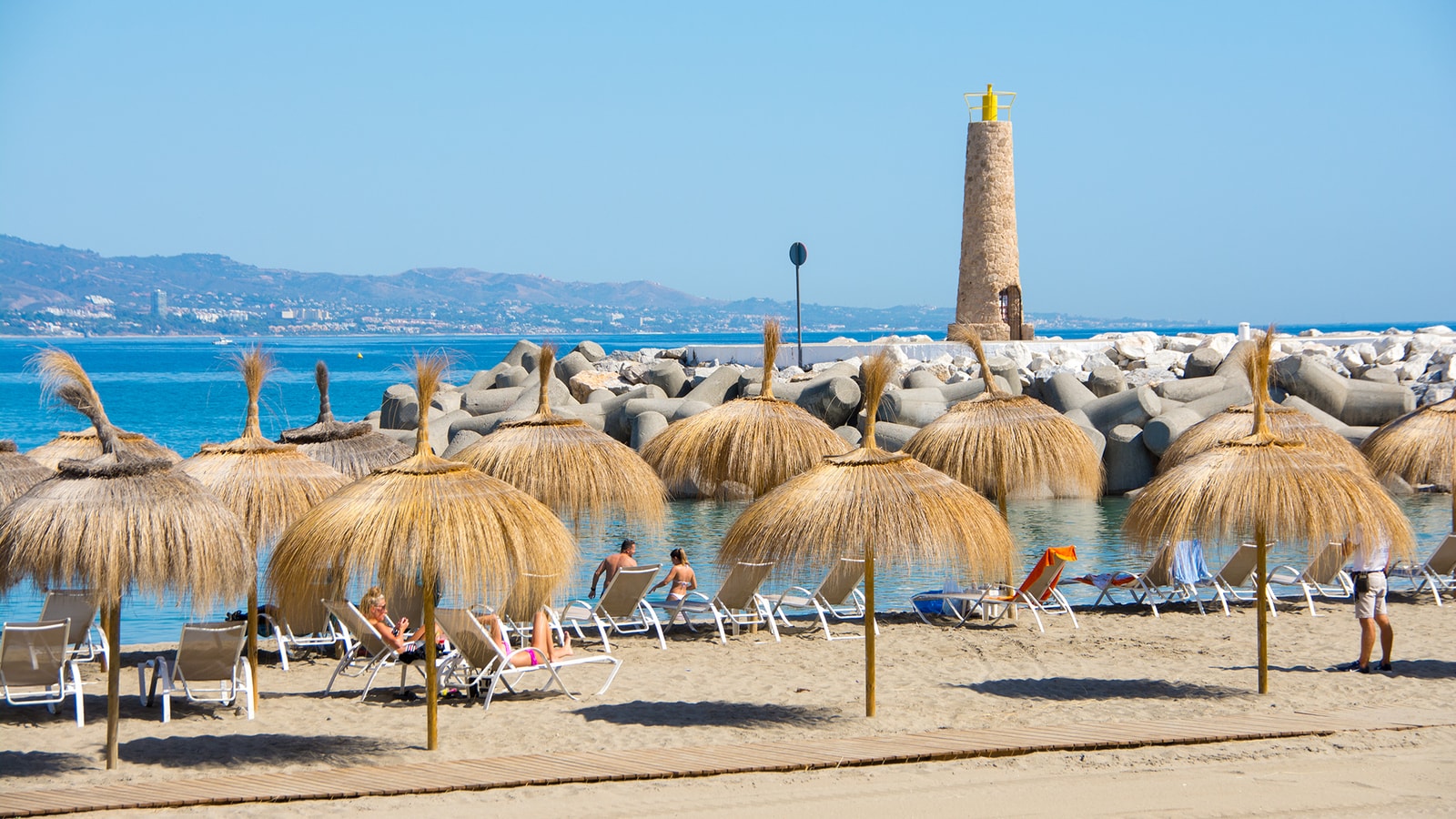
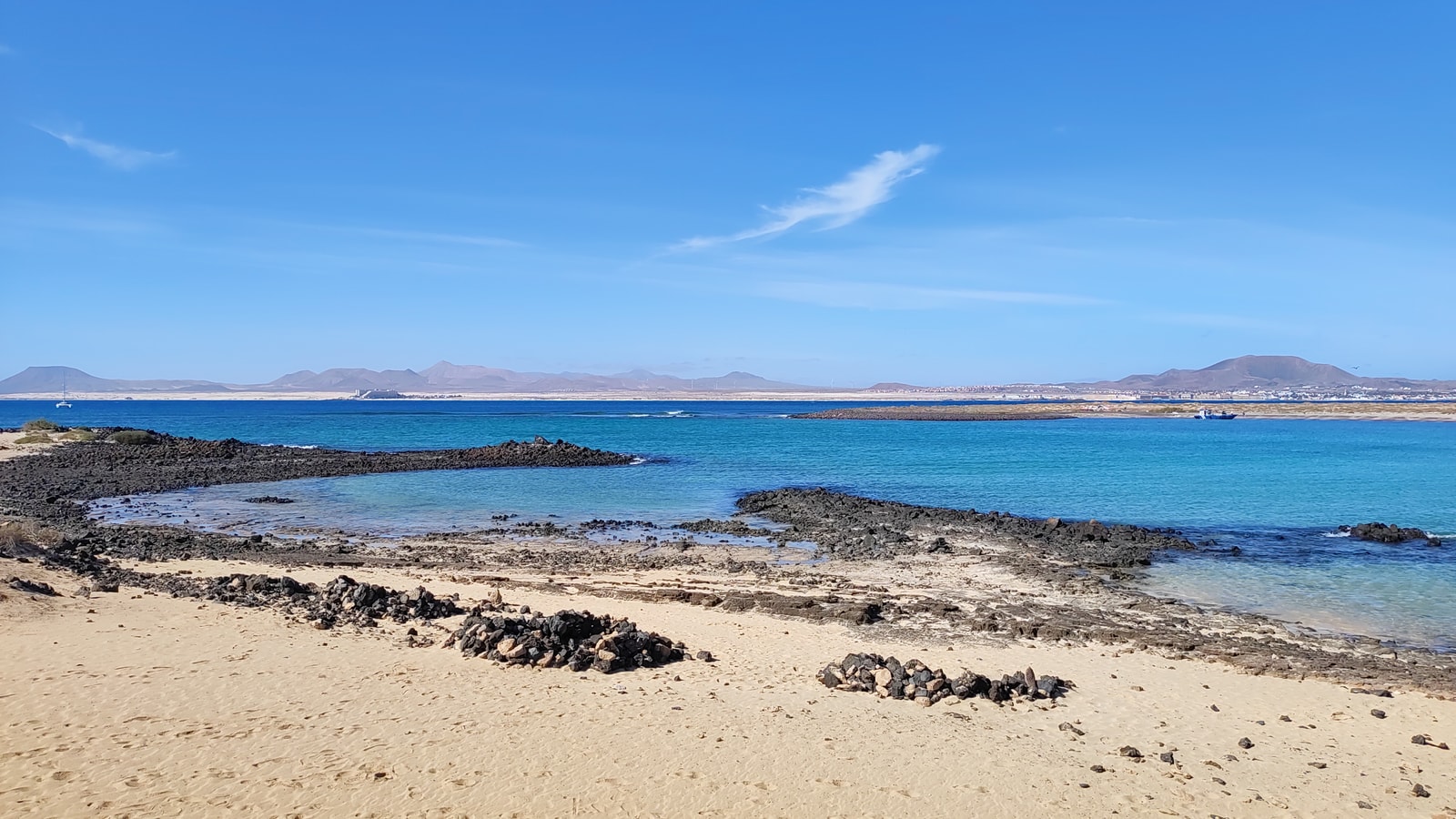
Cala d'Or Beaches: A Guide to Mallorca's Coves for 2026
On Mallorca's sun-drenched southeastern coast, Cala d'Or offers a unique beach experience. Instead of one long stretch of sand, this resort is a collection of intimate coves tucked between low, pine-topped cliffs, promising turquoise waters and sheltered shores for your 2026 visit.
Published on 27 Sep 2026 15:30 GMT
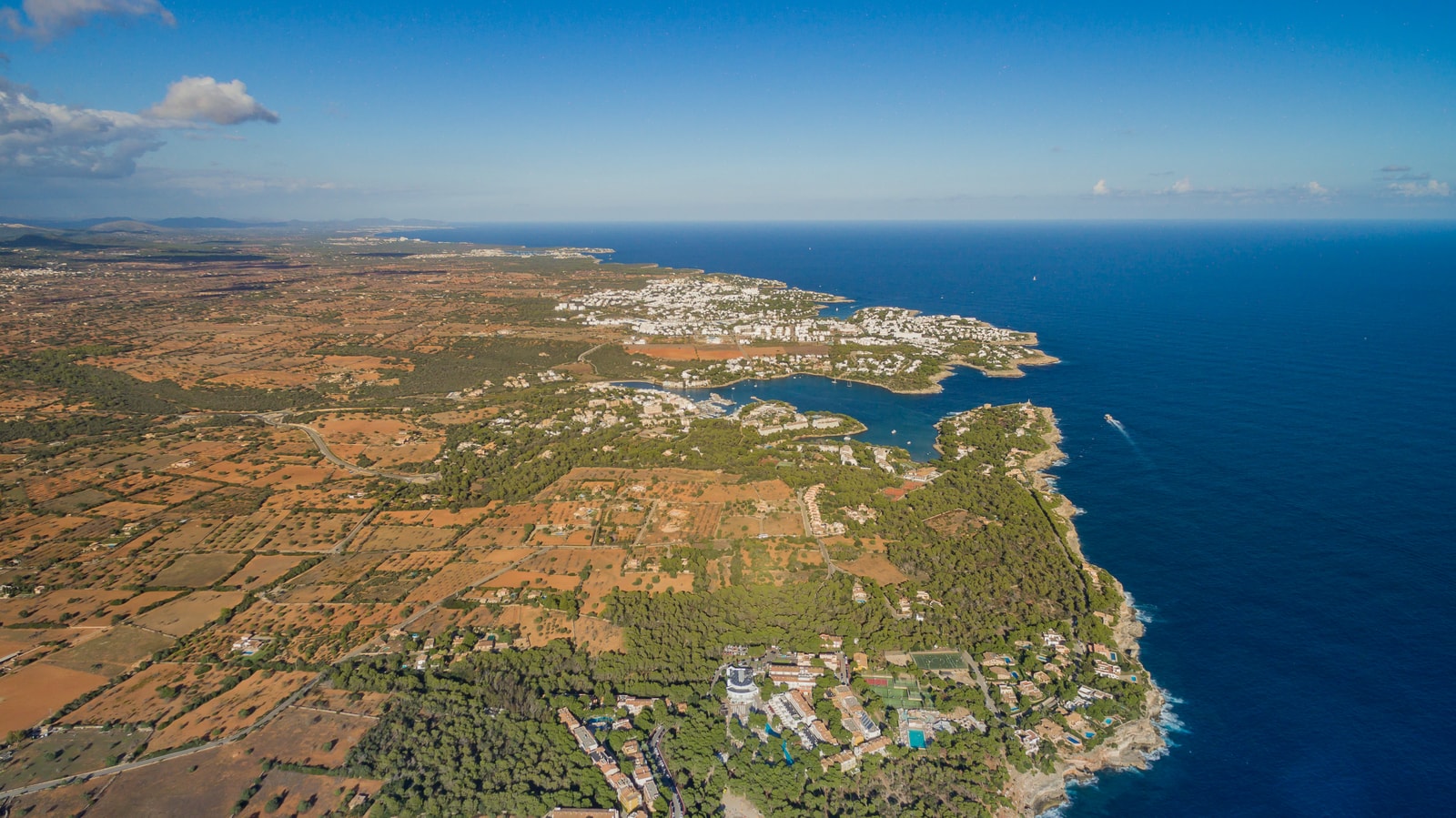
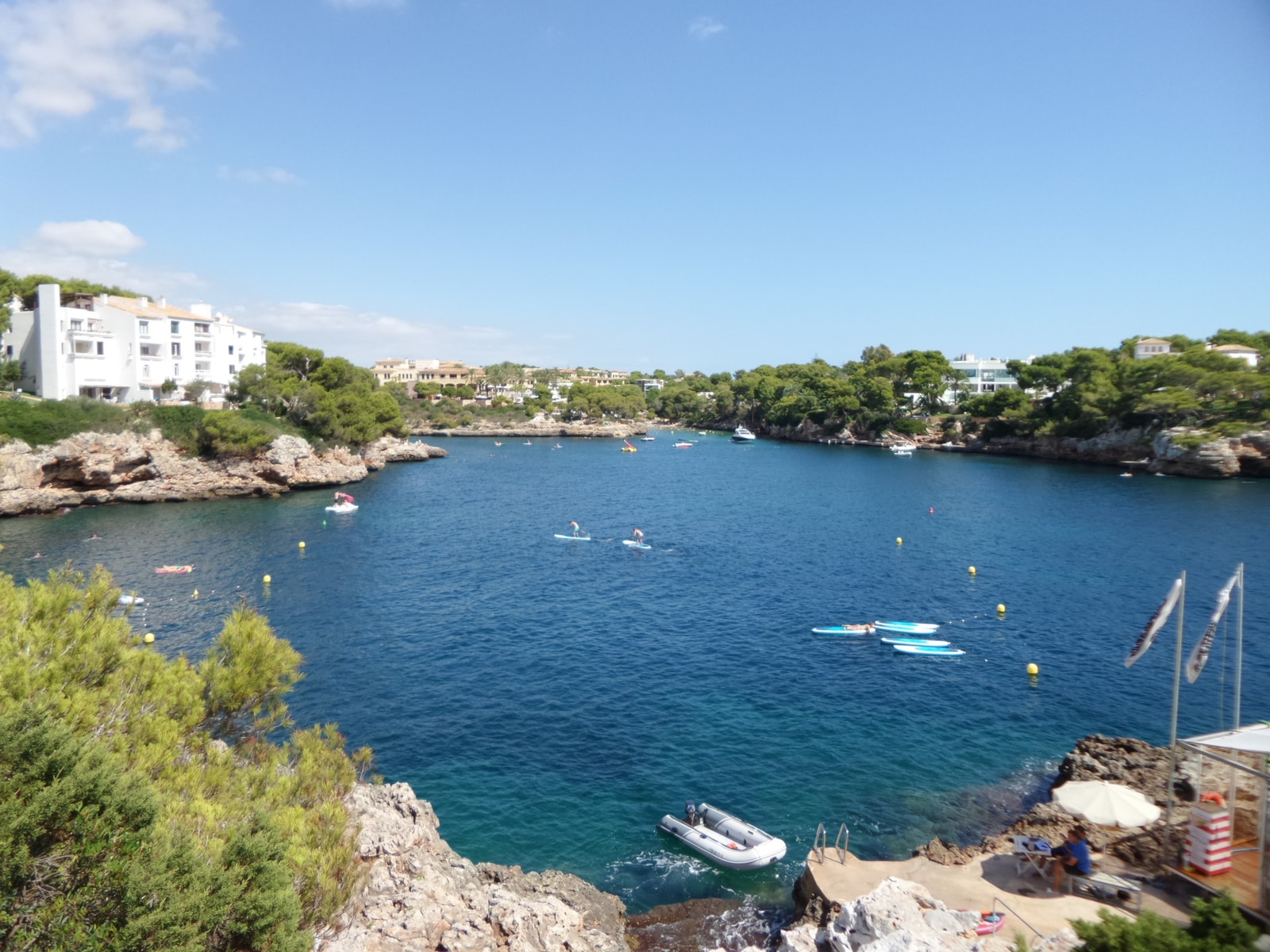
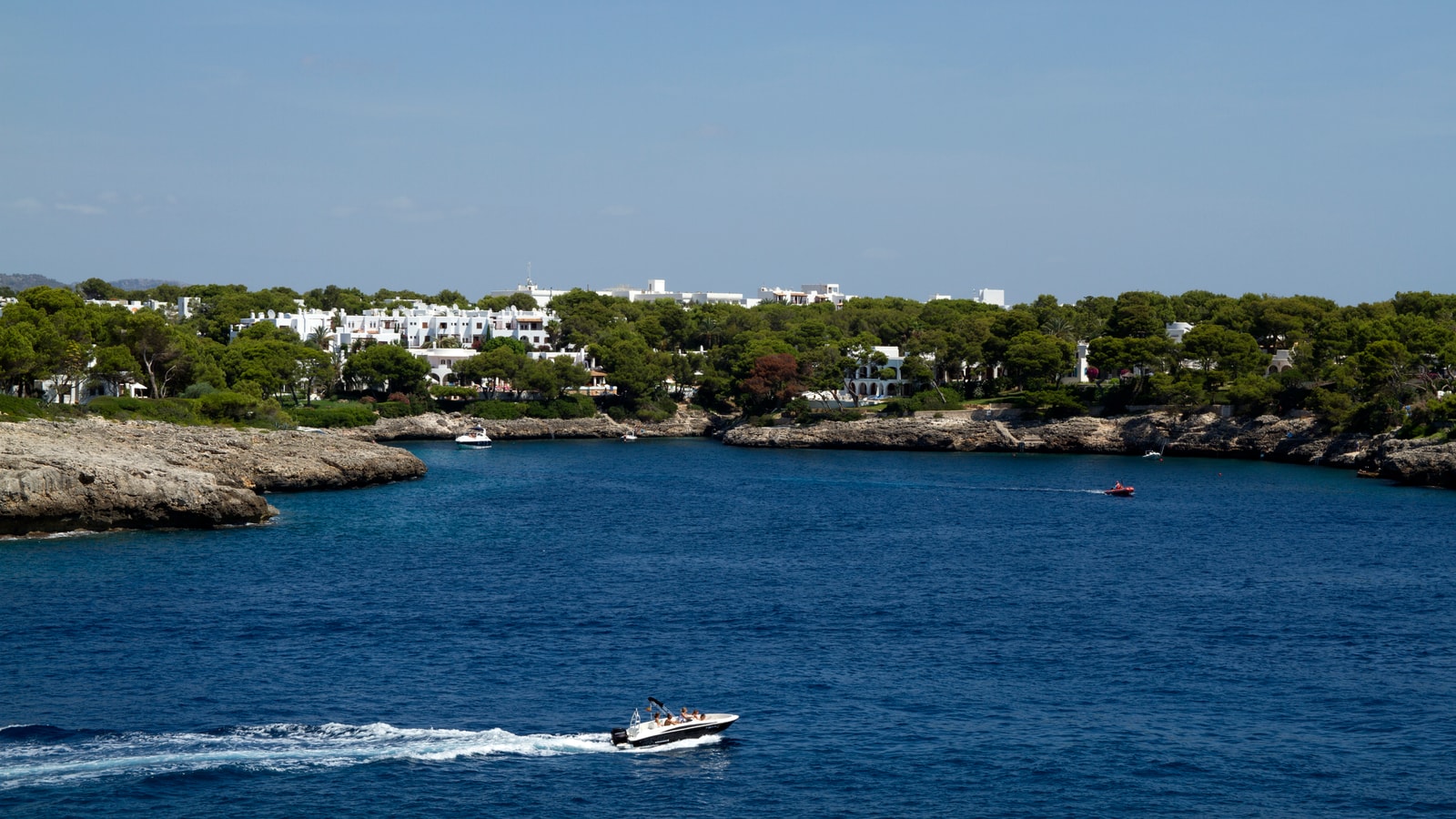
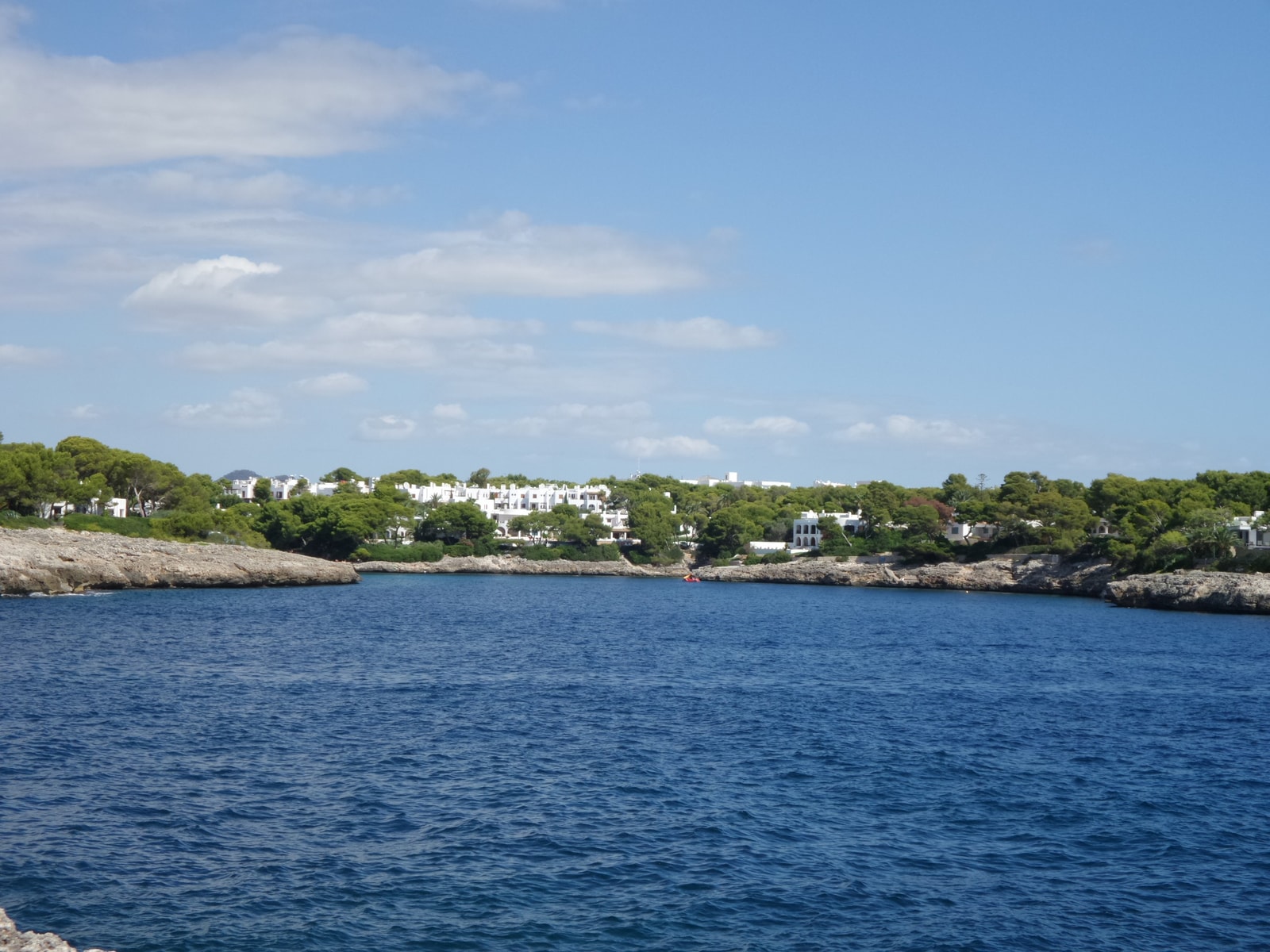
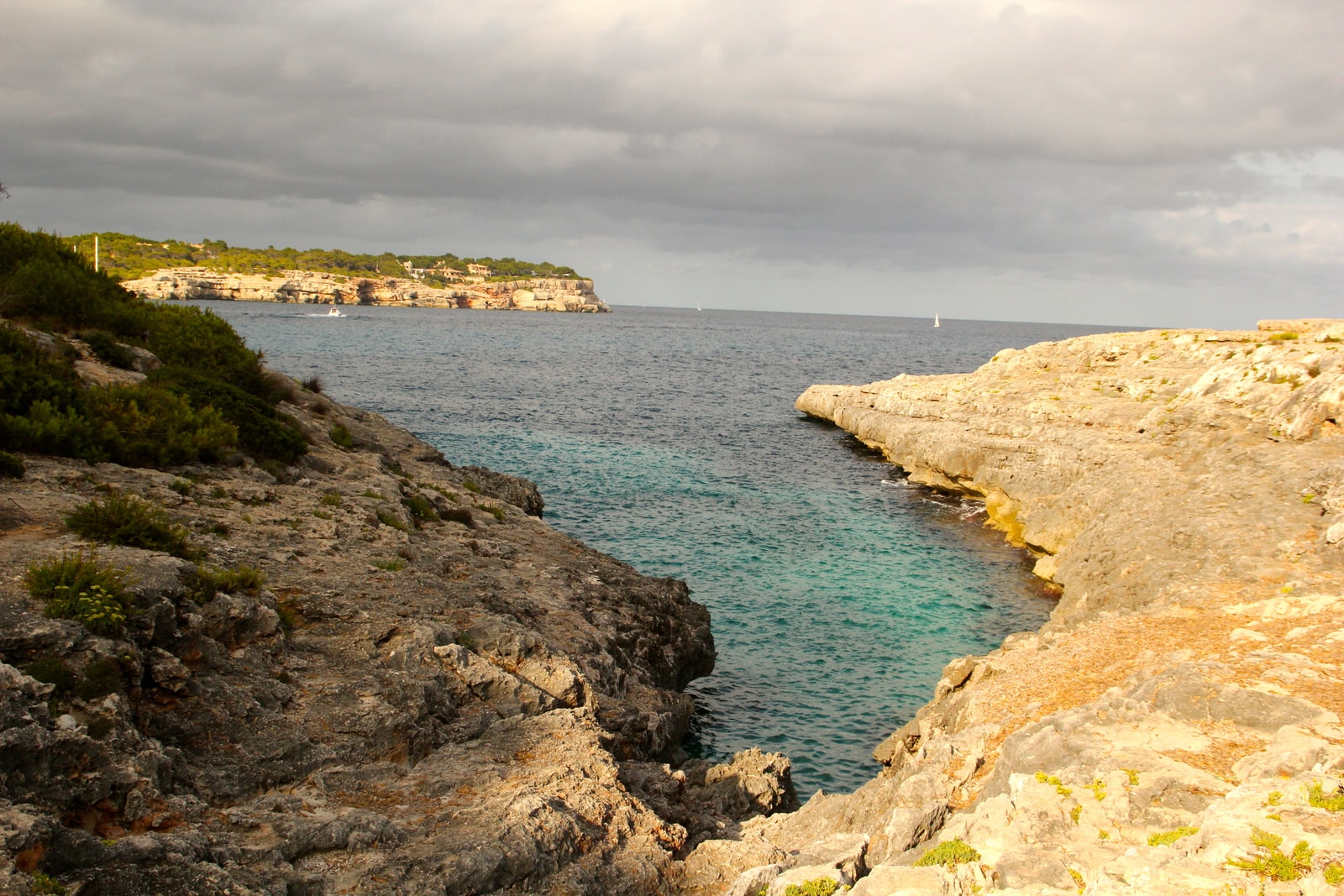
The charm of Cala d'Or lies in its variety. The resort is built around a series of small, sandy beaches nestled into rocky inlets. Each cove has its own character, from bustling family-friendly spots with full amenities to quieter, more natural retreats perfect for a peaceful swim.
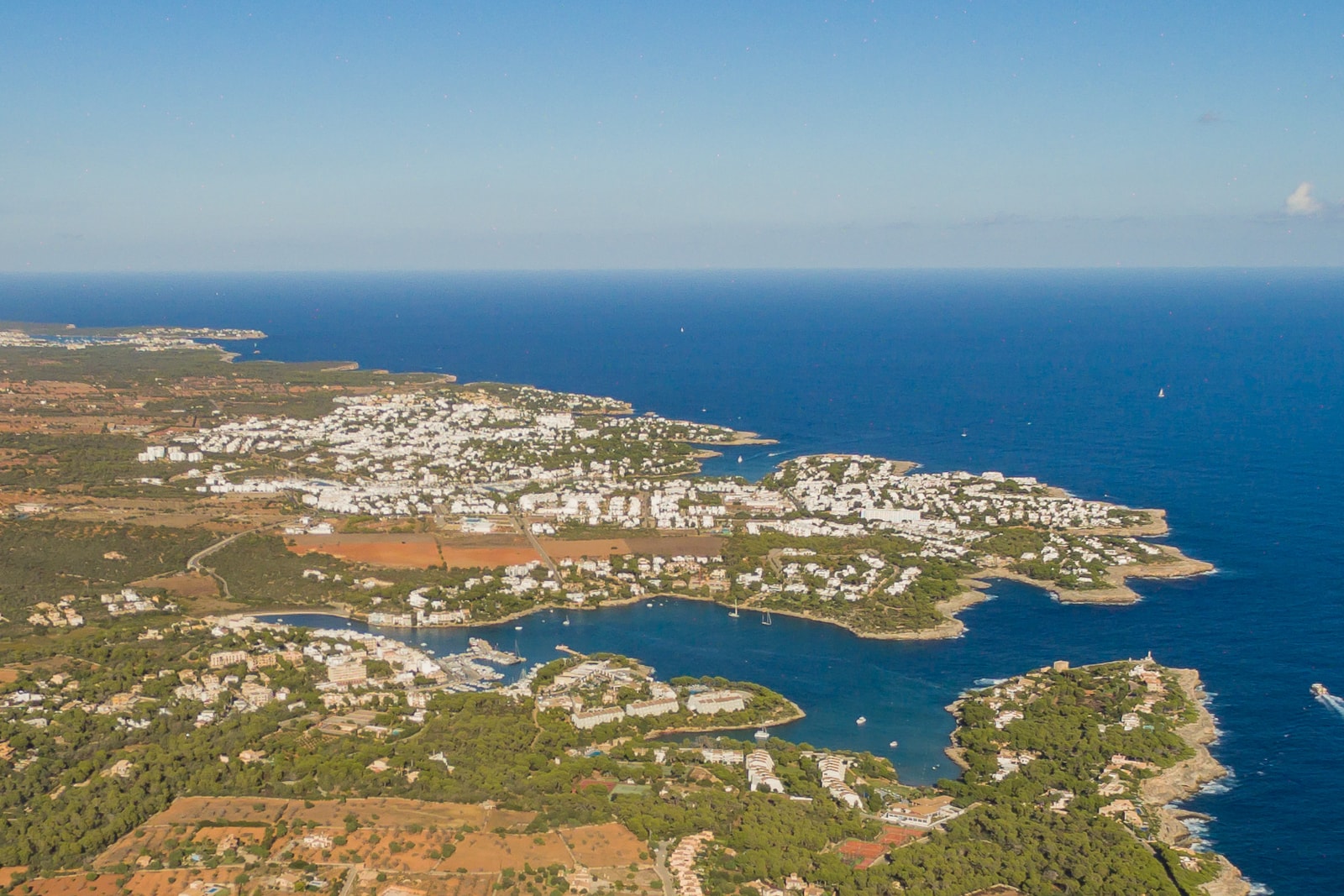
The five central beaches form the heart of the resort, each within easy reach. Their clear water and sheltered settings are a major draw, though services and crowding can vary, especially during the peak summer season. It's always wise to check local conditions before you travel.
The Five Central Coves of Cala d'Or
The most accessible beaches are clustered around the resort center, offering a different experience at every turn. From the largest and most lively to the resort's quietest corner, there is a cove to suit every mood.
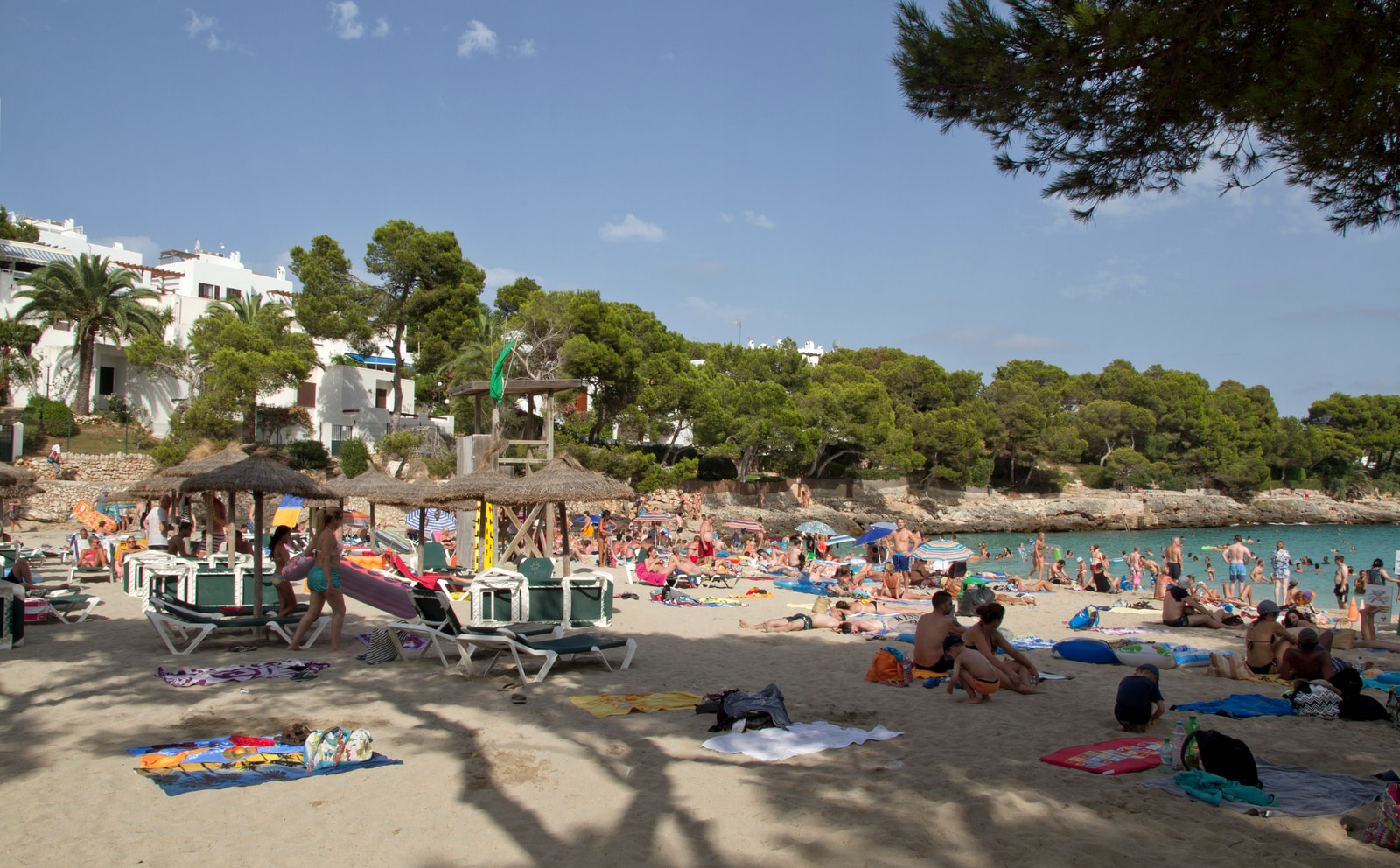
Cala Gran is the resort's main beach. As the largest cove, it provides sunbeds, water activities, and nearby restaurants. Its convenience makes it a popular choice, though it can become very busy in summer.
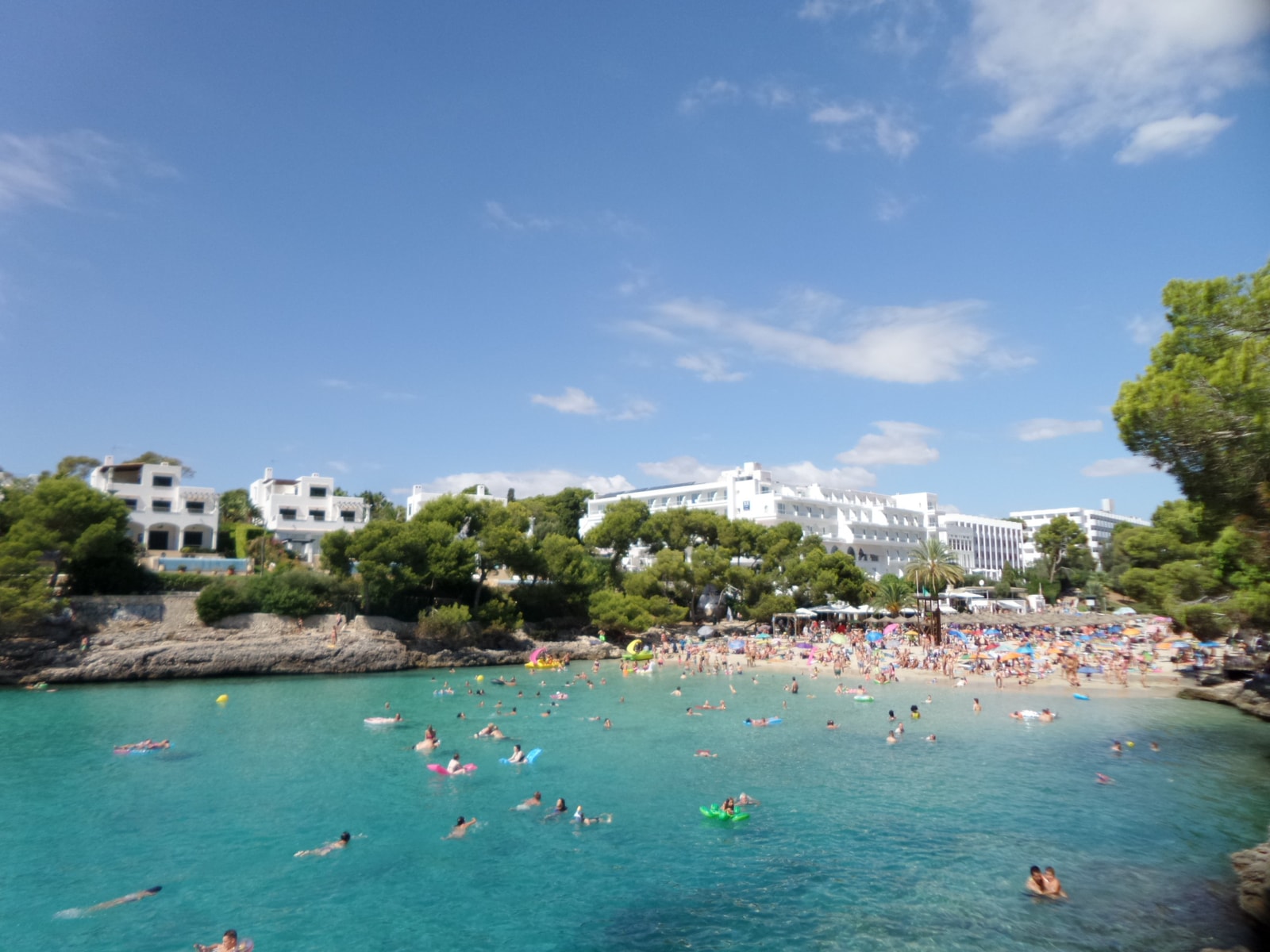
Cala d'Or, also called Cala Petita, is the resort's namesake. This scenic, narrow cove is located near the marina and its small size means arriving early is recommended to secure a spot on the sand.
Cala Ferrera is a deeper, more spacious cove popular with families. It has shallow sandy water, seasonal lifeguard coverage, sunbed and pedalo rentals, nearby restaurants, and access by public transport. The nearest bus stop is a short walk away, while drivers use parking in the surrounding resort streets. Its hotel-lined setting is practical rather than secluded.
Cala Esmeralda is named for its emerald-green water. Backed by pines and enclosed by rocky sides, it feels more intimate than Cala Gran and offers useful snorkeling along the edges when the sea is calm. Sand space is limited, however, and much of the surrounding access passes through the resort area, so it can feel crowded despite its smaller scale.
Cala Serena is the quietest of the central coves. It has no services directly on the beach, parking is in the built-up area roughly 400 metres away, and the final access uses stairs. Those limitations make it less convenient for pushchairs or reduced mobility, but appealing to visitors carrying little who want a peaceful cove and rocky snorkeling areas.
On the southern side of the resort, Caló des Pou, commonly associated with the Cala Egos area, is an important option for visitors staying away from the central coves. It is a compact sandy inlet with nearby resort facilities. A new non-slip walkway completed in 2026 improved the route from reserved parking to the shoreline, making this the article's most relevant southern option for visitors considering step-free access.
Beyond the Resort: Natural Beach Escapes
A short drive from the main resort area reveals some of Mallorca's most beautiful natural coastline. These beaches trade hotel backdrops for pine forests and a more rugged, undeveloped atmosphere.
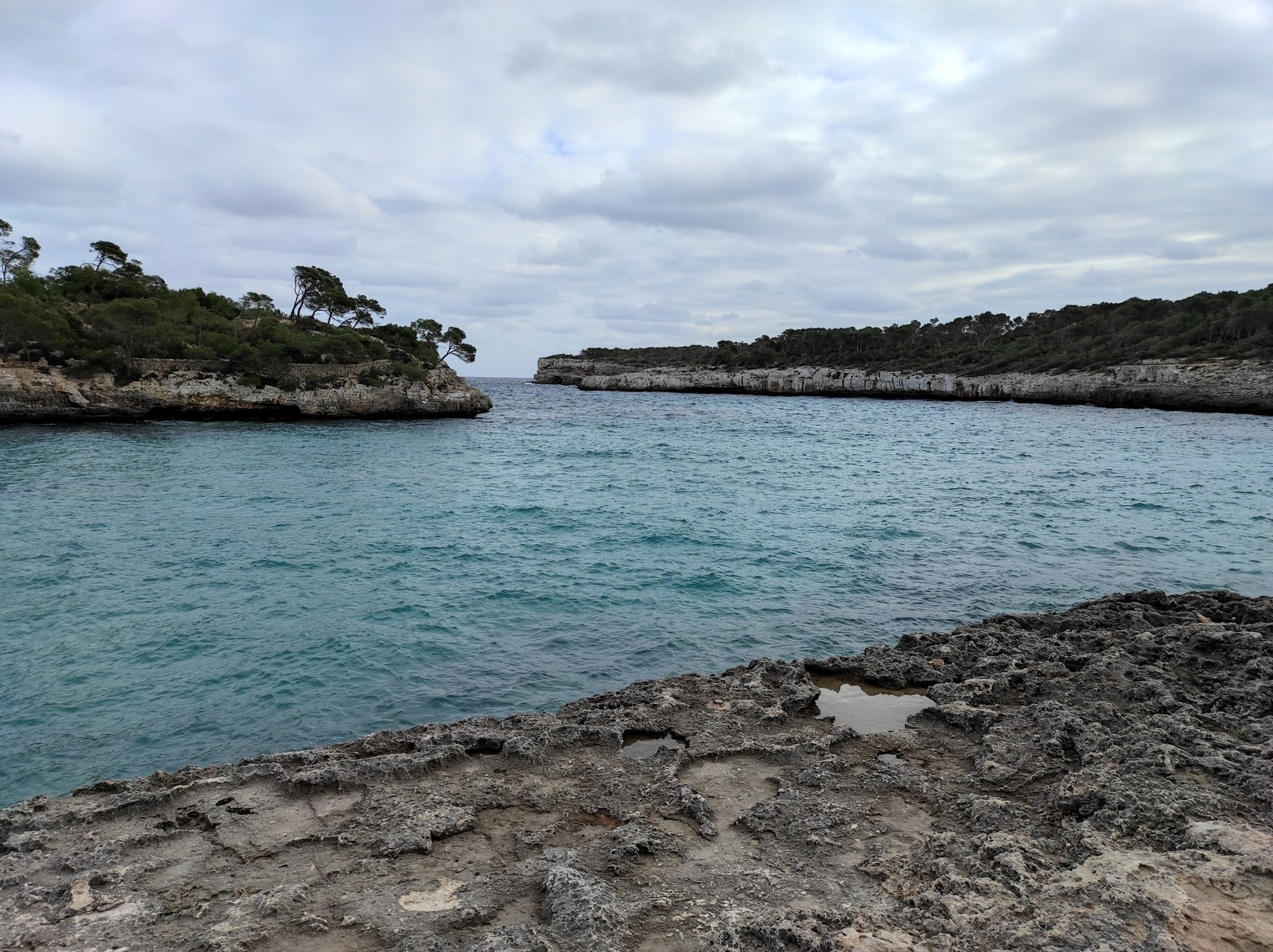
Within the nearby Mondragó Natural Park, you'll find the twin beaches of Cala Mondragó and S’Amarador. Connected by a scenic coastal path, these coves are set against a backdrop of pine forest and dunes, offering pristine turquoise water for swimming and picnicking.
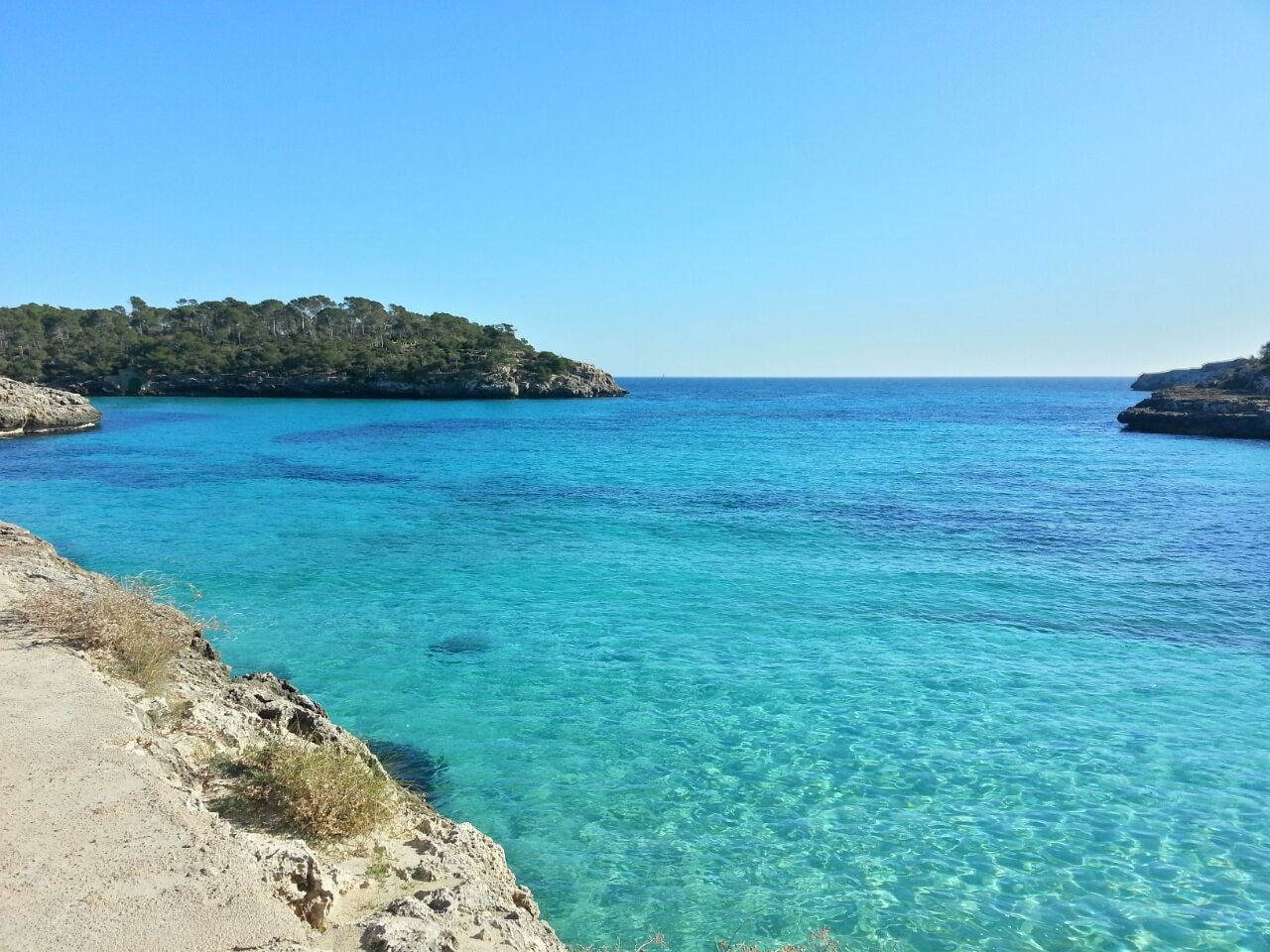
Cala Sa Nau provides another distinct experience. This pine-fringed cove is known for its relaxed beach-bar vibe and excellent snorkeling. Access involves a short walk from the parking area, adding to its sense of a hidden gem.
Choosing Your Perfect Cala d'Or Beach
With so many options, picking the right beach depends on your priorities. For a full suite of services and a family-friendly atmosphere, Cala Gran and Cala Ferrera are the most practical choices. Their easy access and amenities make for a hassle-free day by the sea.
If you prefer tranquility and a more natural setting without leaving the resort, Cala Serena is the ideal spot for a quiet swim and some snorkeling. For a true escape into nature, the beaches of Mondragó Natural Park offer an unforgettable day trip.
Access, Parking, and Getting Between the Beaches
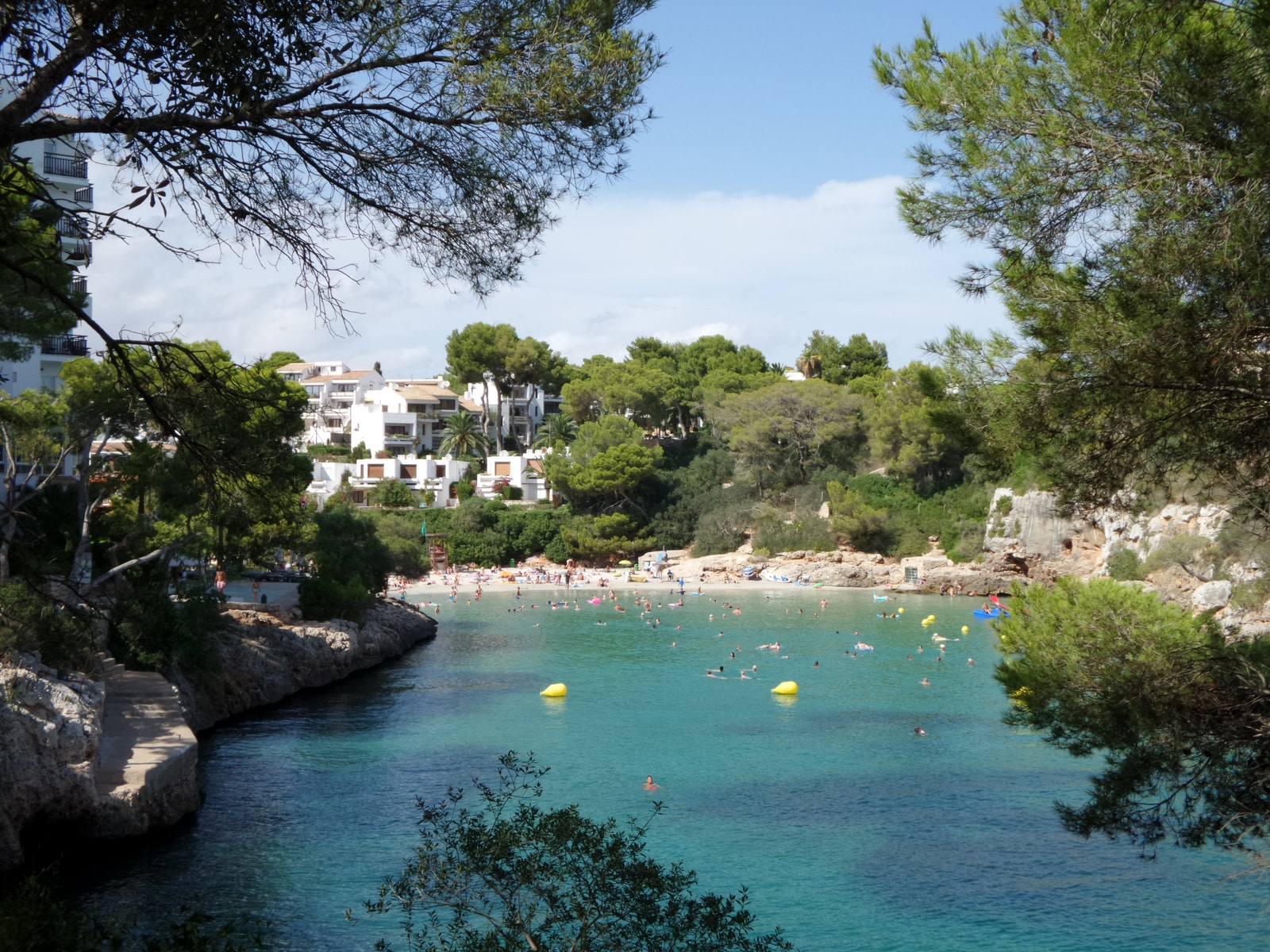
Visitors staying around central Cala d'Or can reach Cala Gran, Cala d'Or, Cala Esmeralda, Cala Ferrera, and Cala Serena without making every beach day a driving trip. The coves are separated by resort streets and rocky headlands rather than one continuous promenade, so the practical route between them may involve pavements, slopes, or steps.
Parking is generally found in the streets around each cove and becomes harder during busy periods. Cala Serena is the least convenient central beach for anyone carrying substantial equipment because of its walk and stair access. Cala Gran and Cala Ferrera are better choices when facilities and easy access matter more than seclusion.
Mondragó, S'Amarador, and Cala Sa Nau should be planned as separate outings rather than casual extensions of a central-cove walk. Confirm the current bus service if travelling without a car, and check parking arrangements before departure. For reduced mobility, verify which seasonal assistance is operating; improved physical access does not necessarily mean that lifeguards or adapted bathing equipment are available every day.
Cala d'Or Beaches in October and November 2026
October is quieter than summer and can still produce good beach days, but swimming should depend on the current sea, wind, and weather conditions rather than the calendar alone. Smaller coves lose direct sun earlier than open beaches because of their cliffs and buildings, which matters when planning an afternoon visit.
By November, treat Cala d'Or primarily as a scenic coastal base with possible beach time. Some sunbed rentals, water activities, lifeguard services, beach bars, and resort businesses reduce their hours or close outside the main season. The central coves remain easy to inspect on foot, allowing you to choose the most sheltered option after seeing the day's conditions.
For late-season visitors, Cala Gran and Cala Ferrera are the most practical first checks because they combine straightforward resort access with nearby services. Cala Serena and Cala Sa Nau are better saved for settled weather and visitors comfortable with fewer facilities, while Mondragó is worthwhile for coastal scenery and walking even when swimming is not appealing.
Late Season in Mallorca: 2026 Events Calendar
An autumn or early winter visit in 2026 opens up a different side of Mallorca. While the peak summer crowds depart, a series of local fairs and festivals offer a chance to experience the island's culture. These events are a short trip from Cala d'Or.
Keep in mind that event programs can change, so it's always best to confirm details locally. Here are some key dates for your 2026 travel planning:
- Festes del Turista, Cala Millor/Cala Bona (19 September–3 October 2026): A celebration with parades, markets, and fireworks.
- Calonge Fair (27 September 2026): A local fair in the Santanyí municipality showcasing crafts and ecological products.
- Feria de la Llampuga, Capdepera (10 October 2026): A gastronomic fair dedicated to the dolphinfish.
- XIV Vila de Santanyí International Music Festival (10 October 2026): A notable cultural event in the local municipality.
- Santanyí Fair (24 October 2026): A large fair featuring agriculture, livestock, crafts, and more.
- Porto Cristo Christmas Fair (13 December 2026): A market for crafts and festive products.
- Santanyí-area Christmas fairs (11–20 December 2026): A series of charming Christmas markets held in Portopetro, Cala Figuera, S’Alqueria Blanca, Santanyí, and Calonge.
Gallery
Additional Resources
- Cala d'Or Guide: Beaches
- Cala d'Or Guide: Cala Petita
- Cala d'Or Guide: Cala Ferrera
- Eques Petit Resort: Cala d'Or Information
- Official Tourism Information: Mondragó Natural Park
- Official Tourism Information: Cala Gran
- ABC Mallorca: Cala d'Or Beaches
- See Mallorca: Cala d'Or Beaches
- In Mallorca Magazine: Festivals & Fairs Guide
- Arts Mallorca: Festes del Turista 2026
- Santanyí Municipality Events
- Mallorca Map: International Music Festival Santanyí 2026
- Official Tourism Information: Autumn Fairs in Mallorca
- Mostra de la Llampuga Gastronomic Fair