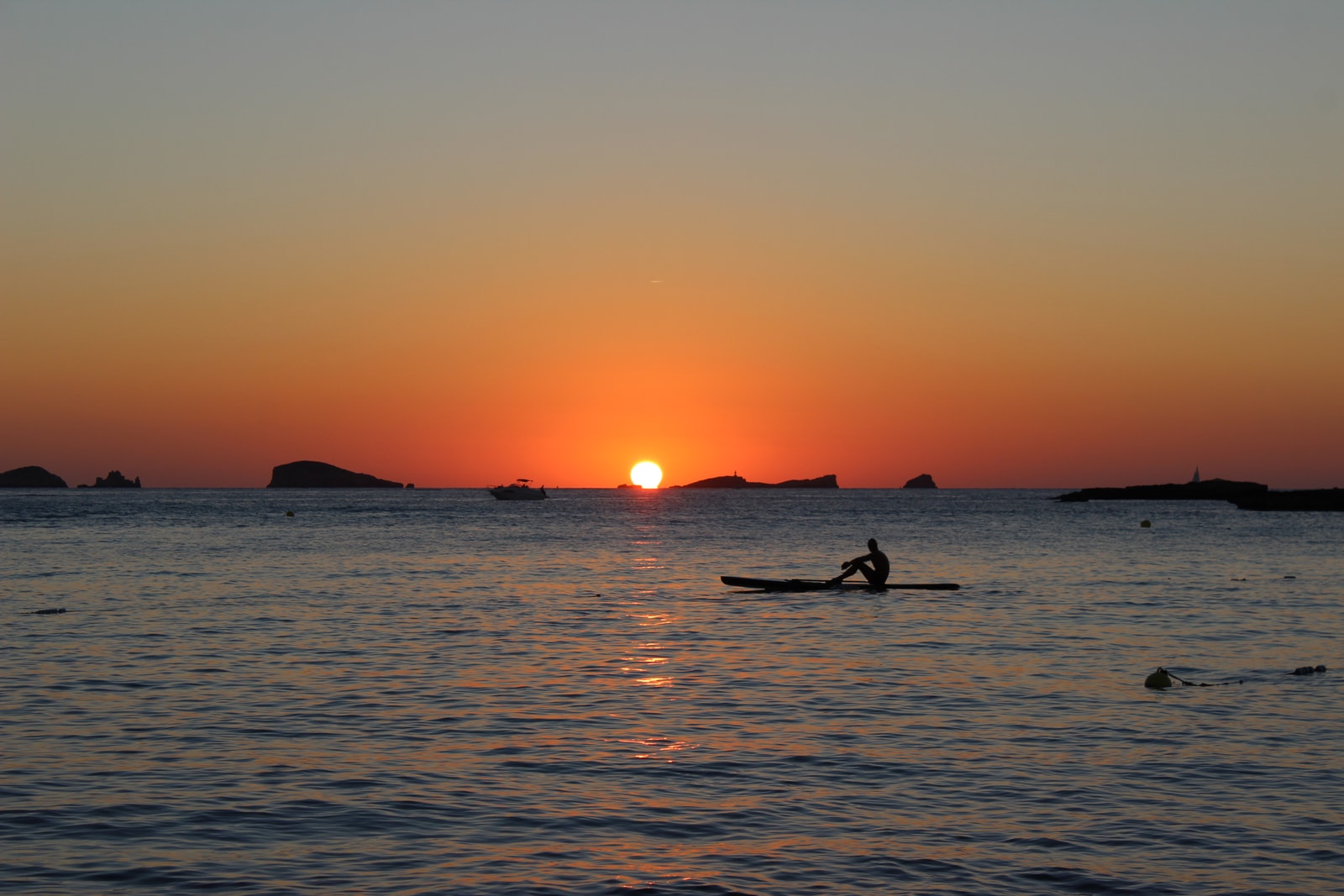
La Gomera Beaches 2026: Your Guide to the Wild Coast
From sheltered coves to rugged black sand, discover the best volcanic beaches and coastal festivals on this unique Canary Island in September 2026.
Published on 17 Sep 2026 12:15 GMT
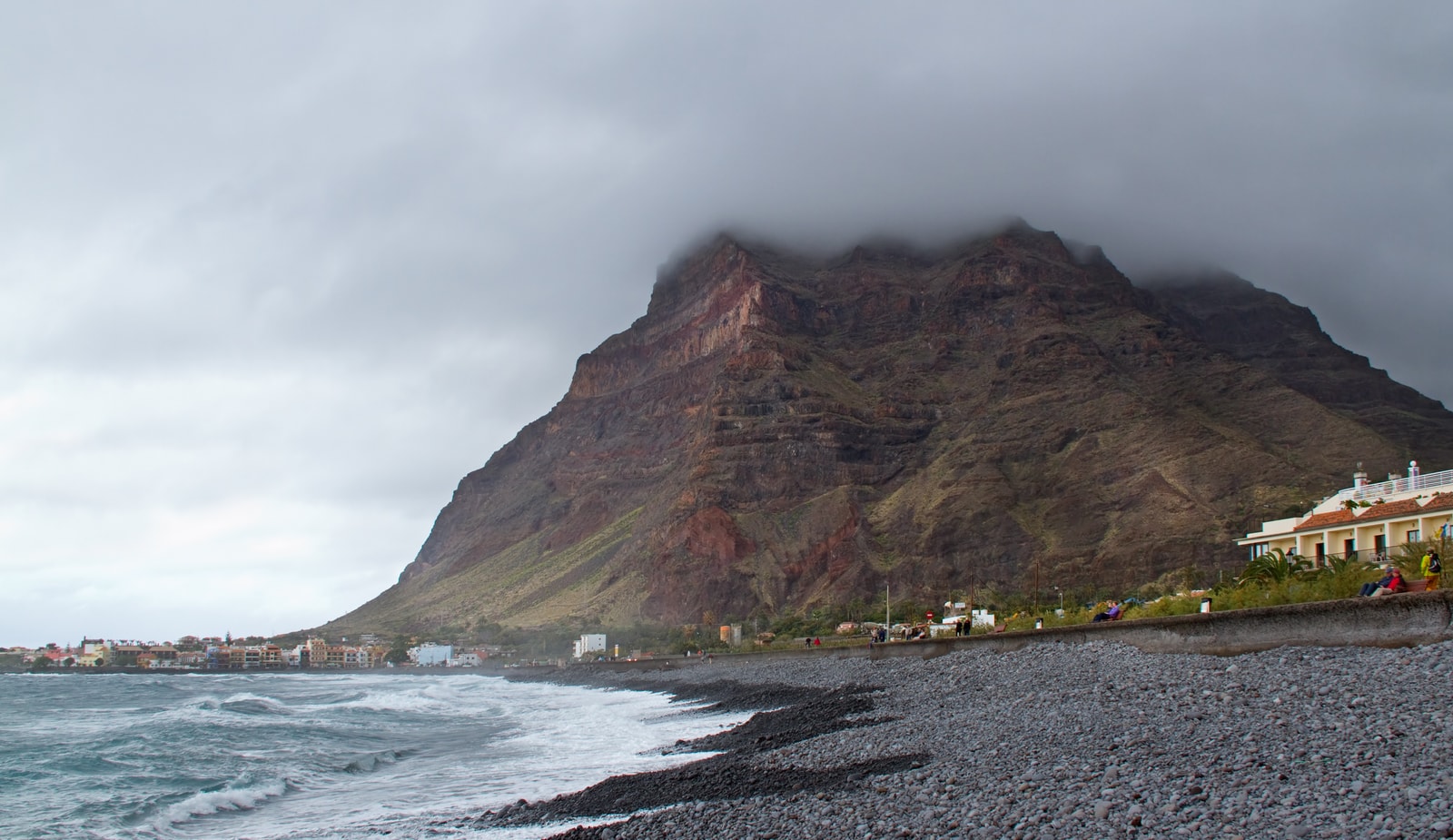
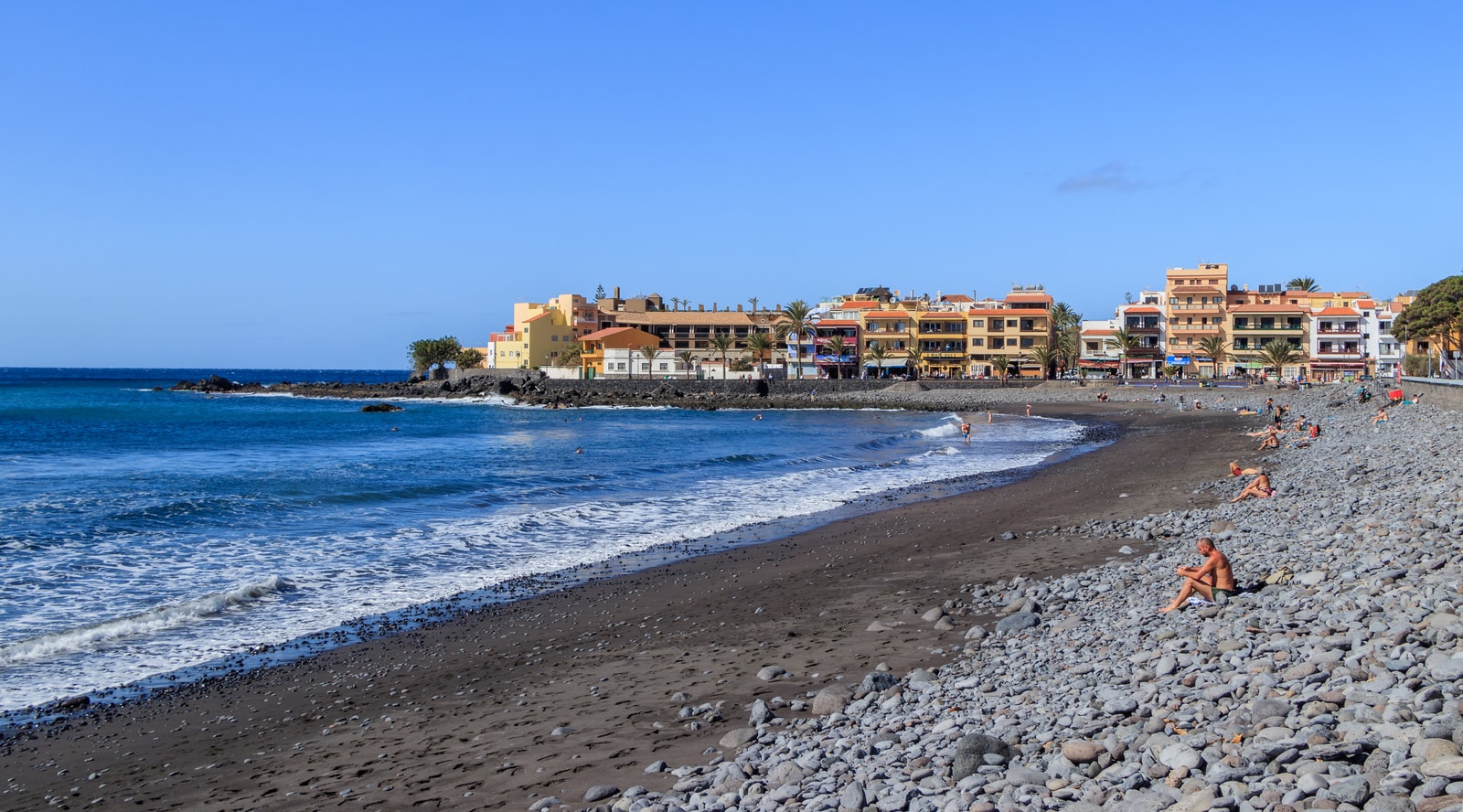
La Gomera is not an island of endless golden sand. This unique destination in Spain’s Canary Islands offers a more atmospheric beach experience, defined by rugged volcanic coastlines, steep ravines, and small coves of black sand and dark pebbles.
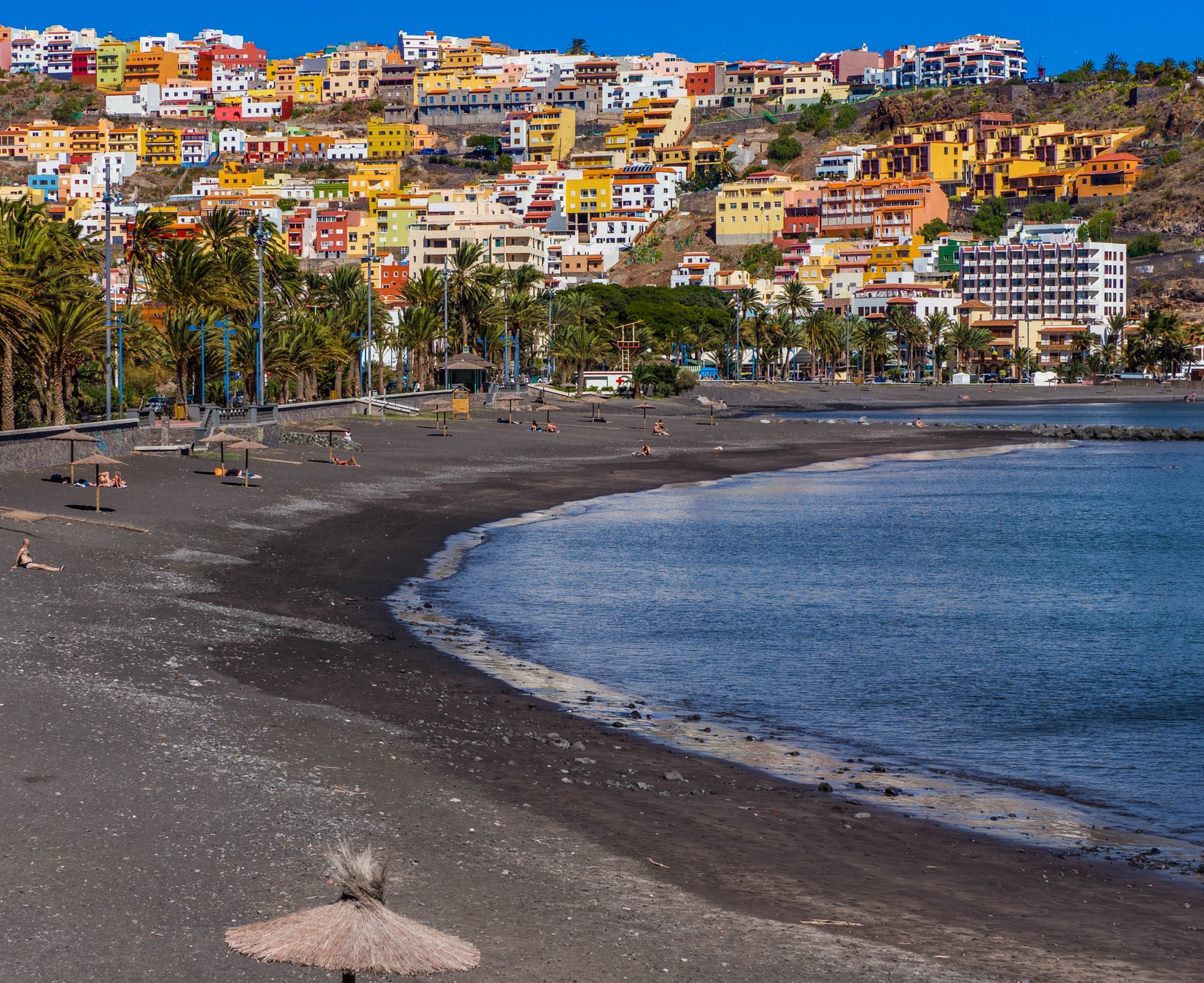
The island’s climate is generally mild and warm year-round. The south tends to be sunnier, while the north is often cooler and more humid. This distinction is key when choosing between the island's sheltered urban beaches and its more exposed, natural coves.
Valle Gran Rey: The Island’s Premier Beach Hub
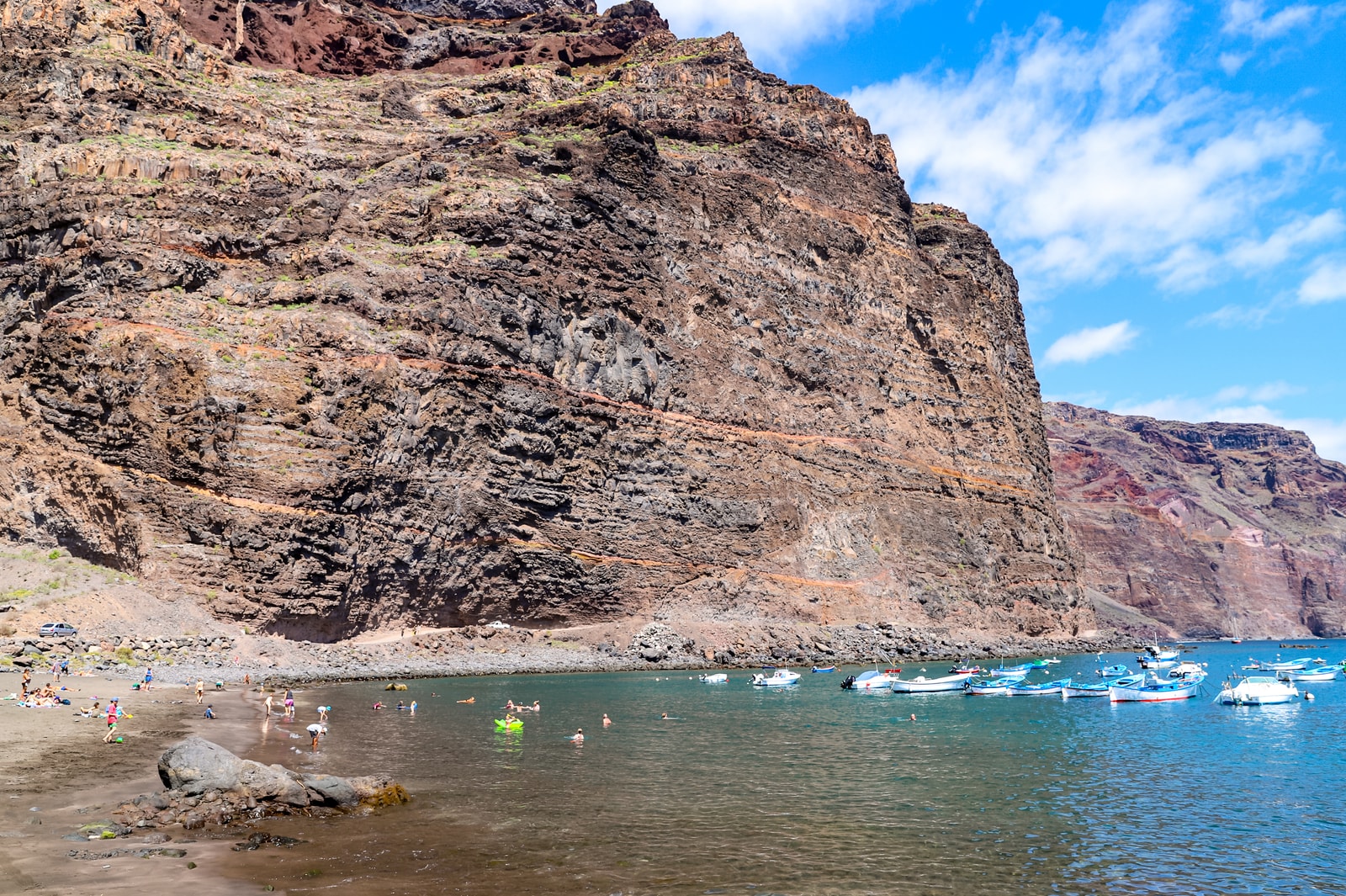
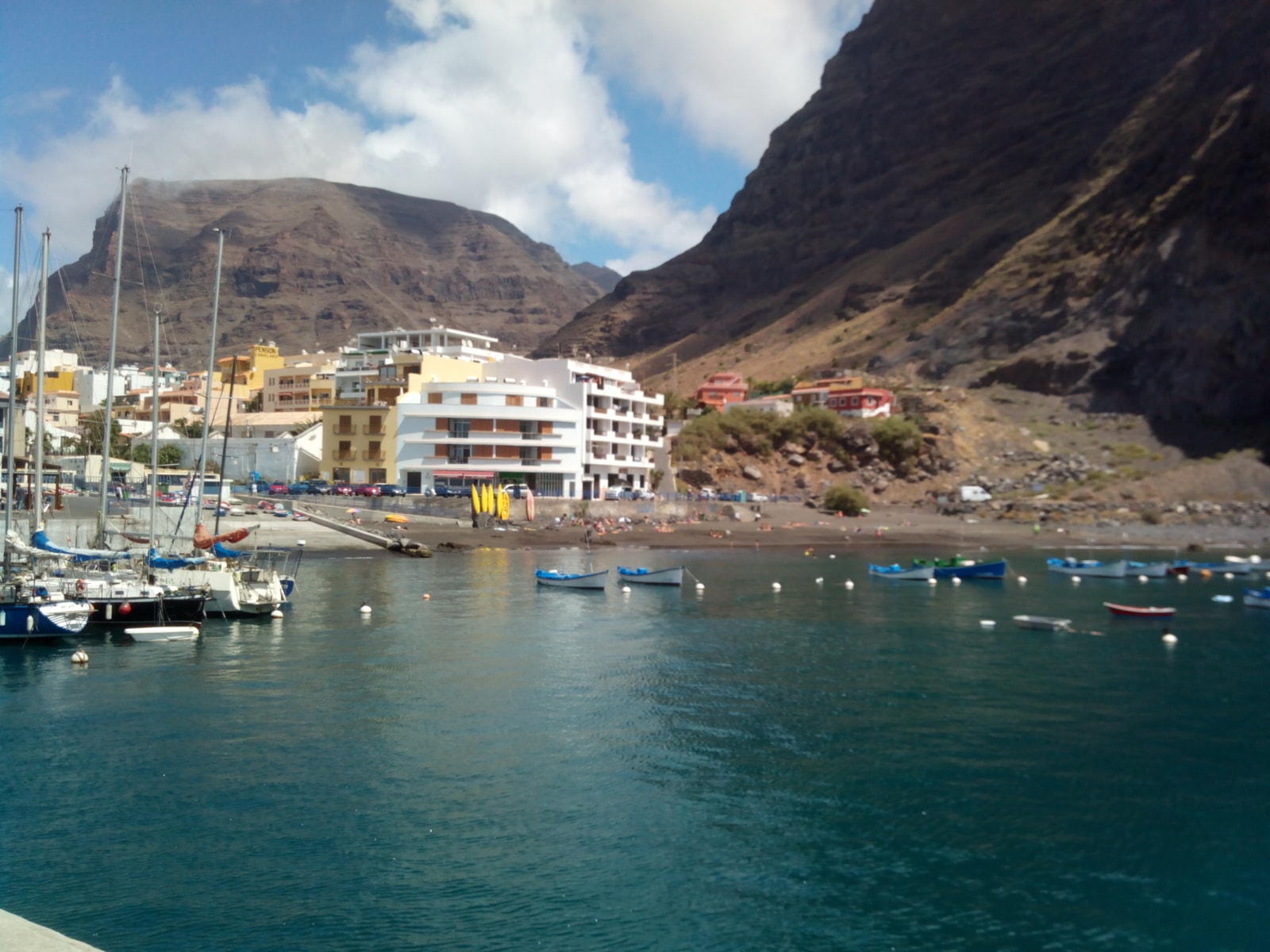
For travelers who want a variety of coastal moods, Valle Gran Rey is the island's most concentrated beach zone. The area combines sheltered harbor bays with wilder Atlantic shores, natural pools, and a good selection of restaurants and services.
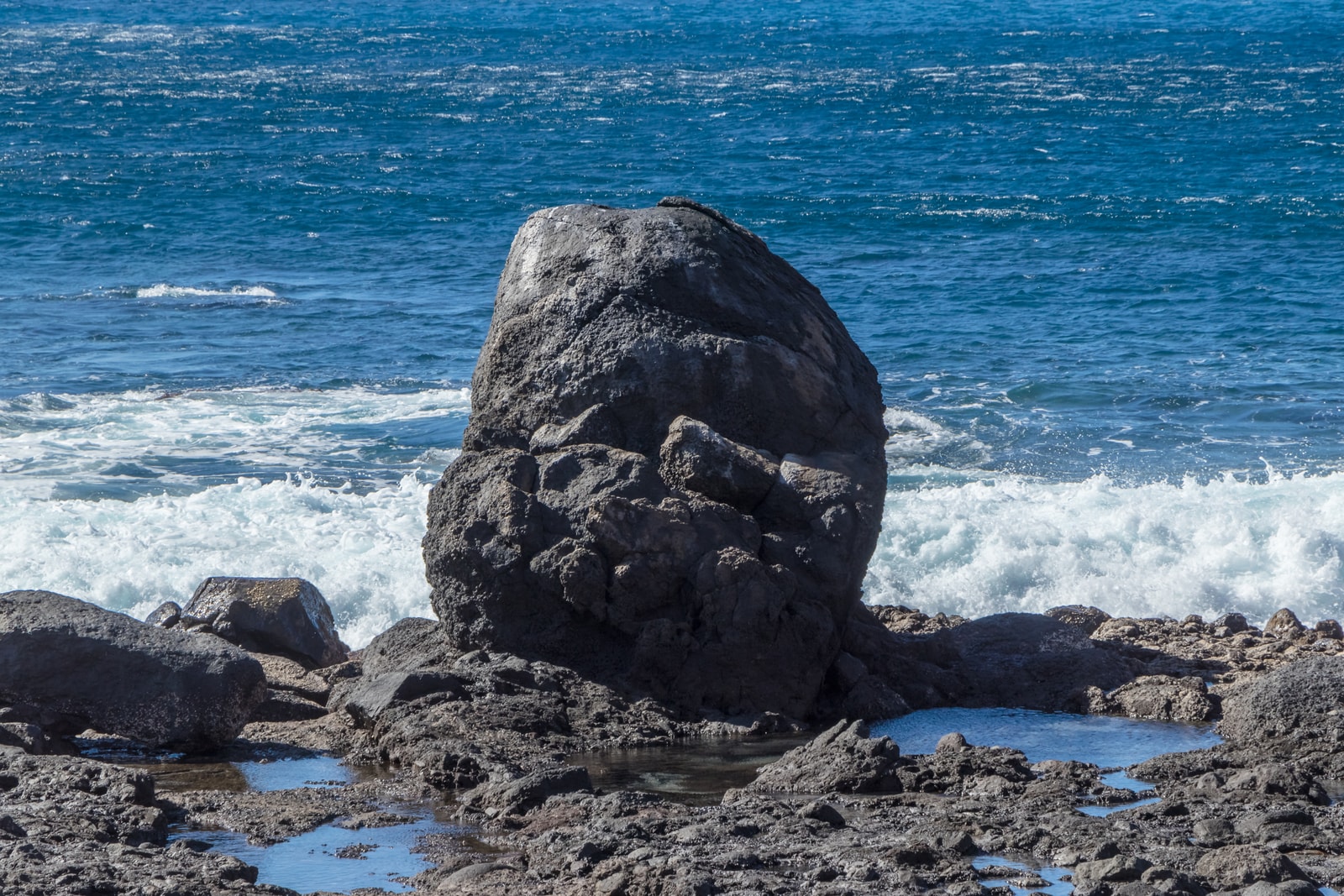
Playa del Inglés is the most dramatic beach here. This 310-metre, naturist-friendly stretch of volcanic sand has a rustic feel but is close to parking and public transport. Bathing should be done with caution, as waves can develop quickly on this unguarded Atlantic beach.
Playa de Vueltas offers the opposite experience. A small, 100-metre beach sheltered by the harbor breakwater, it's a family-friendly spot with calm water, perfect for a swim combined with a town stroll. Facilities like showers and restaurants are nearby.
La Calera is another family-oriented volcanic-sand beach in the area. It’s known for calm water and has convenient access to parking, showers, and restaurants, making it a more conventional choice for a relaxing day by the sea.
Charco del Conde is a natural pool that provides a protected bathing area away from the open sea. Its character changes with the tide; high tide creates a larger swimming area, while low tide reveals smaller pools ideal for children.
San Sebastián: Beaches by the Capital
The island capital, San Sebastián de La Gomera, is an excellent base for visitors who want beach access without sacrificing urban conveniences like shops, restaurants, and transport links. The beaches here prioritize ease and accessibility.
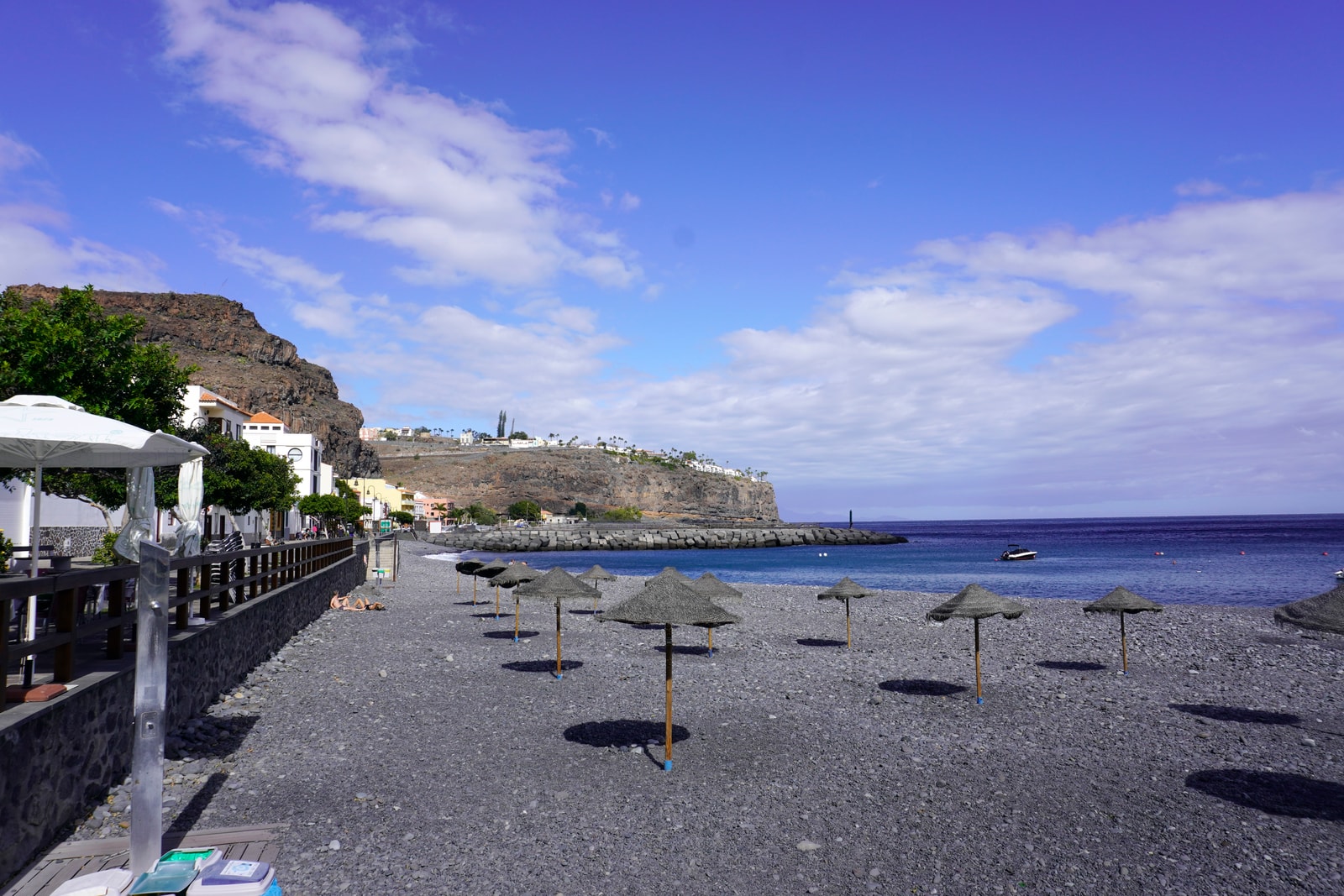
San Sebastián Beach is the most straightforward option. This 600-metre urban beach has everything you need, including showers, accessibility features, and lifeguard teams. Its value lies in its convenience for a quick swim between ferry trips or a town visit.
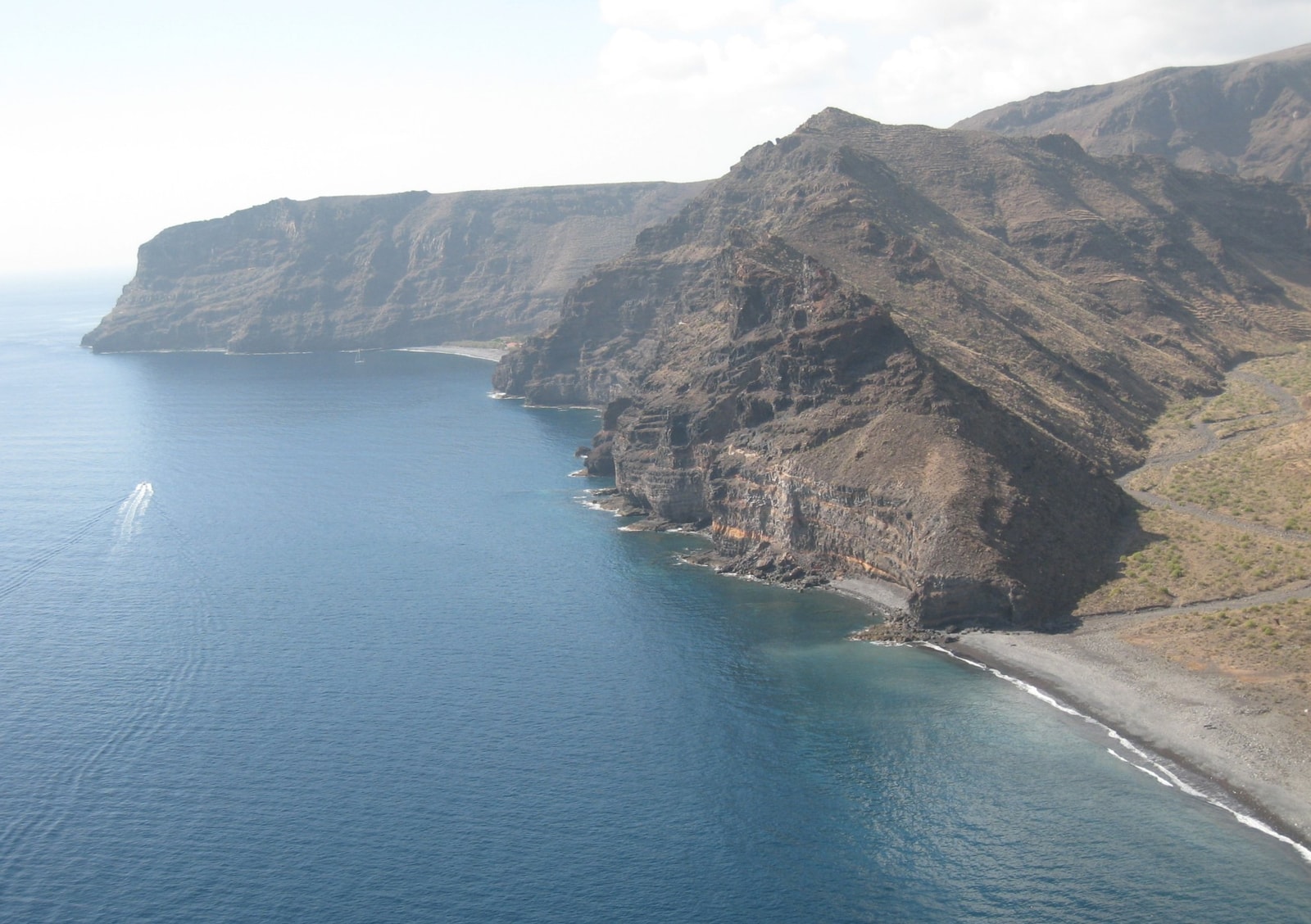
Playa de la Cueva is a scenic 350-metre volcanic-sand beach near the pier. It combines dark sand and rock formations with calm waters and impressive views across to Mount Teide on Tenerife, making it a great choice for a beautiful beach day close to the capital.
Playa de Santiago: A Sunny Southern Base
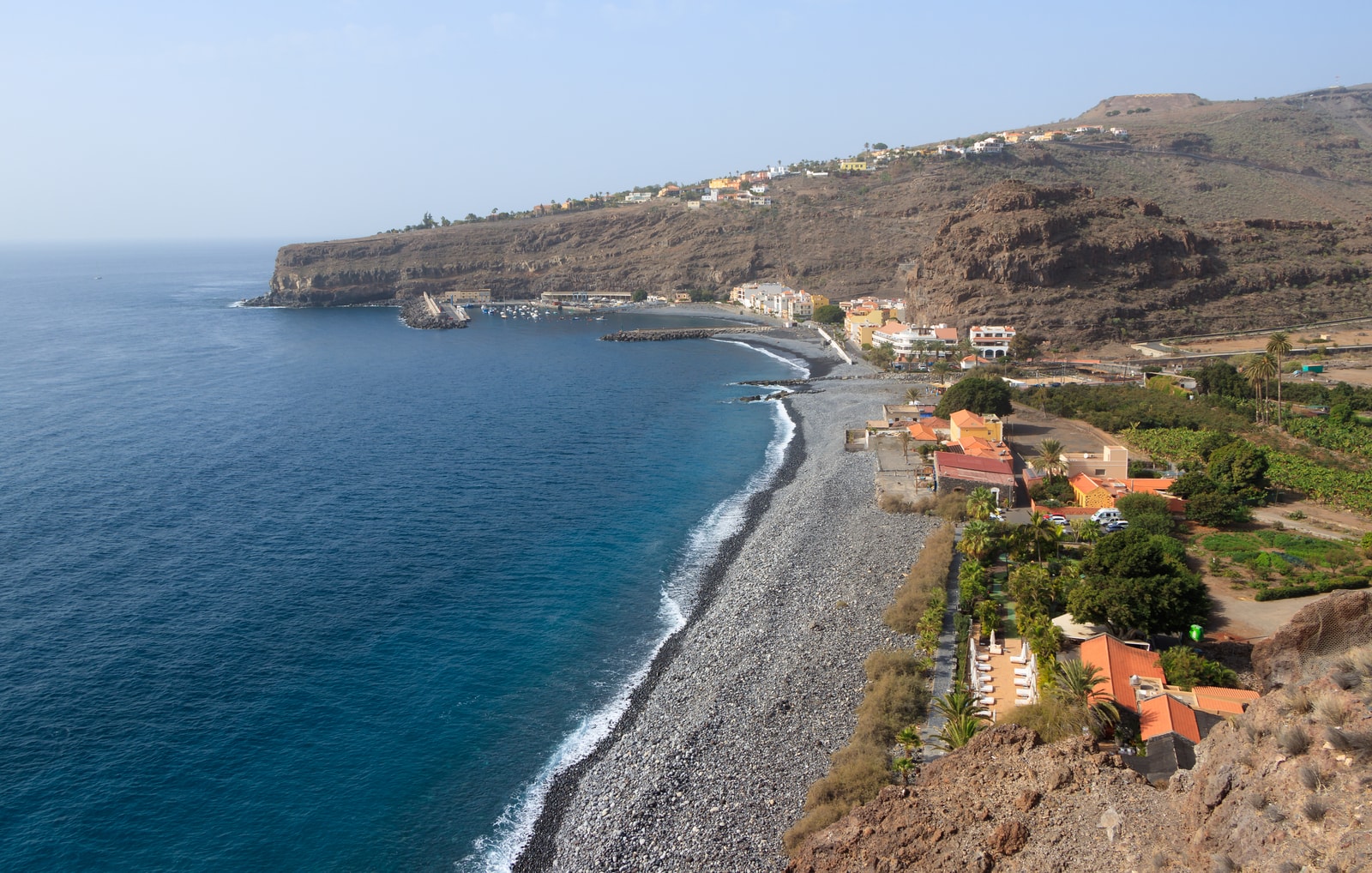
Located beside a fishing port, Playa de Santiago is a 1,000-metre beach that serves as one of the best all-round destinations on the island. The sunny southern town offers a mix of beach life and local culture, with plenty of access to food and activities.
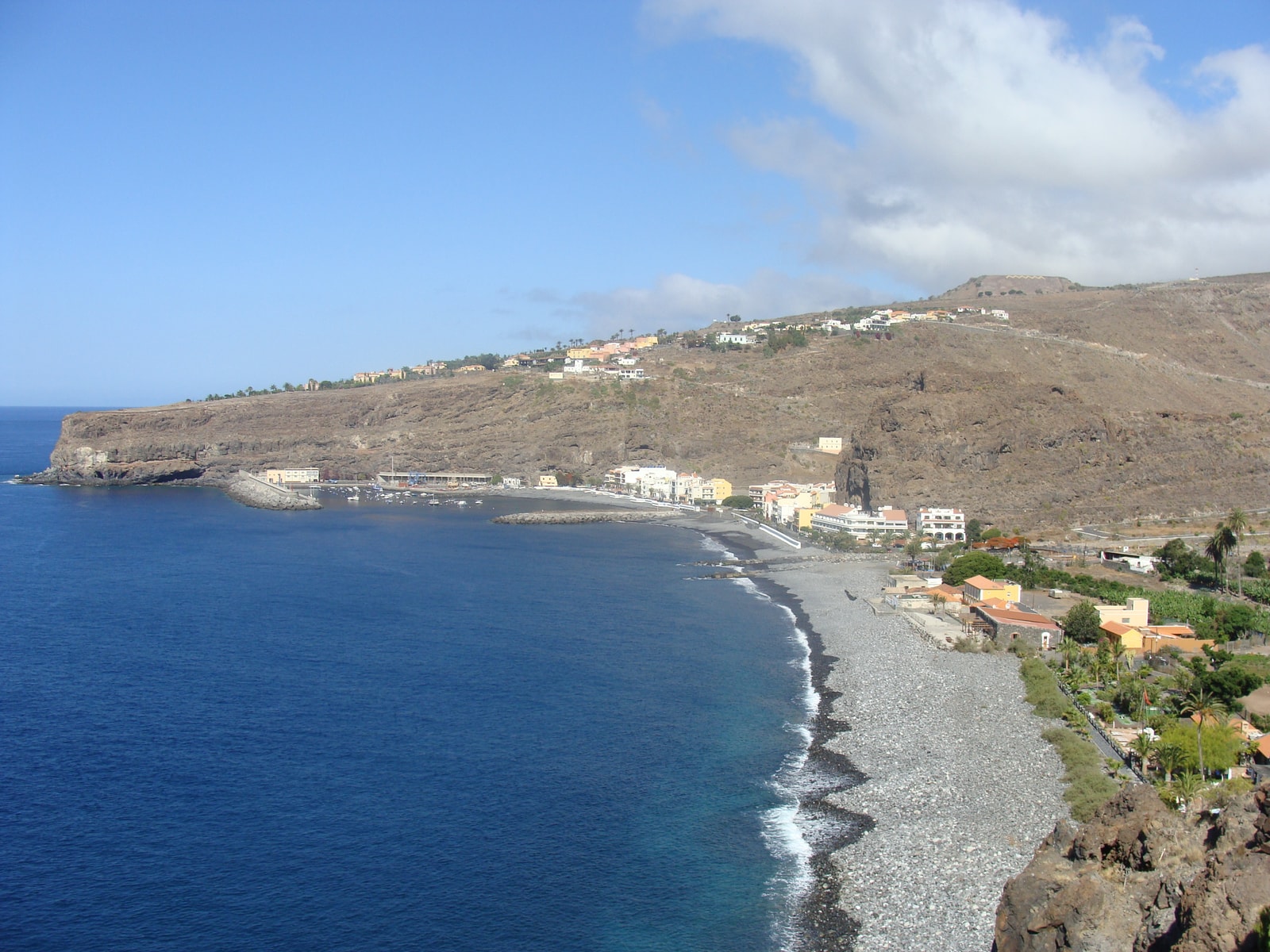
The official descriptions highlight its calm seas, crystal-clear water, and excellent visibility, making it a top candidate for snorkelling. Facilities are comprehensive, including parking, showers, toilets, and public transport.
The Rugged North: Hermigua and Vallehermoso
La Gomera’s northern coast is greener, more rugged, and generally less suited for casual swimming due to powerful Atlantic swells. However, its dramatic scenery is a major draw for those seeking wild beauty.
La Caleta in Hermigua is a stunning 200-metre black-sand beach about ten minutes from the town. While facilities are available, the official advice is to bathe with caution due to strong swell, despite the cove's sheltered shape. Here, “pretty” does not always mean “swimmable.”
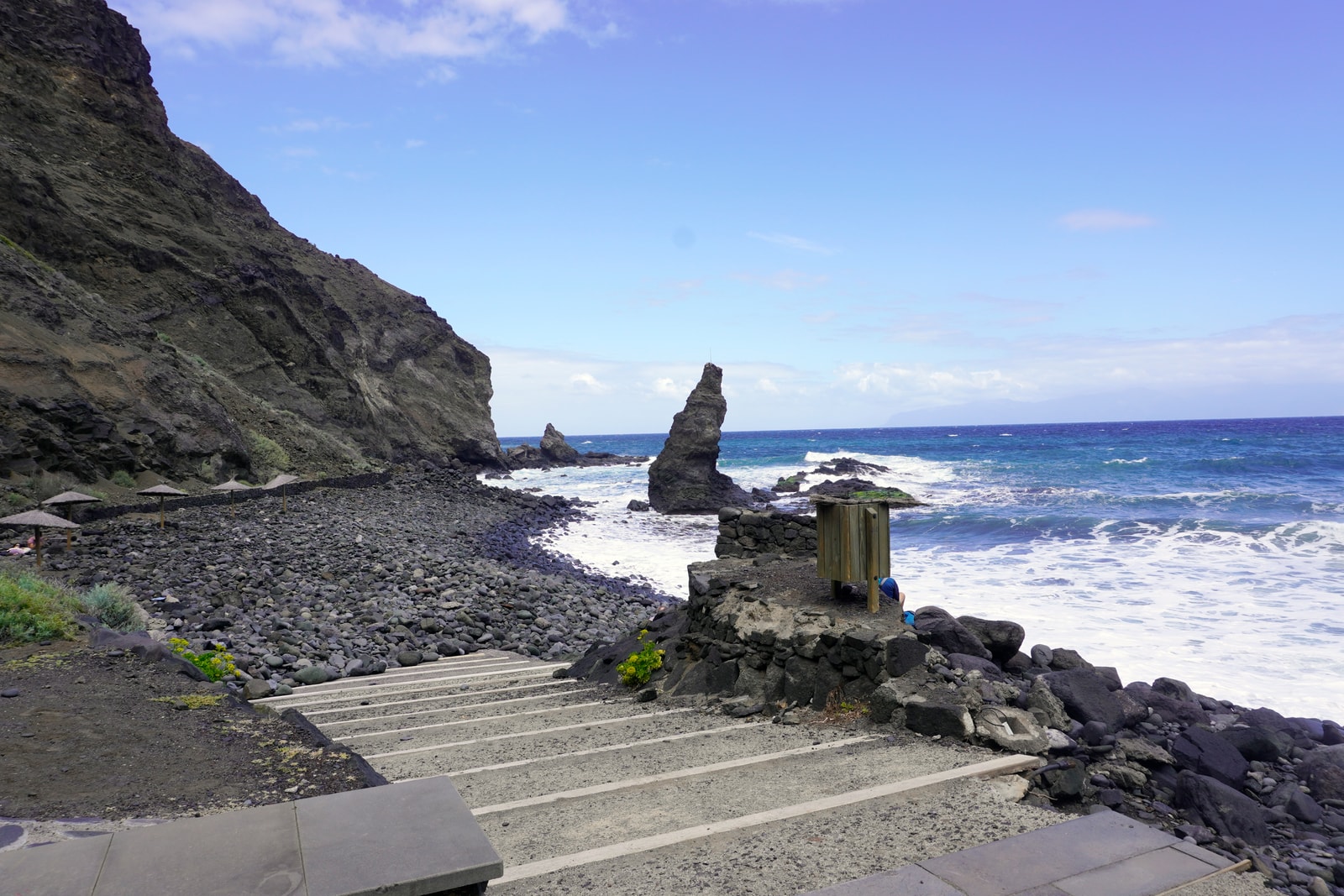
For a safer swimming experience in the north, visit Vallehermoso’s maritime pools. These man-made seawater pools allow you to swim in a controlled environment while Atlantic waves crash against the outer walls, surrounded by rugged basalt cliffs.
Remote Coves for the Adventurous
For travelers who believe the best views are earned, La Gomera offers several beaches that require a significant trek. These are destinations for dedicated walkers seeking solitude, not a spontaneous swim.
Playa de la Guancha is a volcanic-sand beach reached via a moderate three-hour walking route from San Sebastián. Visitors should be fully self-sufficient, carrying water, food, and sun protection for the journey in and out.
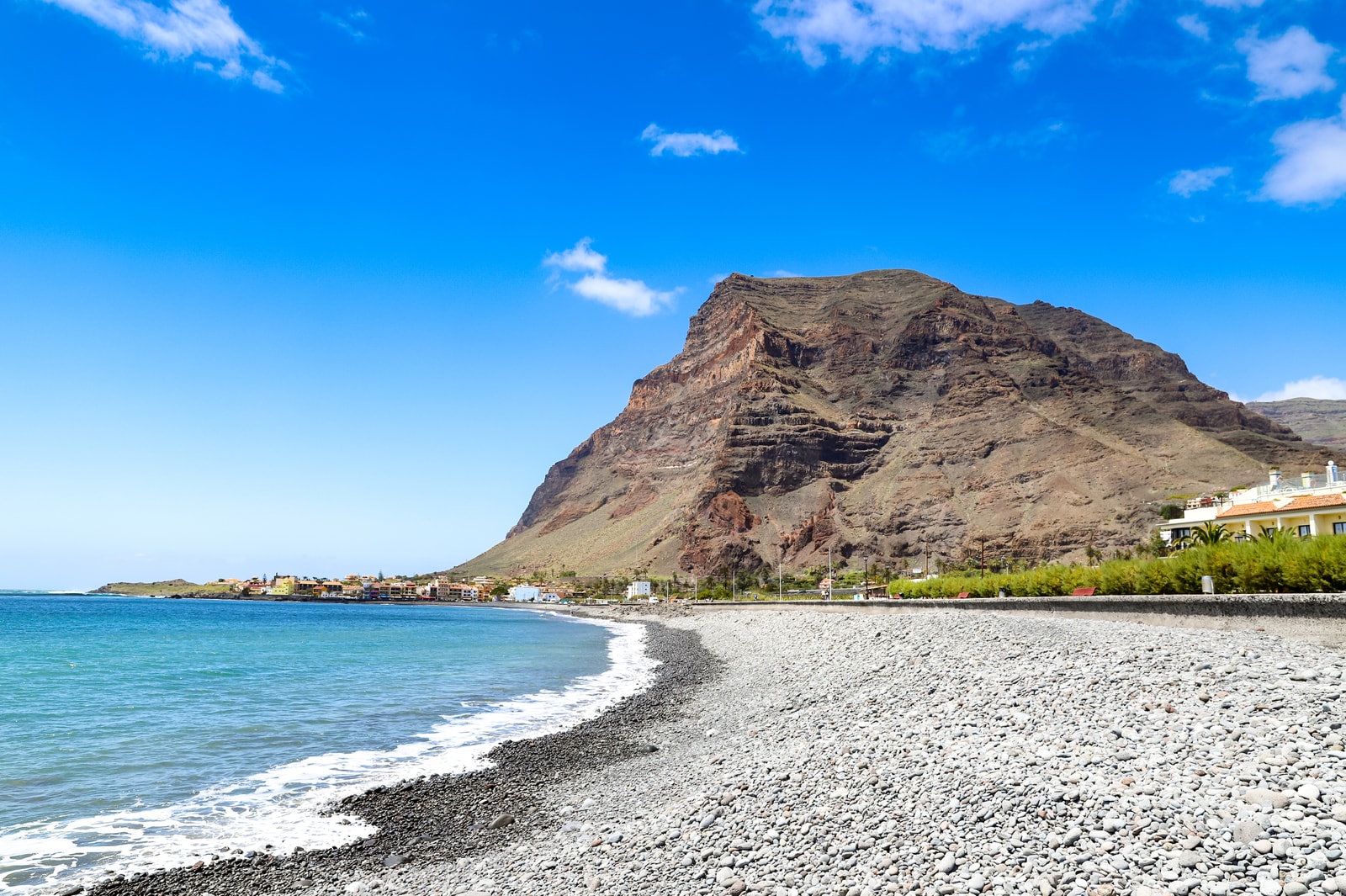
Playa de Argaga is another remote pebble-and-sand beach, but access should be approached with extreme caution. Official information warns that landslides have affected the routes, so it should not be considered easily accessible.
Other remote options like La Negra and Cabrito may require boat transfers or long hikes from inland access points. Always check local conditions before setting out.
Island Festivals in September & October 2026
Visiting in late 2026 offers a chance to experience the island’s vibrant culture. Several events are scheduled that connect with La Gomera's history and natural landscapes.
- Colombinas Festivities (2–18 September 2026): This island-wide event commemorates Christopher Columbus’s final stop here before sailing to the Americas. The programme includes concerts, exhibitions, and sporting events across multiple towns, including Hermigua, Vallehermoso, and Valle Gran Rey.
- Festival NOON Canarias 2026 — Lajalada (26 September 2026): A free midday concert by Lajalada in San Sebastián de La Gomera. The festival connects music and sustainability in heritage settings across the Canary Islands. Admission is free until capacity is reached.
- Guadalupe Festivities (Date NA): Held every five years on the Monday after the first Saturday of October, this maritime pilgrimage sees fishermen travel by boat to the Puntallana sanctuary before the Virgin is brought to San Sebastián.
Swimming Safety and Beach Hazards
La Gomera's beaches are beautiful but require respect. The image of an unspoiled escape is accurate, but “unspoiled” often means the beach has no backup plan for you. The emergency number is 112.
Key points to remember:
- Many beaches have no lifeguard.
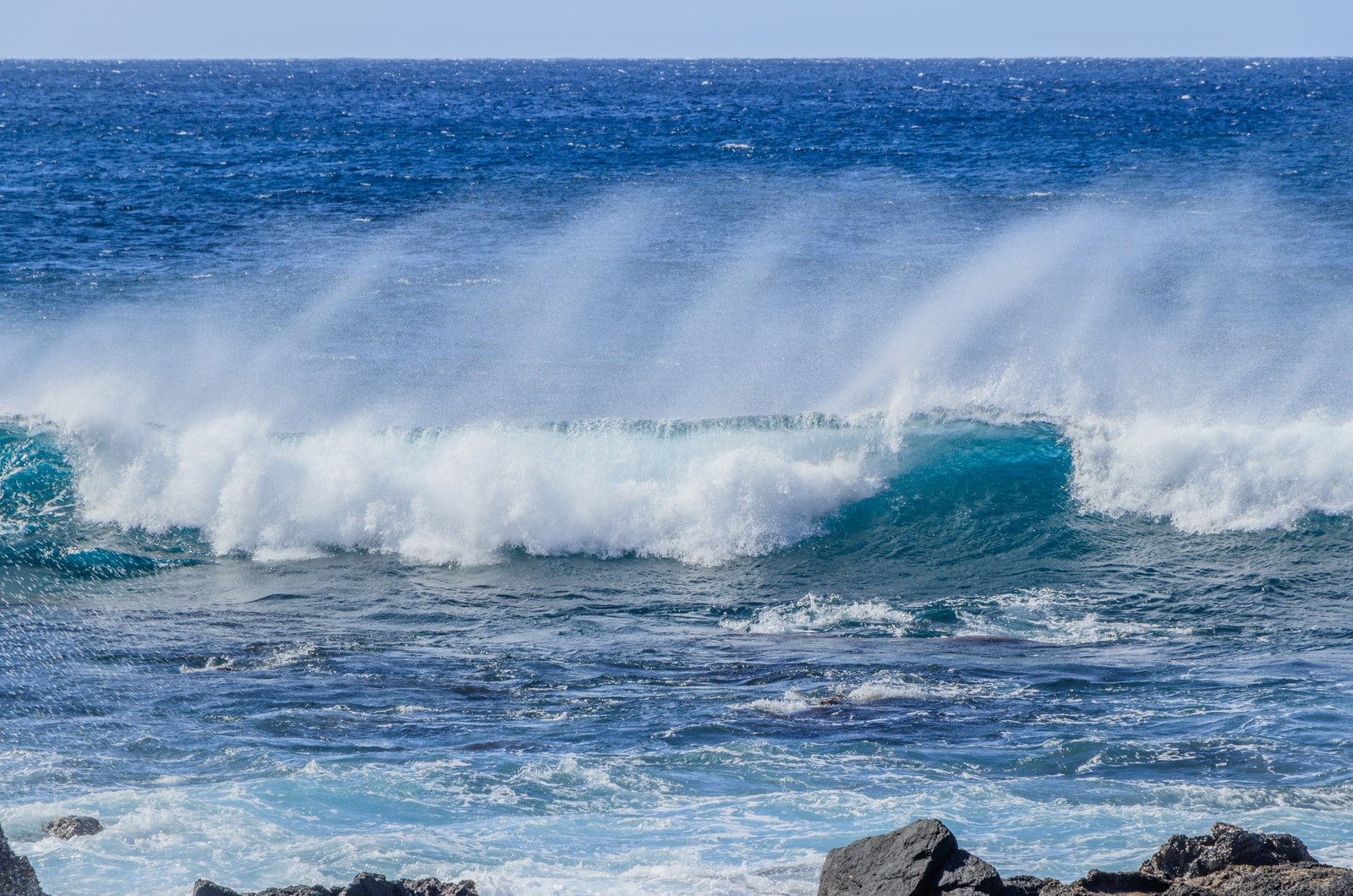
- Official warnings like “Bathe with caution” should be taken seriously, as swell can change rapidly.
- Black volcanic sand can become extremely hot in the sun.
- Remote beaches often have no facilities, so bring your own water, food, and shade.
- The northern coast is particularly exposed to strong Atlantic swell.
Getting Around La Gomera's Coastline
Reaching the island's main beach towns is straightforward. Local buses, known as guaguas, connect major settlements like Valle Gran Rey and San Sebastián, but it's essential to check schedules as they can change, especially between seasons.
For a more scenic journey, the Benchi Express ferry from Fred. Olsen links San Sebastián, Playa de Santiago, and Valle Gran Rey. The full coastal route takes about 70 minutes. As with the buses, it is highly recommended to check seasonal timetables before you travel.
Gallery
Additional Resources
- Official Tourism Site: The Best Beaches in La Gomera
- Spain Tourism: La Gomera Island Guide
- San Sebastián Beach Guide
- Playa de la Cueva Guide
- Playa de Santiago Beach Guide
- La Calera Beach Guide
- Playa de Vueltas Beach Guide
- Playa del Inglés Beach Guide
- La Caleta Beach Guide
- Charco del Conde Natural Pool Guide
- Fred. Olsen Coastal Ferry Route
- Colombinas Festivities 2026
- Festival NOON Canarias 2026
- Festivity of the Virgin of Guadalupe
- San Sebastián Municipal Festivities
- Information on Festival NOON from Islas24
- Festival NOON Organiser Information
- Most Representative Popular Festivities of La Gomera