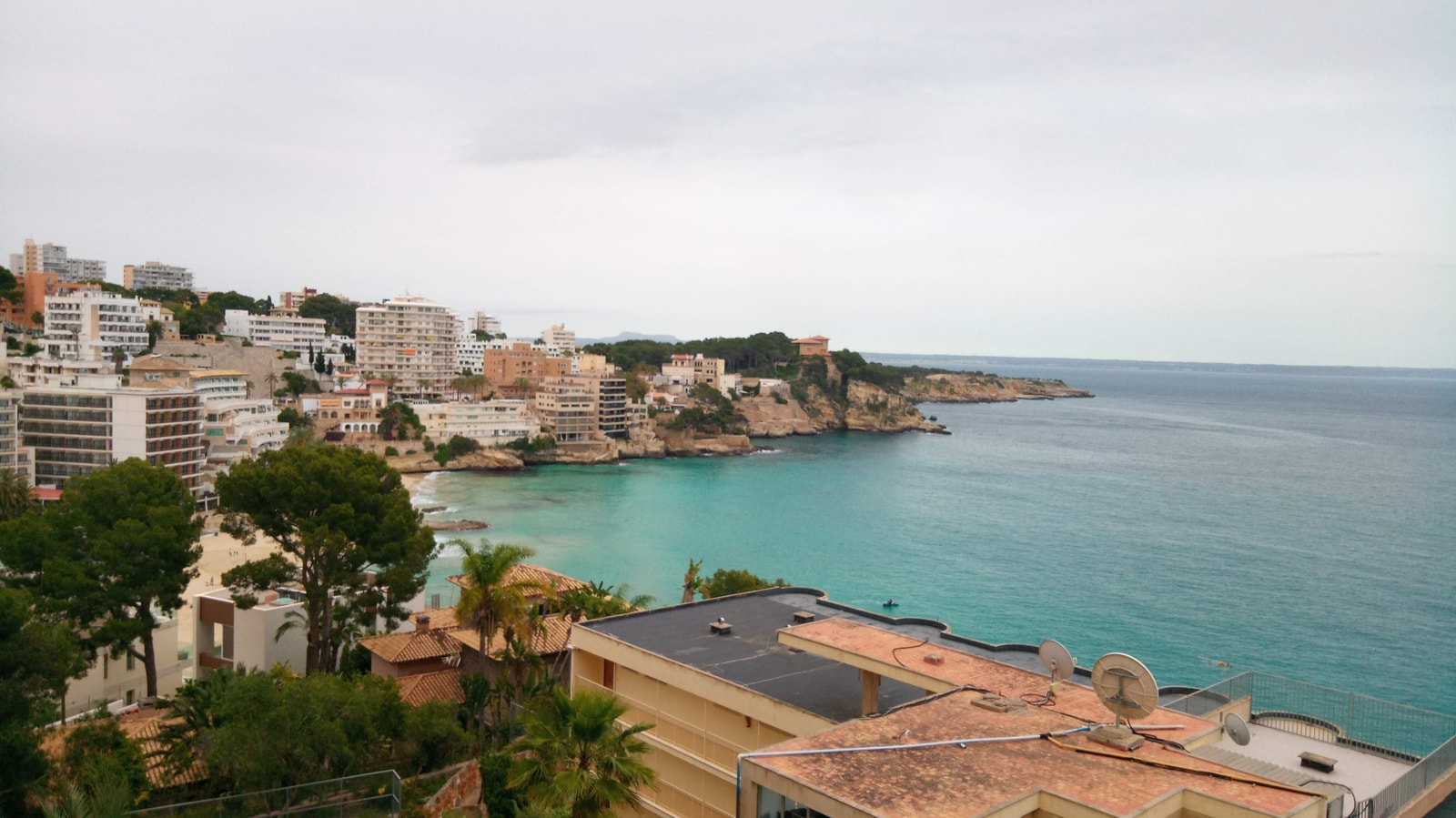
Tenerife's Best Beaches for Your Late 2026 Trip
From calm golden sands in the south to wild volcanic shores in the north, here’s how to find the perfect Tenerife beach for your autumn escape.
Published on 23 Oct 2026 13:03 GMT
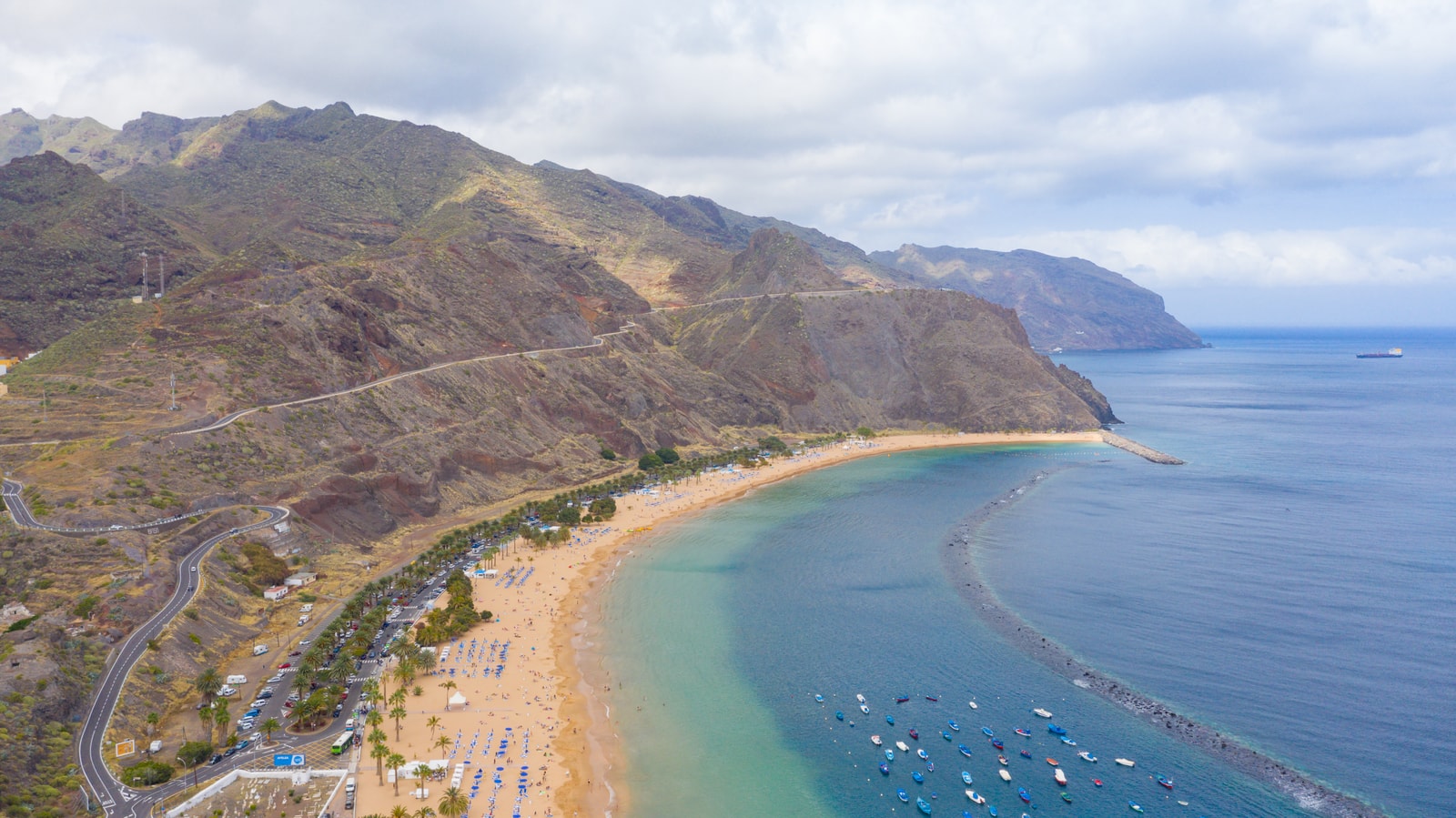
Tenerife’s coastline isn’t about finding one perfect beach, but about matching the right shore to your mood. The island offers a stunning variety, from sun-drenched resort beaches with golden sand to dramatic, black-sand coves carved from its volcanic past.
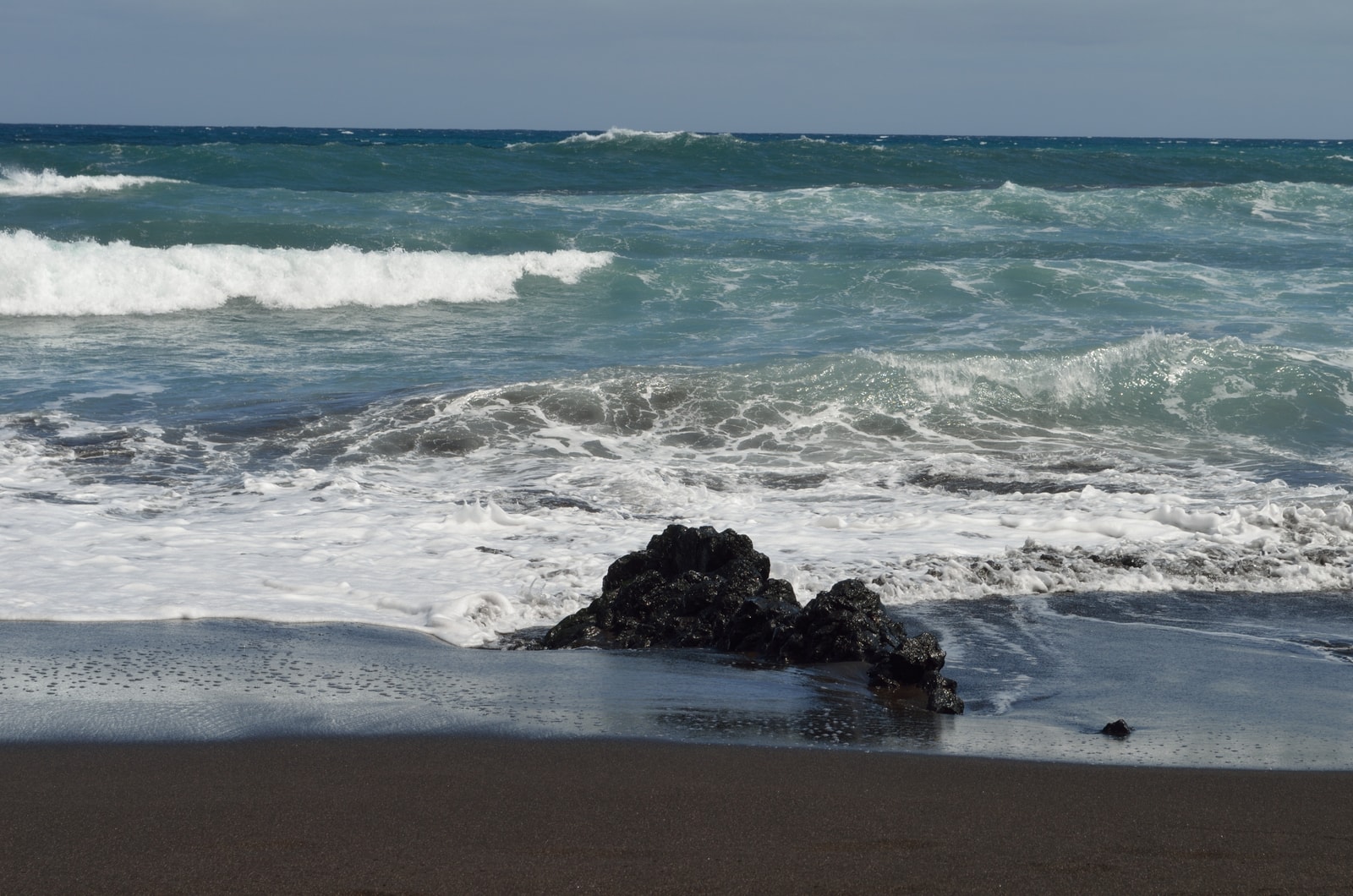
The island is broadly split between the sunny, developed south and the wilder, more rugged north. The south is home to many well-known resort beaches with calmer waters, while the north delivers dramatic Atlantic scenery and powerful waves.
This variety makes beach-hopping a rewarding way to experience the island. You can spend the morning on a sheltered golden beach and the afternoon exploring a remote volcanic shore, all in the same day with a rental car.
For Families and Easy Beach Days
For those seeking calm waters and convenient amenities, Tenerife has several beaches specifically suited for relaxed swimming and family outings. These shores are often protected by breakwaters, creating more sheltered conditions.
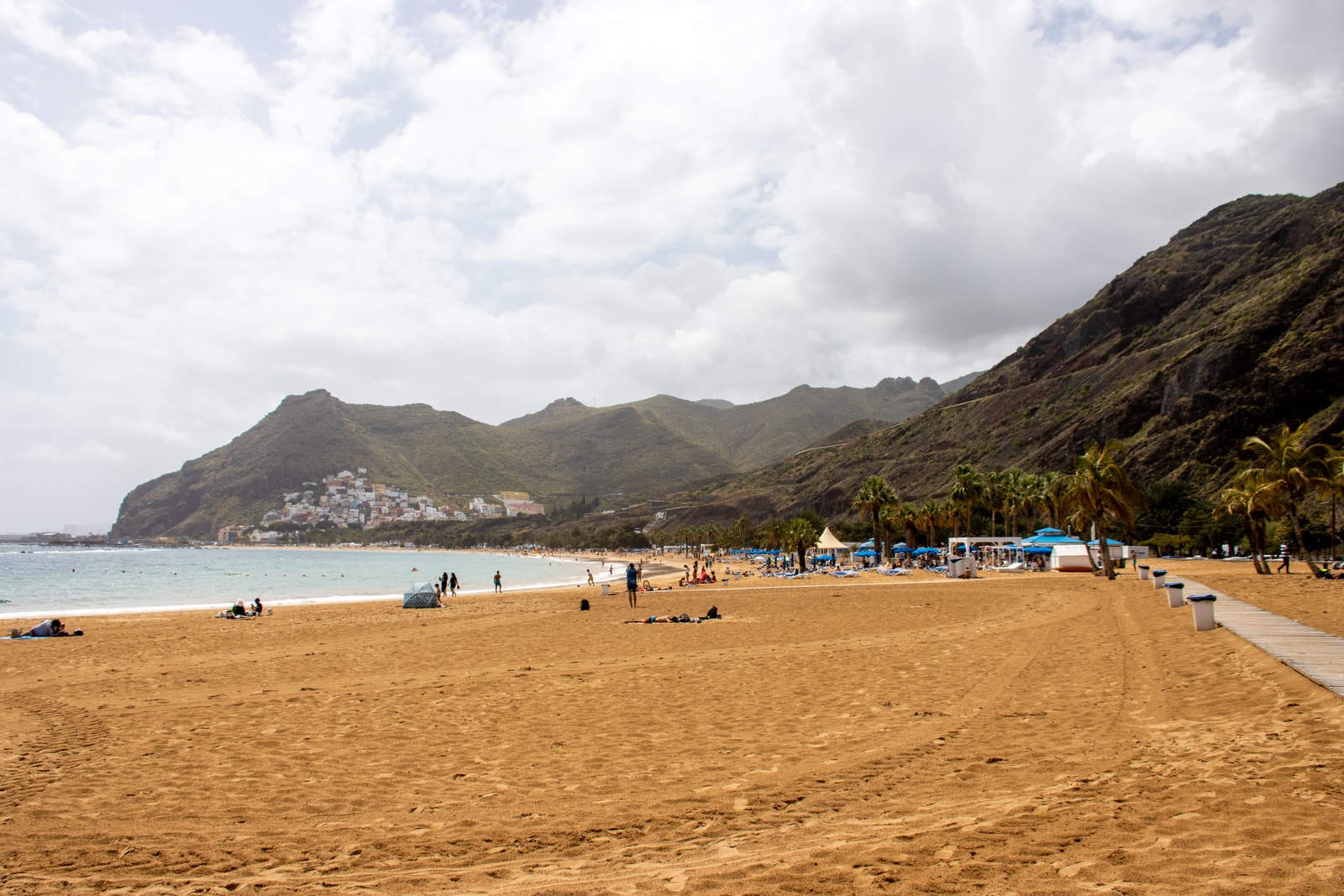
Playa de Las Teresitas is a landmark beach known for its pale sand, famously brought from the Sahara. A large breakwater protects the bay from strong waves, creating a calm, shallow swimming area that's a favorite among families.
Playa de las Vistas in Los Cristianos is another top choice. This wide, southern beach offers breakwater-calmed water and is noted for its accessible amenities, though it's always best to confirm availability before your trip.
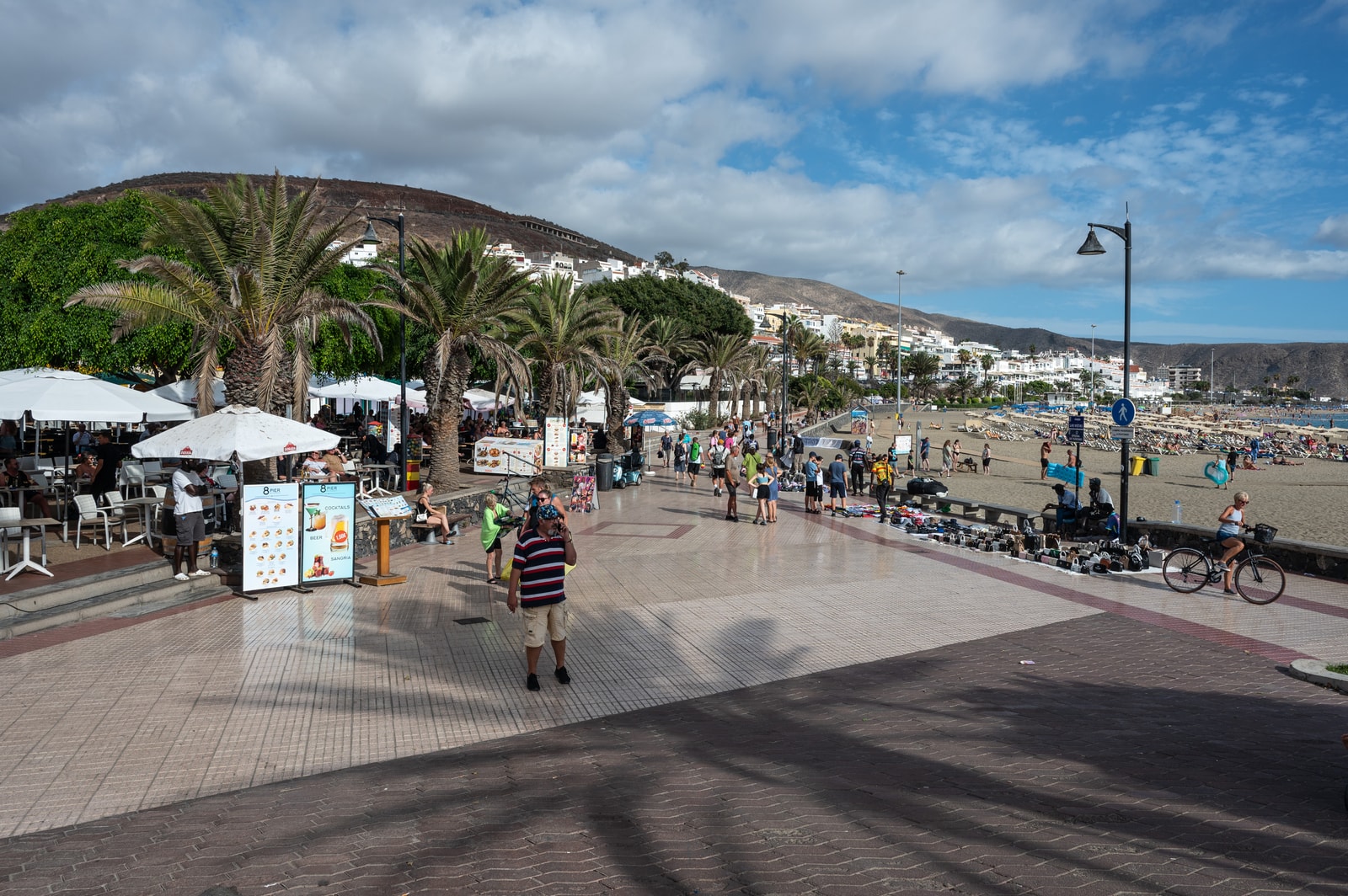
In Costa Adeje, Playa del Duque provides a more polished, upscale setting with a promenade and a breakwater that helps moderate the swell. Other reliable options include Playa del Camisón, sheltered by two breakwaters, and the Playa Jardín complex, with its distinctive black sand and gardens.
Exploring the Wild Volcanic Shoreline
Tenerife's northern coast reveals the island's raw, volcanic heart. Here you'll find dramatic black-sand beaches and a powerful Atlantic atmosphere, perfect for scenery and a sense of adventure rather than a casual swim.
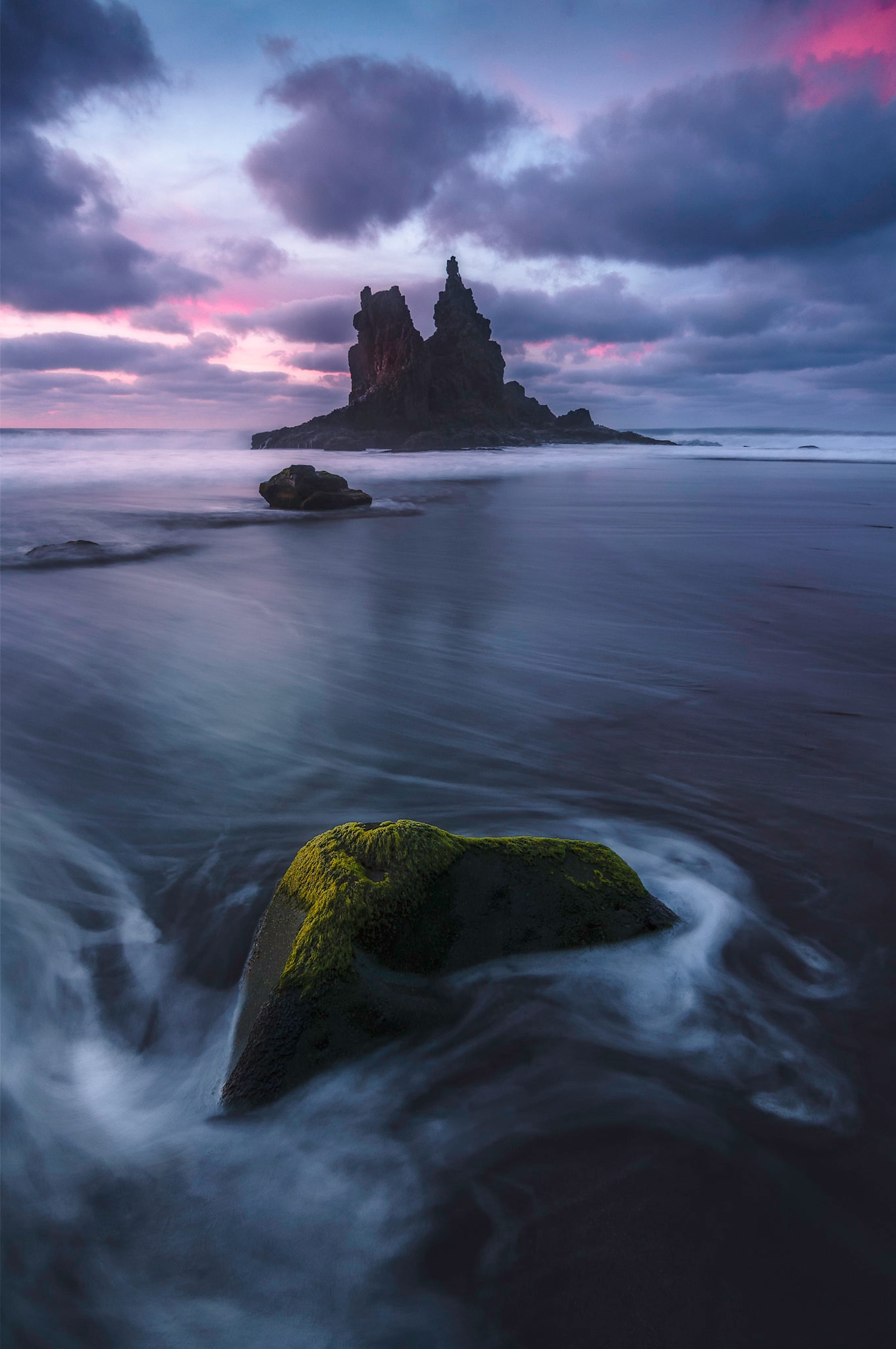
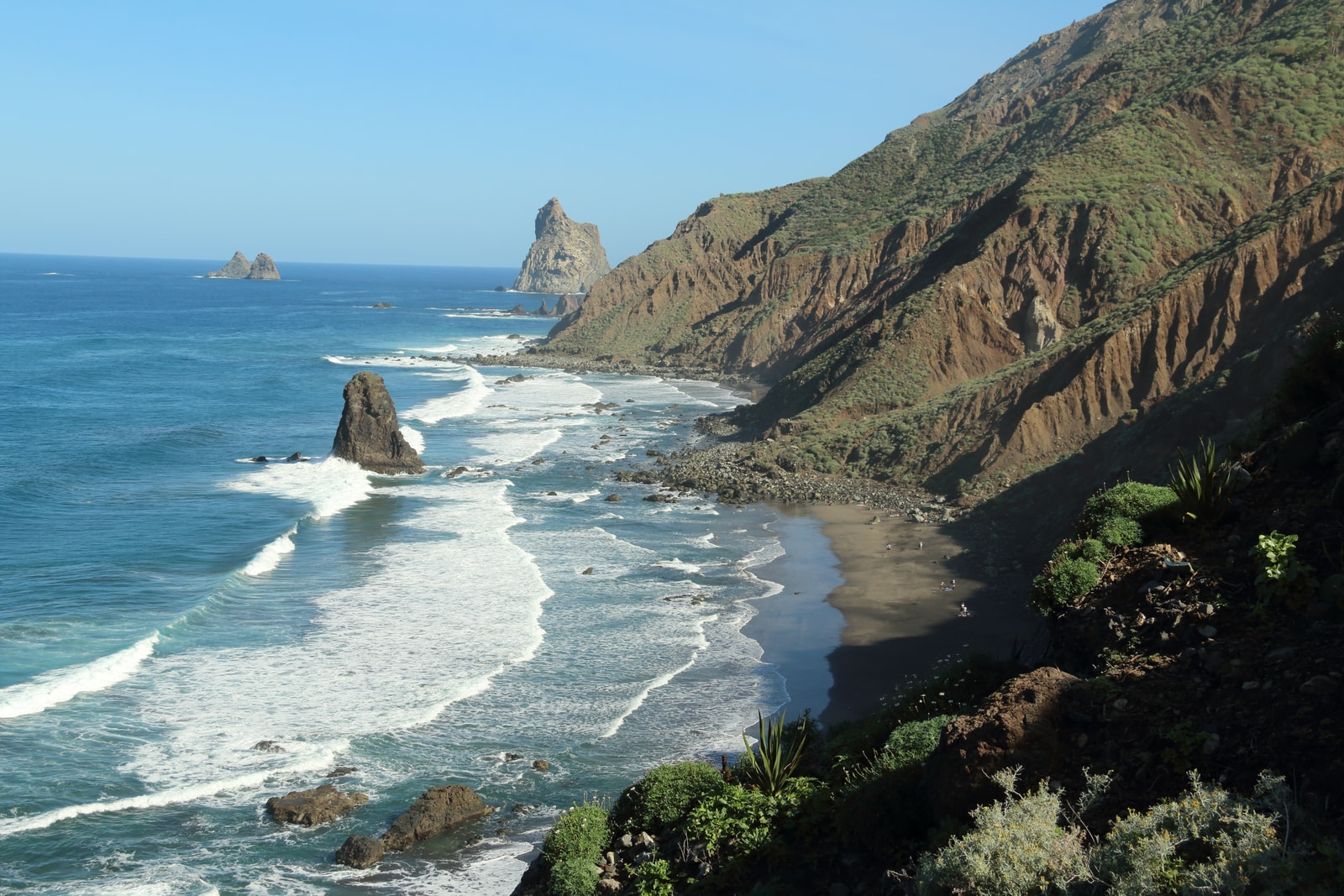
Playa de Benijo is one of the most scenic. Set beneath the Anaga mountains, its dark sand and offshore rock formations are breathtaking, but the coast is exposed. Be sure to check local access, as a past landslide prompted a closure notice.
Playa El Bollullo in La Orotava offers a similar wild, black-sand experience. Destination guides warn of strong seas here, so approach it as a place for dramatic views. For surfers, Playa del Socorro is a well-known spot, but its powerful waves and currents demand respect.
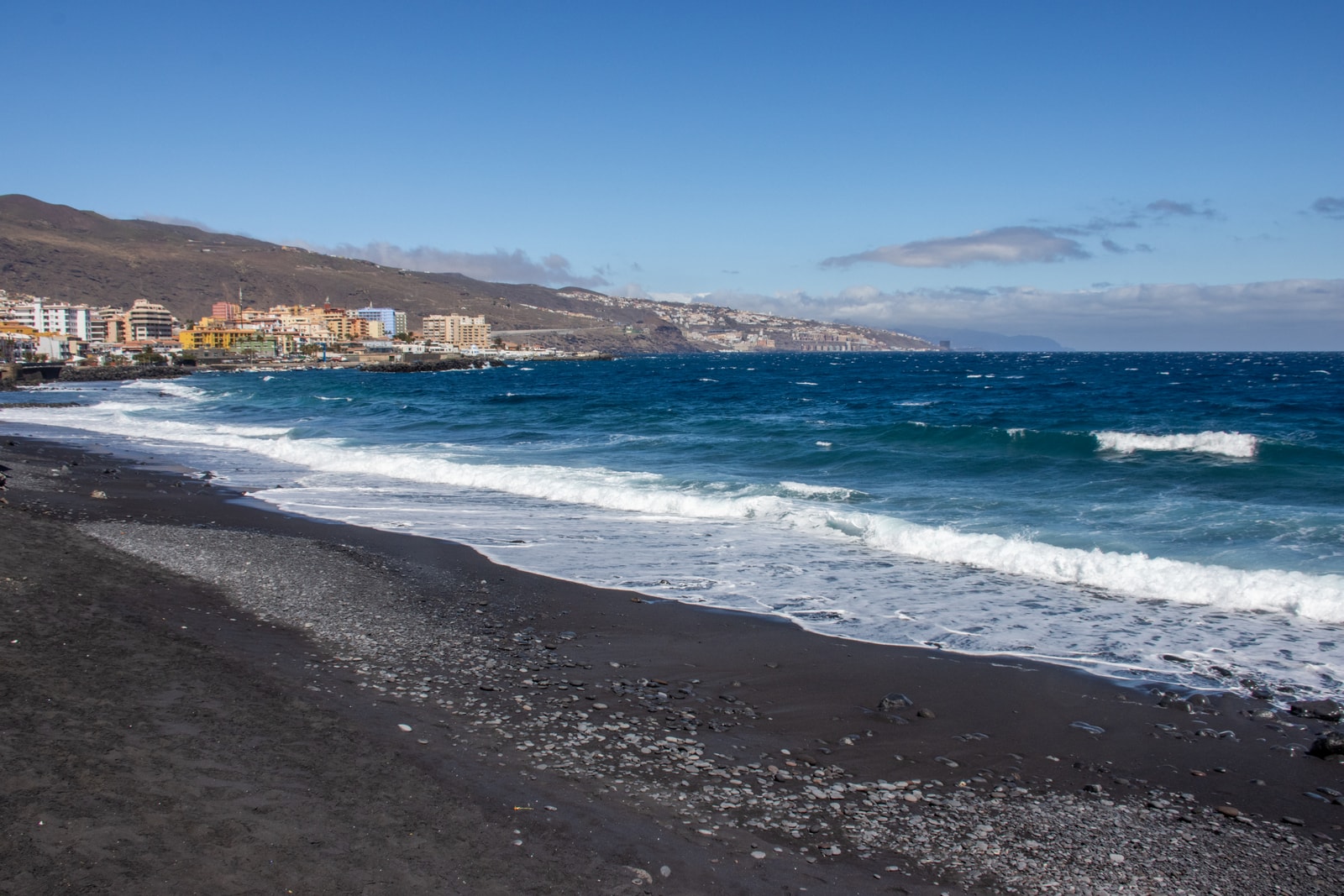
Nearby, Playa de la Tejita offers a more open, natural feel next to the Montaña Roja nature reserve, providing a different mood from the bustling southern resorts.
The Dramatic Cliffs of the West Coast
The western side of Tenerife is dominated by the colossal cliffs of Los Gigantes. The beaches here offer the unique experience of relaxing at the foot of these towering rock walls, combining dramatic scenery with dark volcanic sand.
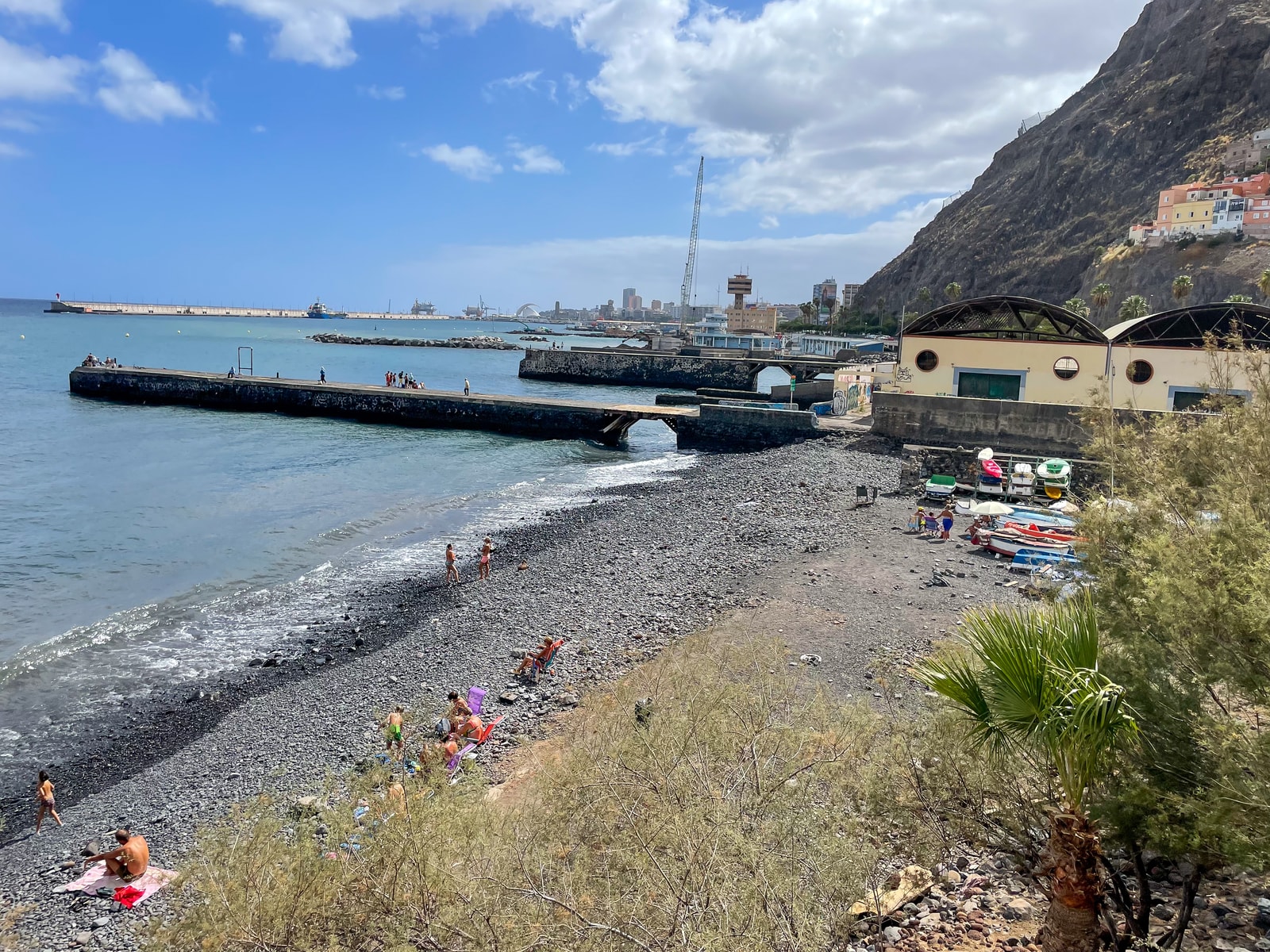
Playa de los Guíos sits directly beneath the cliffs, making the landscape the main attraction. The setting provides a sense of scale and drama that's hard to find elsewhere on the island.
Just down the coast, Playa de la Arena in Puerto de Santiago is a popular dark-sand urban beach. While it has more of a resort-town feel, it’s known for its calm waves and even has a designated area for diving.
Wind and Waves: Water Sports Hotspots
For active travelers, Tenerife’s coastline provides plenty of opportunities for windsurfing, kitesurfing, and surfing, particularly on its more exposed shores. Certain beaches have become hubs for these sports.
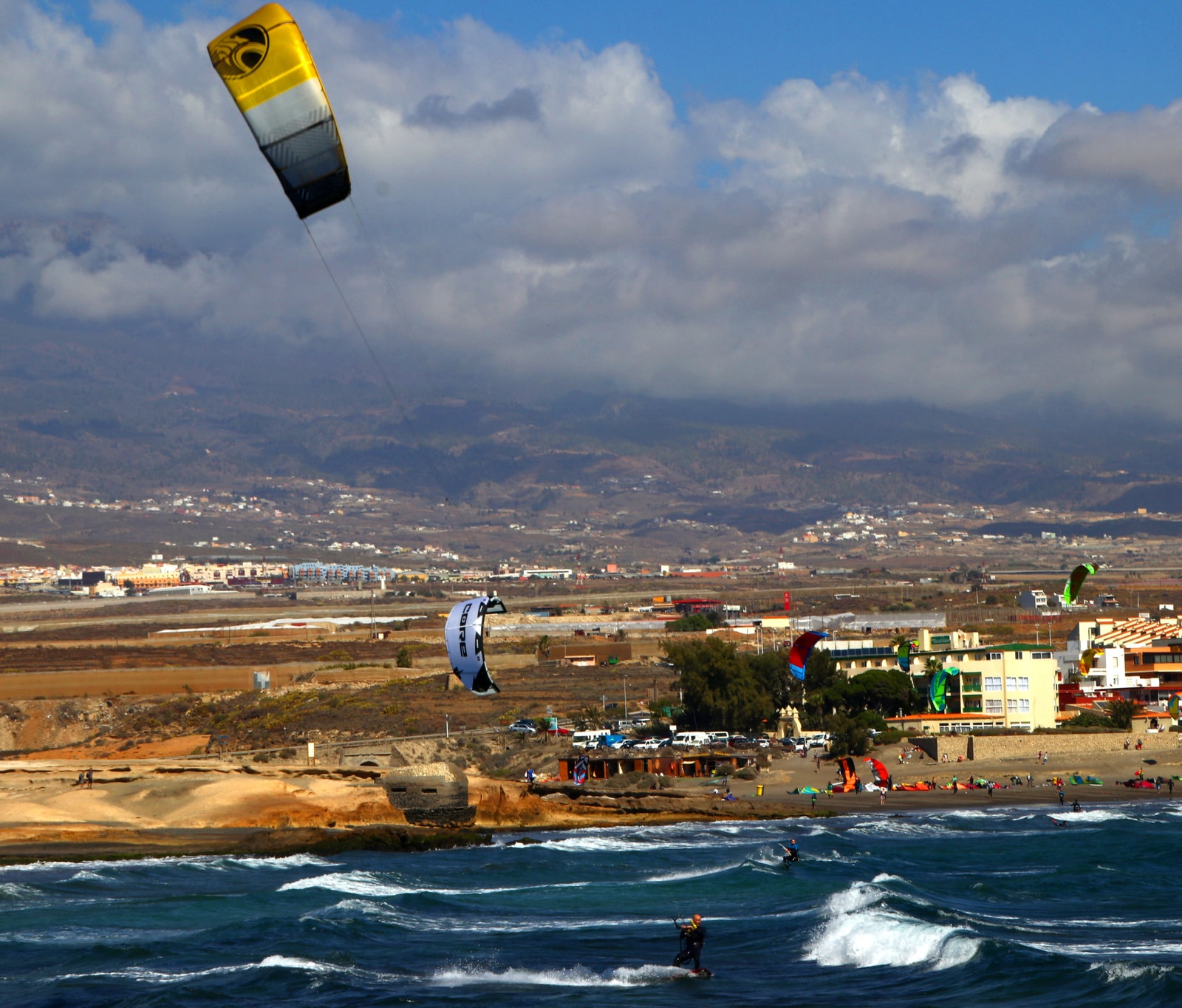
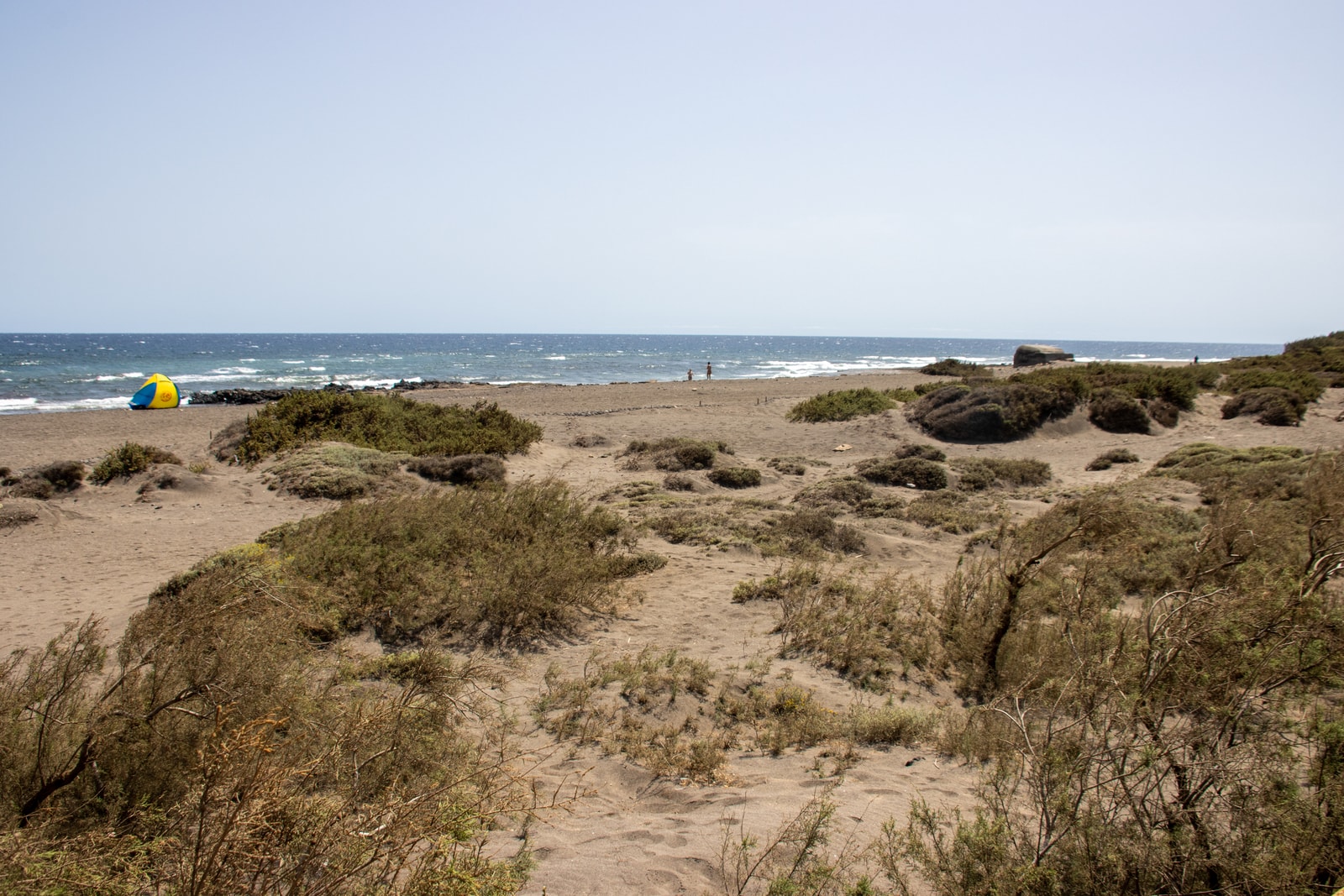
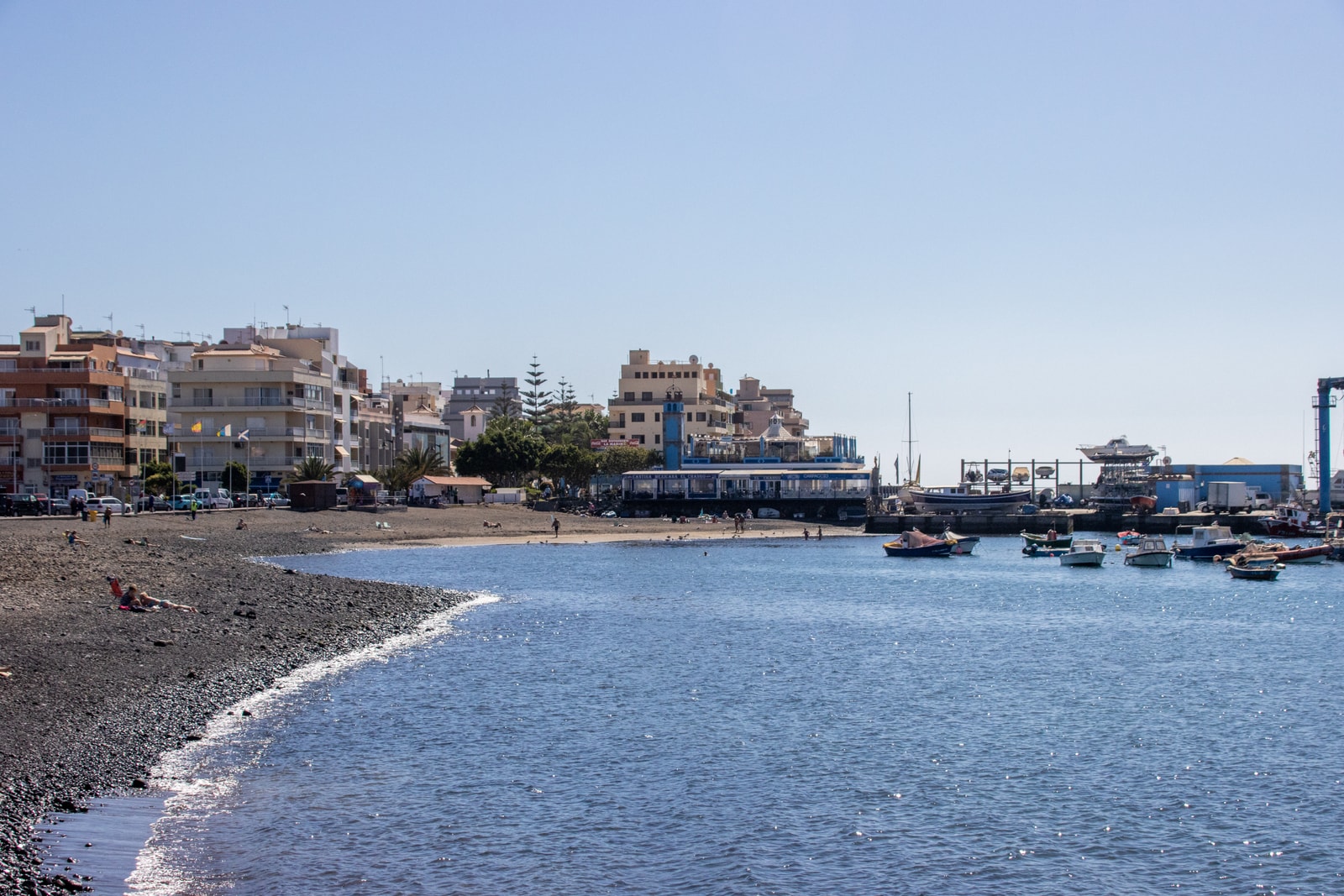
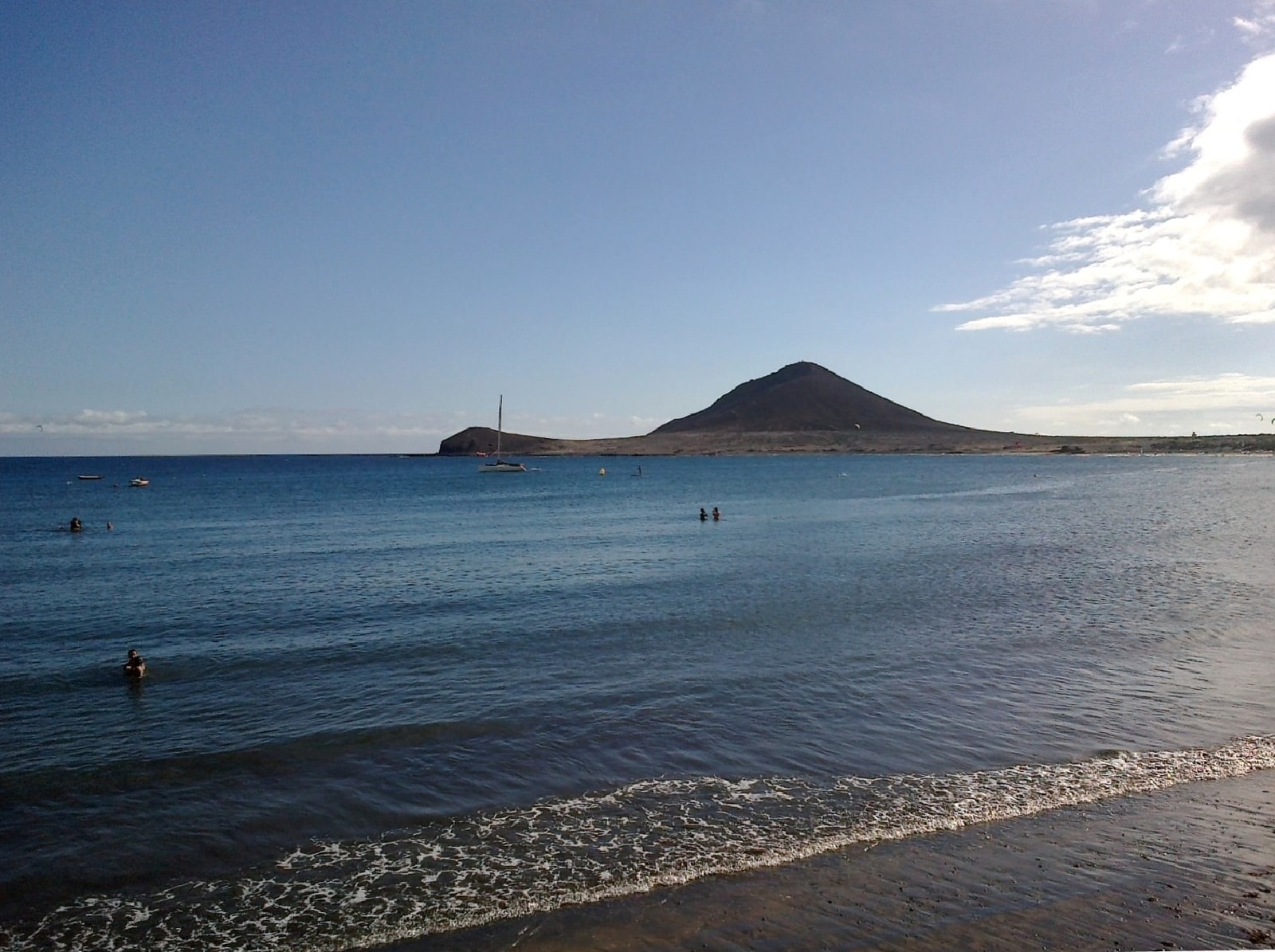
El Médano is the undisputed capital of wind and kite sports on the island. This long, sandy beach on the southeast coast is famous for its breezy conditions, attracting enthusiasts from all over. Always respect the designated zones that separate swimmers from sports activities.
For traditional surfing, the north coast's Playa del Socorro is a key spot, with waves that can range from manageable to powerful. Meanwhile, the west coast's Playa de la Arena is noted for its diving, offering a different way to explore the water.
Late 2026 Open-Water Swims
If you're visiting in late 2026, the coastal action continues beyond the beach towels. The autumn calendar features several organized open-water swims, offering a unique way to experience the island’s waters.
These events are a great fit for active travelers looking to join a local tradition. Mark your calendars for these late-year coastal challenges:
- Travesía a Nado Puertito de Güímar (October 25, 2026): A 2,000-metre open-water swim taking place off Puertito de Güímar.
- Swim Across Teresitas Beach (November 8, 2026): The 14th edition of this charity swim at the famous Playa de Las Teresitas, featuring a 1,400-metre adult race.
- III Travesía a Nado The Blue Challenge (November 21, 2026): Held at Los Cristianos Beach, this event offers 1,000-, 2,500-, and 5,000-metre courses for different skill levels.
Safety and Practical Planning
No matter which beach you choose, safety should always be a priority. Tenerife’s Atlantic waters can be powerful, with strong currents and waves, especially on the more exposed northern and western shores. Always obey local flag warnings and lifeguard instructions.
Here’s a quick mental map to help with planning:
- South: The go-to for convenient, resort-style beach days with generally calmer, protected waters.
- North: Best for dramatic volcanic scenery and a wilder Atlantic feel, with conditions that require caution.
- West: Offers a unique combination of dark sand, towering cliffs, and urban beach amenities.
- Southeast: The primary destination for wind and kite sports, centered around El Médano.
Gallery