El Cotillo Beaches: Lagoons, La Concha & Surf Beaches (2026 Guide)
From the calm turquoise lagoons of Los Lagos to the wild surf of Piedra Playa, explore the best beaches around El Cotillo for your 2026 trip.
Published on 5 Oct 2026 14:03 GMT
On the northwest coast of Fuerteventura, the small fishing town of El Cotillo presents a shoreline with a split personality. It’s a compact coastal sampler, offering two distinct beach experiences depending on whether you head north or south from the village.
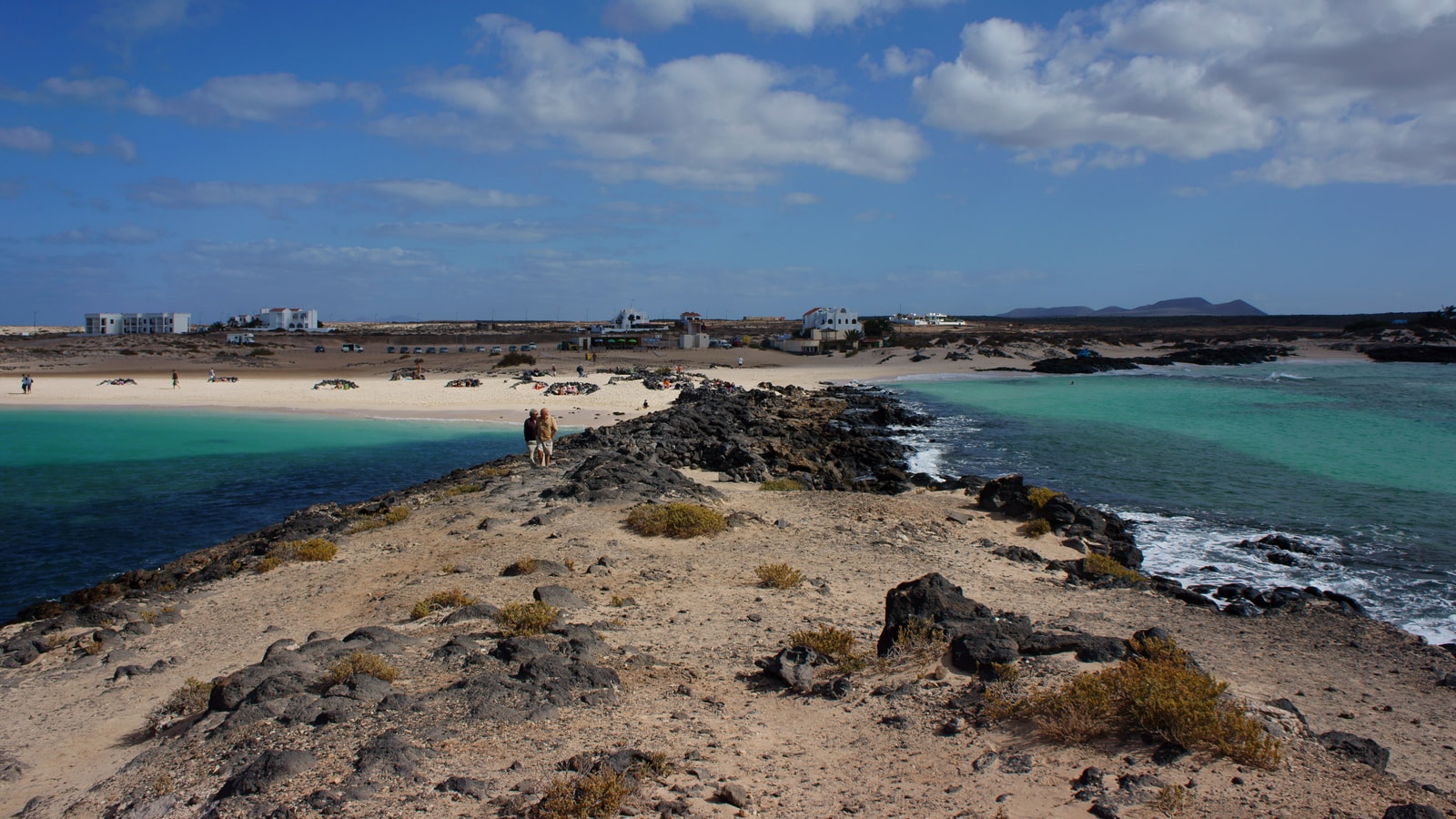
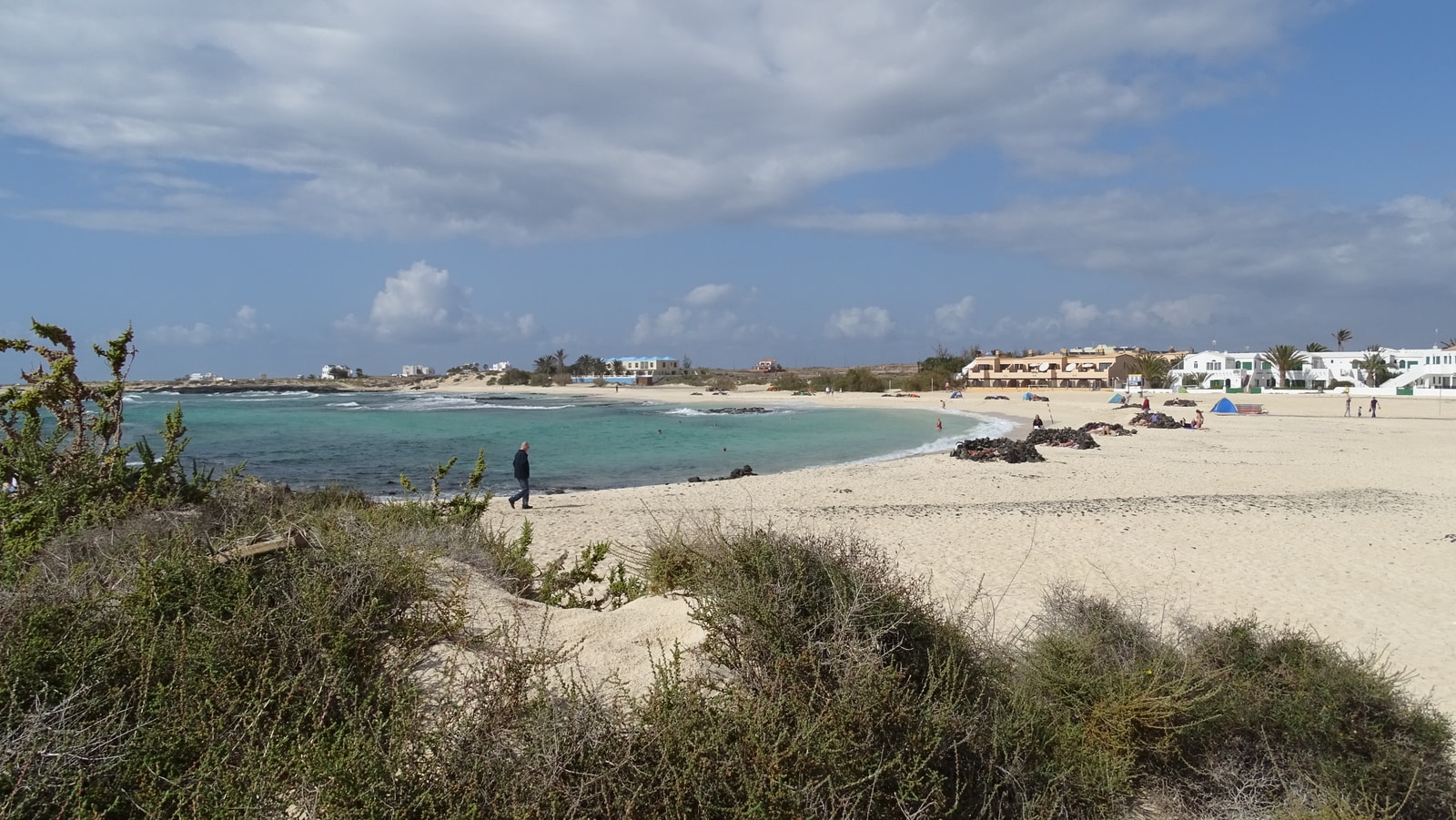
The coast to the north is the realm of Los Lagos (“The Lakes”), a series of white-sand coves and natural lagoons. These calm waters are protected from the open Atlantic by dark volcanic reefs, creating ideal spots for relaxed swimming and exploring rock pools.
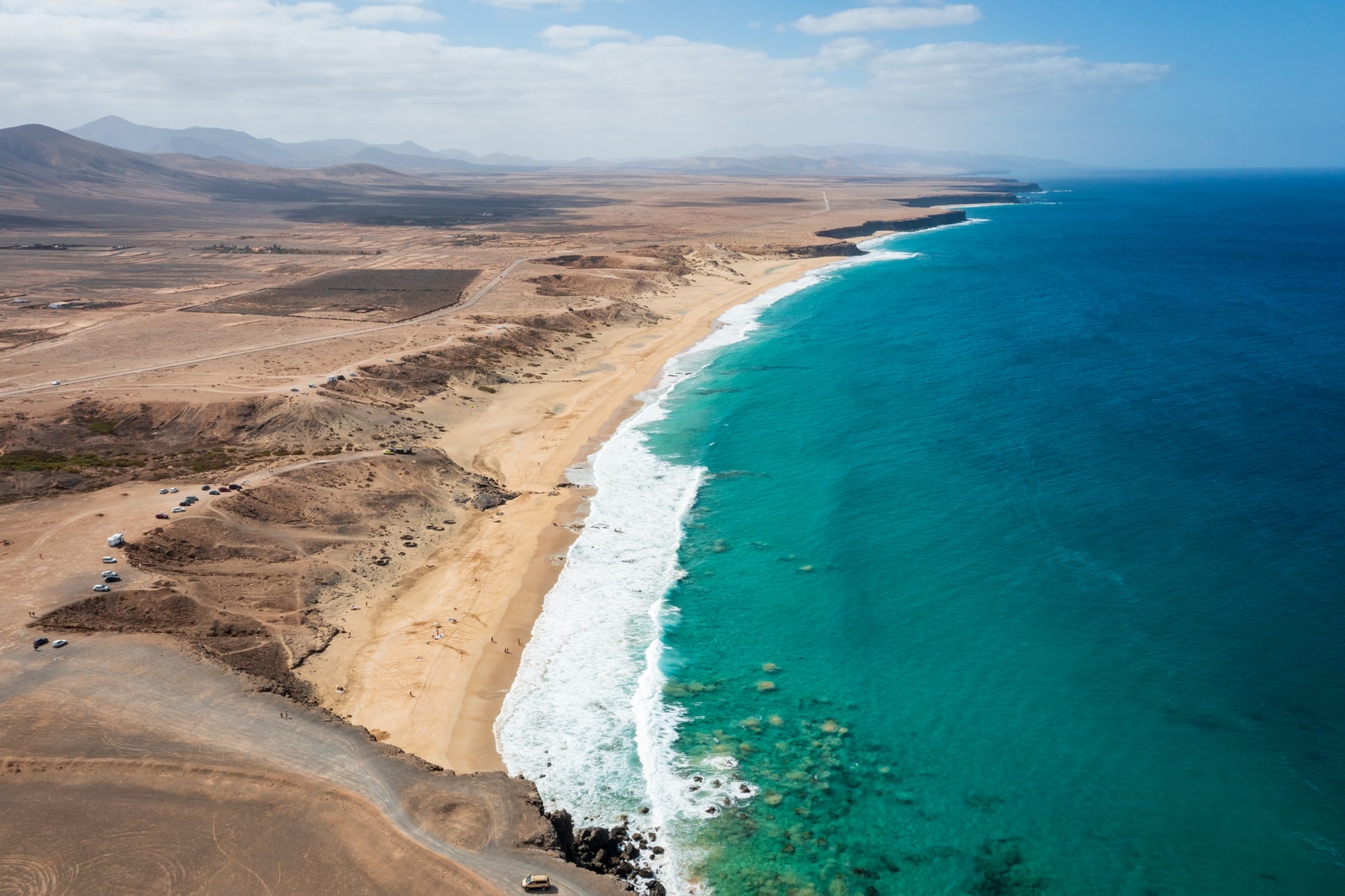
To the south, the landscape opens into broader, wilder beaches backed by cliffs. Exposed to the Atlantic swell and prevailing trade winds, this area attracts surfers and those looking for a more dramatic coastal scene.
The Sheltered Northern Lagoons
The chain of shallow, white-sand lagoons known as Los Lagos stretches north from El Cotillo. Their character is strongly dependent on the tide; at low water, some sections become very shallow, while high tide fills the pools for better swimming.
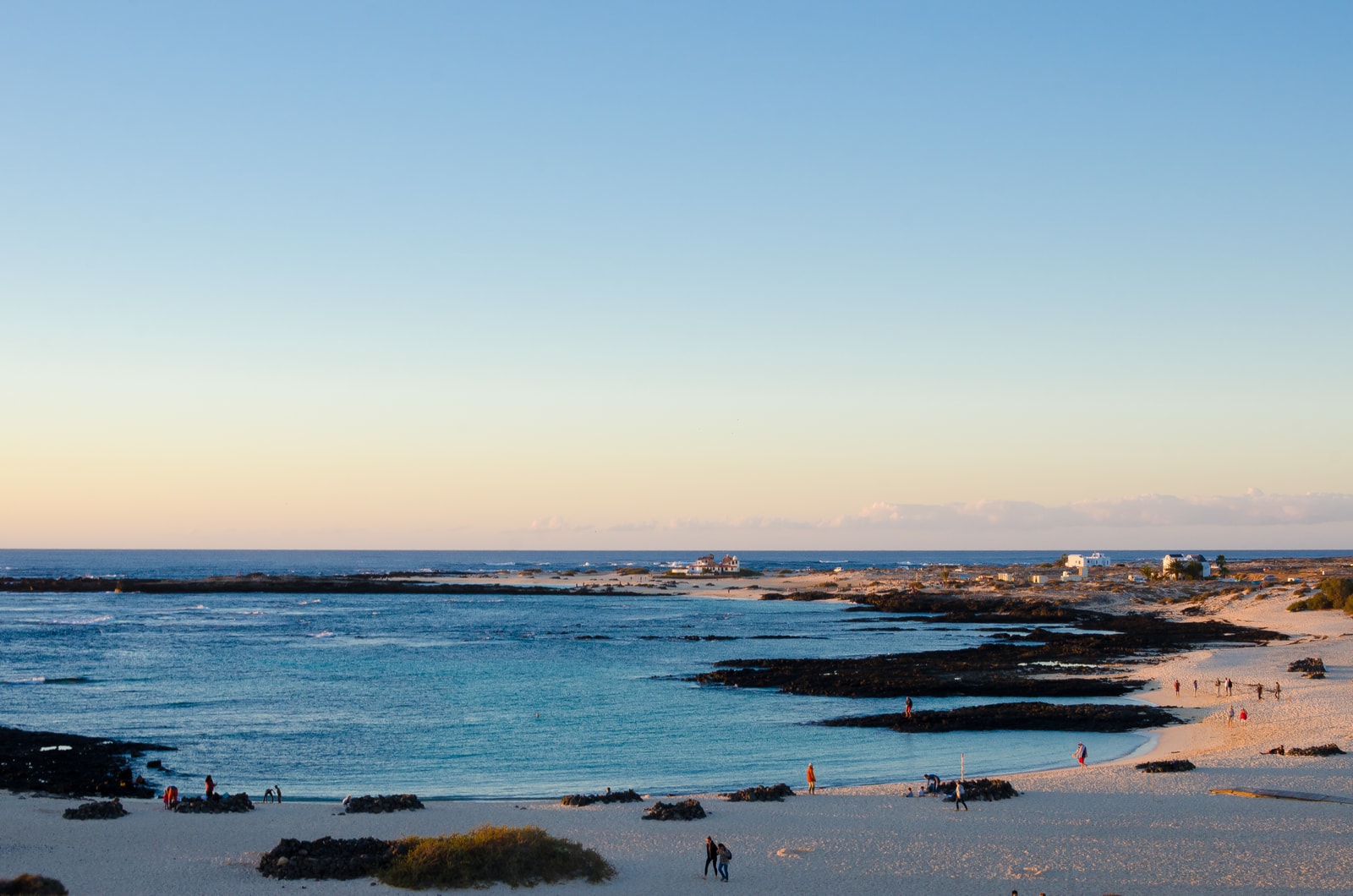
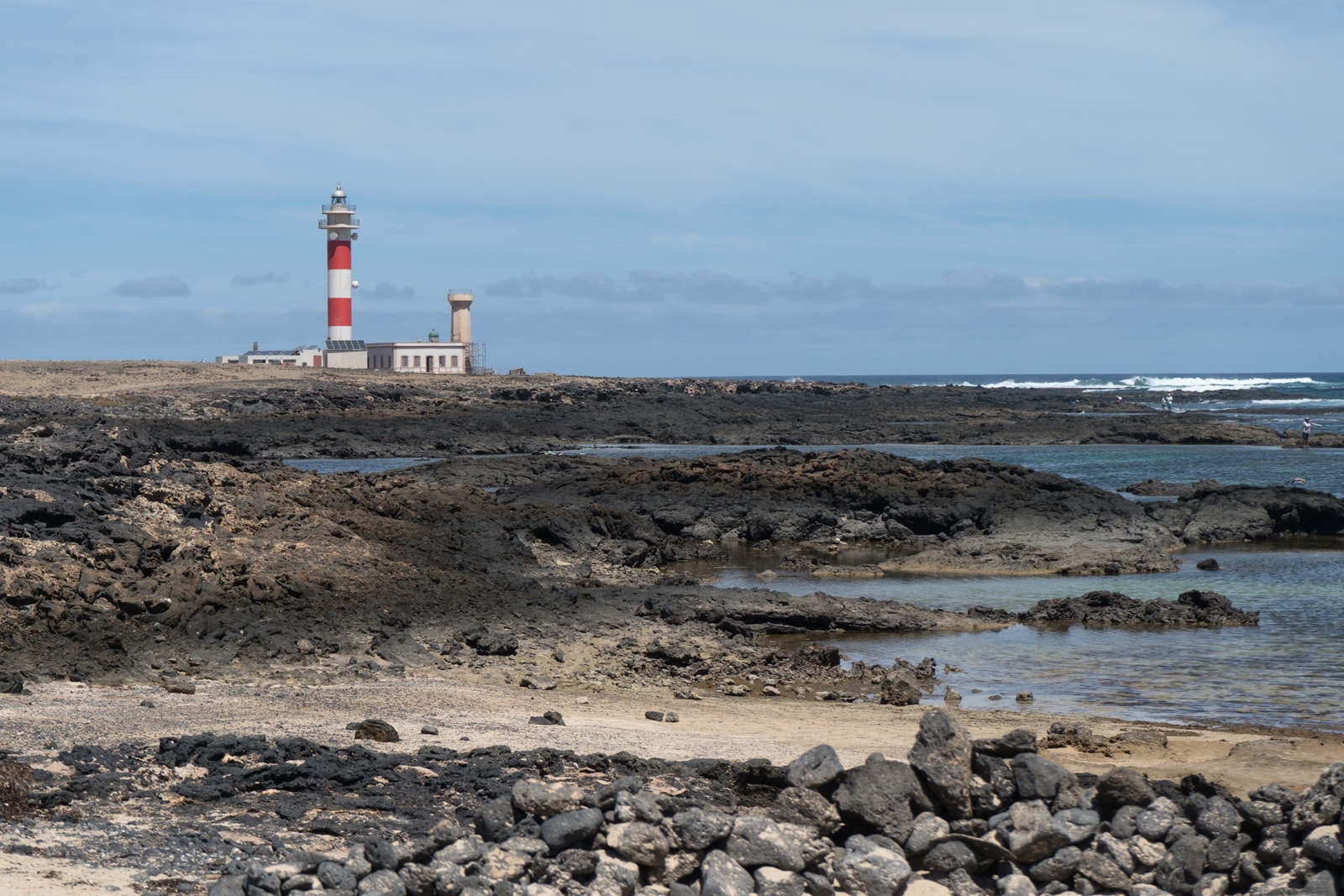
Playa Marfolín is the more urban lagoon, easily walkable from town. Further north towards the Faro del Tostón lighthouse, you'll find Los Charcos, a sequence of coves separated by natural stone walls. Volcanic rock can be sharp, so sensible footwear is a good idea.
For a quieter alternative, Caleta del Marrajo lies just north of La Concha. It offers a smaller, more isolated version of the sheltered volcanic-and-sand landscape, but comes without surveillance or rescue services.
Playa de La Concha: The Classic Swimming Cove
Of all the northern coves, Playa de La Concha is the most famous for all-around beach days. This white-sand beach is protected by a natural horseshoe-shaped reef, which keeps the waves relatively gentle and the water shallow.
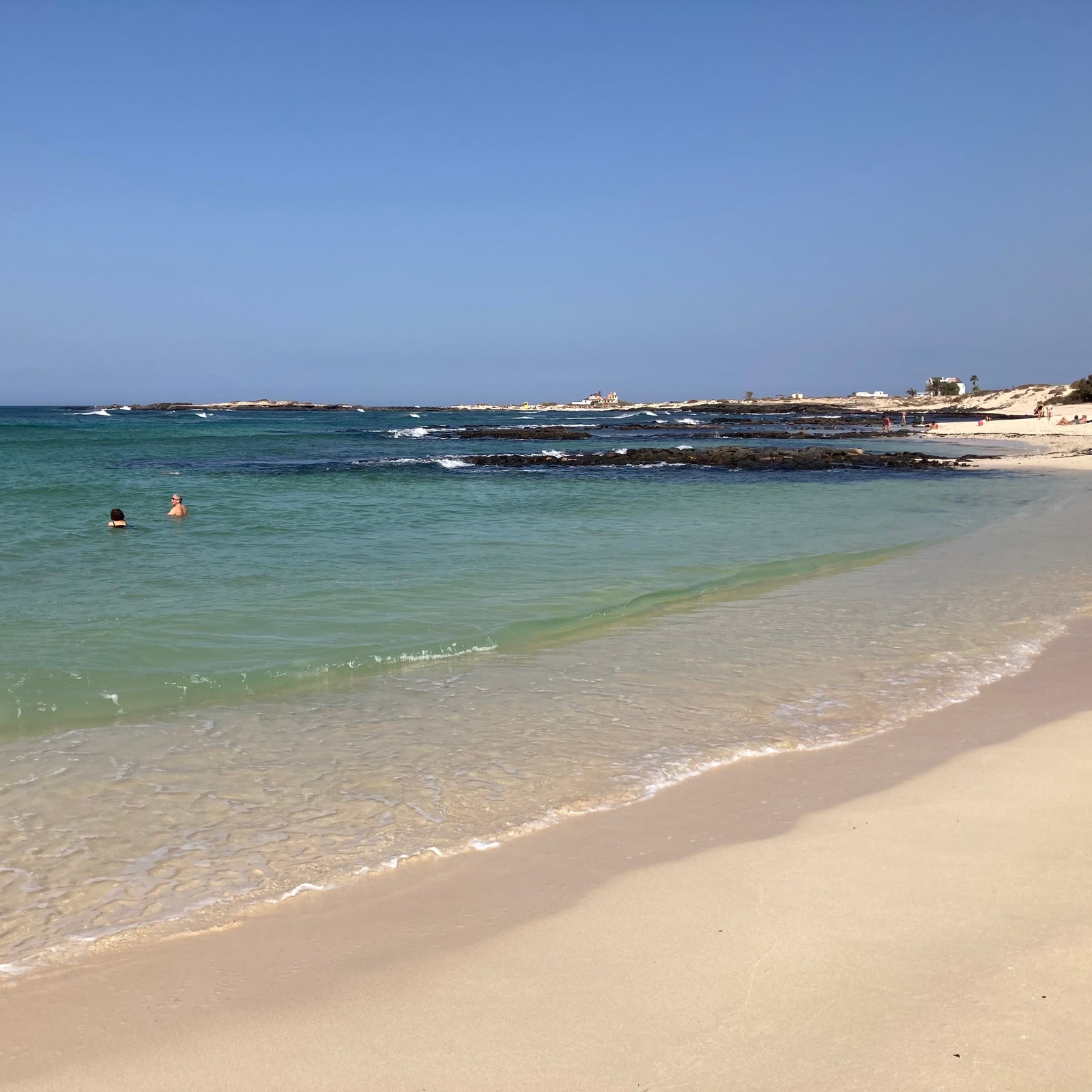
Its sheltered nature makes it a great spot for swimming, snorkeling, and family outings. As with all beaches in the area, it's always wise to pay attention to the tide, wind, and local safety flags before entering the water.
The Wild Southern Shore: Piedra Playa
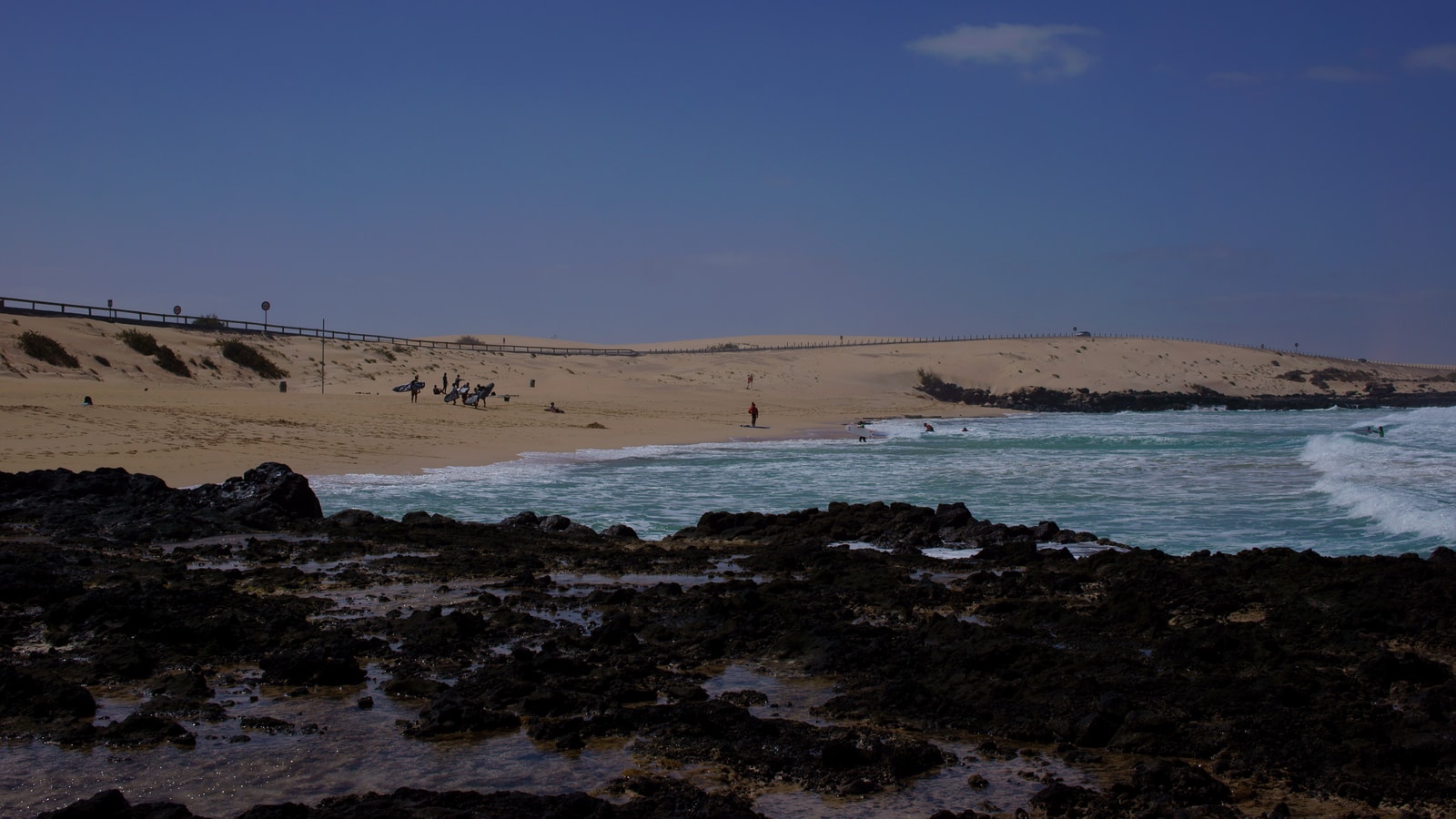
South of the village, the coastline transforms. Piedra Playa, also known as Playa del Castillo at its northern end, is the broad, golden, and exposed counterpoint to the calm northern lagoons. It faces the open Atlantic directly.
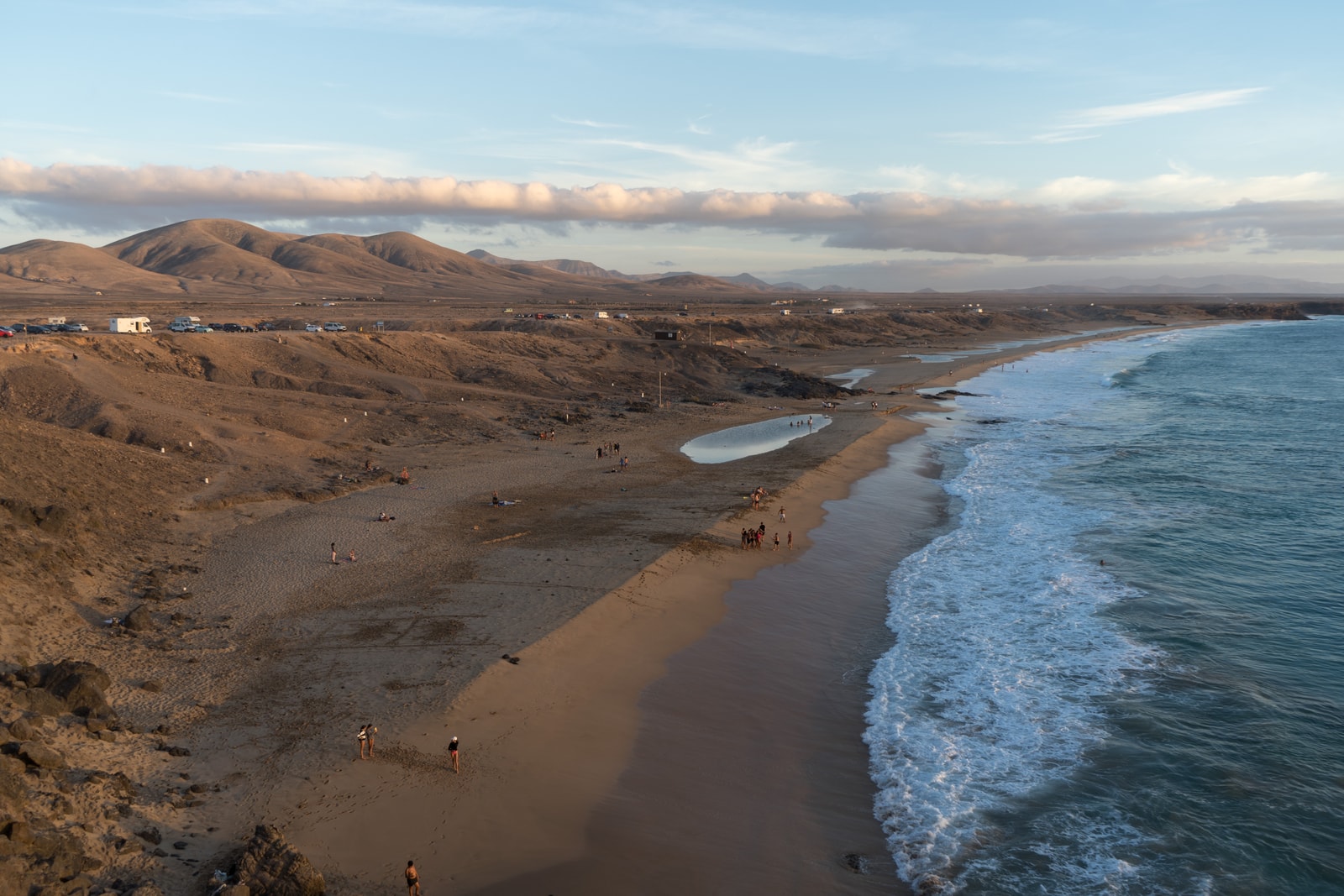
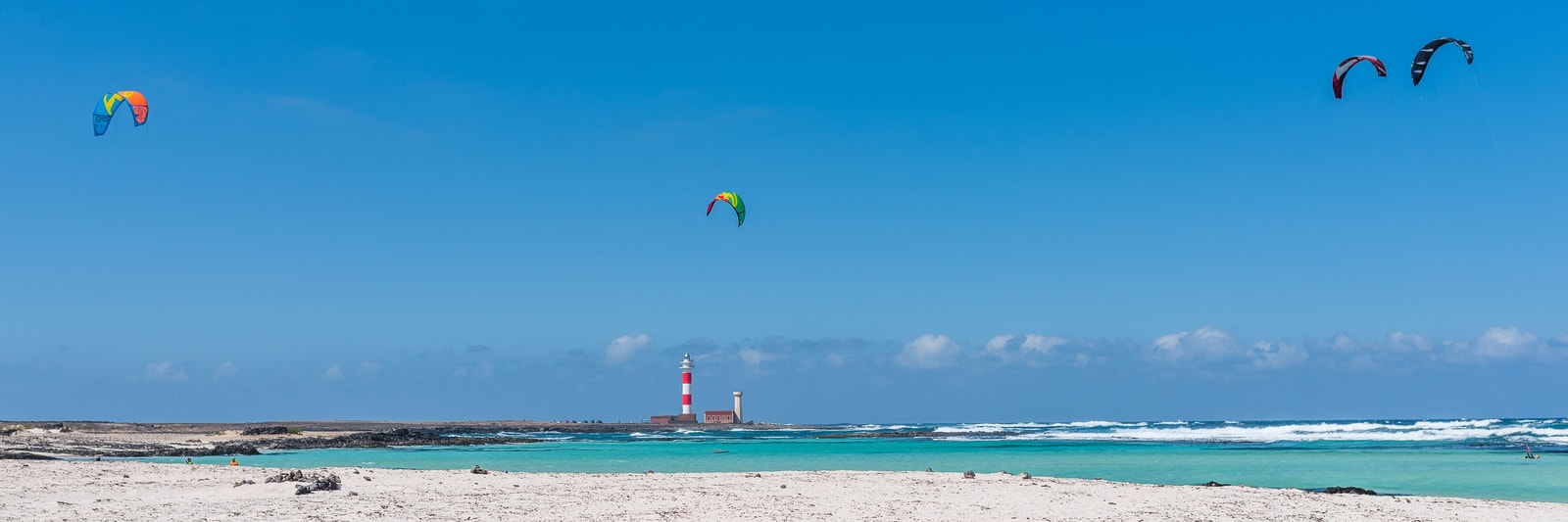
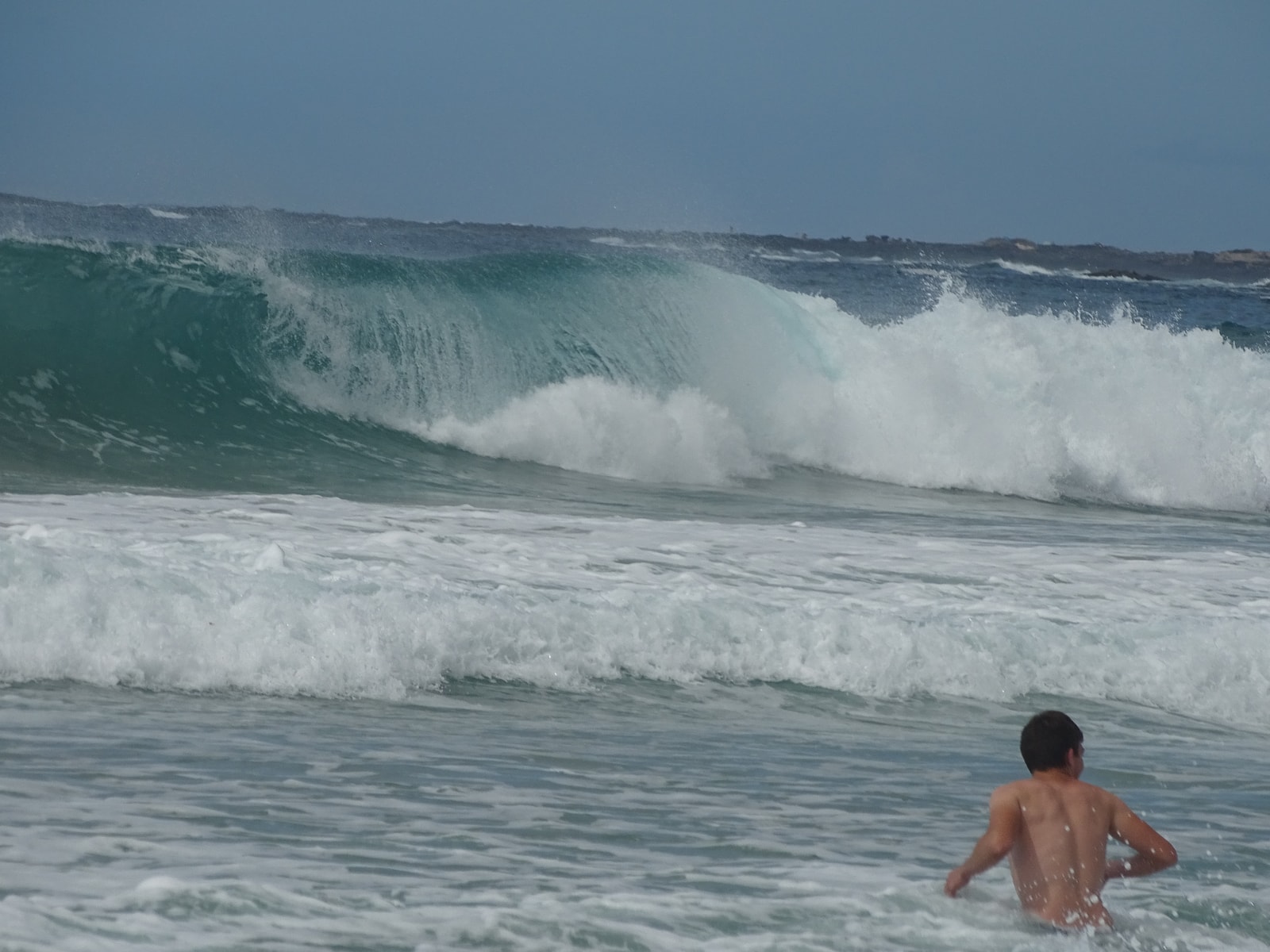
This exposure creates strong swell and surf conditions, making it a magnet for surfers, kitesurfers, and windsurfers. These same conditions mean it's not a gentle swimming spot; visitors should exercise caution and always follow local safety flags and advice.
Sunsets, Walks, and Photography
Beyond swimming and surfing, El Cotillo's coast is a fantastic destination for walkers and photographers. The broad sands, cliffs, and open horizon of Piedra Playa make it an exceptional spot for beachcombing and watching the sunset.
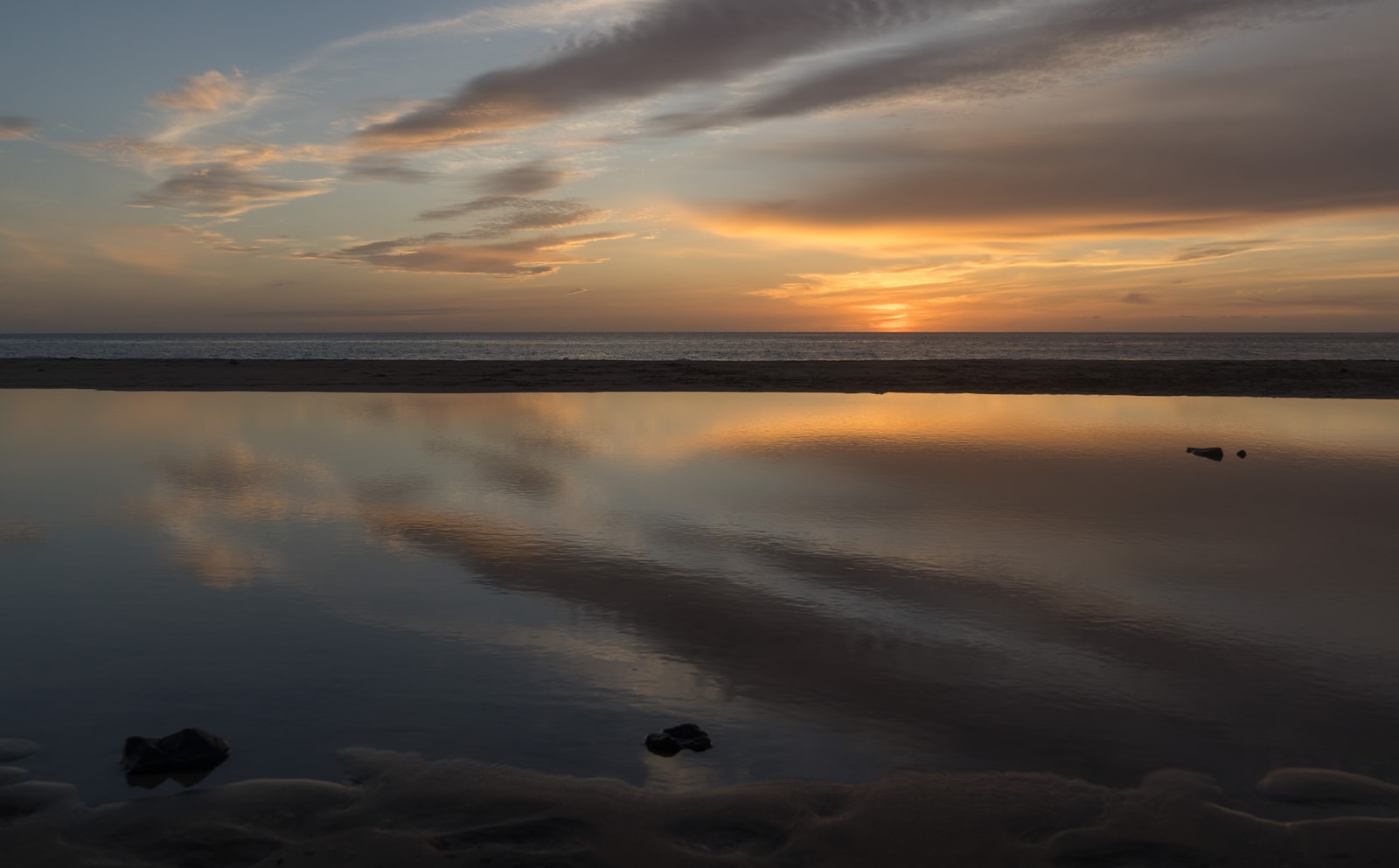
A walk south from the village takes you past the historic Torre del Tostón, a defensive tower, before reaching the more exposed shore. To the north, the volcanic margins around the lagoons and the Faro del Tostón lighthouse provide equally scenic routes for exploration.
A Guide for Every Beach Visitor
El Cotillo's diverse coastline offers something for every type of traveler. Whether you're planning a family trip or an adventurous escape, here’s a quick guide to help you find the right spot.
- For Calm Swimming: Head to Playa de La Concha and the sheltered Los Lagos coves, keeping an eye on the tide and flags.
- For Snorkeling: The reef-framed northern lagoons are perfect for exploring marine life, but be careful around the volcanic rock.
- For Surf and Wind Sports: Piedra Playa is the go-to destination for capable participants who understand the ocean conditions.
- For Walking and Sunsets: The entire southern shore offers dramatic scenery, while the northern coast provides unique volcanic landscapes.
- For Geological Novelty: A trip to the nearby Playa del Hierro, or Popcorn Beach, offers a unique sight with its shore covered in fossilized algae resembling popcorn.
Getting Around El Cotillo: Transport, Parking and Facilities
Without a car: El Cotillo works well for a beach day on foot. Marfolín and the first Los Lagos coves are closest to the northern edge of town; La Concha is a little farther along the coast. A local walking guide puts La Concha about a 10-minute stroll from the northern village bus stop near Cotillo Beach Hotel, and Piedra Playa less than 10 minutes from the new harbour via the Torre del Tostón area. These are approximate starting-point-dependent walks, not timings from every accommodation. The more distant lighthouse coves require a longer walk or separate transport.
By bus: TIADHE line 8 connects Corralejo with El Cotillo; line 7 serves the Puerto del Rosario–El Cotillo route. Check the operator’s current timetable, route variant and return departure before setting off, especially on weekends and public holidays. A bus trip followed by a walk to Marfolín or La Concha is the simplest car-free option; do not assume buses serve each remote cove.
Parking and beach access: La Concha has parking close to the sand. Access to Piedra Playa involves cliff-side approaches and coastal tracks, so check current road conditions, use established parking areas and follow signed access rather than driving onto the beach. Keep clear of cliff edges, and do not use a low-tide shoreline route unless you can return safely before the water rises.
Facilities: The official La Concha listing includes toilets, showers, nearby food options and a lifeguard service; check what is operating on the day rather than assuming year-round staffed hours. For a family visit or an easy lunch break, La Concha and the town-side coves are more practical than the remote lagoons. Take water, sun protection and something for shade when exploring farther north: services are not uniform along this coast.
Visiting El Cotillo in October, November and December
October: For an autumn beach break, expect warmer afternoons than later in the year, but choose your beach from the day’s wind, tide and sea conditions rather than the month alone. For swimming, start by assessing La Concha or the town-side lagoons; their reefs offer shelter, not a guarantee of safe water.
November: Keep plans flexible between a sheltered-cove beach day and a coastal walk. Autumn and winter are a notable surf season in the Canary Islands, so attractive sunshine should not be mistaken for gentle conditions on the open southern shore. If breakers are entering a lagoon, or flags and local advice discourage swimming, stay out of the water.
December: Plan beach time earlier in the day, leave enough daylight for the walk back and bring a light layer for breezy evenings. The AEMET airport climate normals show average daytime highs of roughly 26°C in October, 24°C in November and 22°C in December, with December wetter than October. These are historical averages from Fuerteventura Airport, not an El Cotillo forecast or a promise of beach weather in 2026.
Choosing a beach on the day: Check the local wind and swell forecast, tide times and beach flags before leaving town. La Concha and the northern coves are the first places to assess for a sheltered beach day; Piedra Playa is better treated as a surf-watching or walking option when swell is strong. Low tide can leave some lagoons too shallow for swimming, while rising water changes their depth and access. Do not treat high tide as an automatic recommendation to swim.
El Cotillo's Late 2026 Event Calendar
If you're planning a trip in late 2026, you can combine your beach days with some of the region's vibrant cultural events. While not directly on the beach, these festivals offer a great taste of local life.
- International Kite Festival (9–15 November 2026): While centered in Corralejo, this vibrant festival includes a special kite activity at La Concha beach in El Cotillo.
- XX Festival Internacional de Blues & Jazz (Dates TBD): This three-day music festival takes place on the Corralejo waterfront, a great evening add-on to a north-coast stay.
- IV Dany Sport Corralejo Grandes Playas Marathon (12 December 2026): A major running event along the coast in nearby Corralejo, with multiple race formats.
Gallery
Additional Resources
- Official Tourism Page for La Concha Beach
- Corralejo Kitefest Official Site
- International Blues & Jazz Festival Information
- El Cotillo Beaches Guide
- Playa Marfolín Beach Guide
- Los Lagos Beach Guide
- El Cotillo Lighthouse and Beaches Guide
- La Oliva Municipal Beach Directory
- Piedra Playa Surf Spot Guide
- Playa del Castillo Beach Guide
- El Cotillo Beaches Surf Atlas
- Cabildo de Fuerteventura Road Access Notice
- Popcorn Beach Guide
- Faro del Tostón Official Guide
- Torre del Tostón History
- Radio Insular Blues & Jazz Festival 2026 Listing
- Corralejo Marathon Official Tourism Listing
- Los Lagos on Google Maps
- Playa de La Concha on Google Maps
- Playa del Castillo on Google Maps