Lanzarote's Best Beaches: A Complete 2026 Guide
From Papagayo's sheltered coves to Famara's wild surf, discover the island's most memorable shores for your 2026 trip.
Published on 24 Oct 2026 14:19 GMT
Lanzarote is an island of sharp contrasts, and its coastline is no exception. Finding the “best” beach depends entirely on your plan for the day. A calm family swim, a thrilling surf session, and a quiet moment in a volcanic landscape are all possible, but they are not interchangeable experiences.
The island offers everything from sheltered southern coves and fully serviced resort sands to a long, exposed surf coast and unique northern tidal pools carved into black lava. A beautiful beach doesn't always guarantee safe swimming, so it's essential to match the shore to your activity and always check local conditions.
Papagayo's Southern Coves: Scenic Swimming and Snorkeling
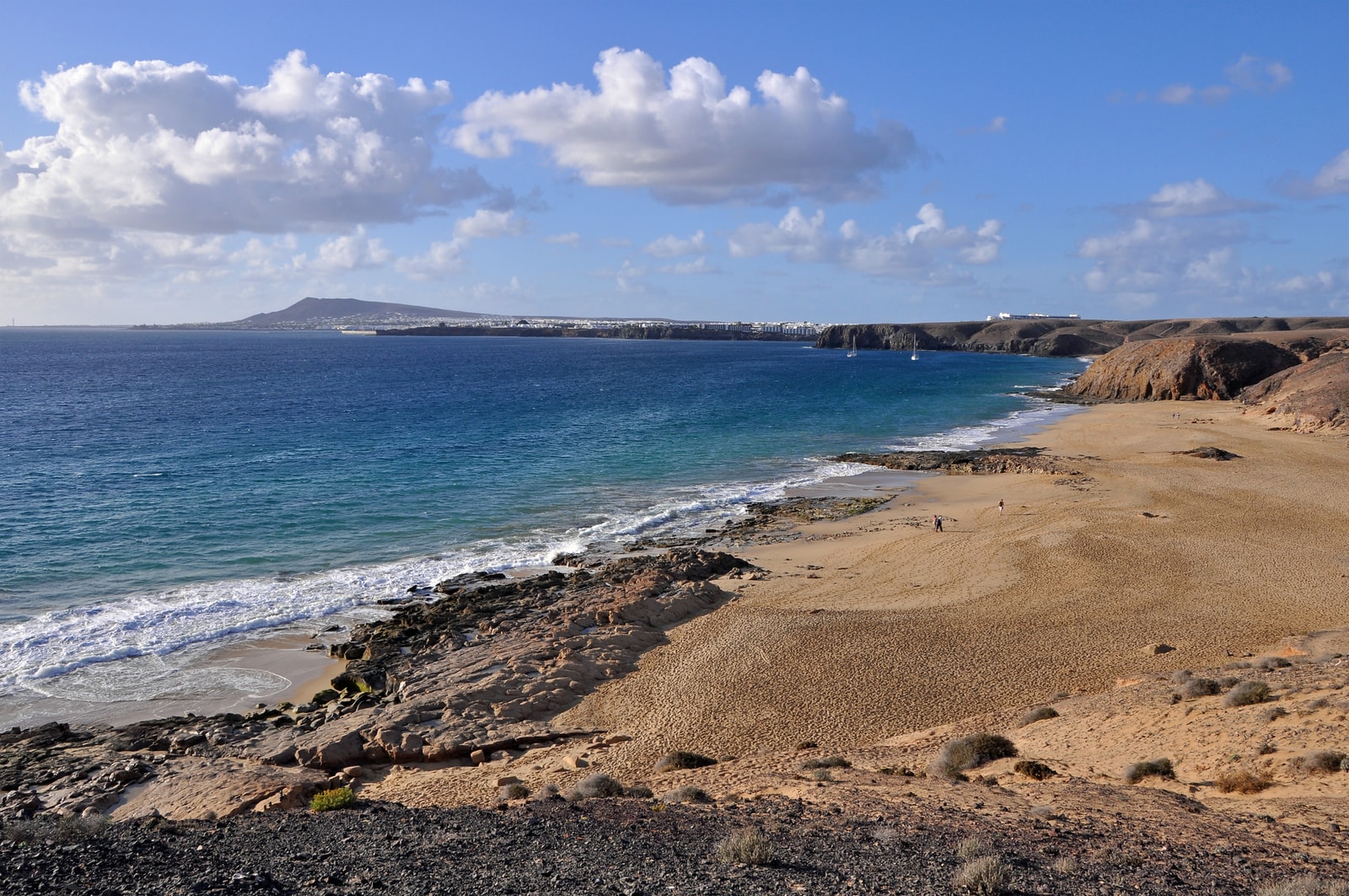
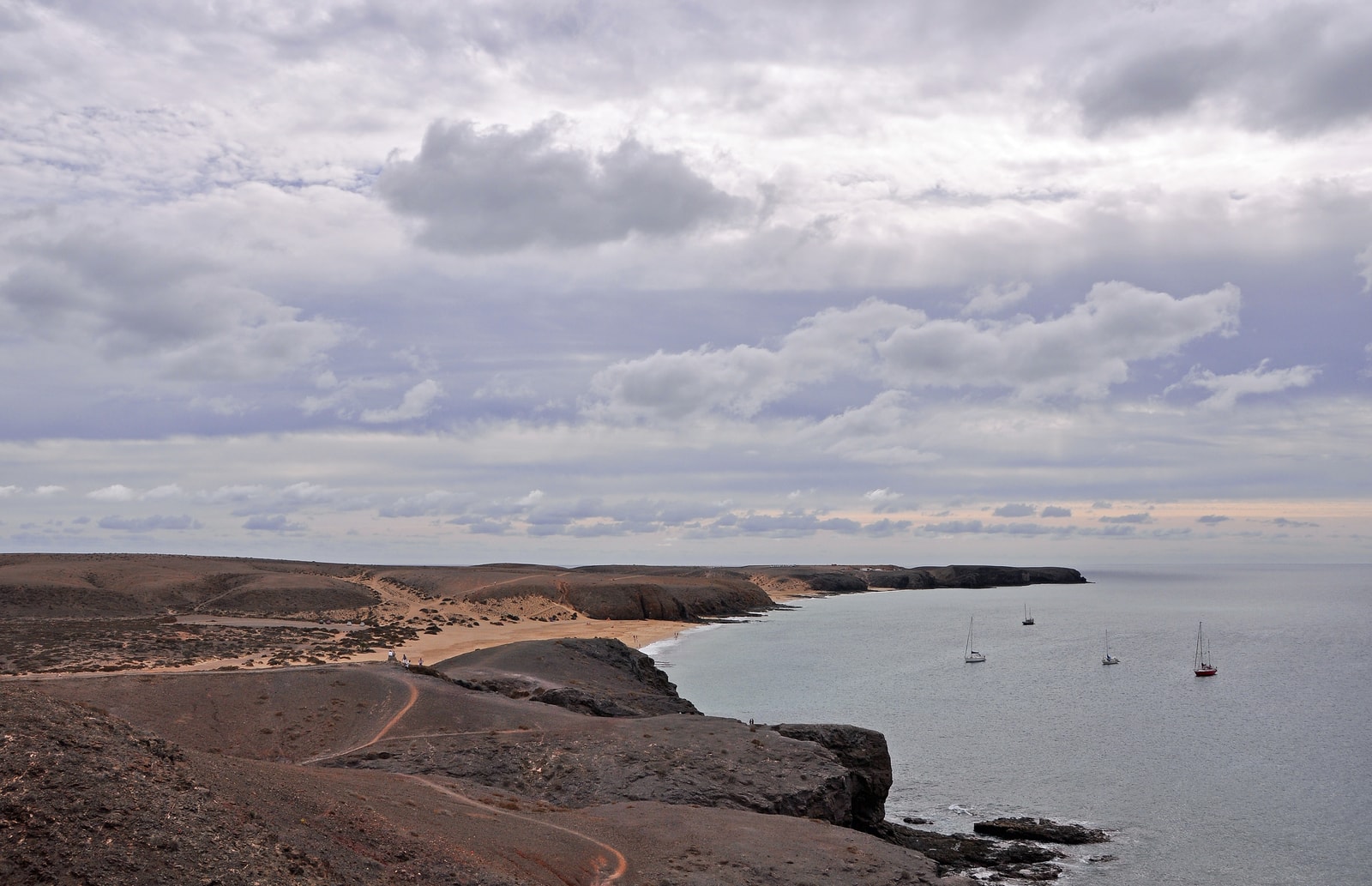
At Lanzarote's southern tip, within the Los Ajaches Natural Monument, you'll find the famous Papagayo beaches. This string of sandy coves, including Playa de Papagayo, Playa Mujeres, and Caleta del Congrio, are divided by dramatic volcanic headlands.
Playa de Papagayo is the best-known of the coves, offering clear, sheltered-looking water that makes it a prime candidate for swimming and snorkeling when conditions are right. However, it's best to check the conditions at each individual cove, as they can vary.
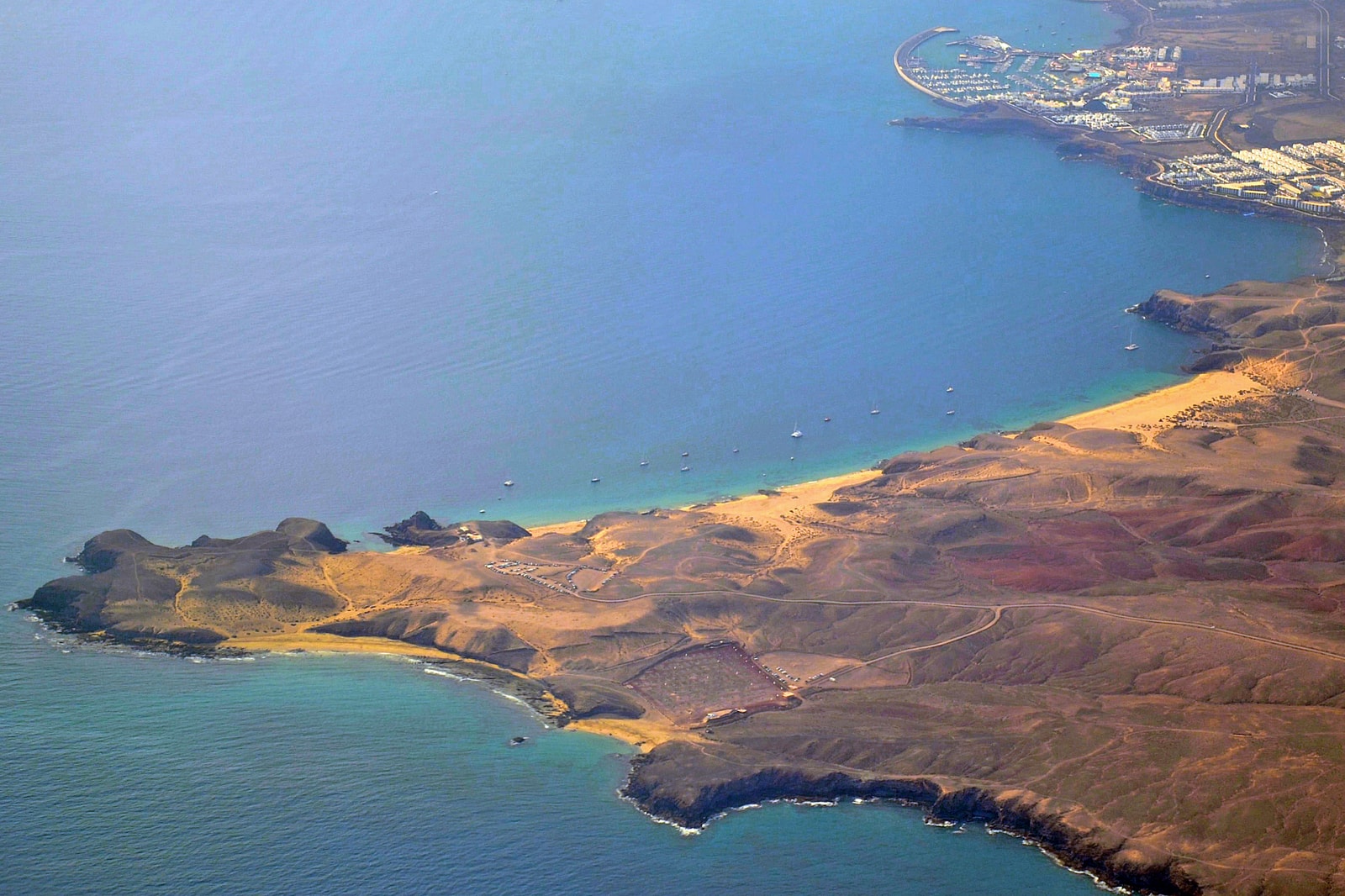
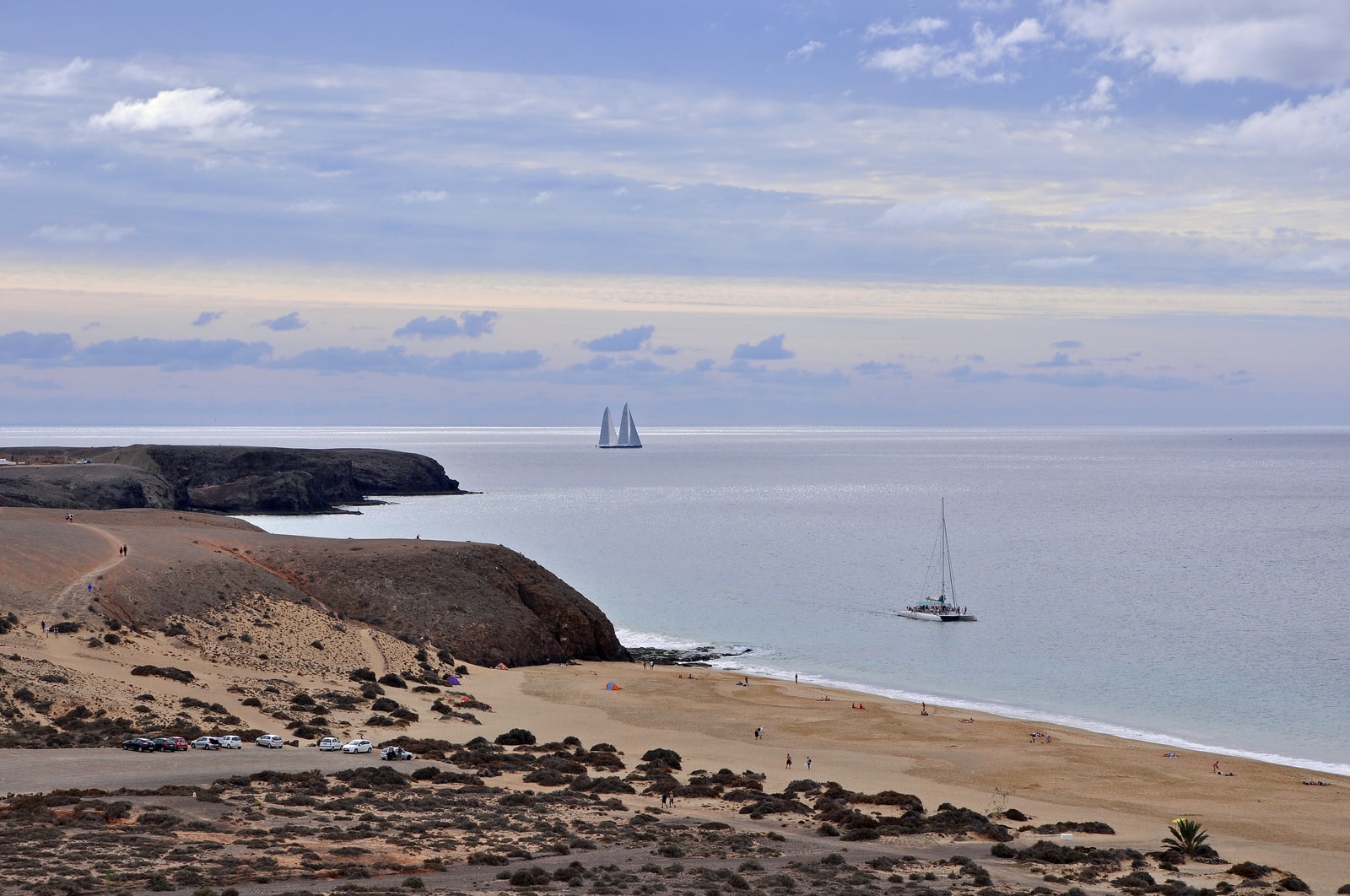
These beaches are ideal for a scenic outing rather than a fully serviced resort day. While parking and a beach bar have been noted, tourism information also states there is no lifeguard. Vehicle access for non-residents involved a charge in 2025, but rates for summer 2026 have not been confirmed, so it's wise to check before you go.
Playa de Famara: Wild Scenery and Atlantic Surf
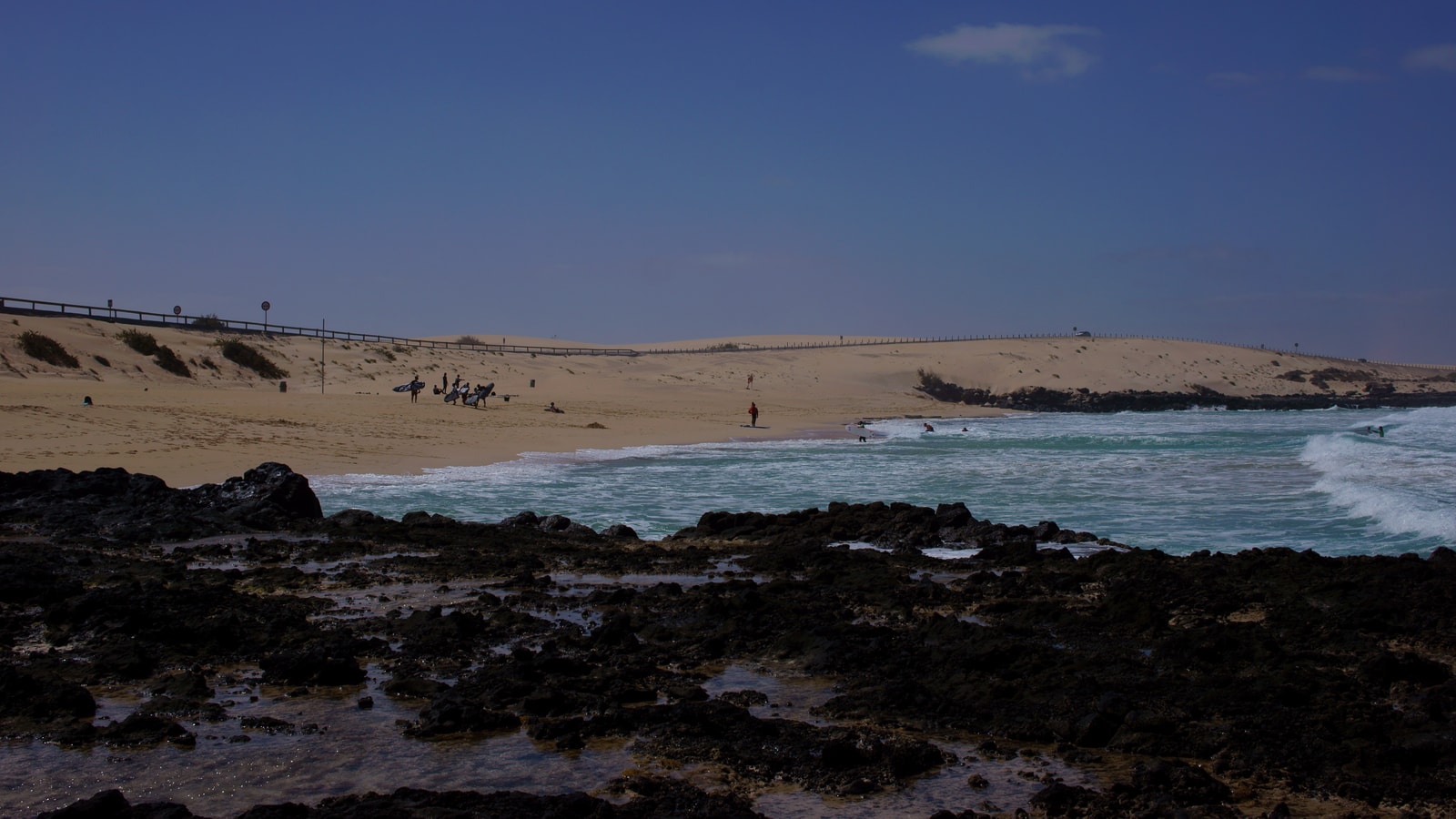
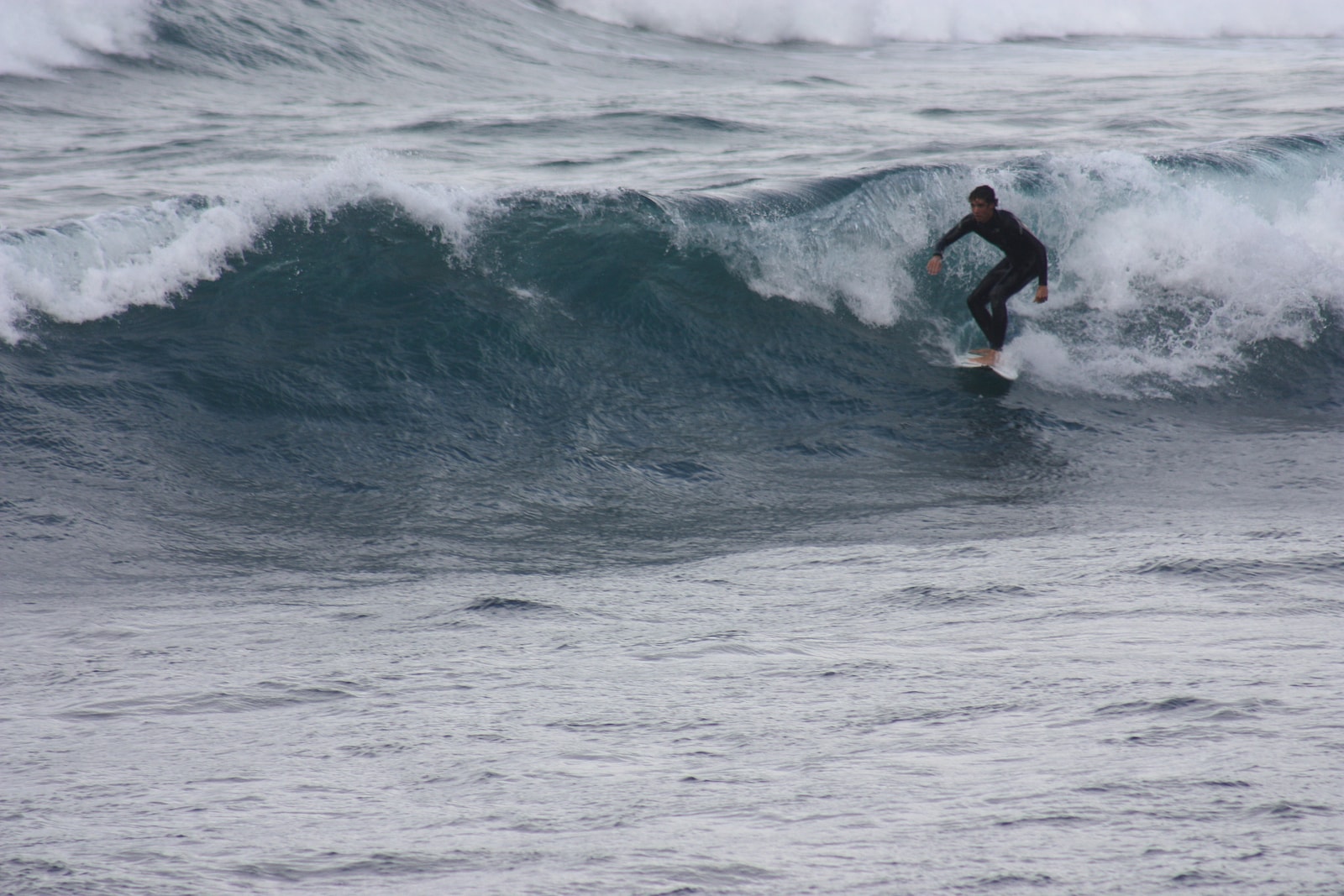
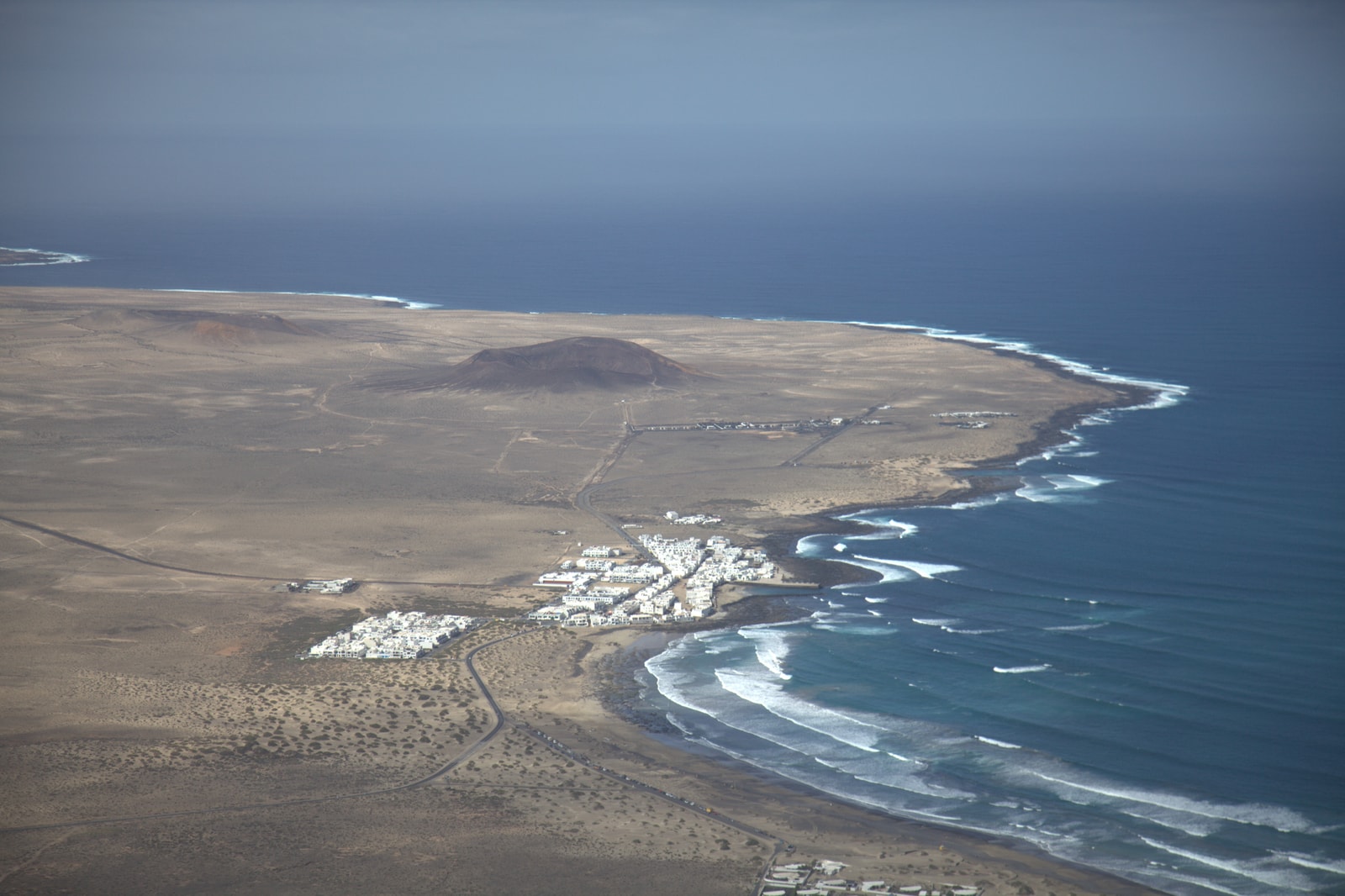
Stretching for six kilometres beneath dramatic northwest cliffs, Playa de Famara is Lanzarote's quintessential wild beach. Its powerful wind and swell attract surfers, windsurfers, and kitesurfers, while walkers are drawn to its vast shoreline and stunning landscape.
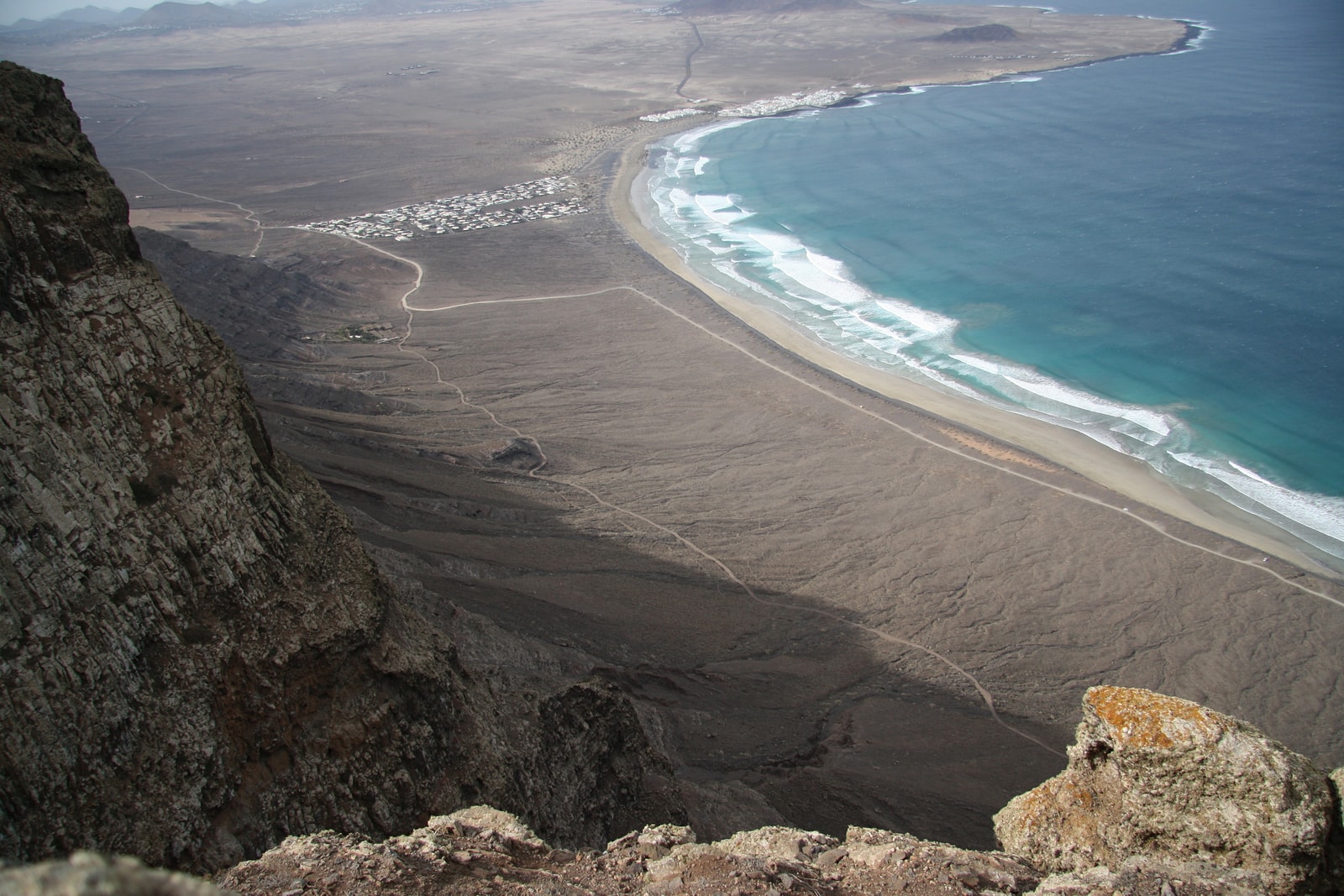
This is not a beach for a casual, unplanned swim. Official guidance warns of strong waves and persistent wind, advising caution when bathing. The open Atlantic can be forceful, so always follow the beach flags and on-site advice rather than assuming it's safe just because others are in the water.
Caletón Blanco: Northern Lava Pools and Pale Sand
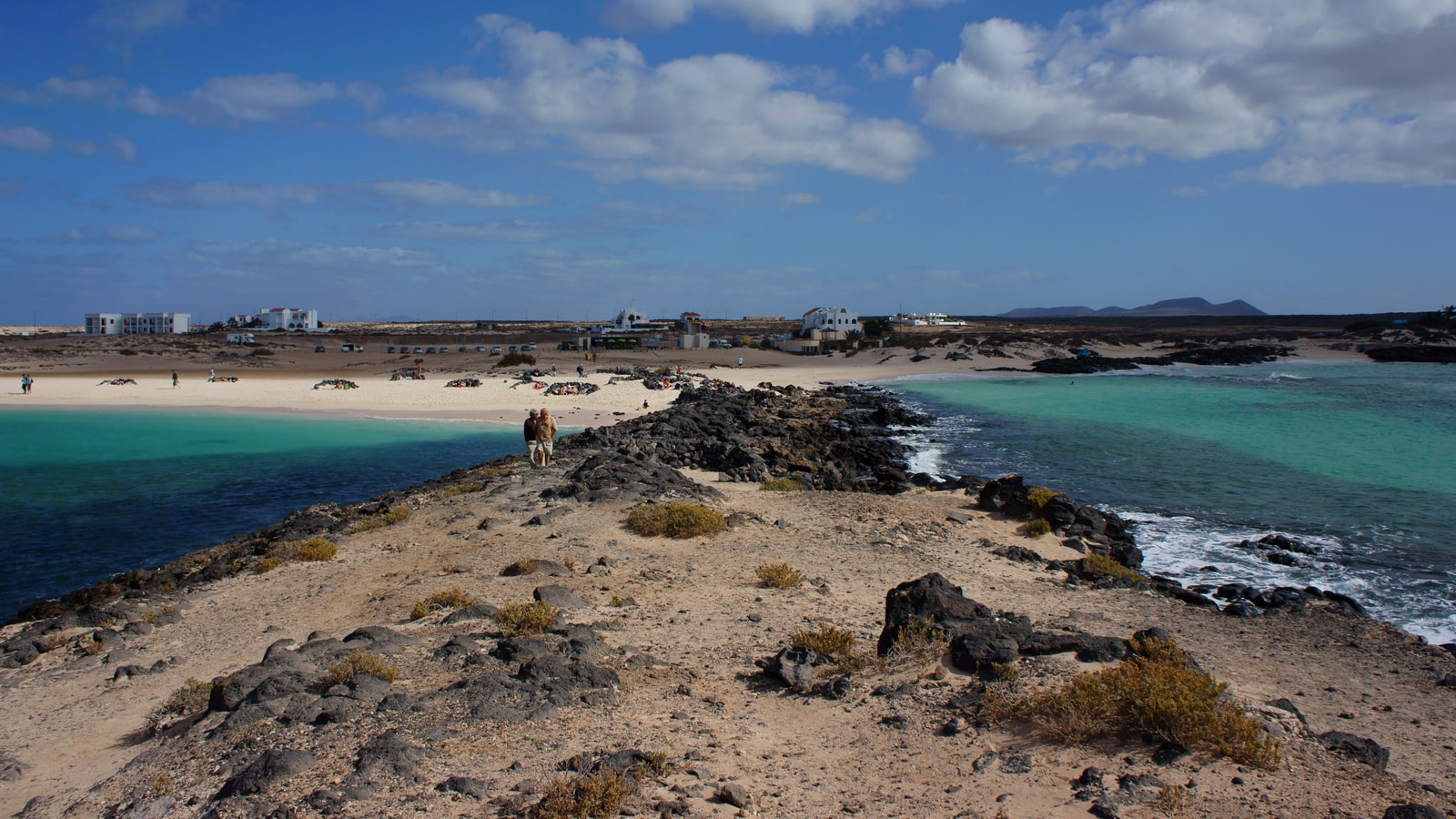
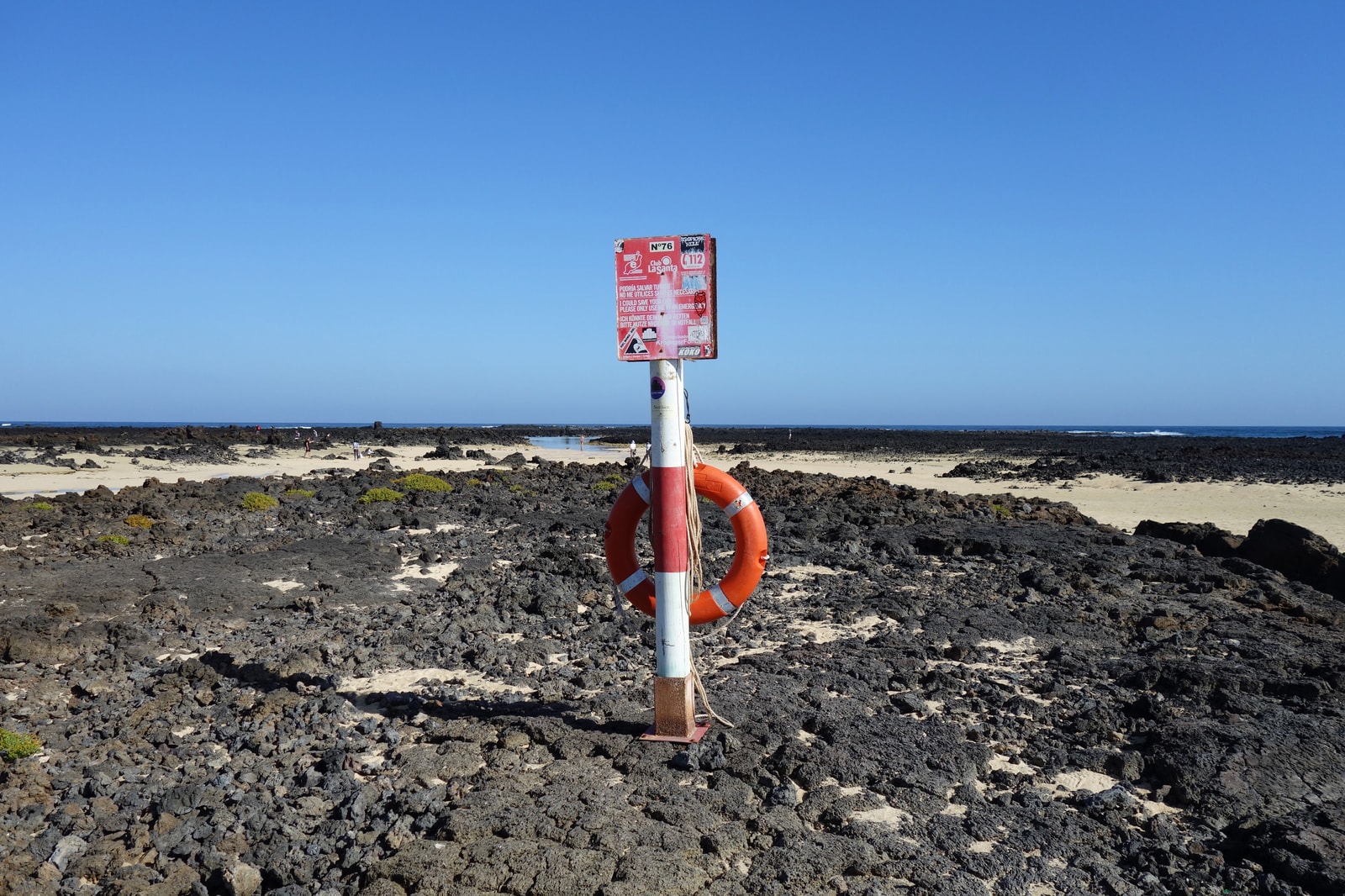
On the northern coast, Caletón Blanco offers a striking visual contrast: pale, soft sand set against dark volcanic rock. This beach is defined by natural, shallow pools that form among the lava, creating a unique coastal landscape.
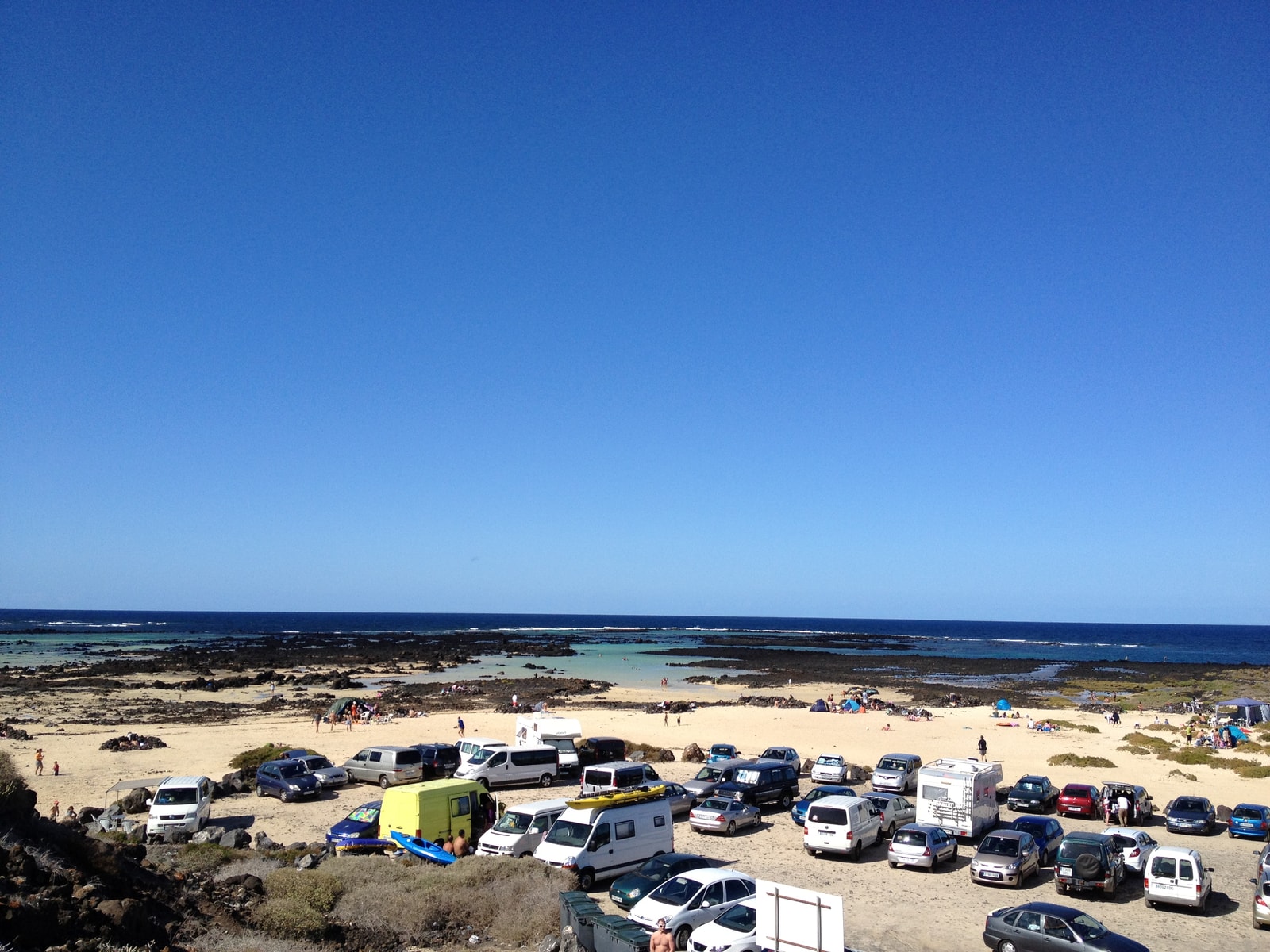
It's an excellent option for those seeking a more elemental setting and, when the tide is right, gentle paddling or swimming. The usable water and exposed rocks shift with the tide, so it's important to check tide times before your visit. Services are limited, so it's best to bring what you need.
Resort Beaches: Convenience and Calm Waters
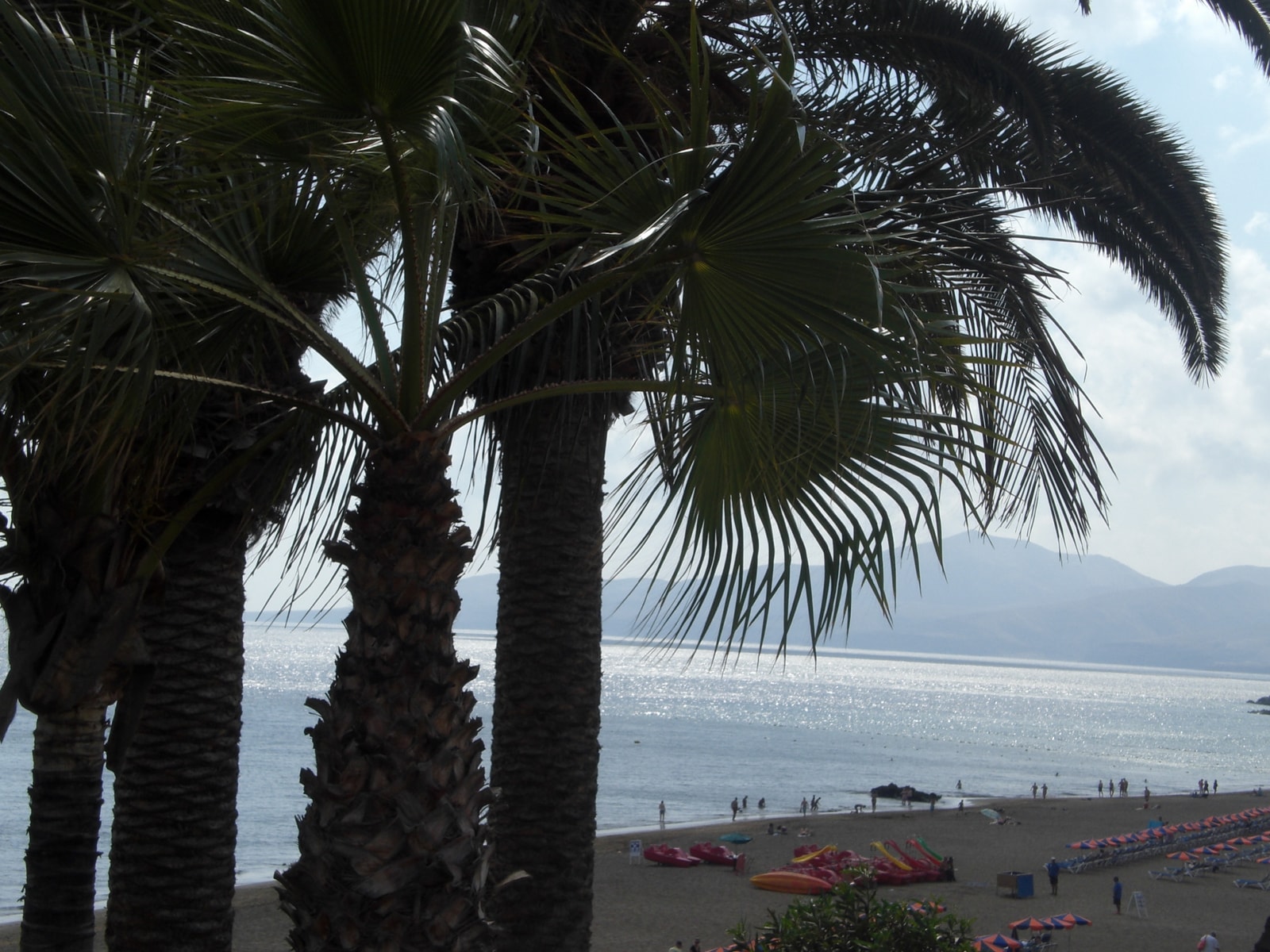
For those who prefer amenities and convenience, Lanzarote's resort towns offer excellent urban beaches with calmer waters and services right on the promenade. They are perfect for an easy beach day without the need for extensive planning.
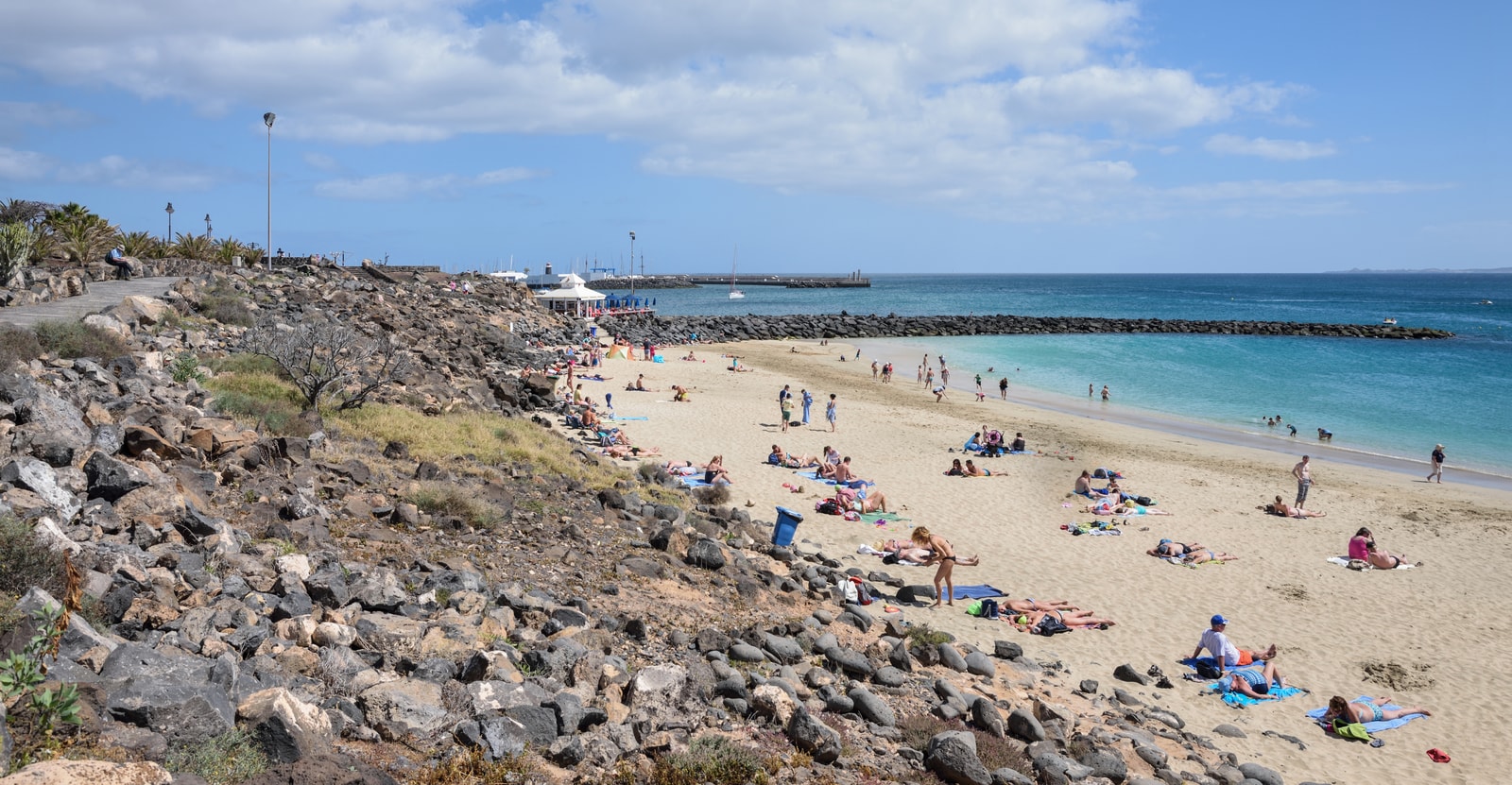
Key resort beaches include:
- Playa Dorada and Playa Flamingo (Playa Blanca): Sandy, calm-water beaches in a popular resort setting, with Playa Flamingo being particularly family-oriented.
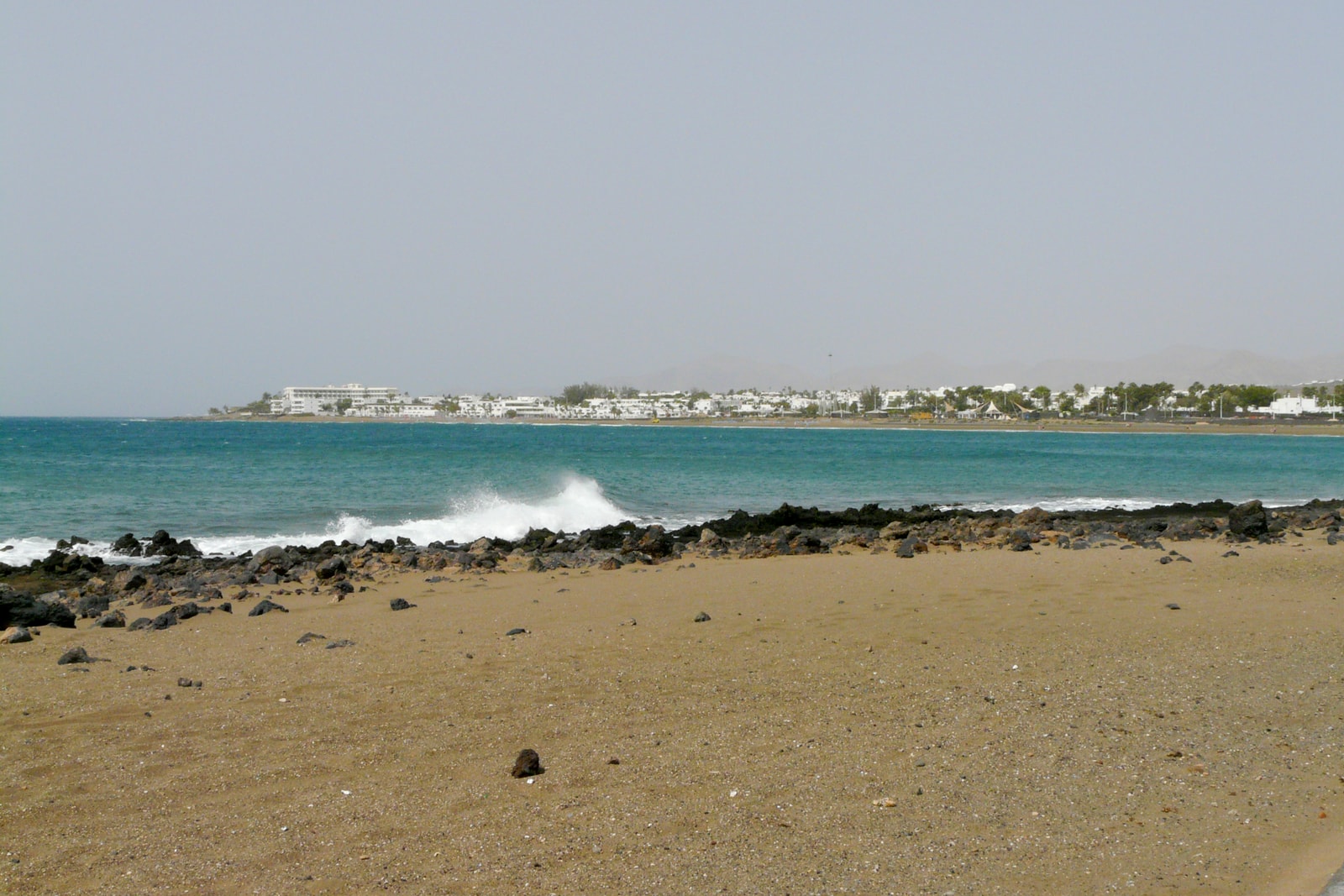
- Playa Grande and Playa Chica (Puerto del Carmen): A broad urban beach beside the promenade and a smaller, calmer cove known for diving.
- Las Cucharas (Costa Teguise): A convenient town beach that is also a popular spot for windsurfing.
- Playa Honda: A long stretch of sand between Arrecife and Puerto del Carmen with a promenade for walking and watersports.
Beyond the Main Strands: Other Coastal Gems
For a different kind of coastal experience, Lanzarote has several other unique spots worth exploring. These alternatives offer a break from the more conventional sandy beaches.
Playa Quemada, on the southeast coast, provides a more rural feel with small, dark-sand coves near a quiet fishing village. It’s a peaceful contrast to the bustling resorts.
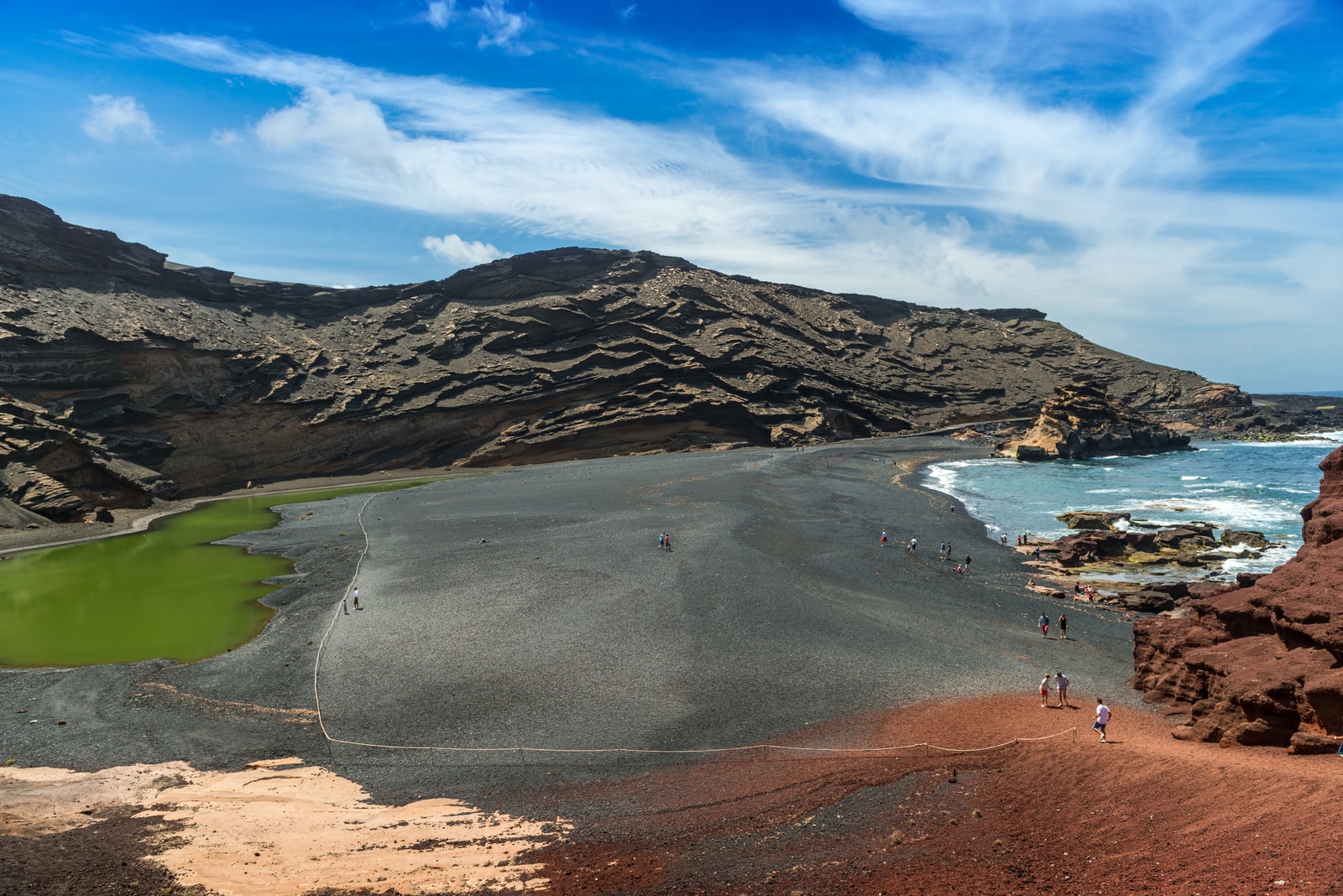
On the northeast coast, Punta Mujeres is known for its natural swimming pools set among lava flows rather than a traditional beach. It’s best visited around mid-tide.
For a proper excursion, the island of La Graciosa is just a 25-minute ferry ride away. With pale-sand shores like La Francesa, it offers a true island day trip, not just a quick beach hop.
Late-Season Highlight: Playas de Papagayo Open-Water Swim 2026
For those visiting after the main summer season, a notable beach-related event is scheduled for late 2026. The Playas de Papagayo Open-Water Swim is a great opportunity to experience the island’s beautiful coastline from a unique perspective.
Scheduled for 7 November 2026, the main event features a 4.5-kilometre swim from the Papagayo coves to Playa Dorada. Shorter and junior distances are also available, making it accessible for various skill levels.
It’s worth noting that while one event listing confirms the 2026 date, the organizer’s page has shown a poster for 2027. Travellers interested in participating should confirm the date directly with the organizers via the official Canary Islands tourism event page.
Gallery
Additional Resources
- Hello Canary Islands - Los Ajaches
- Hello Canary Islands - Papagayo Beach
- Hello Canary Islands - Famara Beach
- Hello Canary Islands - Caletón Blanco
- Turismo Lanzarote - Caletón Blanco
- Hello Canary Islands - Playa Dorada
- Hello Canary Islands - Playa Grande
- Hello Canary Islands - Las Cucharas Beach
- Lanzarote.com - Playa Quemada
- Report on Papagayo Access Fees (La Voz de Lanzarote)
- Guide to Accessible Beaches in Lanzarote (Island Mobility Lanzarote)
- Playas de Papagayo Open Water Swim 2026 (The Canary Events)
- Lanzarote’s Unspoiled Beaches (Spain.info)
- YouTube: Best beaches in Lanzarote - travel guide (CheckedHolidays)