Maya Bay, Thailand: A December 2026 Guide
Plan a December 2026 Phi Phi trip around the beach, boat routes and conservation rules.
Published on 16 Nov 2026 15:11 GMT
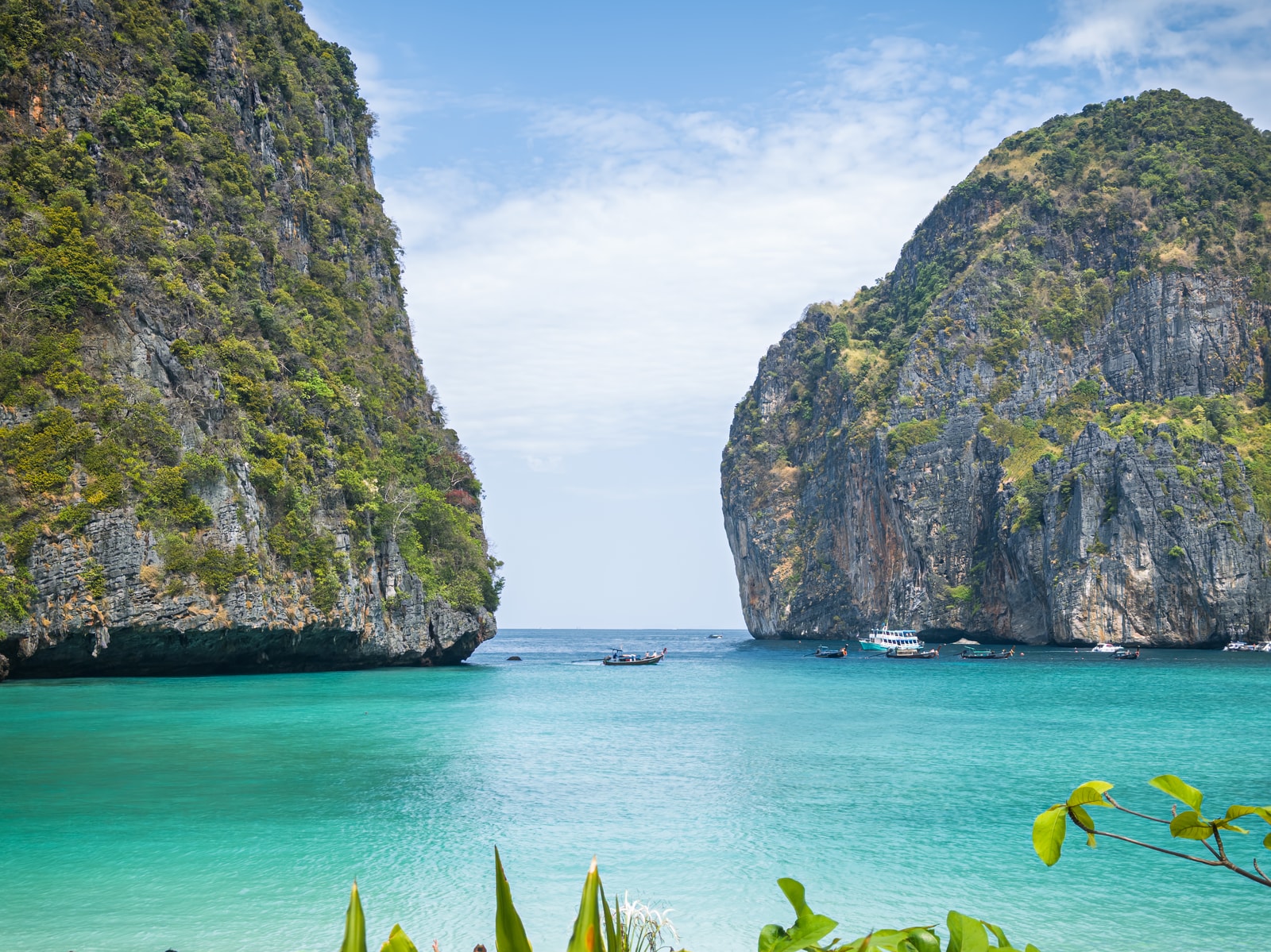
Maya Bay is a beach to visit, not a beach to settle into for an unrestricted swimming day. The trade is straightforward: a short walk brings you to a sheltered crescent of sand beneath towering limestone cliffs, but swimming is prohibited, access is managed and you will probably share the view.
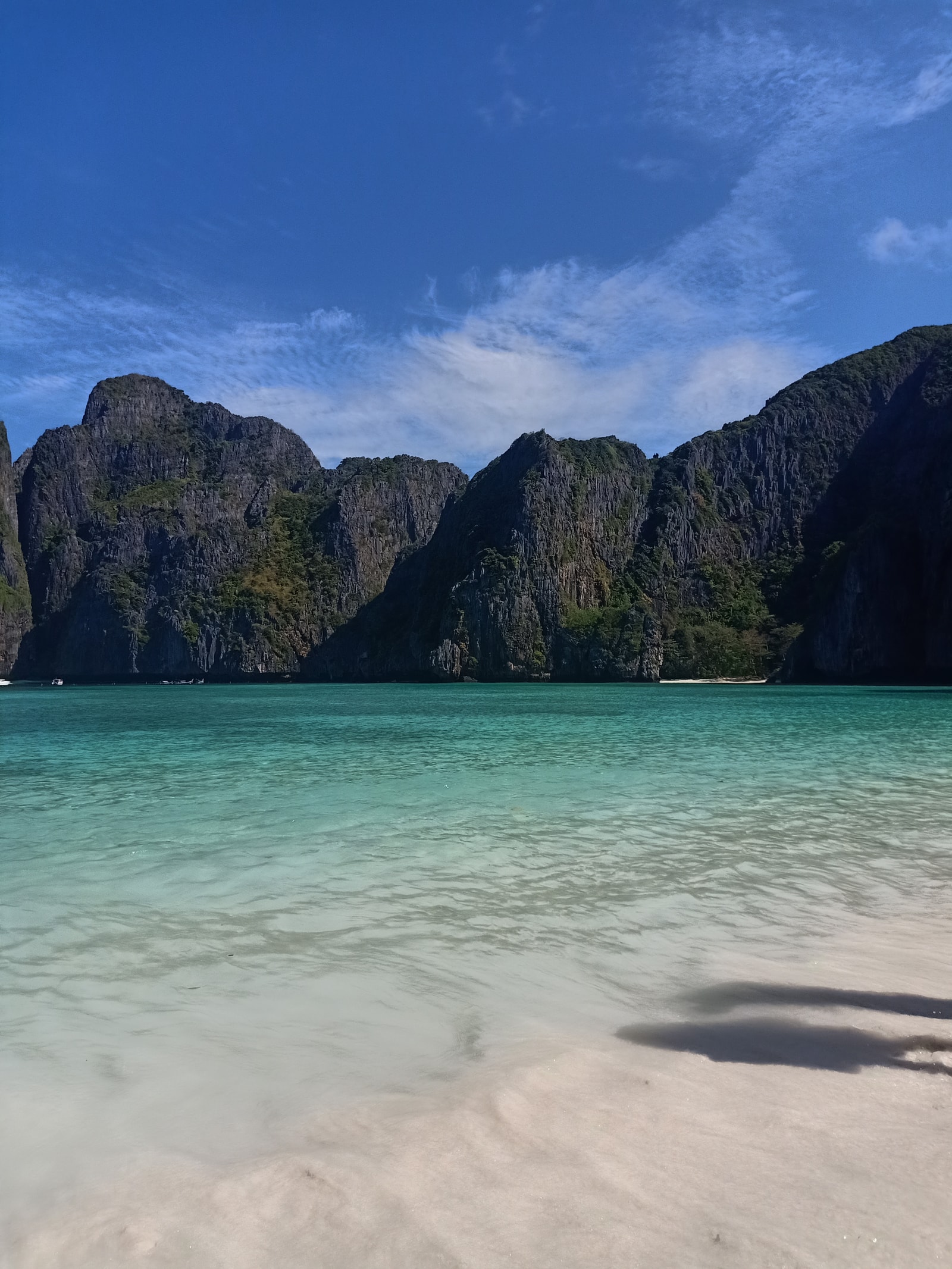
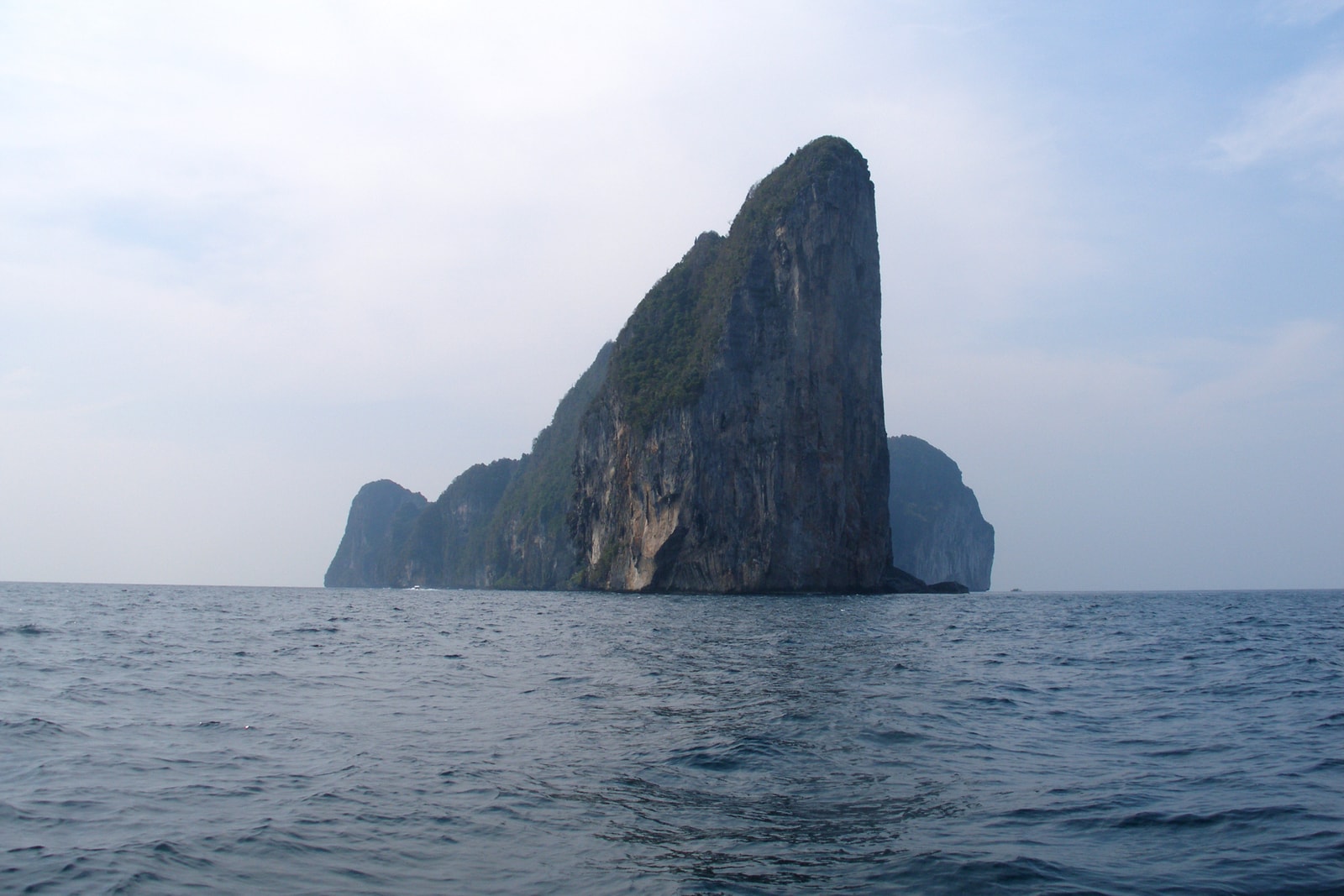
The bay lies on Phi Phi Leh, an uninhabited island in Thailand’s Andaman Sea and part of Hat Noppharat Thara–Mu Ko Phi Phi National Park. There is no accommodation on Leh. Its neighbor, Phi Phi Don, is the island with the main visitor base and places to stay; Phuket and Krabi are also common starting points for day trips.
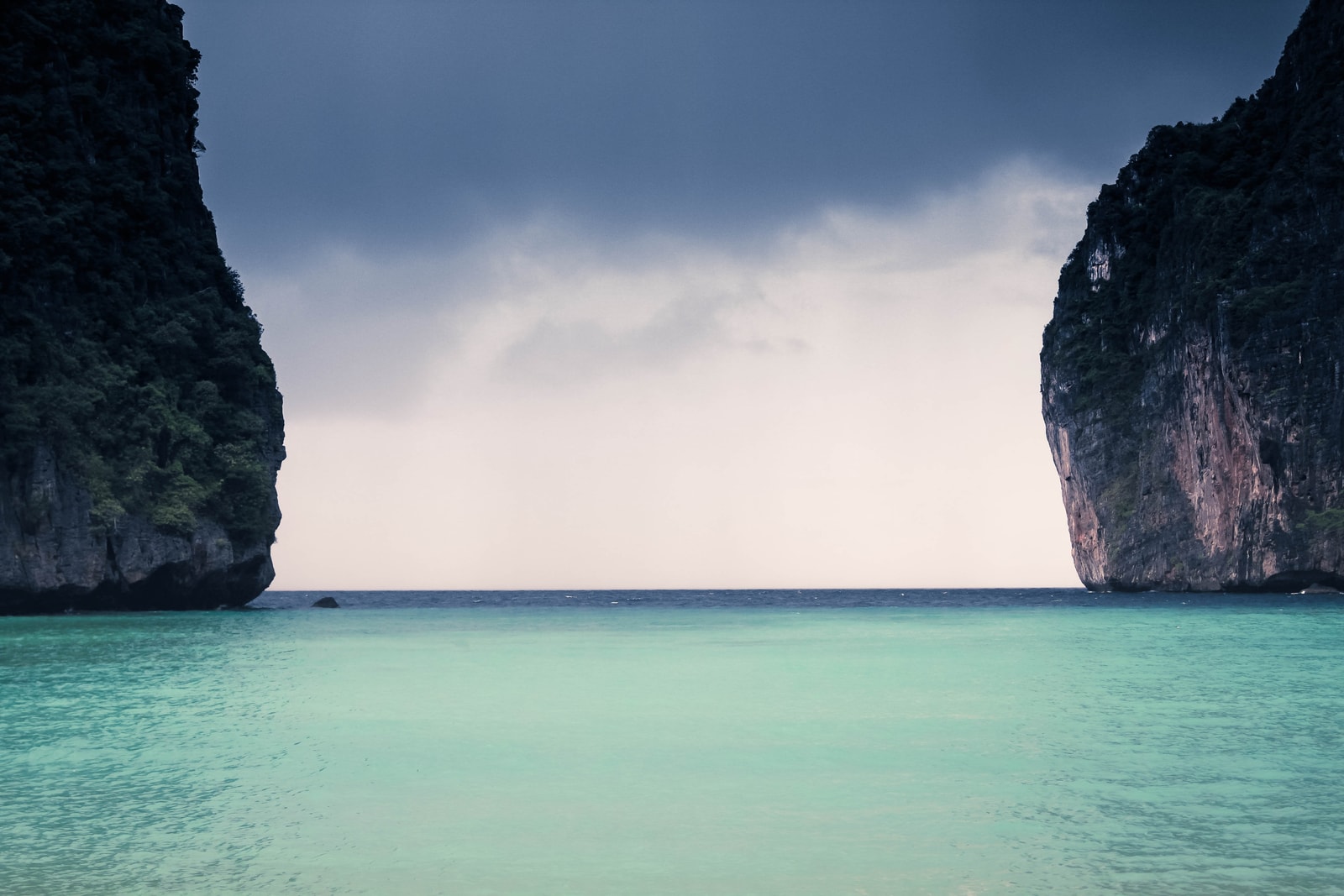
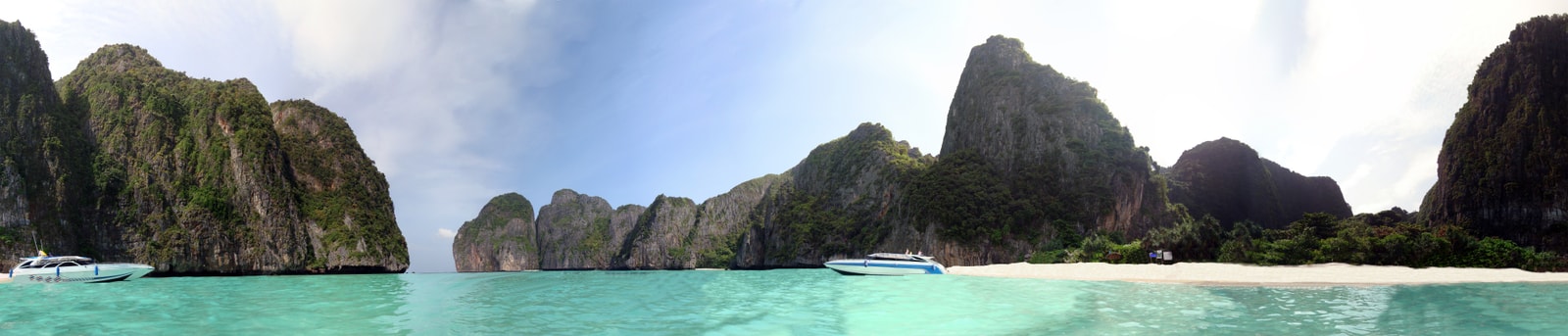
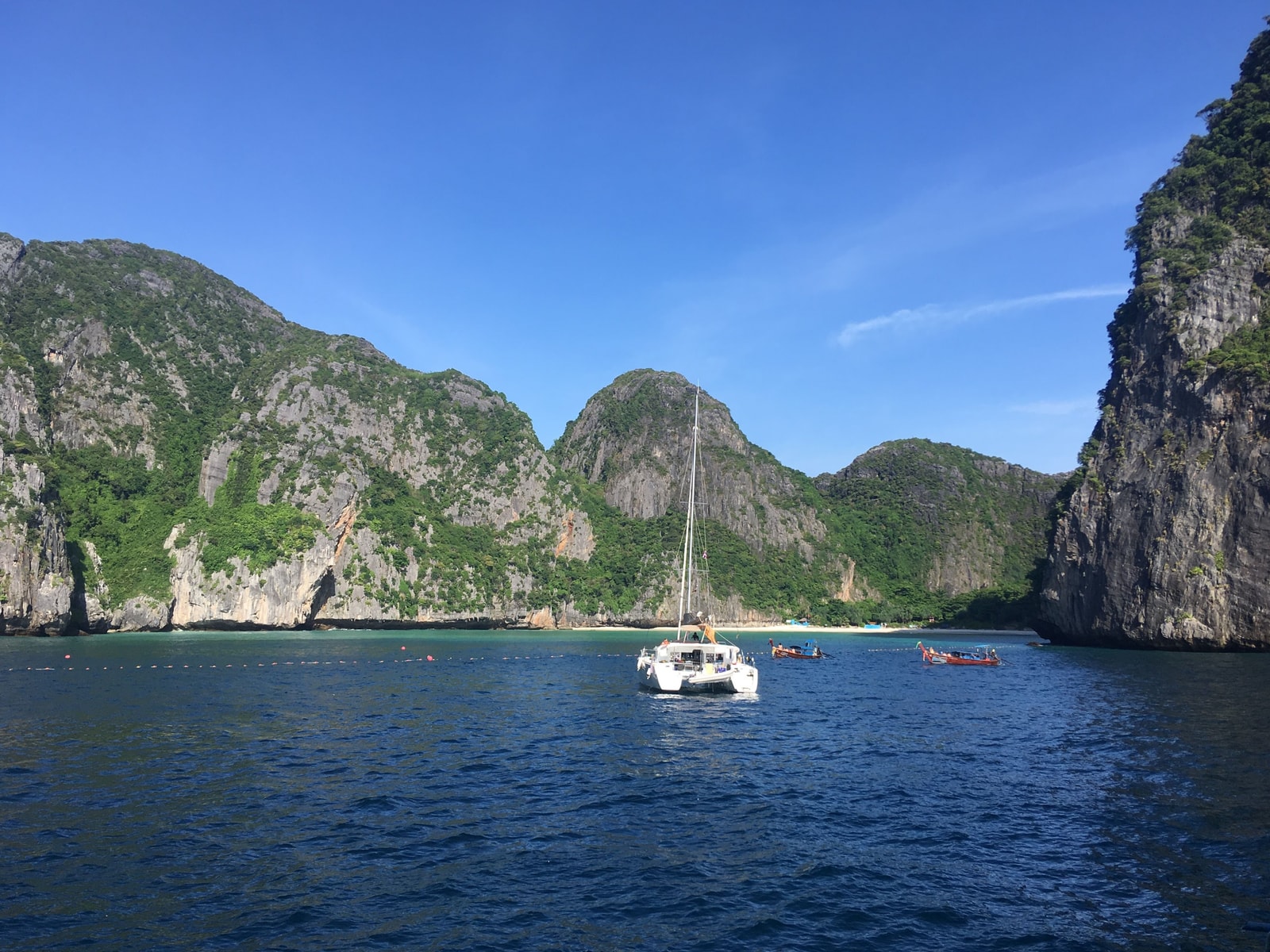
The setting rewards the journey. Cliffs curl around the small beach, making the bay feel more enclosed than a photograph of the open water might suggest. Yet that enclosure also concentrates visitors in a relatively narrow space. December is a popular month, and even an early visit can come with other groups.
Think of Maya Bay as the scenic centerpiece of a Phi Phi boat trip rather than its all-day base. You can walk on the permitted part of the beach and take in the landscape, then head elsewhere for a swim. Park staff manage the flow of visitors, so listen for instructions about where to go and when to return.
The Loh Samah Bay Arrival and Walk
The journey to Maya Bay has an unexpected final turn: your boat heads for Loh Samah Bay, on the other side of Phi Phi Leh, rather than pulling up on the famous sand. Boats use the designated landing there and do not enter Maya Bay itself.
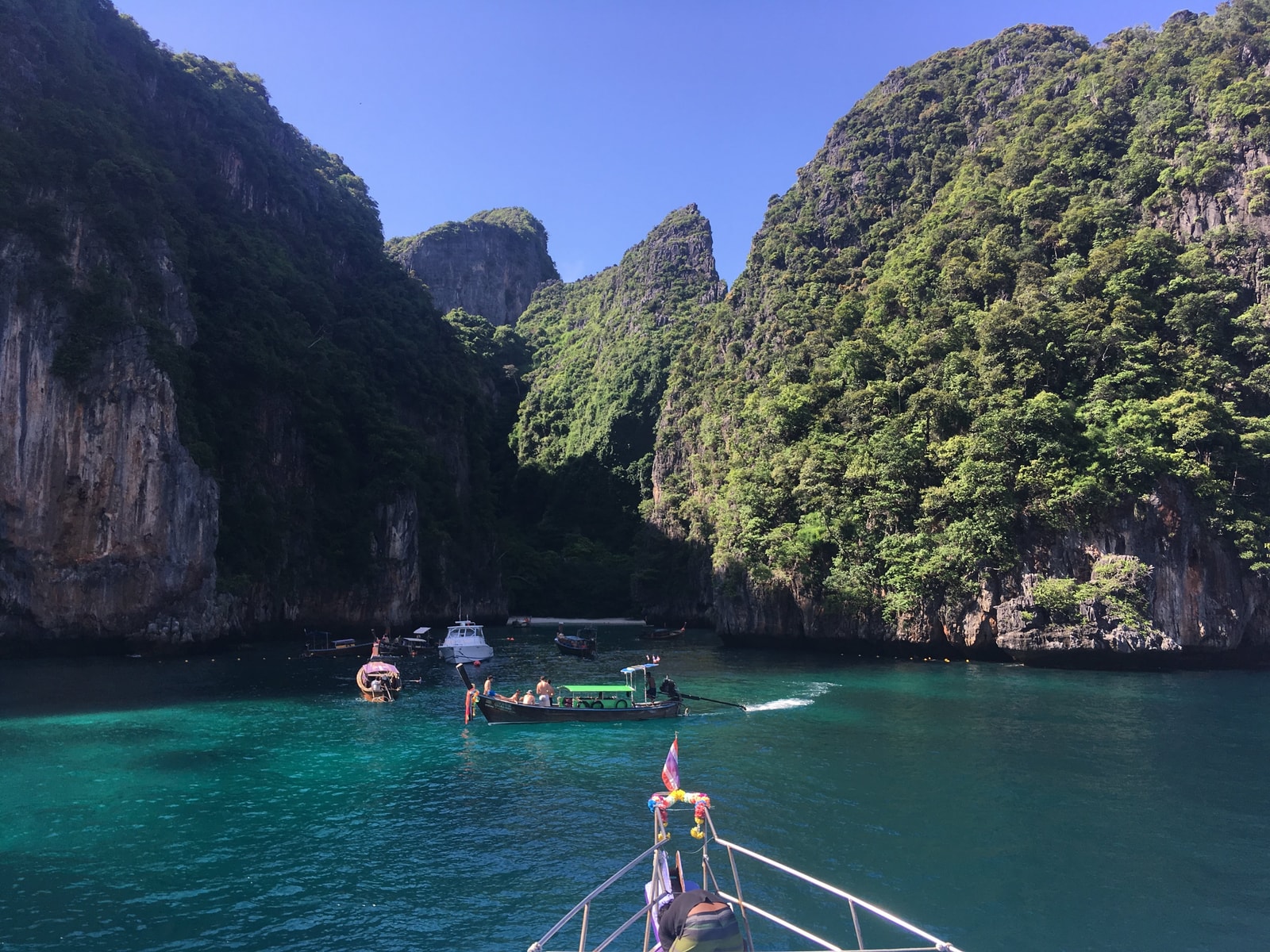
At the landing, passengers transfer ashore and follow a marked path and boardwalk through vegetation. The route crosses a lower part of the island and arrives behind the beach. Allow roughly five to ten minutes for the walk, though the practical challenge is not simply the distance.
Depending on the boat and conditions, stepping ashore can involve a gap or steps. The path may also have wet or uneven sections and changes in level. If you need assistance or have limited mobility, discuss the transfer and route with the operator before booking; a short walk is not necessarily a step-free one.
Once on the beach, follow the permitted areas and any directions about the shallows. Visits are managed in groups, and 2026 visitor guidance describes beach visits generally lasting around an hour. The time available can vary with the park’s arrangements and the day’s operations, so ask your operator what to expect rather than planning around an exact slot.
When staff direct you back, return by the route they indicate to the Loh Samah landing. This is a compact crossing of the island, not an independent coastal hike: the steep terrain and protected shore channel the visit into a defined approach and departure.
The Beach and Maya Bay’s Fame
For many travelers, Maya Bay first appeared as a fantasy: the hidden refuge in The Beach, released in 2000. Its cliffs and shore became internationally recognizable through the film, although visitors were already coming to the Phi Phi Islands before the cameras arrived.
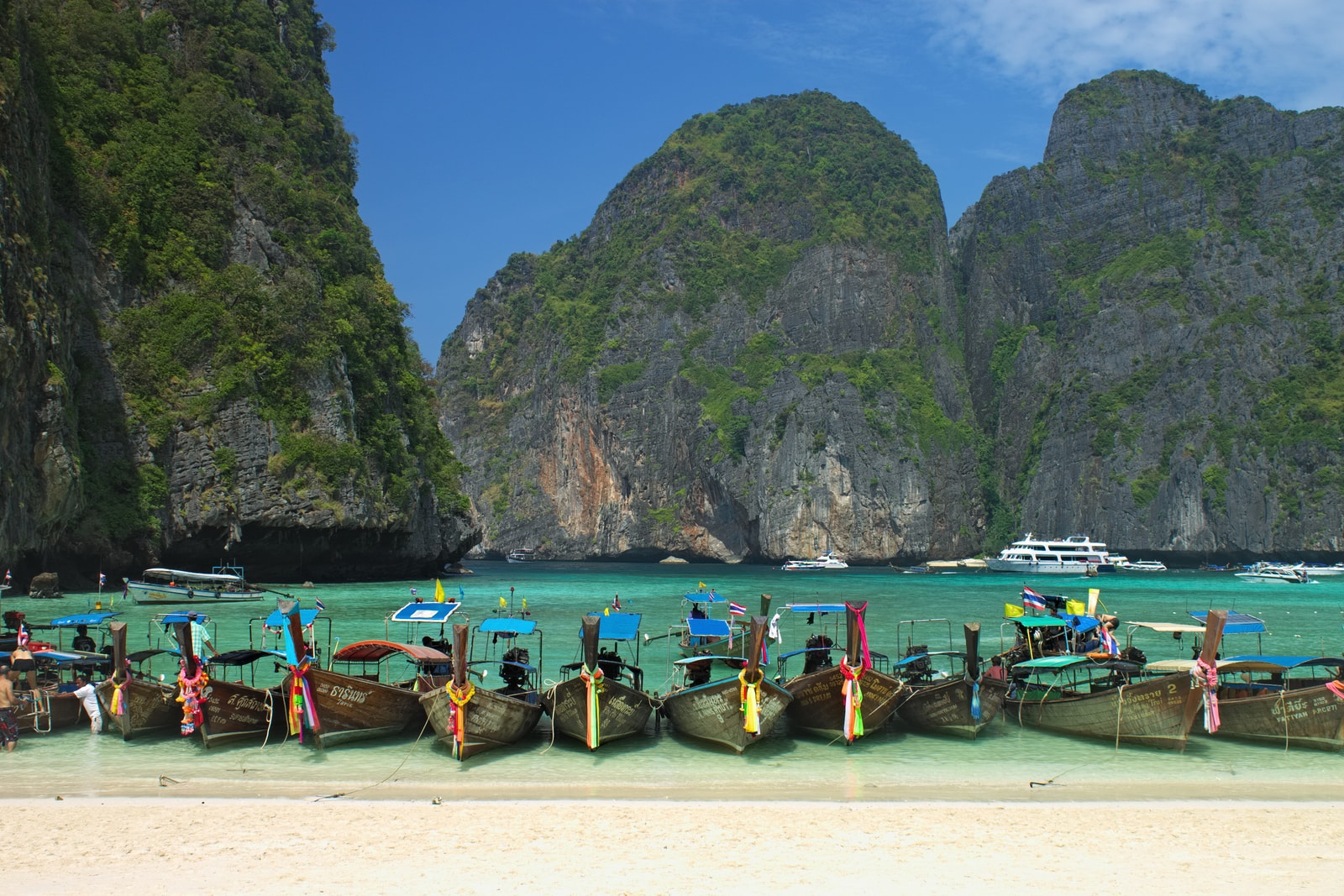
The real place now offers a neat reversal of the movie’s premise. The image that sold escape has become so widely shared that seeing it requires a collective arrangement: land on the other side of the island, follow the path and make room for the next group. The secret beach needs a schedule to remain visitable.
The film’s relationship with the landscape was contentious from the start. Environmentalists objected to changes made during production, particularly to vegetation and the dune profile, and the dispute continued through legal proceedings. That controversy belongs to the bay’s history, but it is not a complete explanation for the ecological pressure that followed.
Years of concentrated tourism brought large numbers of visitors and boats to a small coastal habitat. The film amplified the attraction’s fame; it did not invent Phi Phi tourism or act alone in shaping the bay’s later problems. Knowing the difference makes the present-day experience more interesting: visitors come for a cinematic view, while the rules reflect what happened when that view became a mass destination.
Maya Bay in December 2026
December sits within the Andaman coast’s generally more settled November–April season. It is also a popular time to visit Phi Phi, especially around the holidays. The seasonal odds may favor a boat trip, but wind, swell and showers can still alter a crossing or the day’s route.
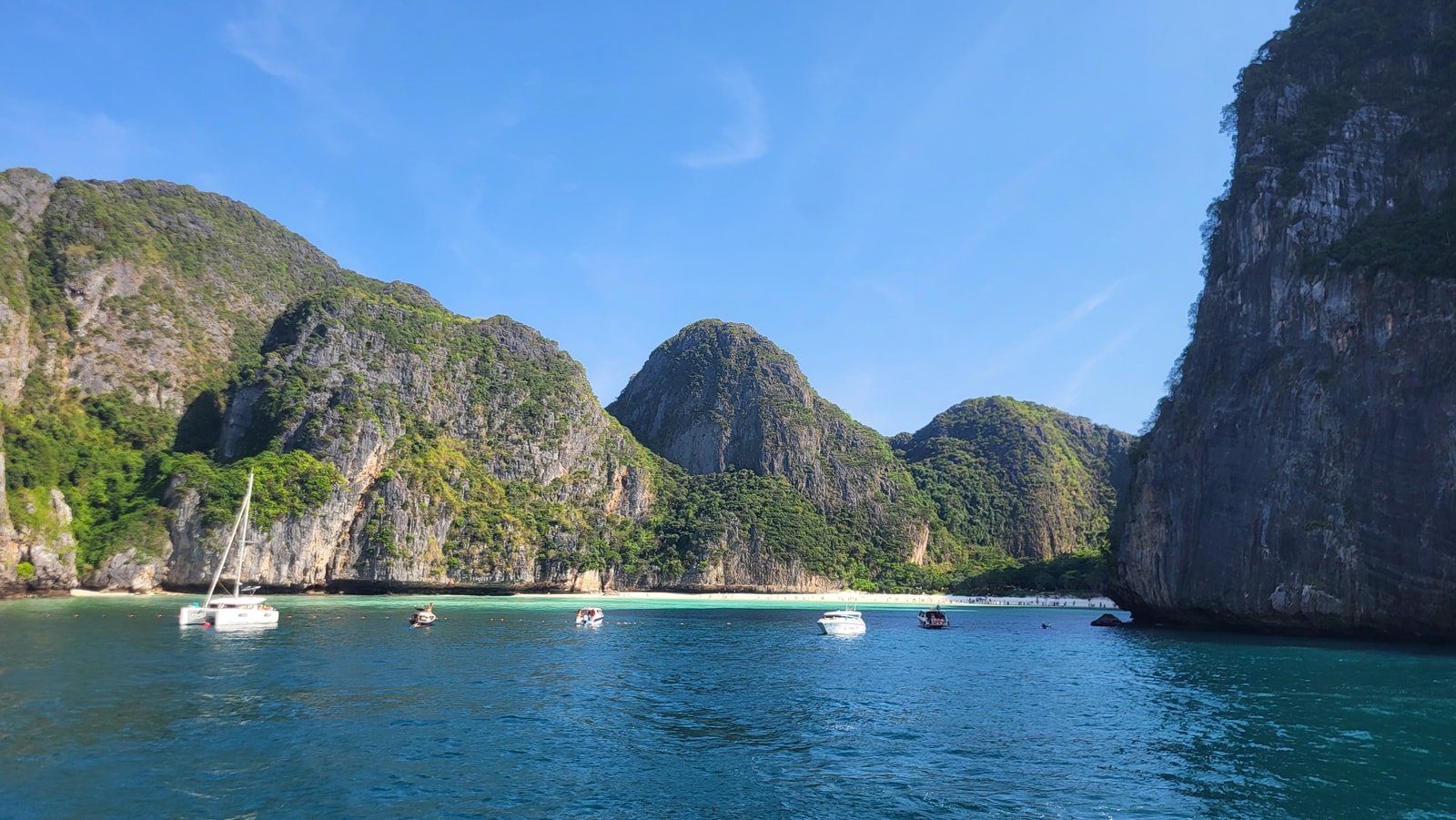
For seasonal context, Maya Bay’s 2026 conservation closure ran from 1 August through 30 September, with reopening on 1 October. That was separate from the much longer recovery closure that began in 2018. A December traveler should still check park access and the operator’s plan close to departure: weather and operational restrictions do not follow a traveler’s calendar.
Time of day matters as well. Boats starting from Phi Phi Don have a shorter local crossing and may reach Maya Bay before some of the mainland tour waves. Early, however, is a relative term. Other boats may have the same idea, and the park’s managed entry can shape when passengers reach the beach.
When comparing trips, ask when the boat expects to arrive at Maya Bay, not only when it leaves. A departure that sounds impressively early may include another stop or a wait before the beach visit. Also ask what happens if conditions change the planned order.
For a separate coastal addition to a Phuket stay, the announced regional sailing event is:
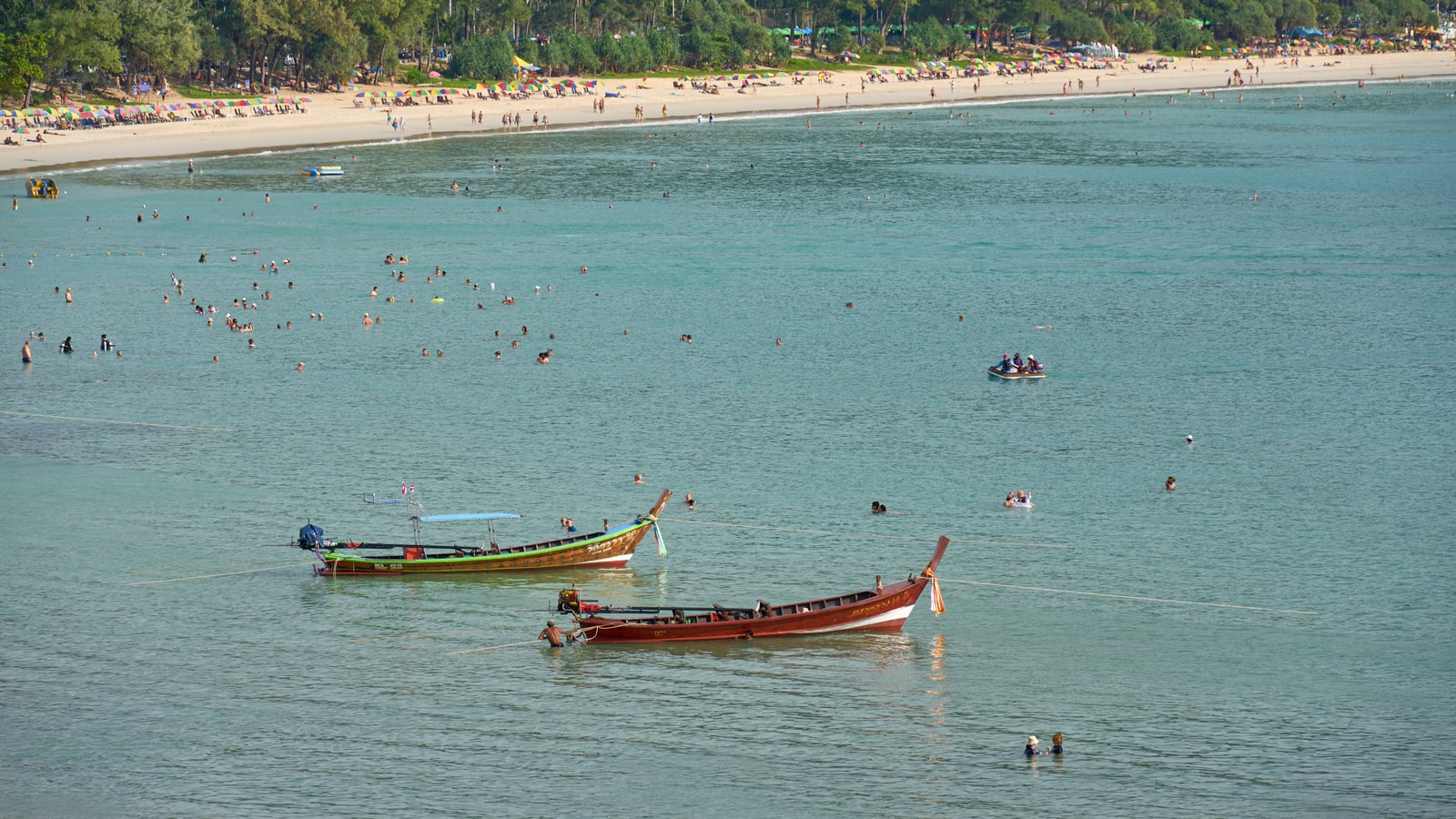
- 38th Phuket King’s Cup Regatta (5–12 December 2026) — Scheduled at Kata Bay/Beyond Kata, Phuket; this is a Phuket event, not an activity at Maya Bay or on Phi Phi.
Getting to Maya Bay from Phi Phi, Phuket and Krabi
Every route ends with a boat and the designated Loh Samah approach, but the starting point changes the scale of the day. Phi Phi Don is the closest base; a mainland excursion adds a longer crossing and usually more time in transfers, waiting and other stops.
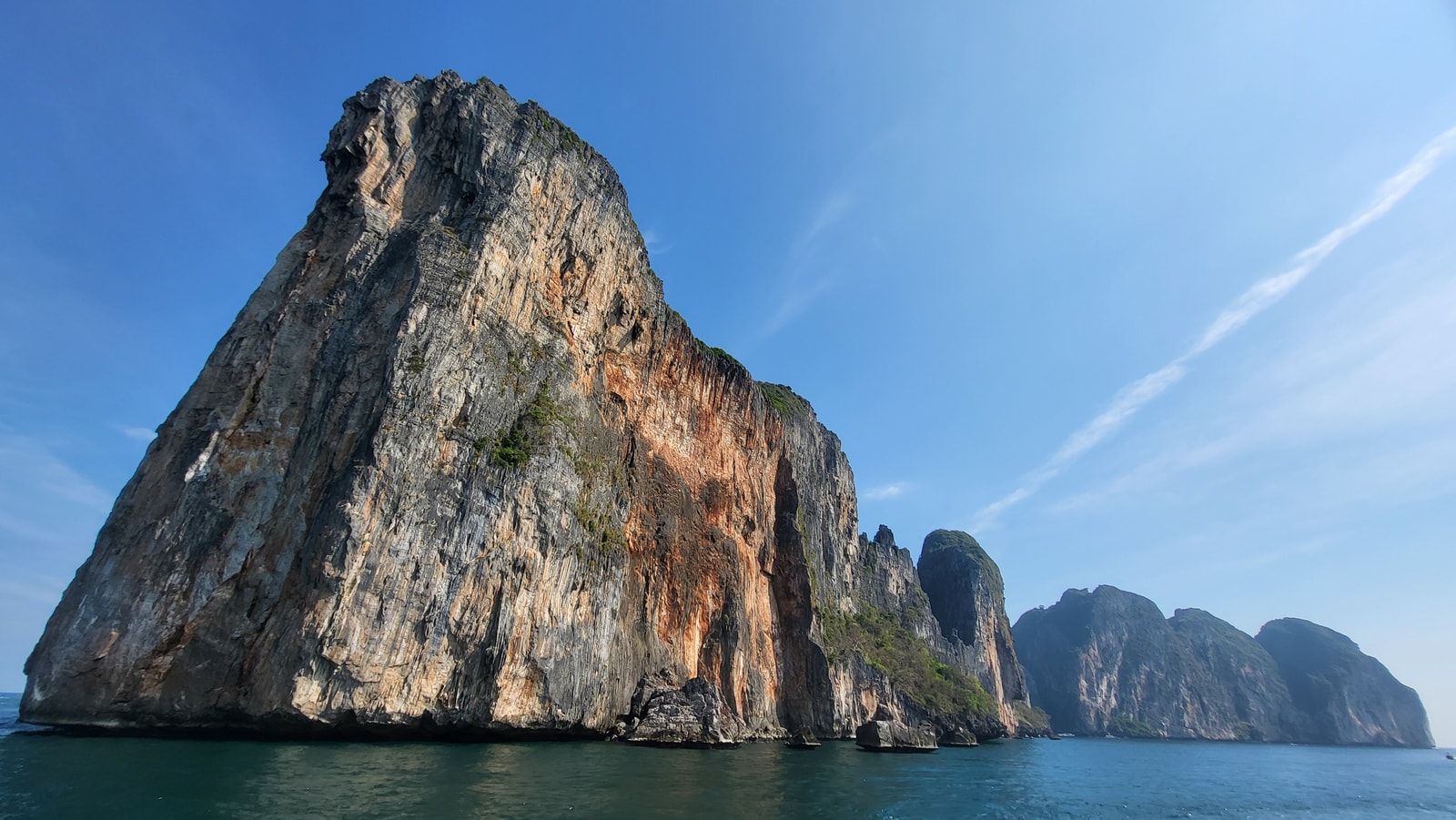
The following are approximate boat-leg estimates, not full excursion times. The departure pier, route, vessel and sea conditions all make a difference:
- Phi Phi Don: A local longtail or speedboat takes roughly 20–45 minutes each way to the Phi Phi Leh area. It is the shortest outing for travelers already staying on Don, though a shared trip can include waiting and other stops.
- Phuket: A direct speedboat leg to the Phi Phi area is roughly 1–1.5 hours each way. Transfers to the pier and island stops make the complete day longer. A ferry to Phi Phi Don is another connection, followed by a separate local boat trip; it is not a direct ferry to Maya Bay.
- Krabi Town: Direct speedboat legs are commonly around 45–75 minutes each way, depending on the pier and conditions. Check where the boat actually departs and how long the transfer to it will take.
- Ao Nang: A direct speedboat leg is also roughly 45–75 minutes each way. Pickup, pier transfer and sightseeing stops add time, while a ferry-based route involves continuing from Phi Phi Don by another boat.
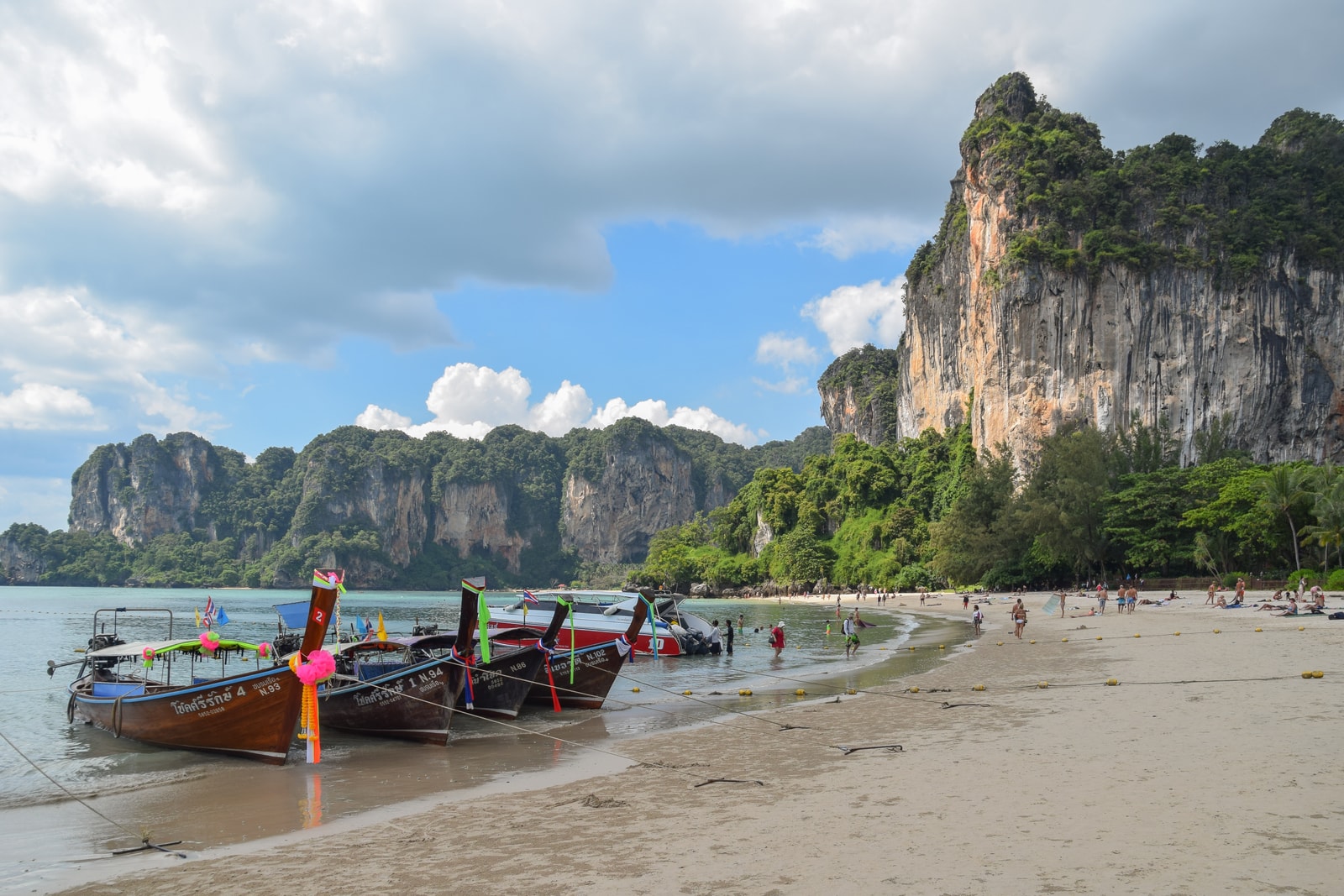
The vessel is as important as the headline crossing time. Speedboats cover longer distances faster but can be bumpy in chop, especially on open water. Longtails are a useful local option from Phi Phi Don, generally slower and more exposed to sun and spray. Neither automatically provides a smooth ride.
Ask whether the quoted duration describes time underway or the whole outing. If you are sensitive to motion, discuss the forecast and boat with the operator: the sheltered-looking destination and the crossing to reach it can feel very different.
How to Choose a Maya Bay Boat Tour
Start with the kind of day you want, then examine the itinerary. A shared tour generally costs less per person and follows a set route; a private boat may give your group more control over departure and stops. Private does not mean exempt from park rules, and it cannot reserve an empty beach.
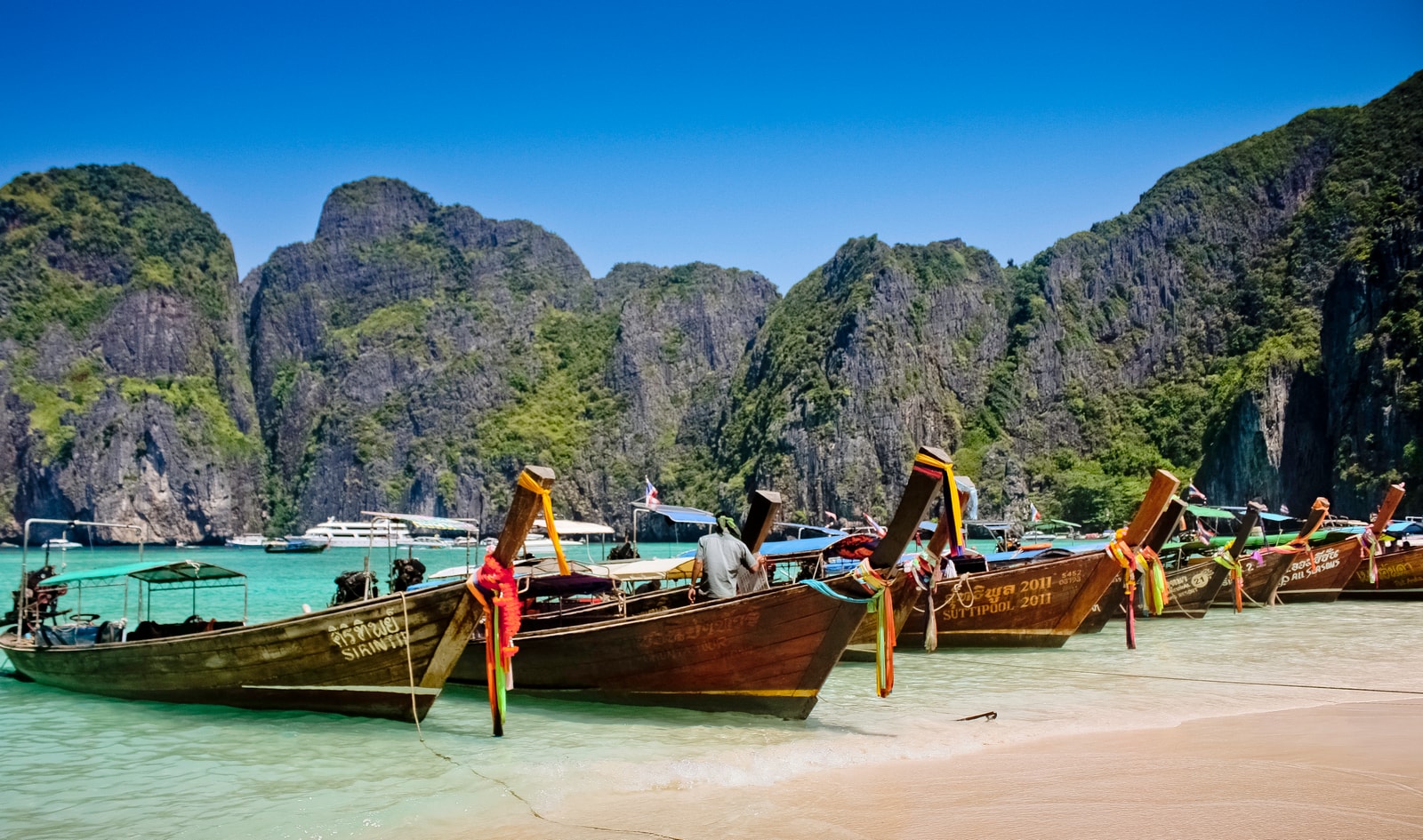
The distinction matters because a tour can list Maya Bay alongside several other attractions without making clear how the visit works. Confirm that it includes the actual landing and walk, rather than only a view from the water. The current approach is through Loh Samah, not a boat landing on Maya Bay beach.
Before booking, ask for clear answers to these questions:
- Maya Bay: Is the landing included, when is arrival expected and how much time ashore is planned?
- Departure and boat: Where does the trip start, what vessel is used and are transfers included?
- Passengers and safety: How many people will be aboard, and are suitable life jackets available for everyone in your group?
- Inclusions: What equipment is provided, and is the national-park fee included or collected separately?
- Changes: What happens if weather, sea conditions or park access alter the route? Ask about cancellation, rescheduling and refund terms.
The Tourism Authority of Thailand lists national-park fees for foreign visitors of ฿400 per adult and ฿200 per child. These are listed park amounts, not a total tour price. Fee arrangements can change, and an operator may include the fee or collect it separately, so check the treatment before you pay.
A responsible operator should be able to explain the landing route, the swimming restriction and the plan for difficult conditions without promising activities the park does not permit.
Pileh Lagoon and Other Phi Phi Stops
Maya Bay’s no-swimming rule does not mean a Phi Phi trip has to be all looking and no water. Choose an itinerary with a separate, permitted swim stop, and ask which activities depend on the day’s conditions.
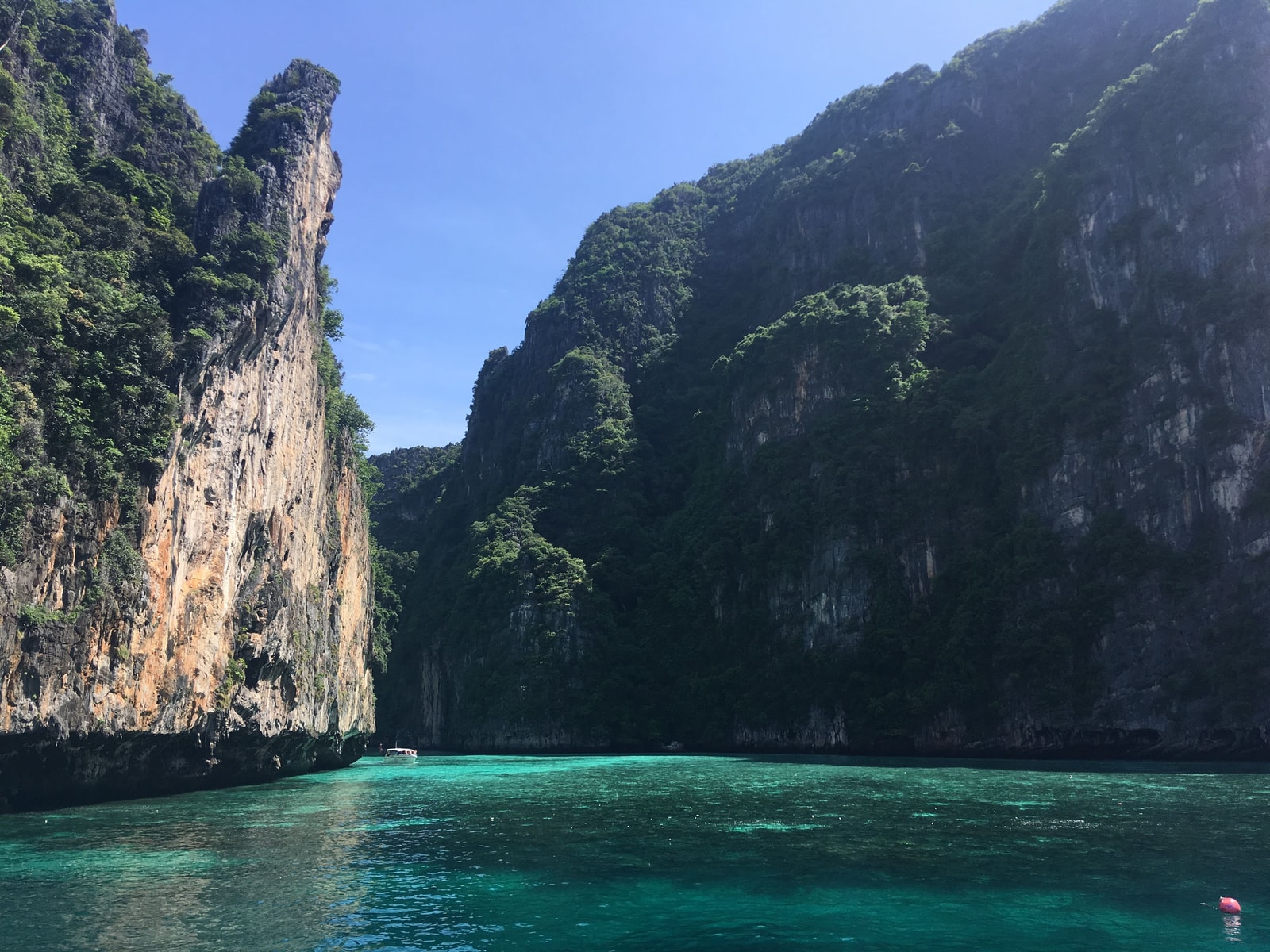
Pileh Lagoon offers another version of Phi Phi Leh’s limestone drama: a narrow opening leads into an enclosed inlet bordered by steep rock. Swimming from a boat may be possible when permitted and conditions allow. Much of the water can be deep, however, and this is not a walkable beach where you can simply step out onto sand. Follow the crew’s directions for entering and leaving the water.
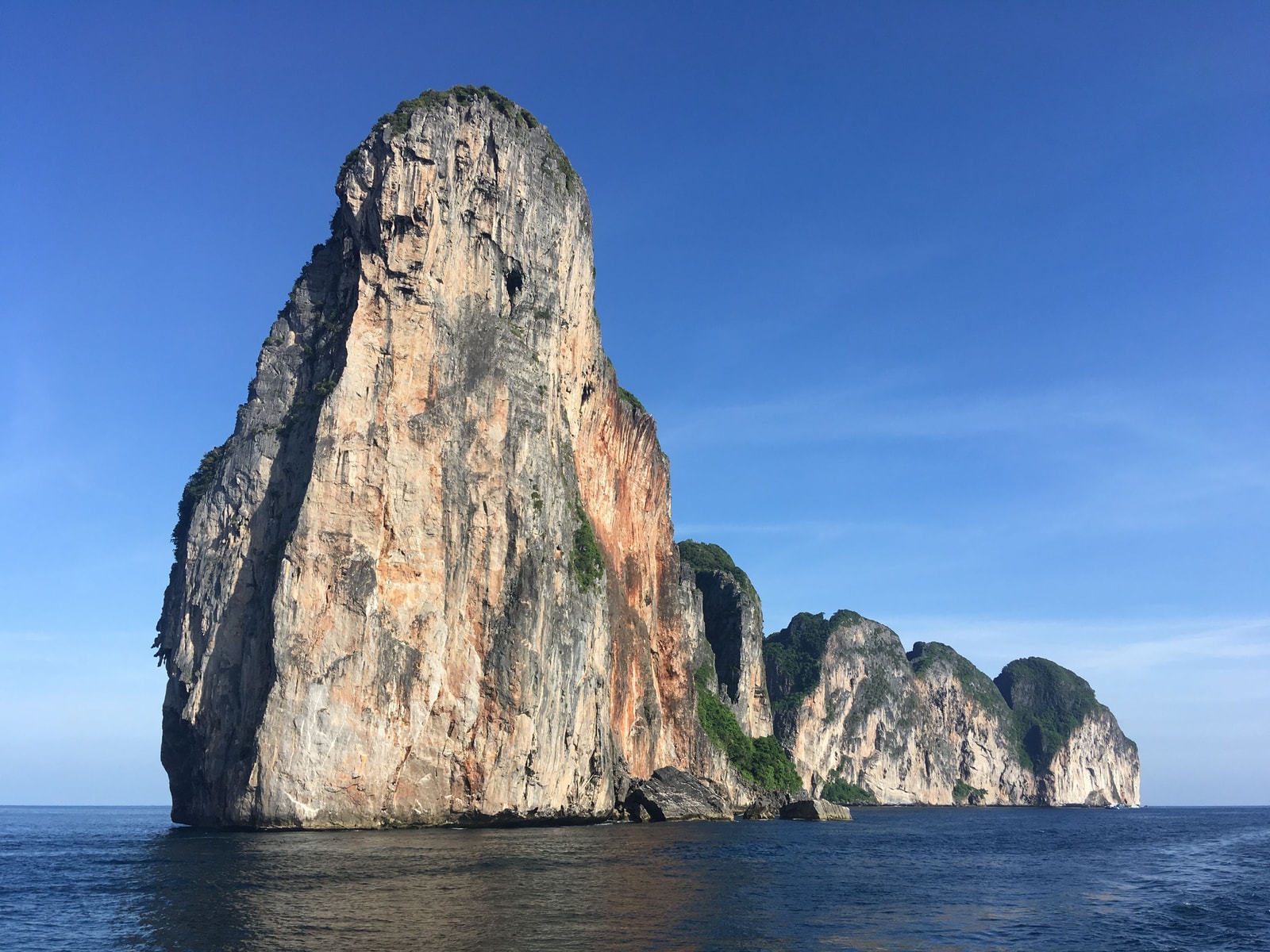
Viking Cave is generally a short sightseeing stop viewed from the boat. It sits at the base of a cliff and is associated with ship-like wall paintings and swiftlet nests. Treat it as a view along the coast rather than a promised landing or cave visit.
Bamboo Island is an alternative to ask about if sand and swimming are priorities. Access and swimming depend on park rules and conditions, and popularity makes it a beach option rather than a reliable escape from other visitors.
Reef stops may also appear on a tour, but their location and suitability can change. Weather, sea conditions and park rules can affect where boats go, whether passengers enter the water and the order of stops. Ask which swim is planned outside Maya Bay, what equipment is included and what the operator does if the chosen site is unsuitable.
Gallery