Your Guide to Khao Lak’s Beaches for Late 2026
From the convenient hubs of Bang Niang to the quiet northern shores of Bang Sak, here’s how to find the perfect stretch of sand on Thailand's Andaman coast for your end-of-year trip.
Published on 4 Oct 2026 16:46 GMT
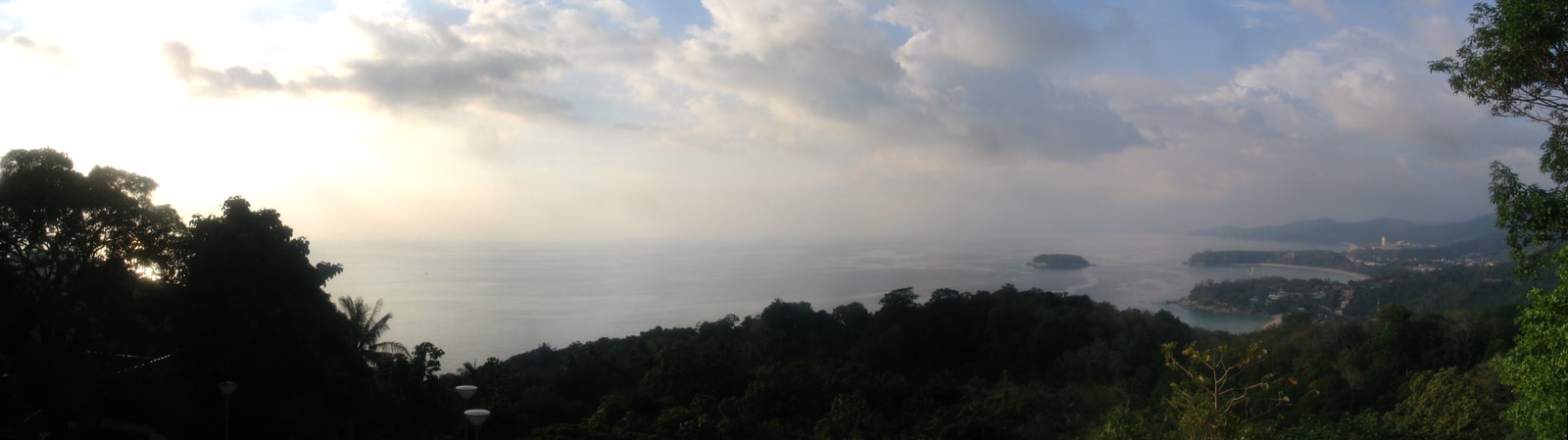
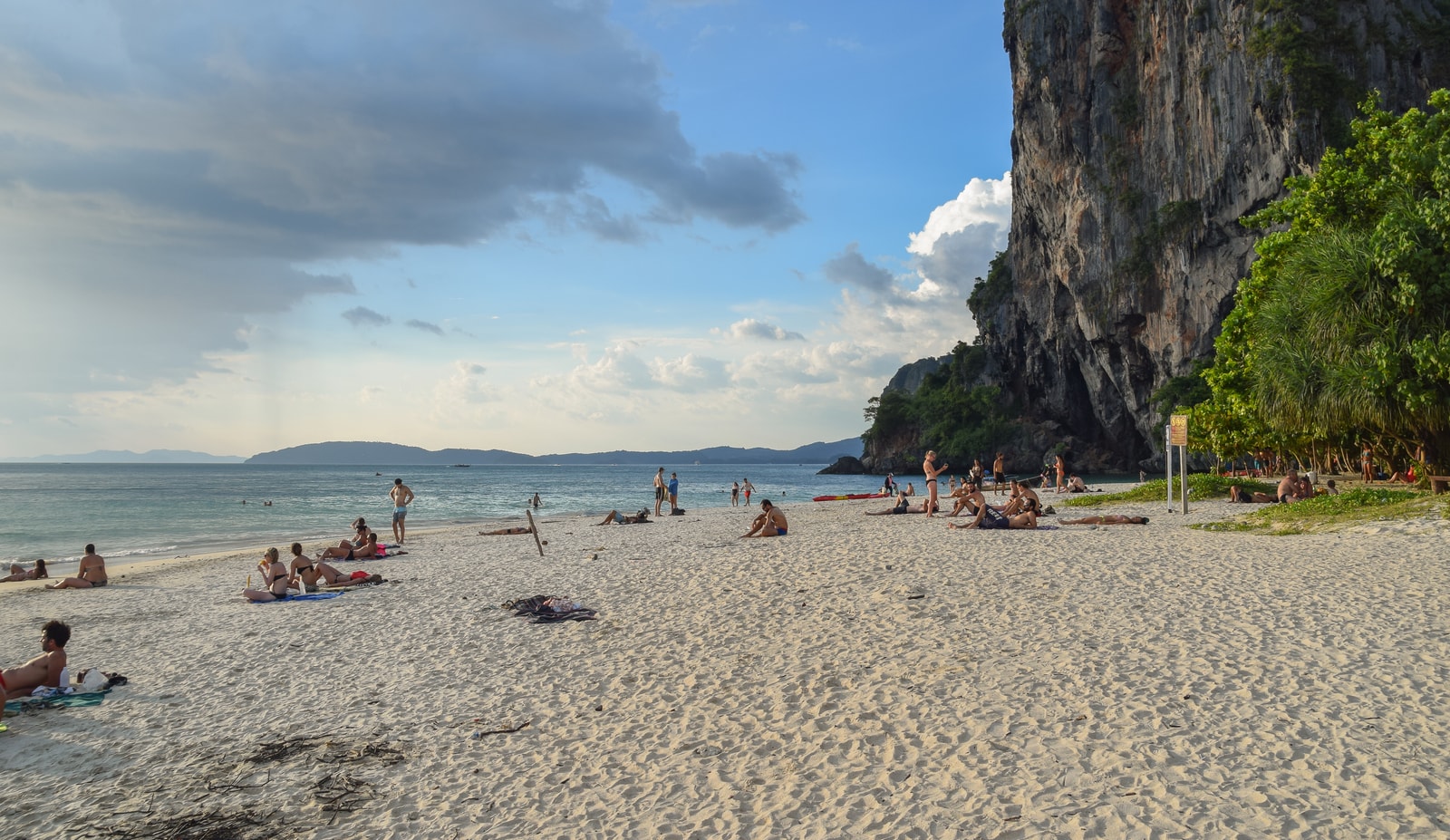
Located in Thailand’s Phang Nga province, Khao Lak isn’t one single destination but a 20-kilometre chain of beaches. This stretch of the Andaman coast is defined by its long golden sands, forested hills, and a quieter atmosphere than nearby Phuket.
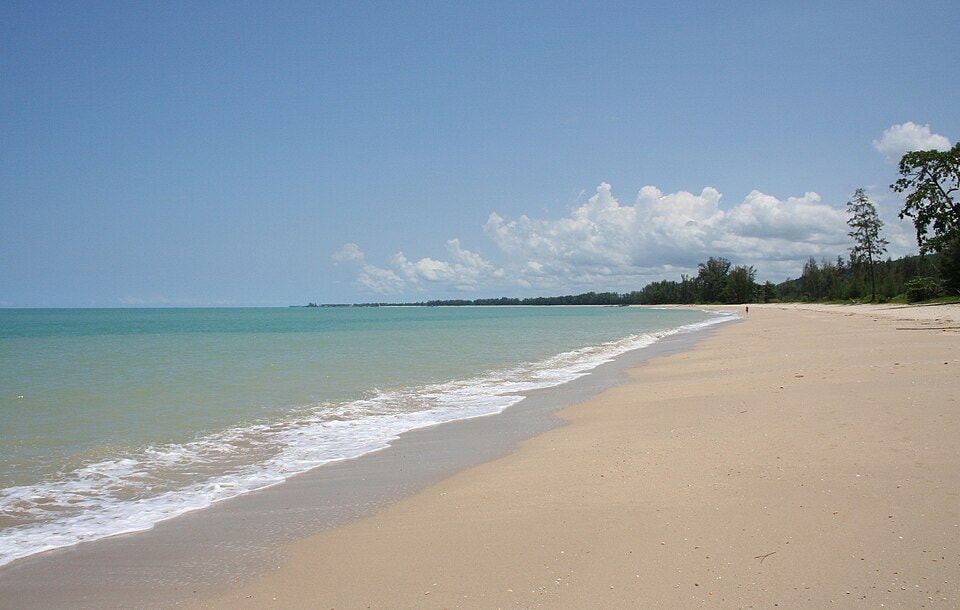
The personality of each beach varies, from developed central areas to broad, quiet sands and secluded northern shores. The main differences often come down to access to restaurants, resorts, and transport rather than radically different scenery.
Getting to Khao Lak is straightforward, with a 60 to 80-minute drive from Phuket International Airport. As you explore, remember that beach names and boundaries can be fluid, so treat maps as a guide, not a guarantee.
The Central Hubs: Nang Thong & Bang Niang
For travellers who value convenience, the central beaches are the ideal starting point. They offer easy access to amenities without sacrificing the coastal charm that defines the area.
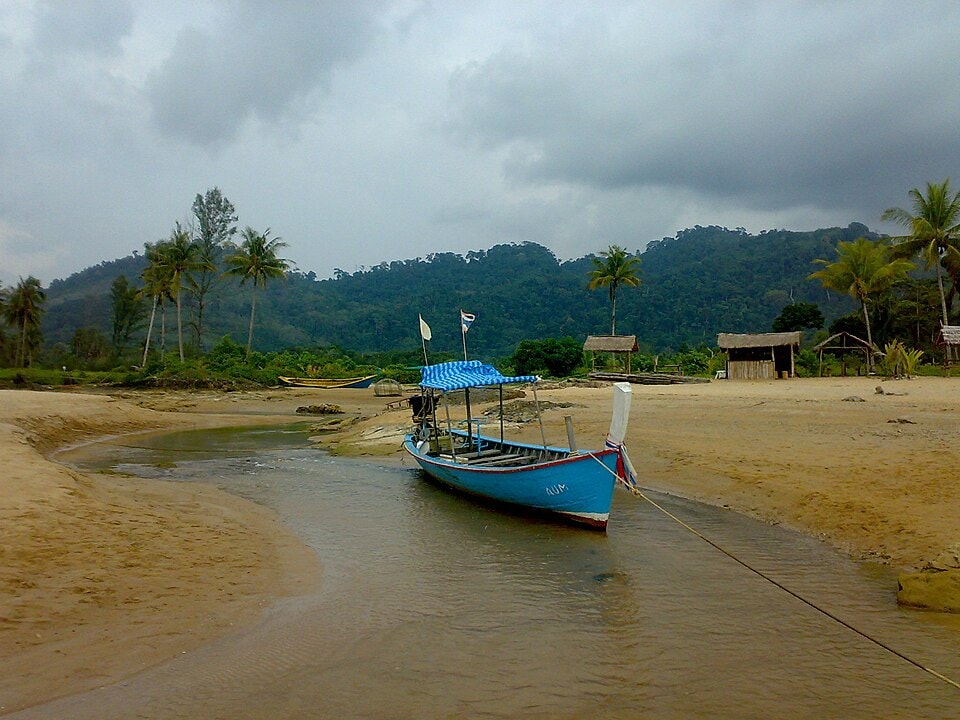
Nang Thong Beach is the most convenient base in Khao Lak. It has a broad sandy shore and the area's highest concentration of accommodation, dining, shopping, and modest nightlife. It's an excellent first choice for an easy beach holiday.
Bang Niang Beach is located near the liveliest visitor district, known for its beachfront bars, restaurants, and vibrant market scene. It's perfect for those who want a social atmosphere and good food right on their doorstep.
The Quiet North: Khuk Khak, Pak Weep & Bang Sak
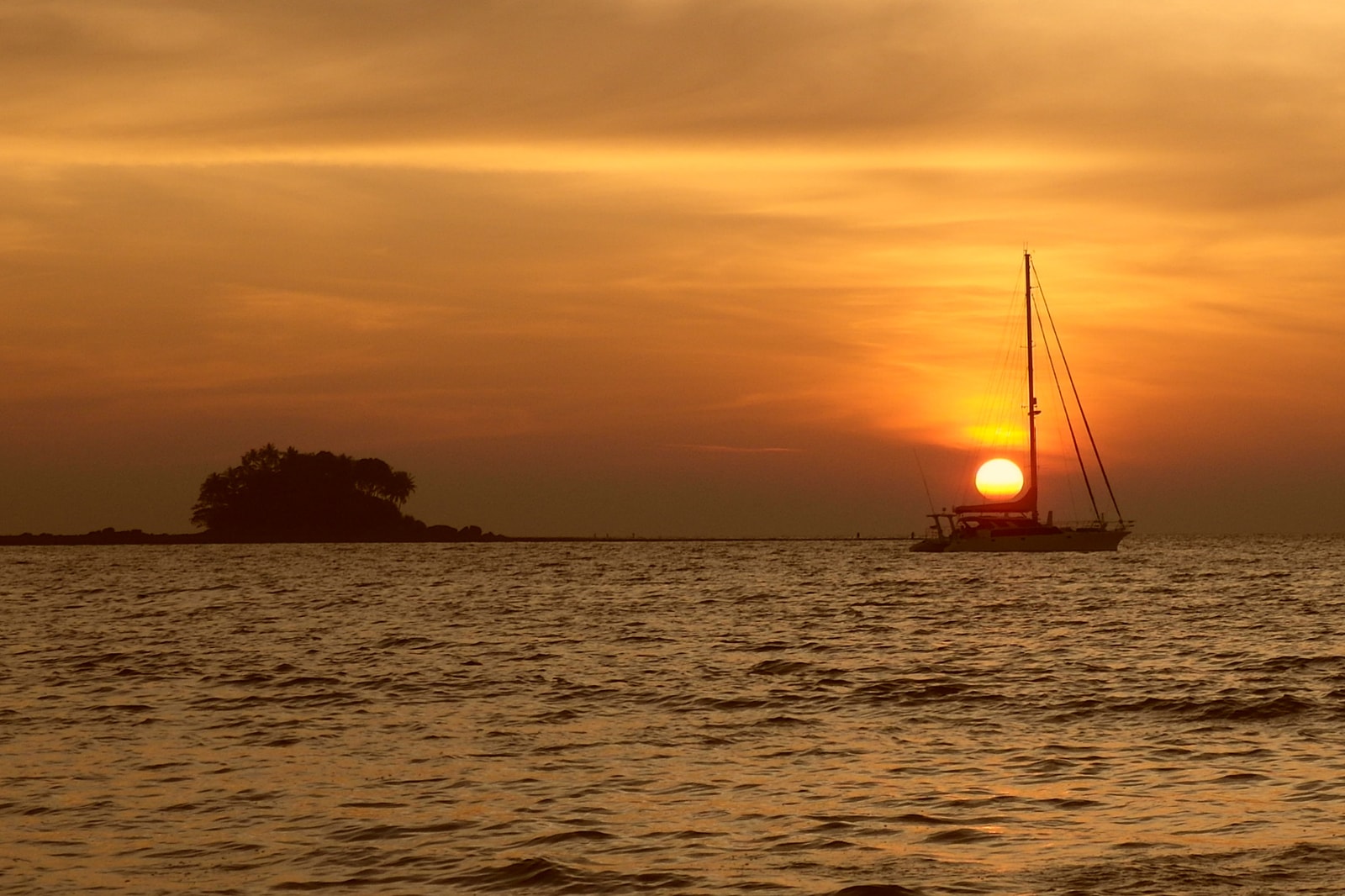
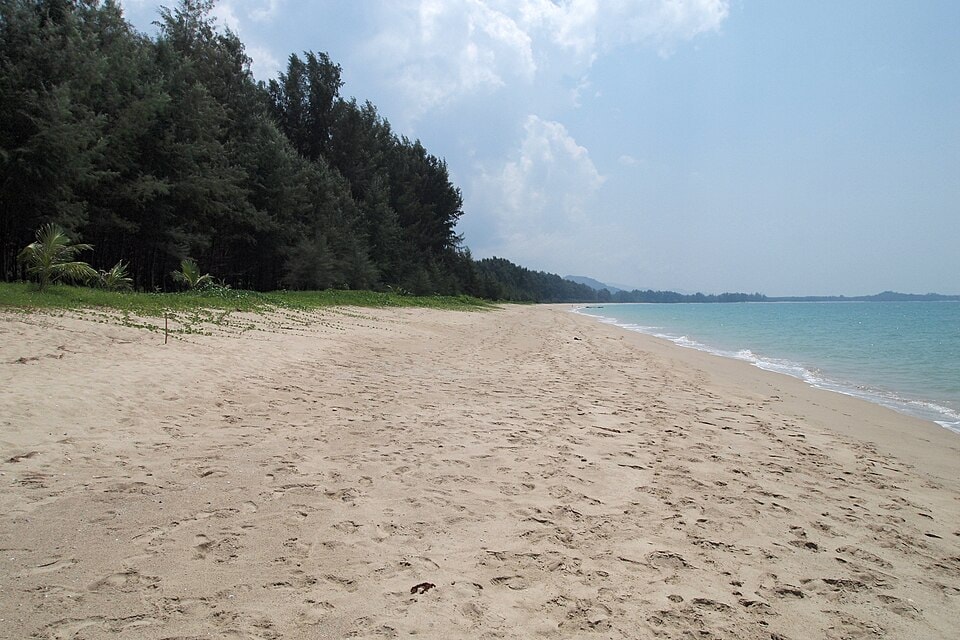
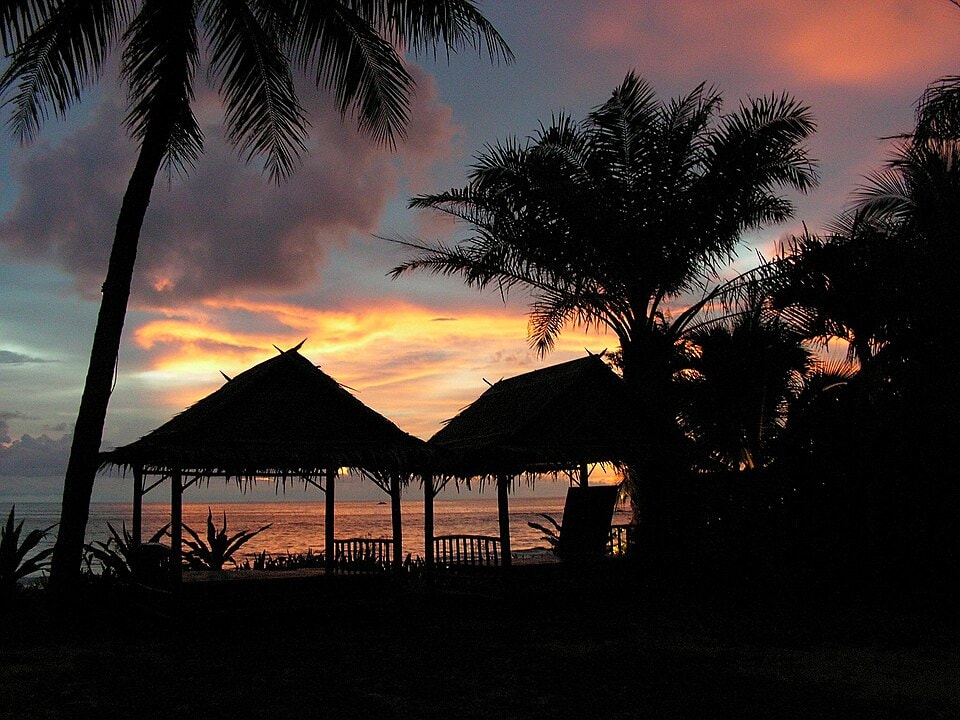
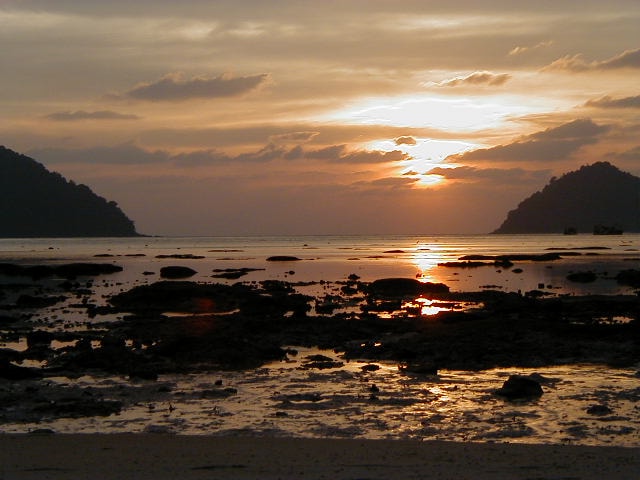
Heading north from the central hubs, the coastline transforms into a series of long, tranquil stretches of sand perfect for walking, relaxation, and watching the sunset.
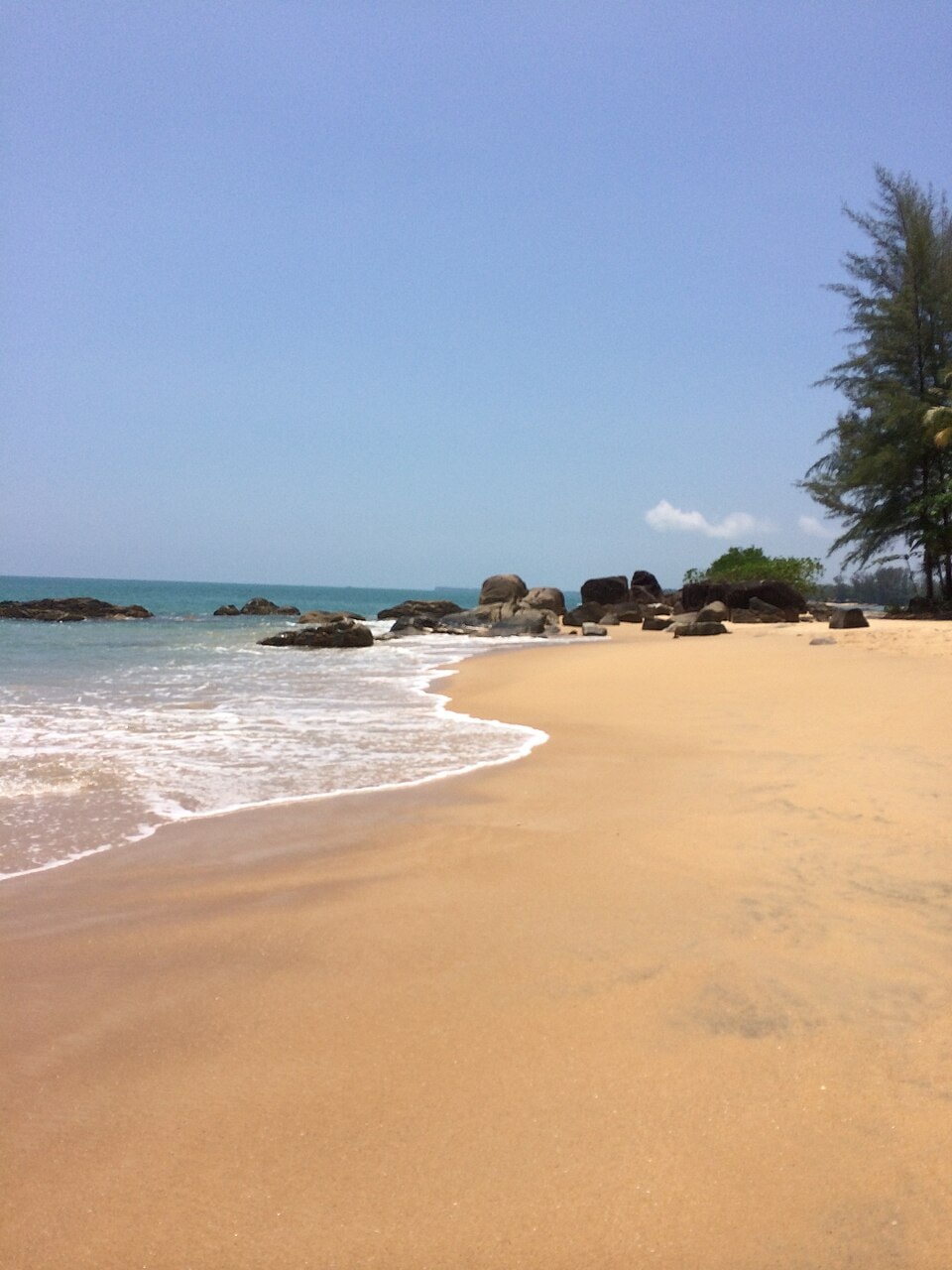
Khuk Khak Beach is a long, broad shore that offers a sense of peace and quiet. With scattered resorts and fewer services, it’s a place for unwinding and enjoying open horizons.
Pak Weep Beach is another serene choice, characterized by its pale sand and shady casuarina trees. It appeals to visitors who prioritize quiet reflection over bustling nightlife.
Bang Sak Beach is a long, golden-sand beach at the northern end of the Khao Lak area. While some resorts are present, the shoreline maintains a spacious and laid-back local atmosphere.
The Rugged Coast: Pakarang Cape & White Sand Beach
For those drawn to more natural and wild coastlines, the area around Pakarang Cape offers a different kind of beach experience focused on unique formations and scenery.
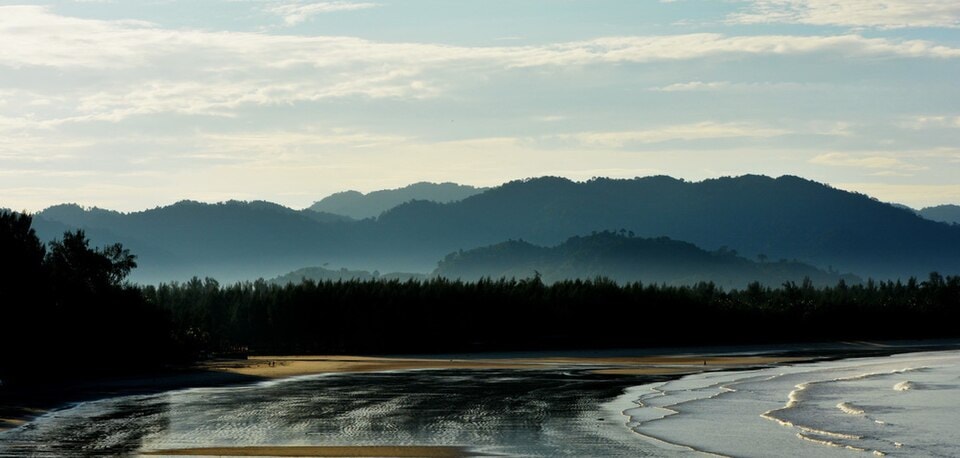
Pakarang Cape is a rugged section known for its coral-strewn shore, making it a great spot for beachcombing. Nearby Memories Beach is a popular spot for beginner surfing and relaxed beach cafés.
White Sand Beach, also known as Ao Thong, is famed for its pale sand and clear, shallow-looking water, making it a popular stop for day trips. Coconut Beach, located nearby, is another small, scenic section of the coast.
The Southern Sanctuary: Khao Lak Beach & Lam Ru National Park
At the southern edge of the coastline, the scenery becomes greener and more dramatic, dominated by the headland of a national park.
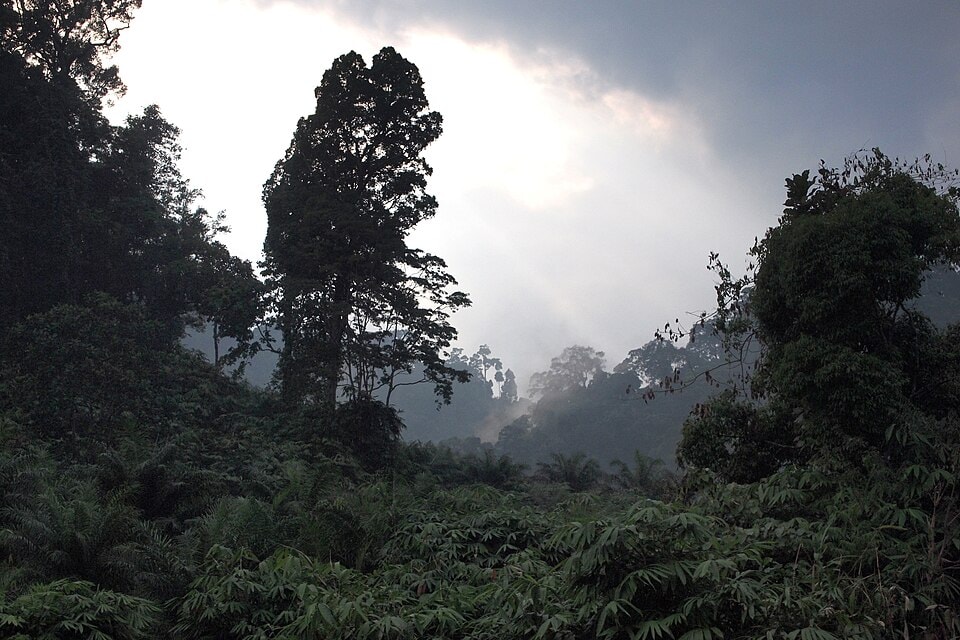
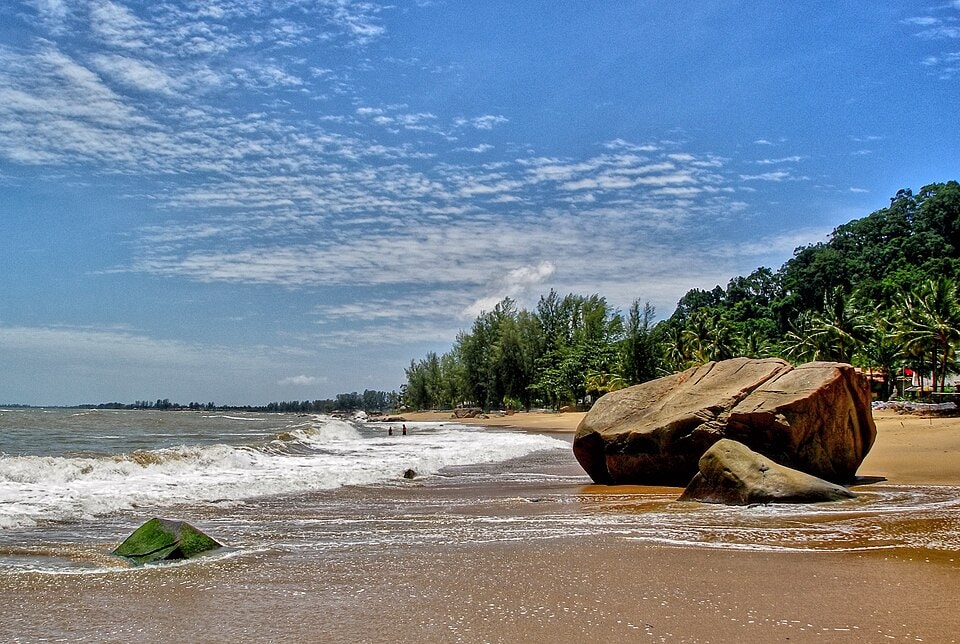
Khao Lak Beach, also called Khao Lak South, sits near the Lam Ru National Park headland. This area feels more secluded, with granite outcrops and a peaceful, natural atmosphere.
Within the park itself, you can find Small Sandy Beach via a 1-kilometre nature trail, offering an even more remote and undeveloped beach experience. The area is ideal for travellers seeking rocky, green coastal scenery.
Beyond the Sand: Similan and Surin Islands
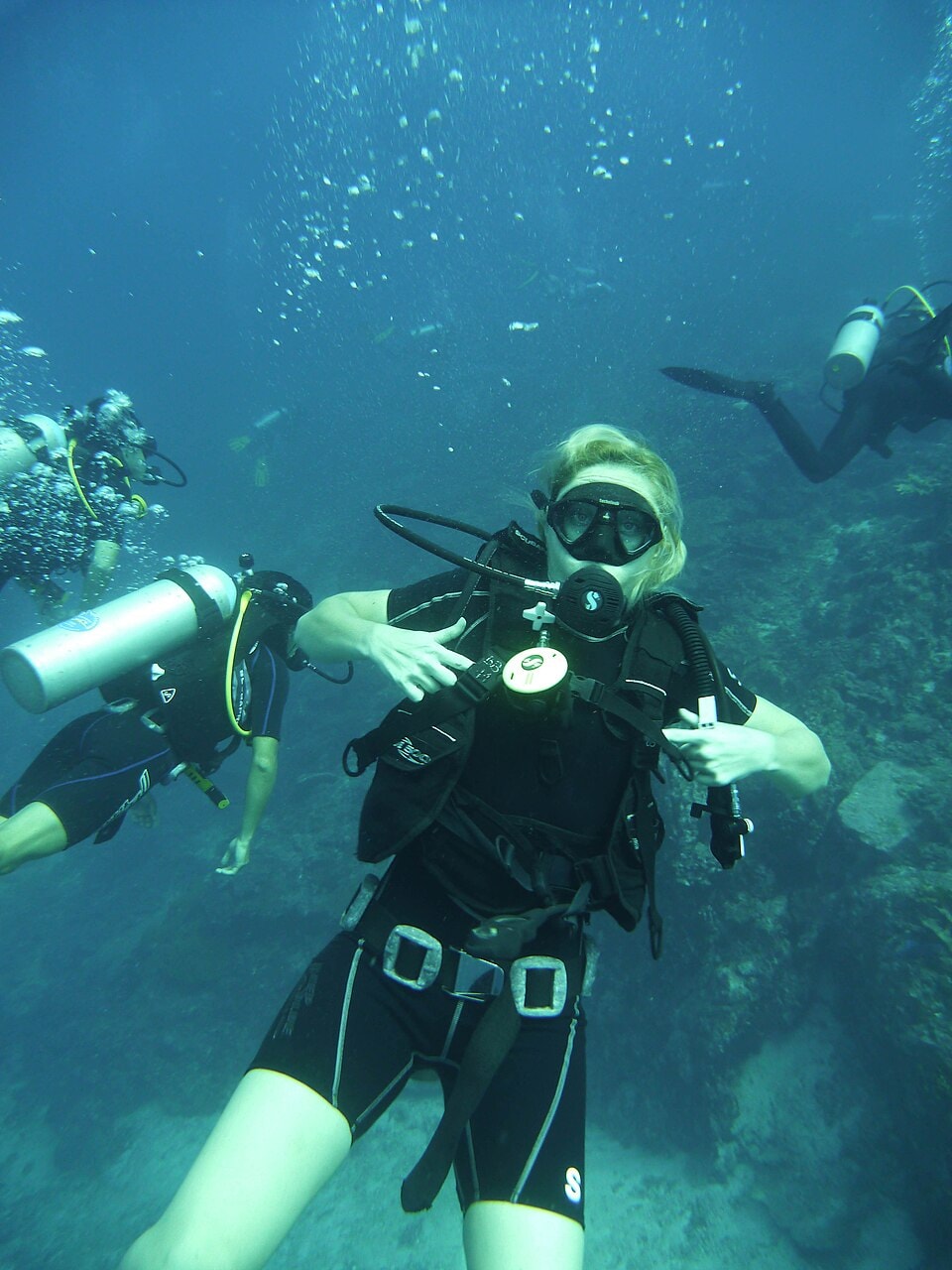
Khao Lak is a primary mainland gateway for exploring the world-class marine environments of the Mu Ko Similan and Mu Ko Surin national parks, renowned for their snorkeling and scuba diving.
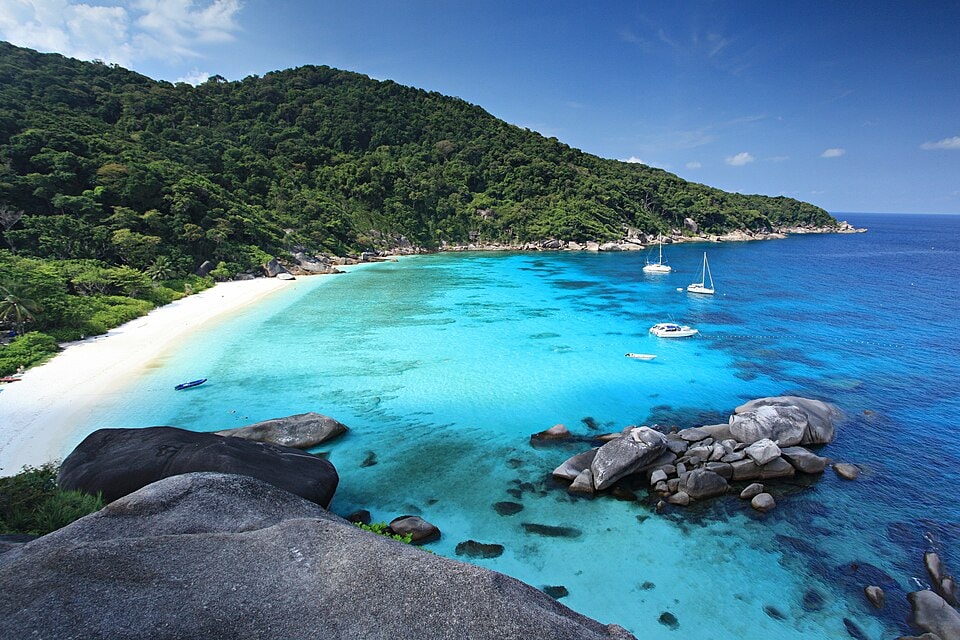
These parks are subject to seasonal closures to protect the ecosystem during the monsoon. For 2026, the parks are scheduled to be closed from May 15 through October 15, 2026. This means boat trips and diving activities will resume after this period, making late 2026 an ideal time to visit.
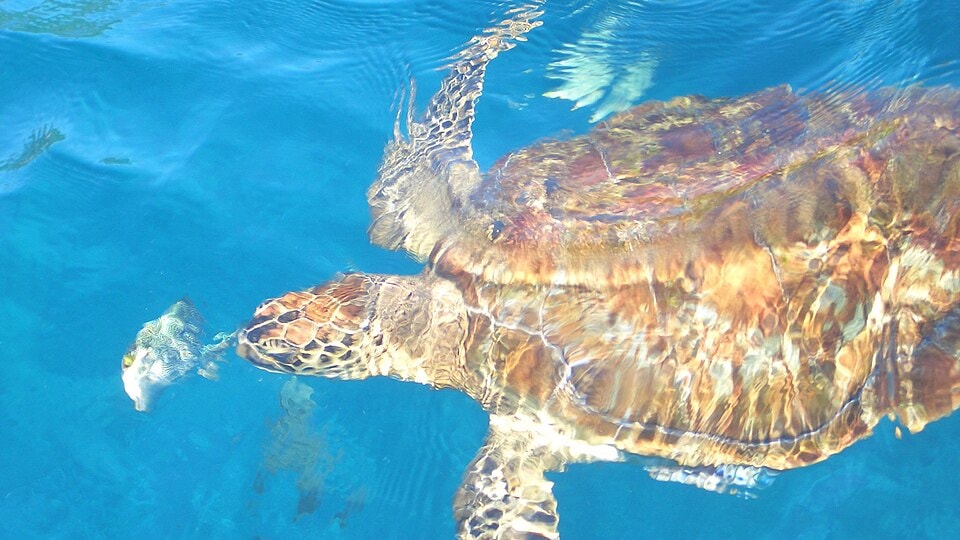
When visiting these protected areas, be mindful of conservation rules. Do not touch coral, feed fish, or disturb wildlife. Visitors should also use reef-safe sunscreen, as four specific chemicals are restricted within marine national parks: oxybenzone, octinoxate, 4-methylbenzylidene camphor, and butylparaben.
Planning Your Late 2026 Trip: Seasons & Safety
Khao Lak’s dry season typically runs from November to April, offering calmer seas and clearer water ideal for swimming and island hopping. The green season, from May to October, brings rain, humidity, and lusher landscapes but also rougher seas.
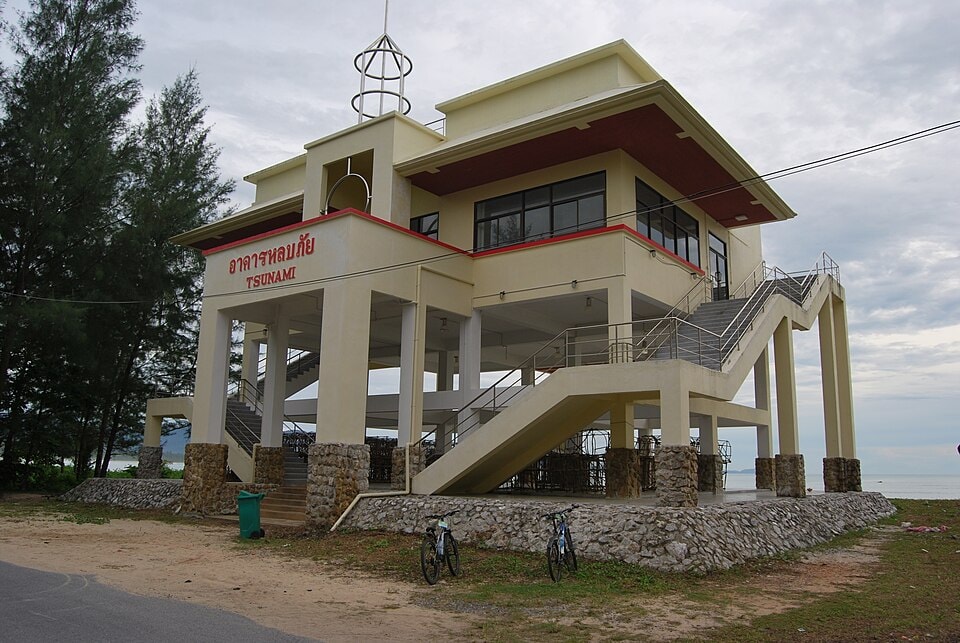
During the monsoon, waves and rip currents can be strong. Always observe beach flags: red flags mean do not swim, and yellow flags mean swim with caution. The primary safety concern on the beach is the surf, so never enter the water if warnings are posted.
Late 2026 Events in Khao Lak
As the high season kicks off, the Khao Lak area comes alive with markets and festivals. If you're visiting in late 2026, here are some events to look out for. Be sure to confirm dates and times locally, as schedules can change.
- Bang Niang Market (Date: NA). A popular recurring market with food, crafts, and music, typically open on Mondays, Wednesdays, Thursdays, and Saturdays.
- OCEANMAN Phang-Nga Thailand (21–22 November 2026). An open-water swimming race scheduled to take place at Bang Sak Beach.
- Loy Krathong / Festival of Lights (24 November 2026). A beautiful festival where locals float candlelit offerings, known as krathongs, on the water.
- Tsunami Memorial Day ceremonies (26 December 2026). An annual day of remembrance held in the Khao Lak area.
- Pullman Khao Lak Carnival de Andaman (31 December 2026). A listed New Year's Eve event at Kram Beach Club.
Getting Around Khao Lak
The different beach areas of Khao Lak are connected by the main highway, Route 4. Taxis, tuk-tuks, and songthaews are available for getting around, though distances between beaches are often too far to walk safely along the highway.
Scooters offer the most flexibility but require a valid license, proper insurance, and defensive driving skills. It's important to verify current transport availability and prices locally upon arrival.
Gallery
Additional Resources
- Bang Niang Market Official Website
- OCEANMAN Phang-Nga Thailand Official Race Page
- Information on Khao Lak Markets
- Build Market Information
- Takua Pa Old Town via Tourism Thailand
- Information on Khao Lak Festivals
- Tsunami Memorial Park Information
- Devasom Travel FAQs for Phang Nga and Khao Lak
- Phuket 101 Guide to the Beaches of Khao Lak
- Phuket 101 Nang Thong Beach Guide
- Phuket 101 Bang Niang Beach Guide
- Phuket 101 Khuk Khak Beach Guide
- Phuket 101 Sunset Beach Guide
- Thai National Parks Guide to Khao Lak–Lam Ru
- Tourism Authority of Thailand Khao Lak–Lam Ru Profile
- Phuket 101 White Sand Beach Guide
- Phuket 101 Pak Weep Beach Guide
- Aleenta Khao Lak Beaches Guide
- Phuket 101 Bang Sak Beach Guide
- Phuket 101 Ban Thap Tawan Beach Guide
- First Choice Monsoon Season Essential Guide
- Khao Lak Beaches and Waterfalls Guide
- Khao Lak Center White Sand Beach Profile
- Apsara Khao Lak Guide to Best Time to Visit
- The Nation Thailand Report on Marine Park Closures
- Khao Lak Center Transport Guide
- Khaosod English Report on Marine Park Sunscreen Bans
- Khao Lak Sea Turtle Conservation Center Guide
- Medical Association of Thailand Coastal Hazard Report