Rethymno Beaches: A Guide to Crete’s Tale of Two Coasts
Explore the easy-access urban sands of Rethymno's north shore and the wild, mountain-backed landscapes of the iconic south coast, from Plakias to the palm-lined lagoon of Preveli.
Published on 7 Oct 2026 13:13 GMT
On Crete’s north coast, Rethymno’s main beach is the definition of convenience. This long, sandy shore begins near the historic city and stretches east for approximately 12 kilometers, offering a lively, cosmopolitan atmosphere right on your doorstep.
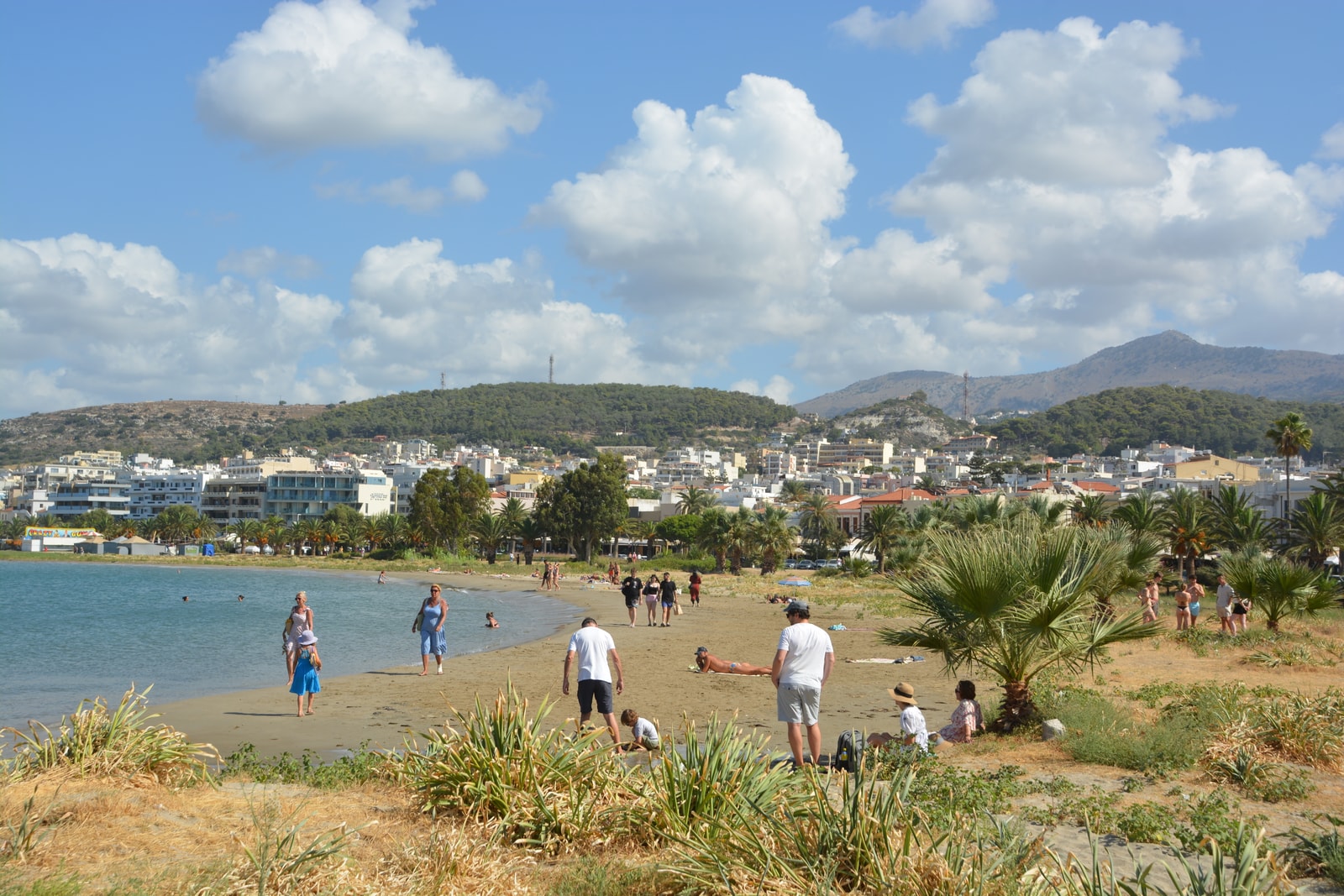
Its greatest appeal is its accessibility. Visitors staying in town can easily walk from the Venetian harbor to the beach, making it ideal for those without a car. Families love the gentle slope and shallow waters, while the promenade is lined with cafes, tavernas, and beach bars.
This long stretch continues through Perivolia, Missiria, and Platanes, blending seamlessly from an urban beach into a classic resort coastline. While organized services and accessibility infrastructure are present in many sections, it’s best to check locally, as provisions can vary.
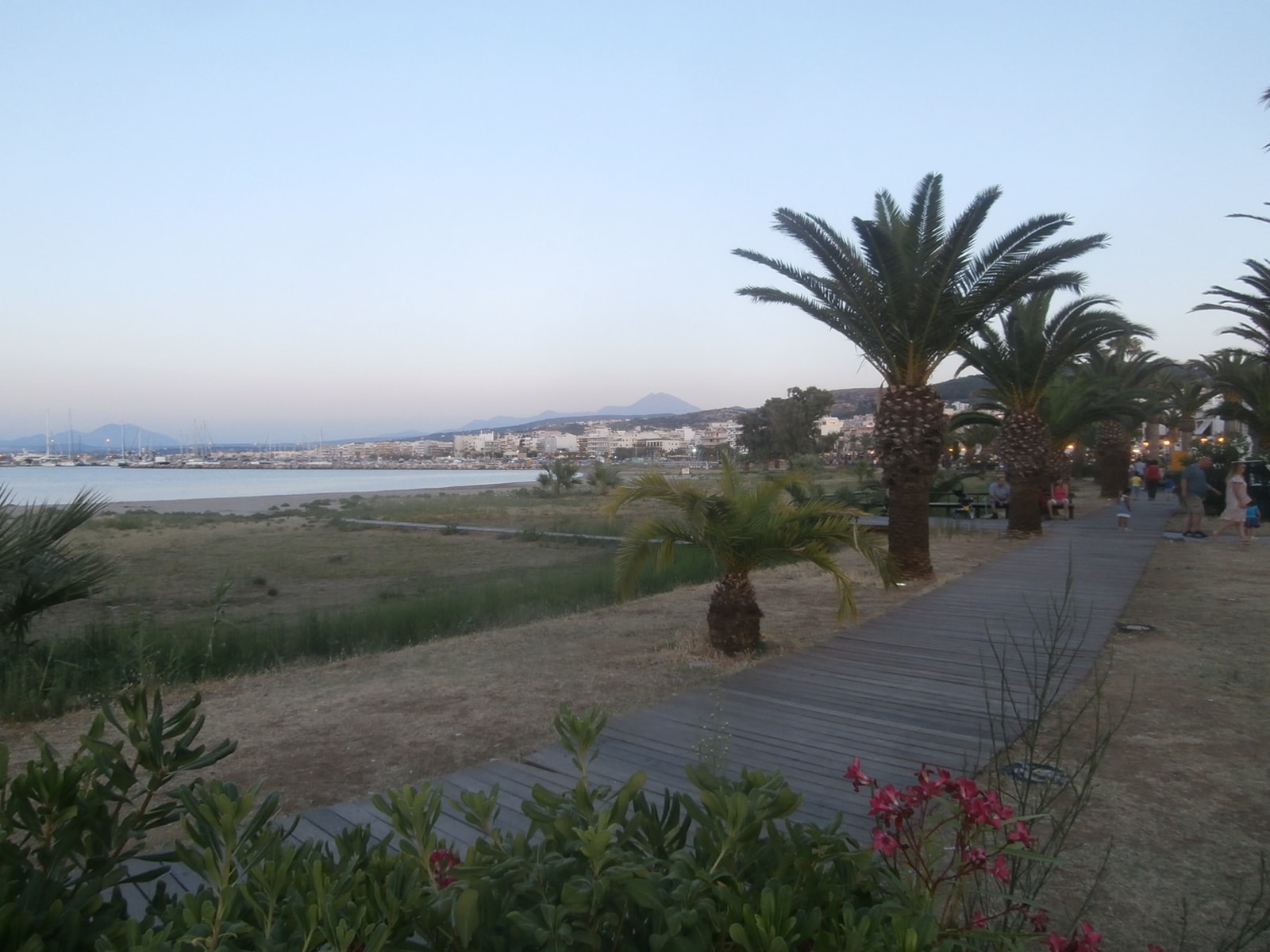
Central Rethymno Beach: best for an old-town base. Choose the western end of the long eastern beach when you want sand within reach of sightseeing, cafés and an evening in the historic centre. You do not need to travel the whole 12 km coast to have a beach day. The municipal guide lists showers, sunbed and parasol hire, food and drink, and accessible bathing infrastructure on sections of the shore. Confirm the facilities at your chosen access point; shallow water does not remove the risk from waves.
Perivolia: best for staying close to the city but outside its historic core. This is the next built-up beach stretch eastward, not an isolated cove. Choose it if your accommodation is nearby and you want to combine a hotel-based beach day with visits to town. If staying in the old town, compare the walk or bus journey with using the central beach; the sand alone does not make an extra journey necessary.
Missiria: best for a nearby beach base with town connections. Around 3 km east of the centre, Missiria continues the same sandy shoreline. The benefit over a more distant resort is proximity to Rethymno, not a different sea exposure. The municipality’s accessibility guide describes adapted facilities here, but its published inventory is older: confirm the current walkway, toilets, showers and assistance you need rather than treating it as a guarantee. A 3 km walk is roughly 40–50 minutes at an ordinary pace, before detours and stops.
Koumbes: the town-side alternative to the west. About 2 km west of the centre, Koumbes has a mixed sand-and-fine-pebble shore and views toward the Fortezza. It suits visitors based on the western side who want a beach-and-meal outing without crossing town. Local guides list showers, changing rooms and seasonal rentals, with restaurants nearby. Choose it for location and views; skip it if you want a secluded setting or the broad eastern resort strip. Allow roughly 25–30 minutes for a 2 km walk, depending on your starting point.
East of Town: Resort Life on Open Sands
Platanes: best for a beach-and-resort base near Rethymno. Choose this eastern suburb when you want a long sandy beach with food, shops and accommodation nearby, while still making trips into town. It is more practical for visitors staying in the area than for someone who simply needs a short beach break from the old town. Local beach information lists organised services including showers and sunbeds. The trade-off is an open north-facing shore: this is not the sheltered-cove option.
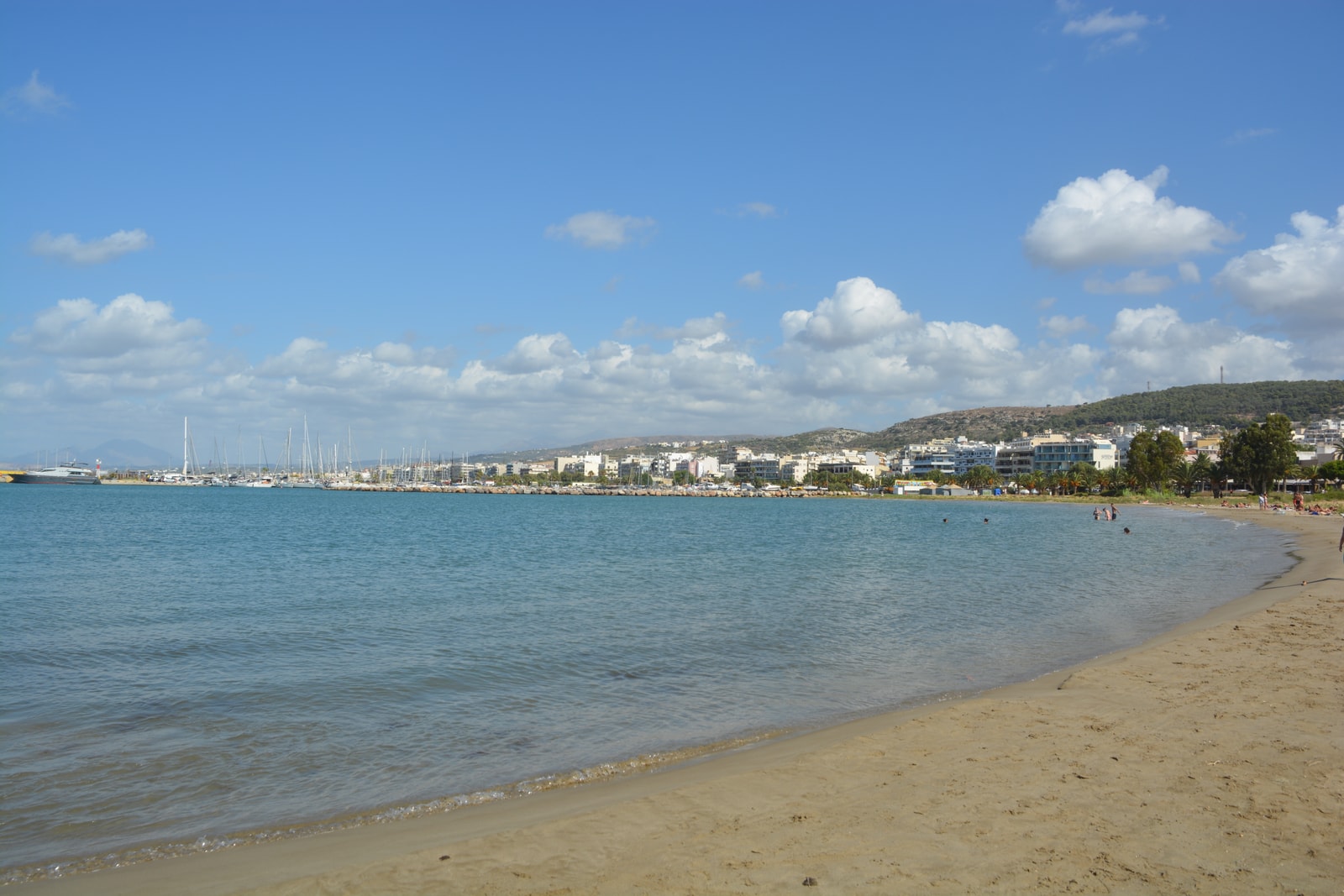
Adelianos Kampos: best for a full-service resort stay. Roughly 6 km east of Rethymno, Adelianos Kampos has a substantial hotel strip, restaurants, shopping and seasonal beach activities. Showers, changing facilities and rental umbrellas are listed in local guides, and local buses connect the area with town. Choose it if you want beach services close to your accommodation. Skip it if your priority is an intimate village or an easy walk back to the old town; shallow water can still be wavy.
Skaleta: best when you are staying farther along the eastern coast. Around 12 km from town, Skaleta is a more distant resort-beach choice. It offers sand, hotel-based convenience and seasonal food and rental services, rather than a fundamentally different sheltered sea. Choose it for a nearby hotel or a coastal outing; do not travel from central Rethymno expecting remoteness or reliably calmer water. Check the bus stop and return service before setting off.
Pigianos Kampos and the connecting shore: these intervening stretches are useful when your accommodation gives you convenient access. The coastline is continuous, so the practical differences often come down to the entry path, open facilities and nearby food rather than a dramatic change in scenery. Verify parking signs and access locally, and do not assume hotel-managed facilities are available to everyone.
October–December planning: the open sea exposure remains after summer winds ease. Rental equipment, watersports and lifeguard coverage are seasonal, so check what is operating and take water and portable shade if needed. For a late-season stay, choose Platanes or Adelianos for your actual accommodation and town connections; choose Skaleta for its location, not as a guaranteed quiet or sheltered substitute.
North Coast Coves: Panormos and Bali
Panormos: best for a village-and-beach outing. About 20 km east of Rethymno, Panormos has a smaller-scale village setting rather than a long hotel strip. Its main harbour beach, Limanaki, is sandy and protected by the harbour structure, with food nearby; Limni, just west of the village, offers another sheltered sandy option. Local guides list showers and umbrella hire at the organised beaches. Choose Panormos for a beach visit paired with a village meal. Skip it if you want the broad open sands of the resort strip or a beach walkable from Rethymno’s centre.
Getting to Panormos: check the current KTEL timetable, destination stop and return departure; local guides describe bus connections from Rethymno. By car, leave time for legal parking and walking through the village. For October–December, confirm beach services and nearby opening hours. Harbour shelter is useful, but assess the actual sea and flags before considering bathing.
Bali: best for comparing several coves in one resort. Approximately 30 km east of Rethymno, Bali is a separate outing, not a town beach. Livadi is the largest and most open bay, useful when you want more sand and space. Varkotopos is a more enclosed, compact family-oriented option; Limani combines the harbour setting with nearby restaurants; and Karavostasis offers a smaller scenic cove where limited space can make crowds more noticeable. Do not assume all four have the same exposure or atmosphere.
Bali’s practical trade-off: moving between its bays involves a hillside resort layout rather than one flat, continuous beach promenade. If using a bus, confirm the stop and the final journey into the resort; by car, plan to park legally and walk to your chosen cove. Choose Bali for a cove-focused day, and Panormos for a simpler village-and-harbour visit. In October–December, check road, sea and service conditions before making the trip; smaller sheltered bays are not safe in every weather pattern.
West of Town: Quieter Shores and Pebbled Beaches
Heading west from Rethymno reveals a different coastal character, with smaller coves and mixed sand-and-pebble beaches. These shores offer a quieter alternative to the bustling resort strip to the east.
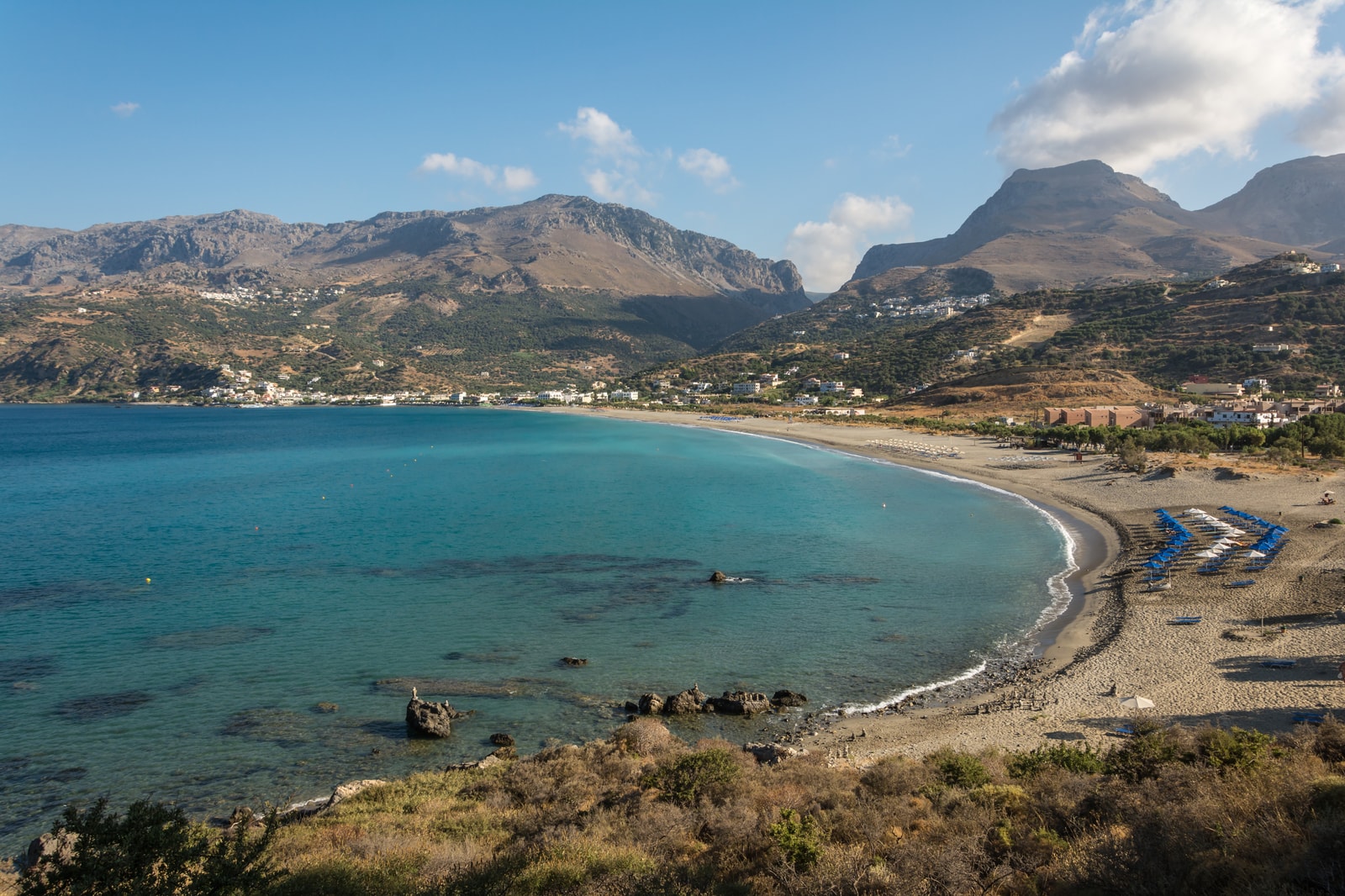
Kamari and Gerani feature smaller, rockier coves that are great for snorkeling, as does Petres. For more space, Episkopi provides a broad sandy and pebbly beach with both organized and undeveloped sections, though it can also be windy.
The South Coast: A Dramatic Escape to the Libyan Sea
A trip to Rethymno’s southern coast feels like entering another world. Here, mountain roads wind down to the Libyan Sea, revealing beaches that feel more elemental and remote than their northern counterparts. Reaching them requires more planning, but the scenery is a spectacular reward.
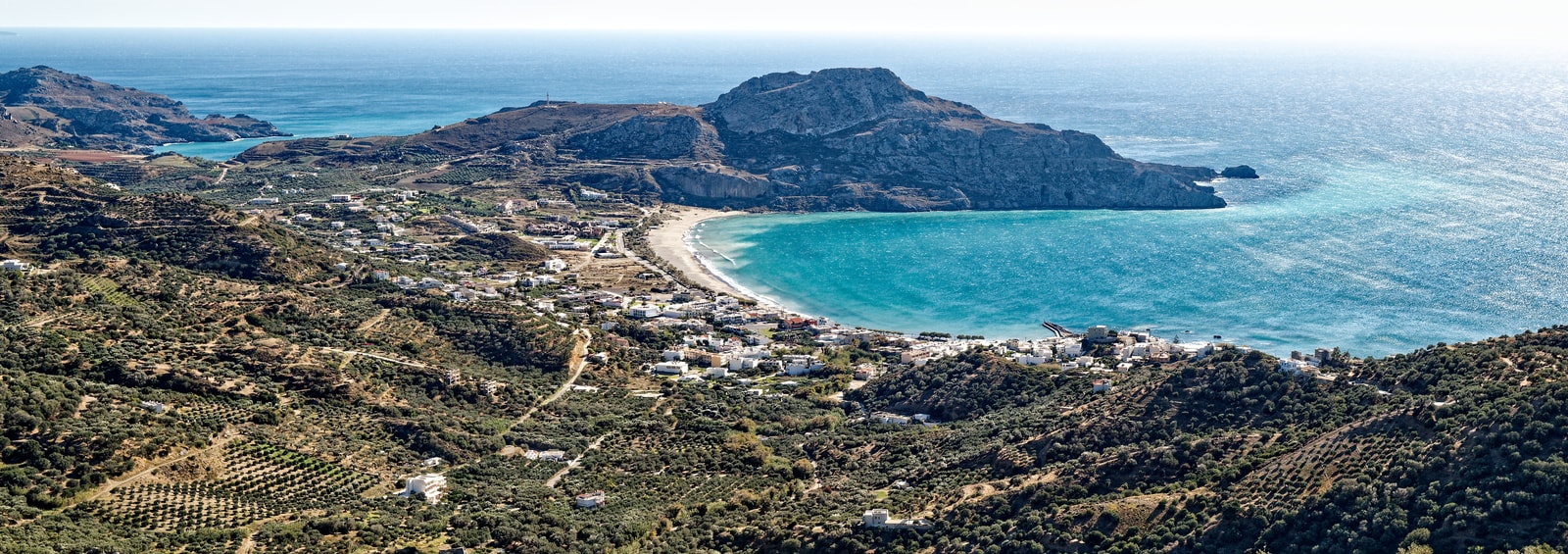
This is a coastline for drivers and adventurers. While organized excursions are available, a car provides the freedom to explore hidden coves, rugged shorelines, and landscapes defined by a powerful sense of drama and scale.
Plakias: A Rugged Base for Southern Adventures
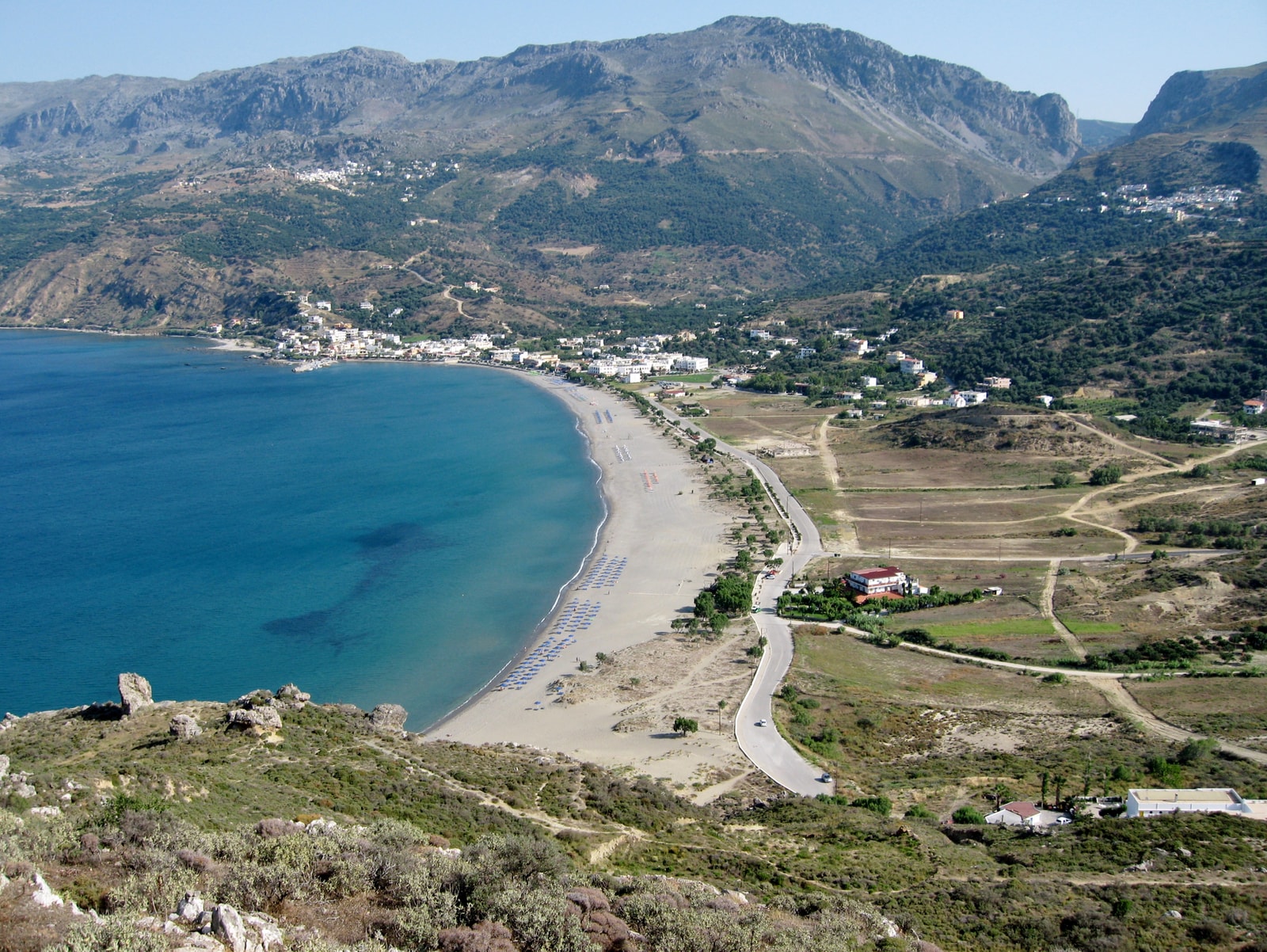
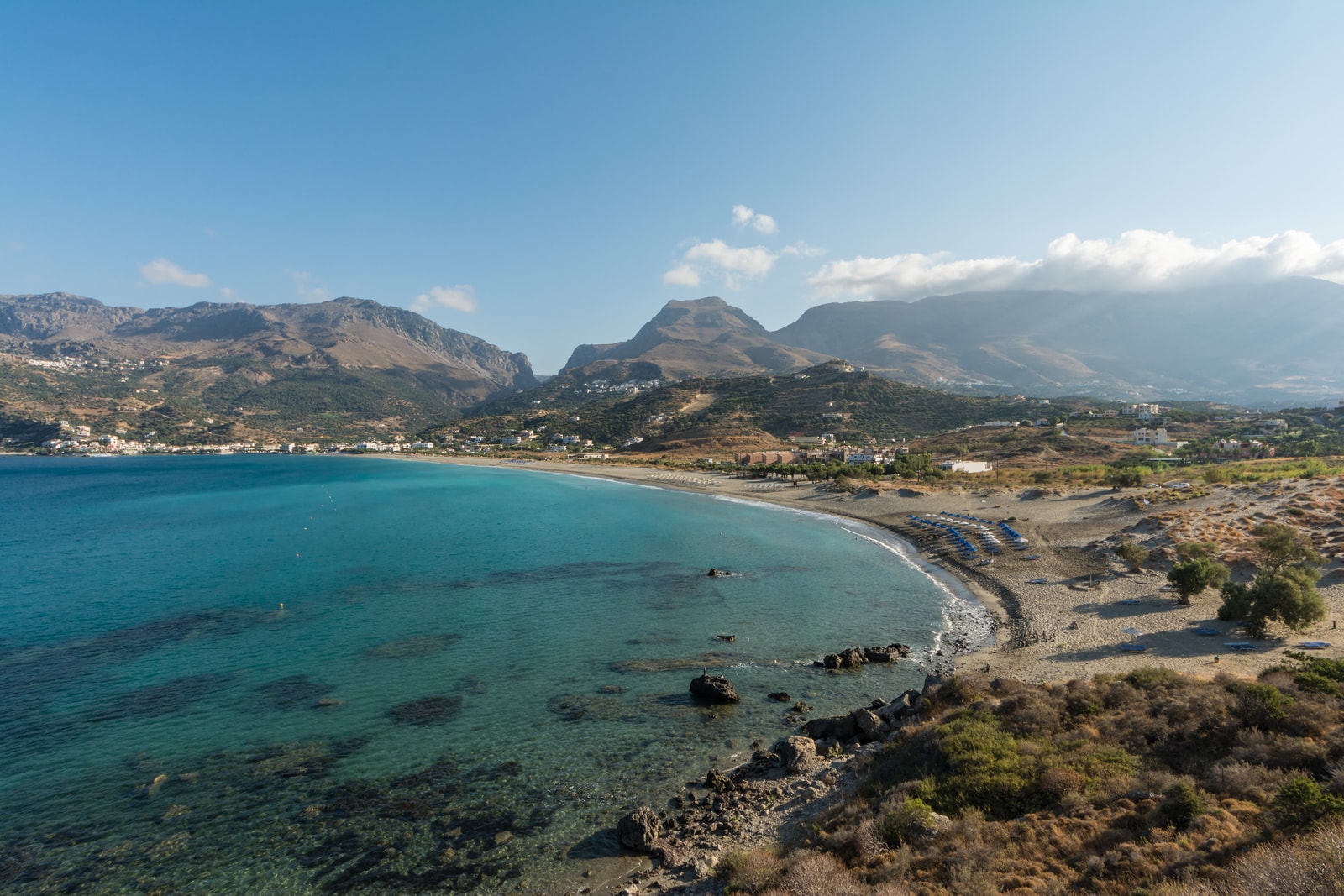
Plakias Beach is one of the south coast’s most accessible hubs. It sits on a broad, sandy crescent, framed by imposing mountains, creating a stunning natural amphitheater. The atmosphere is more relaxed and rugged than in the northern resorts.
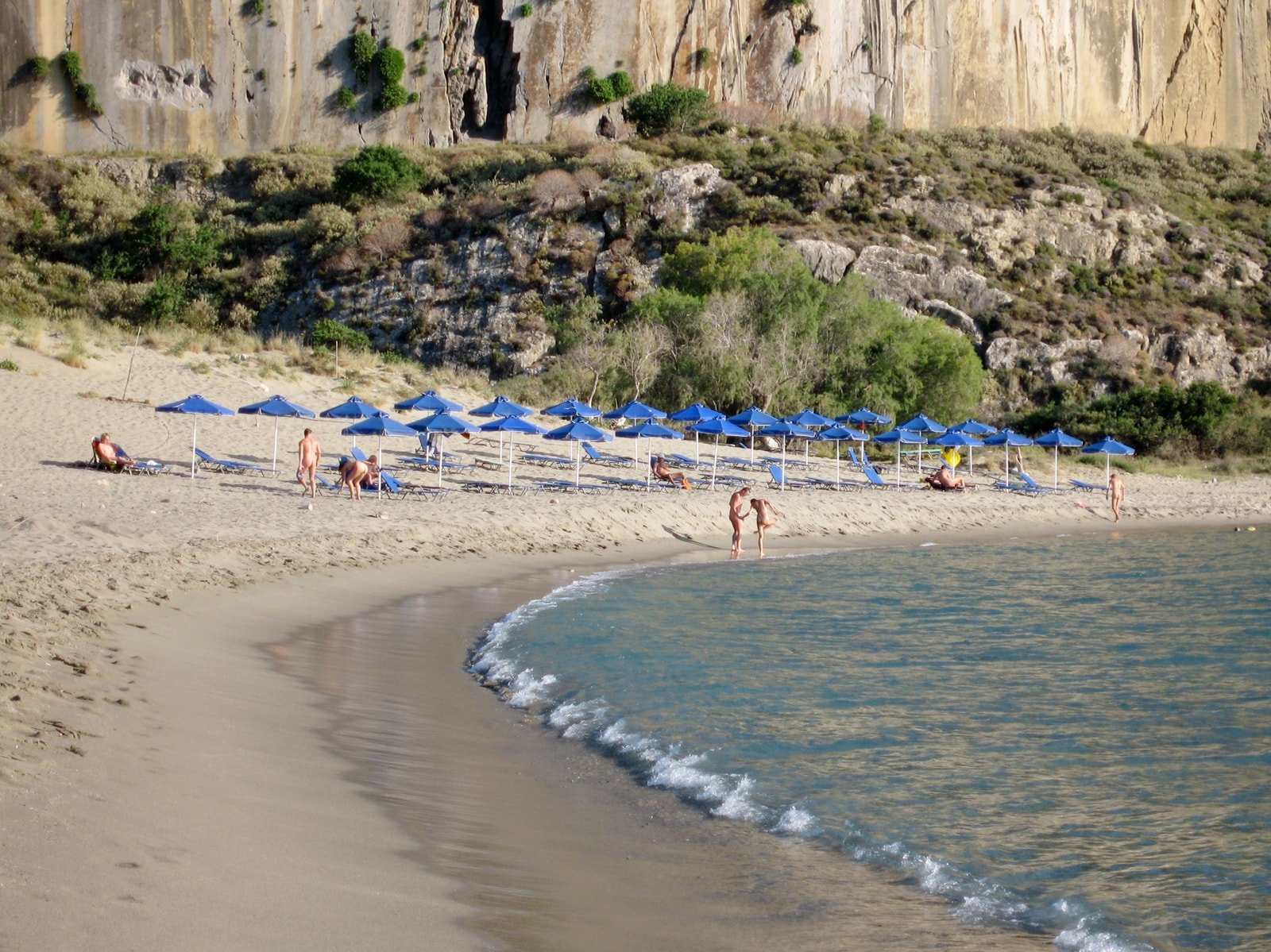
The water is often clear and inviting, making it a great spot for a swim. However, like much of Crete, it can be exposed to wind. With its mix of natural beauty and visitor services, Plakias serves as an excellent base for exploring the wider southern coastline.
Preveli: Crete's Iconic Palm Beach and River Lagoon
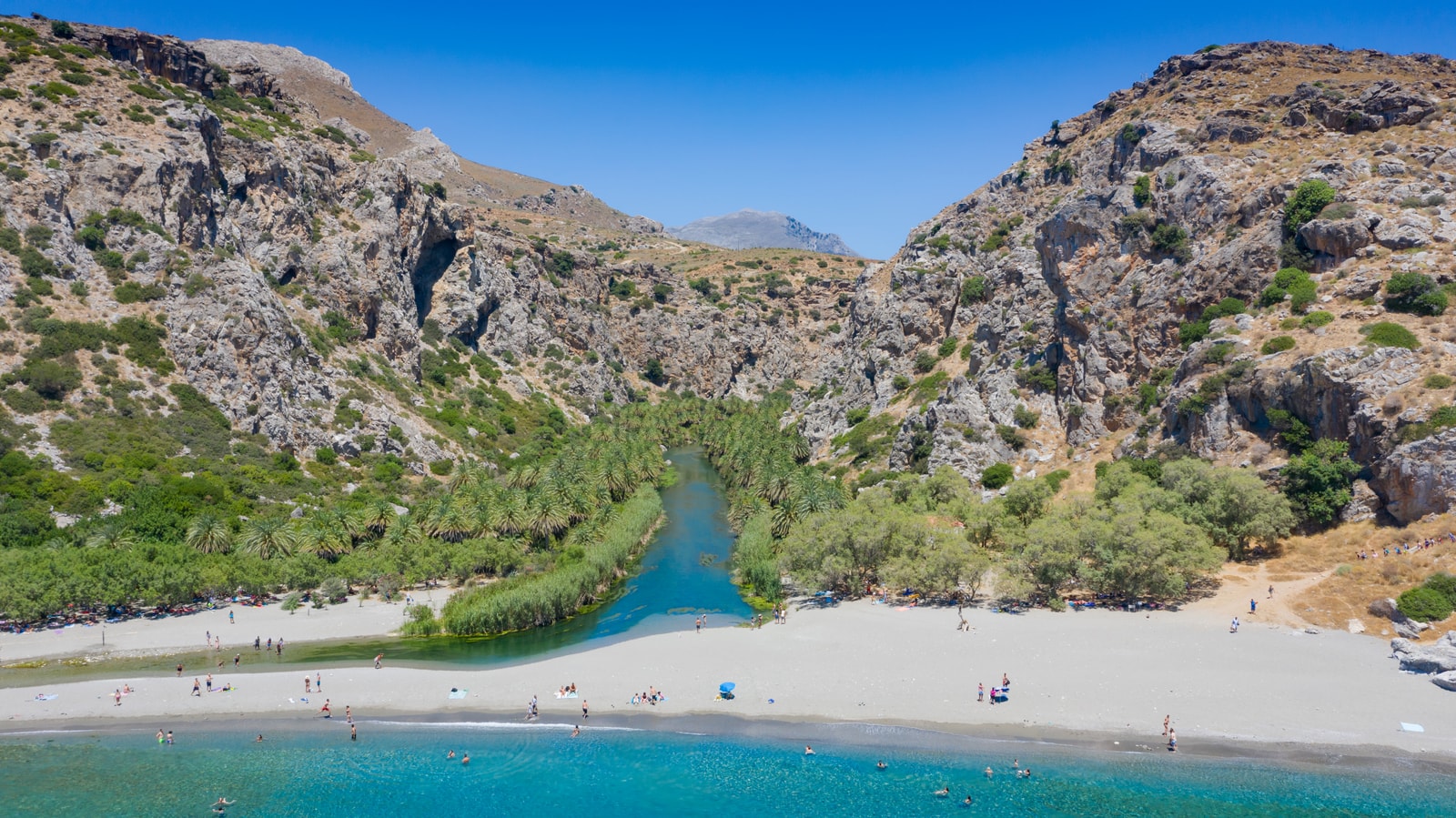
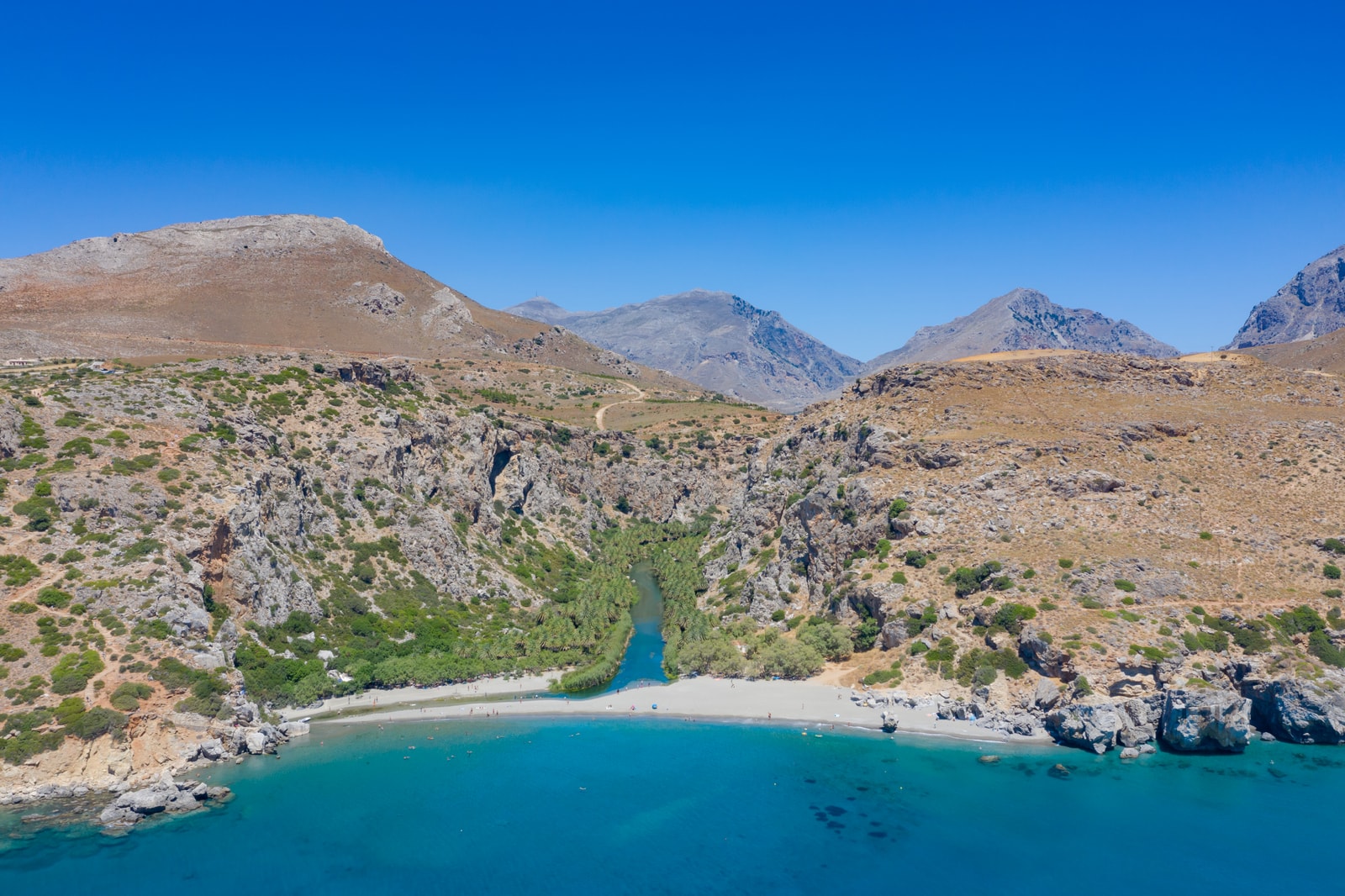
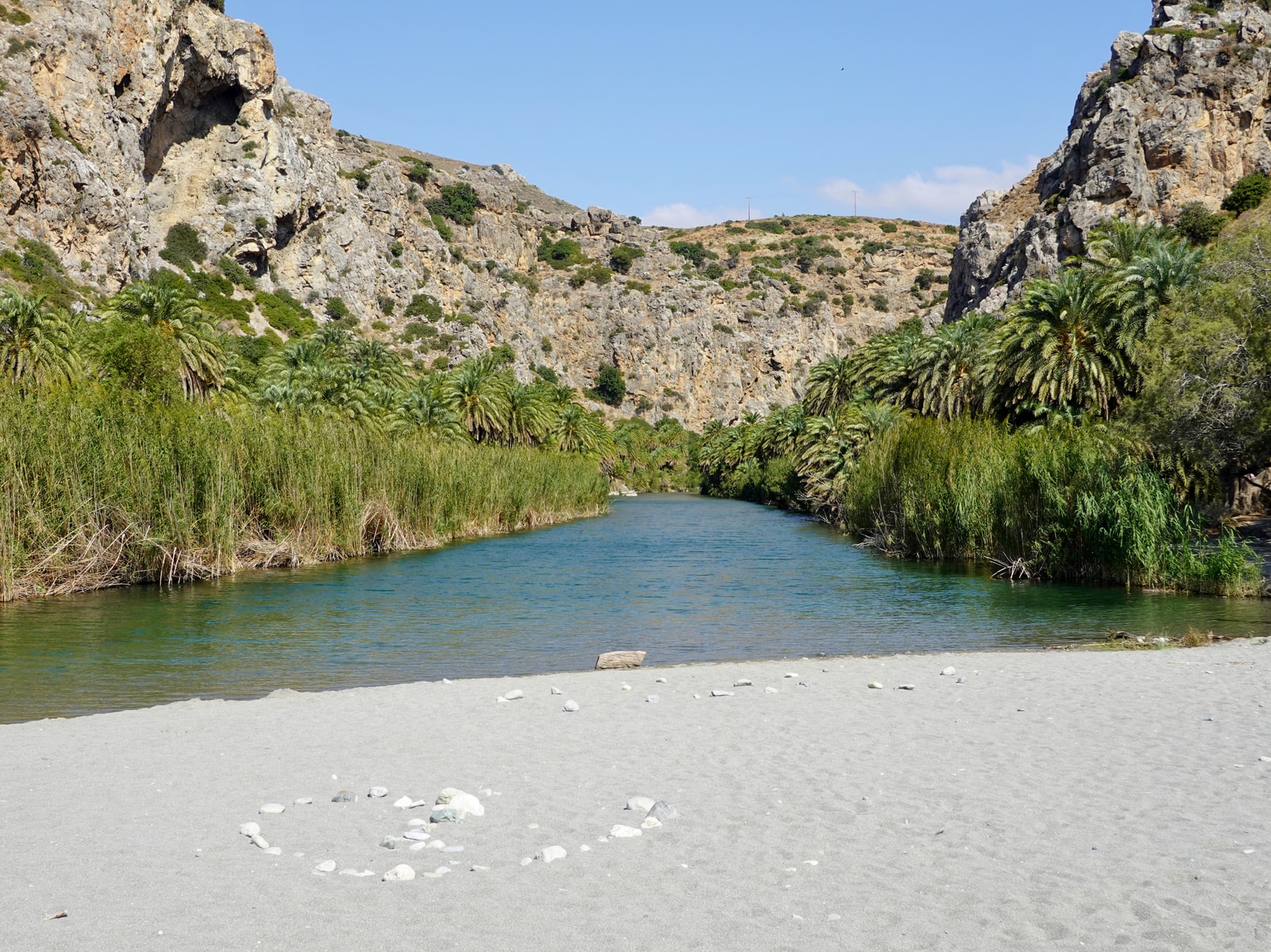
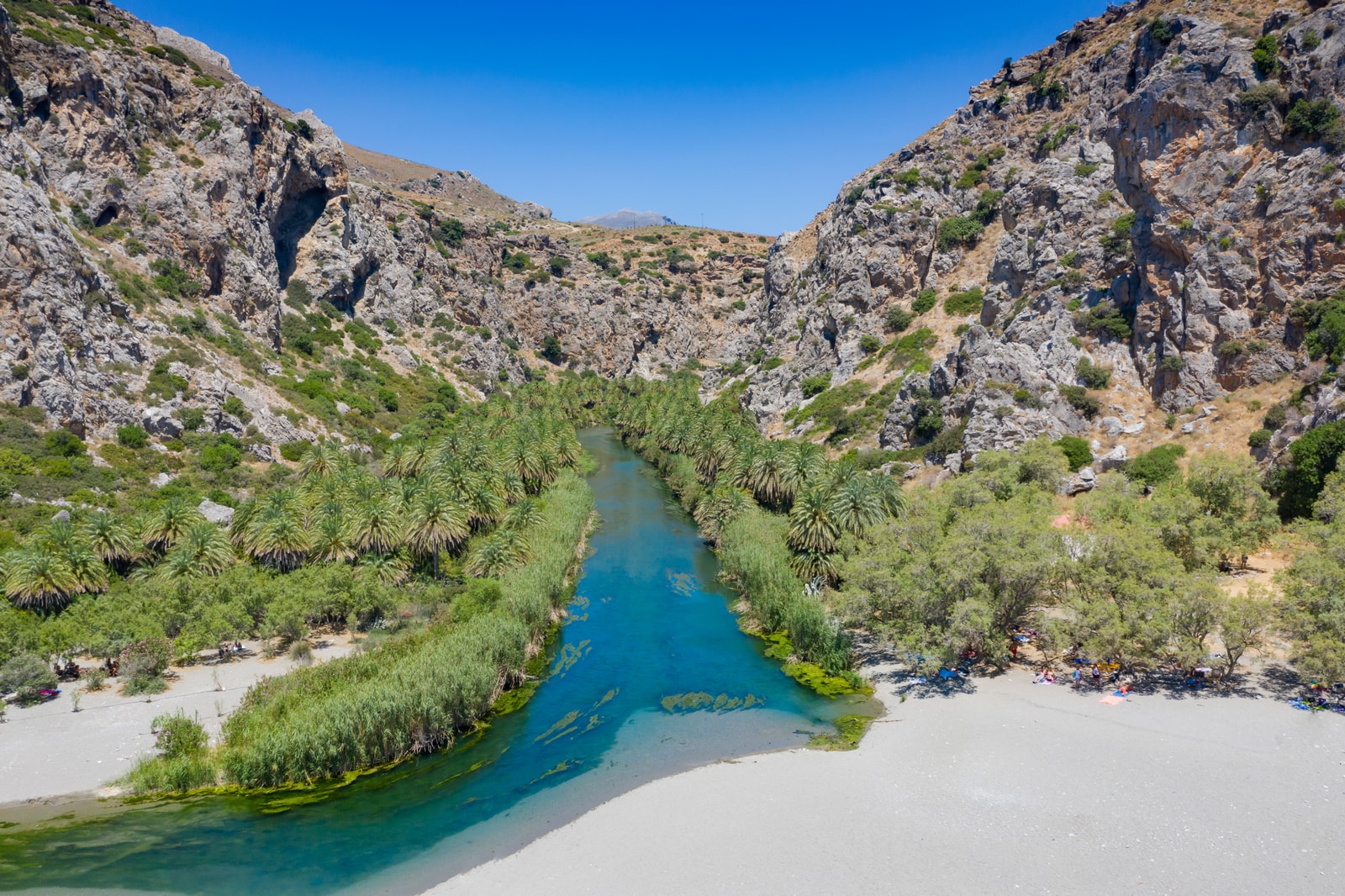
Perhaps the most famous landscape in the region is Preveli Beach. Here, a river lined with a lush palm grove flows through a gorge to meet the sea, creating a unique environment where you can swim in both fresh and salt water.
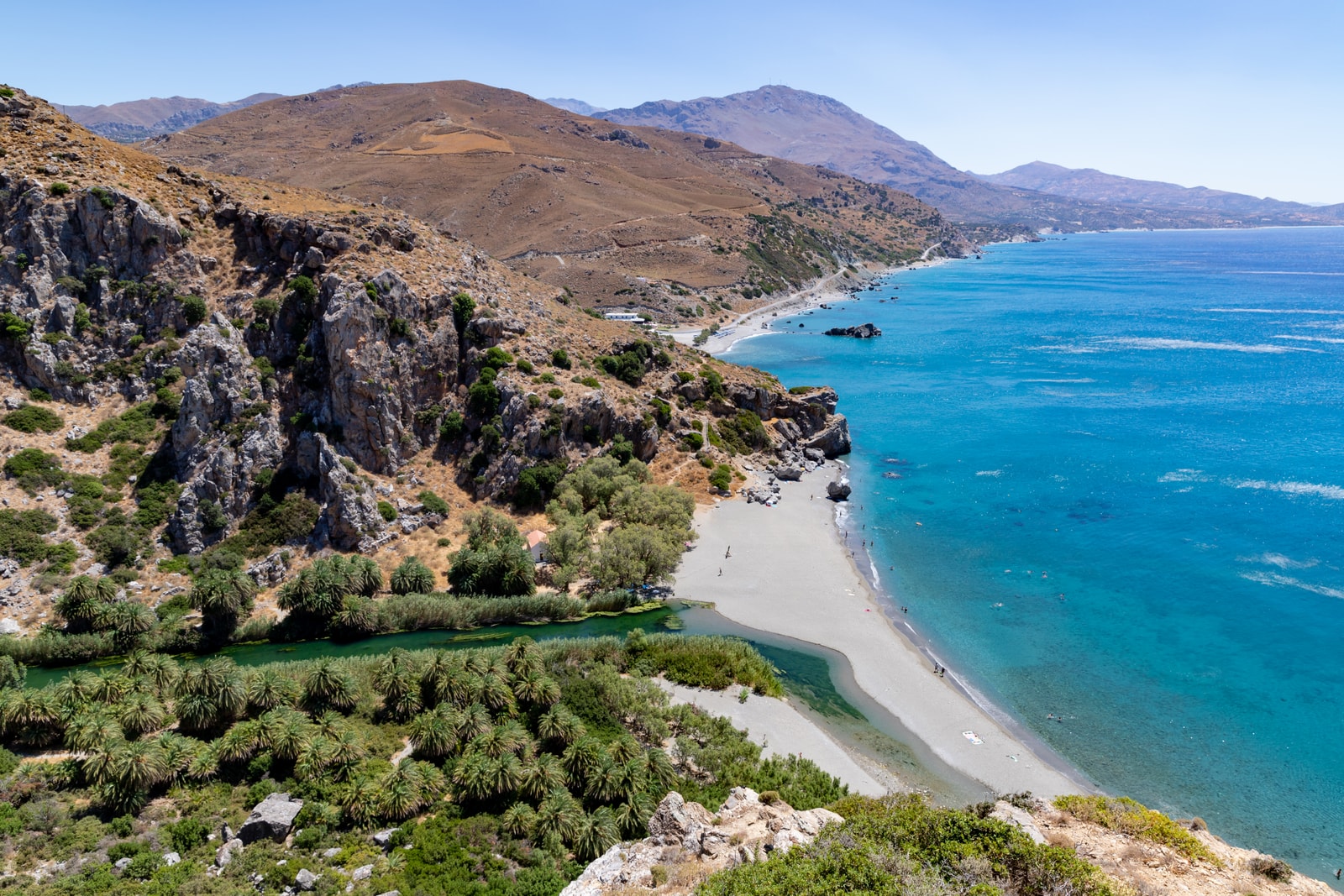
The postcard view comes with a caveat: access involves a steep downhill walk and a strenuous climb back up. Sturdy footwear and water are essential. Alternatively, boat trips from nearby ports offer a less taxing way to experience this stunning spot.
The palm grove and surrounding landscape are environmentally sensitive. Visitors should respect all signage and restrictions to help preserve this unique habitat. The beach itself has limited facilities, adding to its wild charm.
More Southern Gems: Coves and Sunsets
Beyond Plakias and Preveli, the south coast is dotted with other beautiful beaches, each with its own distinct character. These coves and shores reward travelers willing to venture off the main path.
Near Plakias, Damnoni offers bright turquoise water and a family-friendly feel, while the smaller cove of Ammoudi is known for its green water and snorkeling. Skinaria and Souda are other nearby coves with beautifully clear water.
For a more remote feeling, Triopetra is a large, uncrowded shoreline named for its three rocks, offering wide views and sunset potential. Further on, Agios Pavlos is known for its dramatic coastal sand dunes and small coves.
Planning Your Trip: Getting Around and Staying Safe
How you experience Rethymno’s beaches largely depends on how you get there. Your mode of transport will predict the atmosphere you find, from the bustle of the town beach to the solitude of a remote southern cove.
- Walking is perfect for Rethymno Town Beach and the adjacent shoreline, offering maximum convenience.
- Local buses can take you to the eastern resort beaches, but always check seasonal timetables.
- A car or scooter is the best way to unlock the south coast and discover smaller, hidden coves.
- Boat trips offer a scenic and simplified way to access hard-to-reach beaches like Preveli.
Be mindful of the Meltemi winds, especially in July and August, which can create strong waves on exposed north-coast beaches. Always obey the beach flag system and choose sheltered coves if you see a red flag.
Rethymno's Natural Heritage: Protecting Loggerhead Turtles
The long, sandy beaches east of Rethymno are more than just a place for sunbathing; they are also a vital nesting habitat for the loggerhead sea turtle (Caretta caretta). The conservation group ARCHELON works to protect these nesting sites each year.
During the nesting season, you may see protective cages marking nest locations. Visitors can help by following a few simple rules:
- Avoid walking on or disturbing any marked nest areas.
- Remove beach furniture, umbrellas, and other obstacles overnight.
- Avoid using the beach at night, and refrain from using artificial lights, making fires, or holding parties.
Gallery