The Best Beaches Near Ao Nang, Thailand for 2026
A guide to Krabi's iconic boat-access coves, limestone cliffs, jungle trails, and offshore islands, from Railay to the 4-Island Tour.
Published on 9 Sep 2026 08:41 GMT
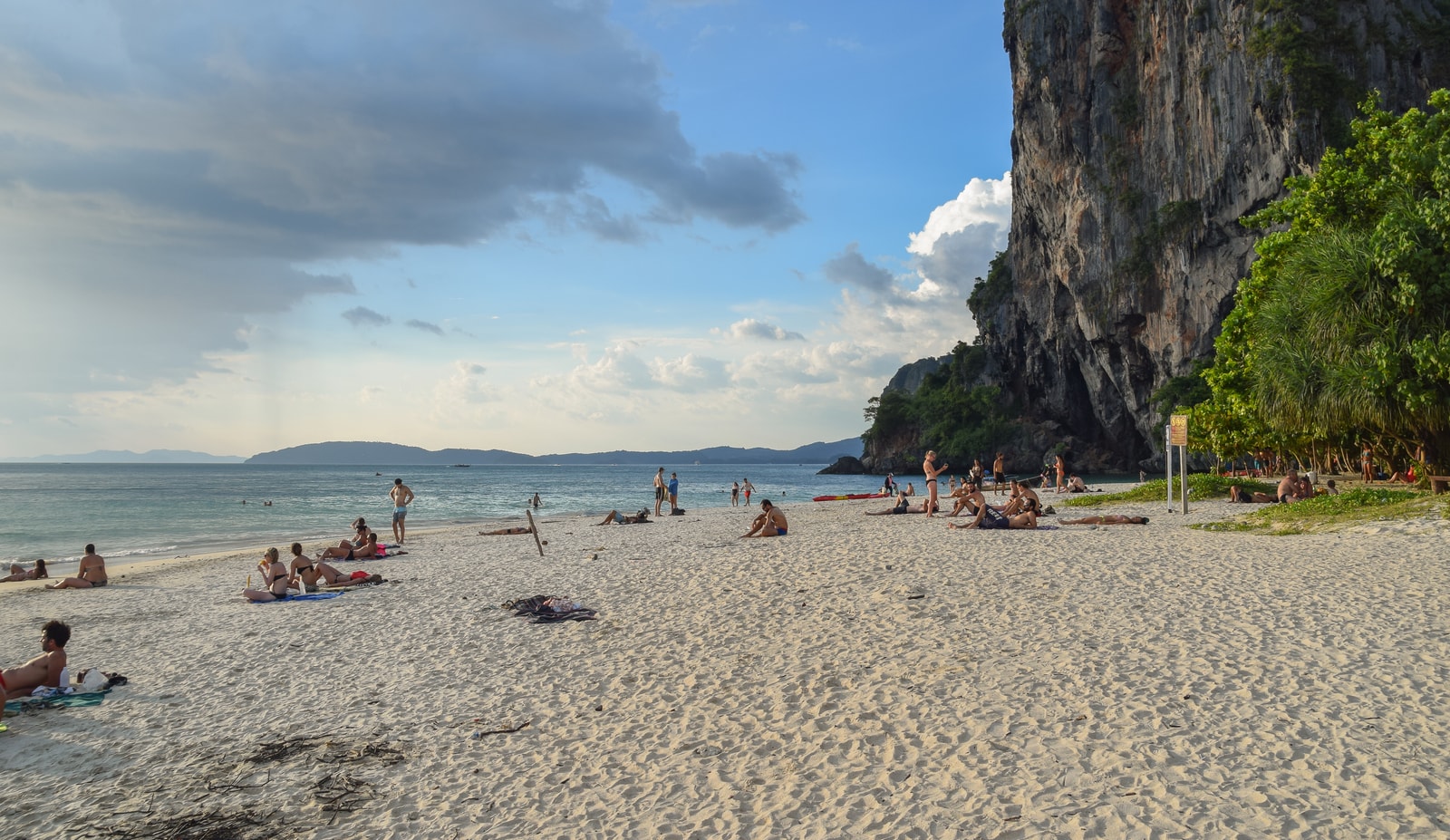
Ao Nang serves as the vibrant hub for tourism in Krabi, a bustling beachfront town set against a stunning backdrop of sheer limestone karsts. It is the primary launchpad for exploring a coastline of hidden coves, boat-only shores, and spectacular islands in the Andaman Sea.
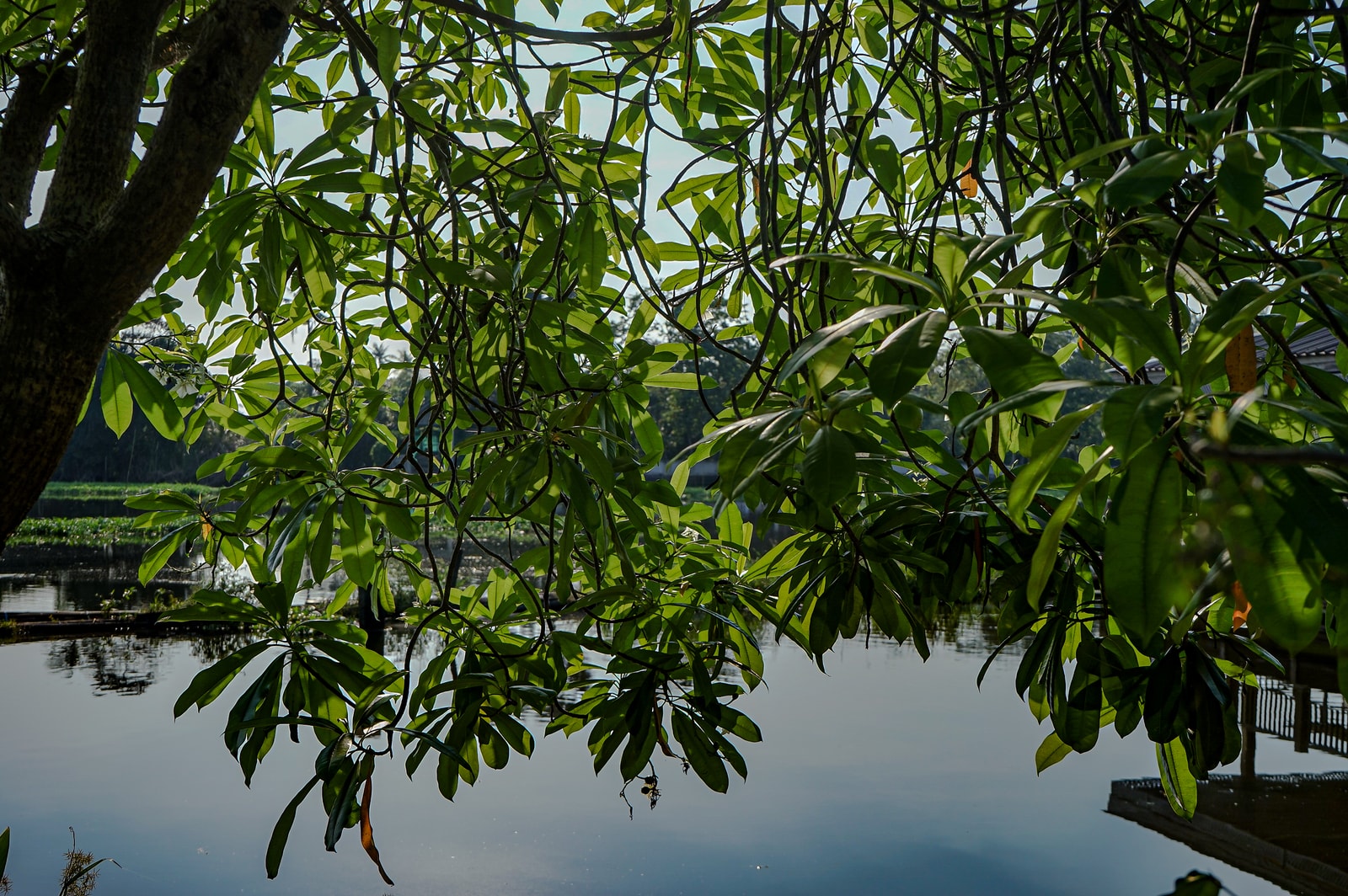
From Ao Nang, travelers can easily access a fascinating tapestry of beaches. These range from accessible mainland shores to secluded bays reached by jungle trails and isolated beaches on the iconic Railay Peninsula, which feels a world away from the mainland.
The Railay Peninsula: Iconic Boat-Only Beaches
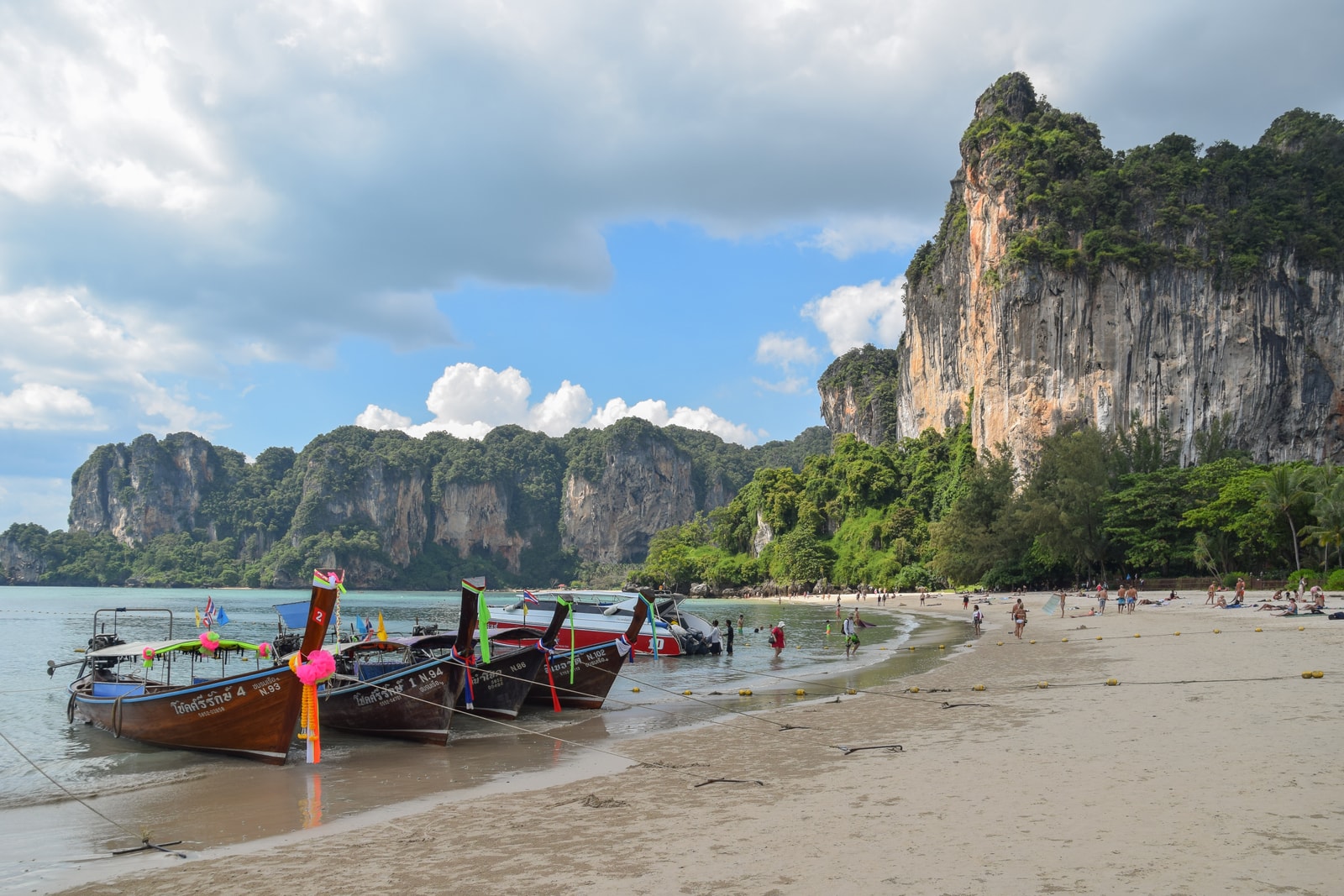
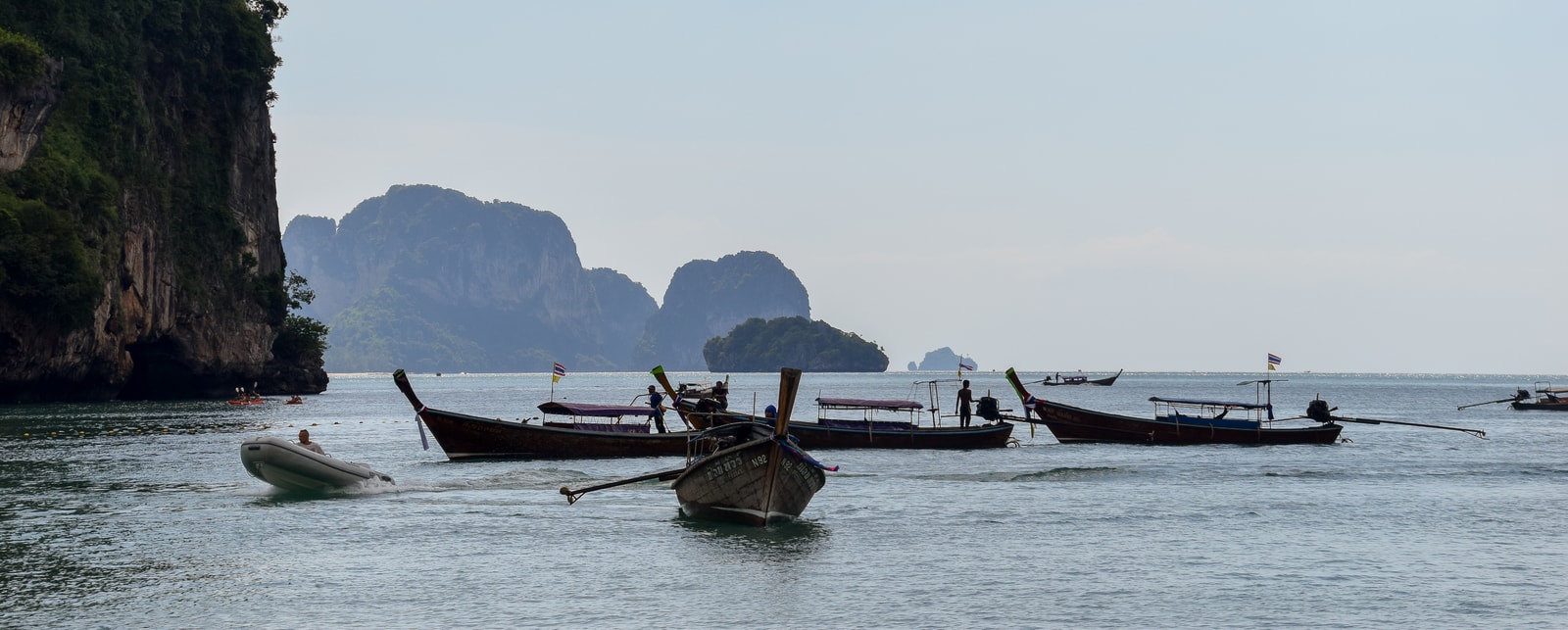
Cut off from mainland access by towering cliffs, the Railay Peninsula is reachable only by boat, giving its beaches a secluded, island-like feel. Longtail boats run constantly from Ao Nang, making it a classic Krabi day trip.
Railay West Beach is a breathtaking curve of powdery sand, perfect for first-timers and sunset seekers. The atmosphere is vibrant yet relaxed, with casual beachfront dining. Be aware that at low tide, you may need to wade through shallow water from the boat to the shore.
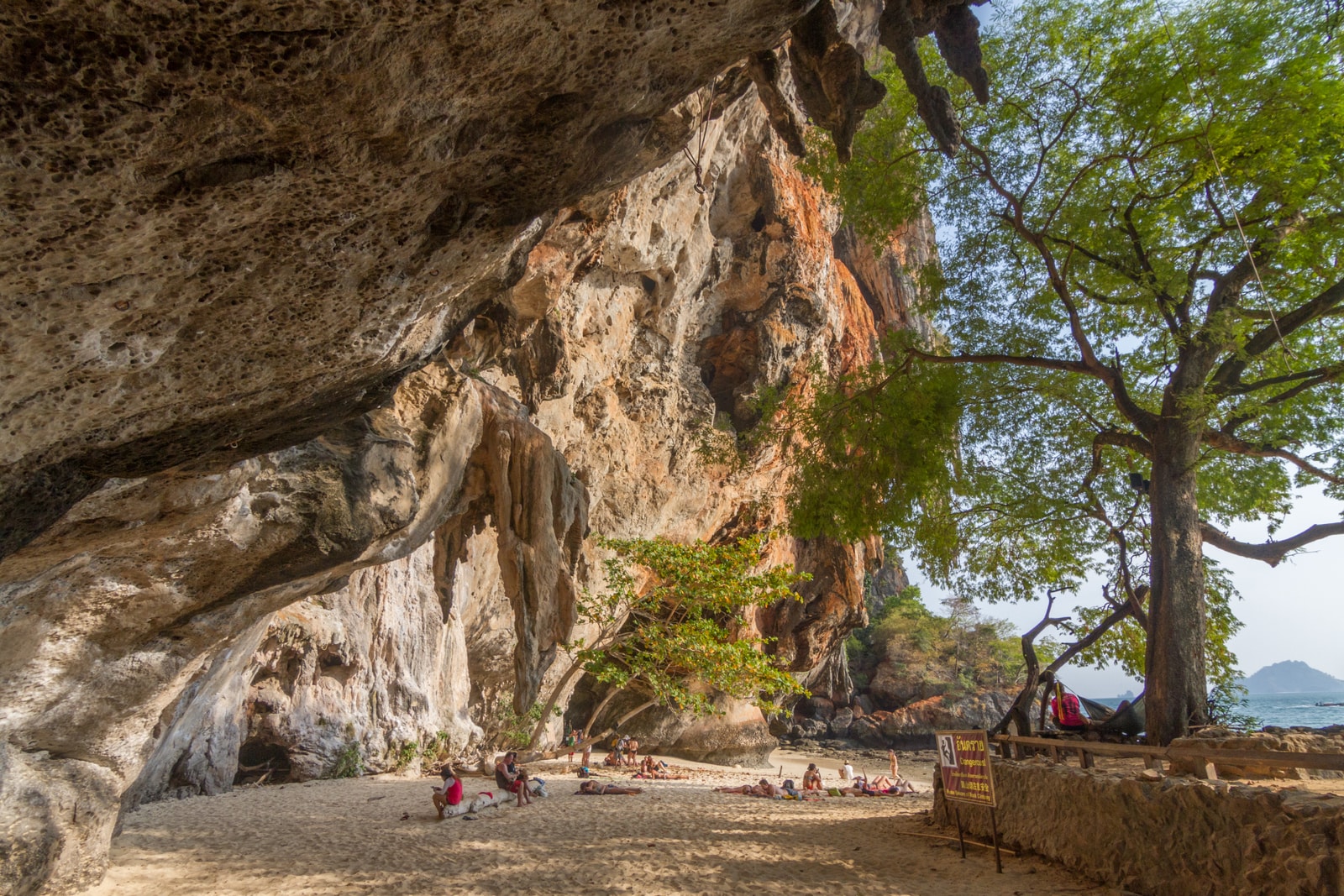
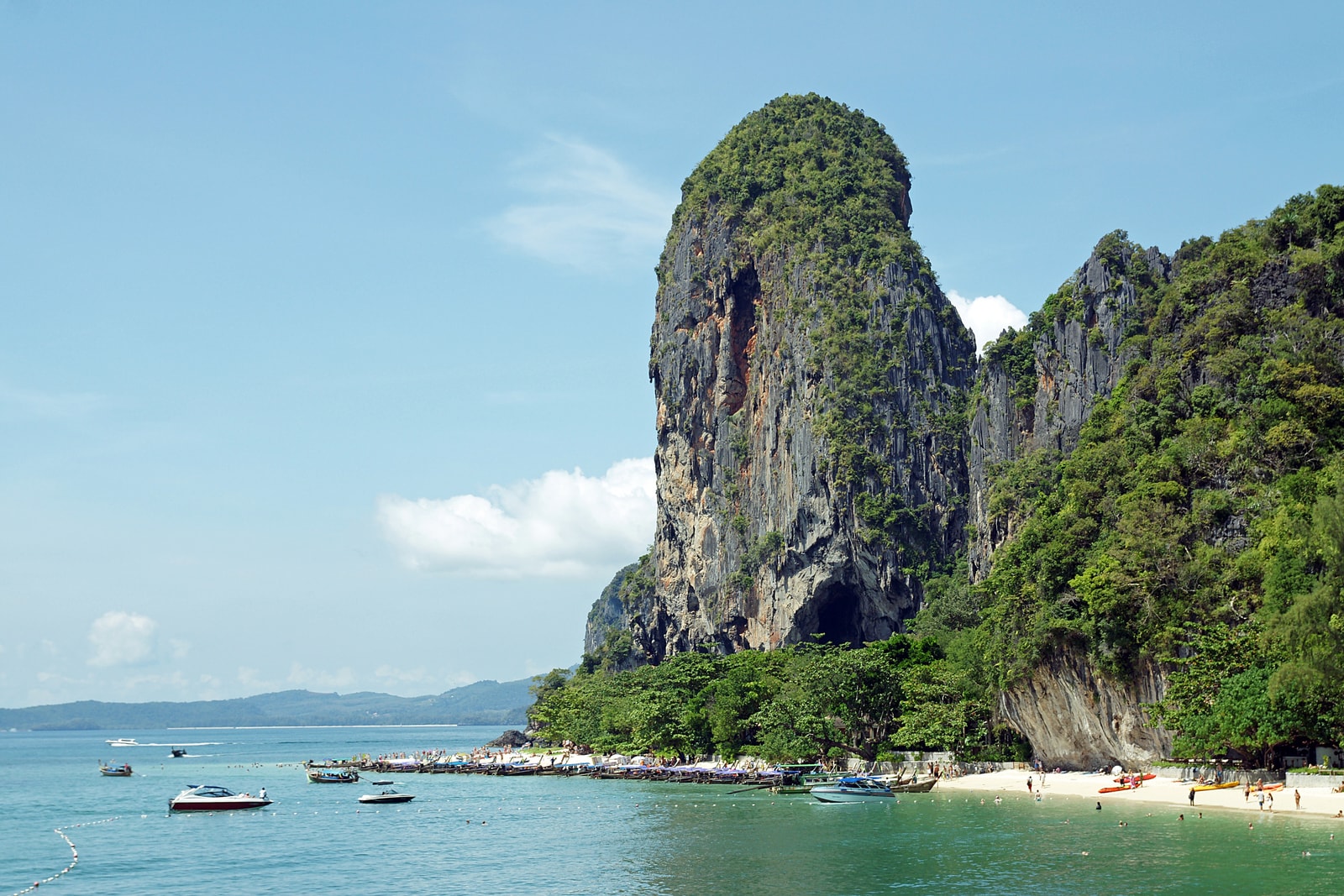
Phra Nang Cave Beach, at the peninsula's southern tip, is known for its spectacular scenery and the sacred Princess Cave. The cave is an active shrine where local fishermen leave carved wooden phallic offerings, or Palad Khik, to pray for fertility and safe voyages.
Visitors must show respect at this place of worship. It's crucial to dress modestly when near the shrine, keep noise levels low, and never touch the offerings. This ensures the cultural and spiritual significance of the site is preserved.
Tonsai Beach: A Haven for Climbers and Backpackers
Separated from Railay West by a rocky headland, Tonsai Beach is a rugged, hidden cove with a fiercely independent and bohemian spirit. It feels worlds away from mass tourism, characterized by rustic bamboo bungalows and laid-back reggae bars.
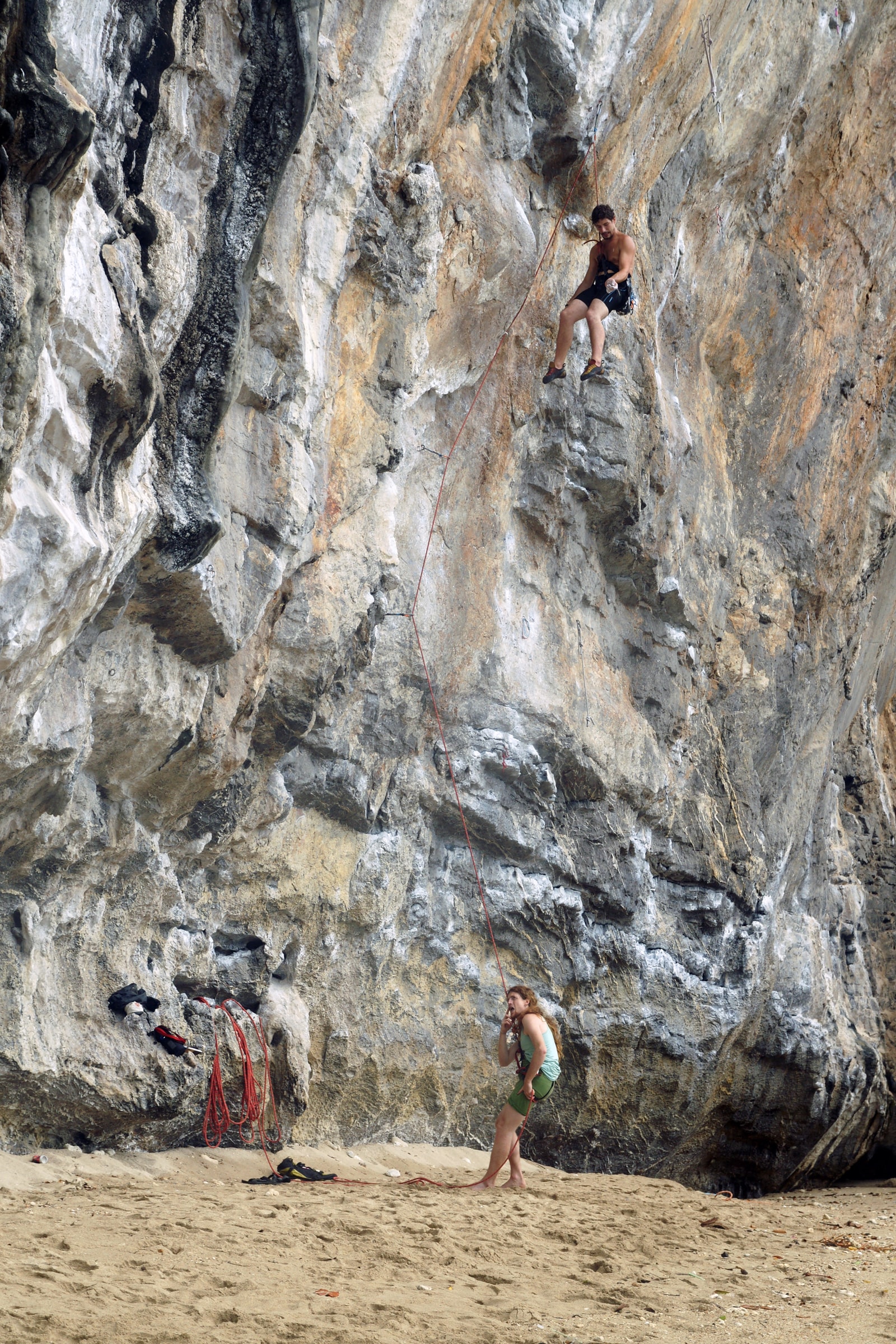
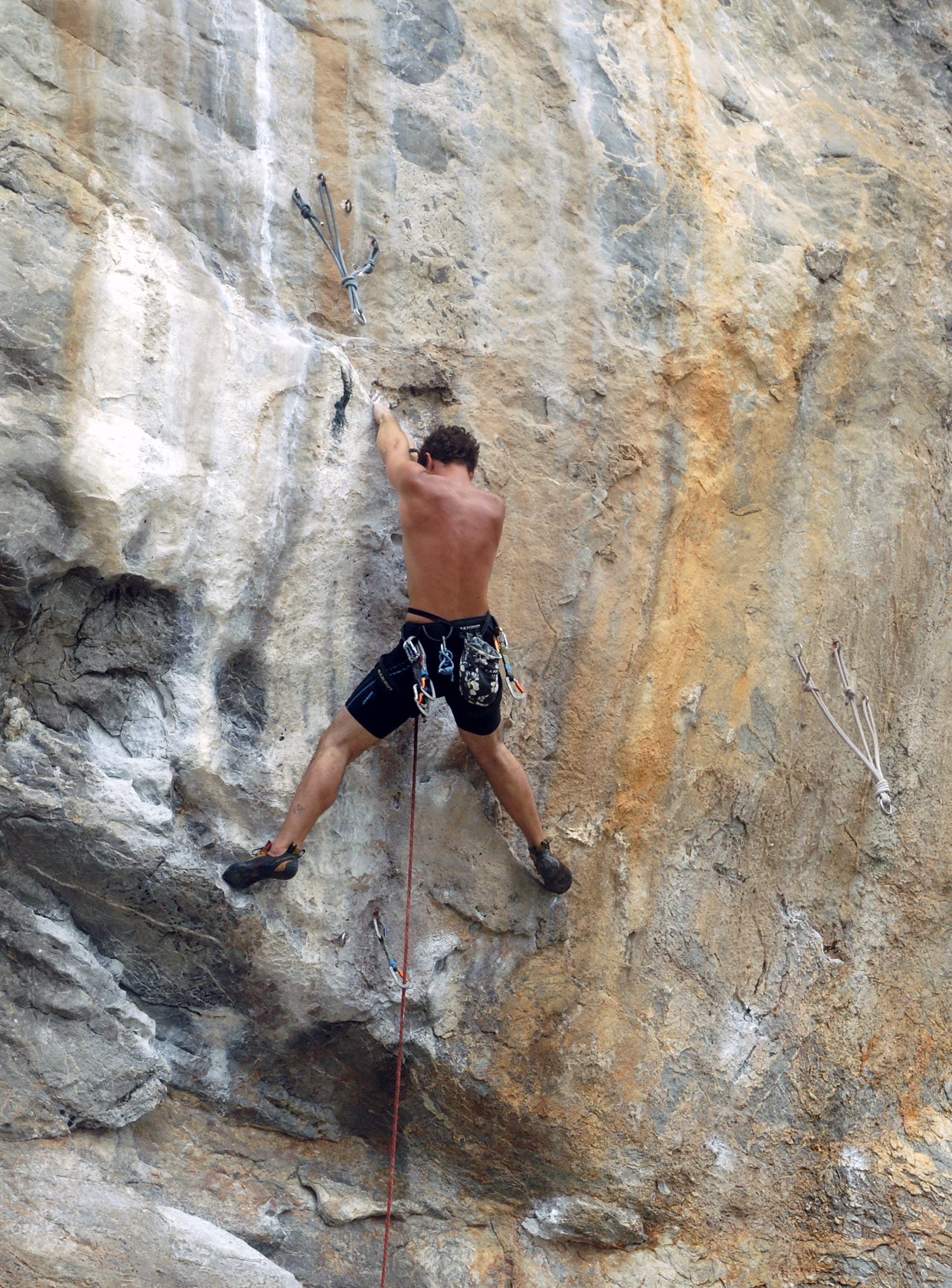
Tonsai is a legendary destination for rock climbing, famous for its steep overhangs and tufas. Major sectors include the iconic Tonsai Roof and technical faces at Fire Wall. To combat corrosion from the marine environment, the community-led Thaitanium Project has replaced old climbing bolts with safer titanium ones.
Accessing Tonsai is an adventure in itself. You can take a 10-minute longtail boat, brave a steep 30-minute jungle trail, or attempt a 15-minute rock scramble from Railay West, which is only possible at low tide and requires sturdy footwear.
Pai Plong Beach: A Secluded Cove via the Monkey Trail
Tucked into a limestone amphitheater just south of Ao Nang, Pai Plong Beach feels like an exclusive private island, though it is fully public. This peaceful cove has fine white sand and clear emerald waters, offering a quiet escape from the bustle next door.
The beach is famously reached via the Monkey Trail, a rustic 10-to-15-minute footpath built into the cliffside. The trail features steep wooden steps and narrow boardwalks, and the hike itself acts as a sensory buffer, transitioning you from the noise of Ao Nang to a serene sanctuary.
The trail is home to a bold troop of long-tailed macaques. For your safety, do not feed the monkeys, keep bags zipped, avoid carrying food, and do not make direct eye contact, as this can be seen as a sign of aggression.
Quiet Mainland Escapes North of Ao Nang
For travelers seeking serenity without the need for a boat, the coastline north of Ao Nang offers easily accessible and peaceful retreats. These beaches are just a 20-to-40-minute drive away.
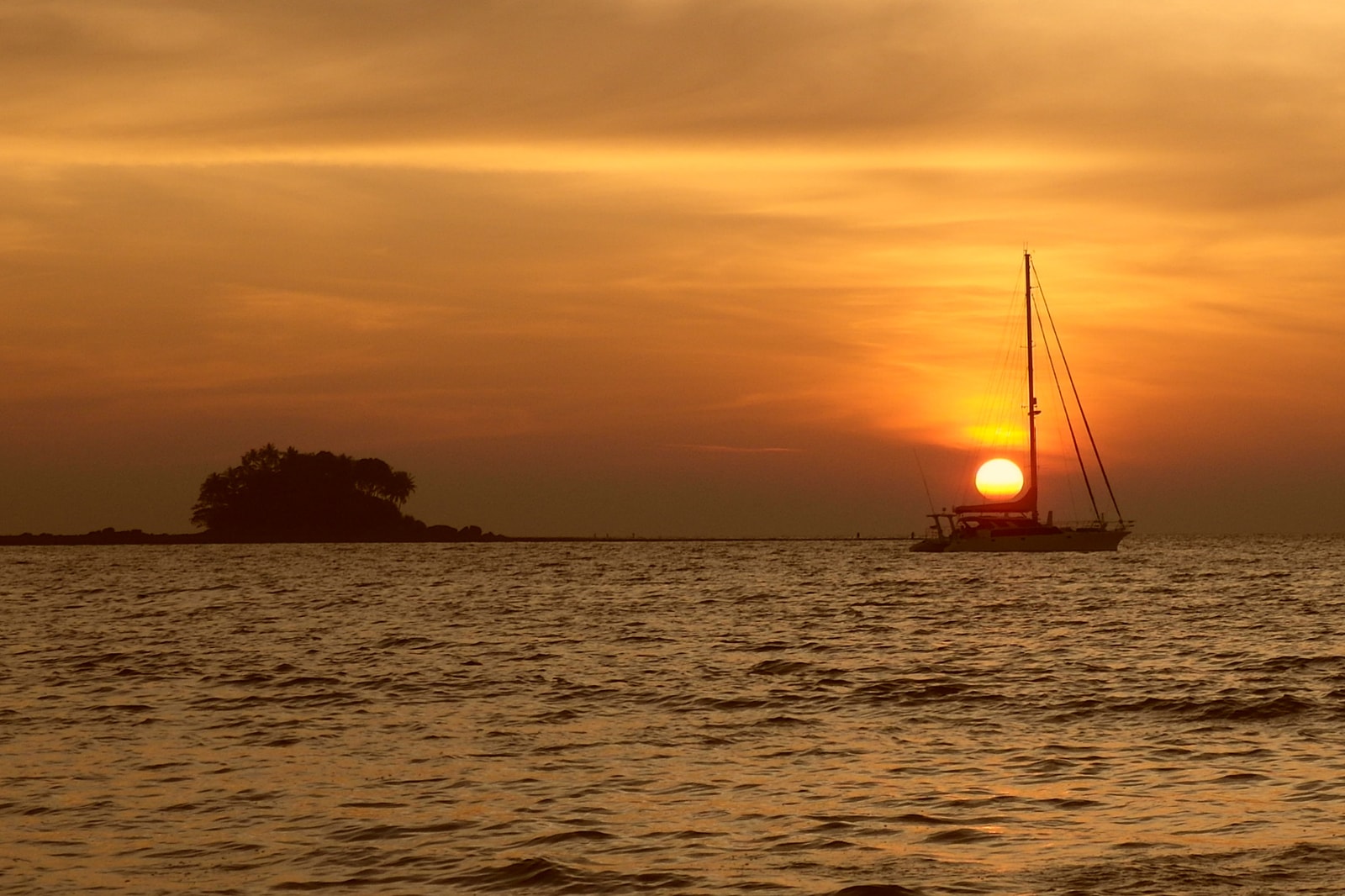
Klong Muang Beach is a long, sweeping stretch of golden sand known for its sleepy, authentic village vibe. Here, high-end resorts blend with rustic wooden seafood shacks, creating an uncrowded atmosphere perfect for watching the sunset.
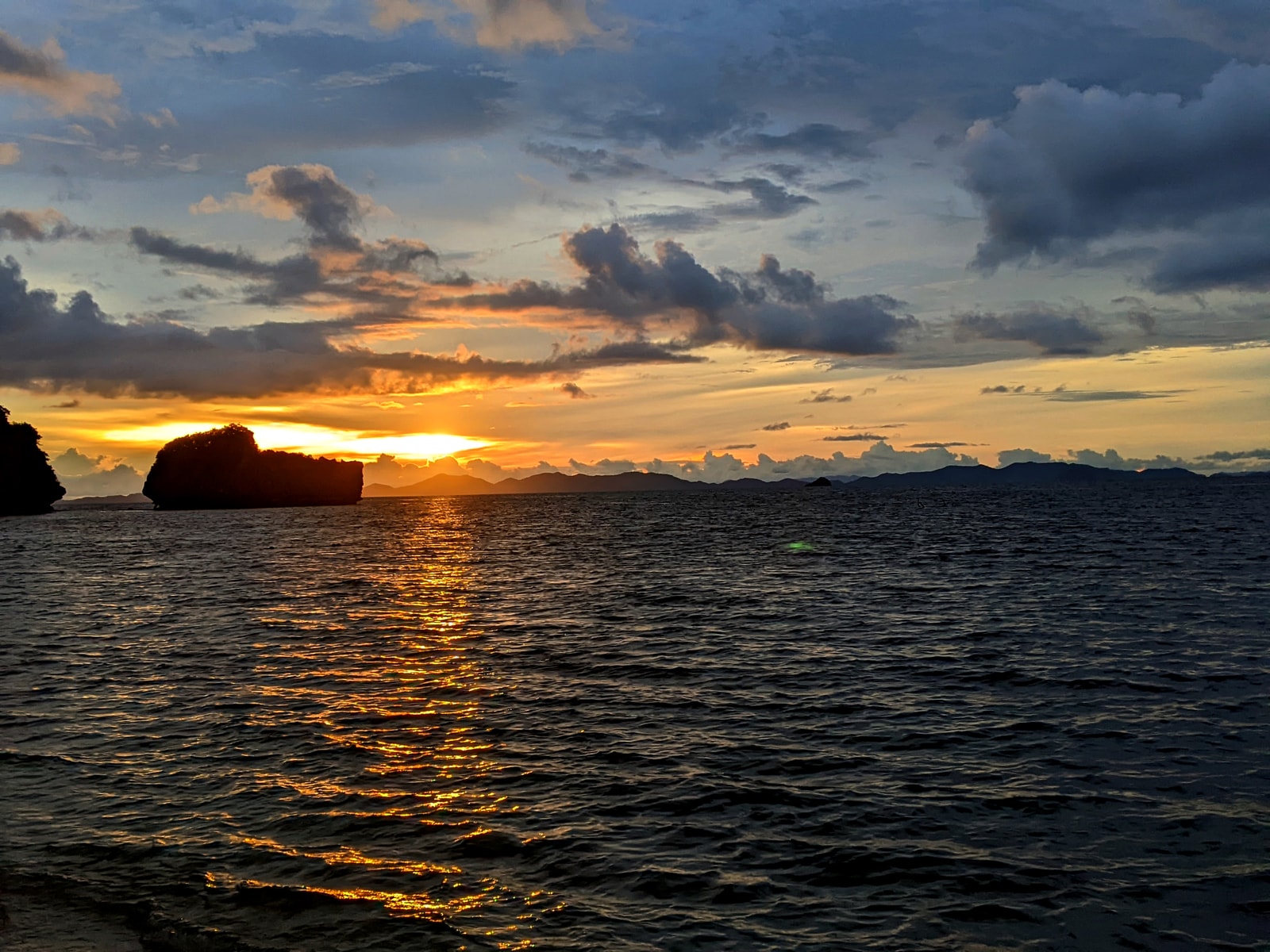
Tubkaek Beach is an ultra-luxurious and deeply peaceful shore backed by a lush national forest. It offers cinematic, panoramic views of the distant Hong Islands. This is also where you'll find the trailhead for the legendary Dragon Crest Trail (Khao Ngon Nak), a challenging 7.4 km roundtrip hike to a spectacular 360-degree viewpoint.
The 4-Island Tour: Offshore Havens and a Vanishing Sandbar
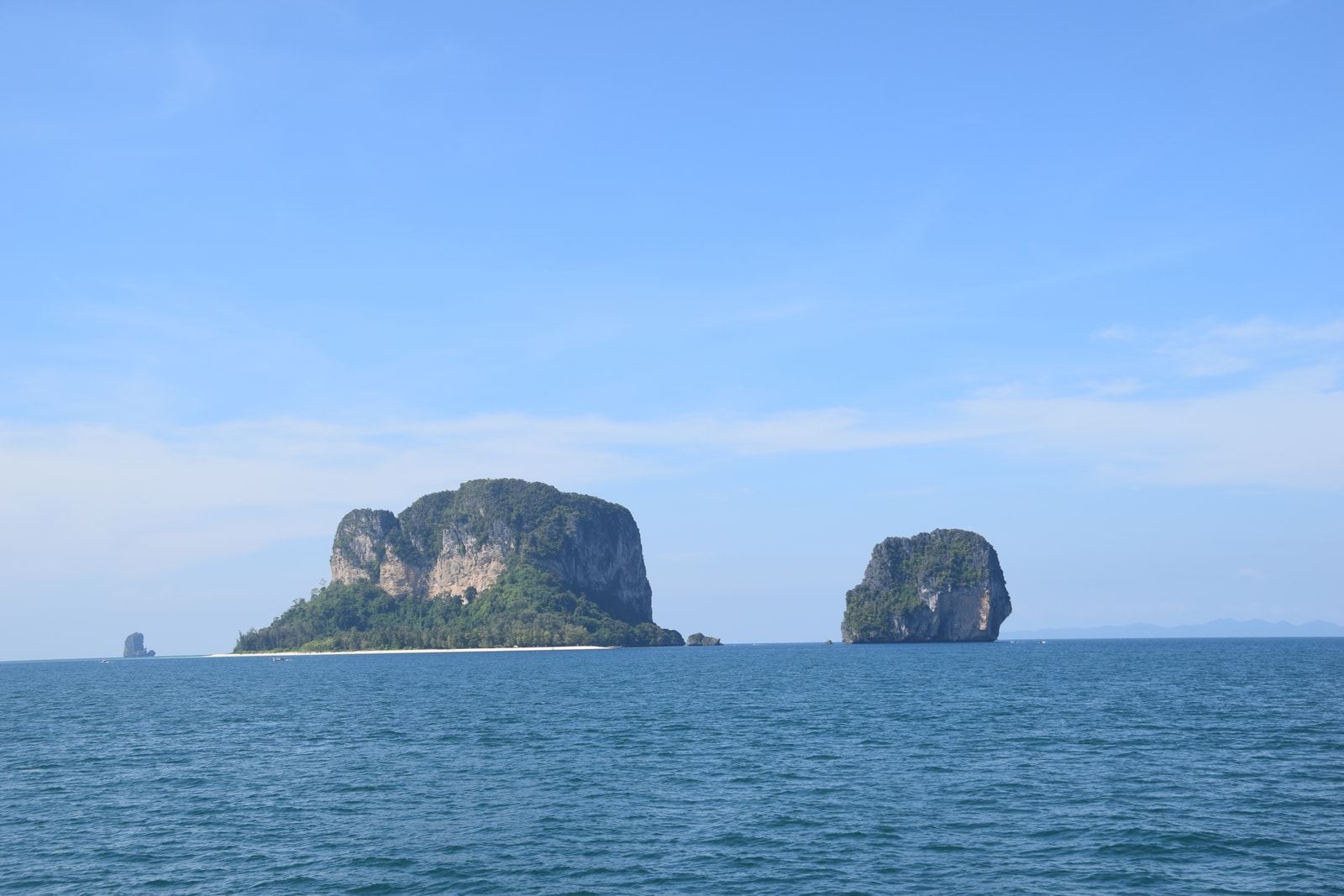
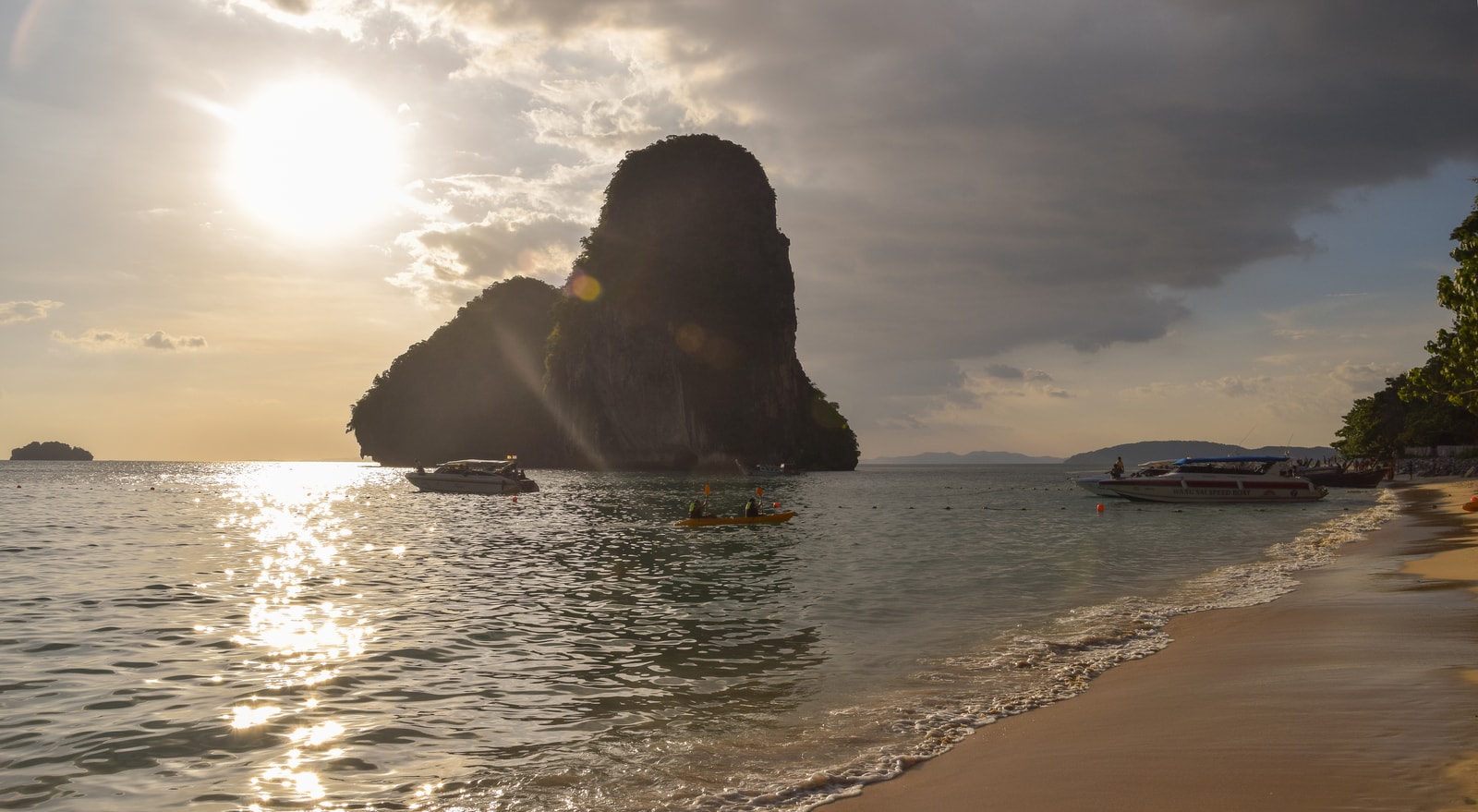
The classic 4-Island Tour is a popular day trip from Ao Nang, showcasing a stunning cluster of offshore islands. The largest of these is Koh Poda, beloved for its exceptionally soft sand and an iconic limestone monolith rising vertically from the sea just offshore.
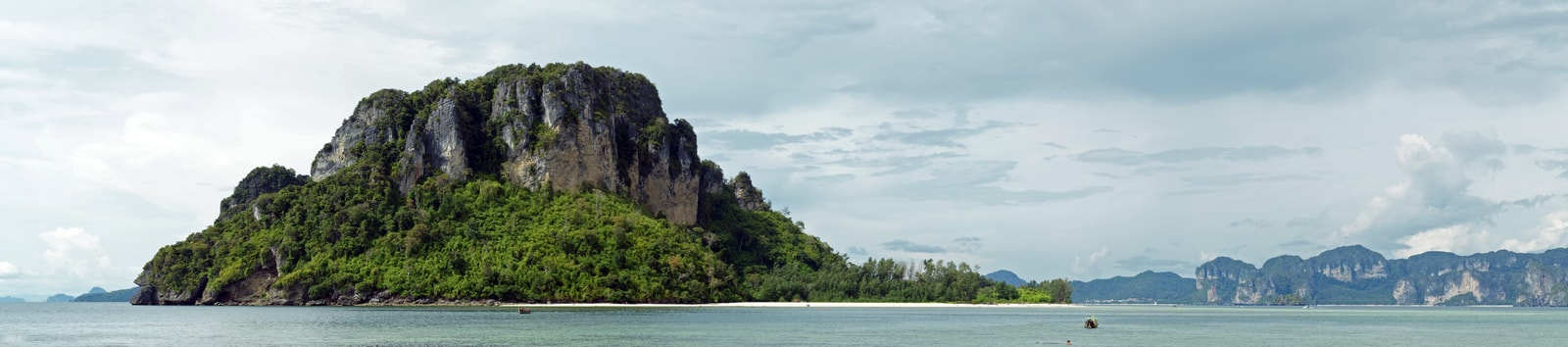
The tour also includes Chicken Island (Koh Kai), named for its chicken-head-shaped rock formation and known for excellent snorkeling. But the highlight for many is the 'Talay Waek' or 'Divided Sea'.
This unique natural phenomenon is a pristine white sandbar that appears at low tide, connecting the small islands of Koh Tub, Koh Mor, and Chicken Island. Visitors can walk between the islands on this narrow path, a truly memorable experience that depends entirely on timing the daily tides correctly.
Festivals and Events for Autumn & Winter 2026
Plan your trip around these unique cultural and community celebrations happening in the Ao Nang area in late 2026.
- Loy Krathong (November 24, 2026): In the evening, the shores of Ao Nang and Nopparat Thara beaches glow as locals and travelers release decorated floating baskets (krathongs) into the sea to honor the water spirits.
- Krabi ReWild Festival (December 5–7, 2026): Held near the climbing community, this eco-conscious festival centers on rock climbing, yoga, and sustainability, with local and international music acts.
Essential Travel and Safety Advisory
To make the most of your trip to Krabi's beaches, it's vital to understand the local conditions, potential risks, and conservation rules.
Seasonal Timing is key. The dry high season (November–April) offers calm seas and ideal conditions but with larger crowds. The wet monsoon season (May–October) brings rough seas, rain, and frequent boat cancellations, though accommodation is cheaper.
Marine Risks require awareness. Box jellyfish are present year-round, and their stings are severe. If stung, immediately exit the water, flush the area with vinegar for at least 30 seconds, and seek urgent medical help. Sea urchins are common in rocky shallows; their spines can be treated by soaking the wound in hot water.
Finally, remember that the offshore islands are part of a national park. Foreign visitors must pay an entry fee (typically 400 THB for adults), and there is a strict ban on single-use plastics and feeding marine life, with heavy fines for violations.
Gallery