Bačvice Beach 2026: A Guide to Split's Sandy Heart and Home of Picigin
Discover why this rare sandy beach is the soul of Split, from the acrobatic game of Picigin to its vibrant nightlife and 2026 cultural events.
Published on 5 Aug 2026 22:22 GMT
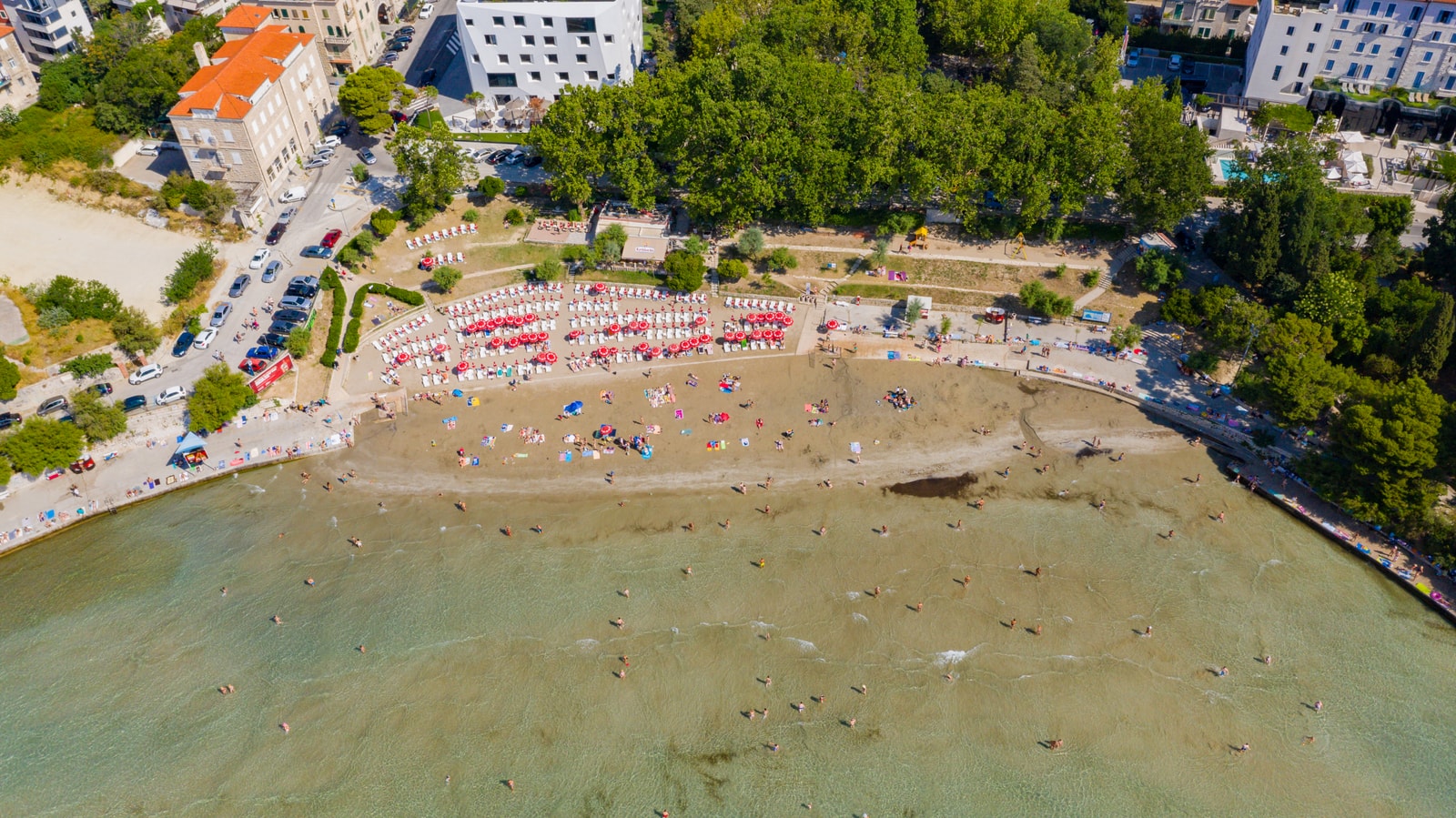
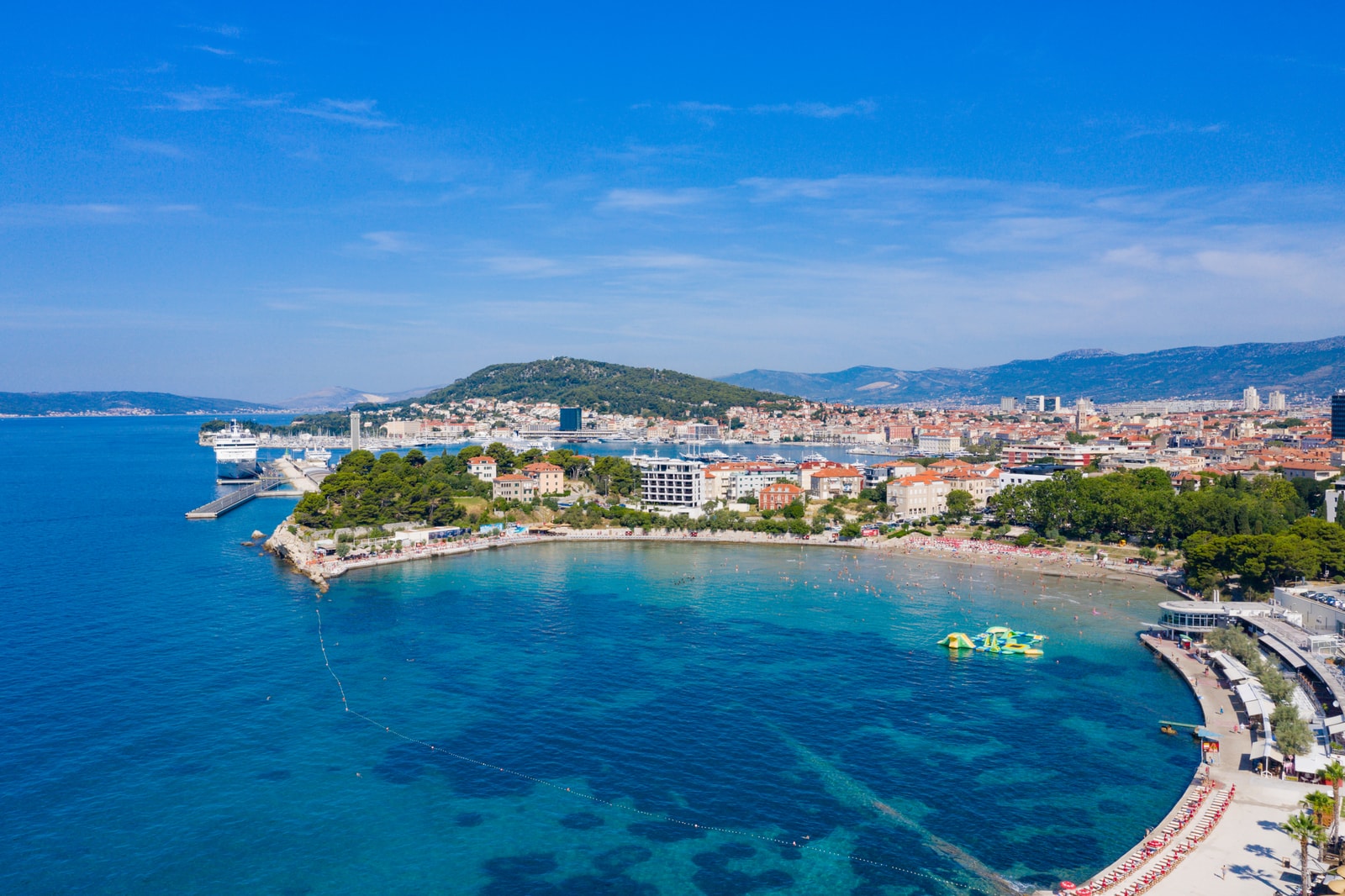
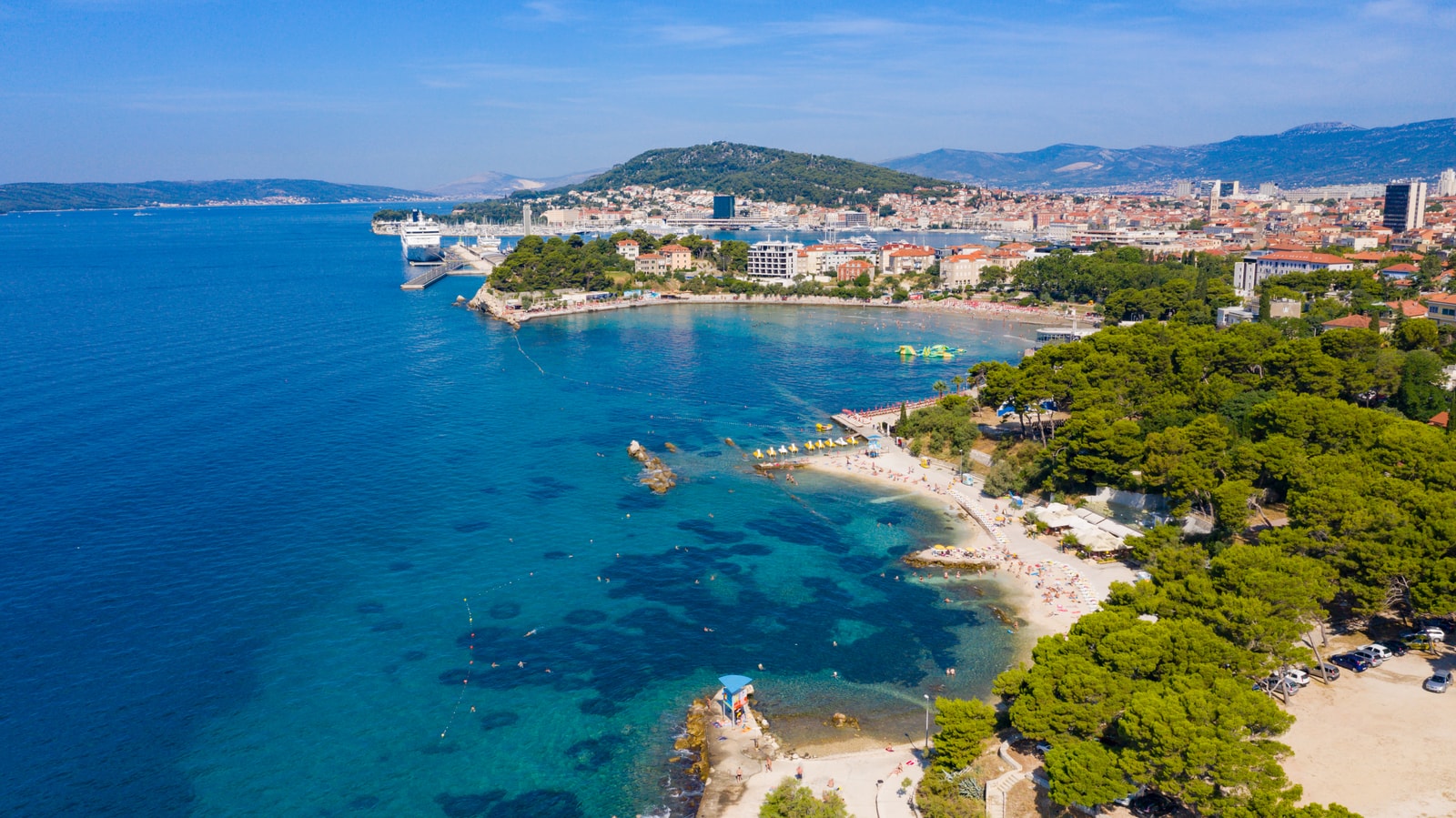
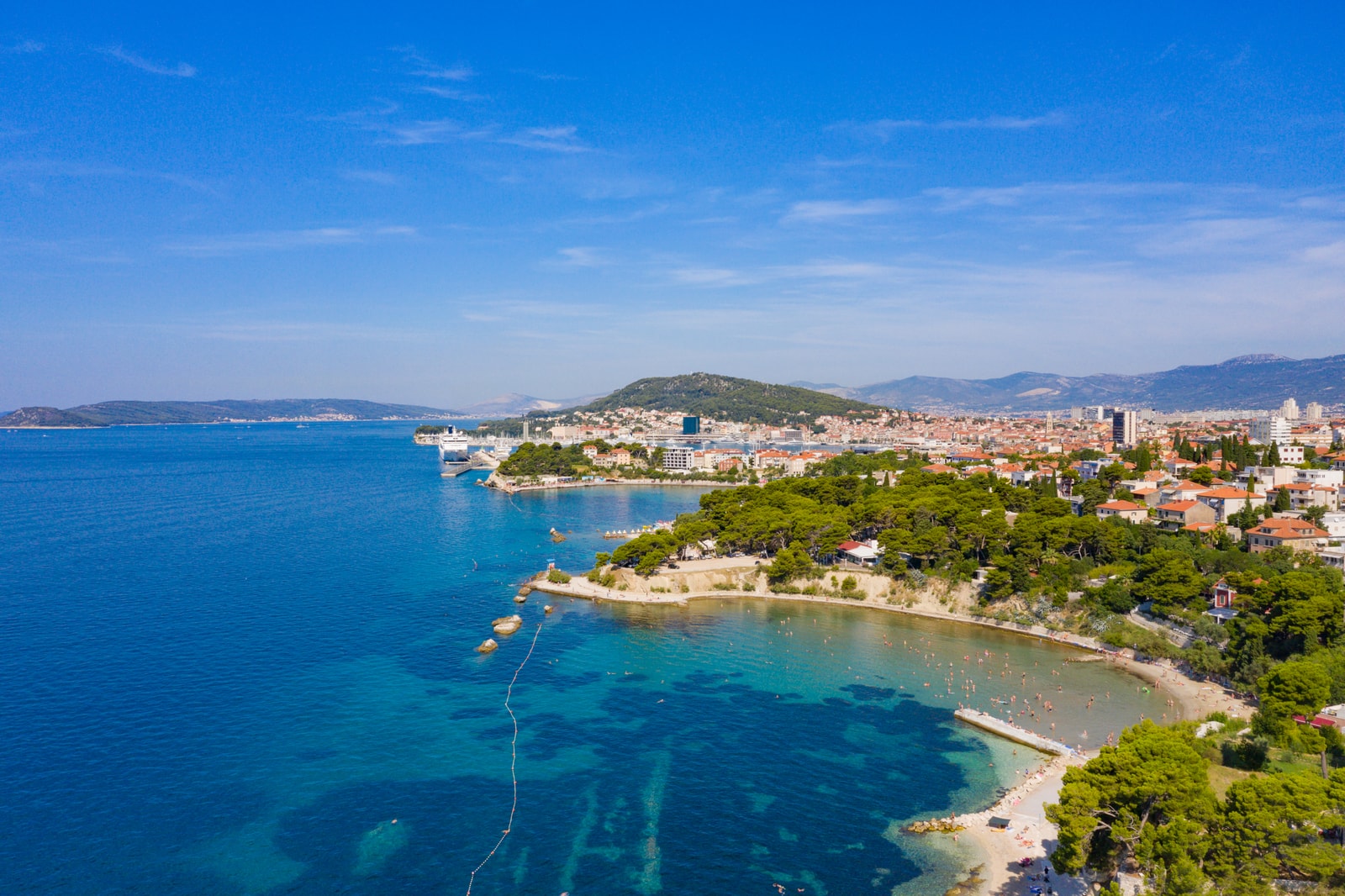
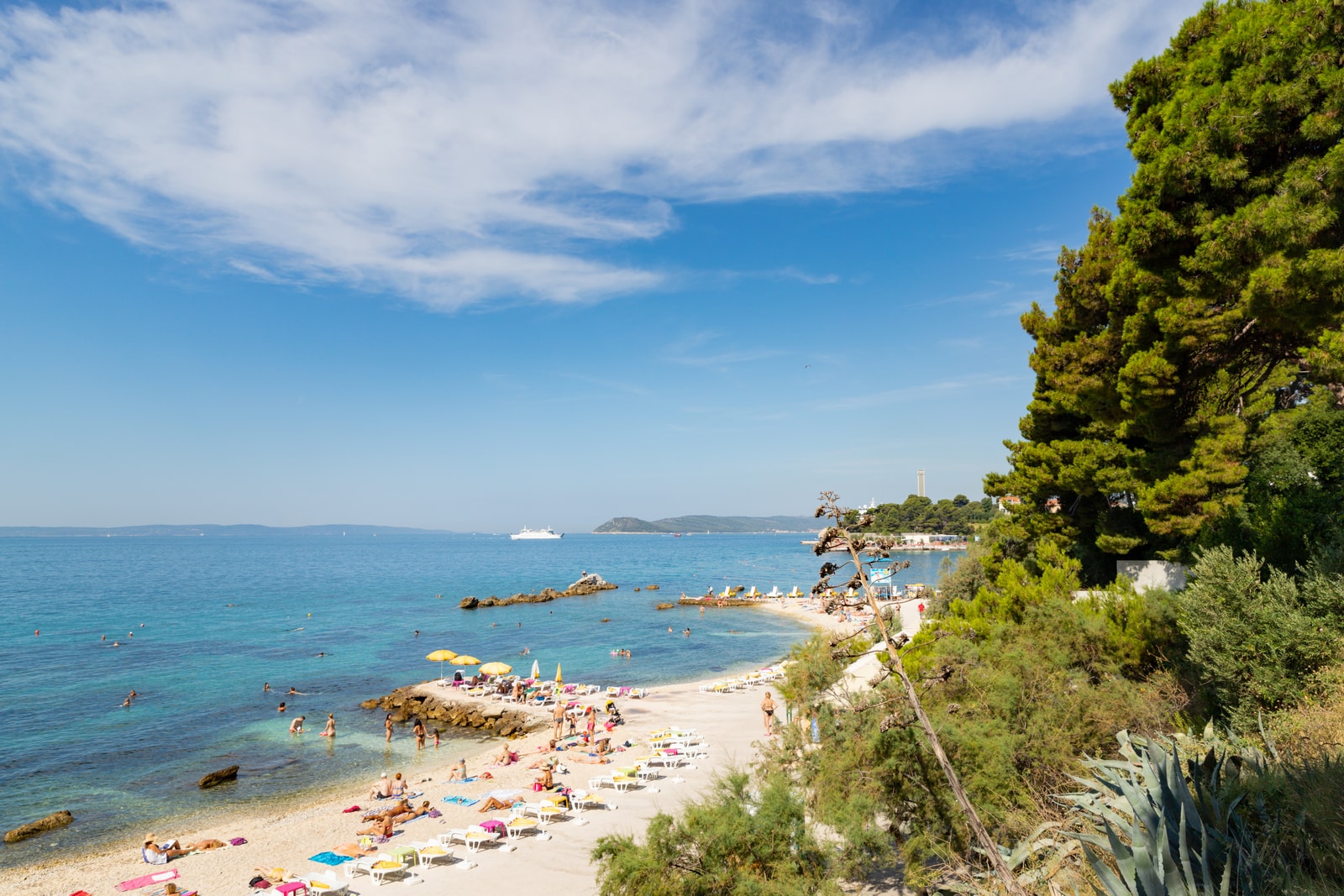
In the heart of Split, Croatia, lies Bačvice Beach, a stretch of sand that feels more like the city’s public living room than a quiet coastal escape. Located just a ten-minute walk from the historic Diocletian's Palace, it’s positioned right next to the main ferry port, bus, and train stations, making it incredibly accessible for travelers.
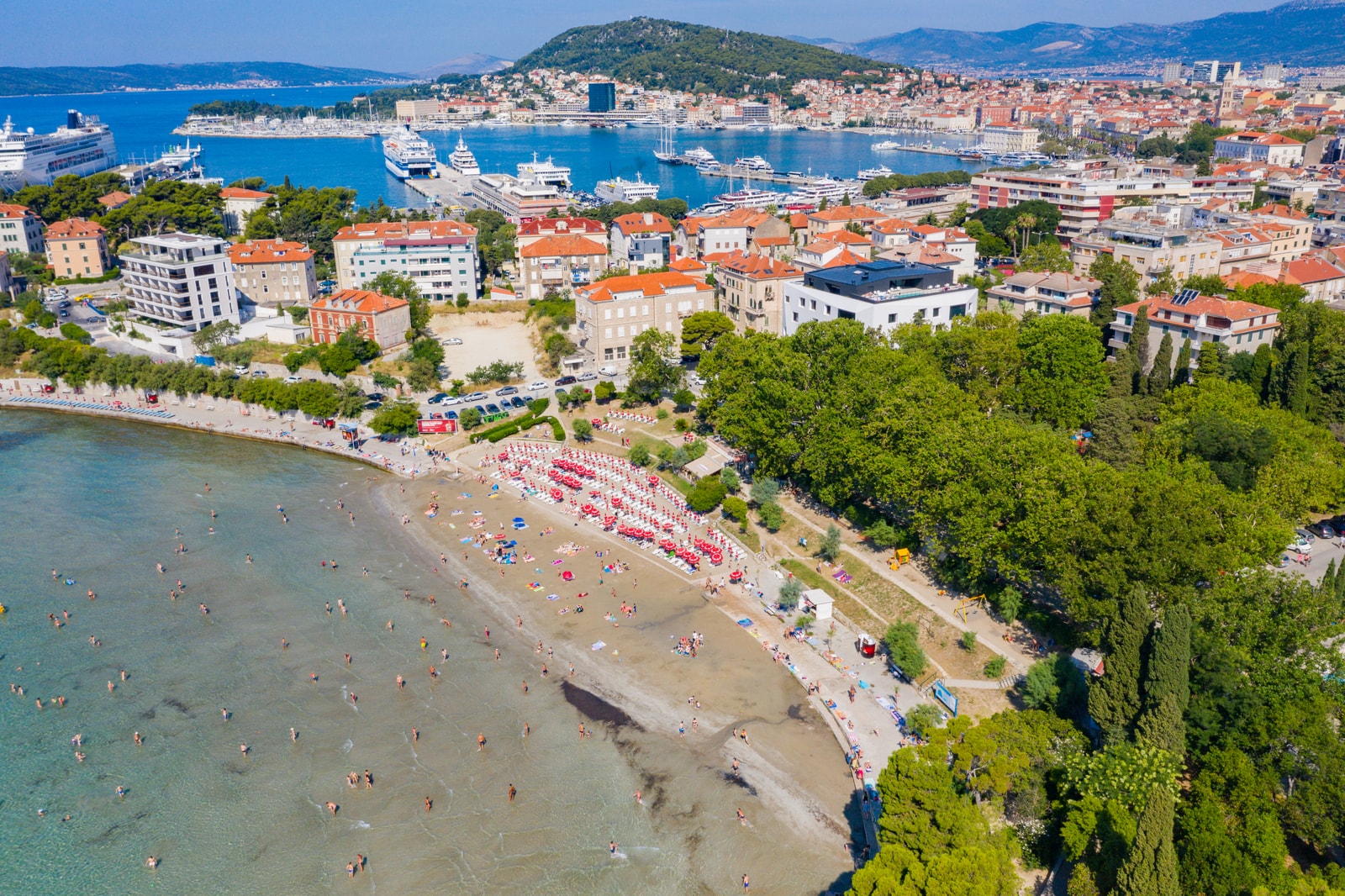
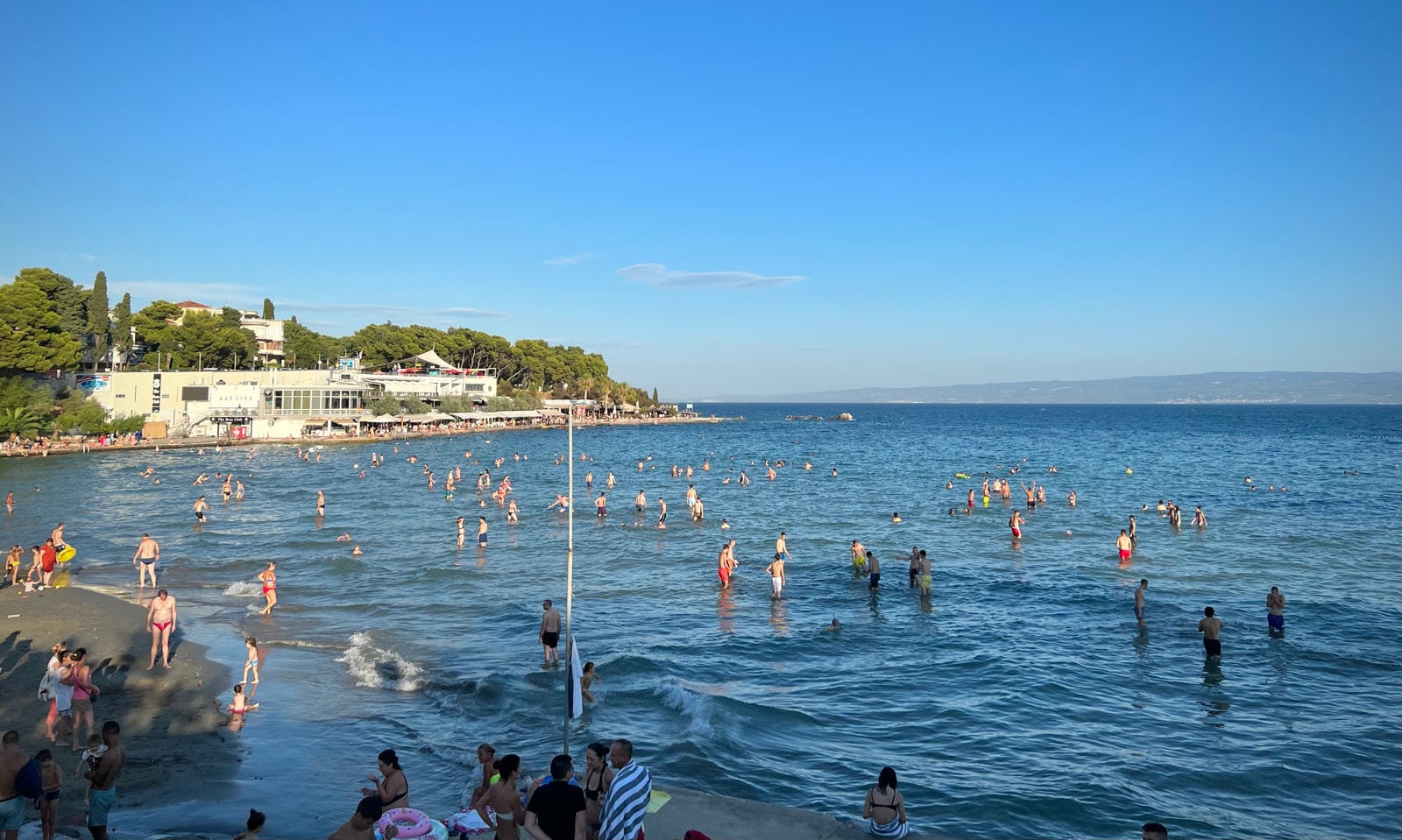
Unlike most of Croatia’s pebbly coastline, Bačvice is a rare naturally sandy beach. Its bay features a remarkably long and gentle slope, meaning you can walk dozens of meters into the sea before the water is deep enough for swimming. This shallow, calm water acts as a natural wading pool, making it a favorite for families with young children.
The beach offers excellent infrastructure for visitors with limited mobility. A wide concrete ramp provides barrier-free access from the promenade down to the sand, bypassing the stairs. There are also adapted changing cabins, accessible showers, and designated parking spaces, ensuring a welcoming environment for everyone.
The Soul of Bačvice: The Game of Picigin
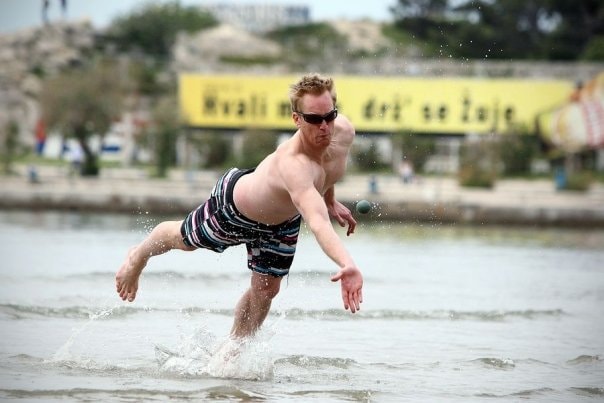
Bačvice is world-famous as the birthplace and spiritual home of Picigin (pronounced pee-tsee-gheen), a traditional Dalmatian sport that is inseparable from the beach's identity. Born in 1908, the game was invented by local students who found the water too shallow for water polo and adapted by tossing the ball to keep it airborne.
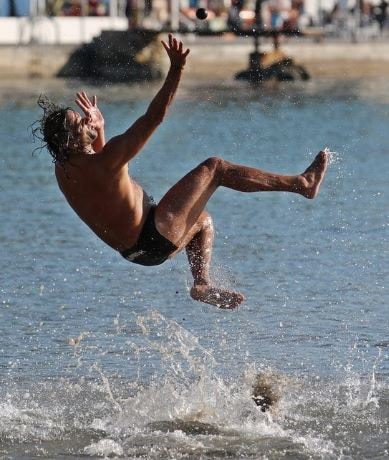
Picigin is entirely cooperative. There are no teams, no points, and no winners. The goal is purely aesthetic: to keep a small ball in the air for as long as possible through spectacular, acrobatic dives and leaps. A game consists of five players (piciginaši) who hit the ball with their palms, deliberately making challenging passes that force their teammates into athletic saves known as parade.
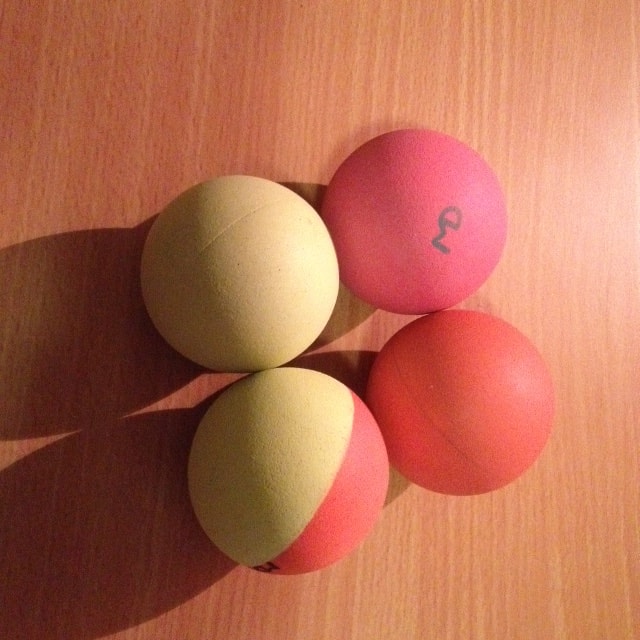
The game is played with a special, hand-crafted ball called a balun. Players peel the felt off a tennis ball and meticulously sand down the rubber core until it is thin, light, and bouncy. This dedication is so integral to the local culture that in 2013, Picigin was designated an Intangible Cultural Heritage of the Republic of Croatia.
The Bačvice Pavilion: Modernist Icon to Nightlife Hub
Overlooking the sand is the iconic Bačvice Pavilion, an architectural landmark that serves as the social hub of the beach. Its history began in the early 20th century with simple wooden bathing structures. In the 1950s, architect Ante Karaman designed the permanent modernist pavilion with clean lines and open terraces that define it today.
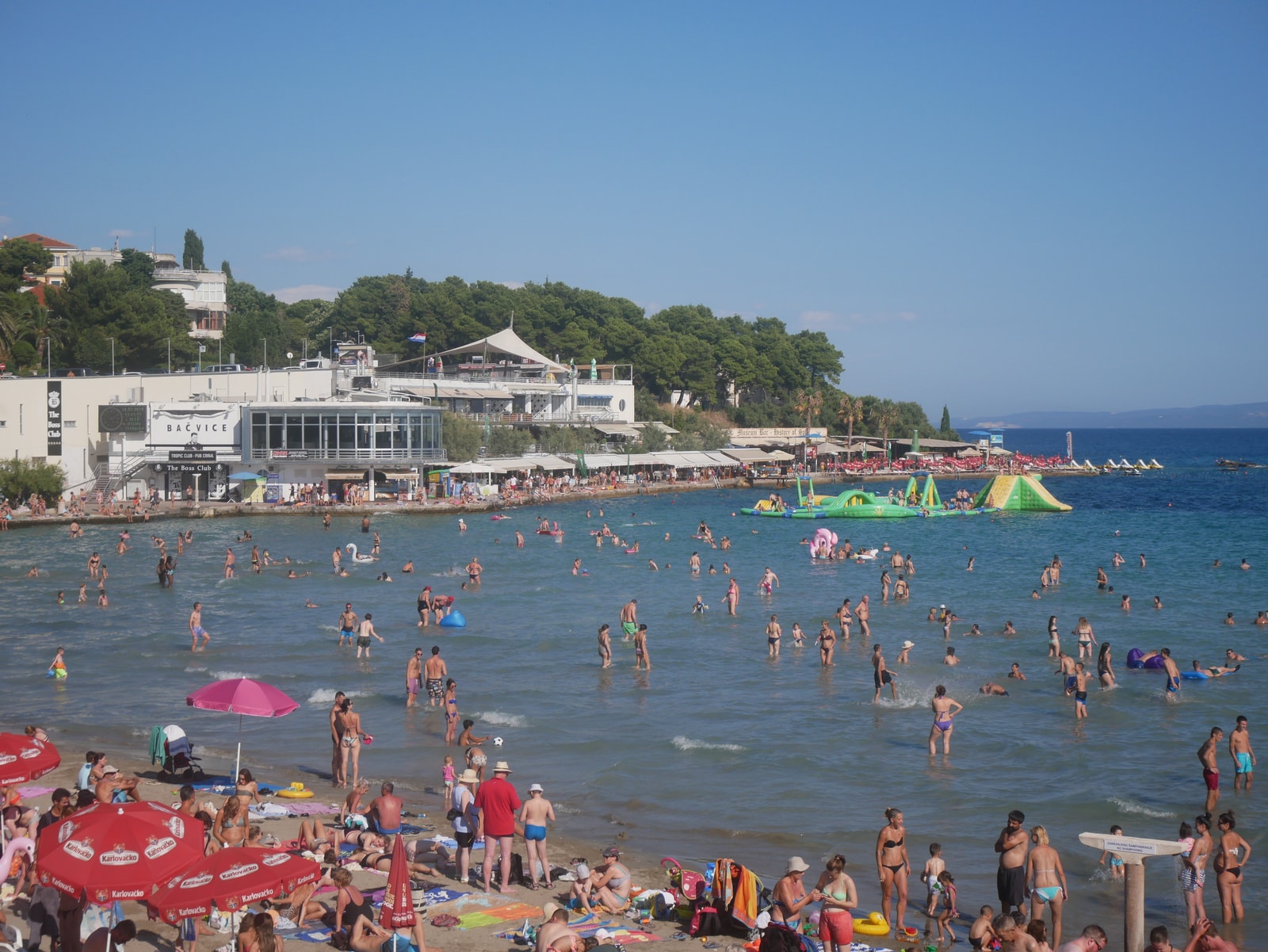
Today, after a major reconstruction in the late 1990s and a recent management shift to the City of Split, the Pavilion thrives. The lower level opens directly onto the beach, filled with casual cafes, ice cream parlors, and bistros. The upper levels house refined restaurants and cocktail lounges with panoramic sea views.
As the sun sets, the complex transforms into one of Split's primary nightlife destinations. The relaxed daytime atmosphere gives way to buzzing nightclubs where locals and tourists party until the early hours, making Bačvice a round-the-clock social epicenter.
Beyond Summer: The Beach's Year-Round Rhythm
When the summer crowds thin, Bačvice is reclaimed by the local community, revealing its authentic soul. True piciginaši play year-round, braving cold sea temperatures, rain, and fierce winds. The ultimate display of this dedication is the legendary New Year's Day game, where players plunge into the icy Adriatic to the applause of bundled-up spectators.
Winter on Bačvice is a time of tranquility. The beach becomes a peaceful setting for long walks. Locals embrace fjaka—the cherished Dalmatian state of sublime relaxation and the art of doing nothing. You'll find them at beachfront cafes, nursing a single coffee for hours while watching the sea and soaking up the mild winter sun.
Split's Summer Stage: 2026 Events at Bačvice
In summer 2026, the Bačvice district becomes a vibrant stage for culture and music, with several key events scheduled.
- Bačvice Summer Open-Air Cinema (Ljetno kino Bačvice) (Late June – August 2026): Tucked into a pine grove behind the beach, this historic cinema screens independent and European films under the stars. More information can be found on the Kino Mediteran network.
- 72nd Split Summer Festival (Splitsko ljeto) (July 14 – August 14, 2026): A premier national festival that turns the city’s historic sites into stages for opera, ballet, and theatre. Bačvice serves as a major social hub after performances. Visit the official festival website for details.
- Fibra Festival 2026 (Early September 2026): This popular alternative music festival takes place directly on the sand, featuring regional rock, indie, and hip-hop acts. Check the official Fibra Festival page for lineups (Facebook).
Exploring Split's Coastline: Beaches Beyond Bačvice
While Bačvice is the city's social heart, Split offers a diverse range of other beaches for those looking for a different atmosphere.
Firule Beach
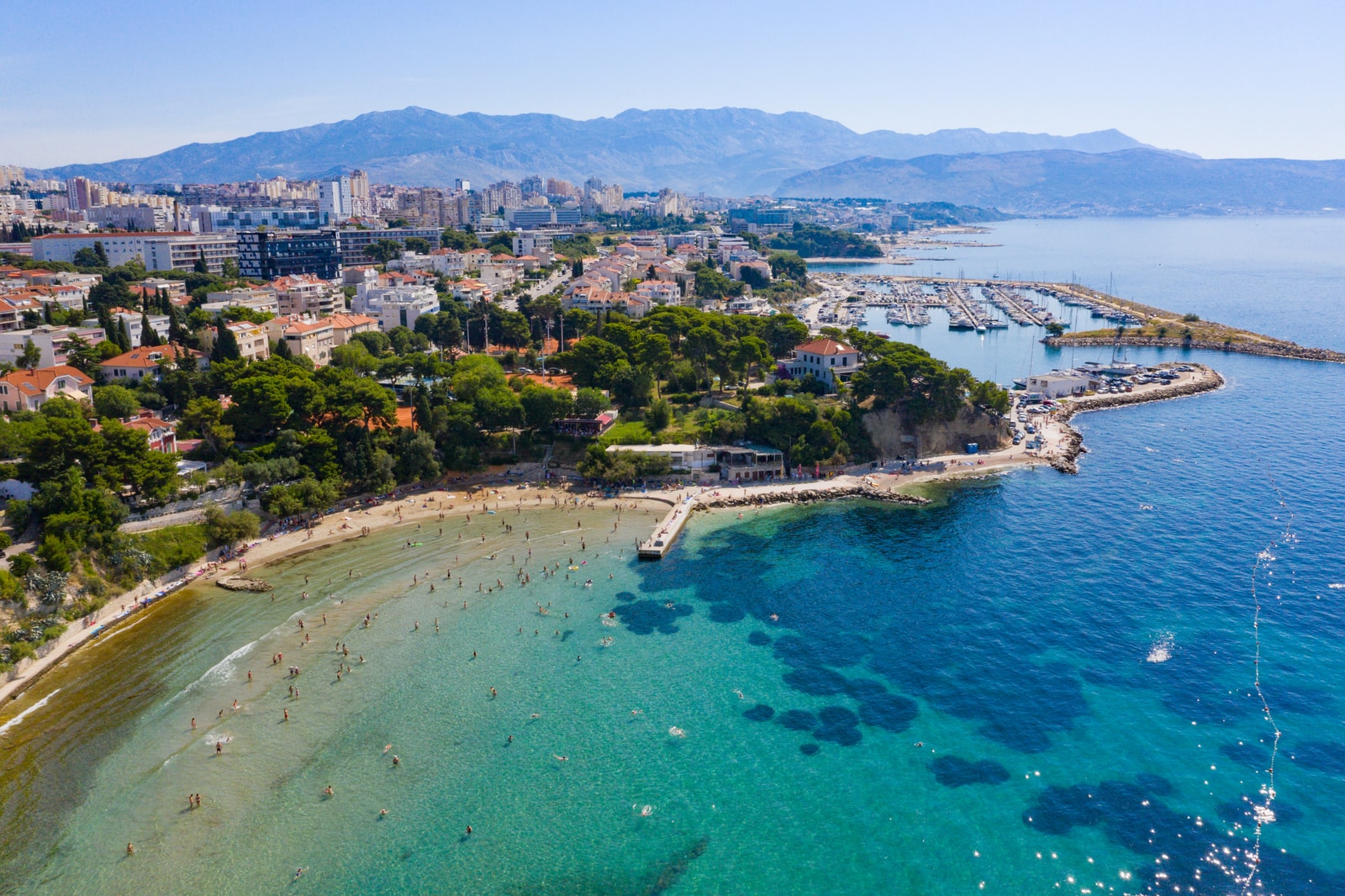
Just a short walk from Bačvice, Firule Beach is another sandy cove, but with a calmer, more residential vibe. Its sheltered location makes it highly family-friendly and a great escape from the wind.
Ovčice Beach
Located in the very next cove, Ovčice Beach offers a pebbly shore and concrete plateaus. It's a quick escape from the sand and crowds of Bačvice, popular with locals for its laid-back cafe and bar.
Trstenik Beach
Further east, Trstenik Beach is a more polished retreat with fine pebbles and clear, deep water. Connected to a high-end hotel, it has a serene, sophisticated feel with upscale sunbed rentals.
Kašjuni Beach
On the western side of the city at the foot of Marjan Hill, Kašjuni Beach swaps the urban backdrop for dramatic cliffs and pine forests. Its deep, crystal-clear water and trendy beach club make it popular with those seeking natural scenery.
Gallery