Pula Beaches 2026: The Ultimate Guide to Croatia’s Roman-Rimmed Coast
From wild coves and cliff-jumping caves to historic forts and a packed summer event calendar, discover the best of Pula’s eclectic shoreline in 2026.
Published on 22 Jul 2026 21:13 GMT
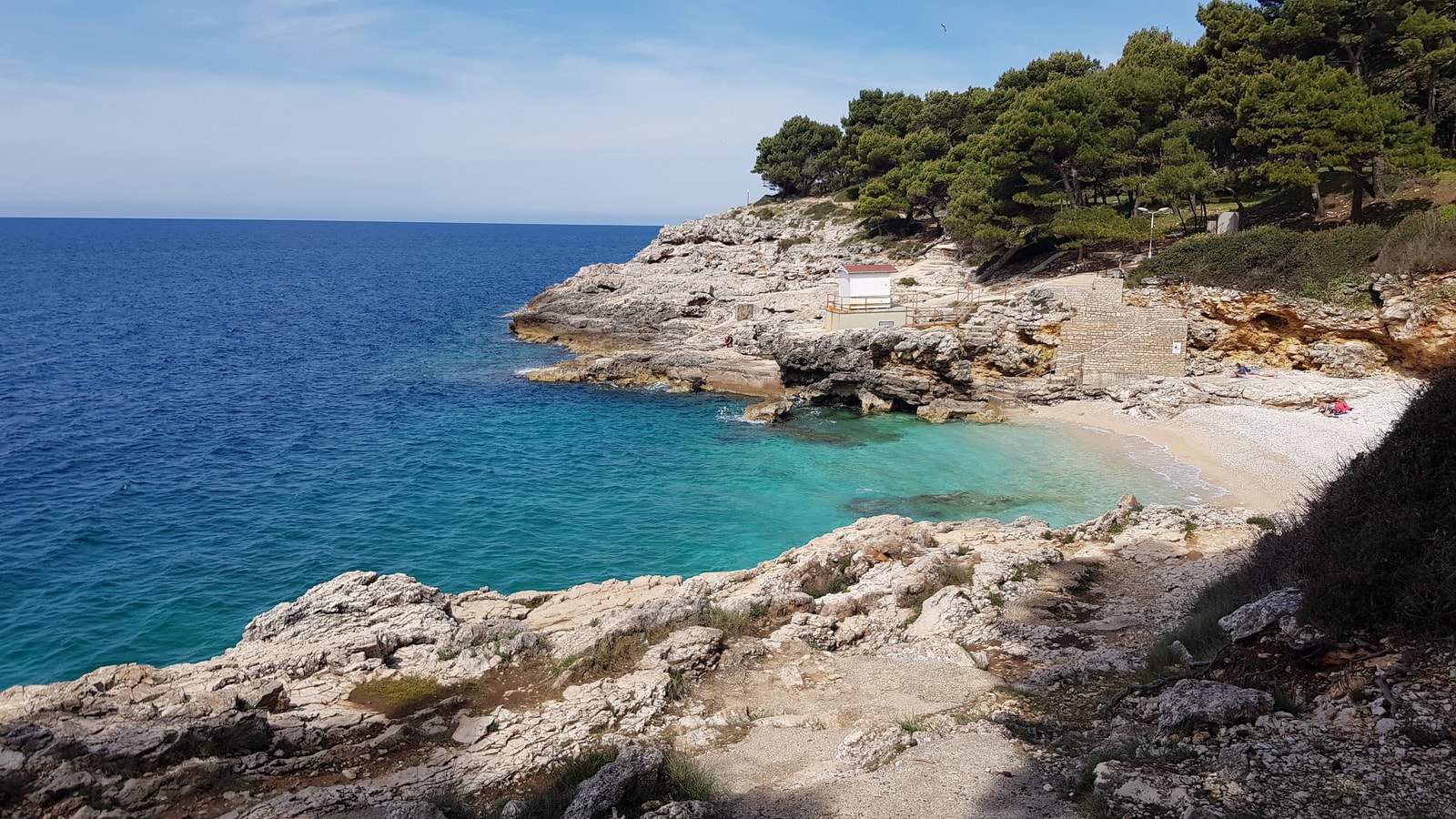
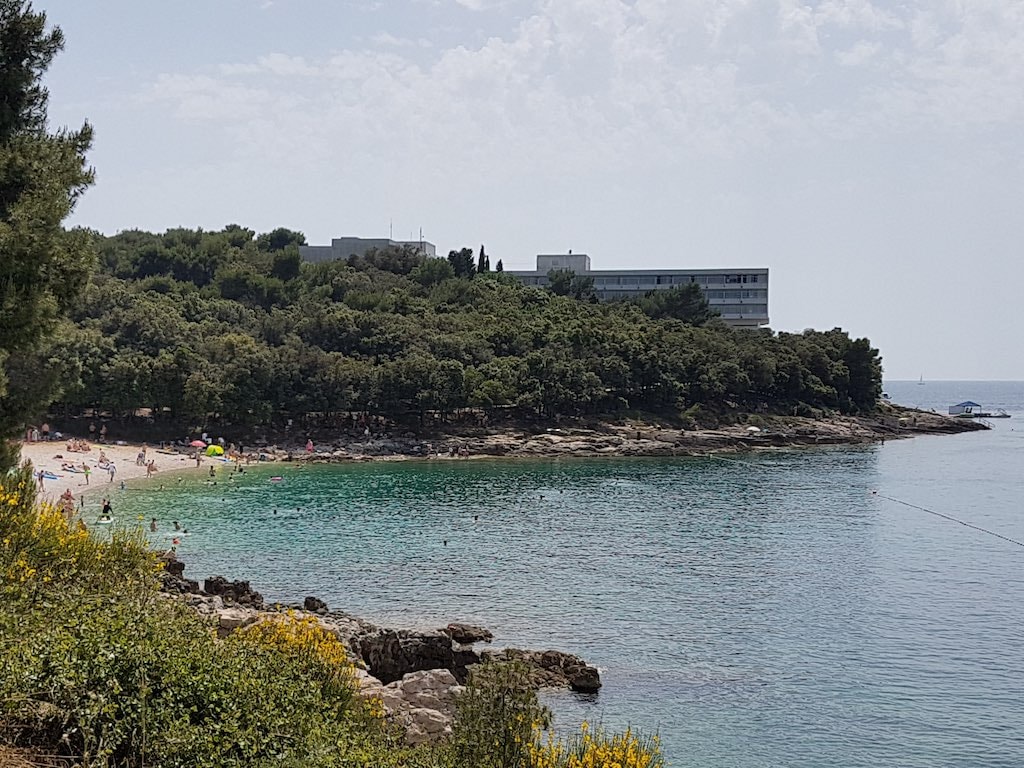
At the southern edge of Pula, the Verudela Peninsula is the city’s premier resort hub. This clean, forested area is dotted with upscale hotels but is most famous for its dramatic coves and pristine, well-equipped beaches.
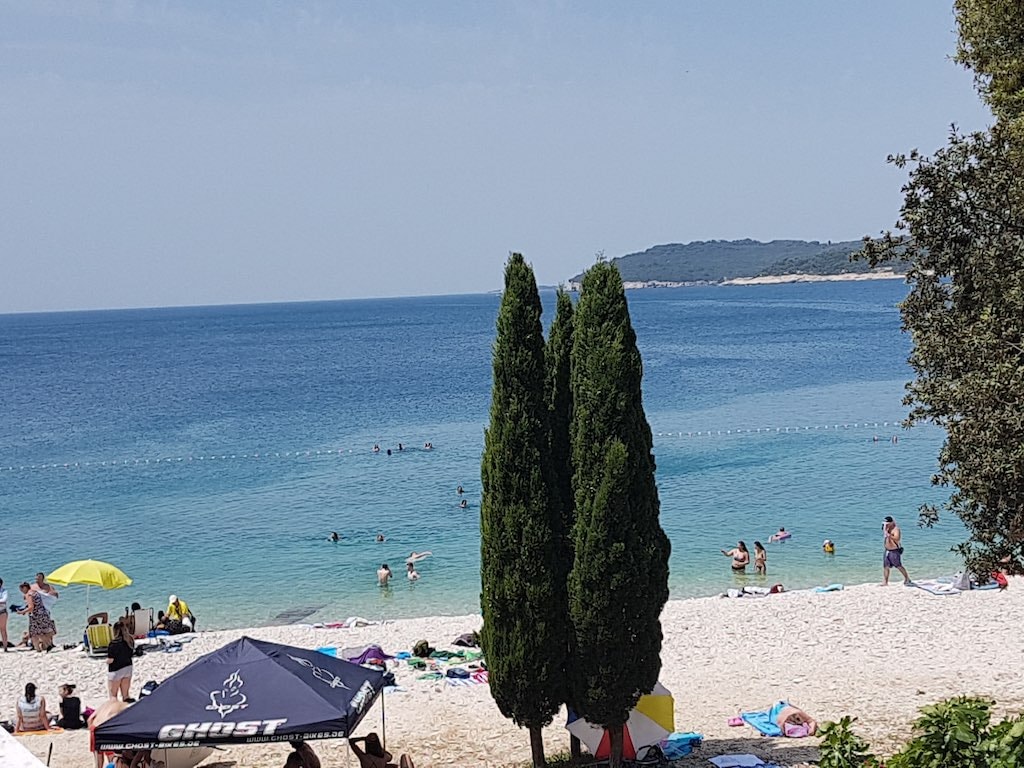
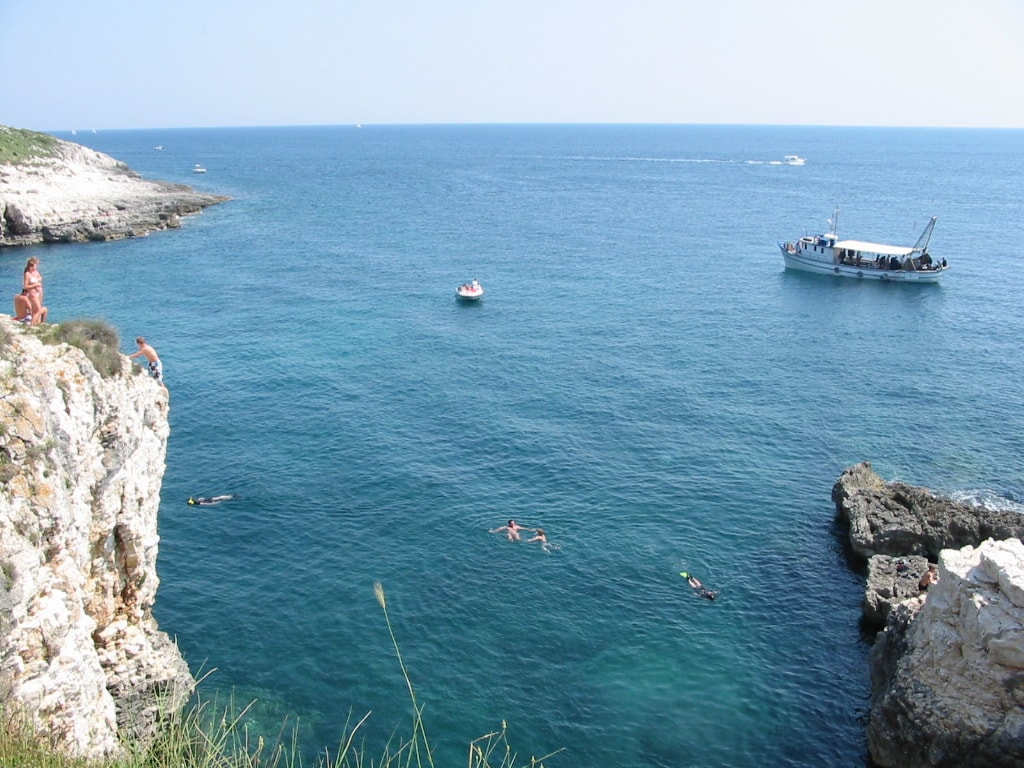
Hawaii Beach (Havajska Beach) is Pula’s most photogenic spot. Framed by steep rocks, this small cove’s white pebbles make the turquoise water glow. It’s a hotspot for cliff diving but gets very crowded, so an early arrival is key.
Ambrela Beach holds a coveted Blue Flag certification for its safety and water quality. With a gently sloping pebble shore and abundant amenities like sunbeds and cafes, it is a favorite for families.
Histria Beach offers a premium experience with exceptionally clear, shallow waters perfect for children. Set against a luxury hotel, it provides easy access to high-quality amenities and upscale dining.
Brioni Beach features classic Adriatic concrete terraces built into the rocky shore. It is a premier location for snorkeling due to its high water clarity and offers incredible, unobstructed sunset views over the open sea.
Saccorgiana Cove is a sheltered and quiet refuge from the busier beaches. Its calm waters are ideal for relaxed wading, and a popular beach bar provides comfortable lounge chairs for a tranquil afternoon.
For thrill-seekers, the Verudela Canyon is a spectacular sea canyon with sheer walls. While not a traditional beach, its high cliffs offer incredible high-altitude jumps into the deep blue water below.
Lungomare and Stoja: Pula's Active Urban Shoreline
A scenic seaside promenade called Lungomare connects Pula's urban heart with its wilder western edges. This stretch is a favorite for locals, blending pine-shaded coves with functional coastal parks.
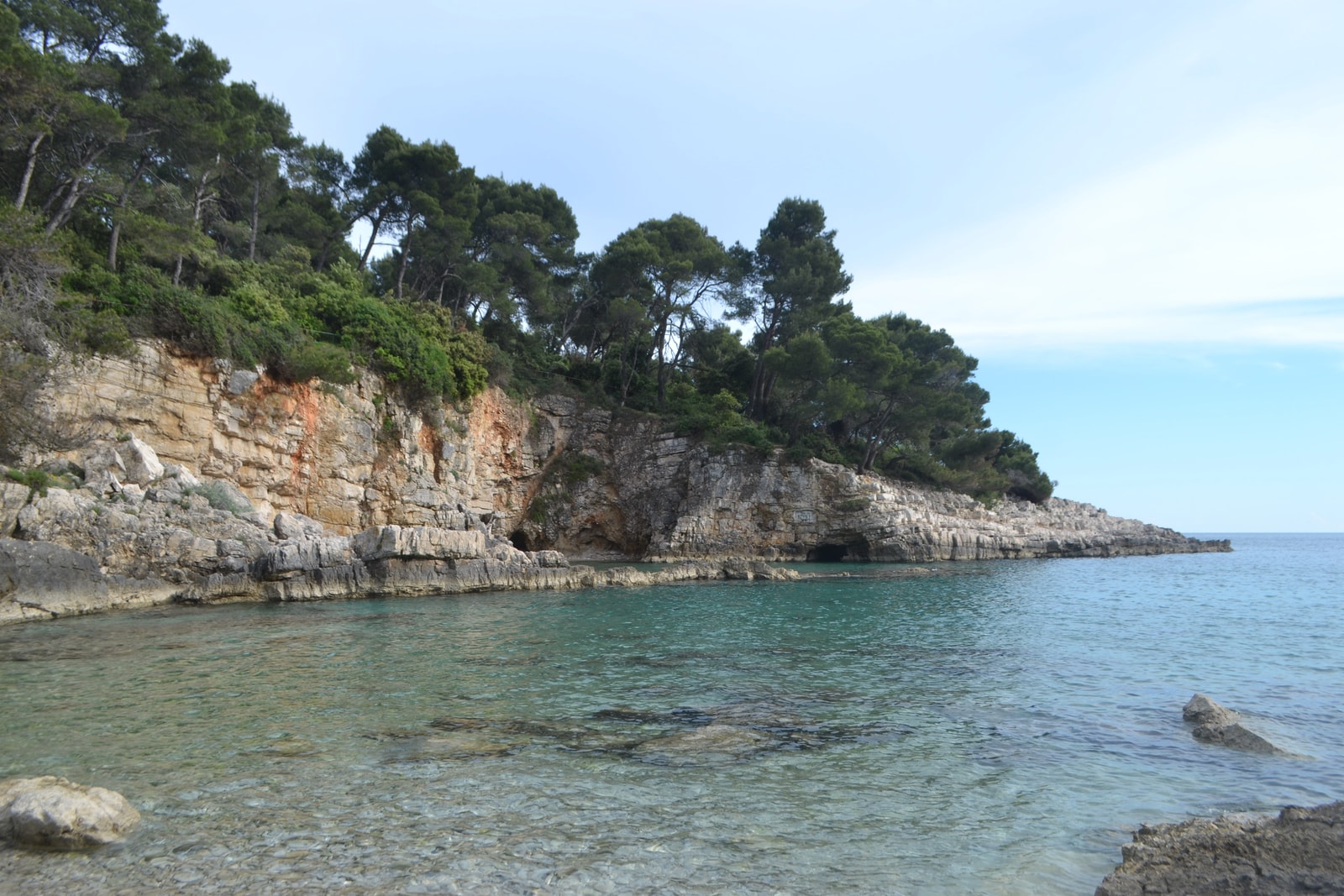
Gortanova Uvala is a charming pebble cove located directly on the Lungomare. It strikes a perfect balance of sunshine and natural pine shade, with a small beach bar nearby for refreshments.
Valkane Beach is a highly inclusive coastal park with concrete platforms, pebbly shores, and sports facilities. It features a specialized wheelchair ramp for safe sea access for individuals with disabilities.
Valovine Beach is Pula's water sports epicenter. Its calm, sheltered bay is home to Wake Park Pula, with a 420-meter cable for wakeboarding, and is also perfect for stand-up paddleboarding and kayaking.
Stoja Beach, part of a popular campsite, offers a peaceful environment framed by a dense pine forest, creating a nature-first atmosphere for visitors.
Seagull's Rocks: An Adventure Arena of Cliffs and Caves
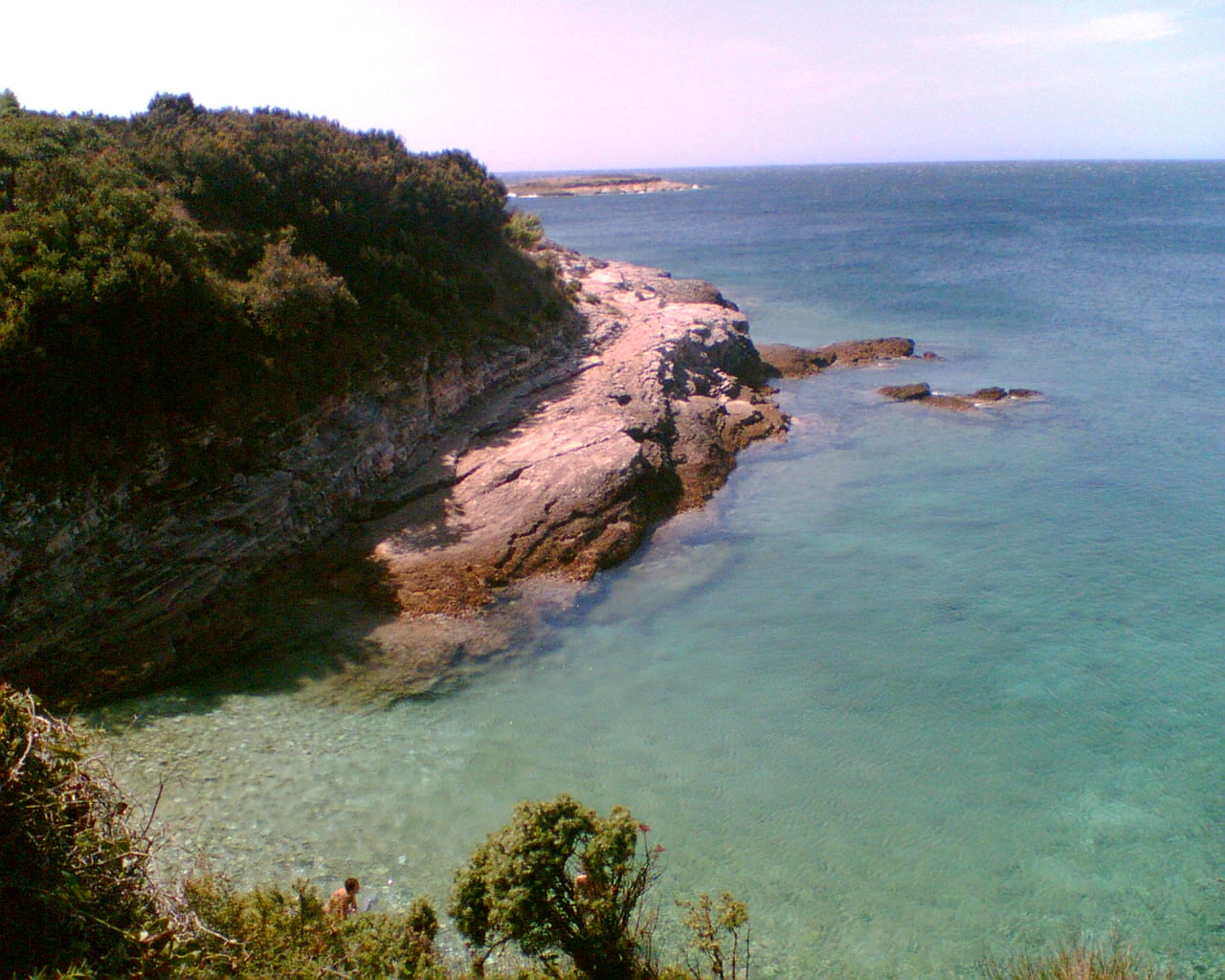
On the rugged western edge of the Stoja peninsula lies Seagull's Rocks (Galebove Stijene), a dramatic landscape of stark white limestone cliffs. Natural stone platforms serve as diving boards, with jumping heights ranging from two to a thrilling 12 meters.
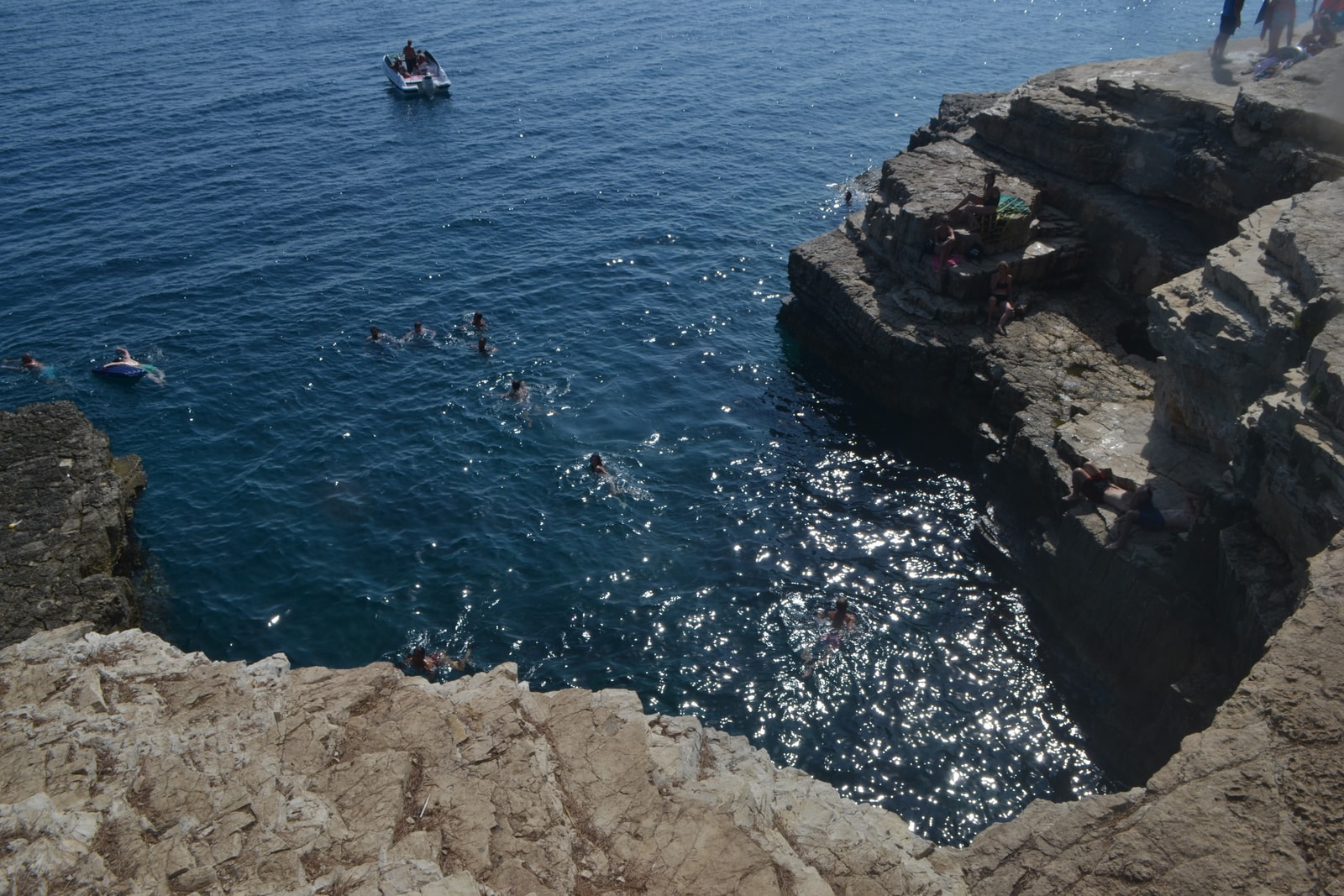
The main attraction here is the Sea Cave (Grotte di Stoja), a magnificent cavern carved into the cliffs. Sunlight filters through its wide mouth, creating a glowing turquoise pool at the entrance and illuminating colorful sponges inside.
Adventure operators run guided kayak and stand-up paddleboard tours to explore the area. A special highlight is the glowing night tour, where transparent, LED-lit kayaks light up the seafloor and the cave's dark interior.
Access is easy via local bus or car, followed by a scenic 10-minute walk along an unpaved forest trail from the Stoja campsite.
The Štinjan District: A Blend of Heritage and Bohemian Beaches
The Štinjan district offers a unique mix of industrial history and modern seaside leisure. Here, a redeveloped naval base sits alongside rustic, bohemian beach spots, creating a diverse coastal atmosphere.
Hidrobaza Beach is a successful redevelopment of a former naval seaplane base. It features polished pebble coves, concrete sunbathing lawns, a skate park, and a dedicated dog-friendly area.
Lost Beach (Puntižela) is the bohemian counterpart to Hidrobaza. Nestled below pine-forested cliffs, its rugged shore and rustic beach bars with hammocks offer a laid-back, off-the-grid vibe.
Valbandon Beach, connected to Štinjan by a promenade, is designed for family convenience. This wide, white-pebble beach features an inflatable water park, playgrounds, and local seafood restaurants.
Cape Kamenjak: A Wild Nature Reserve
South of Pula, Cape Kamenjak is a protected nature reserve with a distinct wilderness feel. The landscape is defined by dusty gravel tracks, low Mediterranean shrubs, and the scent of wild herbs and pine.
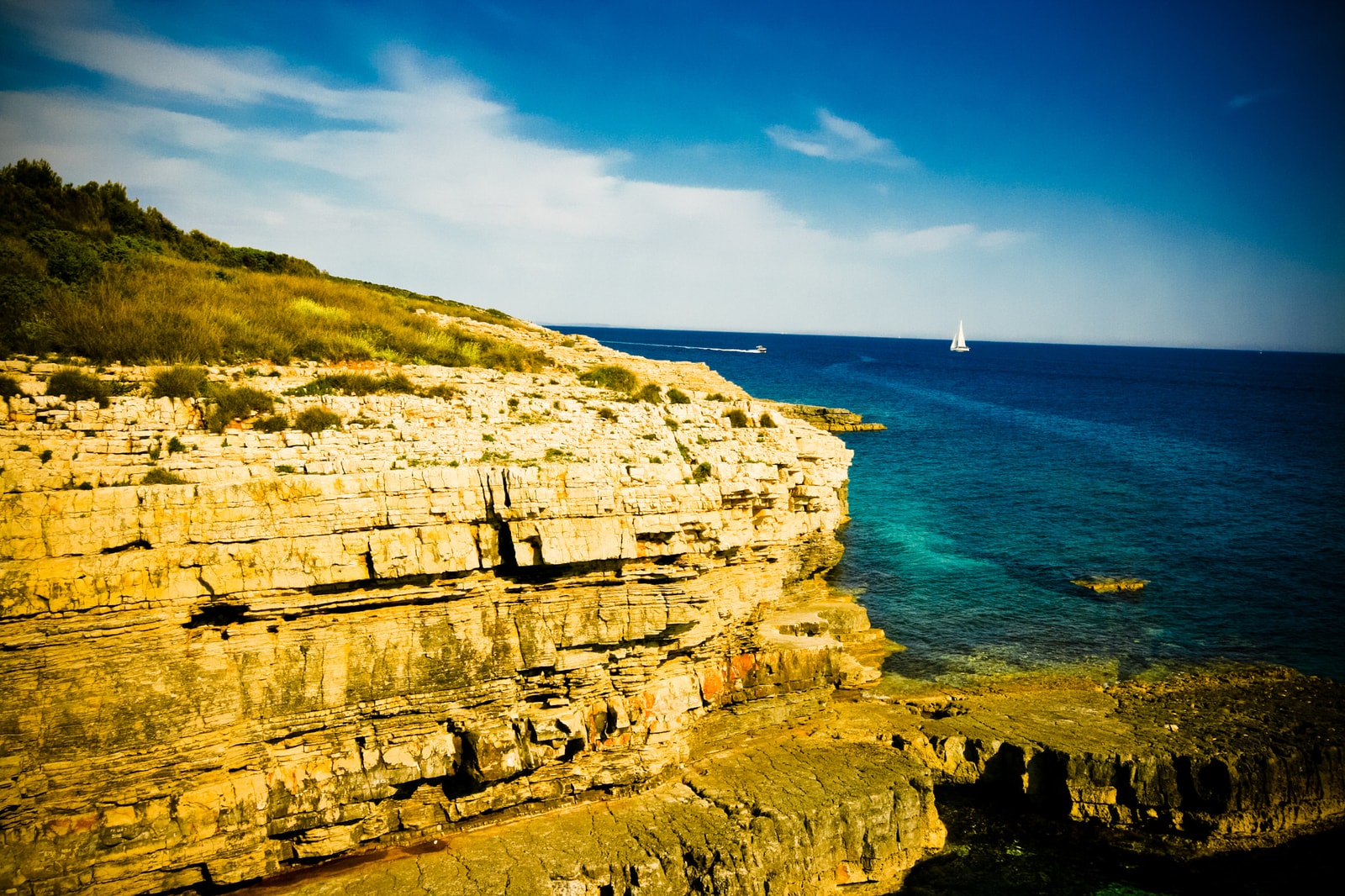
Velika Kolumbarica is the crown jewel of the cape, famous for its towering white cliffs perfect for high-altitude jumping. Below, a network of sea caves offers snorkelers a chance to swim through glowing underwater tunnels.
Mali Portić is a rare sandy beach on this rocky coast. Sheltered from strong winds, its soft sand and shallow, calm waters make it an ideal spot for families with small children.
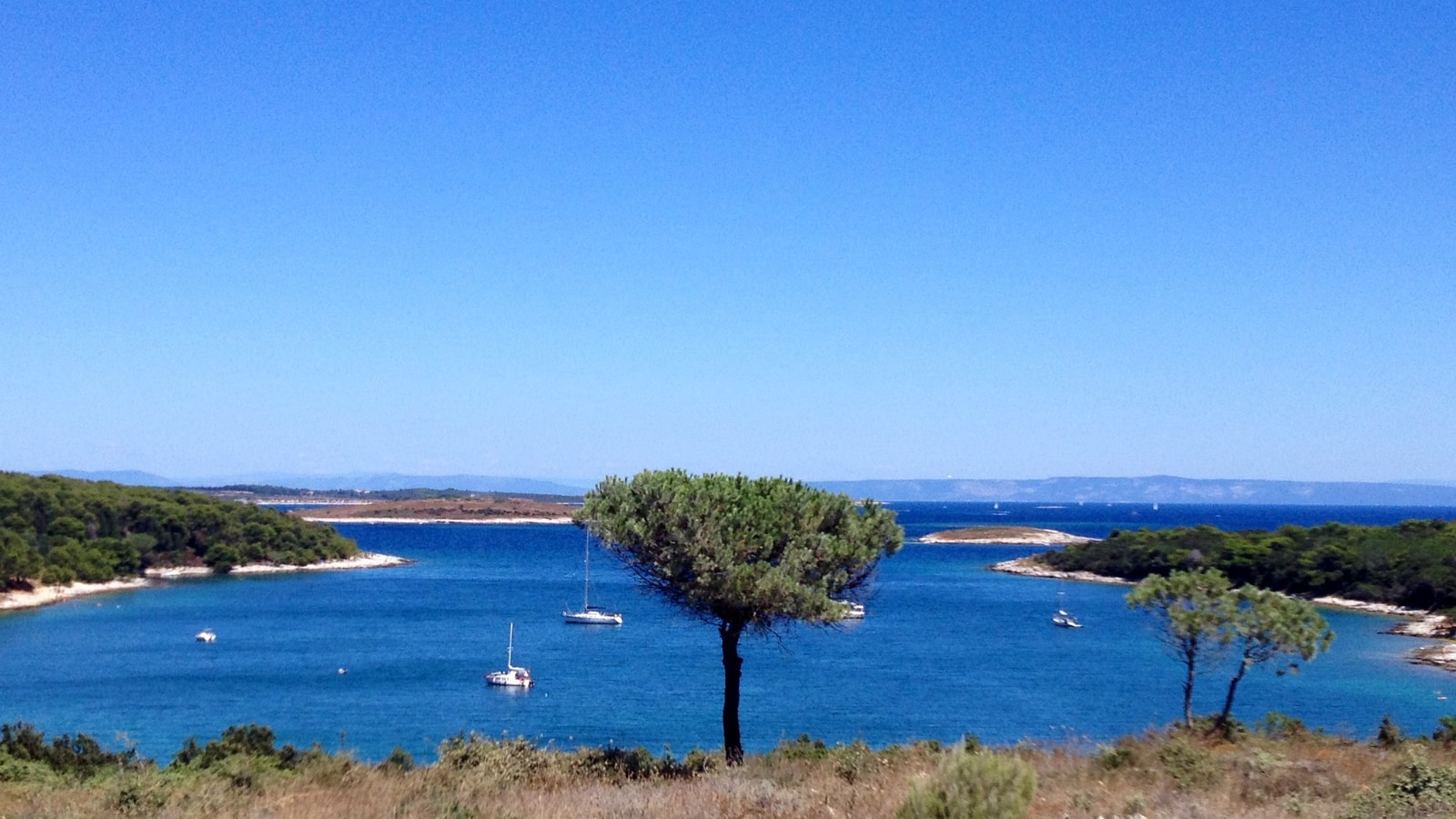
Njive and Pinizule Coves are picturesque pebble beaches shaded by pine forests. Pinizule is particularly famous for the fossilized dinosaur footprints preserved in its flat limestone slabs.
To protect the habitat, motorized vehicles pay an entry fee of around €20, while access is free for pedestrians and cyclists. The dusty gravel roads are designed to discourage speeding and preserve the park’s natural state.
Beach Bars and Sunset Views
Pula's westward-facing coast turns every sunset into a daily ritual. The beach bar scene ranges from rustic hideaways to chic lounges, all offering front-row seats to the sun dipping into the Adriatic.
Safari Bar in Cape Kamenjak is a legendary oasis built from bamboo and driftwood. Tucked into a reed forest, it features giant swings, wooden slides, and secret seating nooks for a unique bohemian vibe.
Zeppelin Beach Bar at Saccorgiana Cove transitions from a relaxed daytime spot to a lively social hub at sunset, offering spectacular views from its spacious wooden deck.
Other local favorites include the lush, tropical-themed Beach Bar Džungla at Valkane Beach and the stylish Beach Bar E&D at Ambrela Beach, which draws a chic crowd with its trendy soundtrack.
Seaside dining is light and local, featuring fresh seafood salads, grilled calamari, and Istrian prosciutto, best enjoyed with a cold Croatian beer or a classic Aperol Spritz.
Underwater Pula: Snorkeling and Sunken Treasures
The sea around Pula is a dream for underwater explorers, with visibility consistently reaching 15 to 30 meters. The rocky seabed prevents sediment from clouding the water, keeping it exceptionally clear.
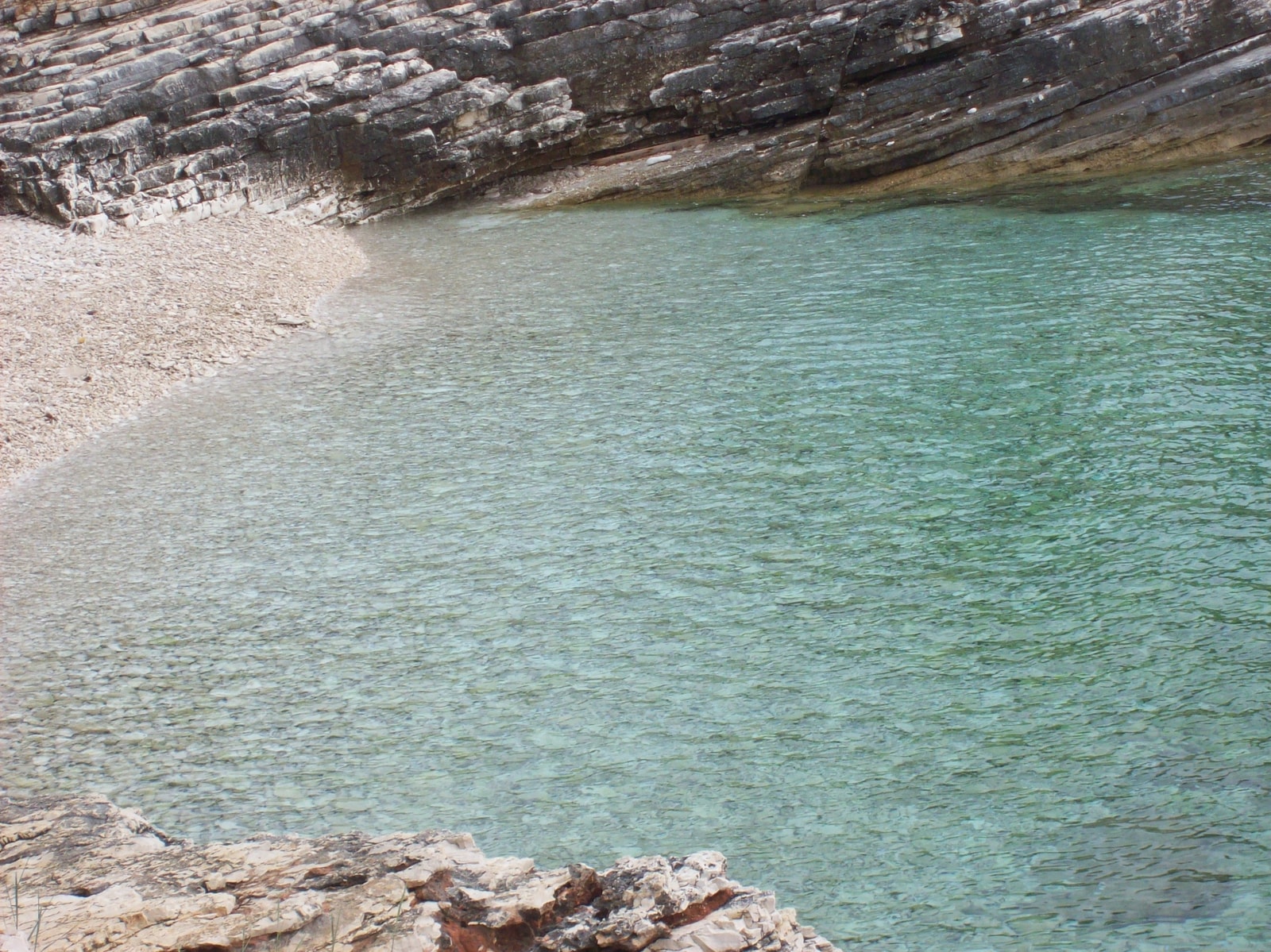
The snorkeling and diving season runs from May to October, with summer water temperatures reaching a comfortable 24-26°C. The seagrass meadows host a vibrant ecosystem of red starfish, octopuses, and schools of sea bream.
The common sea urchins, while requiring water shoes, are a direct indicator of excellent, unpolluted water quality.
For divers, Pula offers access to famous shipwrecks, including the Baron Gautsch, an Austro-Hungarian liner sunk in 1914, and the Giuseppe Dezza, a WWII Italian minesweeper. Professional outfits like Orca Diving Center and Hippocampus Diving Center offer guided excursions.
Coastal Heritage: Pula's Austro-Hungarian Forts
Pula’s coastal landscape is uniquely shaped by its 19th-century history as the main naval base of the Austro-Hungarian Empire. A formidable ring of stone fortresses was built to defend the bay, and today these structures have been reclaimed by nature.
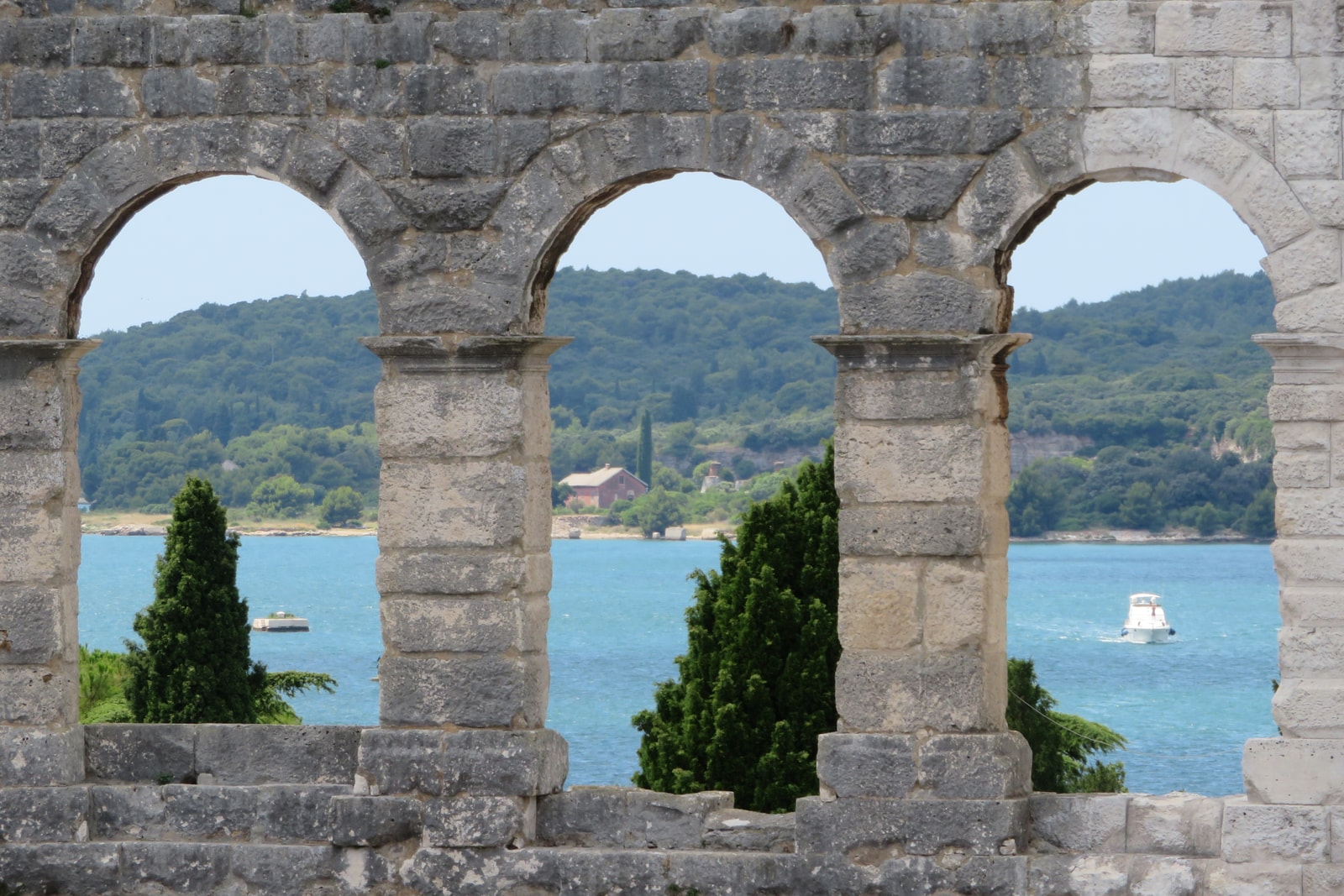
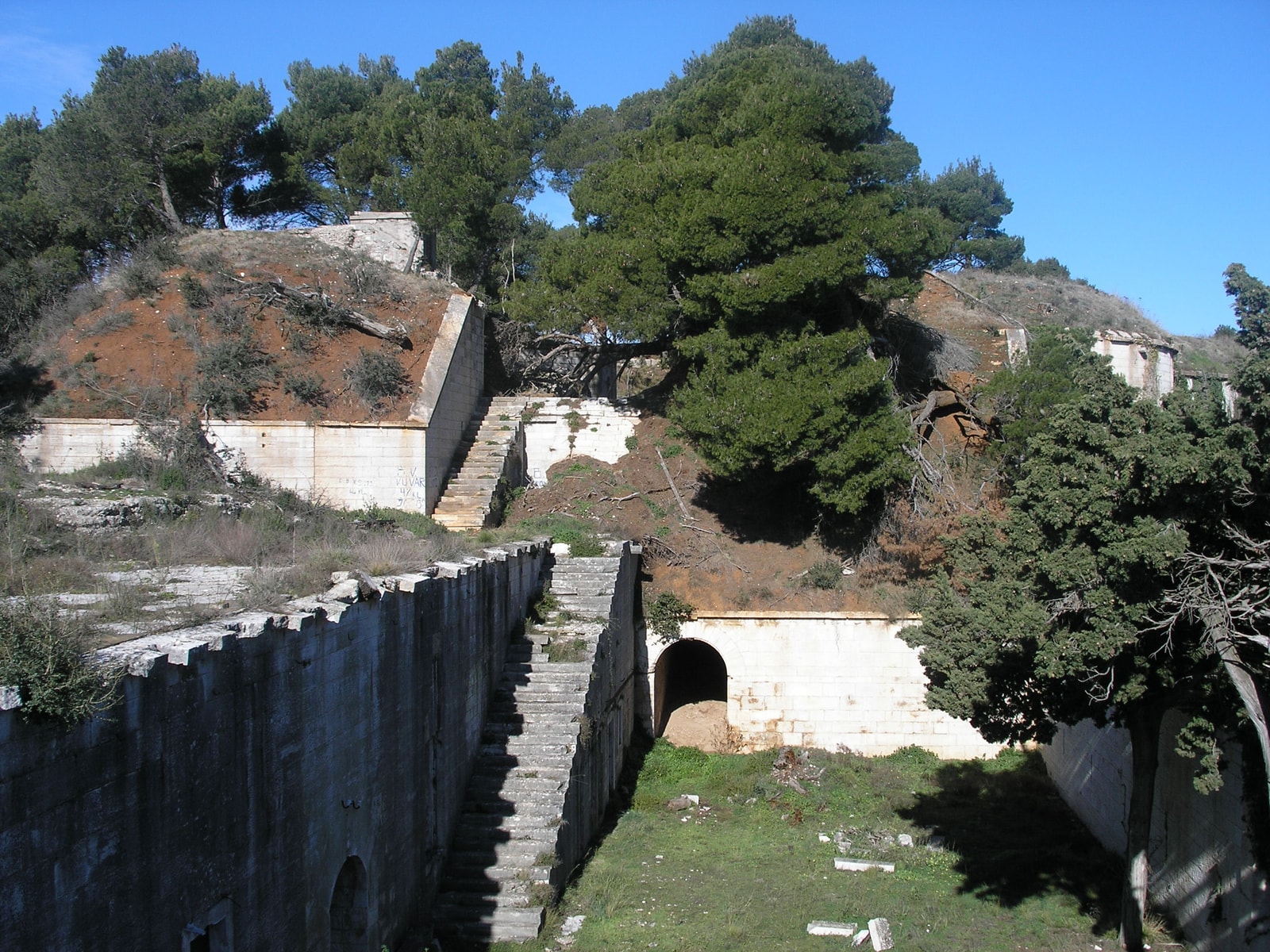
Fort Punta Christo is a massive stone fortress in Štinjan that guards the harbor entrance. It provides a monumental backdrop for swimmers at Lost Beach and was once a famous hub for underground music festivals.
Fort Stoja, built in 1884, stands as a romantic, ivy-covered guardian overlooking the cliffs and coves of Stoja Beach. It connects directly to local walking trails, blending history with outdoor recreation.
Hidrobaza’s modern design pays tribute to its past as a naval seaplane station. Old concrete launch ramps and military rail tracks have been preserved as unique sunbathing platforms and design elements.
Pula Summer 2026 Events Calendar
Pula's summer nights come alive with events that blend beach culture with world-class entertainment, often set against the spectacular backdrop of the city's ancient Roman Arena. Note that this calendar starts from July 22, 2026.
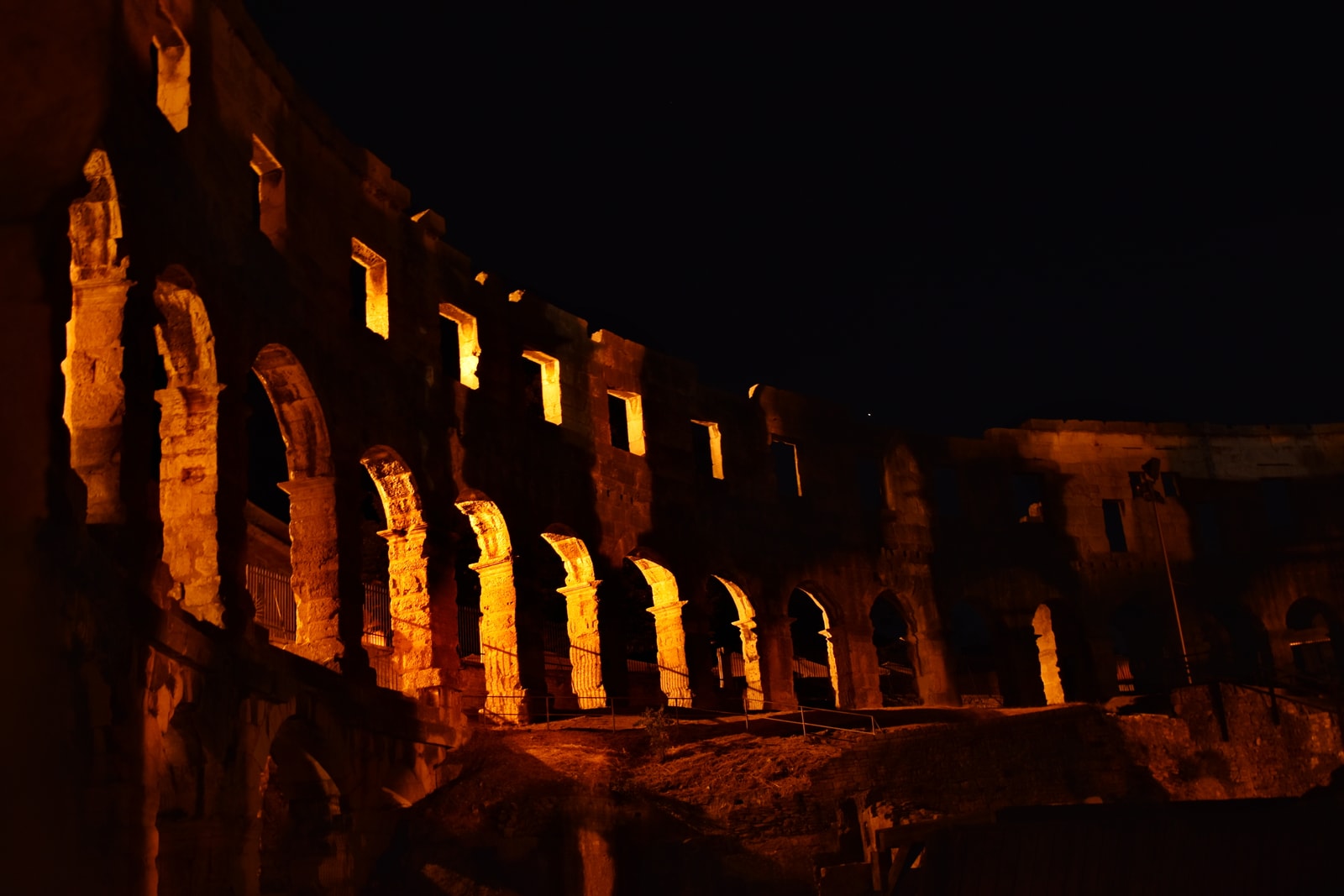
Music Concerts at the Pula Arena
- Moby (July 23, 2026)
- Kraftwerk (July 28, 2026)
- Black Coffee (July 31, 2026)
- Sting (Sting 3.0 World Tour) (August 1, 2026)
- Nick Cave & The Bad Seeds (August 4 & 5, 2026)
- Severina (August 8, 2026)
- Lorde (August 18, 2026)
- Judas Priest (August 25, 2026)
Beach, Maritime & Active Sports Events
- PULA 500 (European Footvolley League) (August 7–9, 2026) - Pro footvolley teams compete on the sands of Zelenika Beach.
- LATINA ISTRIANA Festival (22nd Edition) (August 6–11, 2026) - An energetic seaside Latin dance festival with workshops and beach parties.
- Boom Boat Party (Vol. 6) (August 8, 2026) - A sunset dance cruise with live DJs and swimming stops.
- Pula CRO M24 Cup Regatta (September 24–27, 2026) - A high-performance sailing regatta along Pula's coast.
- Pula Marathon (September 19, 2026) - An evening race through historic streets, finishing inside the illuminated Roman Arena.
Cultural & Seasonal Festivals
- Spectacvla Antiqva (Gladiator Reenactments) - Roman gladiator battles in the Arena (July 24, July 30, and August 3, 2026).
- Visualia Festival (Festival of Light) (September 17–19, 2026) - Pula's streets and harbor cranes are transformed into interactive light art.
Gallery