Istria Beaches 2026: The Ultimate Guide to Croatia's Rocky Coast
Forget everything you know about sandy shores. Istria’s coastline is a wilder, more dramatic affair of sun-bleached limestone, smooth white pebbles, and water so clear it feels unreal. This is your essential guide to navigating Croatia’s heart-shaped peninsula in summer 2026.
Published on 7 Aug 2026 18:06 GMT
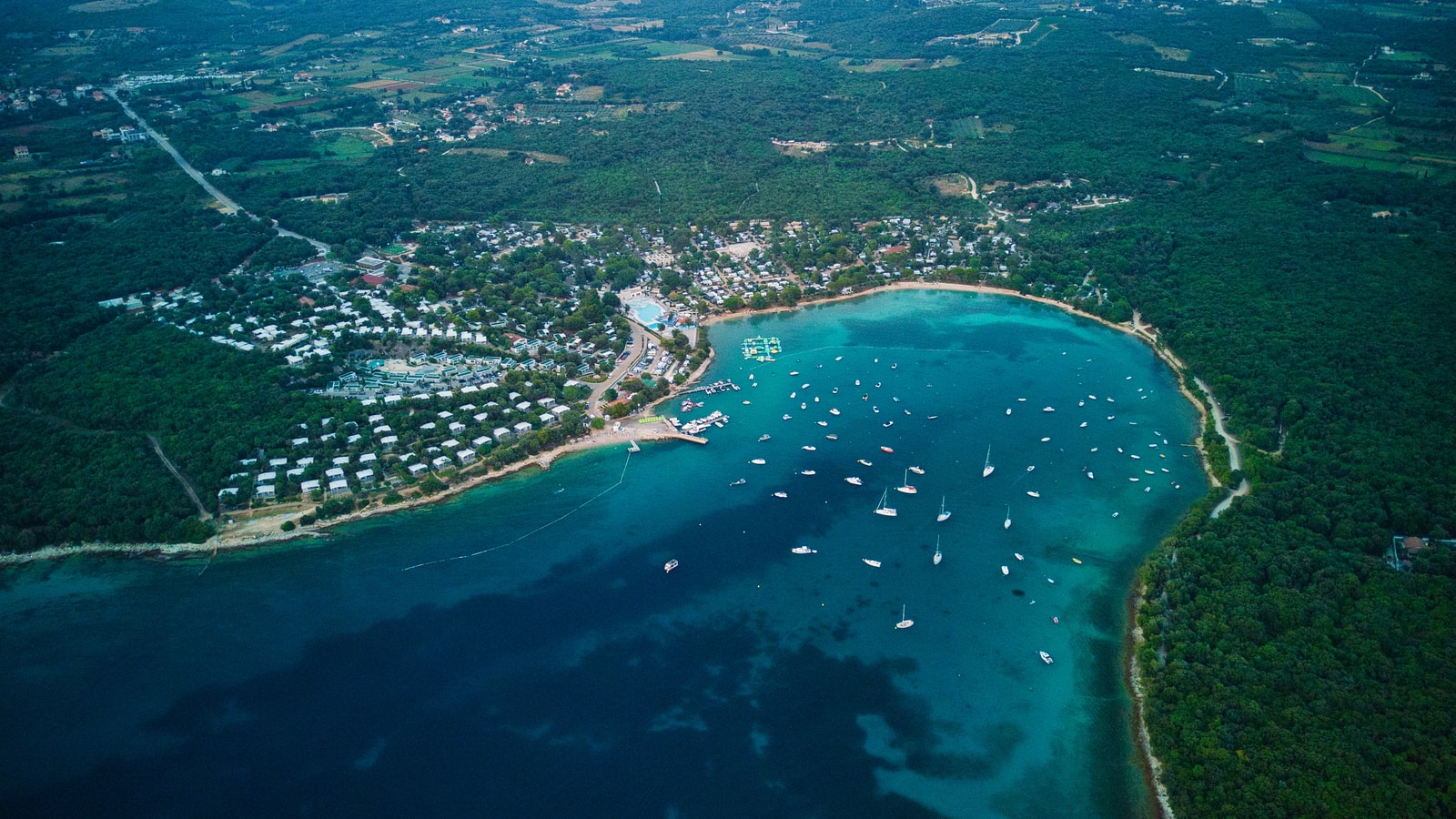
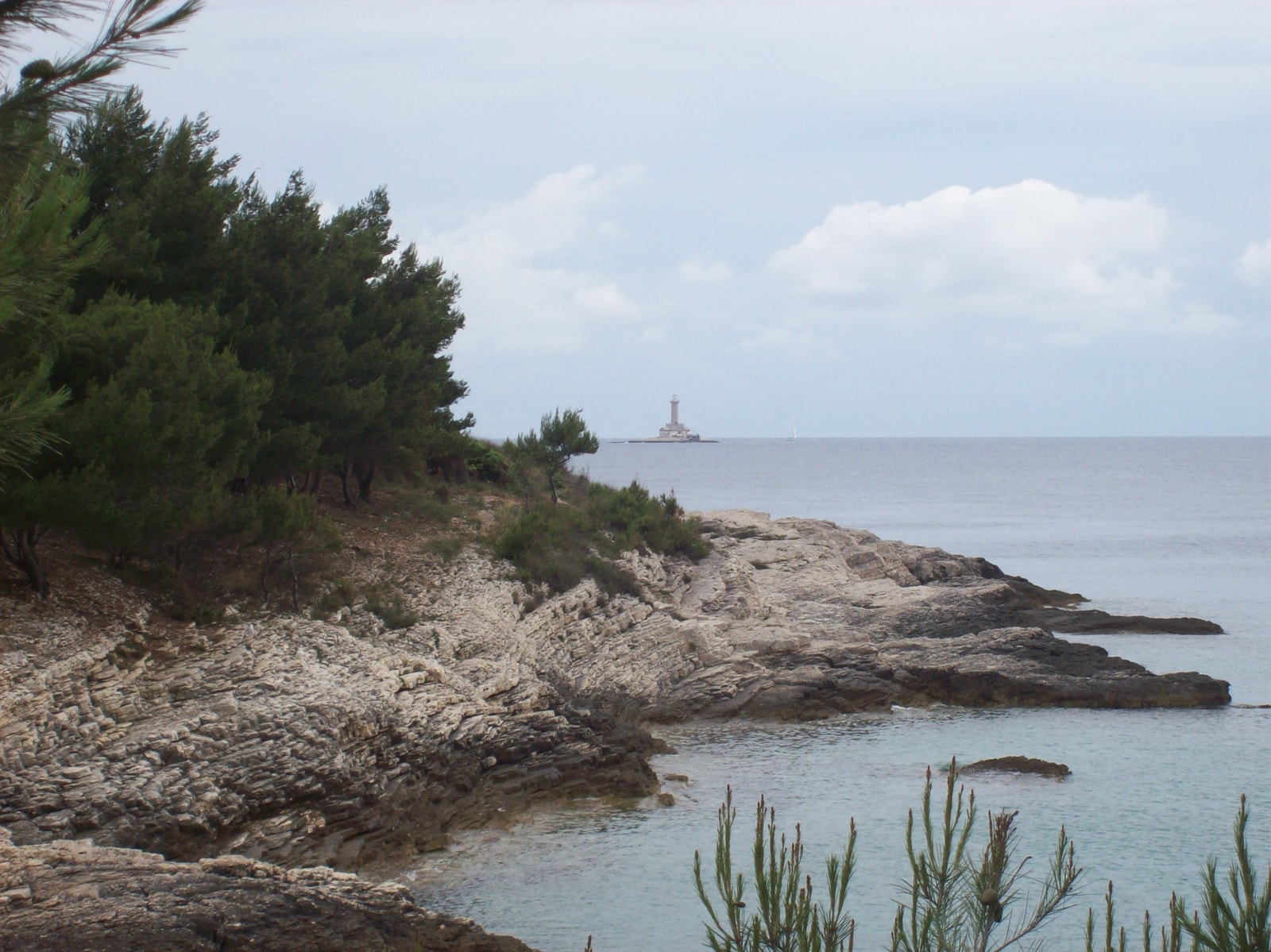
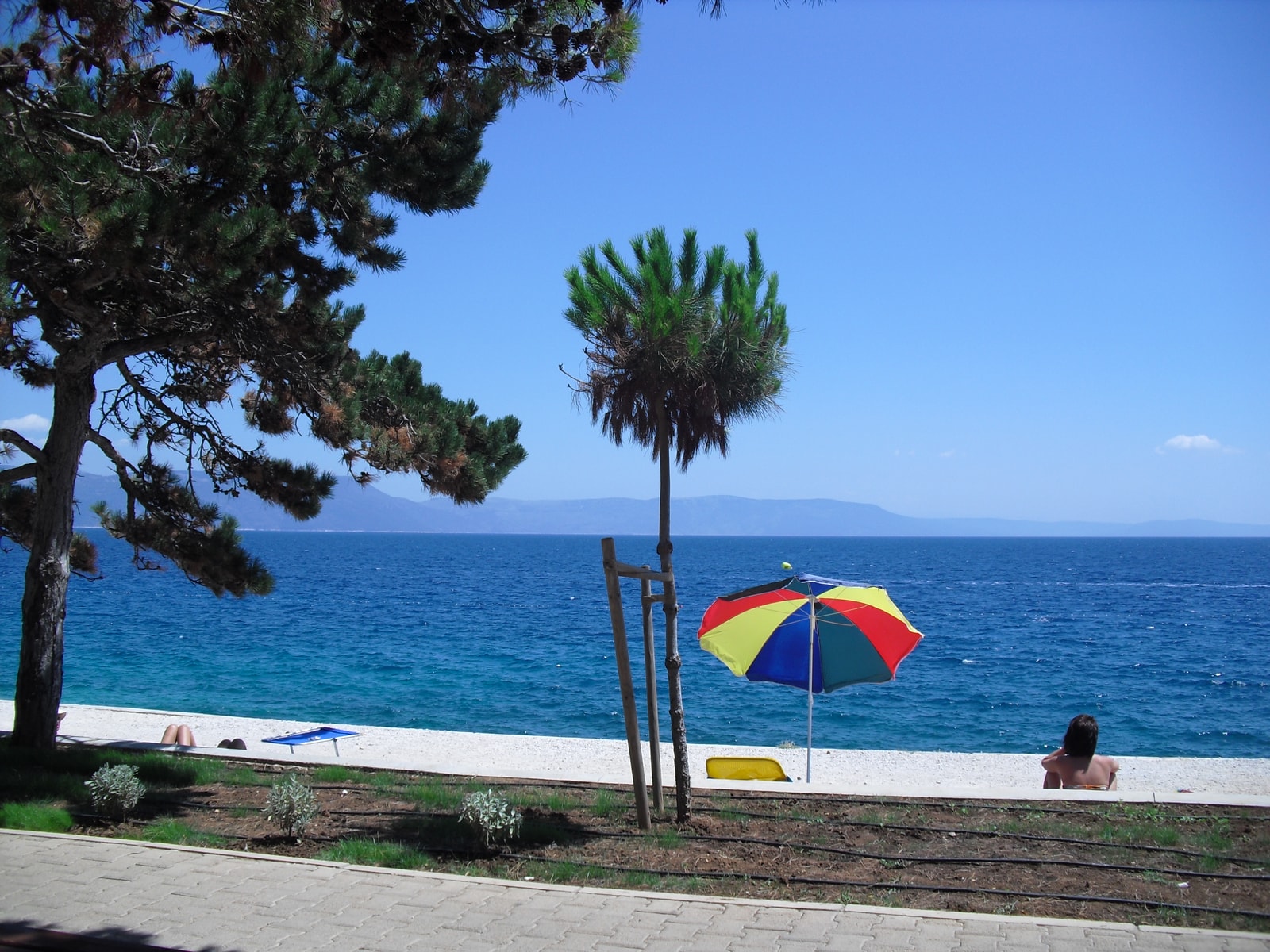
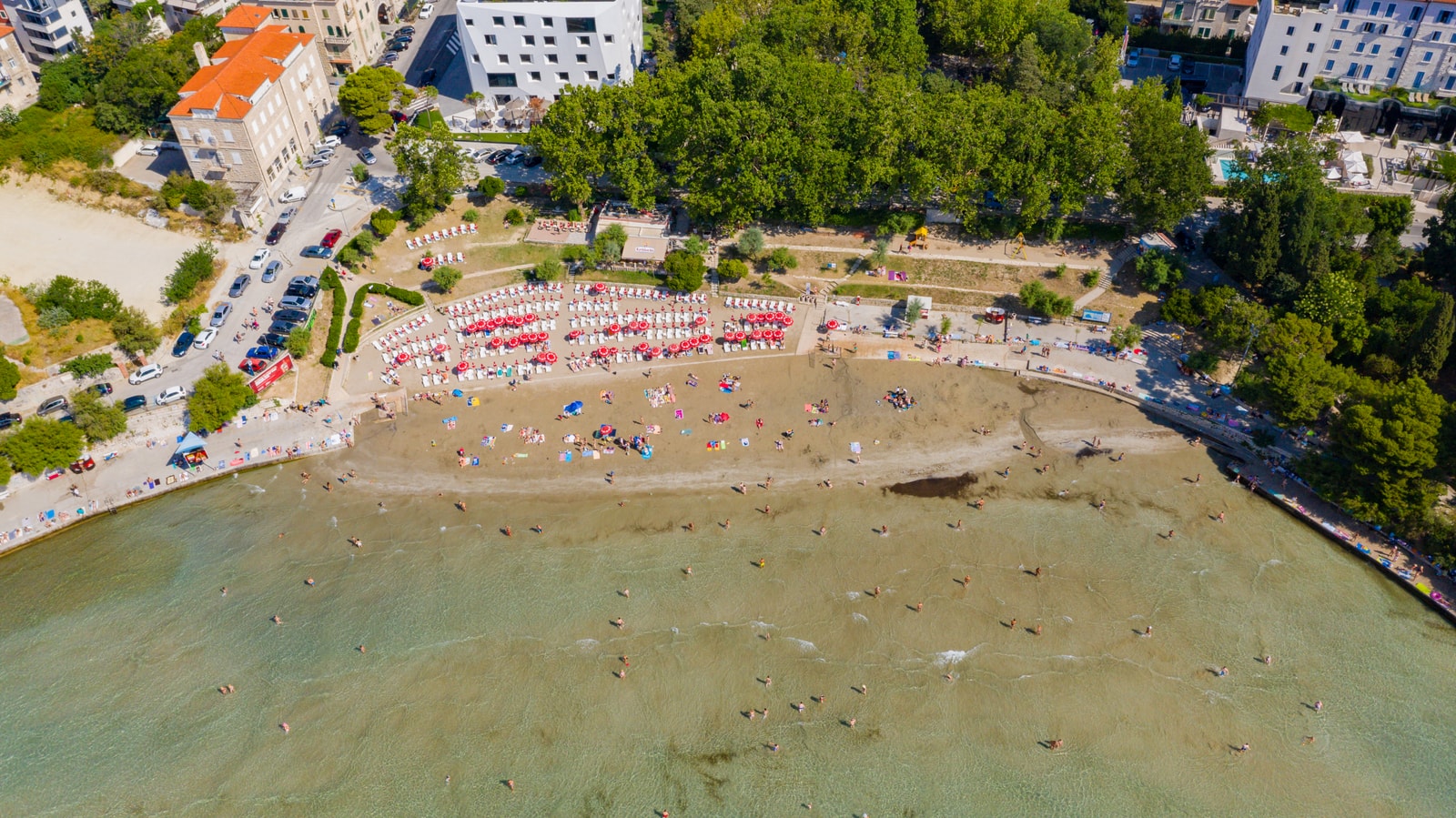
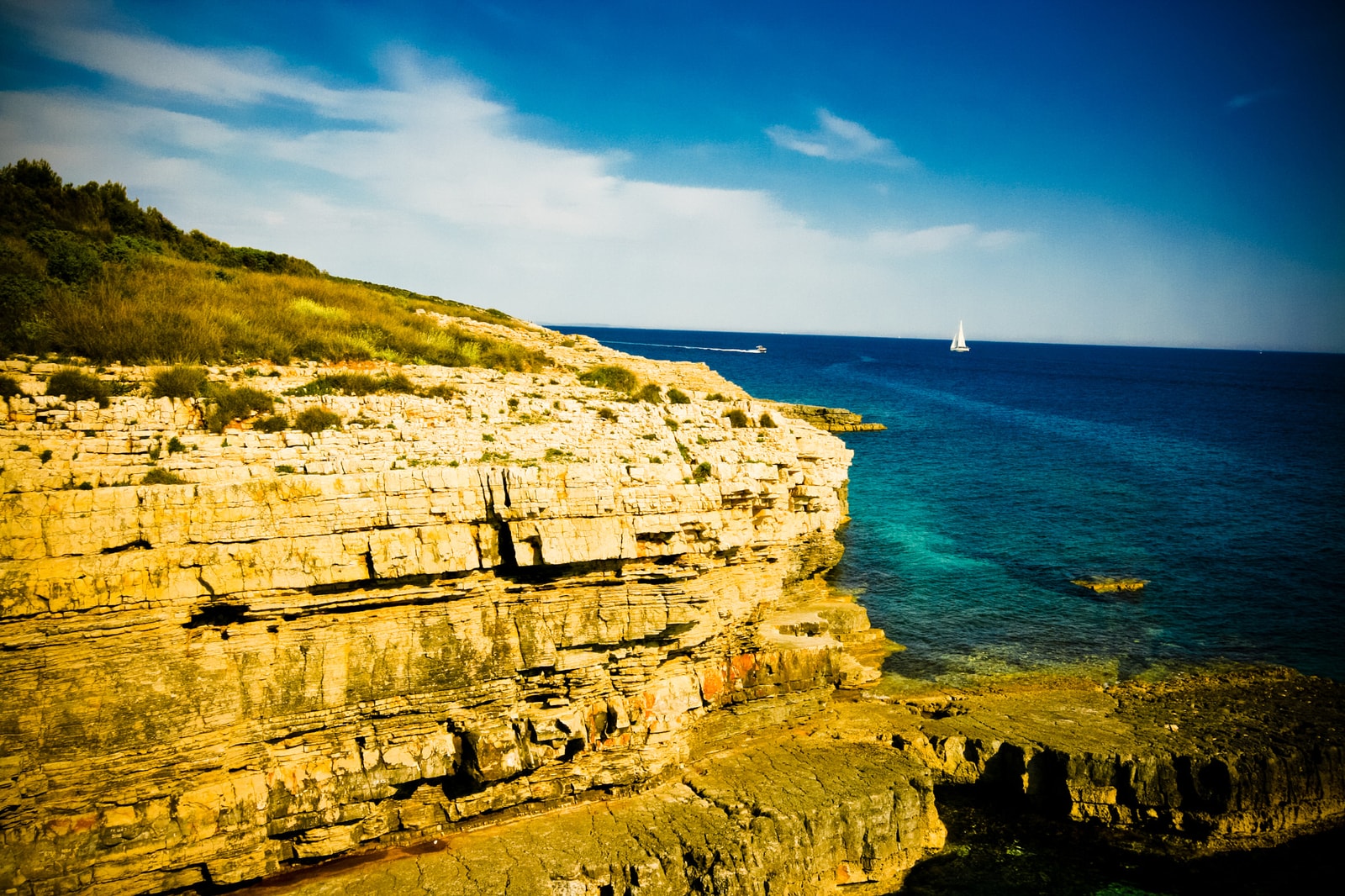
Welcome to Istria, where the coast is a beautiful landscape of pebbly shores, rocky ledges, and paved sunbathing terraces. If you're looking for vast stretches of sand, you're in the wrong place, but what you'll find instead is pristine water and a uniquely rugged charm.
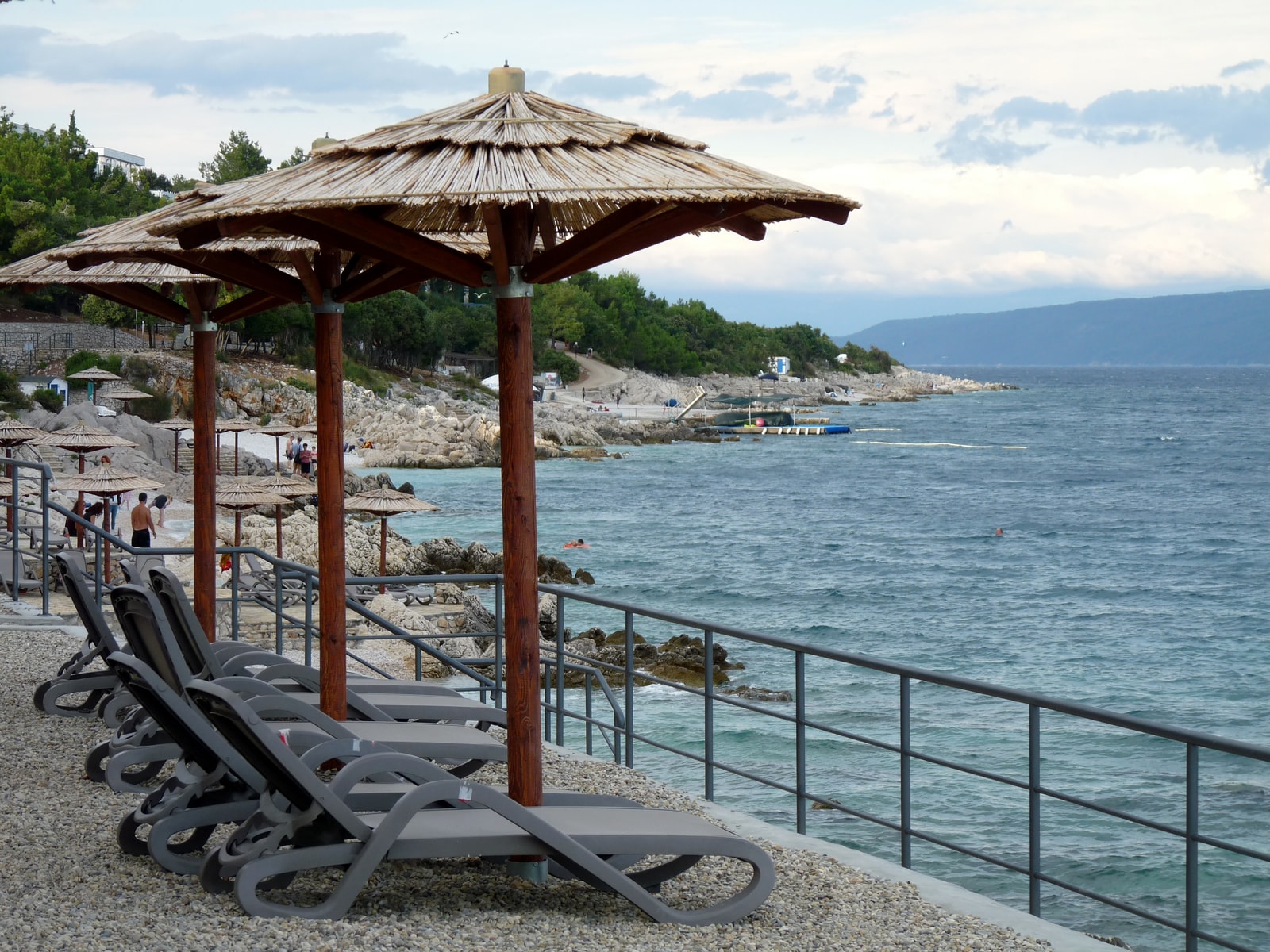
This commitment to nature is proven by the 43 Blue Flags awarded to its beaches, a testament to top-tier water quality and safety. The secret to enjoying the peninsula during the busy months of July and August is to explore the smaller spots along the eastern coast or southern tip.
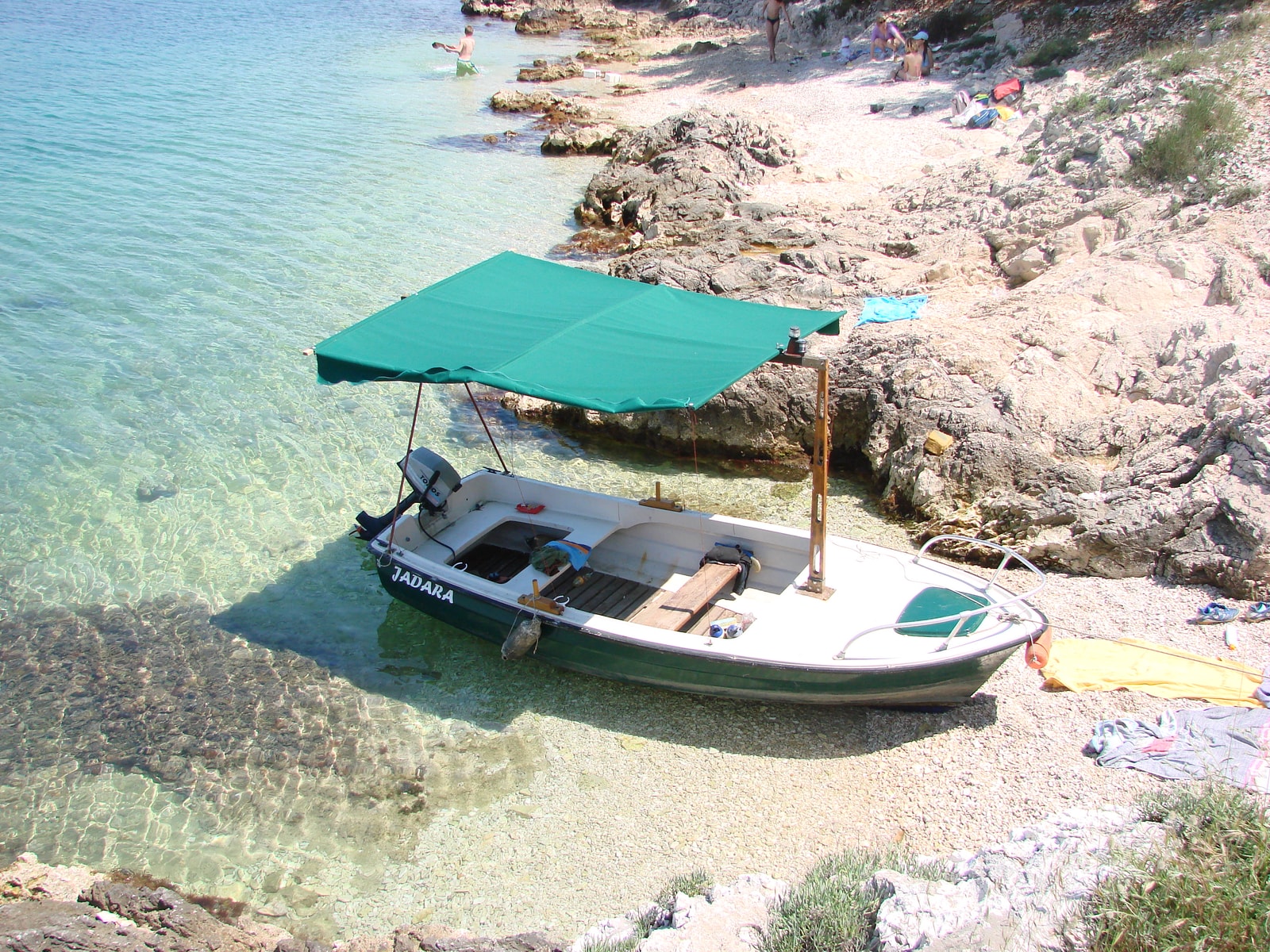
One non-negotiable tip: pack a pair of sturdy water shoes. They are essential for navigating the limestone rocks and avoiding the local sea urchins, which are a sign of incredibly clean water. For those driving, Croatia's digital tolling system simplifies travel on the main "Istrian Y" highway.
South Istria: Wild Coves and Cliff-Jumping Havens
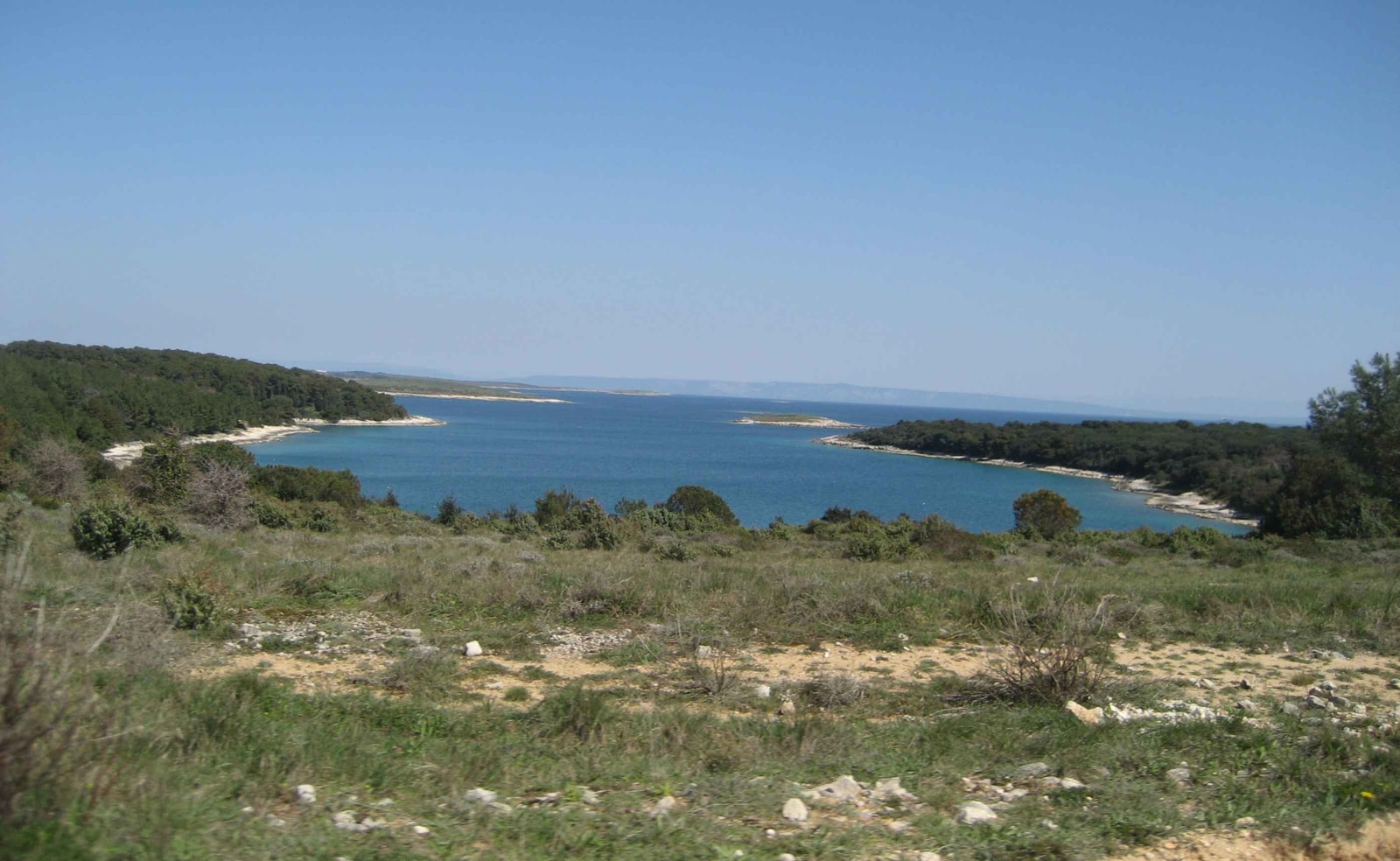
The southern part of the peninsula, including Pula, Premantura, and Medulin, is defined by its wild, dramatic coastline. Here you'll find spectacular coves and some of the region's most famous natural landscapes.
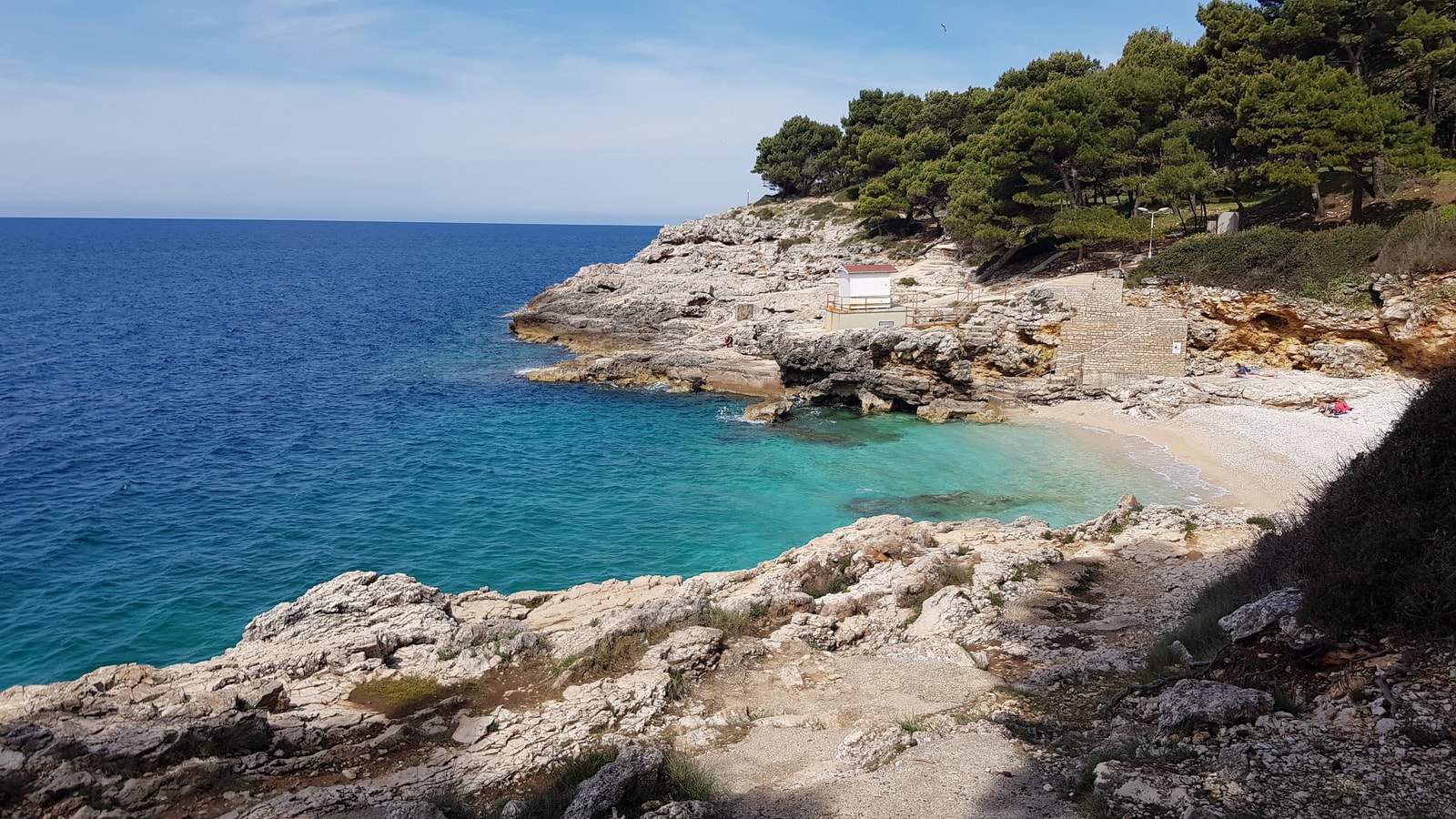
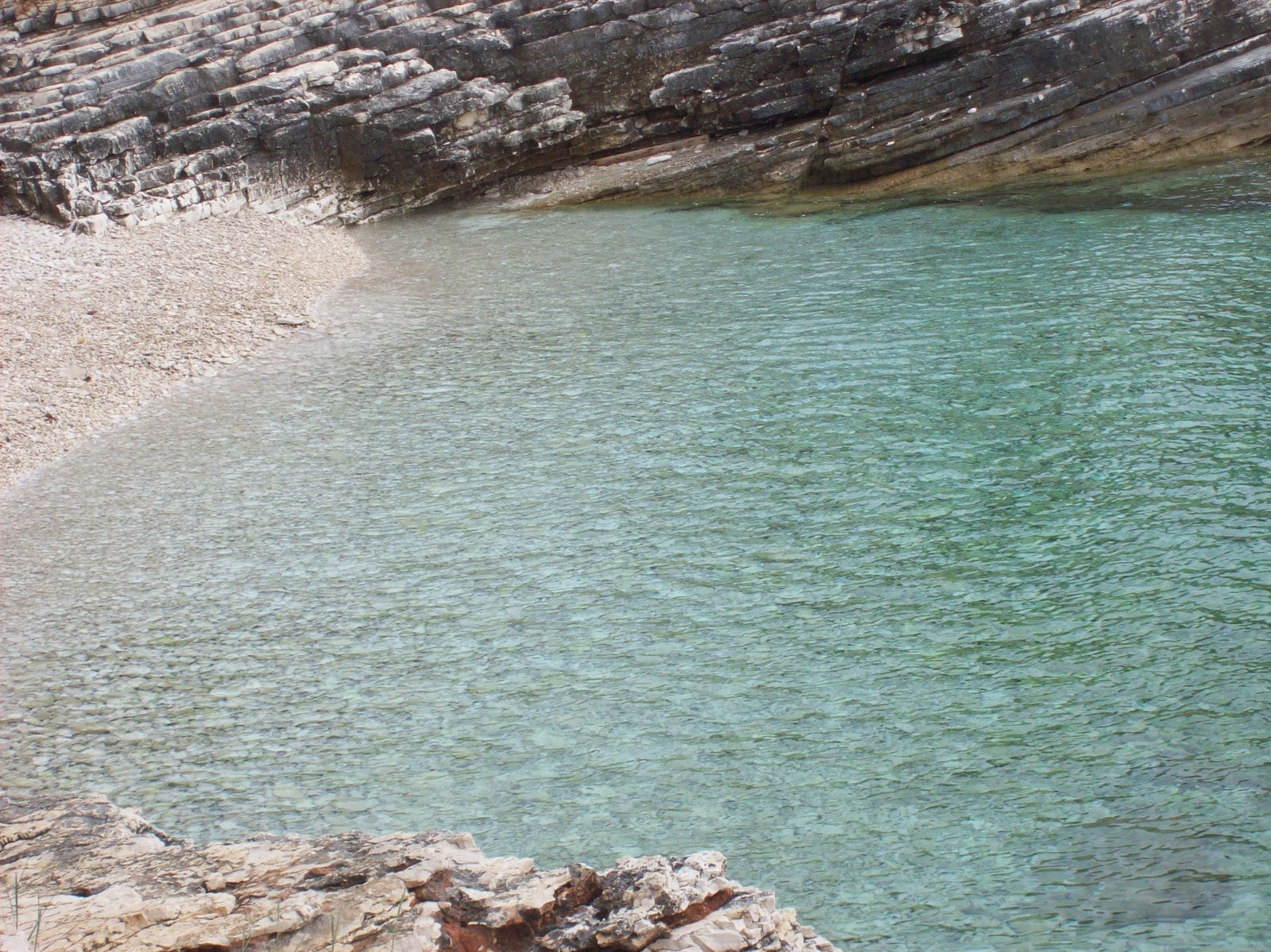
Pula is home to several standout beaches. Hawaii Beach (Havajka) is a picture-perfect cove with white pebbles and turquoise water, framed by cliffs perfect for jumping. Nearby, the Blue Flag Ambrela Beach is a family favorite due to its gentle slope and pine tree shade.
Cape Kamenjak, a protected nature reserve in Premantura, is a must-visit. Mala Kolombarica offers high cliffs for adrenaline-seekers and a nearby underwater cave for snorkelers. Afterwards, unwind at the legendary, driftwood-built Safari Bar. The reserve also hides gems like Pinizule Cove, where you can find fossilized dinosaur footprints on limestone rocks.
For those craving sand, Medulin is the answer. Bijeca Beach is Istria's most famous sandy beach, with exceptionally shallow waters that make it ideal for families with toddlers.
West Istria: Resort Life and Old Town Panoramas
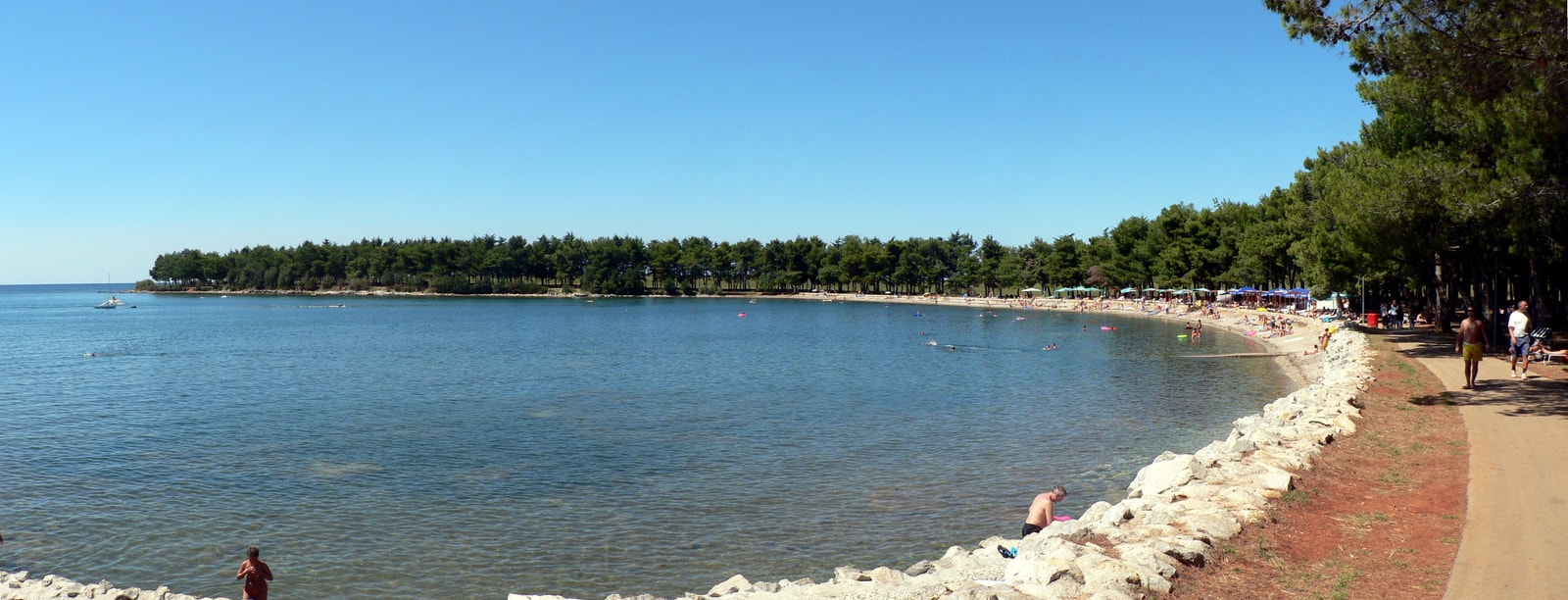
The western coast offers a different vibe, with well-developed resorts, pine-shaded coves, and beautiful views of historic towns like Rovinj, Poreč, Novigrad, and Umag.
Rovinj is famed for its romantic old town. Nearby, you'll find Lone Bay (Uvala Lone), a pebble beach in the Zlatni Rt Forest Park with plenty of natural shade and relaxed beach bars. For panoramic views of the old town, head to Val de Lesso (Borik).
Poreč is a hub for active tourism. The Zelena Laguna (Green Lagoon) resort coast is packed with amenities, including tennis courts and a professional wakeboard cable ski lift. The nearby Plava Laguna (Blue Lagoon) is fringed by dense pine forests, offering a more natural setting.
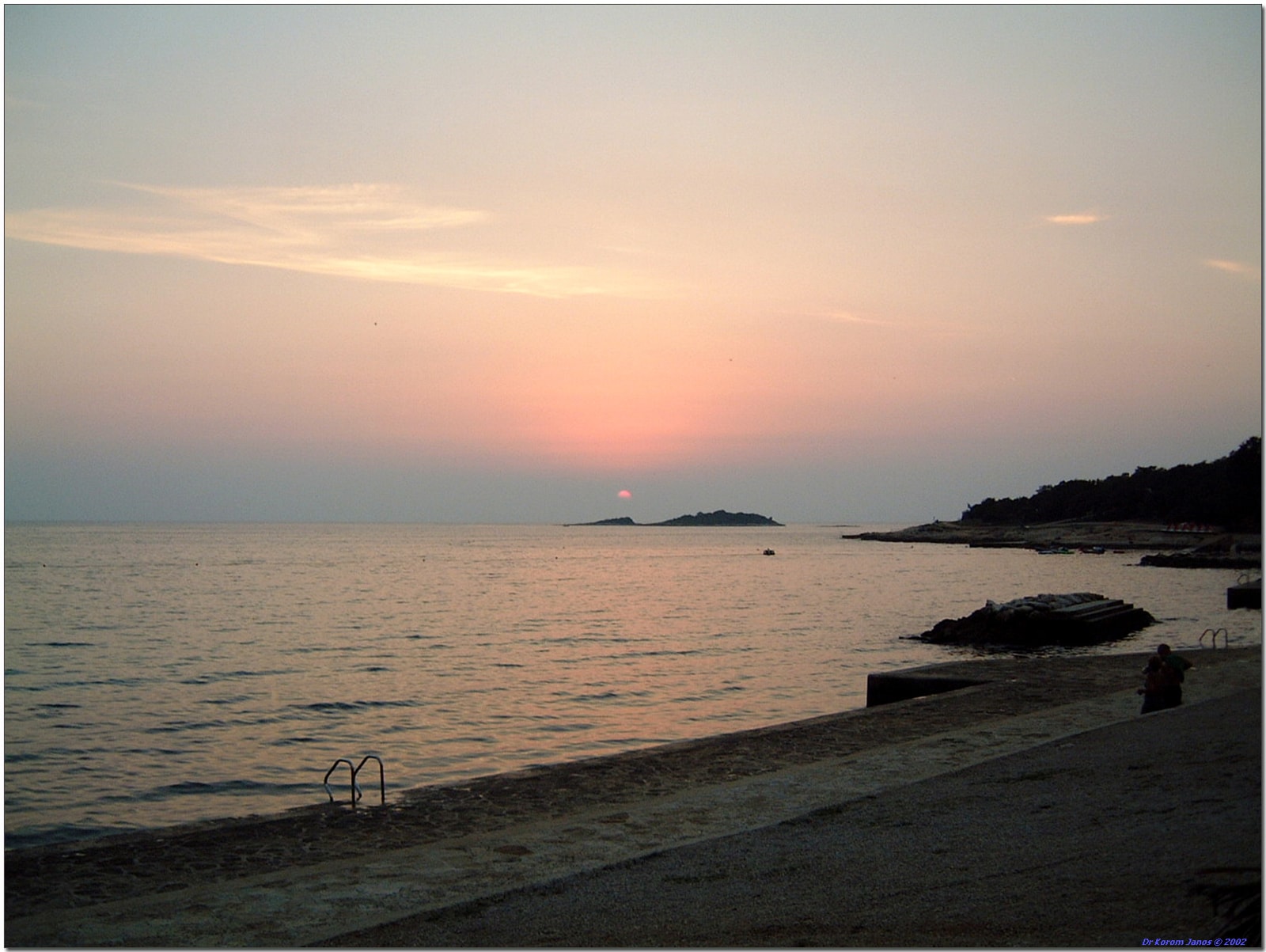
Further north, Umag boasts one of the peninsula's rare natural sandy beaches. Zambratija Beach features a soft sandy seabed and a laid-back atmosphere. For more action, the Stella Maris Lagoon is a protected pebble beach with water parks and sports facilities.
East Istria: Dramatic Slopes and Deep Blue Waters
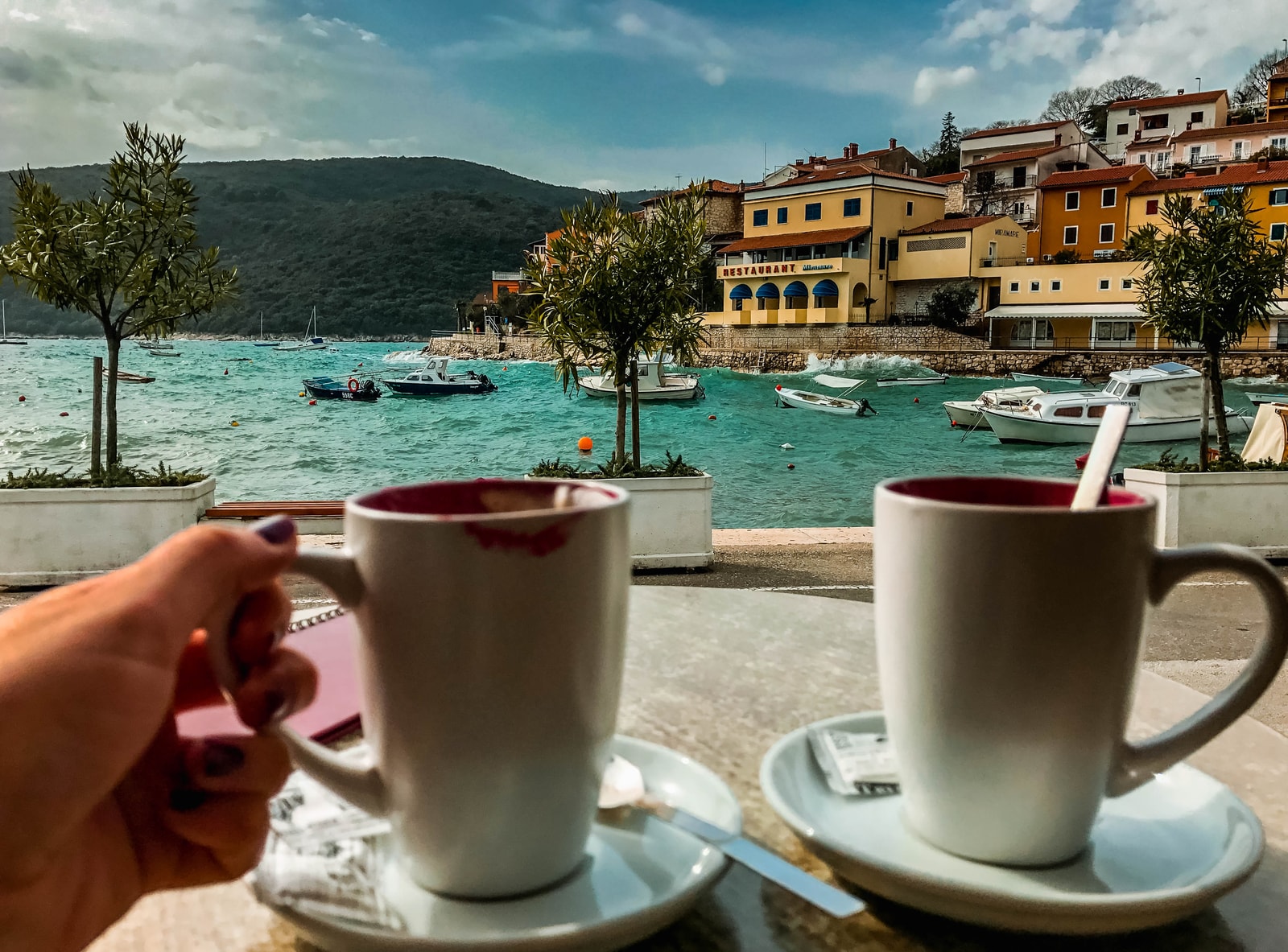
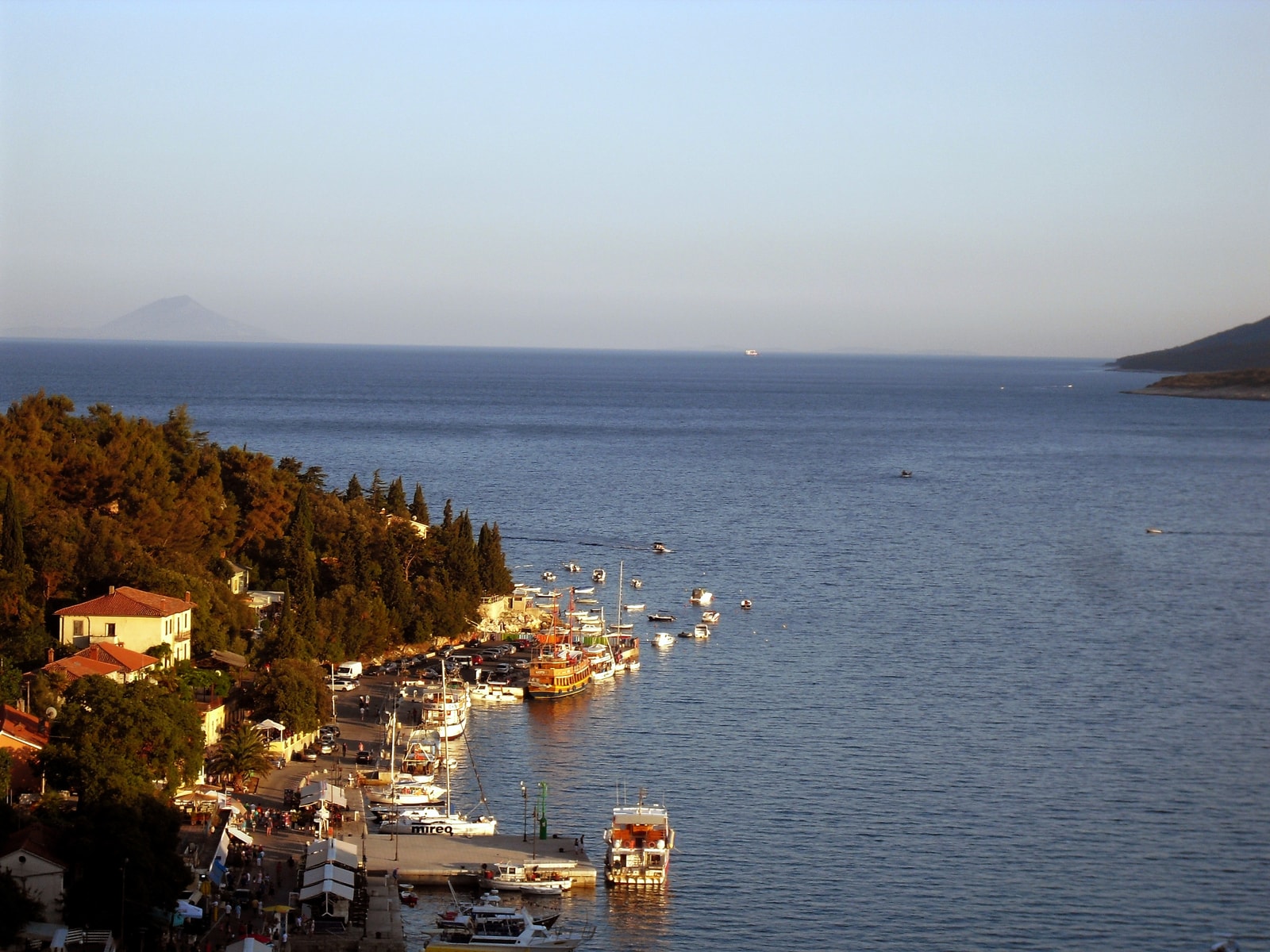
Istria's eastern coast, centered around Rabac, is characterized by steep, pine-covered slopes that plunge into the exceptionally clear, deep-blue waters of the Kvarner Gulf.
Rabac is the star of the east coast. Girandella Beach is a pristine stretch of white pebbles with dedicated family and adult zones, plus upscale beach clubs. Maslinica Beach, the longest in Rabac, is highly family-friendly with a gentle entry and wheelchair access. For stunning views of Cres island, head to Lanterna Beach.
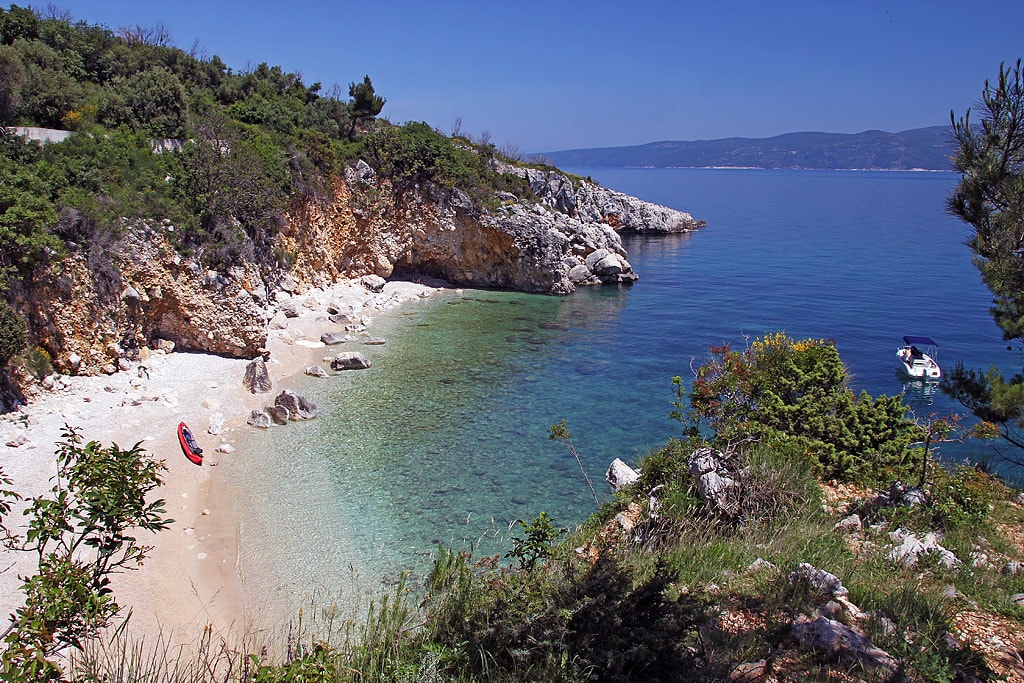
For those seeking adventure, the area offers more secluded spots. Ravni Beach is a local hotspot for windsurfing and scuba diving, thanks to its strong thermal winds. For true isolation, the undeveloped Huboka and Babina Coves are reachable only by boat or steep hiking paths.
Adventure on the Water: Sports and Secluded Spots
Istria's coastline is an active traveler's dream. For cliff jumping, the top spots are Mala Kolombarica in Cape Kamenjak, with cliffs up to 15 meters, and the rugged Seagull's Rocks (Galebove Stijene) near Pula.
Windsurfers flock to Premantura, where the morning Maestral wind is ideal for beginners and the stronger afternoon winds challenge advanced riders. On the east coast, Ravni is another popular choice. For a different kind of thrill, Wake Park Poreč in Zelena Laguna offers a professional cable ski system for wakeboarding.
Nature lovers can explore Brijuni National Park, accessible by boat from Fažana. Here, you can snorkel over the sunken ruins of a 1st-century Roman villa in Verige Bay or seek solitude on the natural rocky shores of Kosika Beach.
Beach Culture: Naturism, Beach Bars, and Accessibility
Istria has been a European pioneer of naturism (FKK) since the 1960s. For the 2026 season, the legendary Koversada Park Camping Resort in Vrsar is evolving. The resort will operate on a hybrid model, with "Koversada Uncovered" preserving the clothes-free environment on 25% of the grounds, while the remaining 75% becomes a traditional textile zone.
The beach bar scene is vibrant and diverse. The iconic Safari Bar in Cape Kamenjak offers a unique jungle-like atmosphere. For upscale lounging, the Mulini Beach Club in Rovinj is debuting luxurious "Riva Lounge" spaces for 2026. Other hotspots include the stylish D'Or Beach Club in Funtana and the day-to-night Zeppelin Beach Bar in Pula.
Accessibility is also a priority. Many public beaches, like Valkane in Pula and Maslinica in Rabac, are equipped with ramps and paved pathways to ensure seamless wheelchair access to the sea.
Istria's Summer 2026 Coastal Events Calendar
The Istrian coast comes alive in the summer with a calendar full of music, food, and cultural festivals. Here are some of the key events to mark down for your 2026 trip.
- Summer in Poreč & Poreč Open Air (June 21 – September 30, 2026): The entire town of Poreč becomes an open-air stage with tribute performances and food festivals like the Tunalicious Street Food Festival.
- Rocks & Stars @ Cave Romane (August 7, 2026): An ancient Roman quarry hosts top musical acts. This year features a highly anticipated set by electronic music pioneer Carl Cox.
- Fisherman's Festivals (August 7, August 28, & September 18, 2026): Vrsar celebrates its culinary heritage with grilled seafood, local wine, and live music on the harbor.
- Fažana – "Things That Fishermen Know" Heritage Evening (August 9, 2026): Experience local maritime culture on the Fažana promenade with traditional crafts and music.
- Pula Arena Summer Series: Lorde in Concert (August 18, 2026): International artist Lorde performs under the stars in Pula's spectacular ancient Roman amphitheater.
- Street Music Festival (July 9 – August 27, 2026): Every Wednesday, Rabac's seaside promenade fills with acoustic artists and street performers at sunset.
- St. Pelagius Festivity (August 28–30, 2026): Novigrad's biggest summer party, featuring concerts, wine-tasting, and beachfront fireworks.
- Hook & Cook Festival (August 29, 2026): A modern seafood festival on the Medulin waterfront where chefs serve dishes straight from fishing boats, accompanied by DJ sets.
Gallery