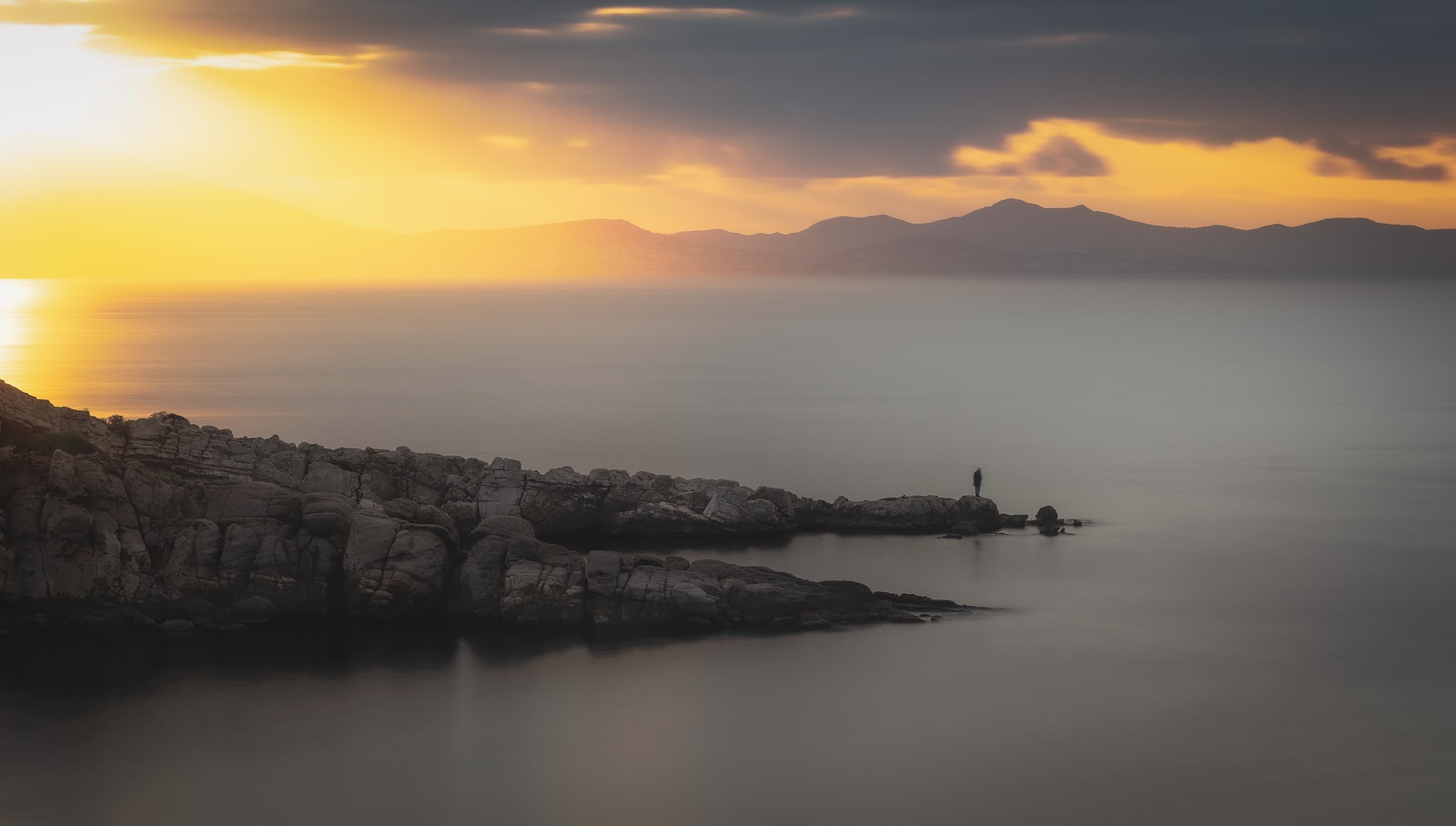
The Best Beaches in Madeira: Your Guide for Autumn 2026
From dramatic black sand coves and natural lava pools to golden family-friendly bays, discover the unique coastal gems of Madeira for your 2026 visit.
Published on 27 Sep 2026 15:48 GMT
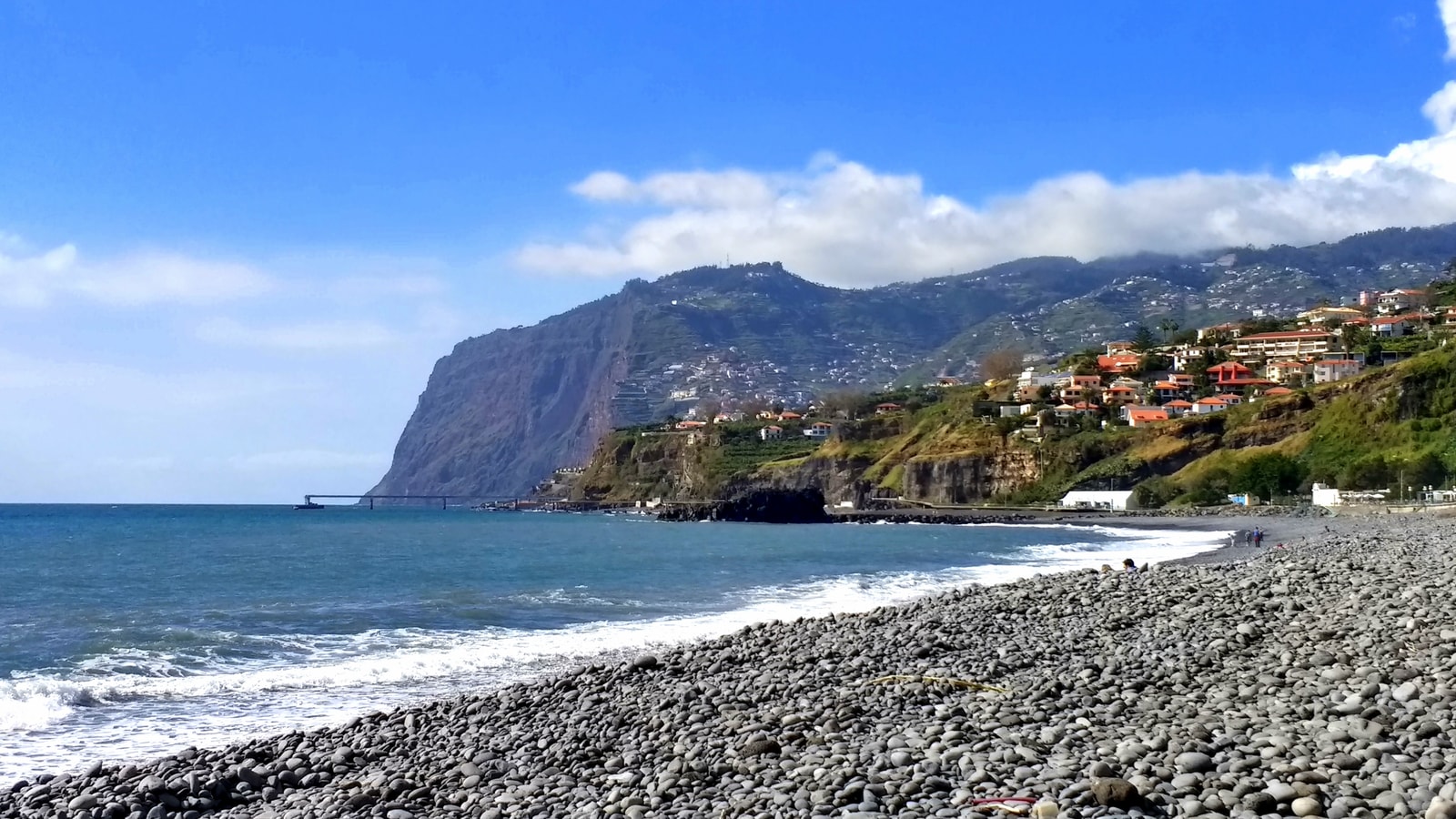
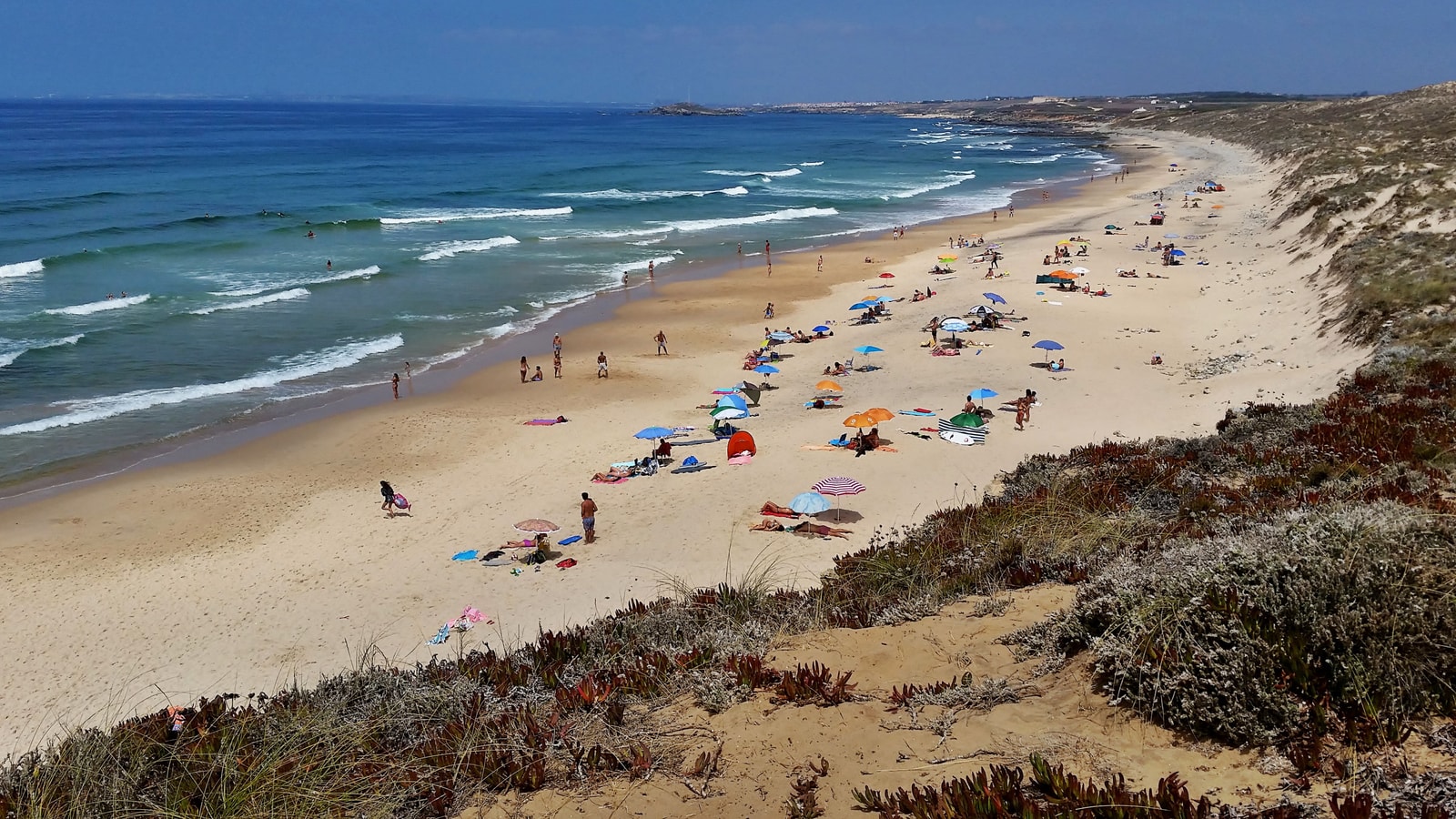
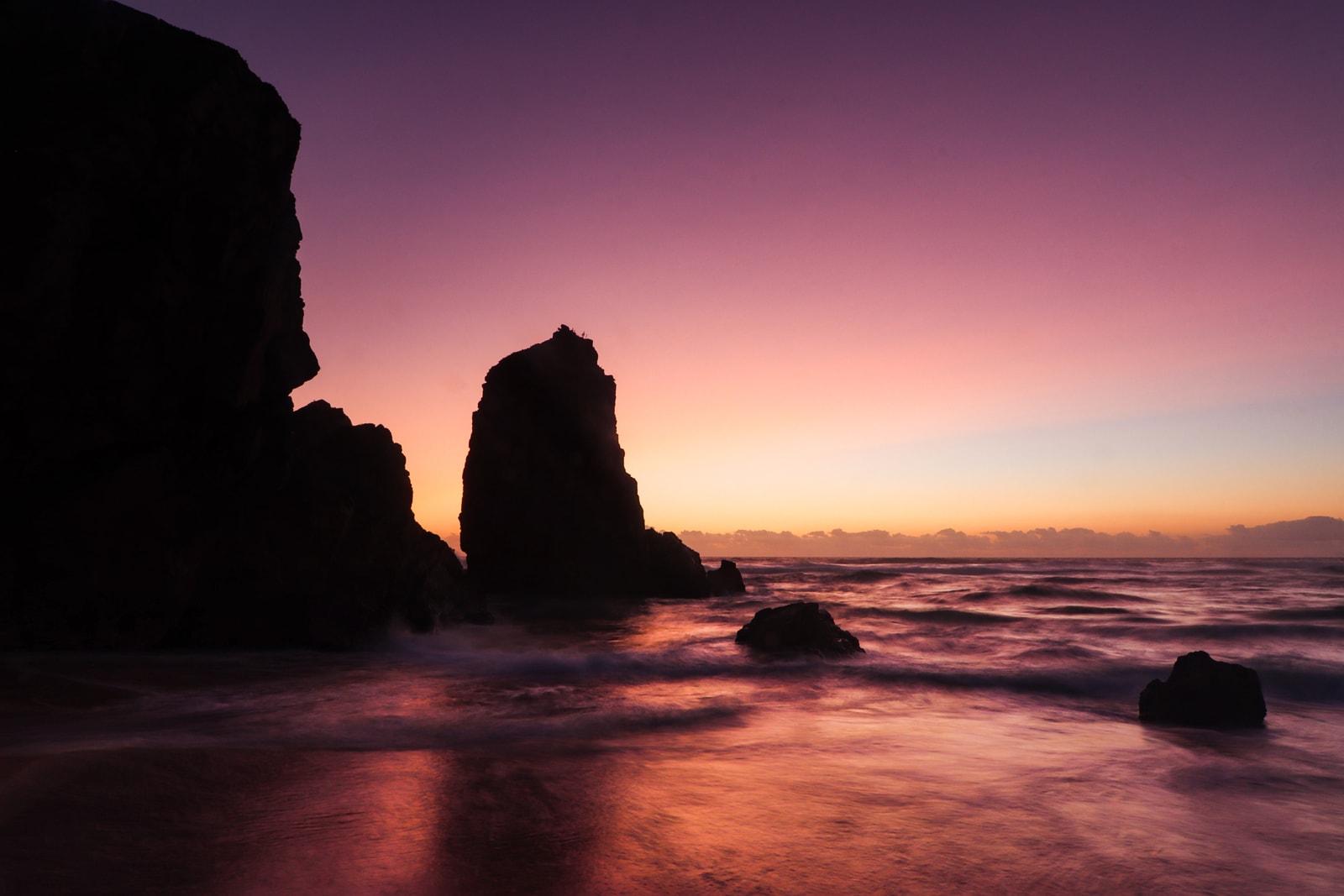
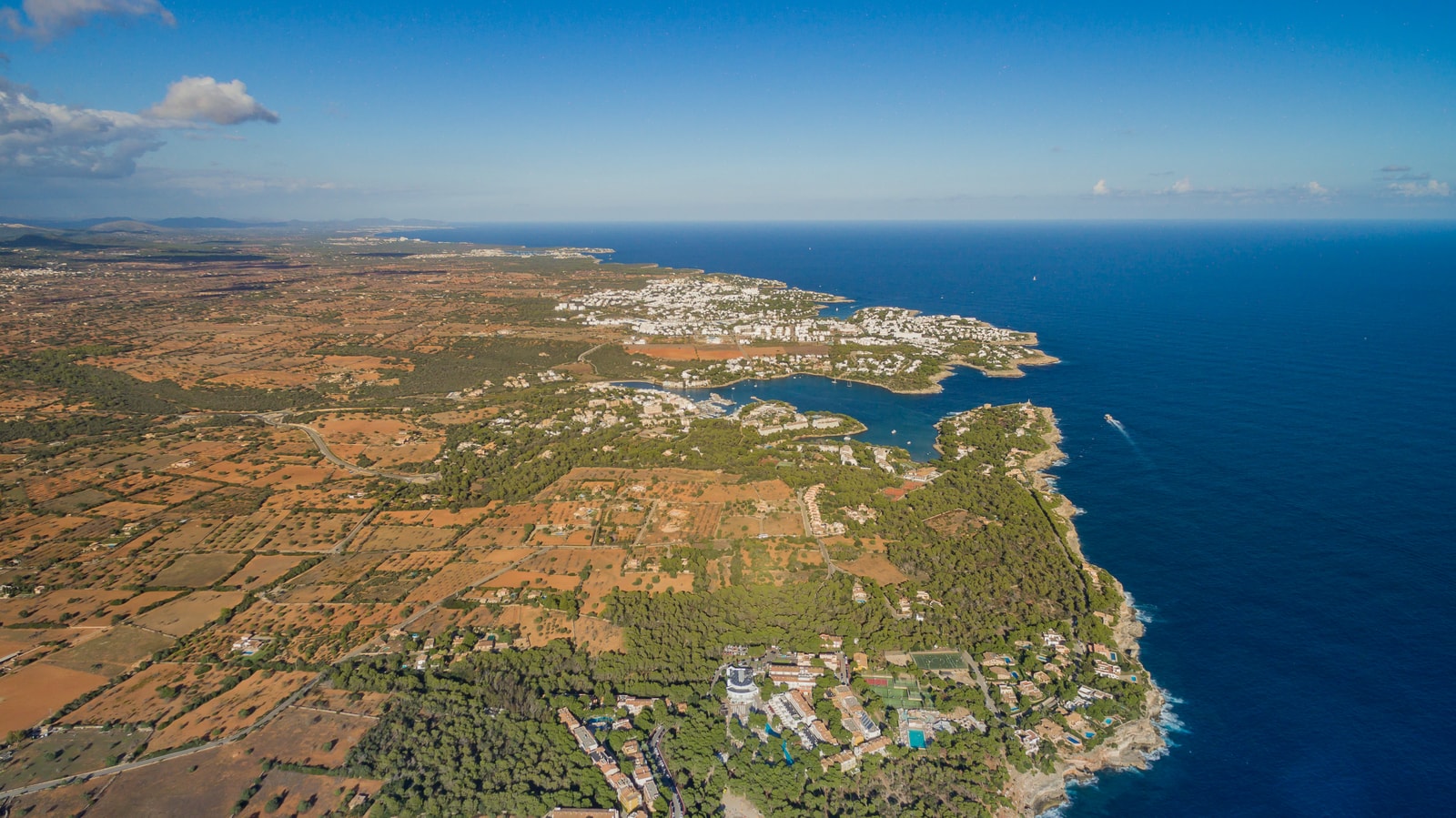
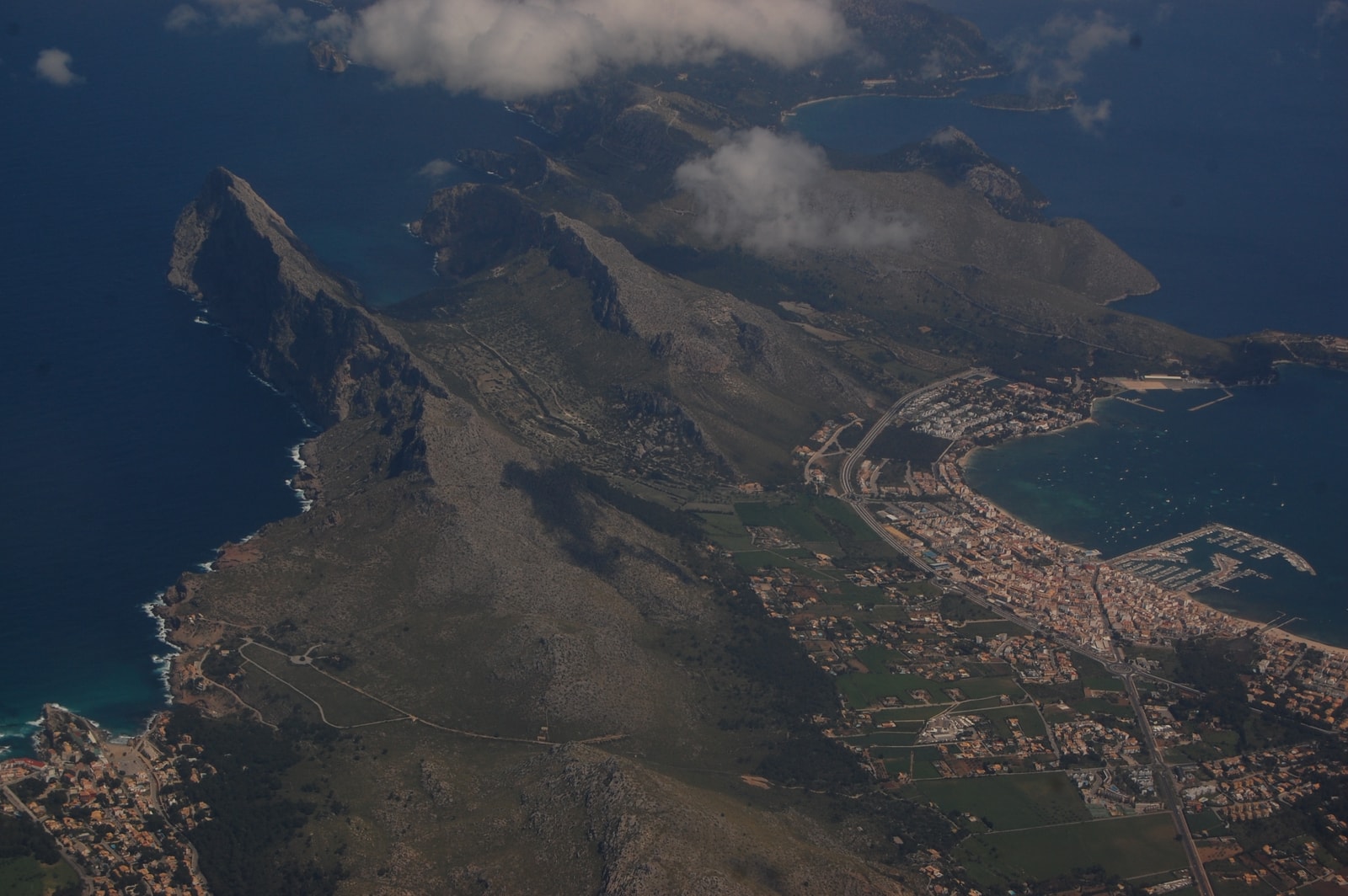
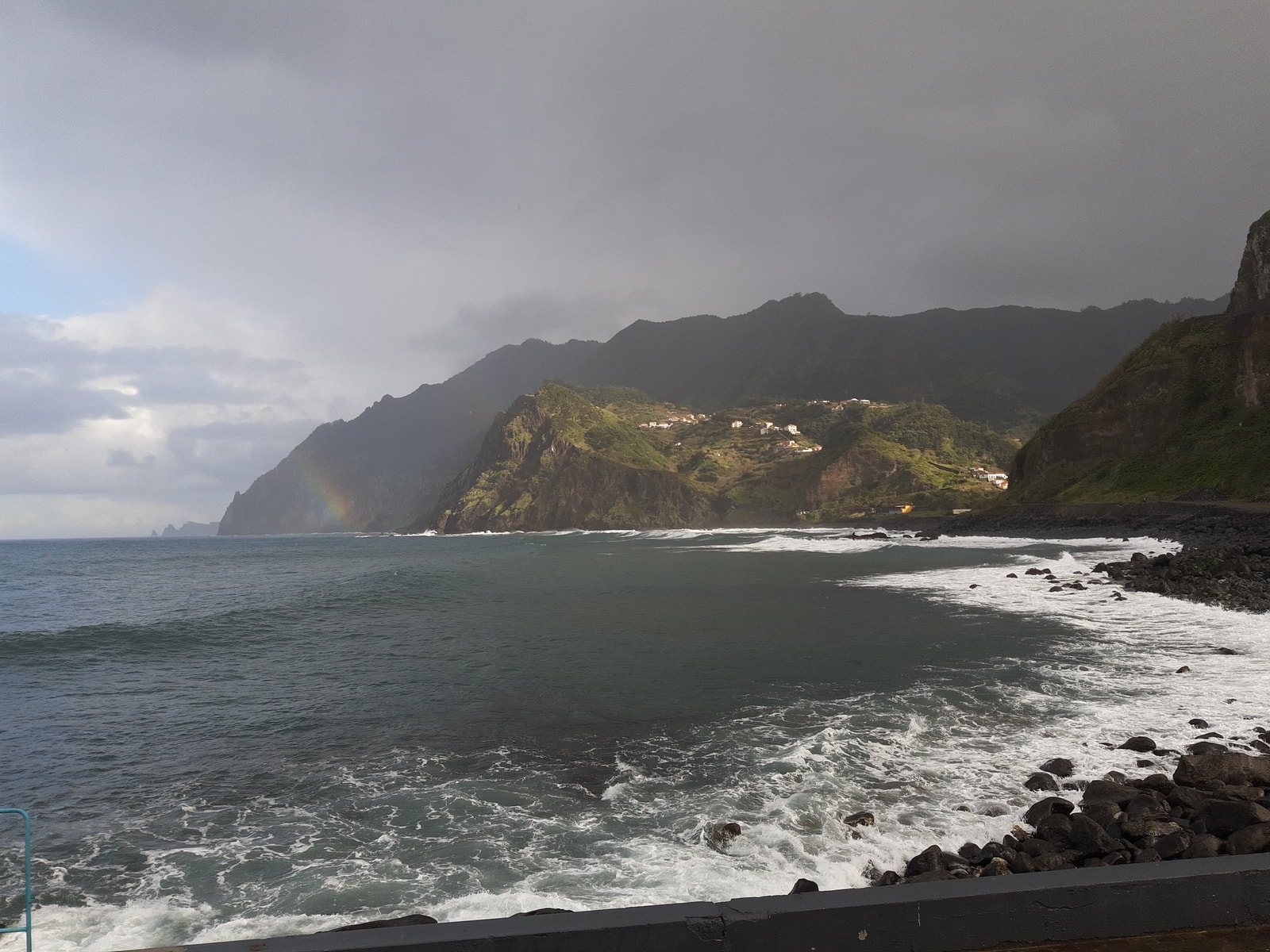
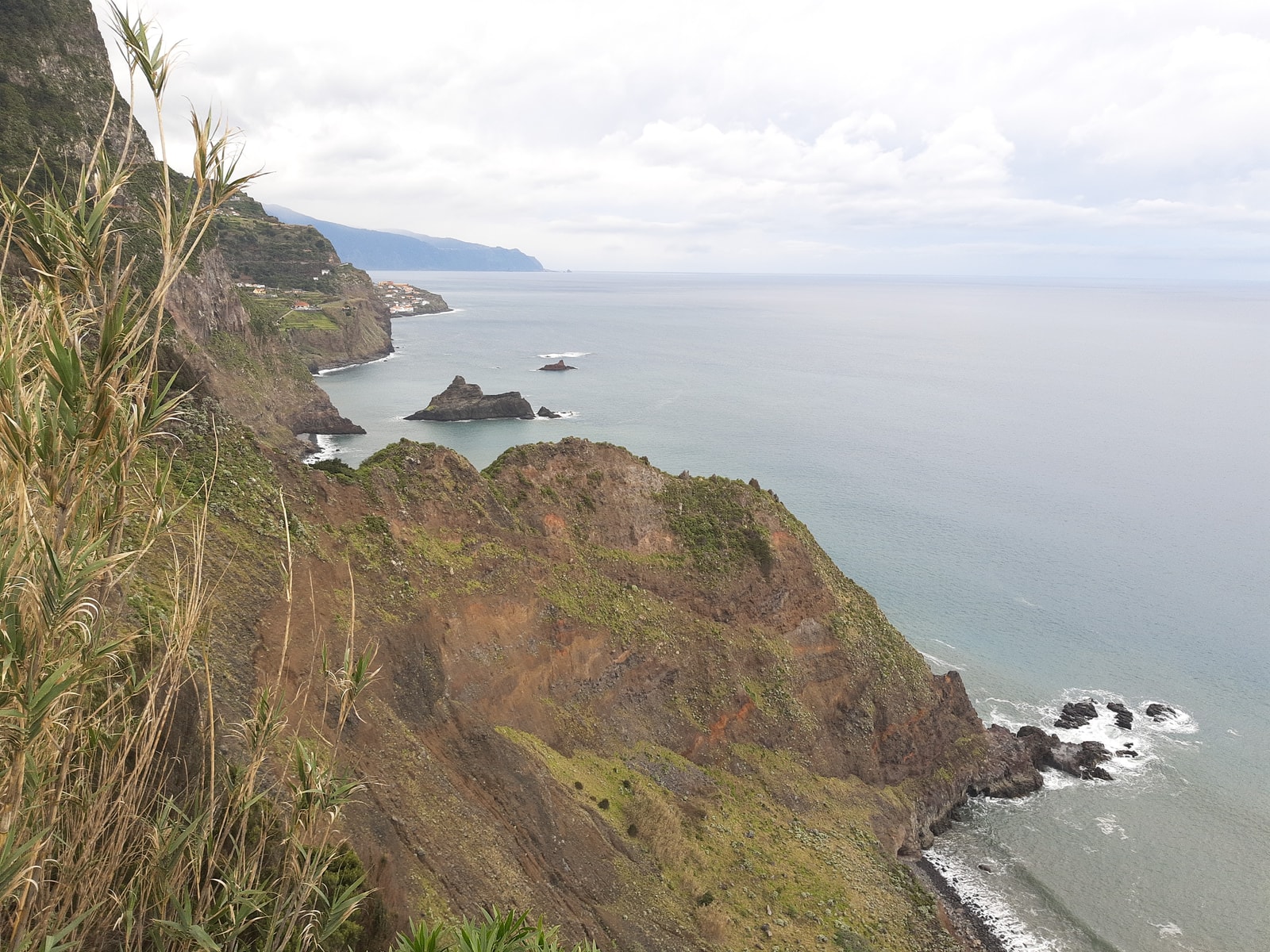
Madeira is not a traditional sandy beach destination, and that is precisely its charm. The island's volcanic origins have created a dramatic coastline of basalt cliffs, black sand shores, and unique pebble coves, offering a diverse range of swimming experiences beyond the typical.
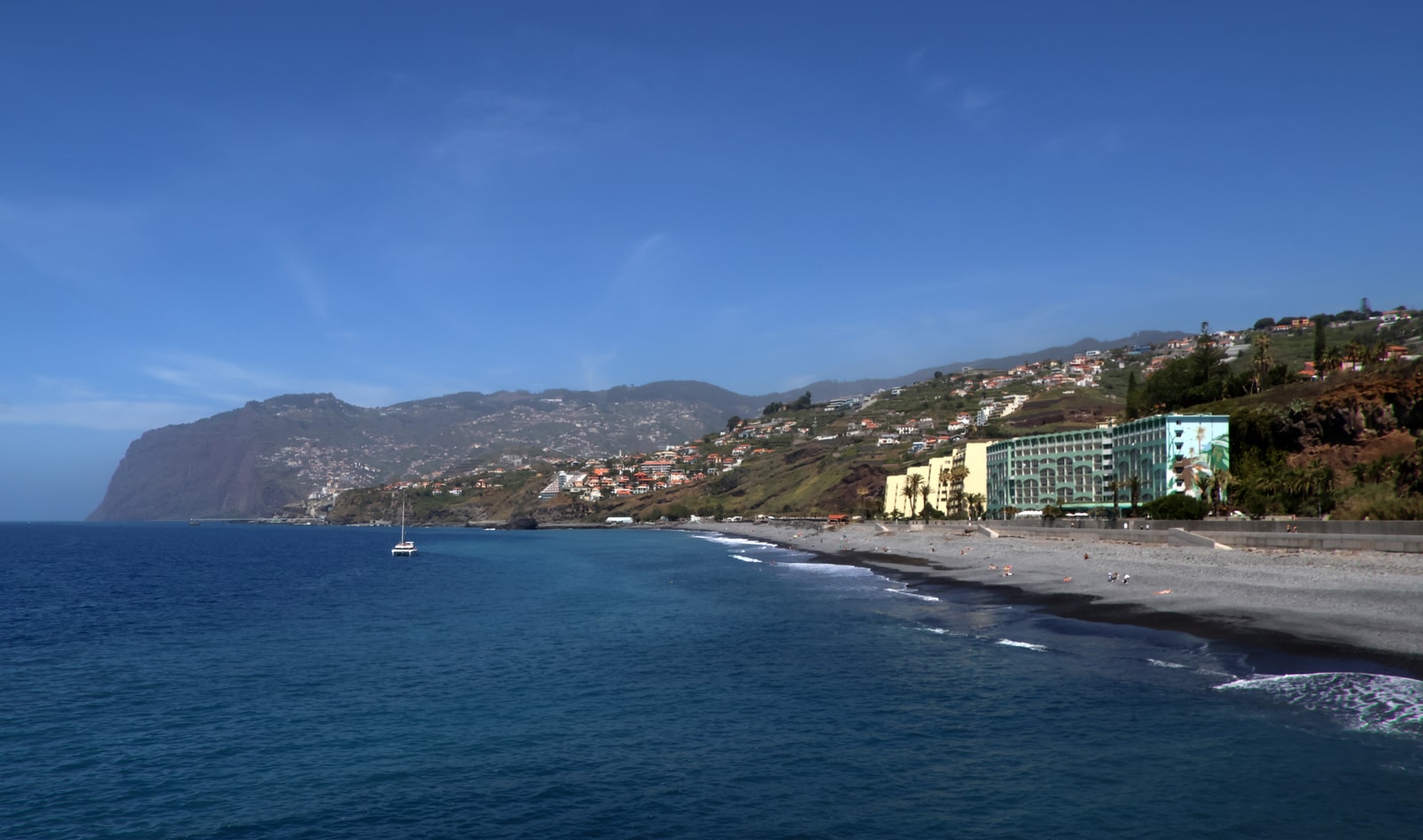
Madeira’s coast offers three broad environments for swimmers: open-ocean beaches, sheltered bays, and natural volcanic pools. Open-ocean spots like Praia Formosa boast incredible scenery, but the Atlantic waves can be powerful, so always check for warning flags.
Golden Sands: The Best Beaches for Families
For those seeking a classic beach day, Madeira has two excellent man-made options with golden sand imported from Morocco. These engineered beaches provide calm, family-friendly waters protected by breakwaters.
Machico Bay, nestled in a lush valley on the eastern coast, has the feel of a town bay. Its crescent shape and calm waters make it a favorite for both locals and visitors looking for a relaxed swim on imported yellow sand.
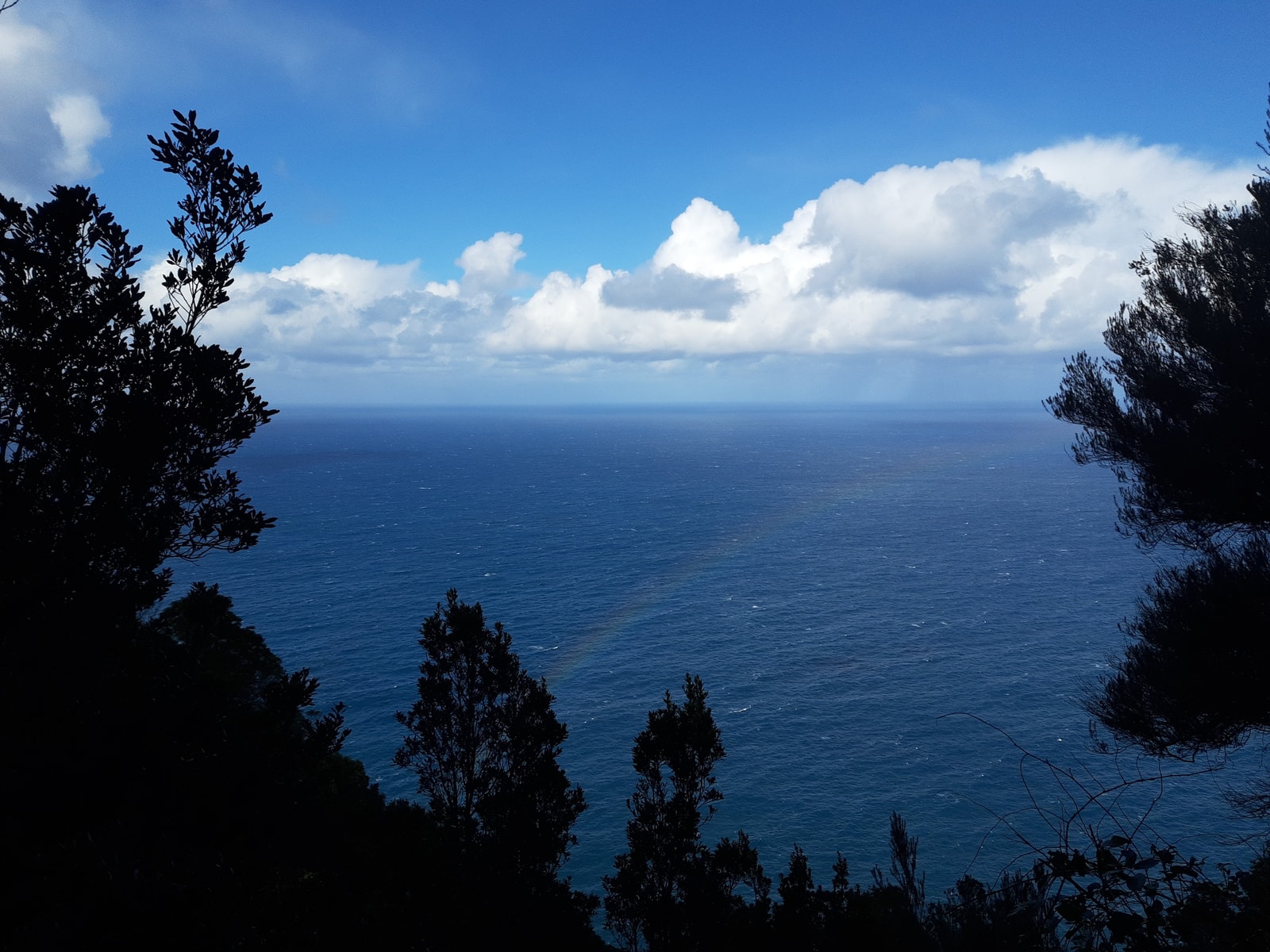
On the island's sunnier southwestern side, Calheta Beach provides a more modern, resort-style atmosphere. With two facing golden-sand beaches, it's a popular and sometimes busy spot for sunbathing and tranquil swimming, especially in the summer.
Porto Santo: The Archipelago's Classic Sandy Beach
Porto Santo Beach is the major exception to Madeira's predominantly volcanic shoreline: a natural golden-sand beach extending for approximately nine kilometres. Porto Santo is a separate island within the Madeira archipelago, not a beach reached by road from Funchal, so it requires a flight or the inter-island ferry and is best treated as a dedicated day trip or overnight stay.
The long beach changes character along its length. The sections near Vila Baleira and Fontinha are the most convenient for town facilities; Cabeço da Ponta and Ribeiro Salgado serve visitors staying near the resort hotels; and Calheta Beach at the southwestern end mixes sand with rock formations and is particularly attractive around sunset.
Choose Porto Santo when a spacious, conventional sand beach is more important than Madeira Island's cliffs, pebble coves, and lava pools. Even though the shore is generally associated with calmer water than many exposed beaches on Madeira Island, travellers should still check the day's flags and marine conditions before swimming and confirm ferry or flight schedules in advance.
Dramatic Black Sand Beaches
Madeira’s natural beaches are a testament to its volcanic heart, with striking black sands formed from pulverized rock. These beaches offer some of the island's most memorable coastal scenery.
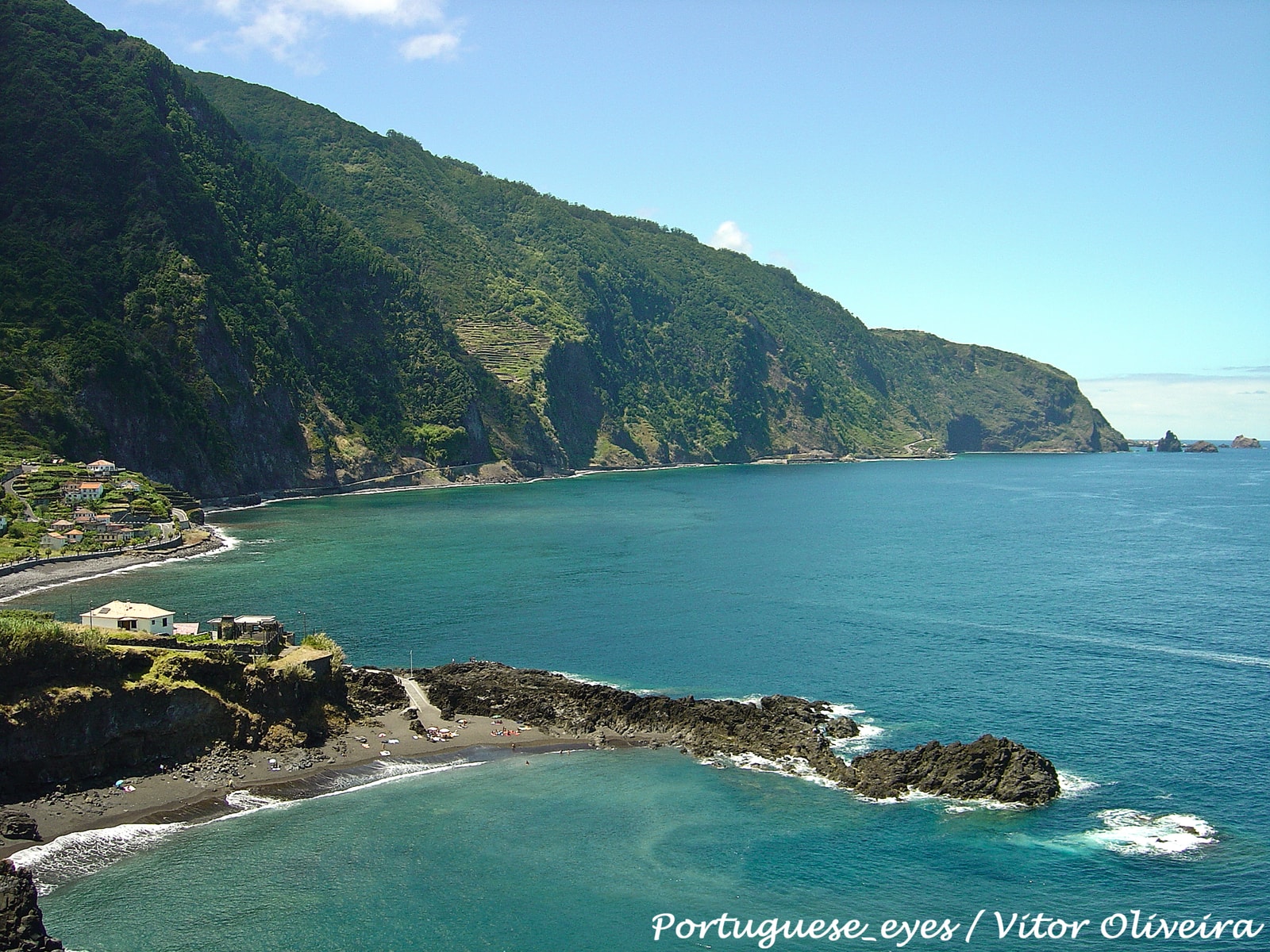
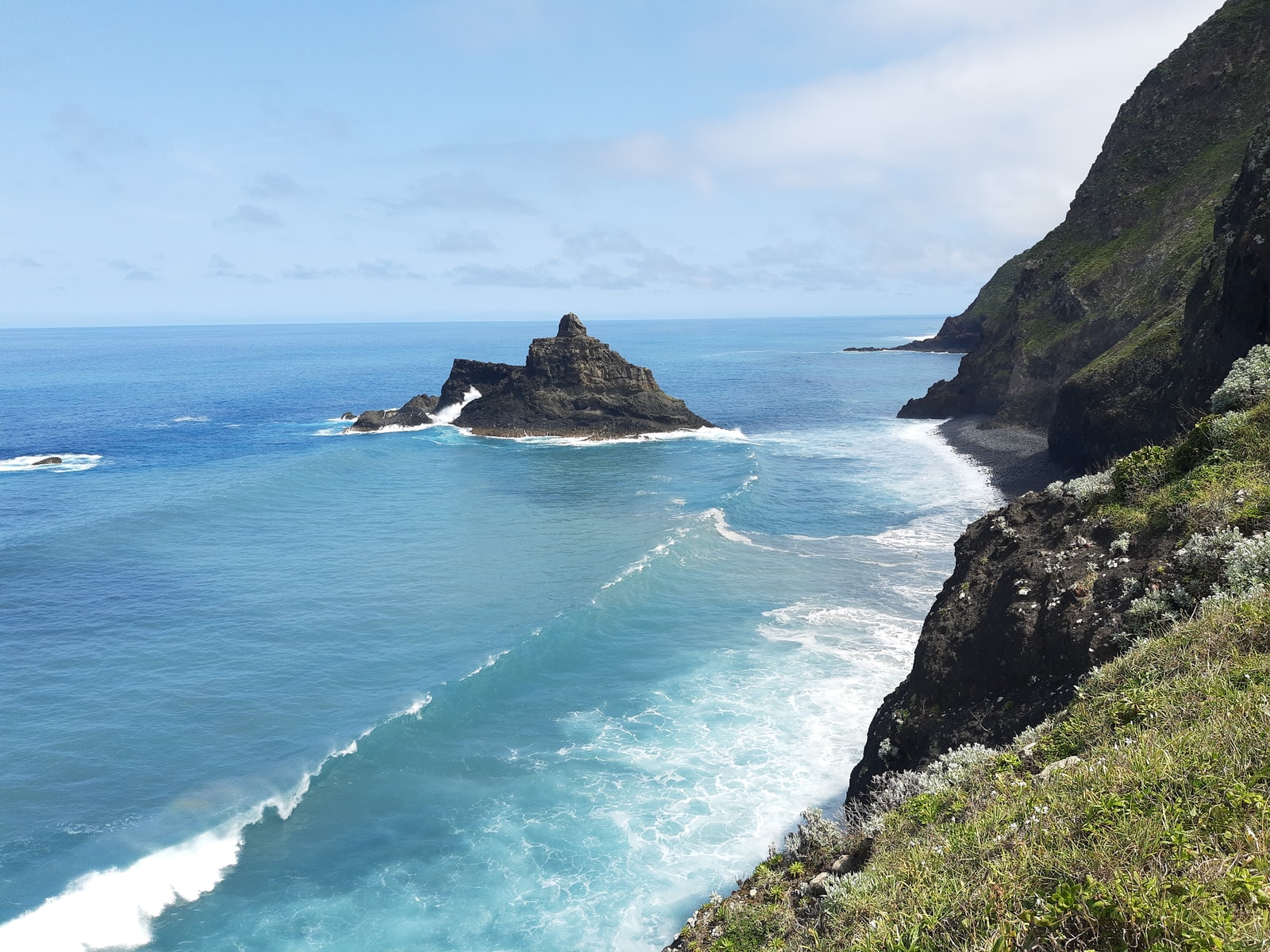
Often called one of Europe’s most beautiful, Seixal Beach is a stunner. Its dark sand is framed by lush green cliffs and waterfalls, creating a scene that feels almost prehistoric. When the Atlantic swell is strong, stay out of the water and enjoy the beach from shore.
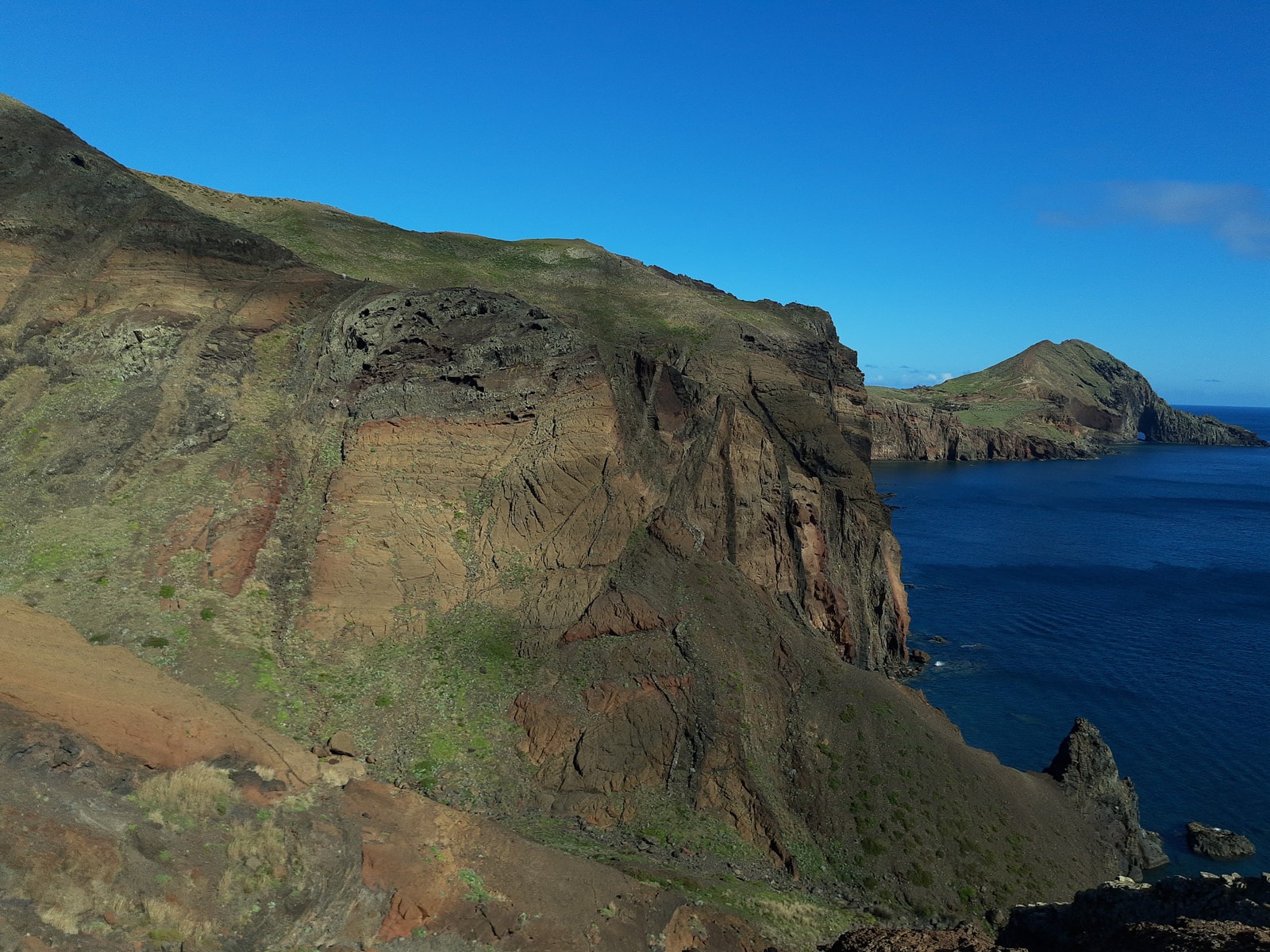
Prainha at Caniçal is another of the island’s rare natural sand beaches. Located near the Ponta de São Lourenço peninsula, its dark, copper-colored sand comes from the surrounding volcanic landscape.
For water sports enthusiasts, Praia de São Vicente on the north coast is a popular spot for surfing. The Atlantic swells create rougher water and stronger currents, making it less suited for casual swimming.
The Famous Natural Lava Pools
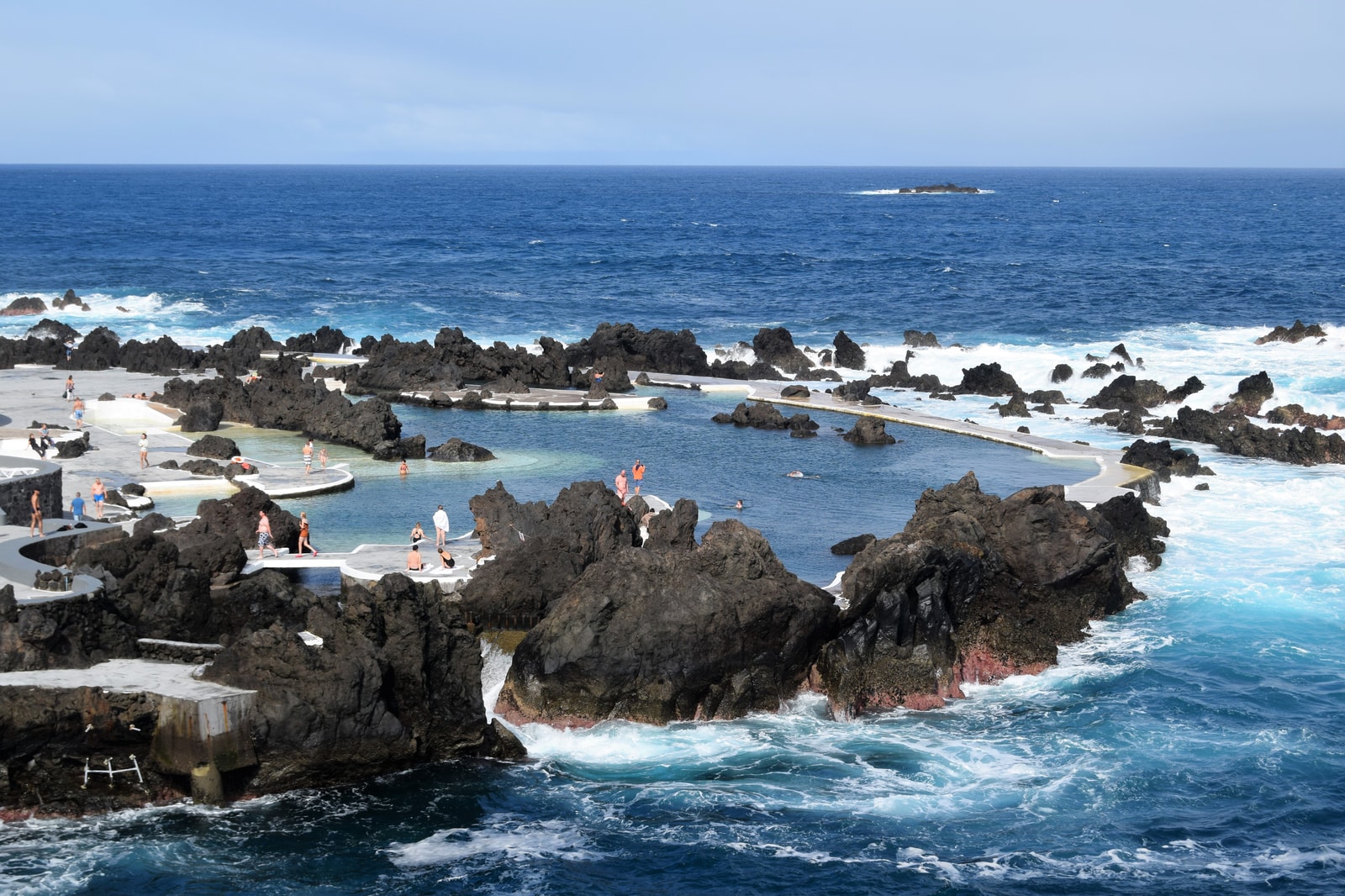
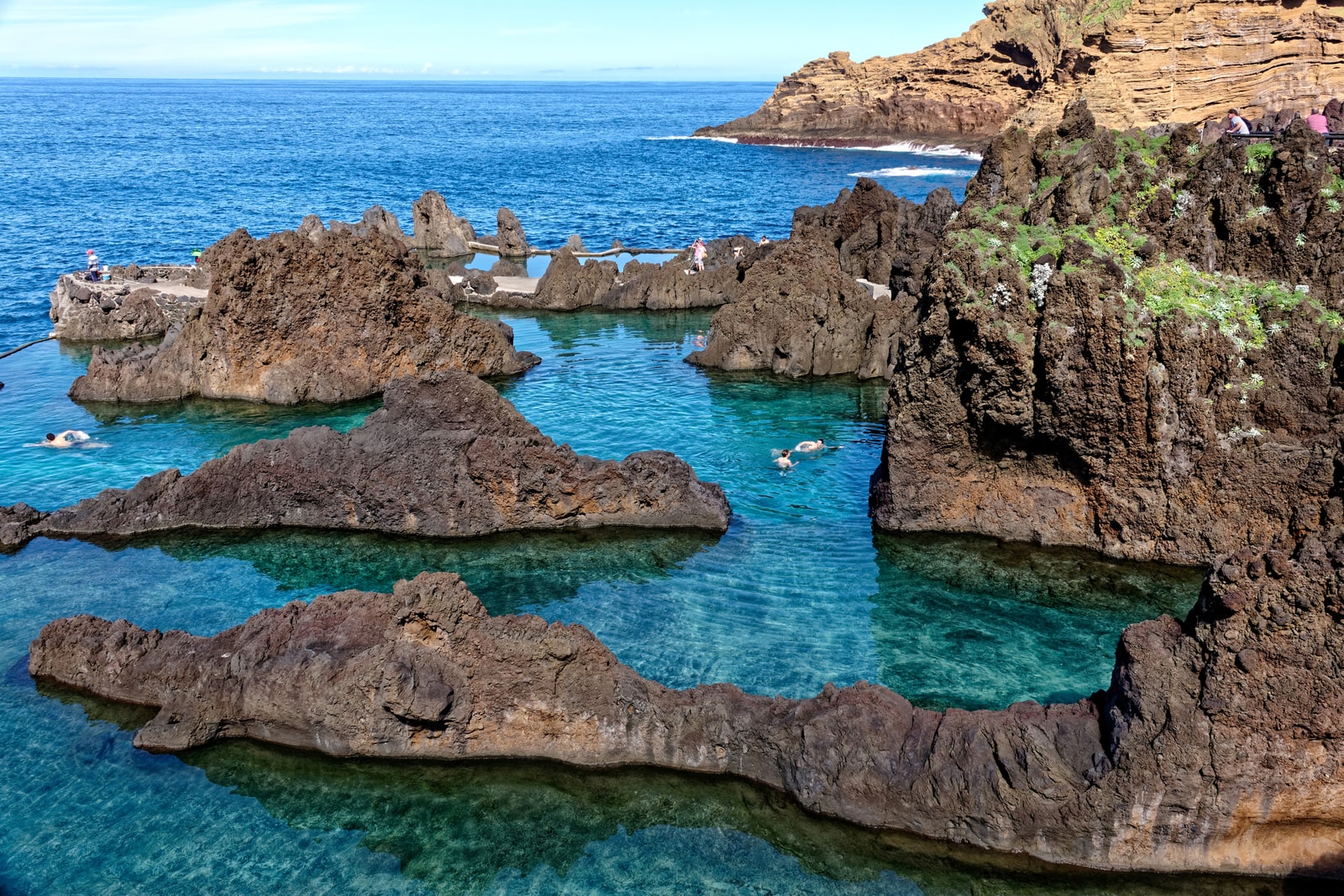
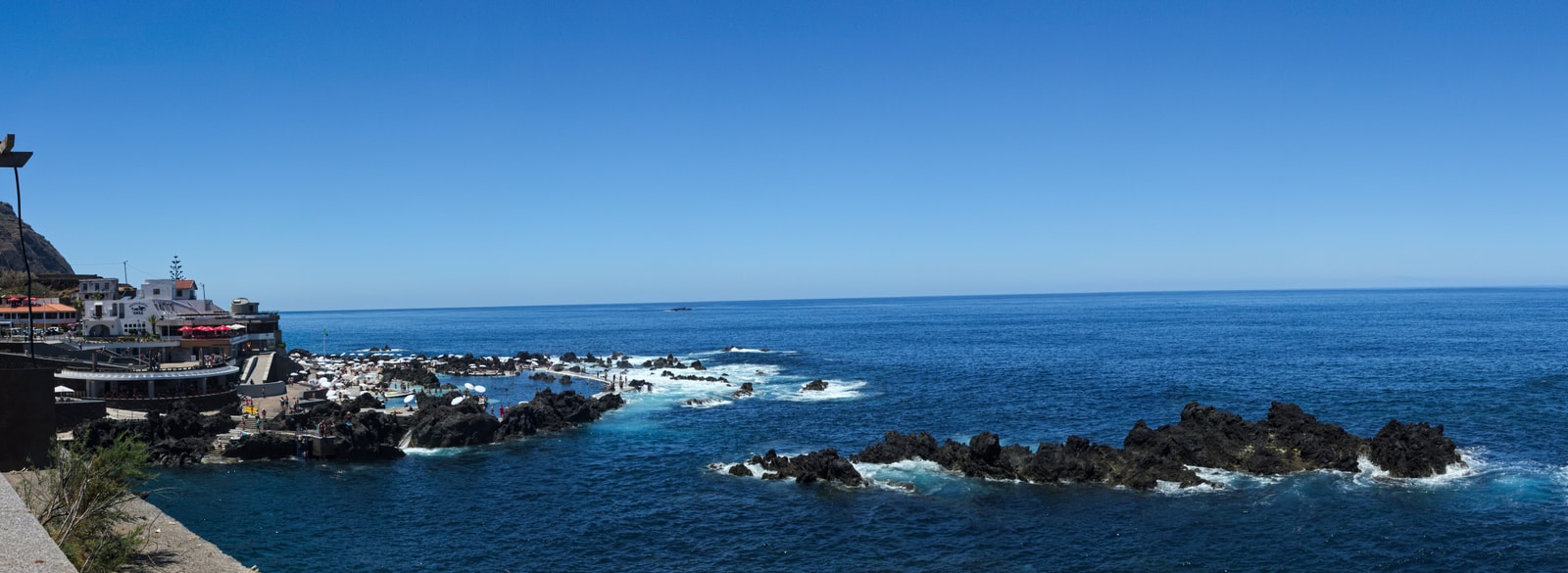
Perhaps Madeira's most distinctive swimming experience is found in its natural lava pools. These basins, formed by molten rock cooling in the ocean, are filled by the tide and offer a sheltered swim with spectacular ocean views.
The most famous are the Porto Moniz Natural Pools. While the lava-rock walls buffer many waves, rough seas can still breach them. Always check local conditions, as access can be affected by weather and wet basalt can be slippery.
If the managed Porto Moniz pools are busy, the free-access Cachalote pools provide another option in the same town. Poças das Lesmas are not in Porto Moniz but farther east in Seixal, where volcanic pools sit beneath the north-coast cliffs. Near Funchal, Doca do Cavacas combines a volcanic pool, direct sea access, changing facilities, showers, toilets, and a bar beside the promenade toward Praia Formosa. Any ocean-fed pool may close or become unsuitable during rough conditions, so check its current status before travelling.
Picturesque Pebble Coves and Shores
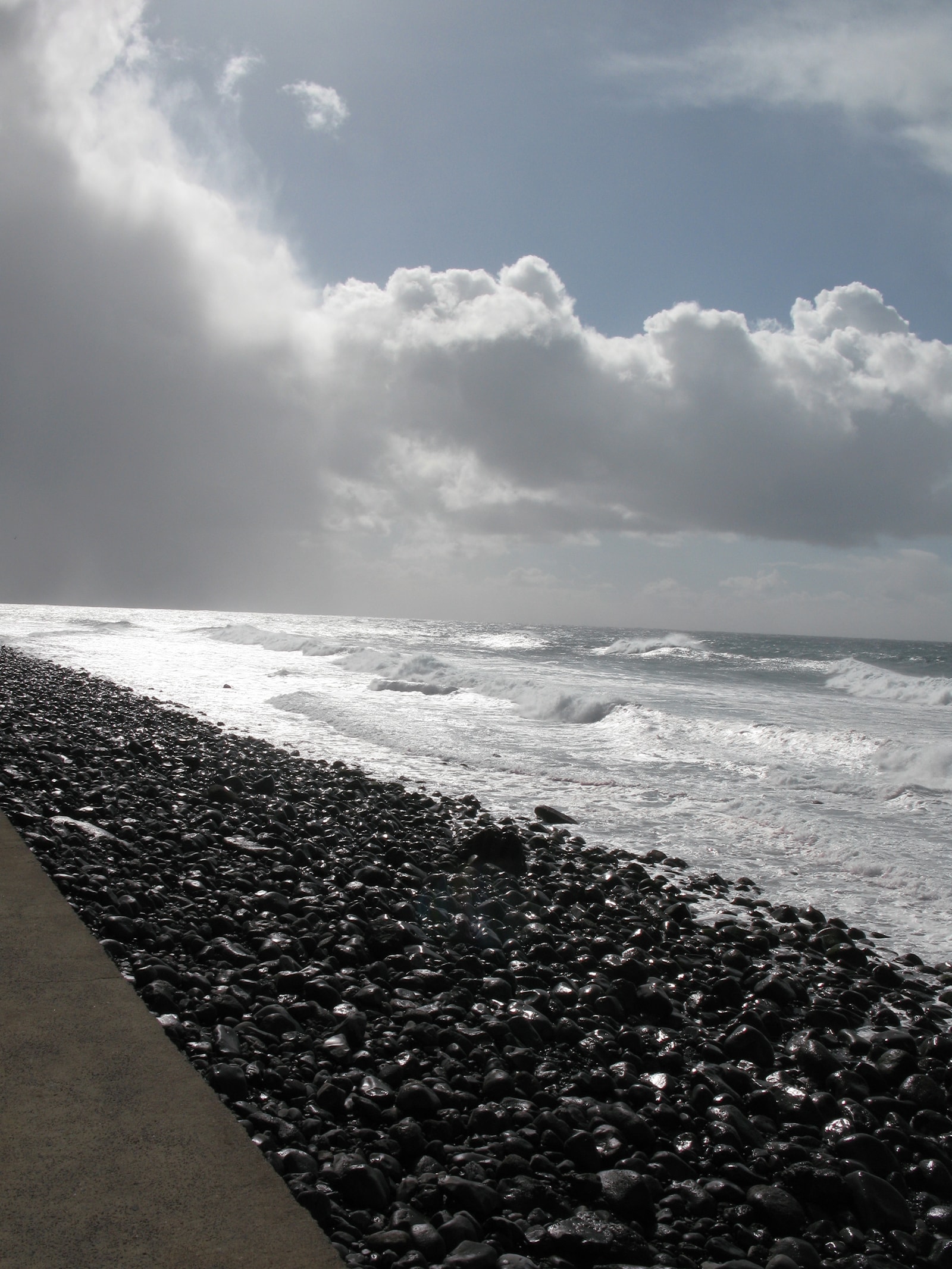
Much of Madeira’s coastline is made of basalt pebbles and cobbles, creating picturesque coves that are often quieter than the main sandy beaches. Water shoes are highly recommended for comfort on these shores.
Praia Formosa, located in Funchal, is the island's largest public beach. It features a mix of black volcanic sand and pebbles and is backed by a pleasant promenade, making it an easily accessible spot.
Ribeira Brava Beach is a developed pebble beach on the southwest coast, with a breakwater, promenade, and town facilities immediately behind it. It is a practical stop when touring the south and west rather than a secluded destination, and the breakwater does not remove the need to assess the day's sea conditions.
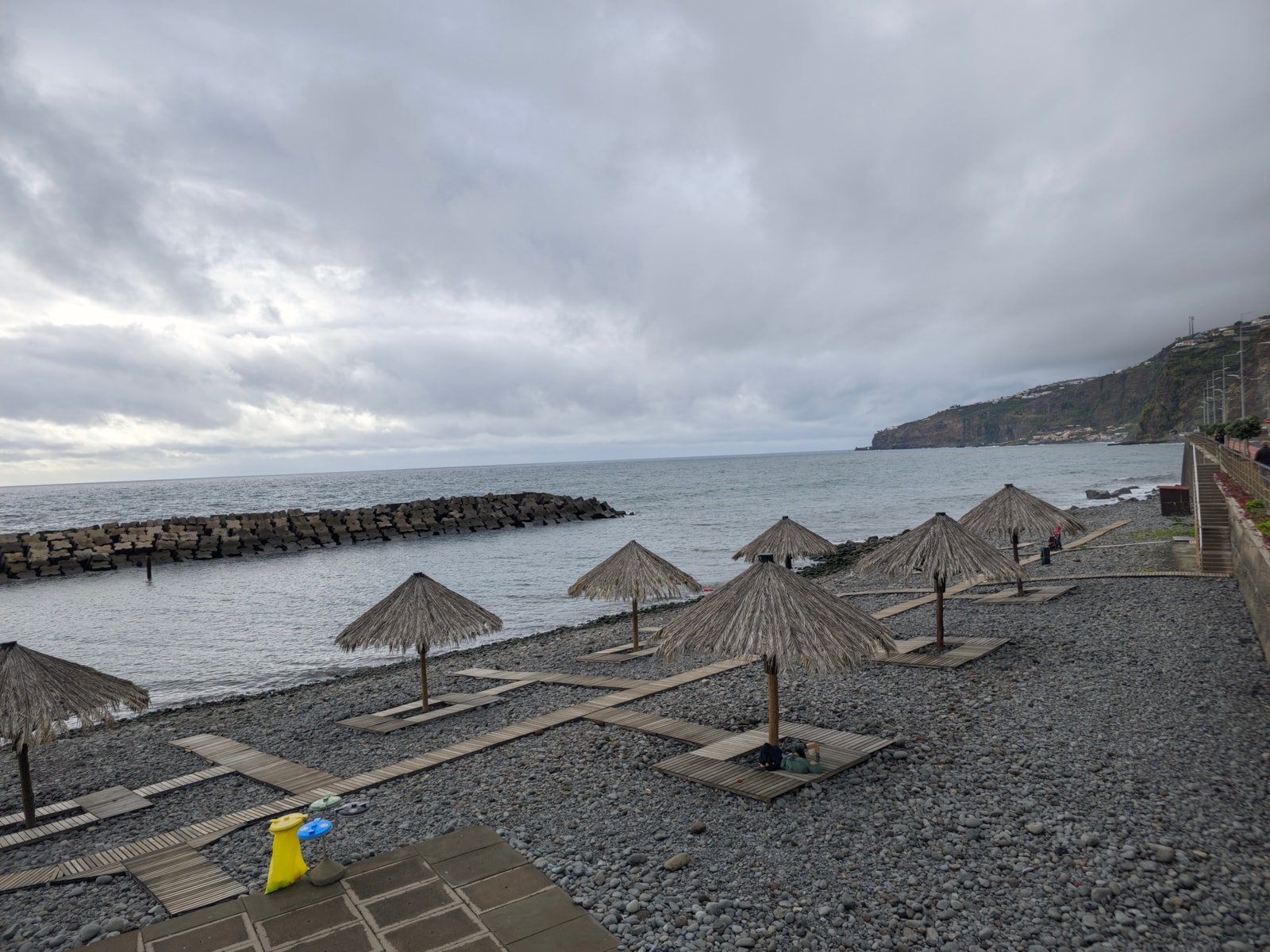
Ponta do Sol Beach lives up to its name as one of the sunnier spots on the island. This pebble beach is protected by a breakwater, which helps create calmer water for swimming.
For snorkeling, Praia do Garajau is an excellent choice. It is situated within a marine nature reserve with clear water, though the ocean becomes deep very quickly. Access is via a scenic cable car ride down the cliff face.
Which Madeira Beach Should You Choose?
For an uncomplicated family beach day on Madeira Island, start with Machico or Calheta: both have imported sand, protective structures, nearby facilities, and easier entry than the island's pebble shores. For the most dramatic landscape, choose Seixal, but treat its north-coast sea with more caution and do not enter when swell or warning flags indicate unsafe conditions.
Visitors based in Funchal without a car will find Praia Formosa and Doca do Cavacas the most practical coastal options. For snorkeling and diving, Garajau stands out for its protected marine environment and clear water, though the seabed deepens quickly. For managed facilities and a distinctive volcanic setting, choose the Porto Moniz pools.
Choose São Vicente or other exposed north-coast locations for surf scenery rather than dependable casual swimming. Choose Porto Santo when the priority is a long natural sandy beach and you can devote the necessary travel time to a separate island.
Madeira Beaches in October and November 2026
October can produce rewarding beach and pool days, but Madeira's terrain creates substantial local differences. The south and southwest coasts are often the first places to check for settled conditions, while north-coast beaches may have stronger swell even when the weather looks calm elsewhere. Use the daily marine forecast, warning flags, and information from pool operators rather than assuming conditions are uniform around the island.
In November, plan a flexible coastal itinerary rather than a guaranteed swimming holiday. Machico, Calheta, Praia Formosa, and Funchal's bathing complexes offer practical alternatives, while viewpoints, promenades, and volcanic scenery still make Seixal and Porto Moniz worthwhile when the water is unsuitable. Lifeguard coverage, chair rentals, cable cars, boat services, and cafés may use reduced off-season schedules.
Keep at least one south-coast and one north-coast option in your plans, then choose on the day. Do not enter exposed beaches during strong swell, and do not assume a natural pool is open merely because the weather is sunny; ocean conditions can require temporary closures.
Selected Autumn 2026 Events in Madeira
A coastal trip to Madeira in autumn 2026 can be paired with a number of exciting cultural and sporting events happening across the island. These add-ons are a great way to experience local life beyond the beaches.
Events can complement a coastal trip, but dates and programs may change. Confirm them with the organizer before travelling:
- XXXIX Apple Festival (2–4 October 2026)
- Eco Rally Madeira (2–4 October 2026)
- Nature Festival (6–11 October 2026)
- Sea and Fisherman Fair in Caniçal (9–11 October 2026)
- Madeira Canyoning Meeting in São Vicente (18–23 October 2026)
- Mountain Bike Madeira Meeting (8–15 November 2026)
Planning Your Madeira Beach Trip
To make the most of Madeira's coast, a little planning goes a long way. Safety is key at open-ocean beaches, where you should always look for warning flags and be mindful of powerful Atlantic waves and potential rip currents.
Water shoes are a practical essential for exploring the island’s many pebble, basalt, and black-sand surfaces. Access to more remote coves can also vary; some, like Calhau da Lapa, require a boat trip or a steep trail, while others, like Fajã dos Padres, are reached by cable car.
Be aware that not every cove is a supervised swimming spot. Some locations, such as Gorgulho and Laje, are listed as unsupervised, so exercise caution when exploring off the beaten path.
Gallery
Additional Resources
- Official Madeira Tourism - Beaches Guide
- Official Guide to Sand Beaches
- Official Guide to Pebble Beaches
- Official Guide to Natural Pools
- Waterline exhibition (20 Jun 2023–20 Jun 2028)
- Official Madeira Events Calendar
- Official Guide to Porto Santo Beach
- Official Guide to Doca do Cavacas
- Official Guide to Seixal Beach
- Official Guide to Garajau Beach