Best Beaches in Vilamoura, Portugal: Beach & Coastal Guide (2026)
Compare marina-side sands, the open shore of Rocha Baixinha, Falésia’s red cliffs and nearby Quarteira, with practical advice for a 2026 coastal visit.
Published on 8 Oct 2026 17:32 GMT
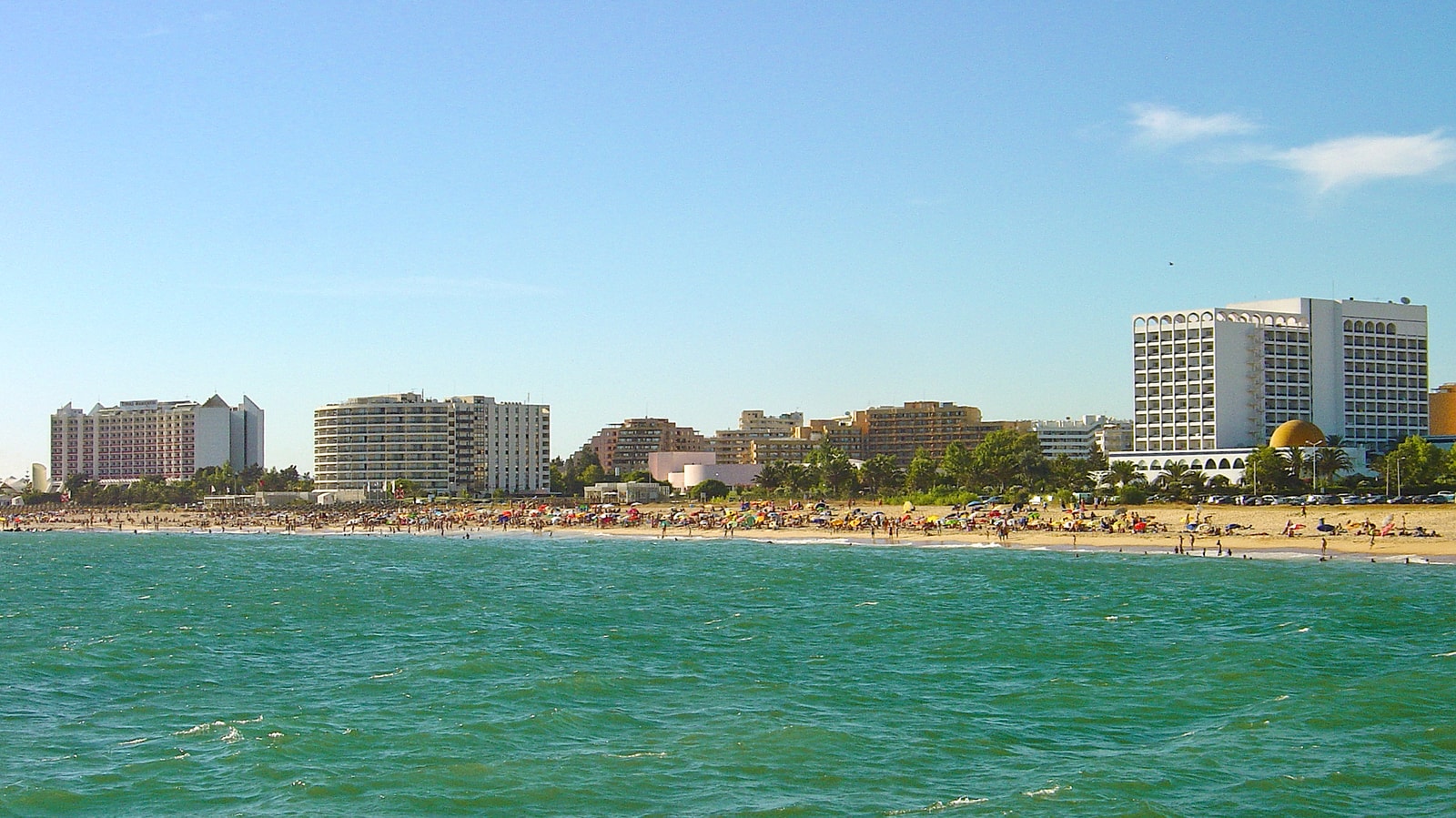
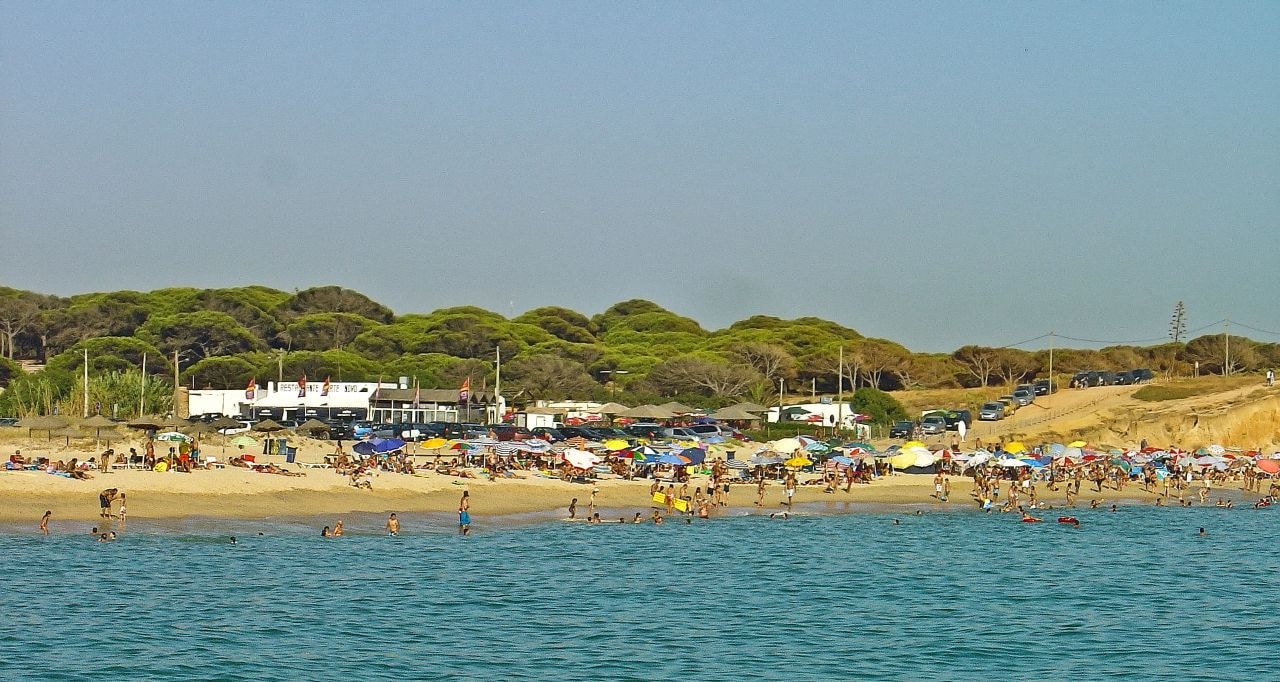
For sheer convenience, Praia de Vilamoura is the resort’s go-to spot. Located right next to the marina, it offers an easy transition from sand to shops and restaurants. This beach is ideal for visitors who want everything close at hand, without needing a car.
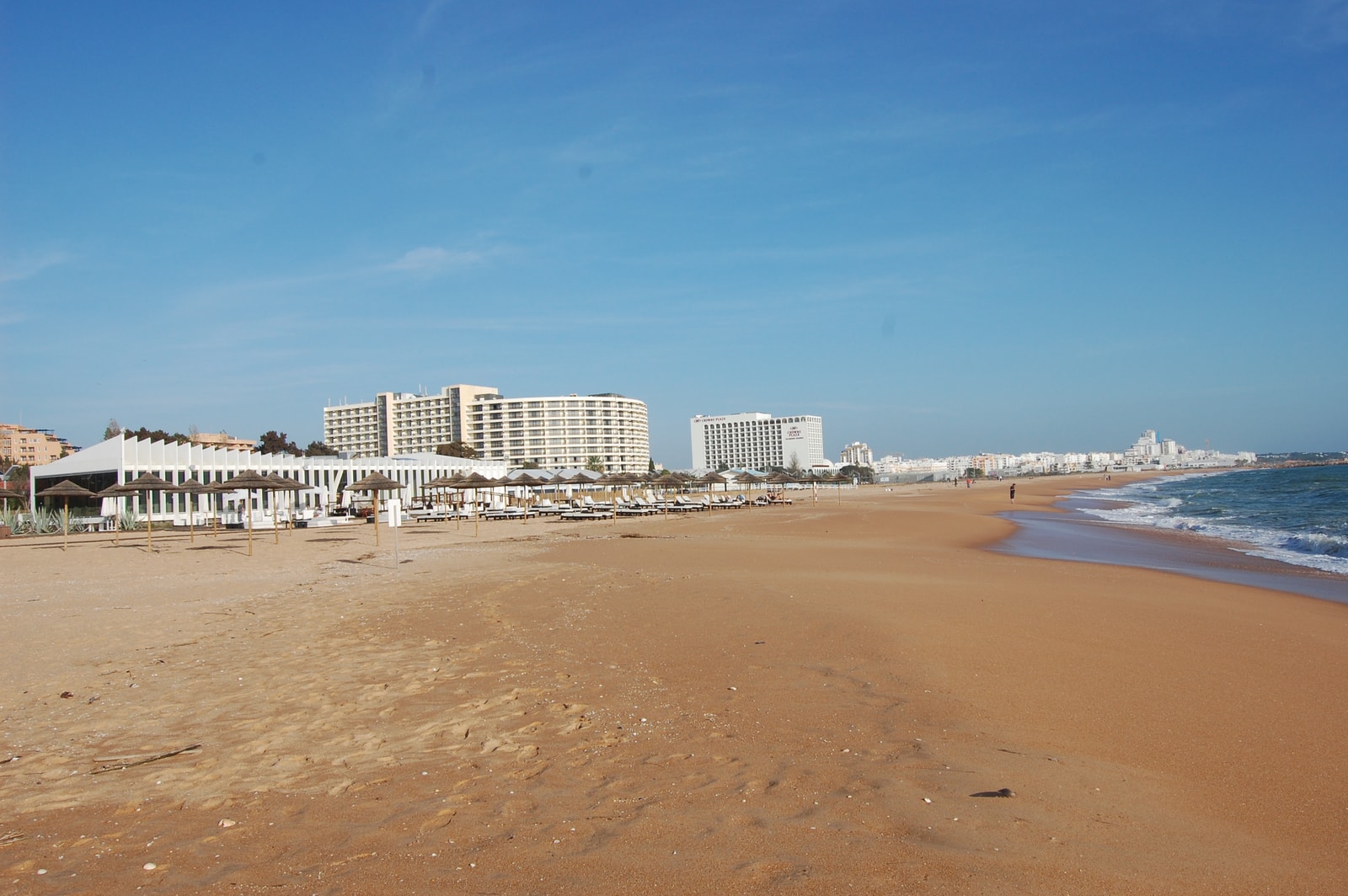
The beach is well-equipped with amenities, including shade hire, first aid, and accessible facilities. Its Blue Flag and Accessible Beach recognitions for 2026 reflect its quality and services, which include ramps, access mats, and an amphibious chair for mobility access. The water here can feel calmer thanks to the marina’s breakwater.
Choose it for: the simplest beach day when staying near the marina, especially with children or limited time. Use the eastern side of the marina for this beach; reaching the western shore means going around the marina, not crossing its entrance channel. Walk from nearby accommodation when practical, as central parking can be limited. Confirm toilets, showers, shade hire and accessible assistance at your chosen concession—an annual award does not guarantee every service is operating in winter.
The Open Sands of Rocha Baixinha
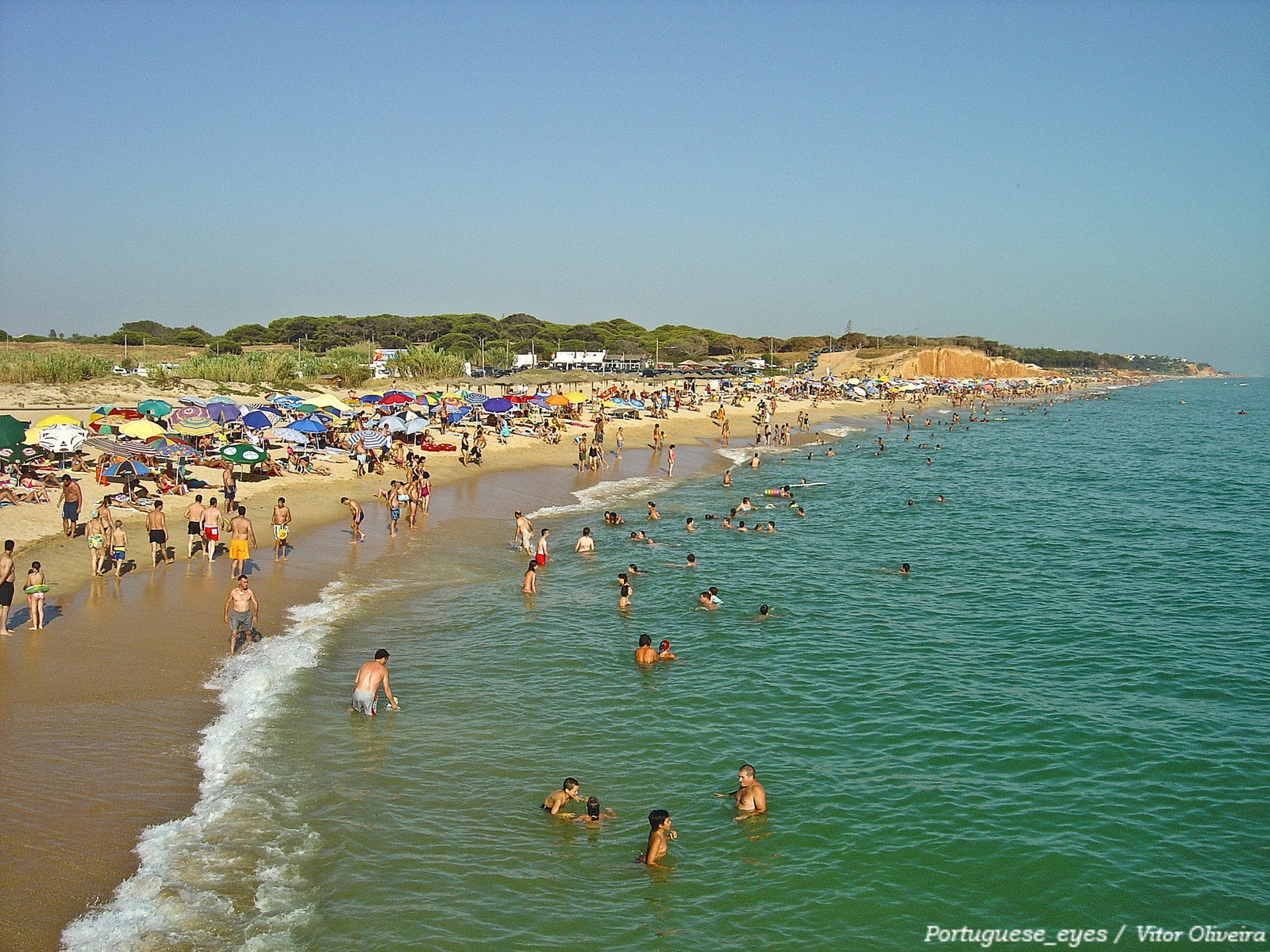
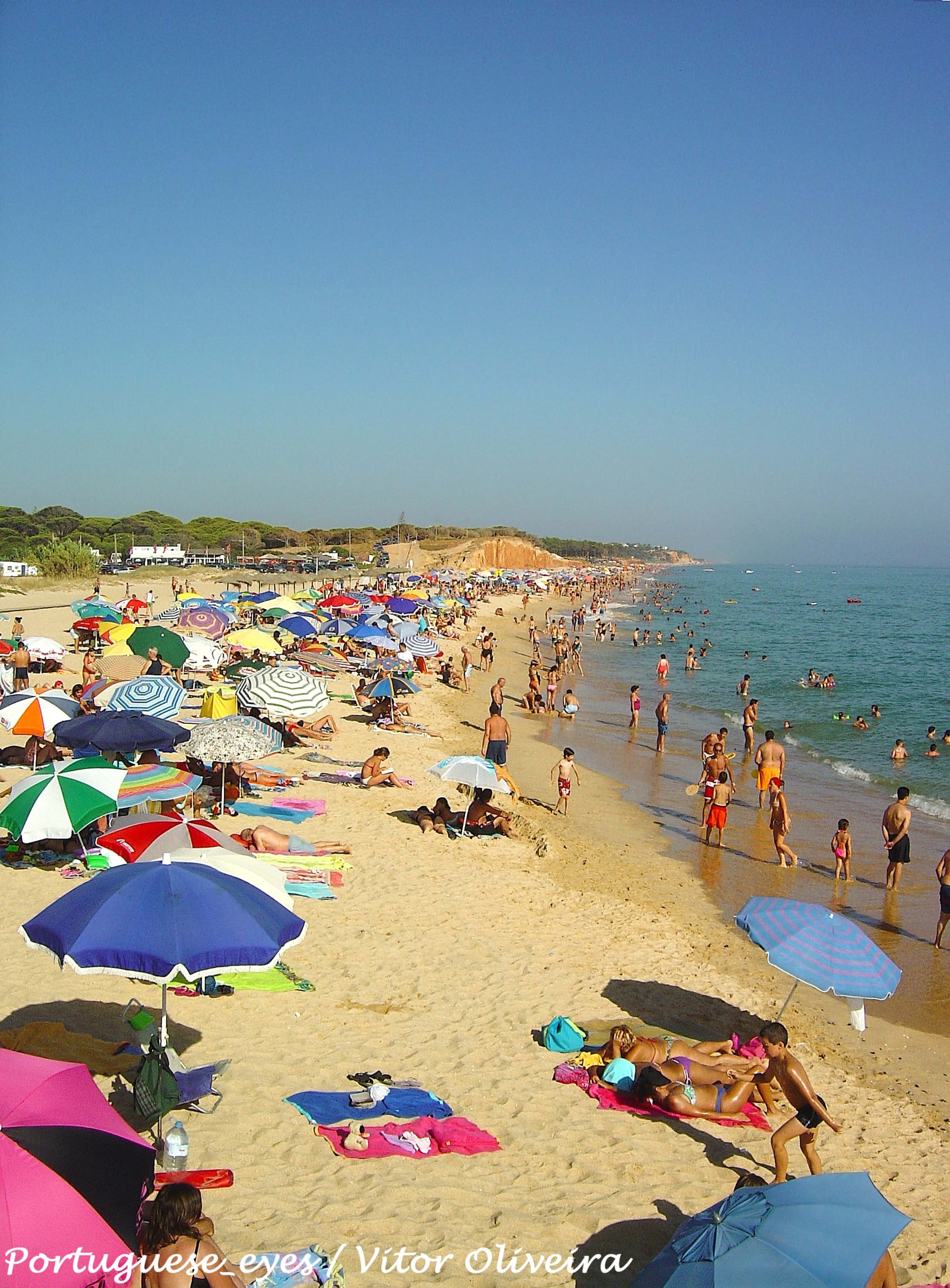
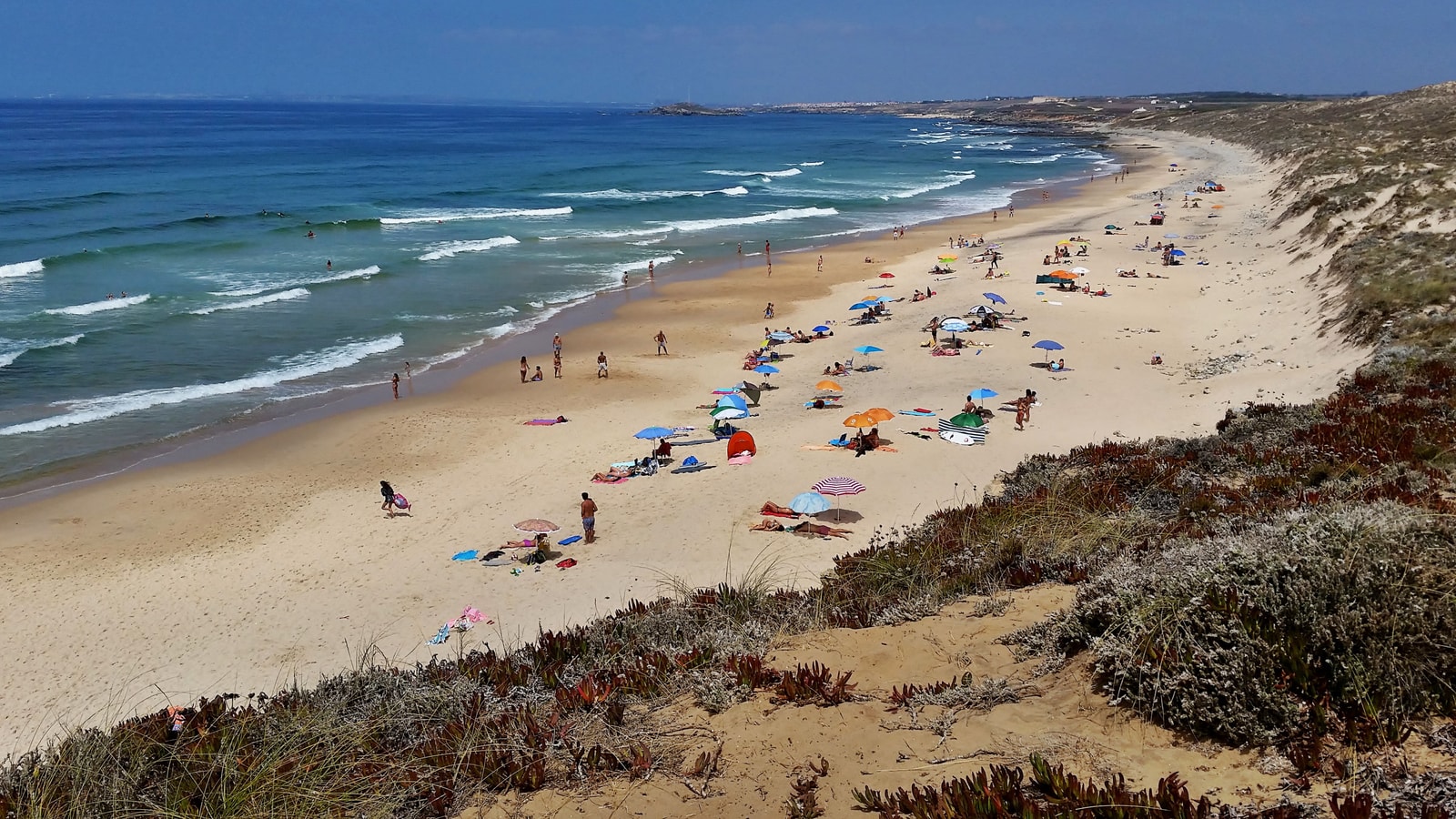
Heading west from the marina, the coastline opens up at Praia da Rocha Baixinha. This stretch offers a great balance between space and services, feeling less urban than the central beach but still well-equipped with facilities. It's a useful compromise for those wanting a more open feel with resort comforts still nearby.
Rocha Baixinha Nascente has dune boardwalks, parking and seasonal beach services. Praia dos Tomates is a commonly used name for the Rocha Baixinha area, not a separate beach to add to your itinerary. Official tourism information distinguishes eastern and western sections at the eastern end of the long Falésia shoreline. Check the precise access point when arranging a taxi or comparing facilities.
The open western shore can be exposed to Atlantic waves. During the bathing season, choose a supervised area and follow lifeguard instructions; outside it, do not assume supervision is available. Beach names and concession areas overlap along this continuous shoreline, so confirm services at the access you actually use.
Choose it for: more open sand and a longer coastal walk while remaining near Vilamoura. The marina-side approach uses the bridge and boardwalk area across the Ribeira de Quarteira; follow signed pedestrian access rather than trying to cross the water or dunes. Parking is available at access areas, but check current charges and the walk from the car to the sand. It is less enclosed than the marina beach, so families should choose by the day’s sea conditions, not by available space alone.
The Iconic Red Cliffs of Praia da Falésia
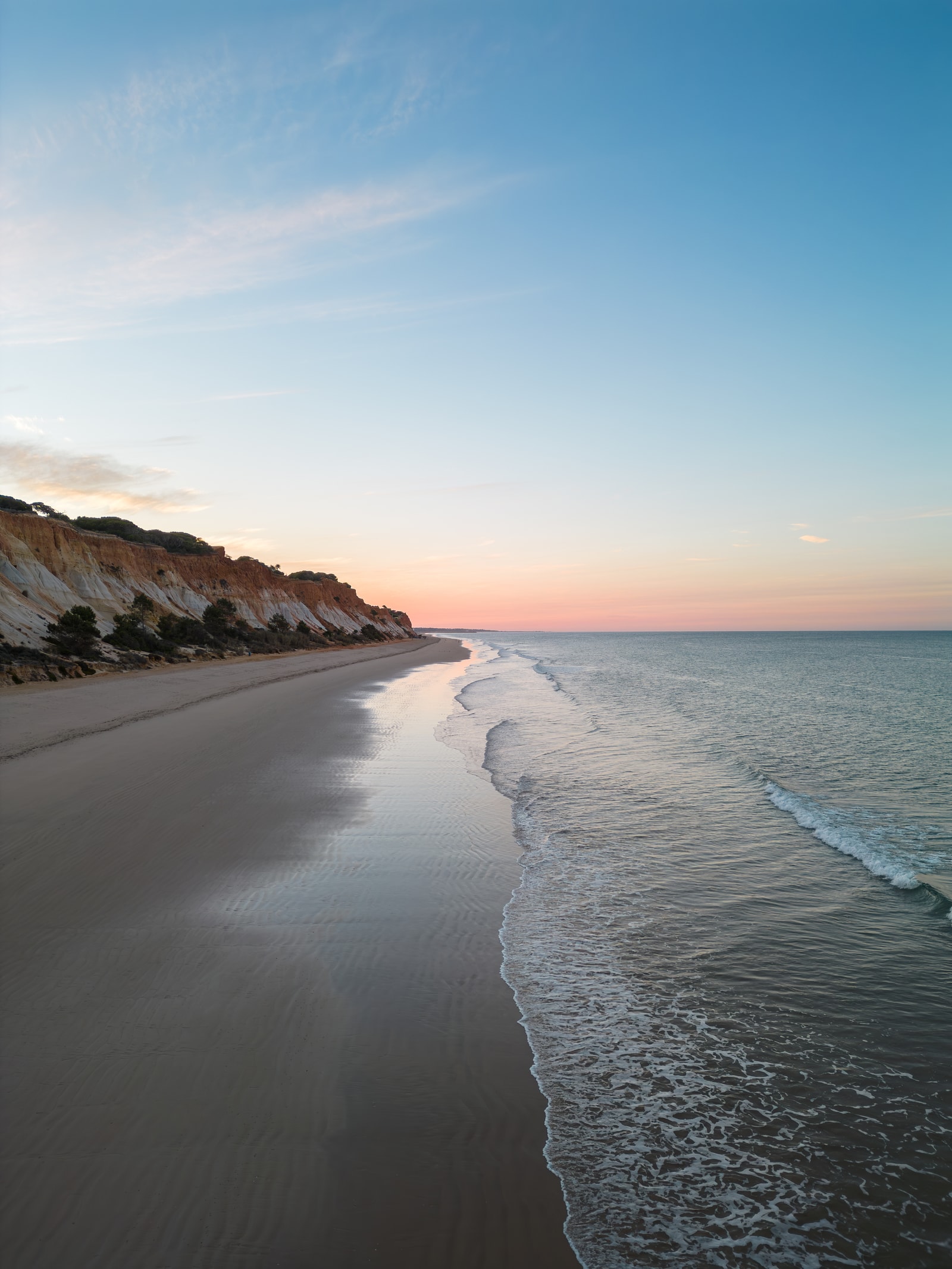
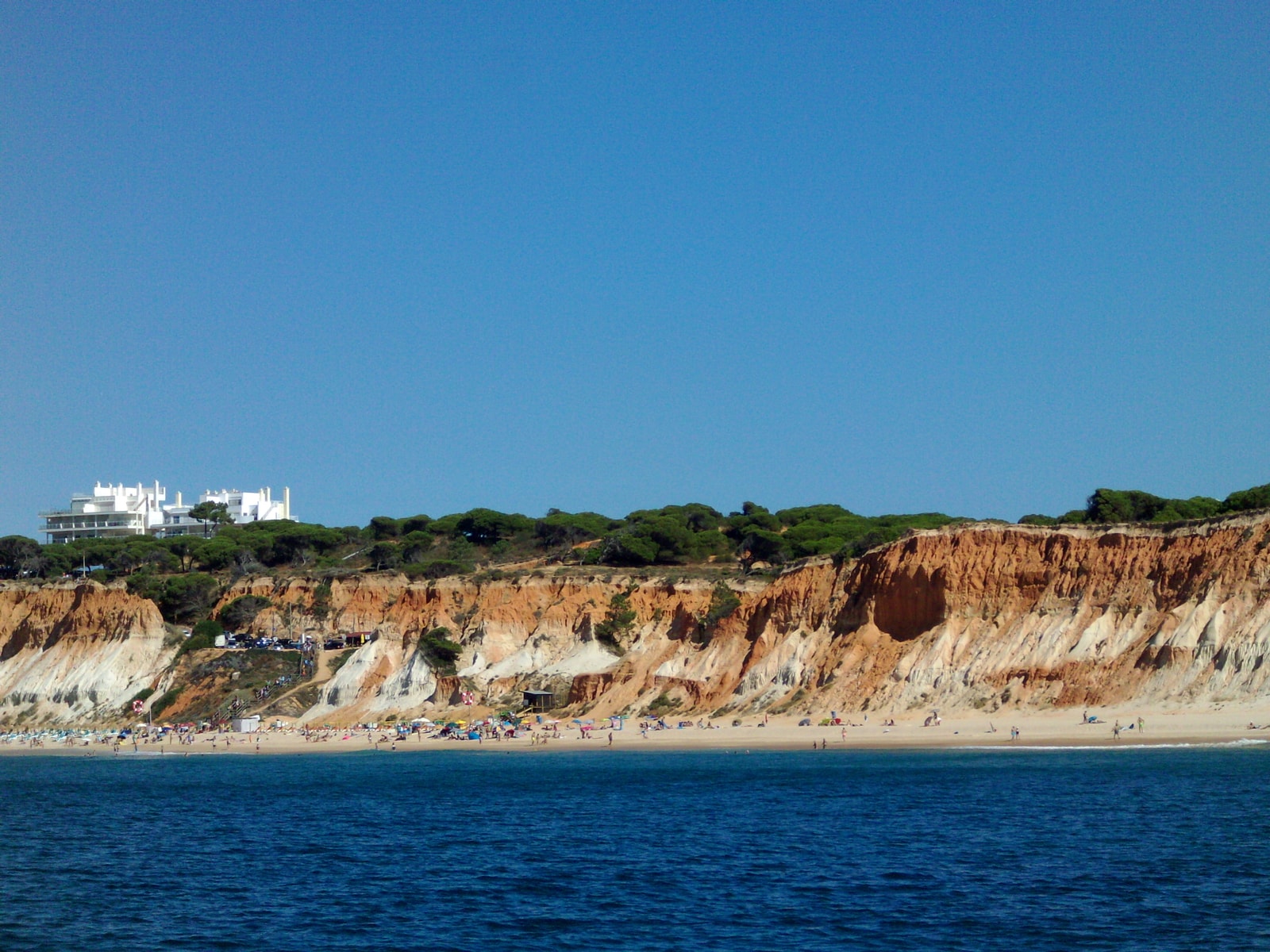
Continuing west, the shore transitions into the magnificent Praia da Falésia. This is where the Algarve coastline puts on its most dramatic show, with towering red and ochre sandstone cliffs topped with pine trees. It's the region's scenic highlight and a must-see for its sheer scale and color.
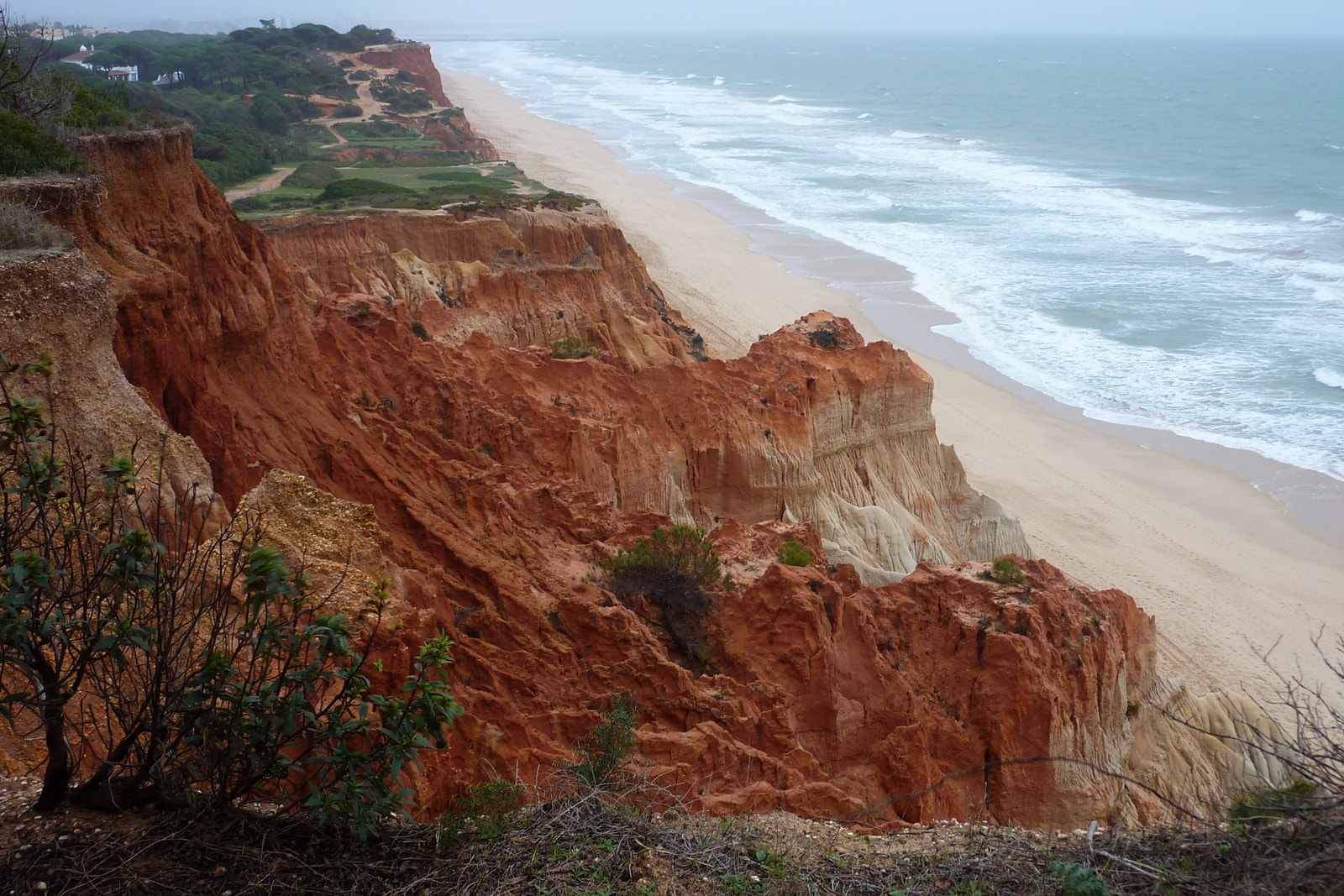
The beach is perfect for long walks, but be mindful of the tides, which can significantly reduce the amount of sand at the base of the cliffs. While beautiful, the cliffs are prone to erosion, so always stay clear of the base and respect any warning signs or barriers.
Rocha Baixinha is the eastern, marina-side end of the Falésia coastline. Açoteias/Alfamar lies farther west around the central stretch, with separate road approaches and beach entrances. For the cliff-backed scenery, choose a specific Falésia access rather than assuming every section is a short walk from Vilamoura Marina. Beach names describe different parts of the same long coast, not identical drop-off points.
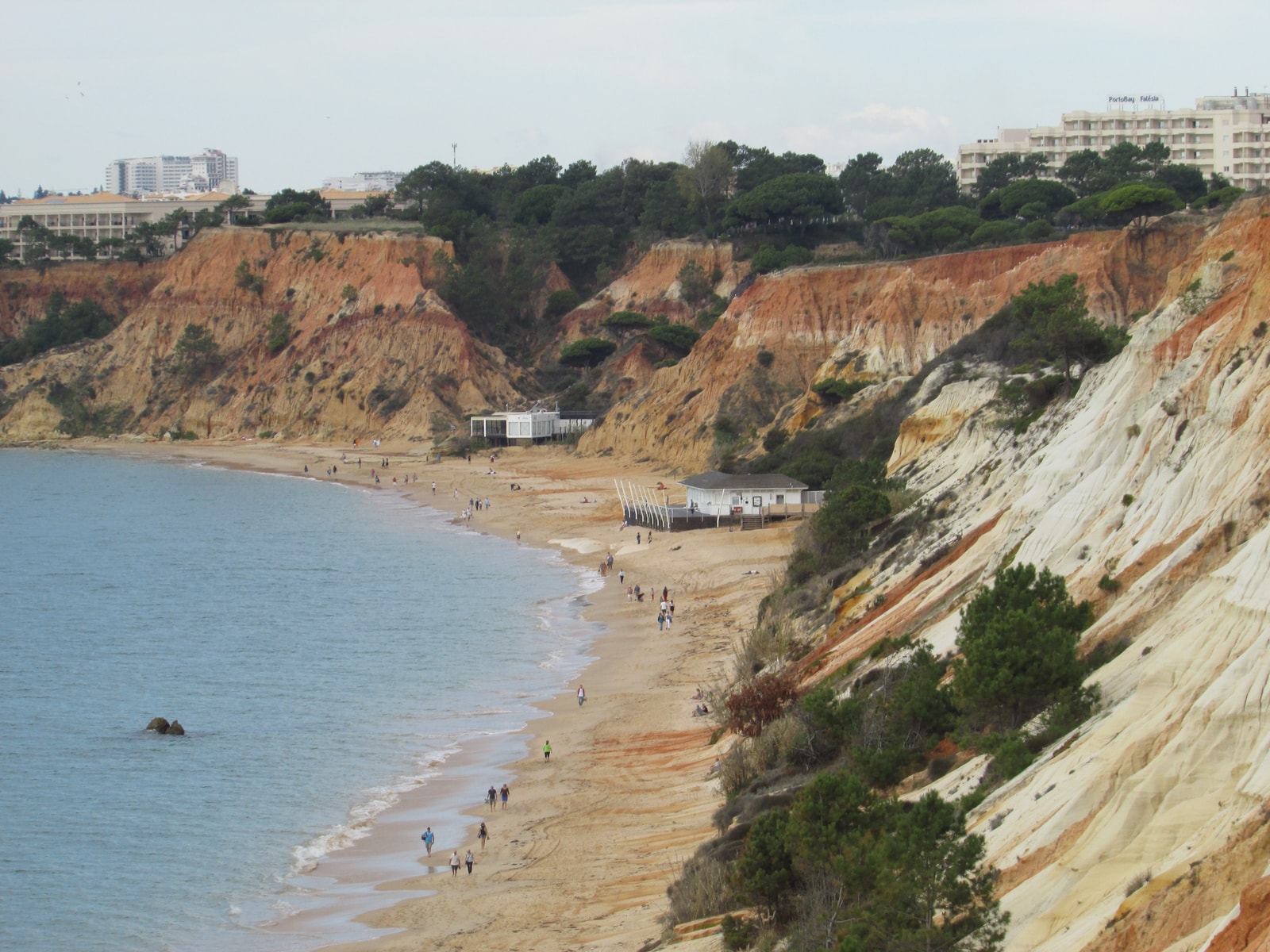
Choose it for: cliff scenery and walking, rather than the shortest route from a marina hotel. Pick an Açoteias/Alfamar entrance if that is the section you want to see; access routes may involve steps and slopes. Check the tide before planning a long beach walk, stay outside signed cliff-risk areas and keep your return route clear. A high tide or swell can make a beach route unsuitable even when the road access is open.
Quarteira's Classic Promenade and Urban Beach
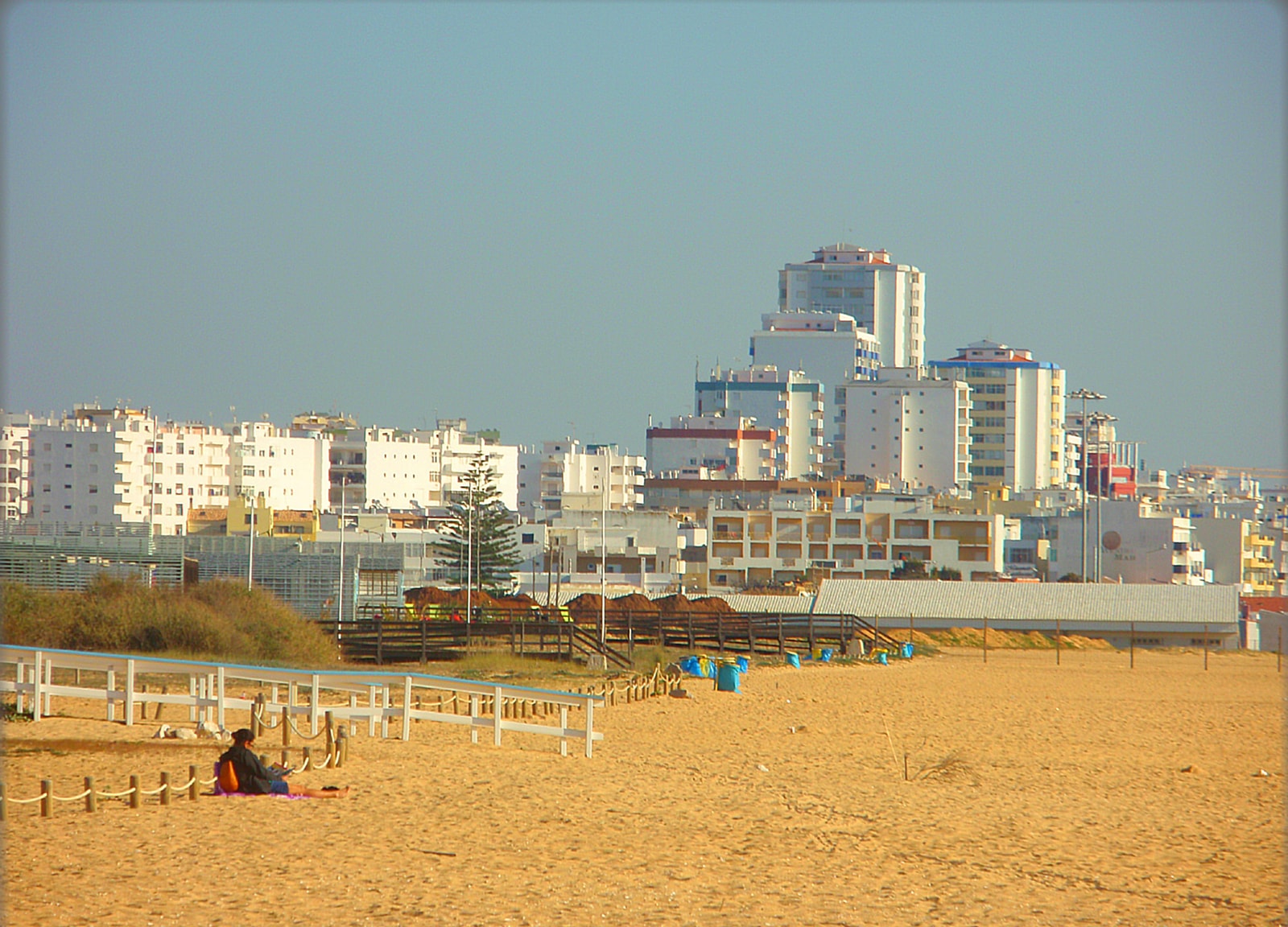
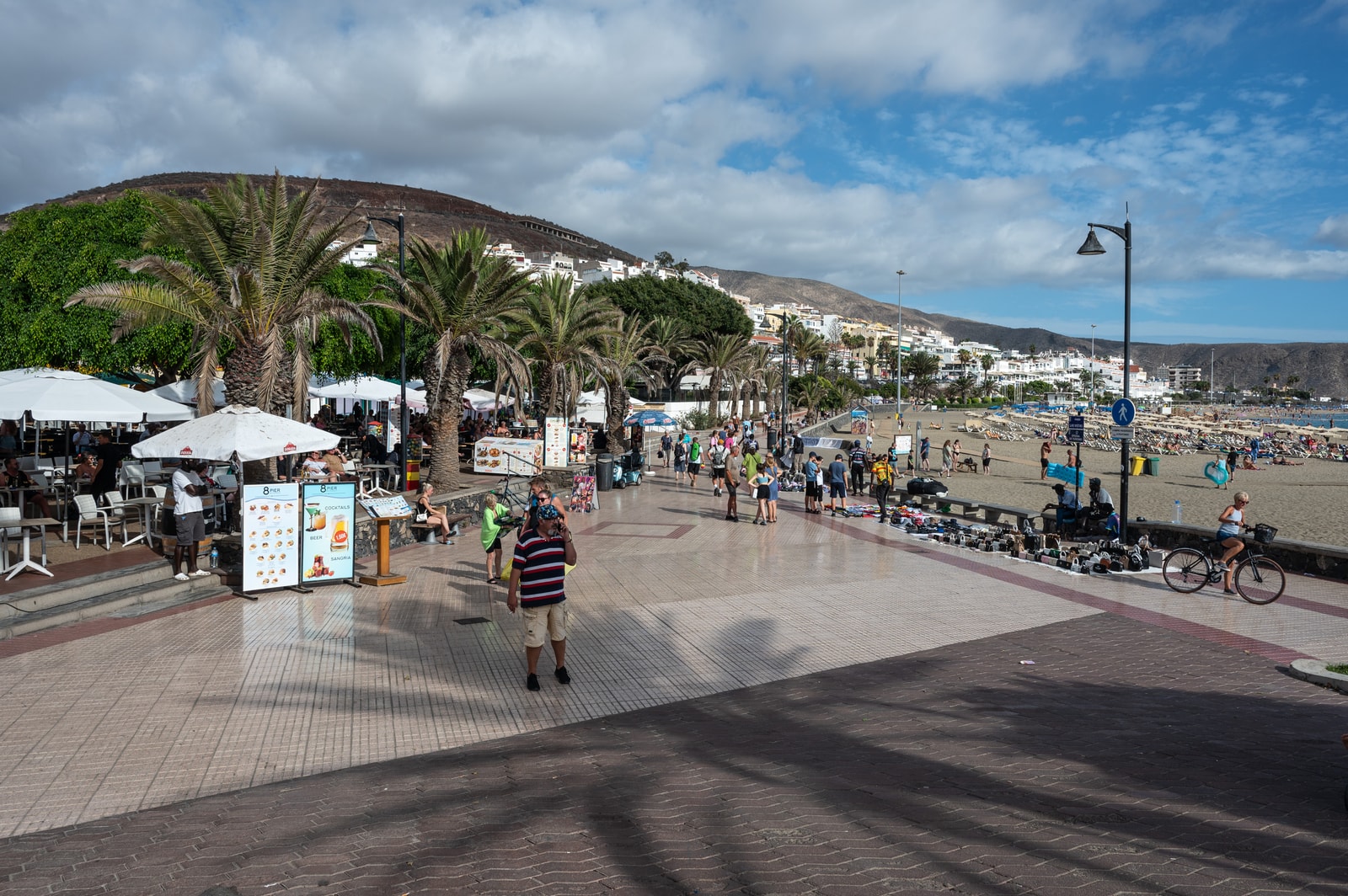
Just east of Vilamoura, the atmosphere shifts to that of a traditional Algarve beach town at Praia de Quarteira. Its paved waterfront promenade is perfect for a leisurely stroll, connecting visitors to an abundance of local shops, restaurants, and services right by the sand.
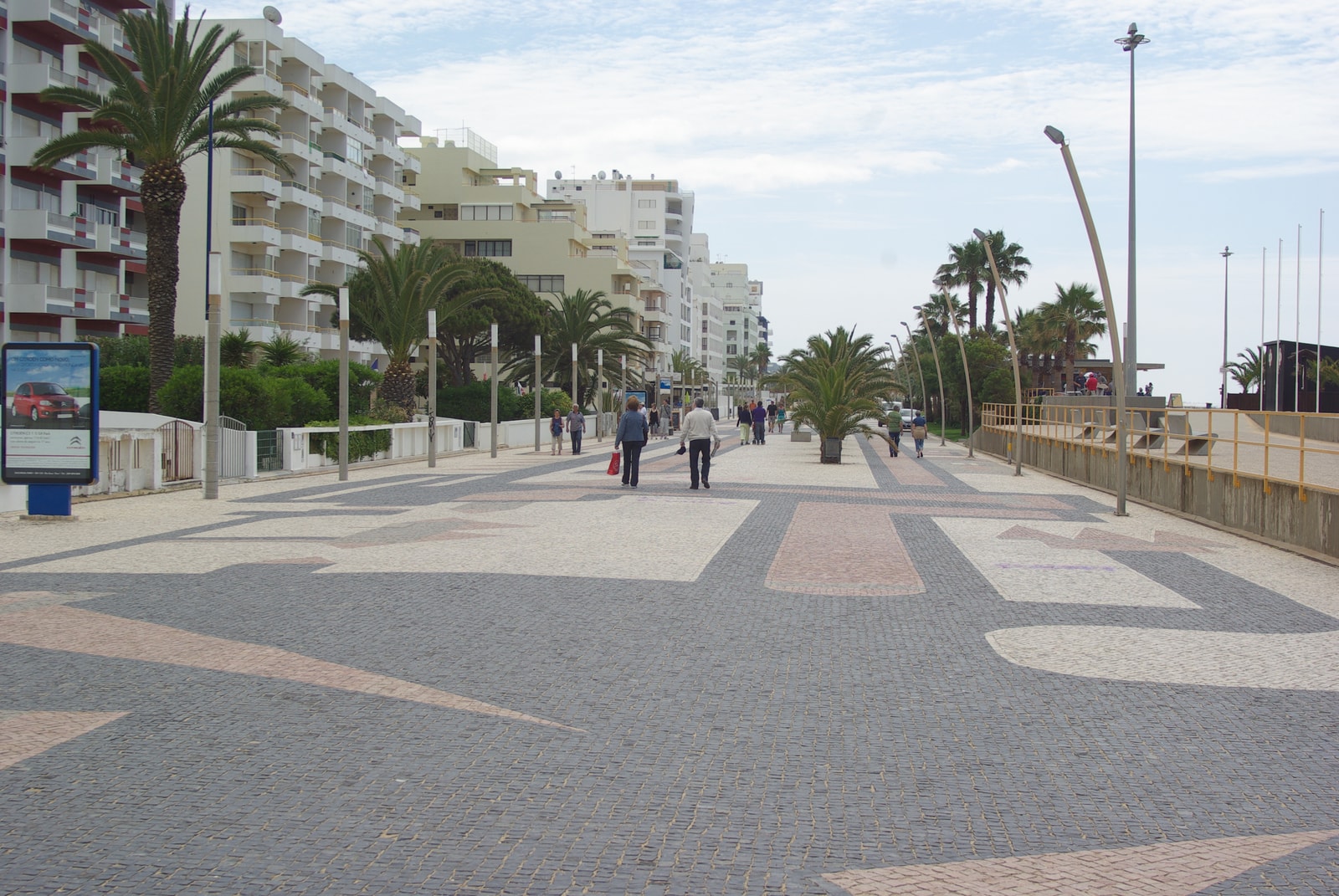
This beach is an excellent choice for families and those prioritizing easy access. Like its Vilamoura neighbor, Praia de Quarteira has earned both Blue Flag and Accessible Beach status for 2026, with facilities including access mats, adapted toilets, and an amphibious chair. The Passeio das Dunas provides a scenic coastal link between Vilamoura and Quarteira.
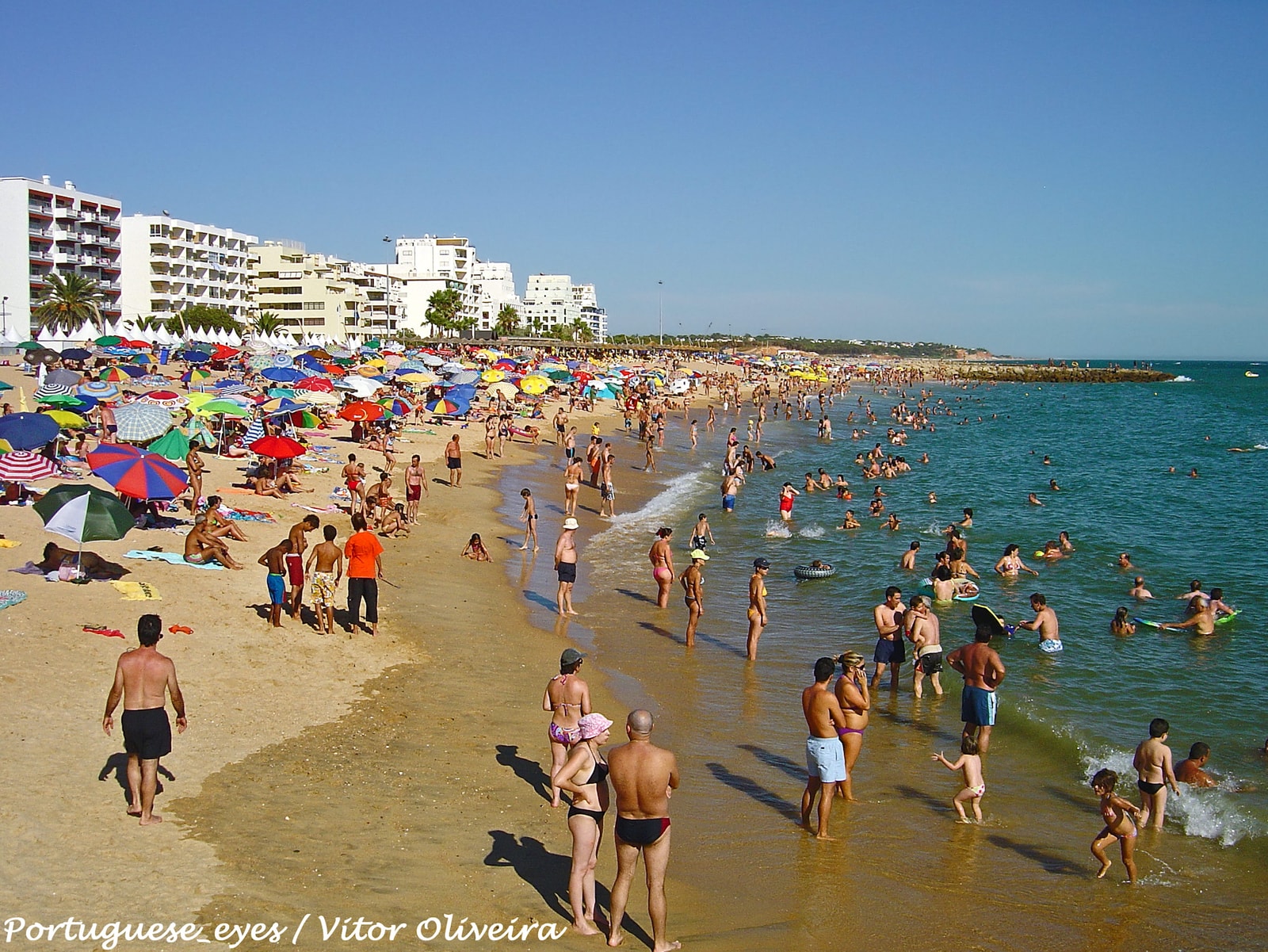
Choose it for: a beach outing paired with a town meal and a paved promenade rather than a cliff-backed landscape. Passeio das Dunas links the Vilamoura and Quarteira waterfronts, but walking time depends on which end of the marina and which beach entrance you use. As a planning guide, each kilometre of a mapped walking route takes roughly 12–15 minutes at an ordinary pace, before stops. Check the full route and distance, and use a taxi or local bus if it is too long for your group.
Eastern Escapes: Praia do Forte Novo and Praia do Almargem
For more breathing room east of Quarteira’s main strip, head towards Praia do Forte Novo. This long beach combines spacious sands with scenic dunes and ochre cliffs, offering a more natural setting without straying far from town. It also holds a 2026 Blue Flag and provides good facilities, including accessible paths and shade hire.
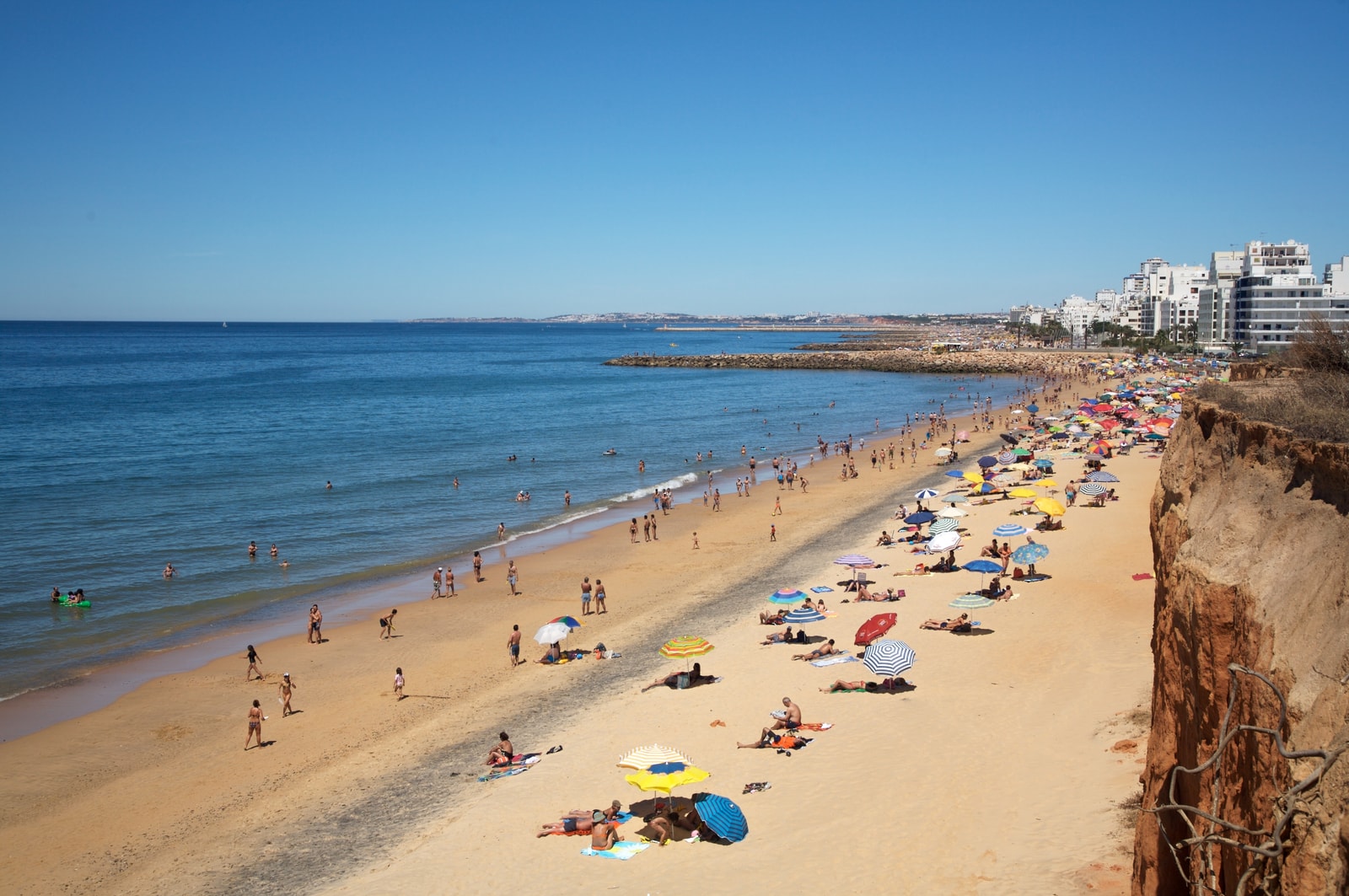
Further east lies Praia do Almargem, also known as Cavalo Preto. This is the naturalist's choice, nestled between the sea and the Almargem lagoon. With pine woodlands, dunes, and bird habitats, it offers a refreshing change of pace from the resort beaches. Facilities are more limited, but it still earned Blue Flag recognition for 2026.
Which eastern option? Forte Novo is the easier extension from Quarteira when you want more sand without committing to a longer nature-focused outing. Almargem suits visitors interested in the lagoon and landscape, rather than maximum town convenience. Bring water and portable shade for the less-serviced areas; check access, parking and nearby opening hours. Neither is a reason to assume calmer water than at the main town beaches.
Visiting Vilamoura’s Beaches in October, November and December
October: keep beach time flexible and combine it with marina or promenade outings. For regional climate context, IPMA’s 1991–2020 Faro normals give average daily air-temperature highs of about 23°C in October, 20°C in November and 17°C in December. These are historical regional averages, not a Vilamoura forecast or a measure of sea temperature.
November: prioritise coastal scenery, walks and meals over a guaranteed swimming holiday. Praia de Vilamoura and Quarteira are practical when you want nearby alternatives if the weather changes; Falésia rewards a suitable-weather outing with a clear tide-aware return plan. Bring a layer and rain protection, and confirm seasonal rentals, toilets and food outlets before relying on them.
December: plan shorter outings in daylight and favour easy access over long, isolated beach walks. Avoid the base of eroding cliffs, especially when conditions or warning signs make access unsuitable. A sunny afternoon does not imply safe bathing: check wind, swell and local warnings, and never assume summer lifeguards or accessible bathing assistance continue into winter.
Beach Safety and Coastal Works: What to Check Before Visiting
Before heading into the water, always check conditions. The official InfoÁgua dashboard provides bathing season updates on water quality and supervised beaches. On-site, always obey the flags and lifeguard instructions. Remember that even on a hot day, the Atlantic water can feel surprisingly brisk.
2026 coastal works: beach nourishment took place along the Quarteira–Garrão coast, with additional summer works scheduled for Forte Novo and Trafal. Earlier reports and planned dates do not establish whether any particular access is restricted on your visit. Check the Portuguese Environment Agency’s intervention information and local notices before travelling, and respect any barriers still in place.
Gallery