Best Beaches Near Cabo San Lucas, Mexico: 2026 Guide
Navigating where the desert meets two oceans requires a plan. From the calm Sea of Cortez to the wild Pacific, here's how to find your perfect beach in Cabo San Lucas.
Published on 8 Sep 2026 13:03 GMT
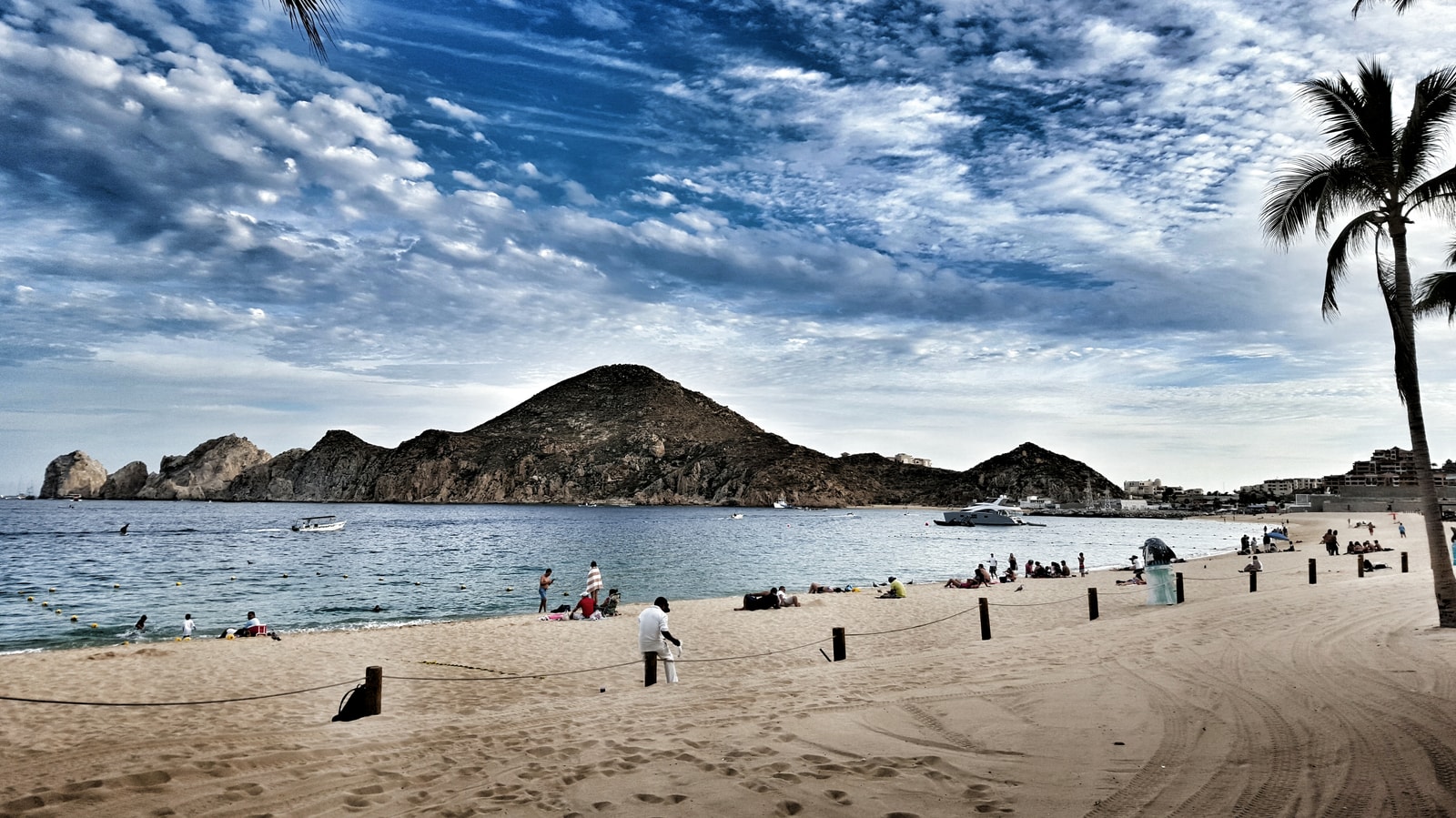
At the southern tip of the Baja California Peninsula, Cabo San Lucas is defined by a unique geography: the turbulent Pacific Ocean meets the sheltered Sea of Cortez. This collision creates a sharp contrast in water conditions, making some beaches perfect for a swim while others are strictly off-limits.
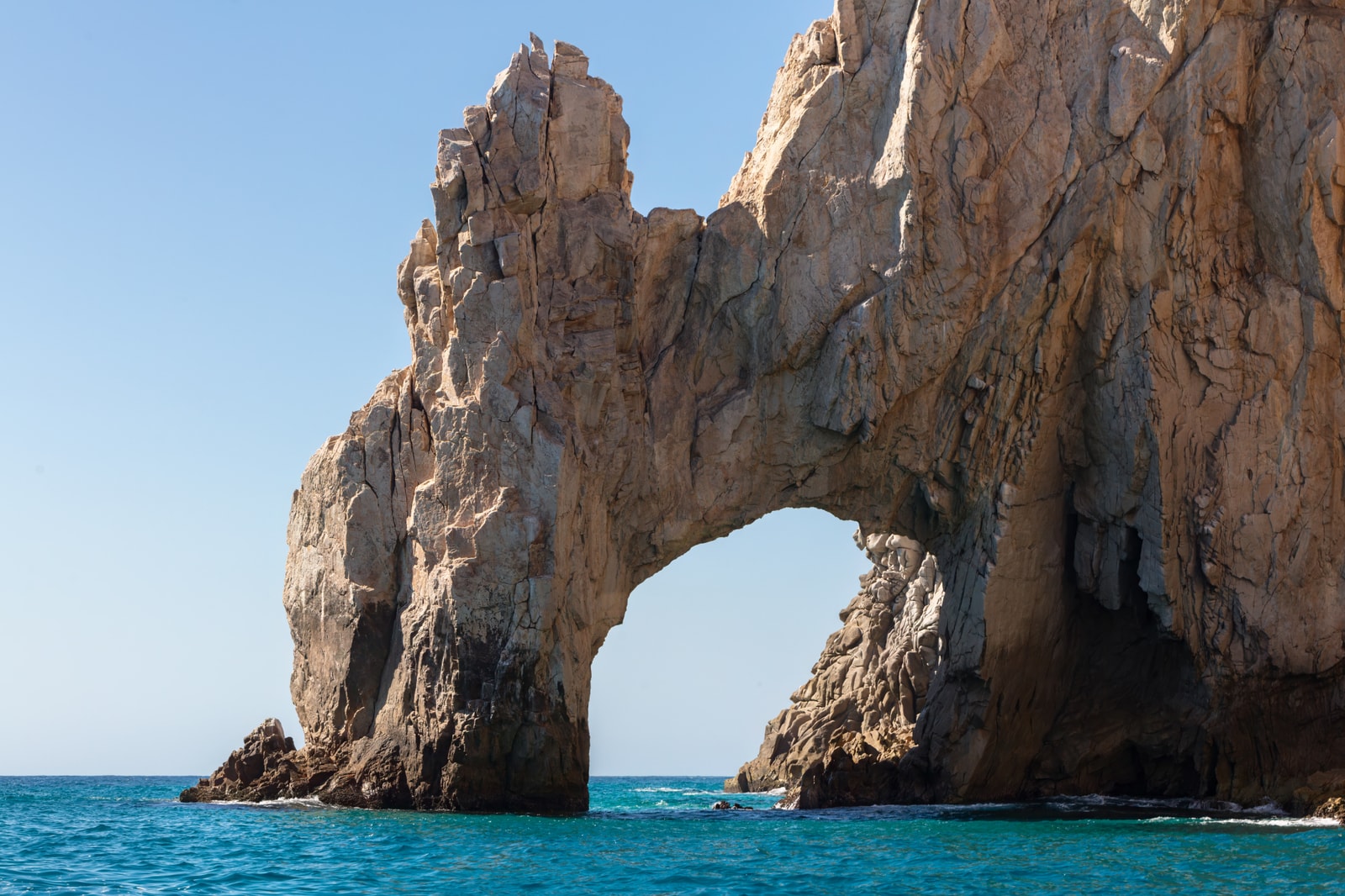
Beaches on the Pacific Ocean side, like Divorce Beach, are exposed to massive swells, powerful undertows, and dangerous shorebreaks. Swimming here is prohibited. In contrast, beaches on the Sea of Cortez side, such as Medano and Chileno, are generally calm and ideal for families and water sports.
To ensure safety, local authorities use a daily flag system. Always check the flags before entering the water:
- Green Flag: Low risk, safe for swimming.
- Yellow Flag: Moderate risk, use caution.
- Red Flag: High danger, swimming is prohibited.
- Black Flag: Extreme danger, the beach is closed.
- White Flag: Dangerous marine pests like jellyfish are present.
- Blue Flag: An international certification for beaches with high environmental, safety, and quality standards.
Medano Beach: The Heart of the Action
Medano Beach (Playa El Médano) is the safest and most popular swimming beach right in Cabo San Lucas. Its calm, gentle waves and roped-off swimming areas make it a hub for socialites, active families, and anyone looking to be in the center of it all.
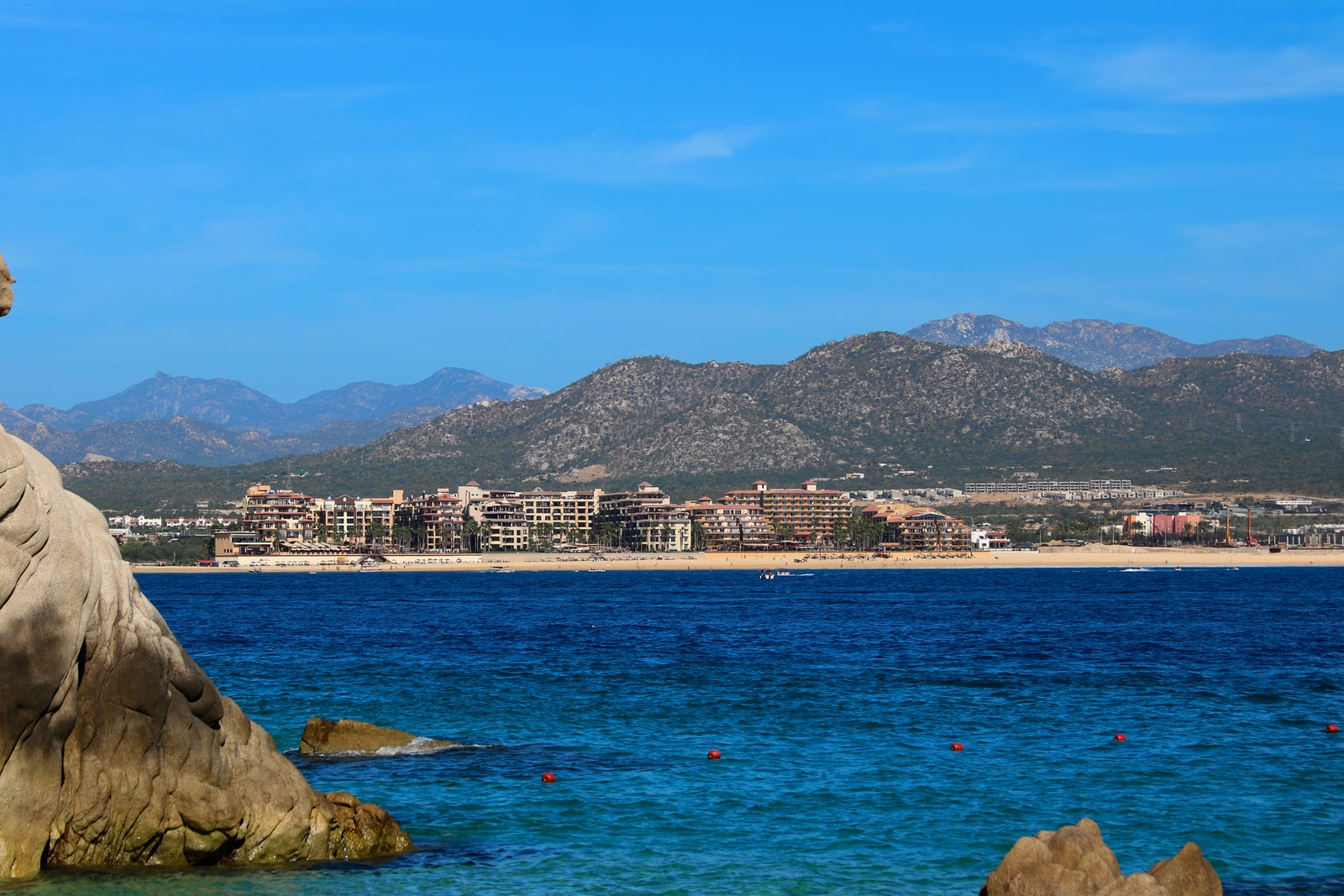
The vibe is high-energy and commercial, with a shoreline packed with resorts, beach clubs, and restaurants. While public restrooms are scarce, lifeguard towers are staffed during the day. Expect abundant rentals for jet skis, paddleboards, and lounge chairs.
Access is easy by foot from the Marina or via water taxi. Parking is limited, so using the paid garage at Puerto Paraiso Mall is a reliable option. Active vendors are permitted but must wear official ID badges and designated white uniforms.
The Tourist Corridor's Calmest Bays
For a more tranquil experience, the Blue Flag beaches along the Tourist Corridor are pristine sanctuaries. They are perfect for families, snorkelers, and anyone seeking a peaceful escape from the crowds and vendors.
Chileno Beach (Playa Chileno) offers incredibly calm, shallow, and clear waters in a protected bay. It boasts exceptional public facilities, including clean restrooms, showers, and free palapas. As a strictly vendor-free zone, you'll need to pack your own food, drinks, and snorkel gear.
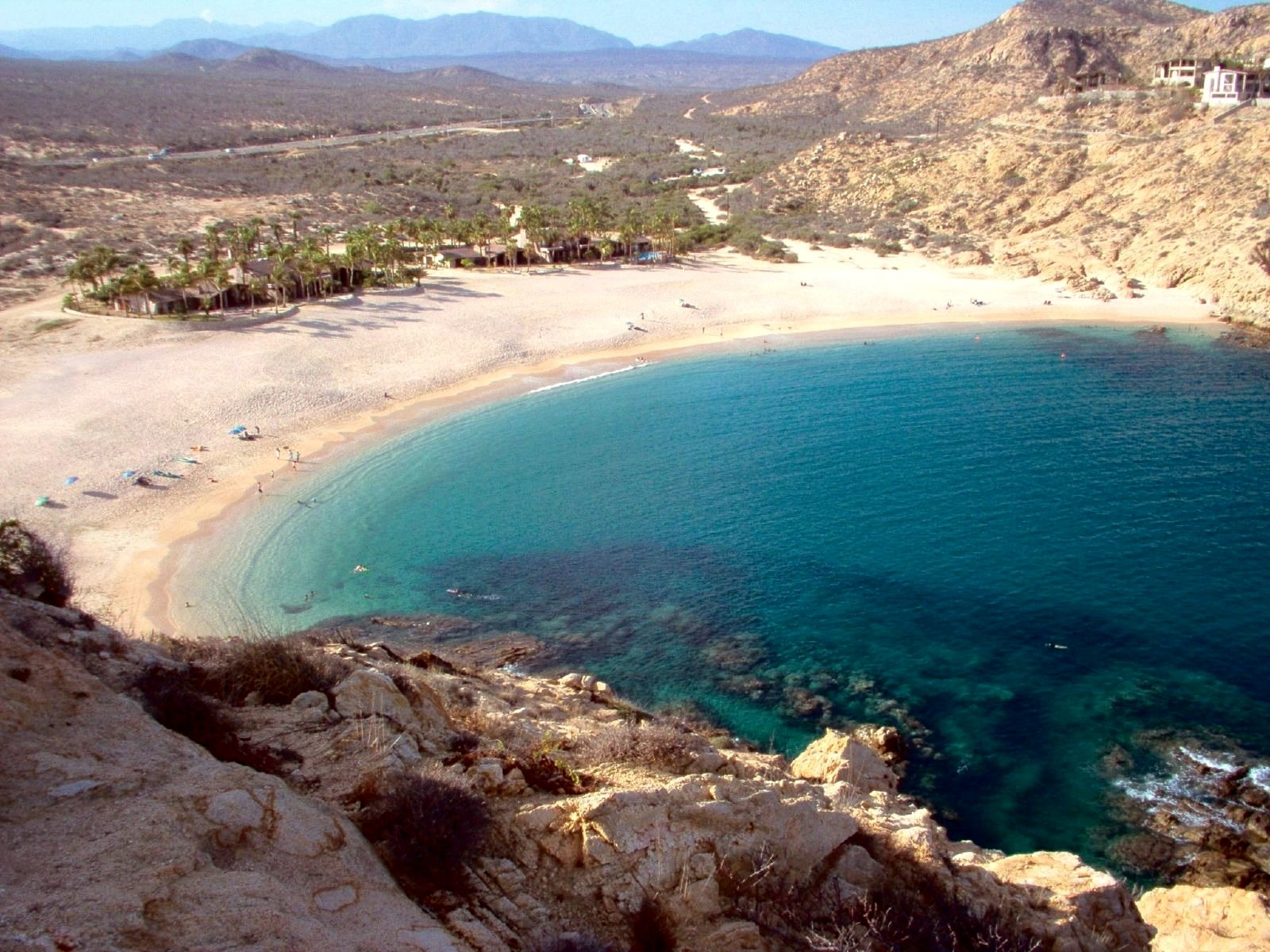
Nearby, Santa Maria Beach (Playa Santa María) is a snorkeler's paradise set in a protected, horseshoe-shaped cove. Like Chileno, it is Blue Flag-certified with lifeguards, free restrooms, and a strict no-vendor policy. Visitors must bring their own shade and supplies.
Both beaches have large, free public parking lots and are designed to be accessible, with paved walkways and amphibious beach wheelchairs available through the lifeguards.
Land's End: A Tale of Two Beaches
The iconic Land's End peninsula dramatically illustrates Cabo's coastal duality with two adjacent but starkly different beaches. Accessible only by water taxi from the Marina or Medano Beach, this is a must-see destination for adventurers and photographers.
Lover's Beach (Playa del Amor) sits on the calm Sea of Cortez side. Swimming and snorkeling are generally safe here, but be mindful of heavy boat traffic and a steep drop-off just a few feet from shore. It’s a scenic spot flanked by granite cliffs but has no amenities.
A short, flat walk across the sand connects you to Divorce Beach (Playa del Divorcio), which faces the ferocious Pacific Ocean. This beach is strictly non-swimmable due to its massive shorebreaks and lethal rip currents. It's a stunning place for sunbathing and watching the powerful waves crash, but wading is extremely dangerous.
Serene Escapes Near San Jose del Cabo
If you're seeking a quieter, more authentic beach day, head towards San Jose del Cabo. Palmilla Beach (Playa Palmilla) is a Blue Flag-certified gem, perfect for families with young children. Its protected crescent bay offers incredibly calm, flat water, and it's a favorite spot for local families on weekends.
Playa Las Viudas (Widow's Beach) offers a more rugged and wild experience. Known for its dramatic volcanic rock formations and tide pools, it's a great spot for solitude seekers and photographers. While wading in the sheltered coves is fine, strong currents make open-water swimming risky.
The Surfer's Coastline
Cabo is a world-class surfing destination, with breaks suited for all skill levels. Cerritos Beach (Playa Los Cerritos), located 45 minutes north of Cabo, is a bohemian hub perfect for beginners, with a sandy bottom and numerous surf shacks offering lessons and board rentals.
Near San Jose del Cabo, Playa Costa Azul is a legendary spot for intermediate to advanced surfers. The strong swells and rocky reef bottom make it unsafe for recreational swimming, but it's a fantastic place to watch local and traveling surfers carve waves.
For experts only, Monument Beach offers a challenging surf break over sharp, jagged reefs. It's a secluded spot with no public amenities but provides stunning, unobstructed views of El Arco, making it a favorite for sunset watchers.
Snorkeling Cabo's Protected Marine Sanctuaries
The waters of Santa Maria and Chileno beaches are protected marine sanctuaries teeming with life. Unlike Caribbean coral, Los Cabos features submerged volcanic rock reefs that create complex habitats for hundreds of species, from colorful Cortez Angelfish to secretive Moray Eels.
To protect this delicate ecosystem, strict rules are enforced. Visitors must follow a no-touch policy with all marine life and are prohibited from feeding the fish. Only mineral-based, reef-safe sunscreens are permitted, as chemicals like oxybenzone are banned.
For the best conditions, go snorkeling in the early morning (7-10 AM) when the water is calmest and visibility is at its peak. An incoming high tide also brings in clear water and more marine animals closer to shore.
Seasonal Guide to Cabo's Waters
The beach experience in Cabo changes significantly with the seasons. Water temperatures are warmest from August to October, peaking around 85°F (29°C). They dip to a cooler 68°F (20°C) in February and March, when a wetsuit is recommended for snorkeling.
From mid-December to mid-April, migrating humpback and gray whales can be spotted from shore, especially along the Pacific coast where deep water allows them to swim close to the beach.
Be aware that the hurricane season runs from May 15 to November 30, with peak risk in August and September. Jellyfish concentrations are highest in the spring, from April through June, so always check for the white warning flag.
Day Trip Adventure: Cabo Pulmo National Park
For a true off-the-grid adventure, take a day trip to Cabo Pulmo National Park, located about two hours northeast of Cabo San Lucas. Dubbed the "Aquarium of the World," it protects one of North America's only living hard coral reefs.
The final stretch of the journey is an unpaved road, so a high-clearance vehicle is recommended. The village is solar-powered with no ATMs and limited cell service, so bring cash. Certified guides are required for snorkeling or diving on the outer reefs, and life jackets are mandatory for all snorkelers.
2026 Coastal Events Calendar
Plan your trip around one of Cabo's vibrant coastal events. The 2026 calendar is packed with music, sports, and cultural festivals set against a stunning ocean backdrop.
- Tropic of Cancer Music and Arts Festival (January 14–18, 2026)
- El Rey de Lover's Skimboarding (April 17–19, 2026)
- Ironman 70.3 Los Cabos (April 26, 2026)
- Sunset Fest Cabo (May 22–24, 2026)
- Escape to the Cape Surf Contest (June 12–14, 2026)
- Monuments Surf Competition (July 3–5, 2026)
- Mifel Tennis Open (July 25 – August 1, 2026)
- Country Splash Cabo (September 4–6, 2026)
- Los Cabos Billfish Tournament (October 7–11, 2026)
- Bisbee’s Black & Blue (October 19–24, 2026)
- Pacífico Surf Open Cerritos (November 19–22, 2026)
Gallery