Camber Sands 2026: Your Guide to England's Wildest Beach
From its famous golden dunes and windswept watersports to historic Rye and a packed late-season events calendar, here's how to master Camber Sands in 2026.
Published on 26 Aug 2026 14:53 GMT
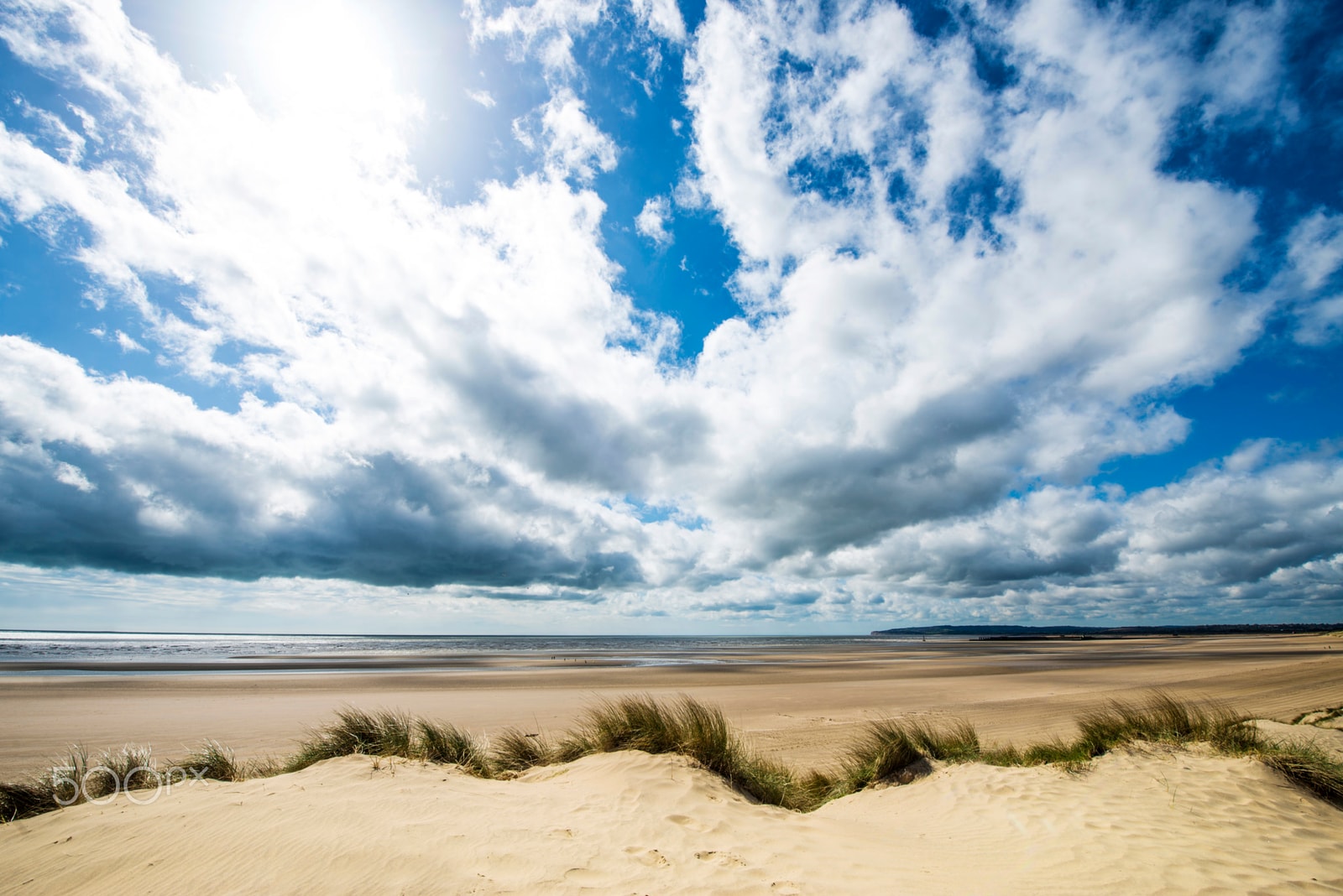
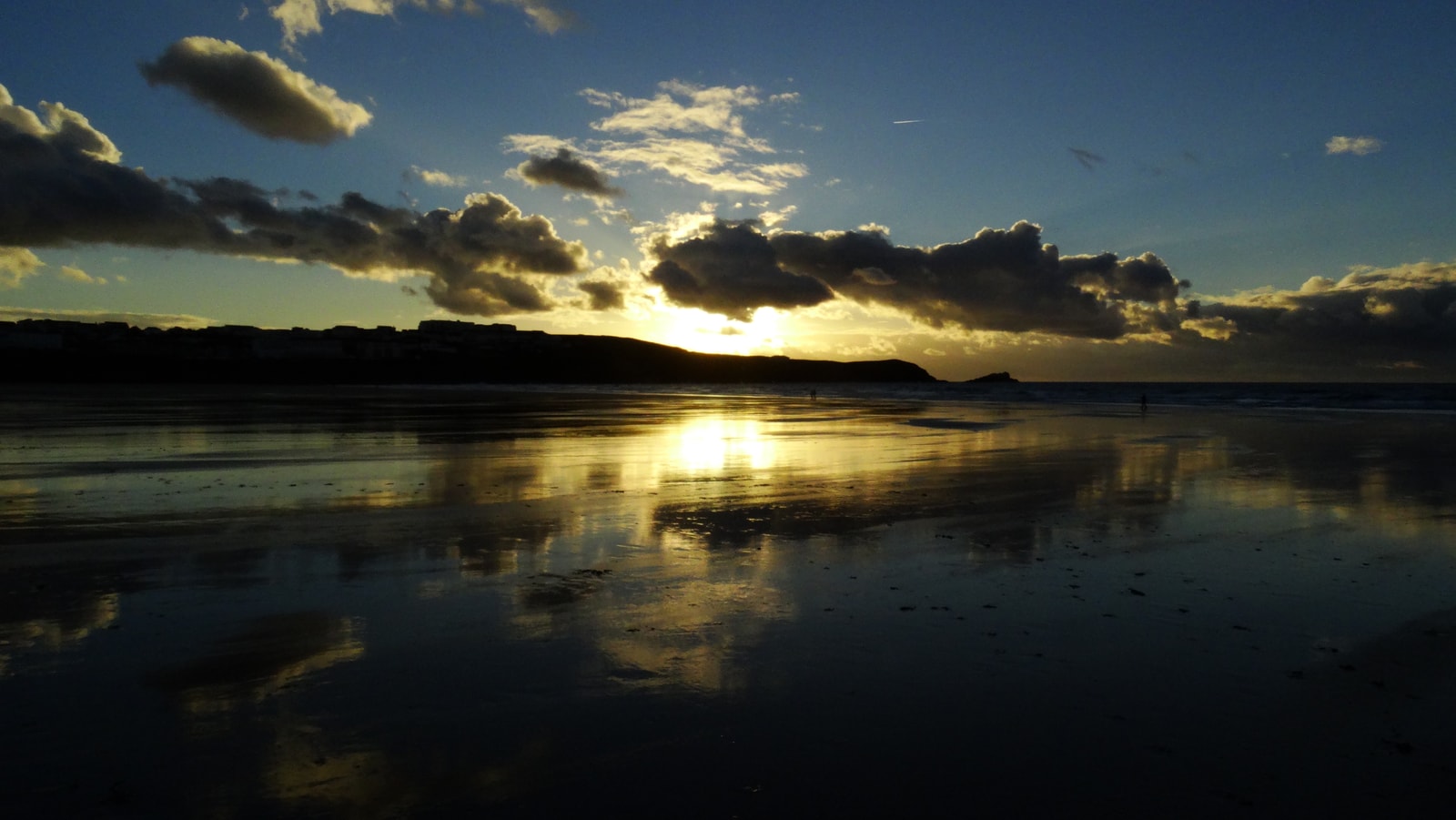
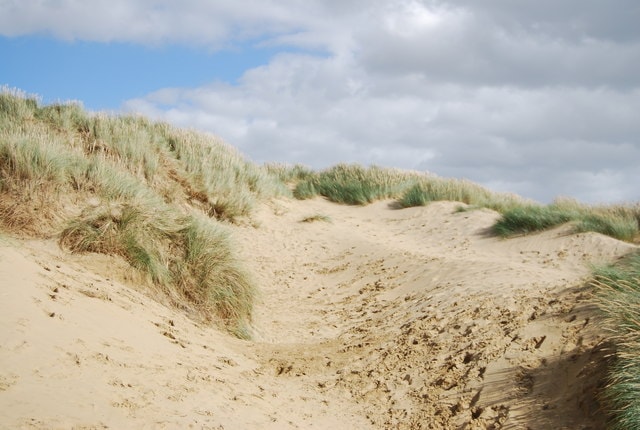
In a county famous for pebble beaches, Camber Sands is a glorious anomaly. It boasts miles of soft, golden sand and the only sand dune system in East Sussex, a protected landscape designated as a Site of Special Scientific Interest (SSSI).
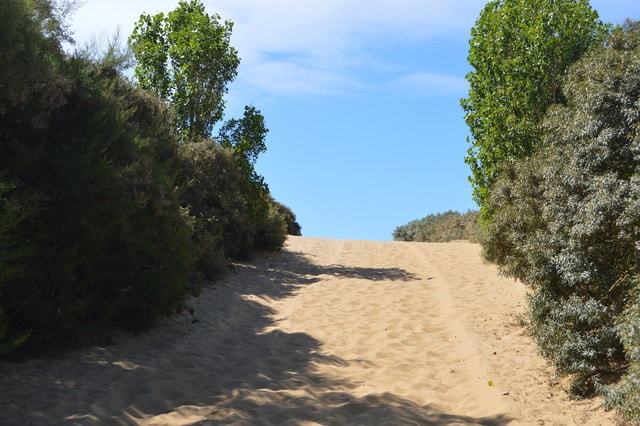
This fragile ecosystem is in constant motion, shaped by the wind. It begins with delicate embryo dunes near the sea, home to salt-tolerant plants like Sea Rocket. Further back, tall yellow dunes are anchored by the hero of Camber: Marram Grass, whose deep roots bind the sand.
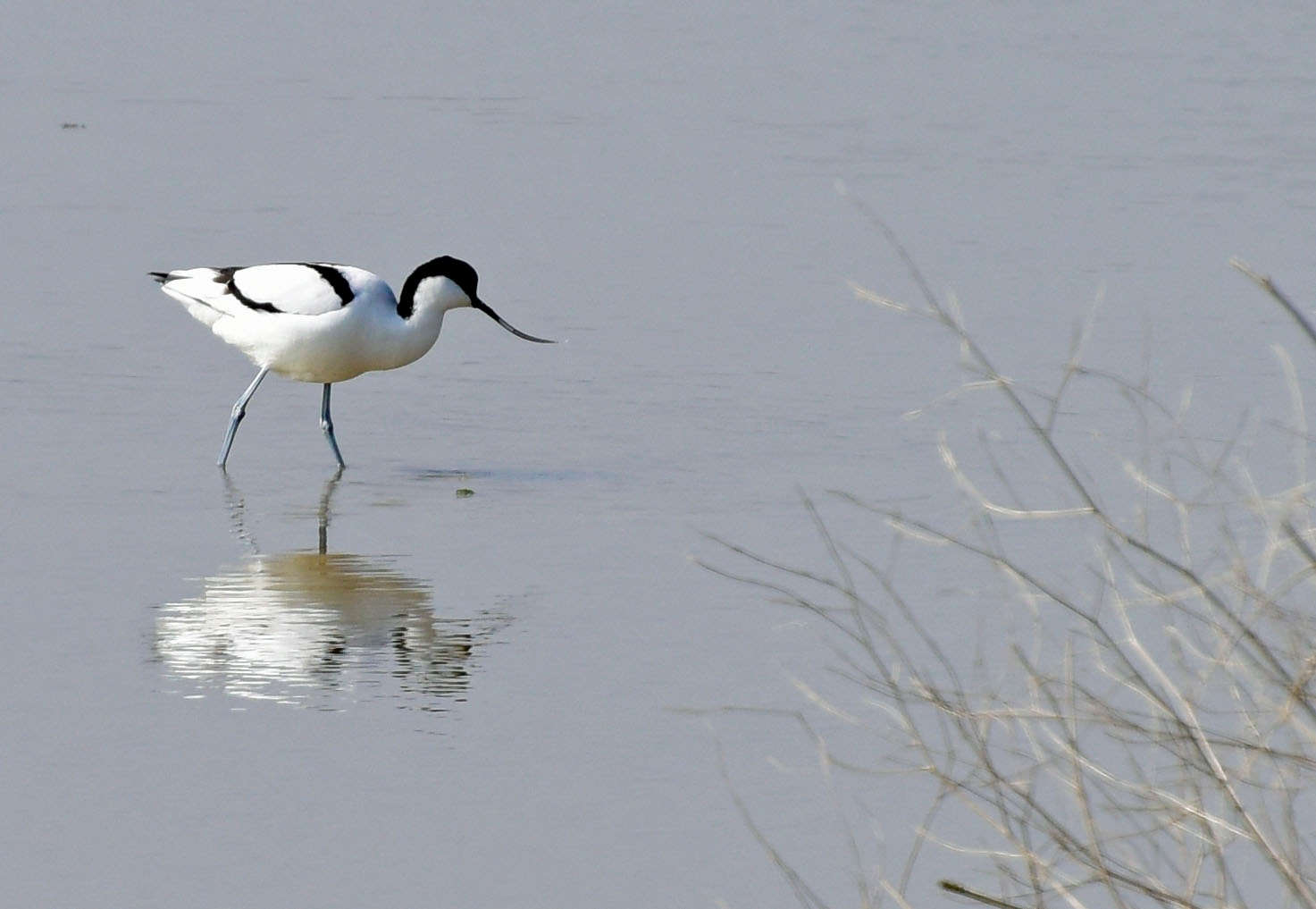
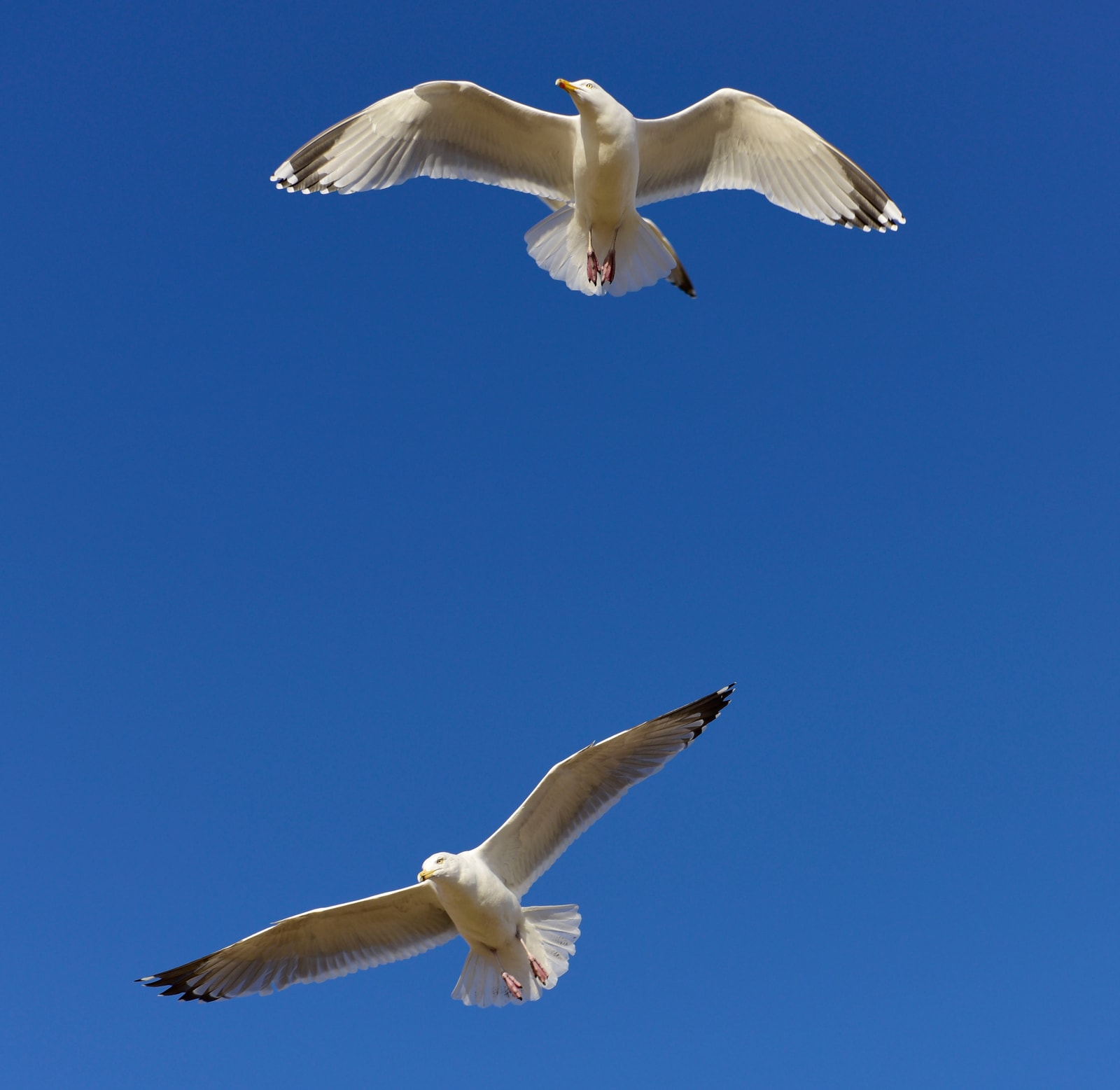
Inland, grey dunes are stabilized by moss and lichens, providing a habitat for wildflowers like Viper’s Bugloss. This is also a sanctuary for wildlife, from ground-nesting Skylarks and foraging Oystercatchers to sun-basking Common Lizards and rare solitary bees.
To protect this environment, visitors must stay off the grass and use the boardwalks. Climbing the dunes damages the Marram Grass and can cause severe wind erosion. As of August 2026, all BBQs and any flame or fire are temporarily prohibited because of the UK wildfire risk. Check the latest Rother District Council guidance before visiting, as restrictions can change.
How to Visit in 2026: Parking, Tides, and Traffic
Camber Sands is legendary for its summer gridlock, fed by a single main road. A visit in 2026 requires tactical planning, especially regarding parking and timing. Rother District Council operates three main car parks with a seasonal fee structure.
During the peak season (1 April – 30 September 2026), Rother District Council's current tariff is a flat day rate of £30 for stays over 6 hours. To avoid the worst traffic, aim to arrive before 9:00 AM or after 4:00 PM. Also, be sure to check the local tide tables, as the beach almost vanishes at high tide.
To bypass the traffic entirely, consider these options:
- Train-to-Bus: Take the Marshlink line to Rye Station and then use a local bus to Camber Sands, including Stagecoach route 102. From 12 April 2026, route 100 departures from Rye were adjusted Monday–Saturday to improve connections with route 102; check the live timetable before travelling.
- Bicycle: Rent a bike in Rye and take the National Cycle Network (NCN) Route 2. This flat, traffic-free path runs parallel to the main road and will get you to the dunes in about 20-30 minutes.
The Rye Connection: From Medieval Cobbles to Coast
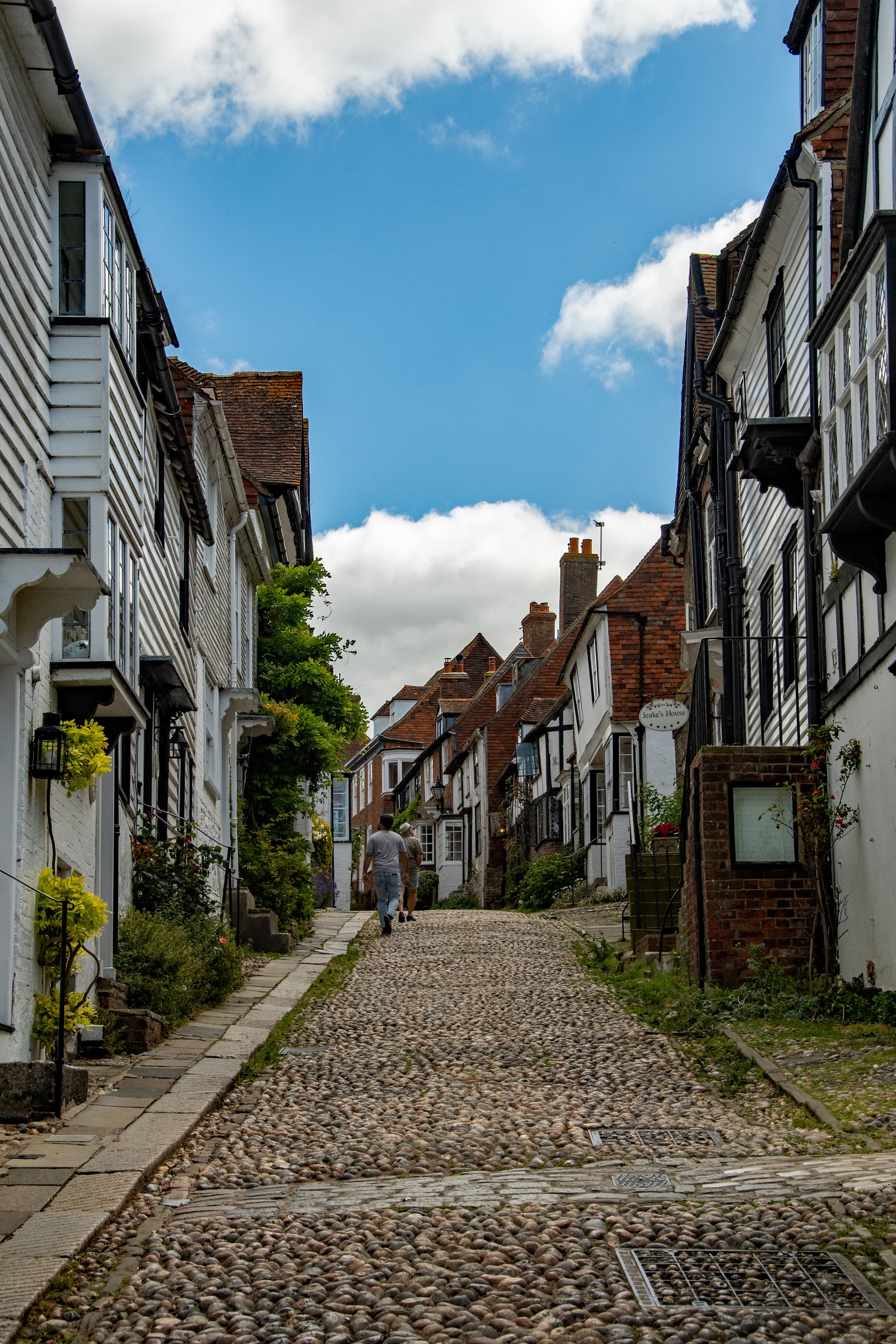
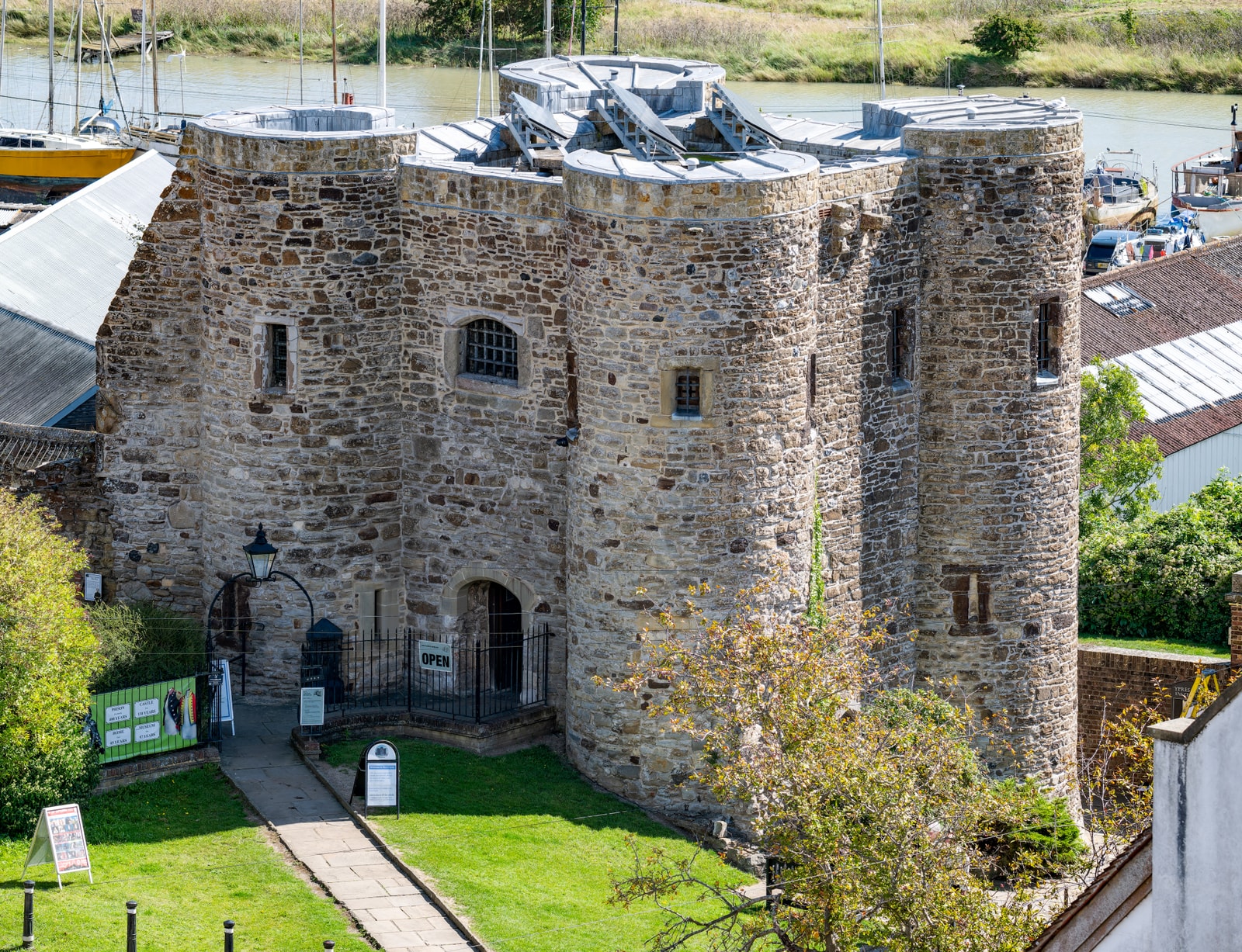
Just three miles separate the medieval citadel of Rye from the wild dunes of Camber. You can walk between them along a scenic 3.5-mile path on the River Rother's flood bank, passing saltmarshes and grazing sheep.
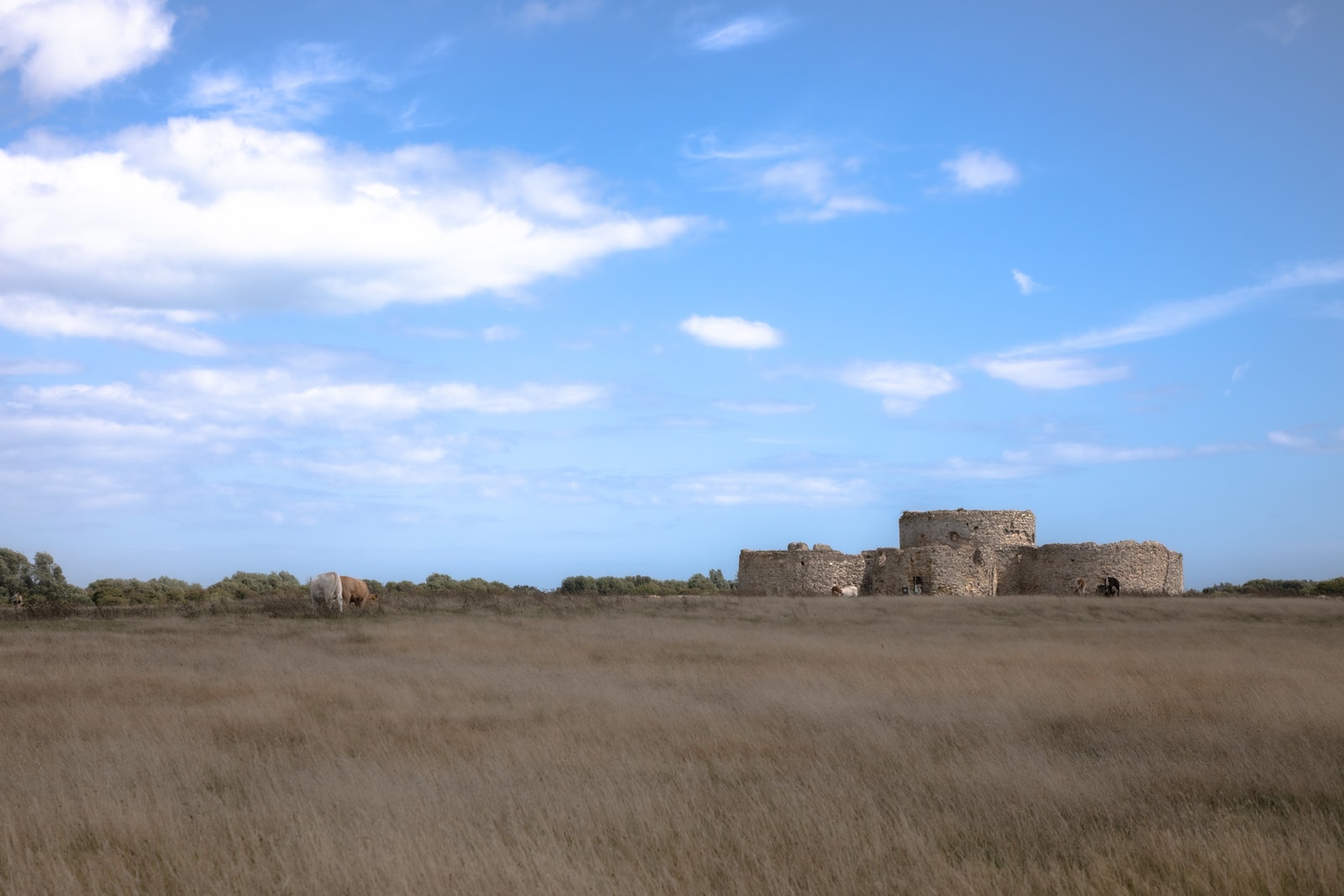
This landscape is dotted with defensive history. In Rye, the 13th-century Ypres Tower stands guard. Nearby, Henry VIII's Camber Castle now sits bizarrely inland, surrounded by pastures—a testament to centuries of shifting coastline. Squat, brick Martello Towers from the Napoleonic era also line the shore.
A Playground for the Wind: Watersports at Broomhill Sands
The eastern end of the beach, known as Broomhill Sands, is one of the UK's premier destinations for wind-sports. The prevailing south-westerly winds blow cross-onshore, a safe direction that pushes riders back toward the beach.
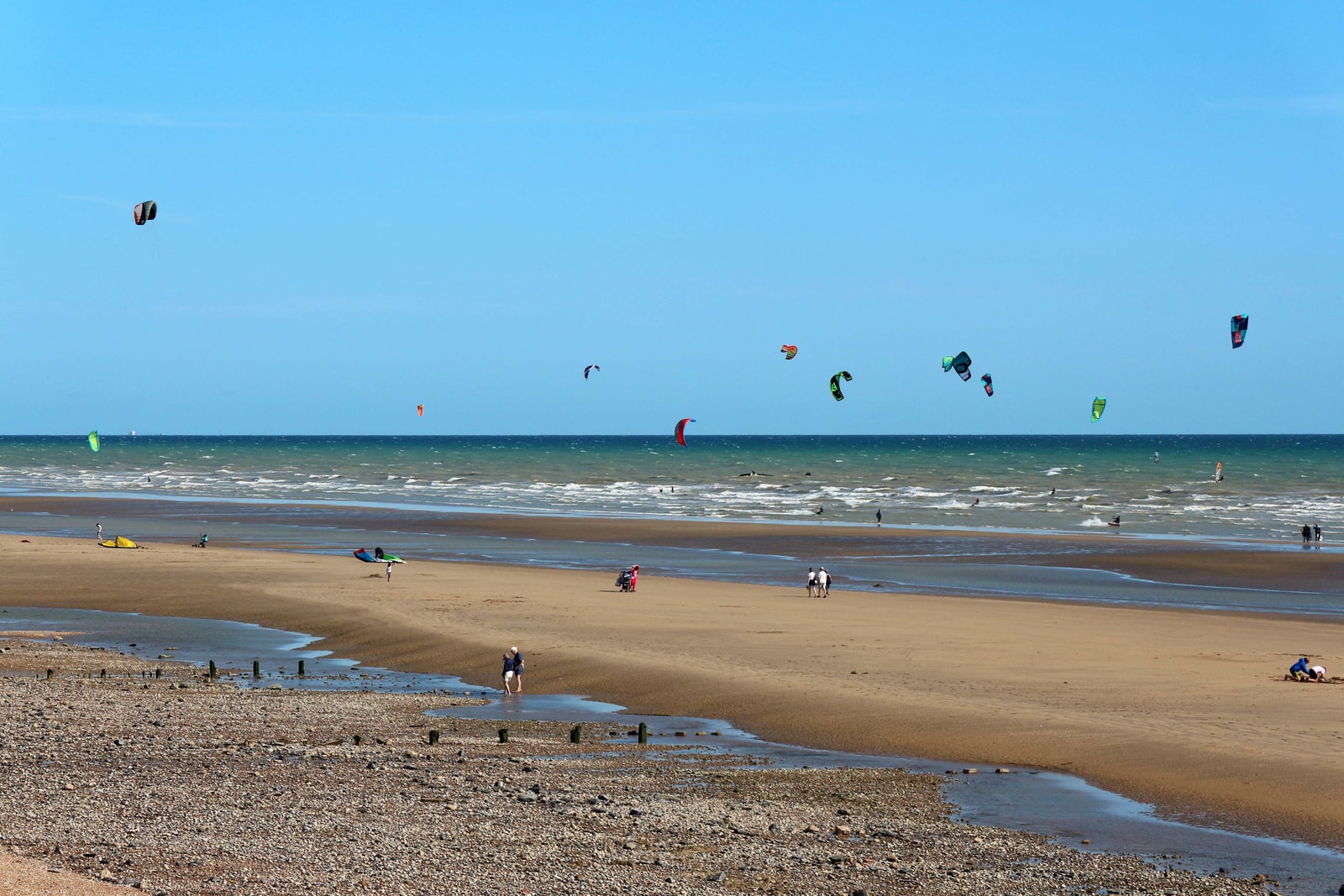
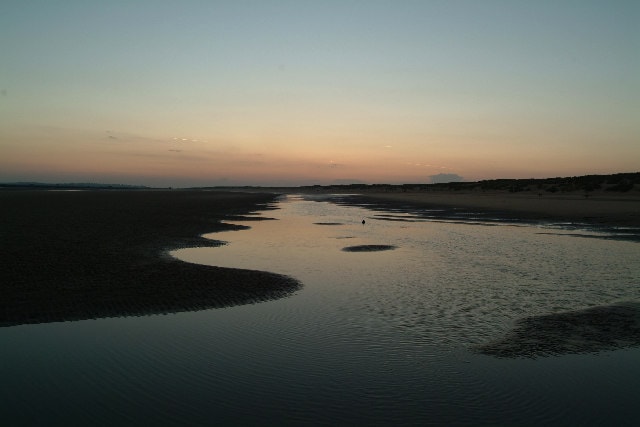
At low tide, the receding water creates shallow, glassy lagoons perfect for freestyle kitesurfing and beginners. Windsurfing is also popular, while calm mornings are ideal for stand-up paddleboarding.
For lessons, The Kitesurf Centre at Broomhill is the UK's largest BKSA-approved school. Nearby, Rye Watersports offers windsurfing and sailing on a sheltered inland lake, perfect for building confidence before hitting the open sea.
Beach Safety: Tides, Currents, and Weever Fish
The vast, flat beach at Camber is beautiful but hides several hazards. The tide comes in extremely fast, and it's easy to get cut off on a sandbar as the channels behind you fill with deep, fast-flowing water first.
The western end of the beach near the River Rother estuary has dangerous undercurrents and is off-limits for swimming. In summer, watch out for the Weever Fish, a small, sand-colored fish that buries itself in shallow water. Stepping on its spine causes extreme pain.
If you are stung, the best first aid is to submerge the affected foot in water as hot as you can tolerate for at least 30 minutes to break down the venom. Always swim in the RNLI-patrolled zone between the red and yellow flags and follow the flag warnings.
Where to Eat: Dune-side Dining and Historic Rye Pubs
The local dining scene celebrates Sussex produce, with options ranging from beachside shacks to historic inns. In Camber, The Gallivant offers upscale coastal dining, while The Owl is a cozy gastropub right behind the dunes. For a quick bite, the new Leo’s Coffee To-Go opened in February 2026.
In Rye, the options multiply. Webbe's at The Fish Café is renowned for local seafood, especially Rye Bay scallops. For historic atmosphere, dine under ancient timber beams at The Mermaid Inn or enjoy elevated pub fare at The Standard Inn and The Globe Inn Marsh.
Where to Stay: Boutique Inns to Dune-Top Retreats
Accommodations range from chic hotels to family holiday parks. The Gallivant in Camber is a wellness-focused hotel across from the dunes, offering beach yoga and spa treatments. In Rye, historic inns like The Mermaid Inn and The George in Rye provide atmospheric stays.
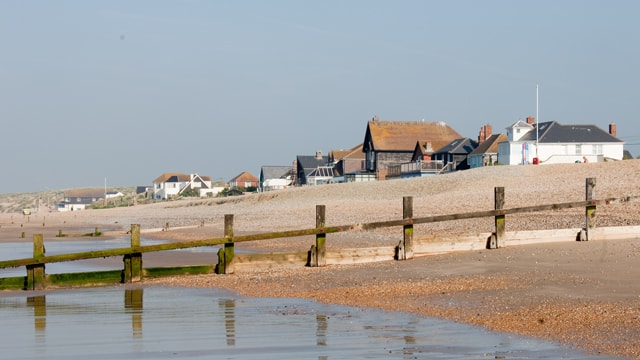
For families, Parkdean Resorts Camber Sands has caravans, pools, and activities. The historic Pontins site next door closed in late 2023 and remains vacant as of summer 2026, with redevelopment proposals submitted early in the year. For a more rustic experience, local farms offer camping and glamping.
Camber on Camera: A Legendary Film Location
The vast, desert-like landscape of Camber Sands has made it a star of the silver screen, often doubling for other locations. It has played the role of the Normandy beaches in war films like Dunkirk (1958), The Longest Day (1962), and The Monuments Men (2014).
The dunes famously stood in for the Sahara Desert in Carry On Follow That Camel (1967). It also provided a backdrop for The Theory of Everything (2014), Ricky Gervais's series After Life, and several classic episodes of Doctor Who.
Your Late 2026 Events Calendar for Camber and Rye
The area hosts a vibrant lineup of cultural, food, and community events, particularly in the late summer and autumn of 2026.
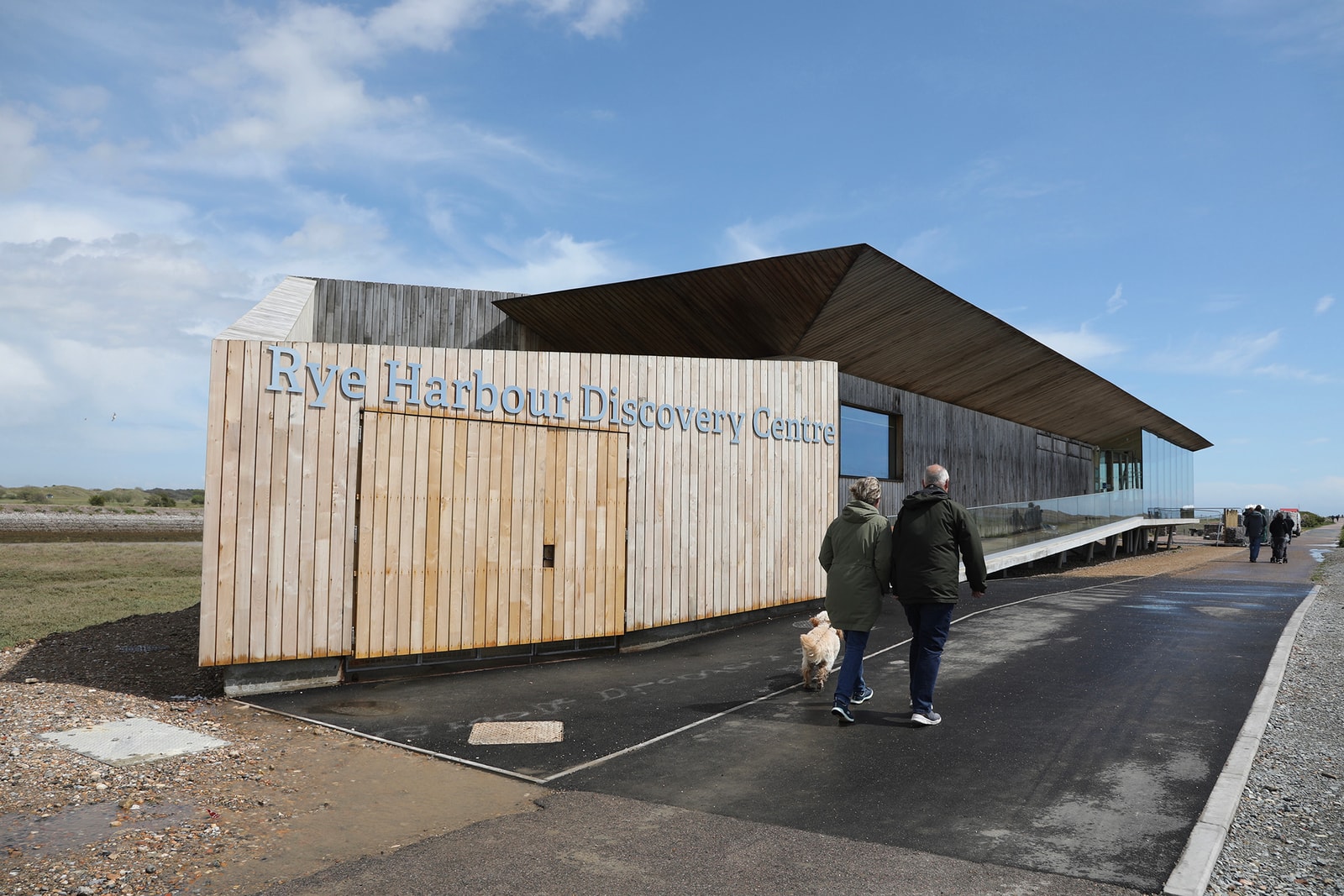
Late Summer & Autumn 2026 Events
- Rye International Jazz & Blues Festival 2026 (Aug 28 – 31)
- Sunrise Beach Yoga at Camber Sands (Aug 29)
- Appledore Flower Festival (Aug 29 – 31)
- Rye Arts Festival 2026 (Sep 10 – 27)
- Rye Harvest Wine & Food Fair (Sep 12 – 13)
- Rye Harvest Hoedown (Sep 12)
- Tibbs Hop Fest (Sep 19)
- Rye National Town Crier Championships (Oct 3)
- Winchelsea 1066 Festival (Oct 10 – 31)
Winter 2026 Events
- Rye Bonfire Night (Nov 14)
- Festive Makers Market at Rye Harbour (Nov 21 – 22)
- Christmas Tree Festival at St Mary's (Nov 27)
Gallery
Additional Resources
- Rye International Jazz & Blues Festival Official Website
- Rye Arts Festival Official Website
- Rye Bonfire Society Official Website
- Sussex Wildlife Trust Events Page
- Rye Town Council
- Appledore Parish St Peter & Paul Church
- Tibbs Farm Website
- Rye National Town Crier Championships
- Winchelsea Community Portal
- Ten Tenterden Benefice Churches