Croatia’s Beaches in Winter: A December 2026 Guide
Where to walk, when to skip a swim and which coastal towns shine in December 2026.
Published on 26 Nov 2026 16:11 GMT
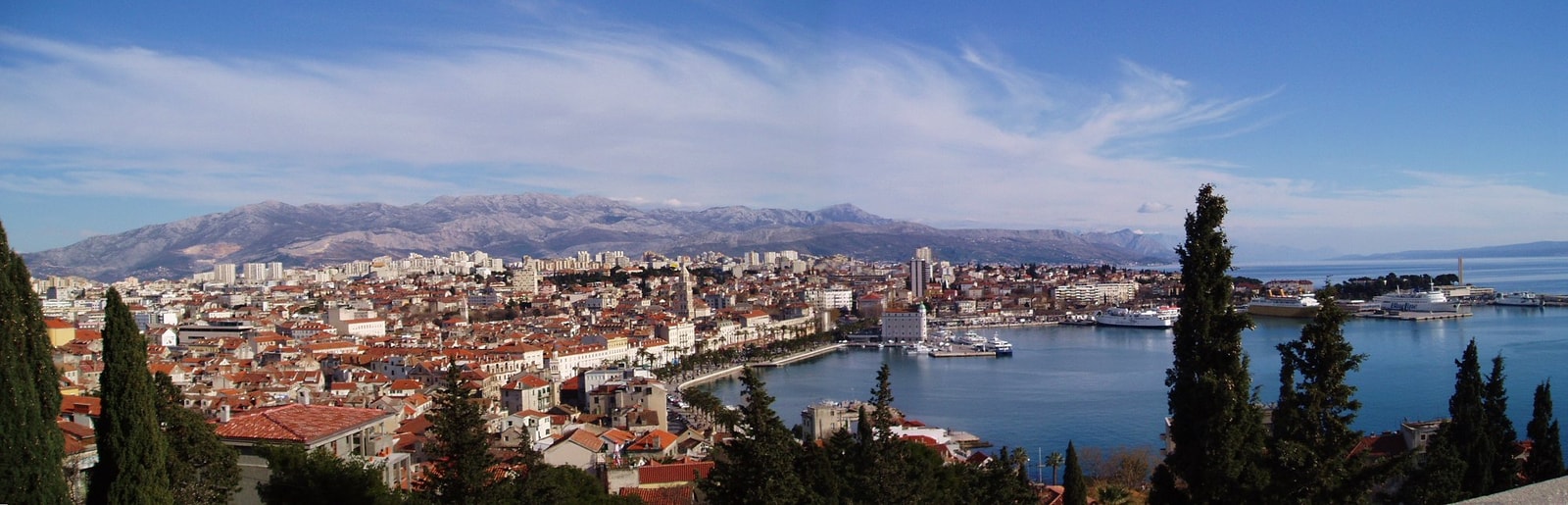
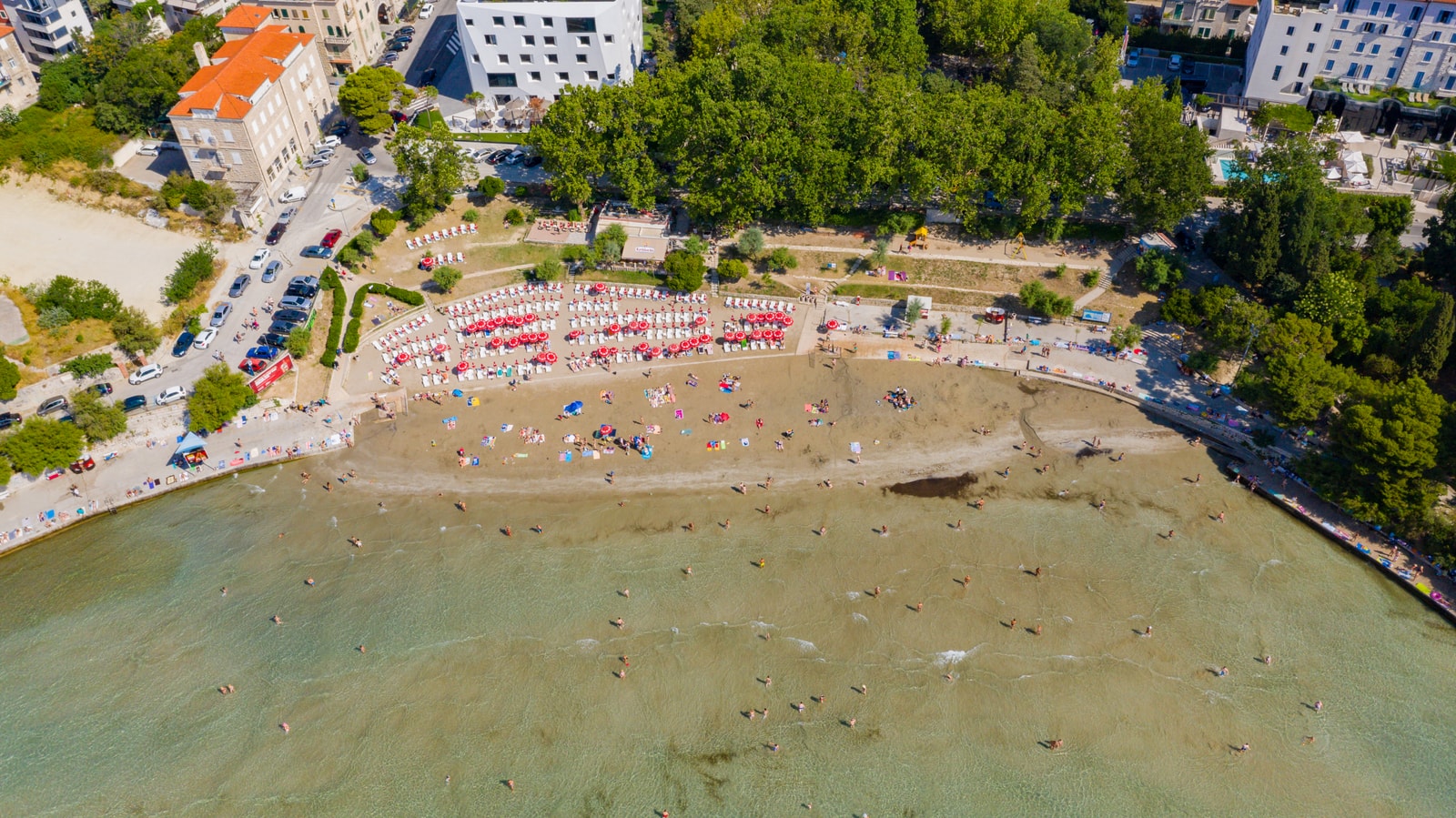
At Bačvice, you can stand on a cold beach and watch the locals play picigin in the shallows. Split’s best-known sandy shore still has a purpose long after the bathing season ends. The players have their reasons for getting in; from the promenade, you have an excellent reason to stay dry and watch.
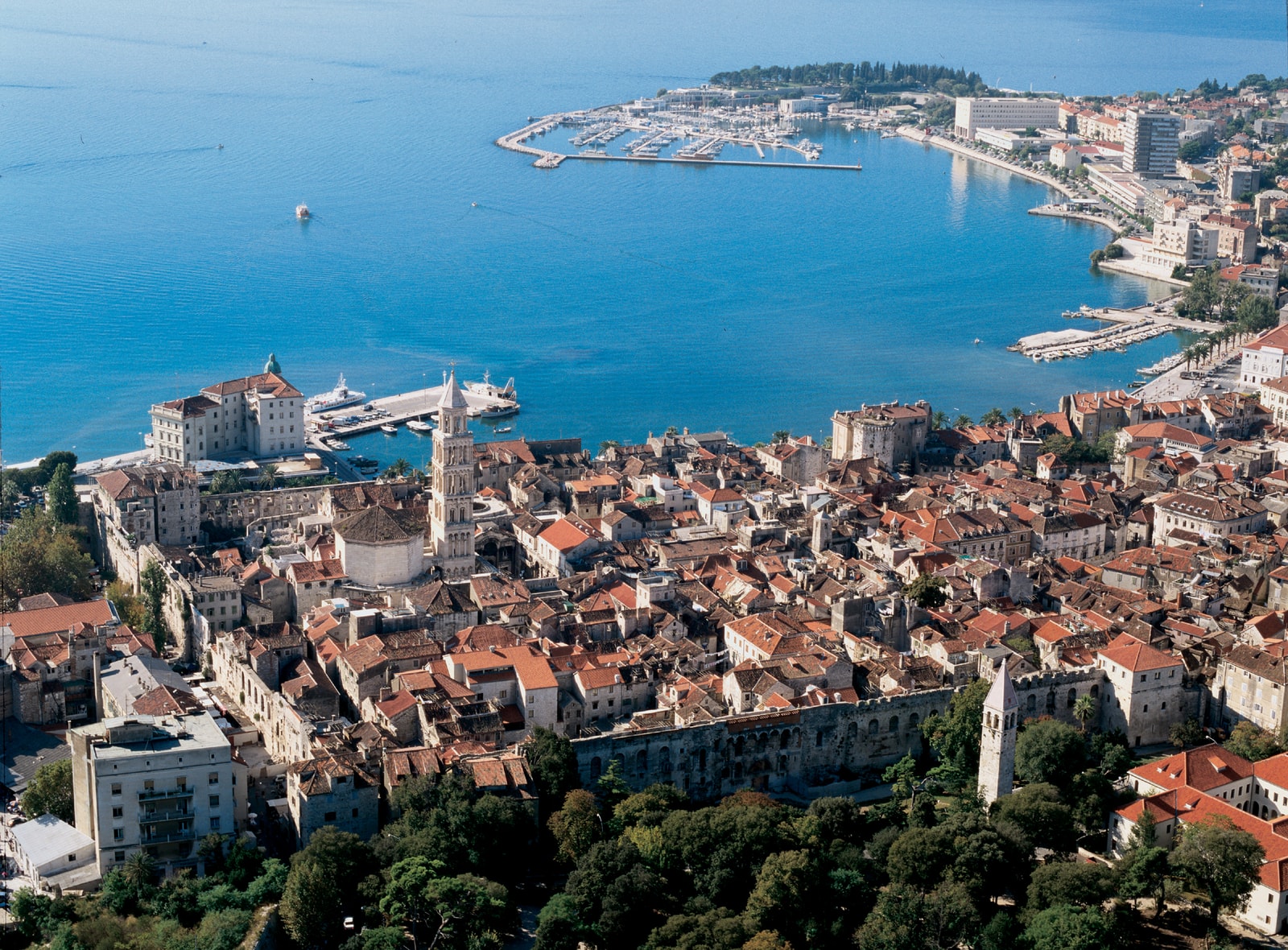
Start on the Riva, the broad, paved waterfront below Diocletian’s Palace. With an hour of light to spend, head east past the port for Bačvice: the going is mostly level and the walk is as much about Split as it is about the sand. You can carry on towards Firule, though the neighbourhood becomes more residential and the seafront path less continuous.
Go west instead and the fishing boats at Matejuška mark the approach to the Marjan peninsula. The lower routes take in coves; the higher ones climb on stone steps and sloping paths through pine and cypress. For that view back across the harbour, give yourself daylight for the descent as well as the climb. Late in the afternoon, the little working harbour makes a good destination in its own right.
Either way, come back through the lanes and courtyards of Diocletian’s Palace. People live here; stepping off the Riva takes you into a neighbourhood. That’s the merit of Split as a December base: even if the walk ends early, you’ve still got somewhere you want to go.
Dubrovnik and Cavtat: Choose the Turnaround
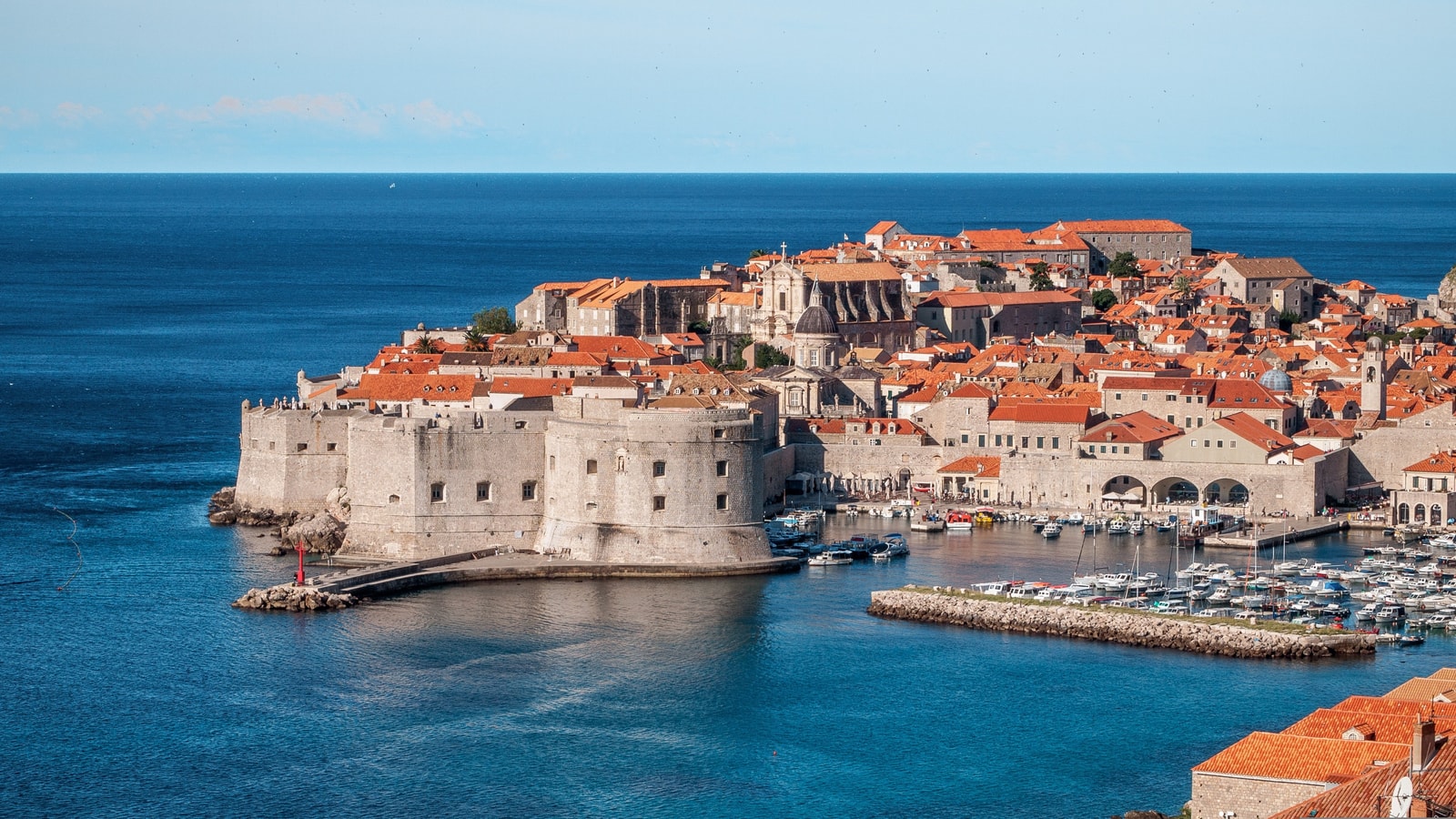
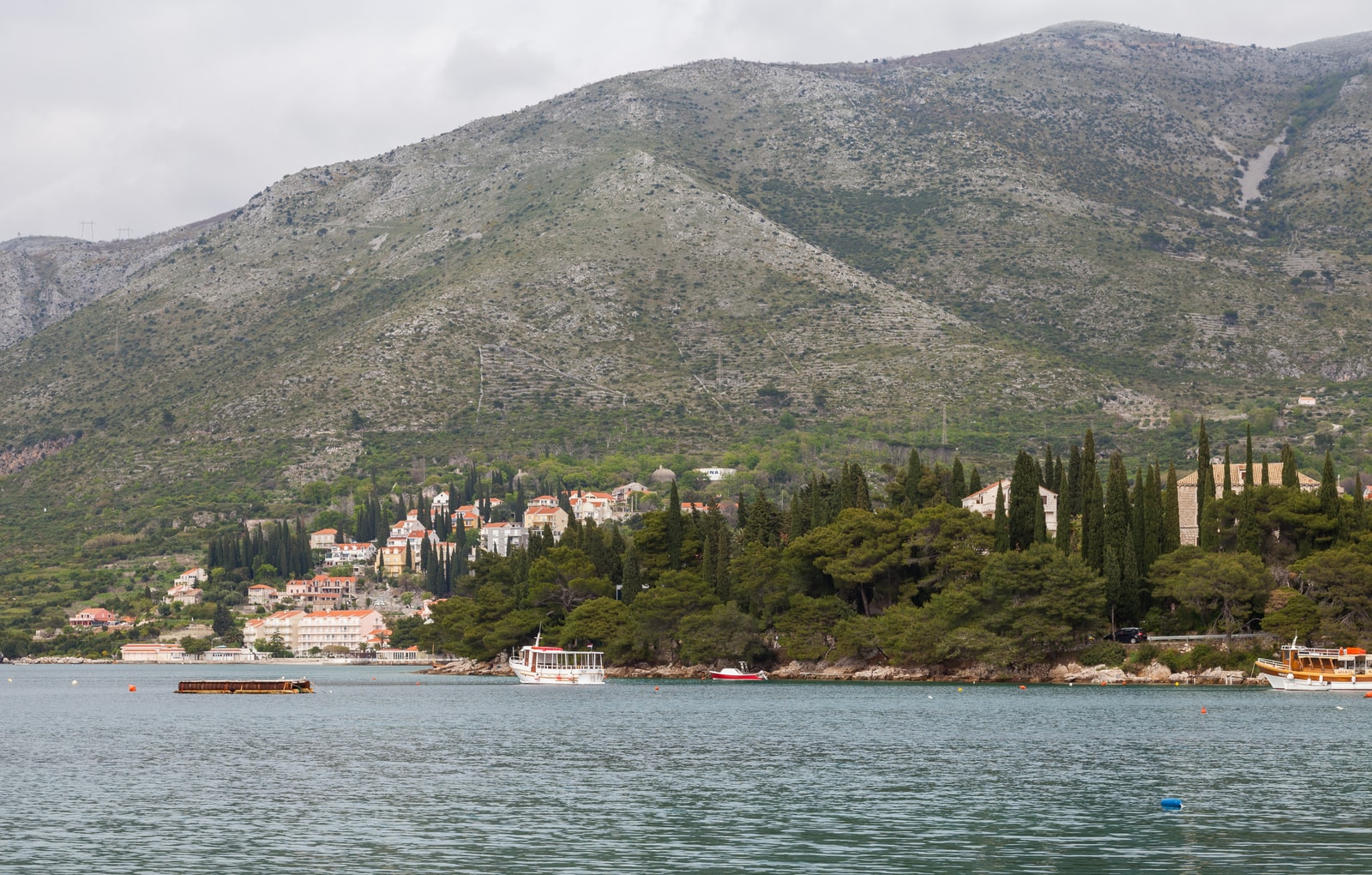
The best part of the walk to Sveti Jakov is looking back. Leave Dubrovnik’s Old Town by Ploče Gate and head towards Banje Beach: already you can see the walls behind you and Lokrum across the water. Follow the coastal road and paths towards Sveti Jakov and you get a second perspective from above the long flight of steps to the beach.
Allow roughly 1½–2 hours for the full 4–5 km out-and-back. On wet stone, make the viewpoint your turnaround. You’ve come for the city and island spread out across the water; there’s little sense descending a steep staircase just to say you touched the shore. For a shorter outing, choose between two quite different waterfronts:
- Uvala Lapad (Lapad Bay) has a broad, mostly level promenade to Sunset Beach, with benches facing the bay. It’s easy to turn back whenever you like. Beyond it, the route around Babin Kuk uses public paths and pavements beside roads; don’t expect to follow the water all the way.
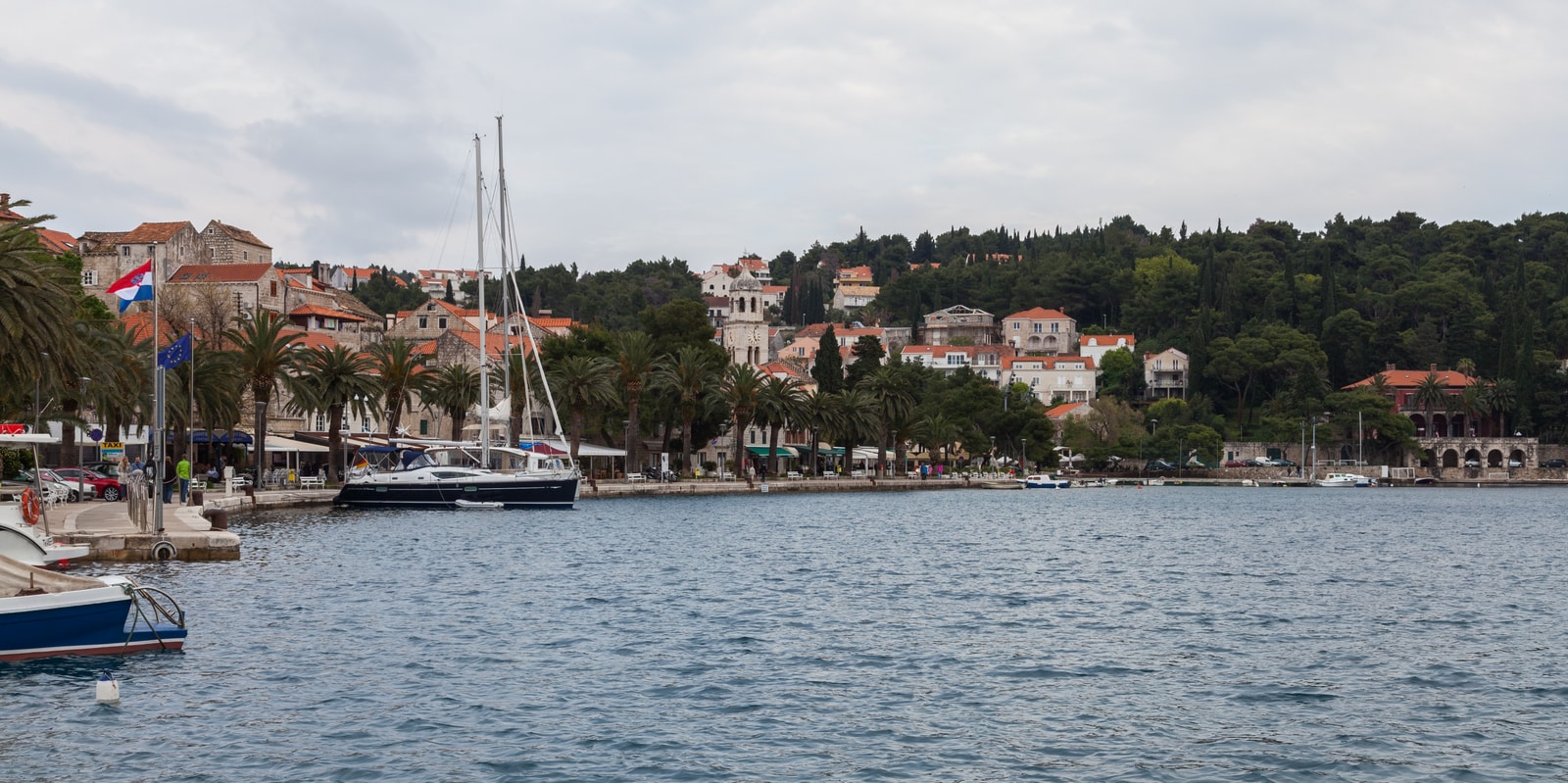
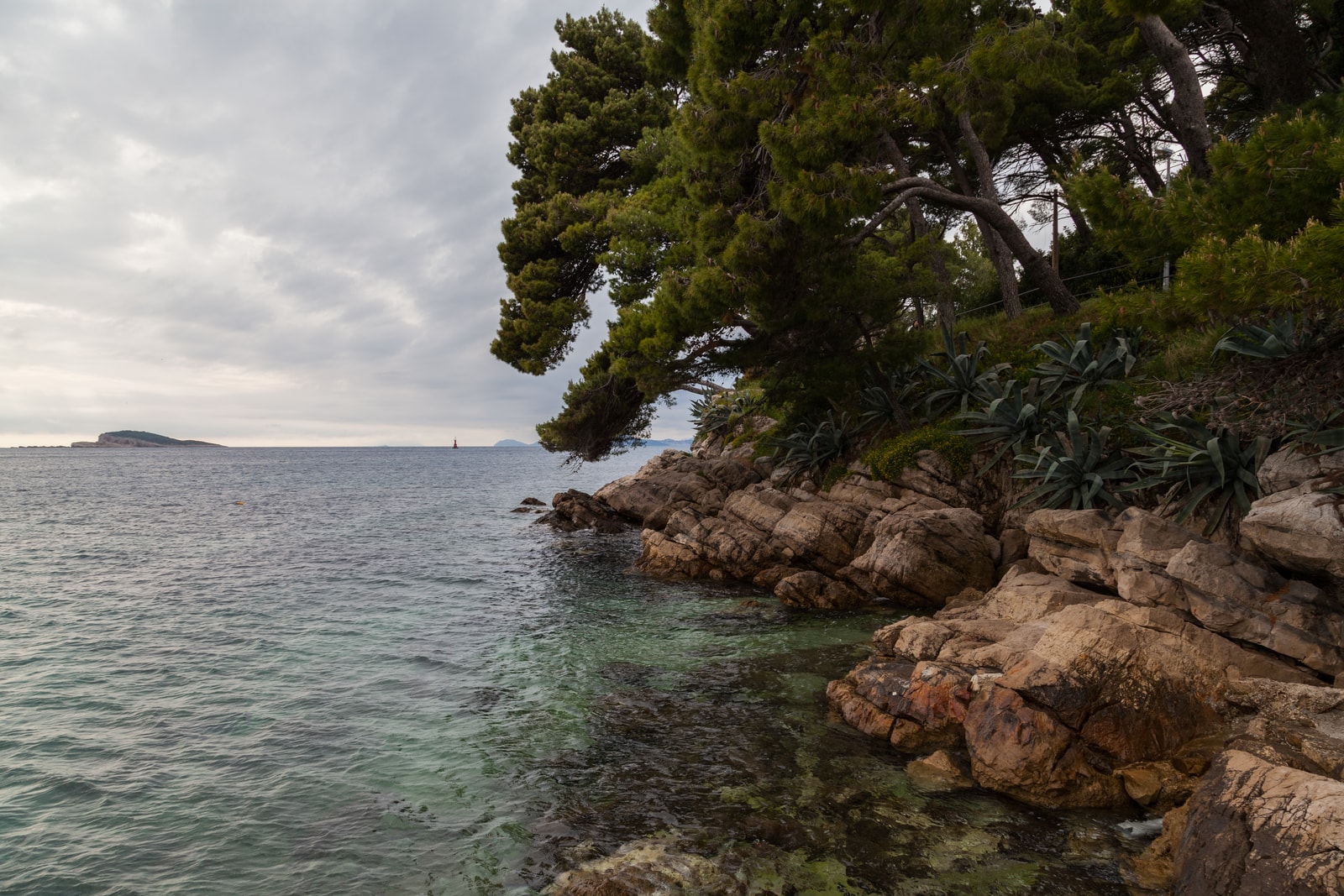
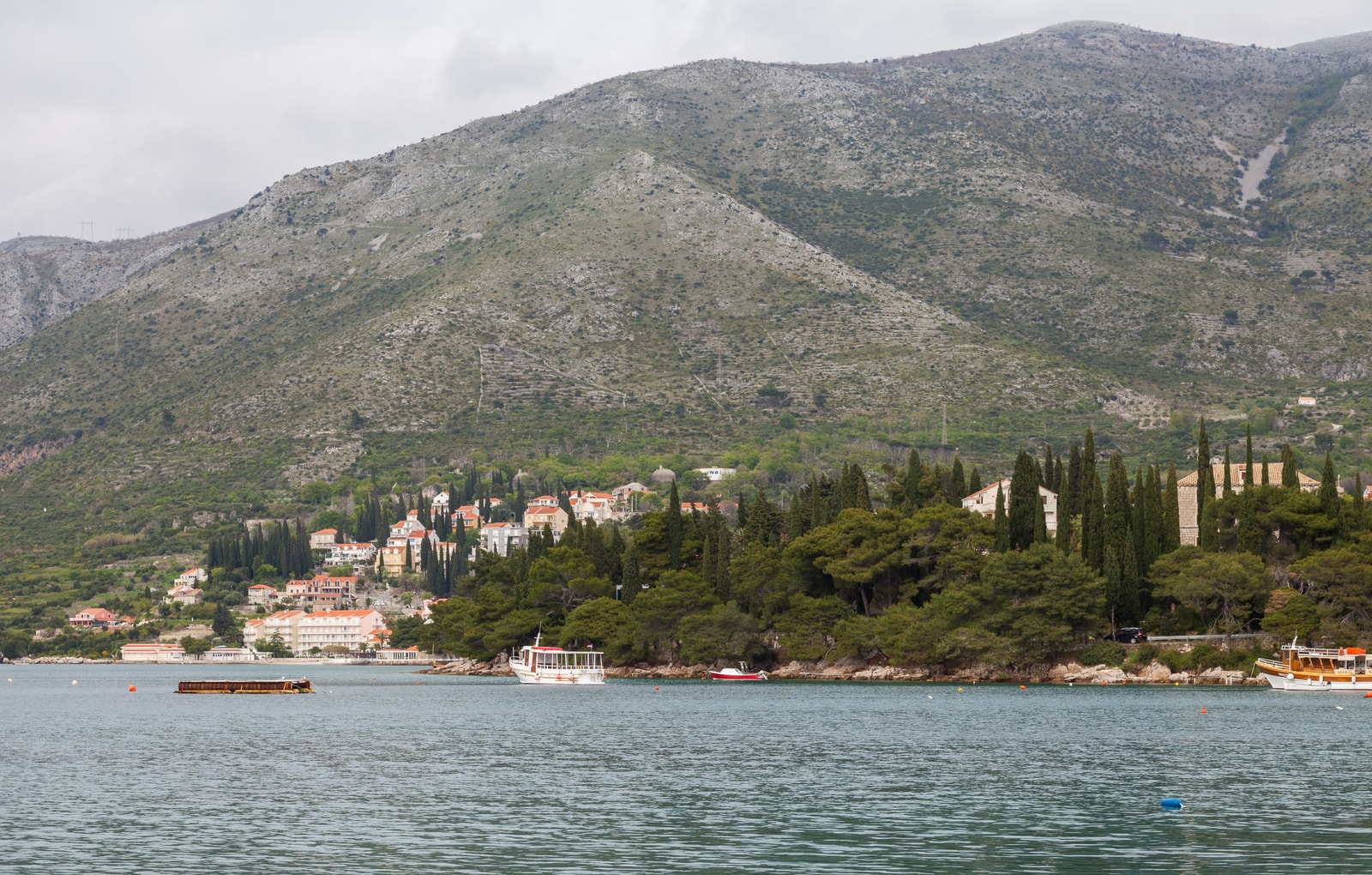
- Cavtat suits anyone who wants a harbour stroll with a little woodland attached. In good light, follow the pines around Rat Peninsula, past small coves and rocky bathing platforms. The circuit takes about 45–75 minutes; stick with the harbourfront if the uneven stretches are slick.
Zadar: Hear the Sea, Then Walk to Kolovare
On Zadar’s old-town peninsula, the waves do something more interesting than break. At the Sea Organ, on the western promenade, passing water produces low notes that shift with the movement of the sea. You could come here for a beach walk and spend the best part of it listening before you’ve set foot on a beach.
When the sky clears, head towards Foša’s old harbour and on towards Kolovare for a longer stretch beside the Adriatic. If showers keep coming through, stay on the peninsula. The Roman forum and the narrow streets are an easy turn inland, with cafés where you can sit out the rain rather than spend your afternoon walking home in it.
Nin, roughly 15 km northwest, offers a different kind of shore altogether. Bridges lead to its old centre on a low island in a shallow lagoon; beyond the lanes lie wetlands and sandy beaches. Distance from Zadar matters less here than the ground and the return journey. The lagoon margins can be muddy and exposed, and winter buses infrequent. Choose Nin for a settled stretch of daylight; choose the peninsula when you’d rather let the afternoon unfold on foot.
Istria: Rovinj’s Wooded Coast or Pula’s Roman Centre?
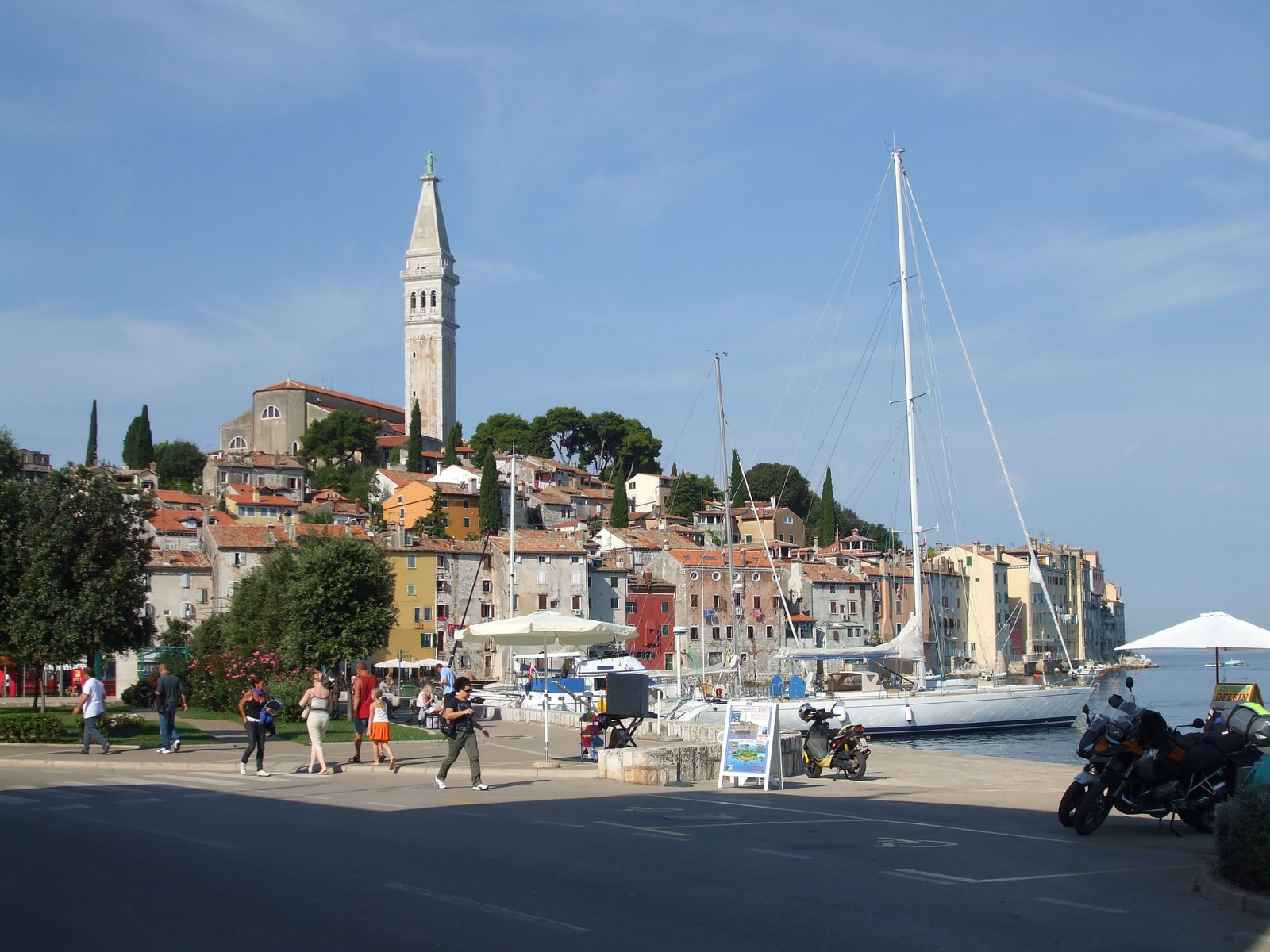
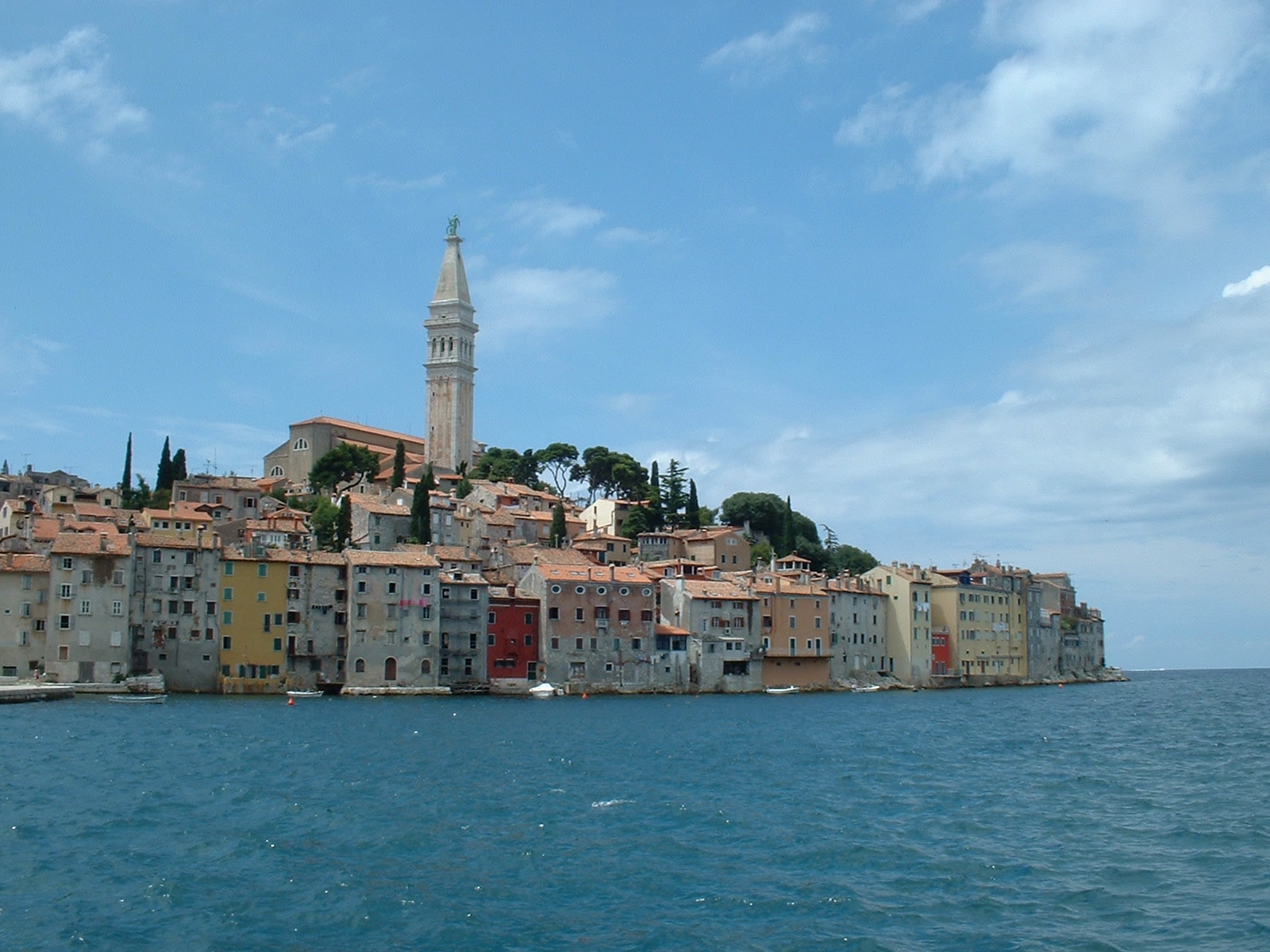
In Rovinj, a harbour stroll can turn quite naturally into half a day in the woods. From the old town, follow the newer waterfront south: it’s about two kilometres to the northern edge of Zlatni Rt (Golden Cape), before you count any wandering among the pines. Allow the same distance back to the harbour, where the steep lanes of the old town climb towards St Euphemia’s church.
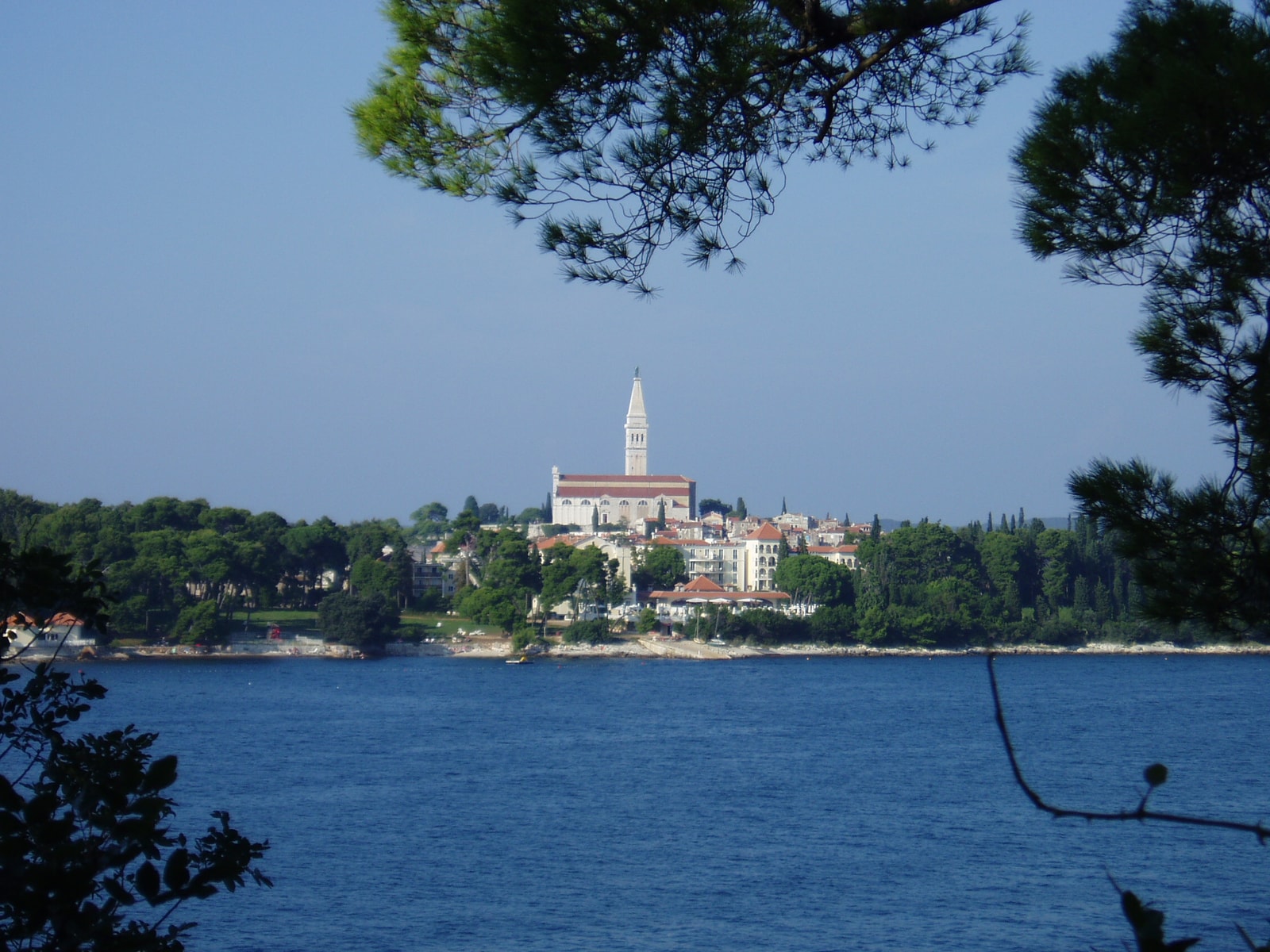
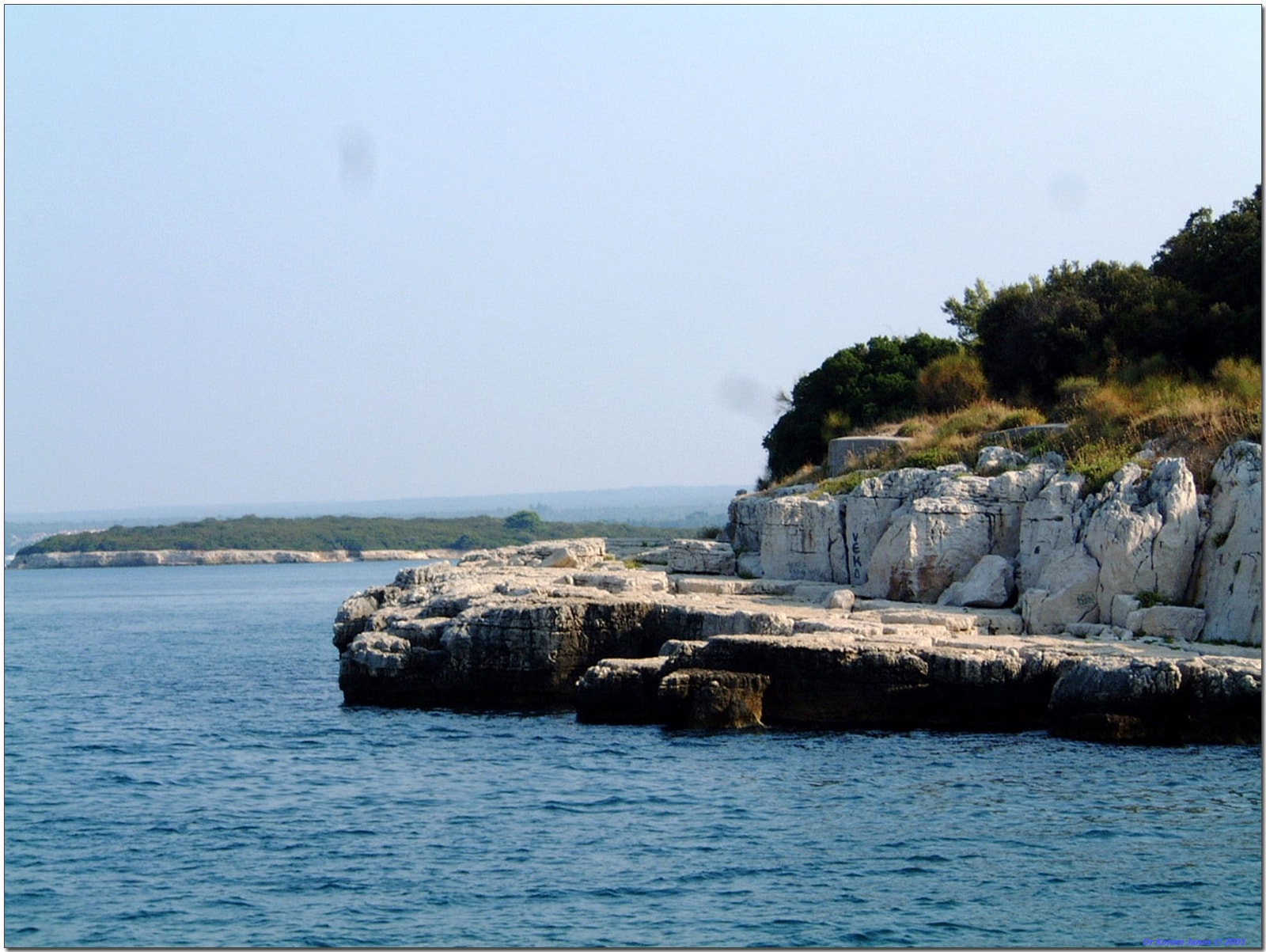
At Golden Cape the trees open onto limestone inlets rather than sand. There’s a useful distinction between a walk to the rocky edge and a walk on it: the wooded paths are mostly gentle, while the slabs beside the water turn slick. You can enjoy the shape of the coves perfectly well from among the cypresses.
Pula works better as a day in two parts. The Arena and Forum belong to the compact Roman centre; there’s no paved beach promenade leading from the amphitheatre to Verudela. Give the best weather to the bays. Walk out from Valkane towards Gortanova Bay, continuing towards Verudela if there’s time for narrower footpaths and uneven rock between the paved sections. A shorter out-and-back leaves room for the Roman streets and a plate of Istrian fuži pasta afterwards.
Winter Swimming: Decide From the Shore
An afternoon warm enough for coffee outside can still be cold enough in the water to take your breath away. Opatija has a longstanding winter-swimming group, but experience doesn’t cancel the body’s response to immersion. Cold shock can cause an involuntary gasp and rapid breathing within seconds. Hands can become clumsy and muscles lose coordination before a swimmer feels especially cold.
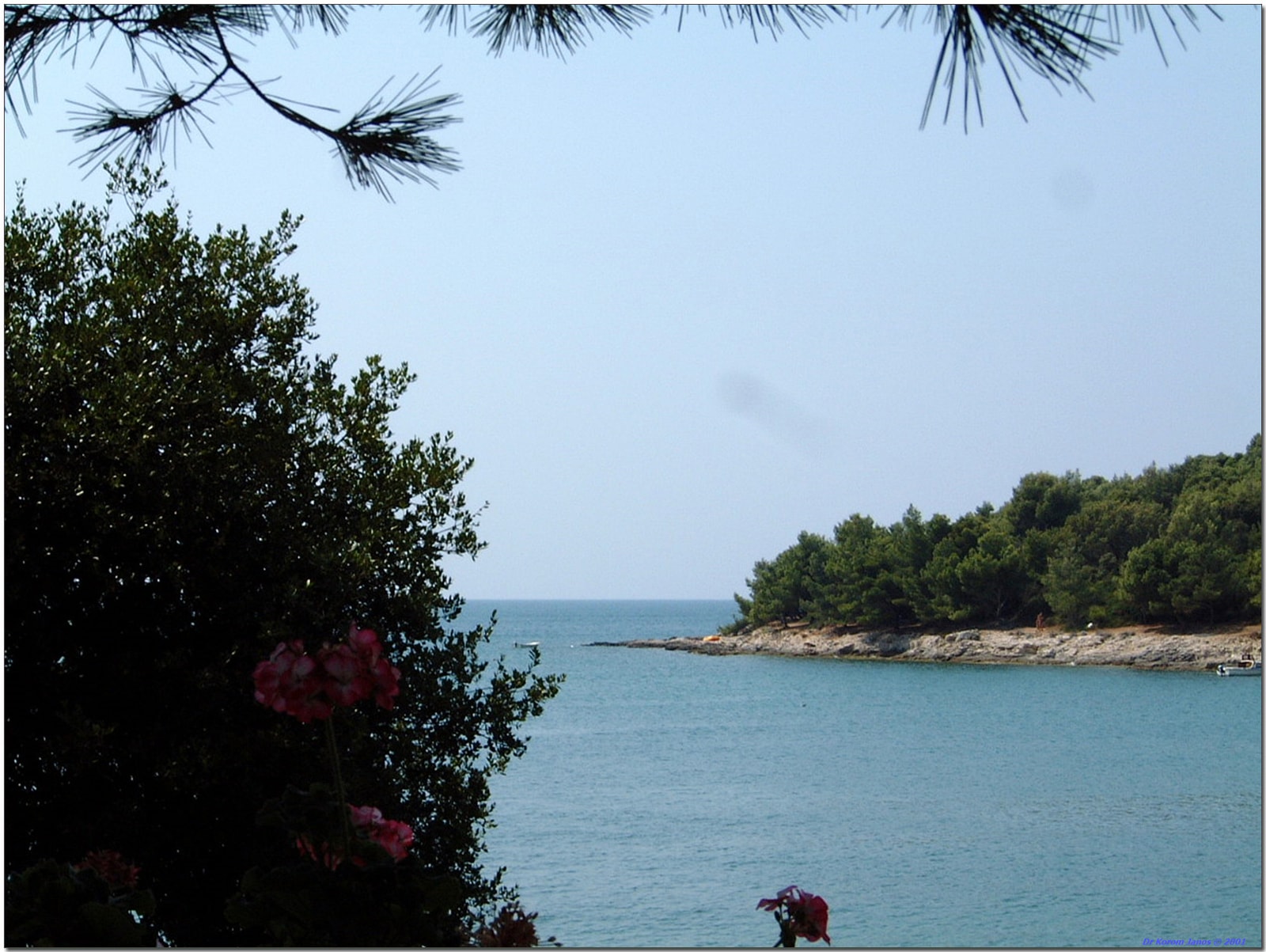
For visitors without cold-water experience, choose the walk. Even for a regular winter swimmer, the decision starts on land, where it’s easier to judge the exit and the weather than it will be with numb fingers.
- Stay ashore if marine warnings are in force, there’s rough water, or you’re unsure of the forecast or your footing. Skip the dip if you’re alone, already chilled, ill or have been drinking. A calm-looking cove can still have a slippery way out.
- Before entering, an experienced swimmer needs a familiar, sheltered spot with a gentle exit, a capable observer watching from land who can call for help, and dry layers and shelter ready. Stay within easy standing depth, close enough to leave immediately.
- Get out if breathing doesn’t settle promptly or you feel numb, weak or unsteady. Dry off, change and get sheltered: cooling can continue ashore. Confusion, marked drowsiness or difficulty speaking or walking calls for urgent emergency help. Stay with the person and keep them gently insulated while following the dispatcher’s instructions.
December Weather: A Promenade or an Exposed Headland?
Split’s December mean air temperature is 9.4°C, Dubrovnik’s 10.6°C, with around 12–13 rainy days on average. Those are long-term climate normals, not a forecast for December 2026. The south is generally milder than Istria, but it gets wet, windy afternoons too. On any one of them, switching paths may do more for your comfort than switching towns.
The northeasterly bora brings gusts that can make an exposed point difficult going even under a bright sky. A jugo often brings rain and unsettled seas: look at how the weather is developing, not just the water when you set off.
In Makarska, you can see the Biokovo mountains from the pebble-beach promenade without venturing onto the Osejava headland. Save its wooded route towards Nugal for settled weather and dry footing; the descent near the isolated cove is steeper and rougher than the walk out of town suggests. If spray reaches the path, leave the shore rather than edging closer for the view.
After the Walk: Advent on Croatia’s Coast
Daylight sets a limit on a headland walk, less so on a second coffee. That distinction matters in December, when the pleasures of a Dalmatian town include lingering at the table and looking out for bakalar, the dried cod associated with Christmas Eve. For something to eat on the move, follow coffee with fritule, little fried holiday pastries often flavoured with citrus or brandy, and take the long way through the squares.
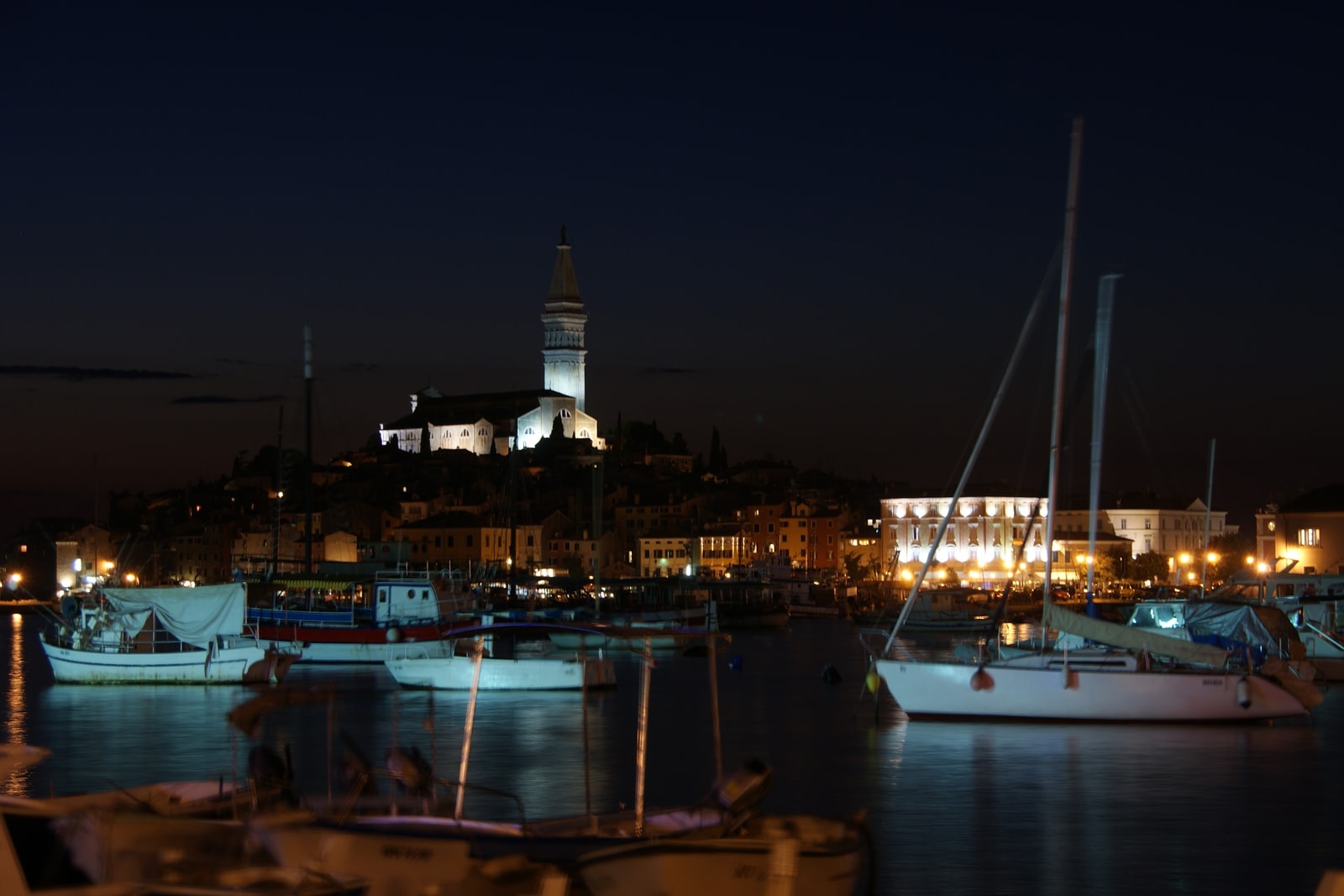
Four coastal towns give familiar landmarks a different role during Advent:
- Advent Split 2026 program (opens 26 November 2026; waterfront celebration 31 December 2026) — The opening is at Kampus. On New Year’s Eve, it’s the Riva’s turn: the promenade where you chose your morning walk becomes the stage.
- Zadar Christmas Market (24 November 2026–2 January 2027) — Follow the festivities inland from the waterfront through the historic centre, from the Forum to the City Market and Petar Zoranić Square.
- Advent by the Sea (5 December 2026–6 January 2027) — Rovinj brings its maritime tradition into the celebrations with the Advent batana boat and “Christmas from the Sea”.
- Advent by the Arena (29 November 2026–6 January 2027) — In Pula, the ice rink goes inside the Roman Arena. The amphitheatre is more than a backdrop here.
Plan a December Beach Walk: Start With the Return
Pick Makarska if the mountains above the pebble shore are what you want to wake up to, and check what’s open before settling on a smaller resort. Pick a larger working town such as Split if you’d like more places to eat and more to do when beach businesses close or the wind gets up.
- Work back from dusk and the return bus or boat. Check your travel date, especially Christmas Day and St Stephen’s Day (26 December), when holiday timetables may apply.
- Check the island bus separately. A ferry sailing tells you when you can reach an island, not whether there’s an onward bus or a connection back.
- Dress for the path. Grippy soles for damp limestone and a windproof, waterproof outer layer matter more than the city air temperature suggests.
If the return looks doubtful, walk out from town and back. A short stretch of shore, time at the harbour and a long coffee make a complete coastal day.
Gallery