Dublin's Coastal Escape: A Guide to the City's Best Beaches
From the vast sands of the Northside to the dramatic coves of the Southside, Dublin's magnificent coastline is just a train ride away.
Published on 4 Sep 2026 17:59 GMT
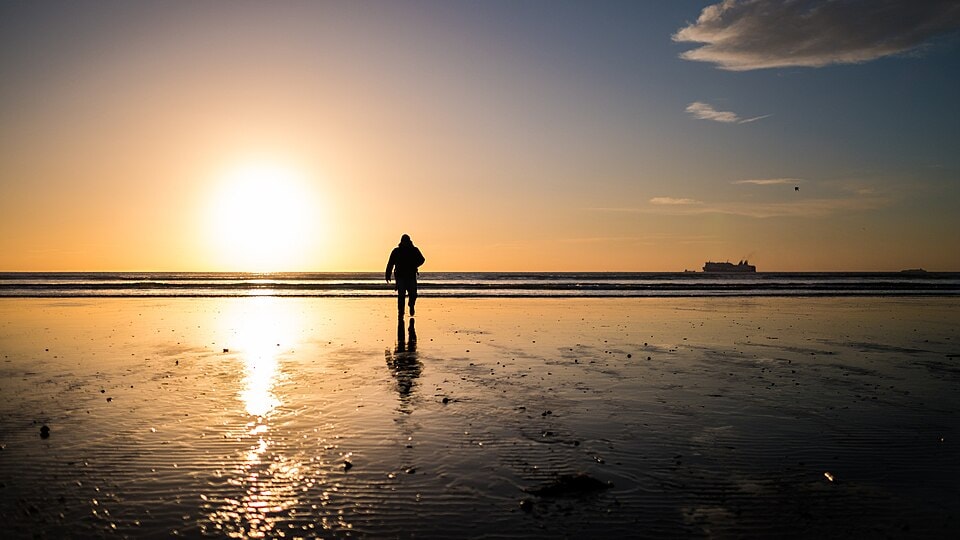
Dublin Bay is a magnificent crescent, a globally recognized UNESCO Biosphere where the city meets the wild Irish Sea. The River Liffey splits this coastline into two distinct worlds, each with its own character yet both incredibly accessible from the city center.

The Northside is a world of vast, sandy beaches, rolling dunes, and broad estuaries perfect for long walks under an endless sky. Key areas include Dollymount Strand, Portmarnock, and Malahide.
In contrast, the Southside is famed for its dramatic granite cliffs, rocky coves, and historic Victorian bathing spots. It offers deep-water plunges and iconic enclaves like the Forty Foot, the Vico Baths, and Killiney Beach.
Ride the Rails to the Sea: Getting Around by DART & Bus
Exploring Dublin’s coastline is easiest and most enjoyable using its integrated public transport network. The train and bus systems are designed to get you from the urban core to the water's edge with minimal fuss.
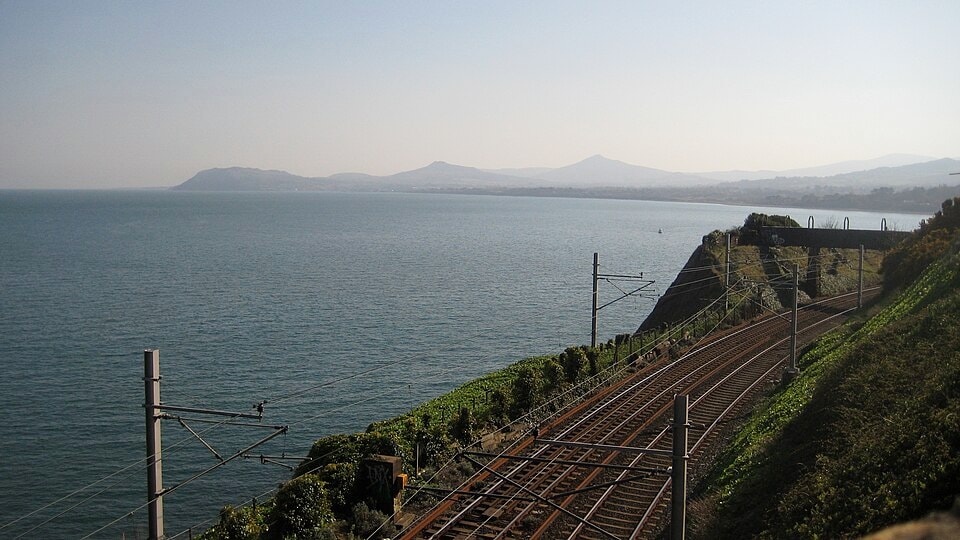
The DART (Dublin Area Rapid Transit) is the quintessential coastal railway. The Northside line serves gateways to Dollymount Strand (Clontarf Road or Raheny stations) and terminates in the heritage towns of Howth and Malahide.
The Southside line stops at Seapoint station, where steps lead directly to the sea. It also serves Sandycove for the Forty Foot and offers a breathtaking arrival at Killiney, with the platform just steps from the beach.
For some spots, Dublin Bus is a better option. Route 130 runs directly to the wooden bridge for Dollymount Strand, and local buses drop you closer to Portmarnock's Velvet Strand than the inland DART station.
For seamless travel, use a TFI Leap Card. The TFI 90-Minute Fare allows free transfers between services, while daily and weekly caps make unlimited coastal exploration affordable. Driving is not recommended due to severe parking shortages and gridlock, especially in popular spots like Howth, Sandycove, and Killiney.
The Northside: Vast Sands and Wild Dunes
The Northside coast offers a feeling of immense space, defined by long stretches of sand and protected dune ecosystems. It’s the perfect setting for walkers, birdwatchers, and anyone seeking a wide-open coastal landscape.
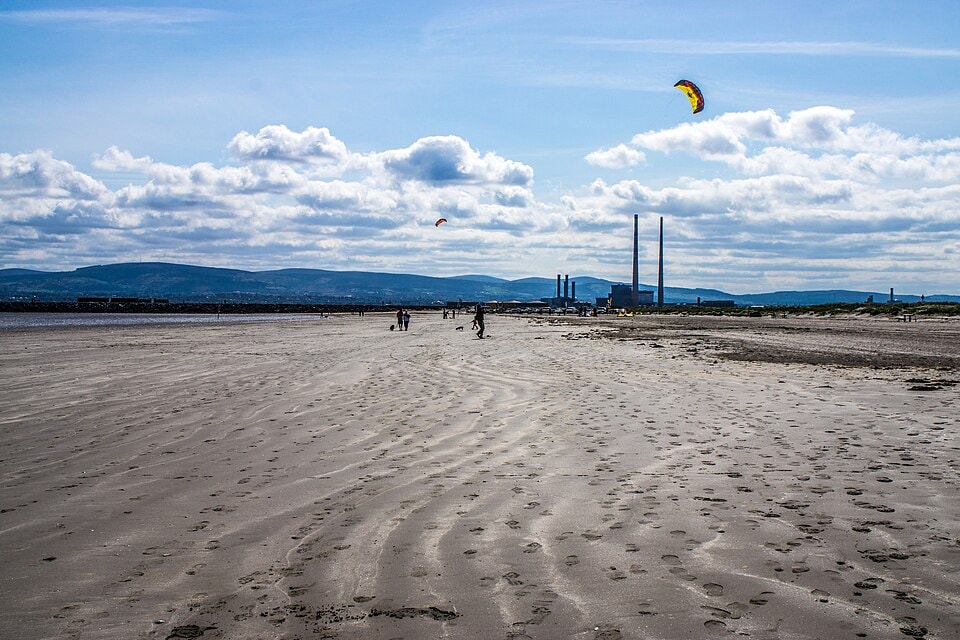
Dollymount Strand, located on Bull Island, is a vast sandy beach accessible via a historic wooden bridge. It’s part of a UNESCO Biosphere Reserve, and vehicle access is restricted to protect its sensitive dunes.
Portmarnock's Velvet Strand is another expansive beach known for its smooth sand. While there's a DART station in Portmarnock, local buses provide more direct access to the coast.
Sutton's Burrow Beach is a soft, sandy spit that’s easily reached from Sutton DART station, making it a convenient escape for a classic beach day.
The Southside: Rocky Coves and Victorian Baths
Dublin's Southside coast feels almost Mediterranean, with its granite cliffs, hidden coves, and deep-water bathing spots that have been cherished by locals for generations.
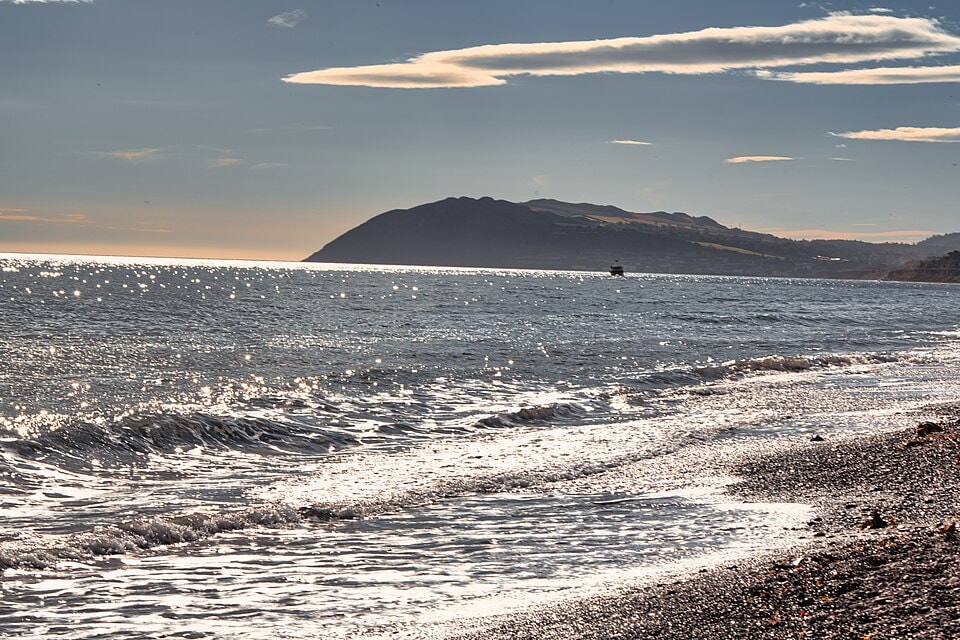
Seapoint is a famous bathing spot with steps and ramps leading directly into the sea at high tide. The DART station is located right at the bathing area, making access incredibly easy.
Sandycove Beach and The Forty Foot are iconic Dublin institutions. Sandycove offers a sheltered sandy basin, while the Forty Foot provides legendary deep-water swimming at all tides.
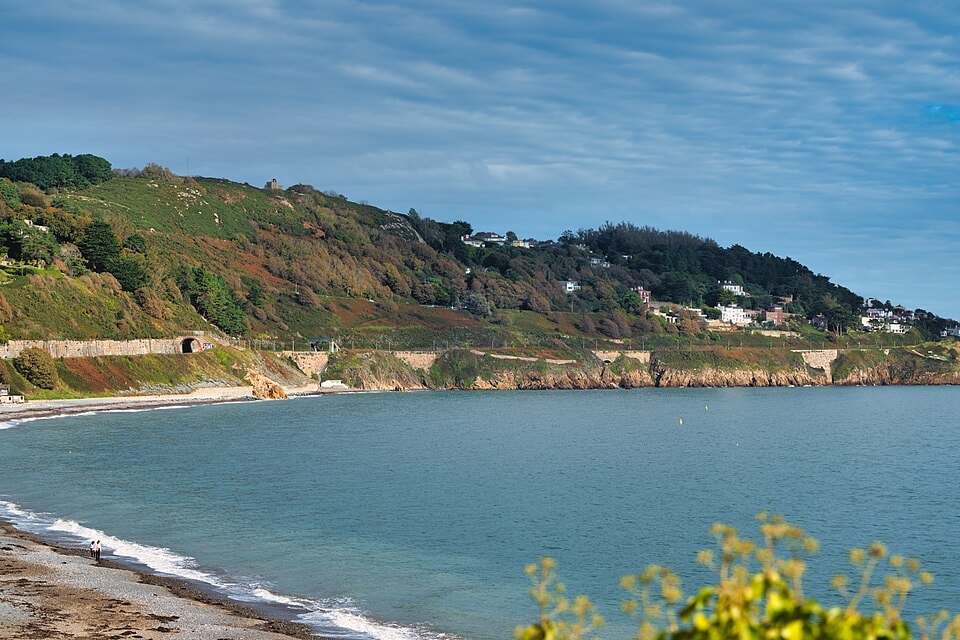
Killiney Beach delivers one of Ireland’s most spectacular train arrivals. Steps lead from the DART platform directly onto a sweeping shingle beach with stunning views of Killiney Bay and Bray Head.
Secret Swims: Dublin's Hidden Coastal Spots
Beyond the well-known beaches, Dublin’s rocky coastline hides a collection of prized local swimming spots. These coves and ledges offer a more intimate and often more adventurous sea experience.
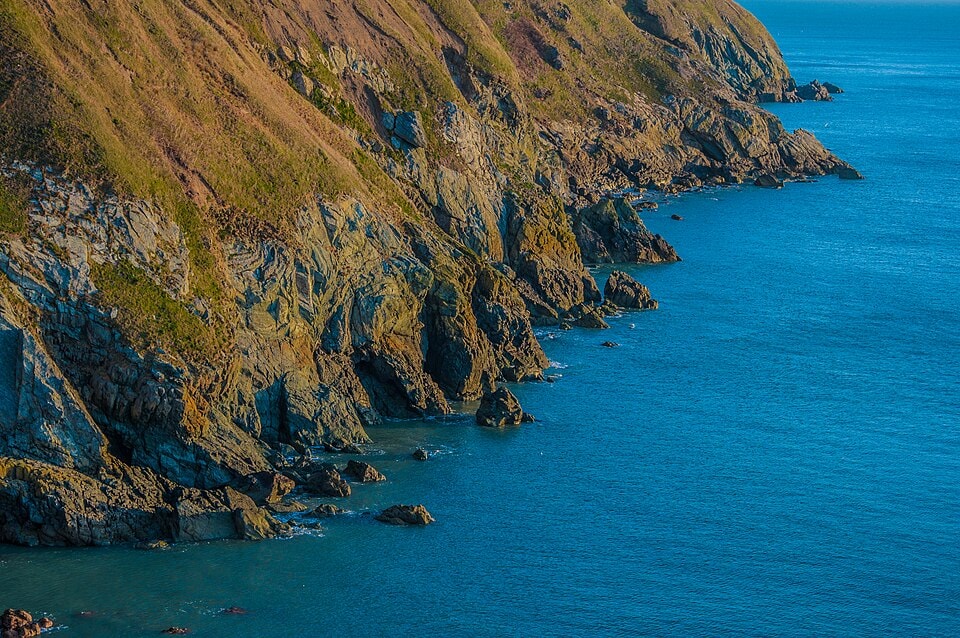
Vico Baths in Dalkey is a stunning, cliffside spot with ladders leading into the sea. It has a legendary community vibe and offers incredible views over Killiney Bay.
Nearby, Hawk Cliff is the Vico's wilder sibling. With no platforms or ladders, it’s a spot for purists who prefer scrambling over granite ledges to enter the deep water.
In Howth, Balscadden Bay is a sheltered, east-facing cove with calm waters, perfect for a sunrise swim. It’s accessed via historic stone steps and is often frequented by curious harbor seals.
For a truly remote feel, Red Rock in Sutton is a quiet location accessible via dirt paths from the Howth Cliff Path. It has a historic reputation as a discreet, clothing-optional bathing area.
Best Coastal Walks & Hikes
Walking is one of the best ways to experience the Dublin coast, with scenic trails seamlessly linking beaches, villages, and transit stations. Most paths offer stunning views of the Irish Sea.
The Howth Cliff Walk is a must-do, tracing rugged cliffs from Howth Harbour towards Sutton and revealing secluded beaches like Balscadden Bay along the way.
The Malahide to Portmarnock Coastal Walk is a flat, paved pathway that provides a smooth pedestrian connection between the Malahide Estuary and Portmarnock's Velvet Strand.
A classic Southside route is the Dun Laoghaire Piers & Sandycove Promenade, a gentle walk that takes in the harbor, seafront, and the famous Forty Foot.
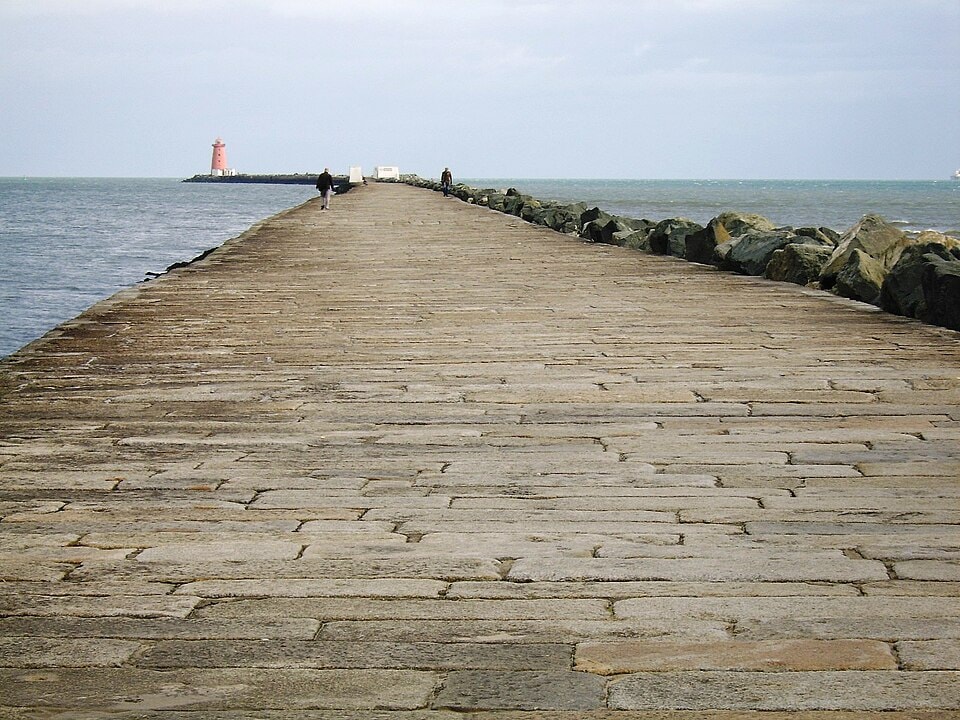
For a truly unique urban walk, the Great South Wall trail leads along a massive breakwater to the red Poolbeg Lighthouse, offering panoramic views of the bay.
Please note the popular Bray to Greystones Cliff Walk is currently closed due to landslide damage, with walkers directed to inland alternatives.
A Guide to Safe Sea Swimming
Swimming in the chilly Irish Sea is an exhilarating experience, but it requires respect for the water’s conditions, temperature, and tides.
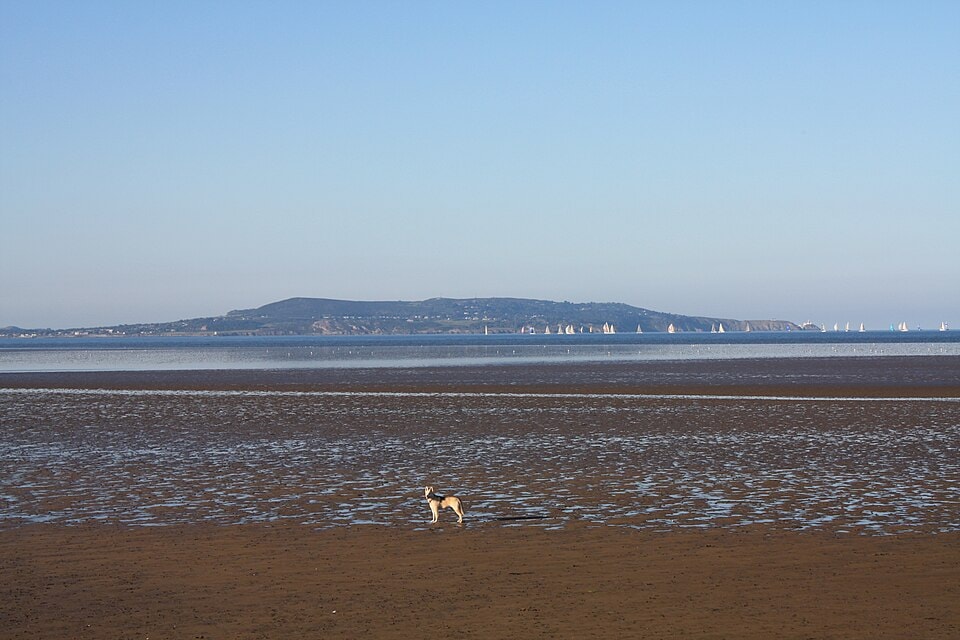
Water Quality: Check real-time conditions on Beaches.ie. To avoid bacterial contamination from urban runoff, it's wise to wait 48 hours after heavy rainfall before swimming.
Cold Water: The Irish Sea is cold, ranging from 8°C in winter to 16°C in summer. Enter the water slowly to acclimatize and avoid cold water shock. A wetsuit is recommended for longer swims if you're not used to the temperatures.
Jellyfish: Lion's Mane Jellyfish are common from late June to October. Their long tentacles deliver a painful sting. If stung, rinse with seawater and apply a dry cold pack. Do not use fresh water.
Tides: Dublin Bay has a huge tidal range. At Seapoint, swimming is best at high tide. At Sandycove, low tide can leave the basin too shallow, forcing swimmers into stronger currents near the harbor mouth.
General Safety: Always swim with a buddy, wear a bright cap for visibility, and know your limits. If you get into trouble, the advice is to “Float to Live.” For emergencies, dial 112 or 999 and ask for the Coast Guard.
Seaside Bites: Where to Eat and Drink
Dublin's coastal villages are dotted with iconic pubs, seafood shacks, and cafes, making a post-swim or post-walk meal a highlight of any trip.
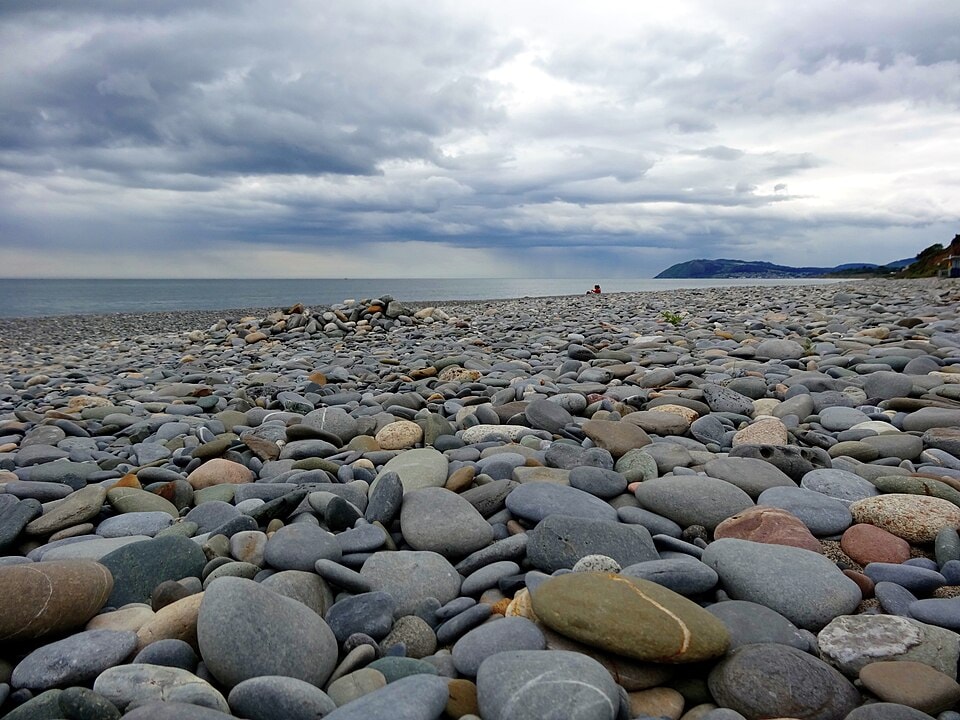
In Howth, you're spoiled for choice with traditional fish and chips from pier-side legends like Beshoffs and Leo Burdock. For something different, try Octopussy's Seafood Tapas or enjoy a pint by a peat fire at the historic Abbey Tavern.
In Sandycove, no visit is complete without a classic soft-serve "99" cone from Teddy's Ice Cream, a Dublin institution since 1950. For high-end seafood, the nearby Cavistons in Glasthule is renowned.
The harbor town of Skerries is home to Stoop Your Head, a legendary pub known for its fresh crab claws, and the contemporary Blue Bar, which offers great sunset views.
Further south in Bray, visit the internationally famous The Harbour Bar for its eclectic collection of cozy snugs, or grab a wood-fired pizza with a sea view at Platform Pizza.
Coastal Wildlife and a UNESCO Treasure
The Dublin coast is more than just a recreational space; it’s a rich, protected ecosystem where urban life meets the wild.
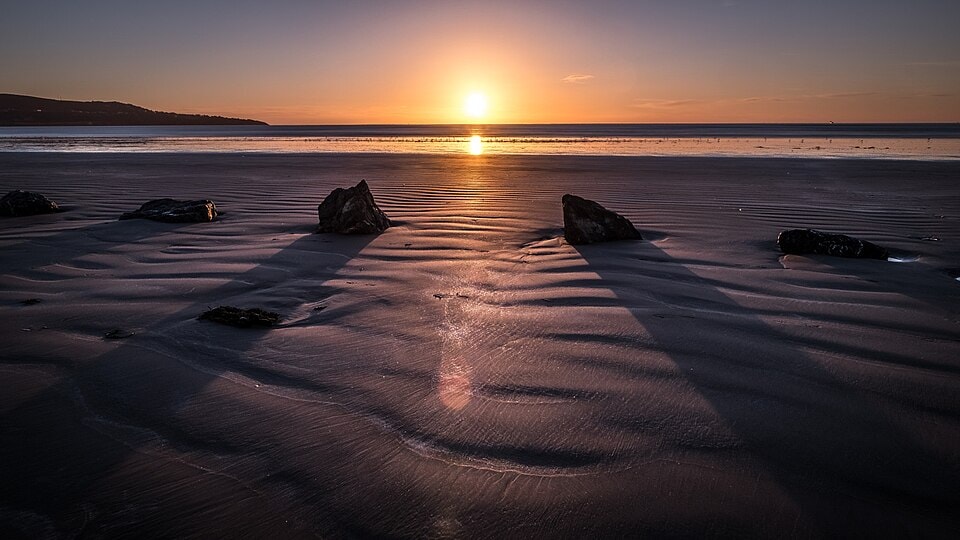
Bull Island is the jewel in the crown. This accidental landmass, formed in the 19th century, is now a highly protected UNESCO Biosphere Reserve right inside the capital city. Its dunes and marshes provide vital natural defenses and habitats.
The bay’s tidal mudflats are an essential feeding ground for thousands of migratory birds. The most famous visitors are the Pale-bellied Brent Geese, which fly 3,000 miles from the Canadian High Arctic to spend their winters here.
Marine life is also abundant. Harbor seals and grey seals are a common sight, often seen basking on sandbanks or swimming near Howth Harbour. Keep an eye on the water, and you might also spot a harbor porpoise.
Coastal Events: Autumn & Winter 2026
The coast remains a vibrant hub for events even as the seasons change. Here are a couple of highlights for the latter half of 2026.
- Dún Laoghaire Folk Festival (September 9–13, 2026): An intimate series of concerts featuring top international and Irish artists in historic venues across the coastal town of Dún Laoghaire.
- Annual Christmas & New Year Sea Swims (December 25, 2026 & January 1, 2027): Join thousands of brave locals for the legendary 250-year-old tradition of plunging into the freezing waters at the Forty Foot in Sandycove.
Gallery
Additional Resources
- Seasonal Bathing Water Guidelines (DLR County Council Lifeguards)
- Location of Dollymount Strand
- Location of Velvet Strand, Portmarnock
- Location of Burrow Beach, Sutton
- Location of Vico Baths, Dalkey
- Location of The Forty Foot, Sandycove
- Location of Sandycove Beach
- Location of Killiney Beach
- Location of Seapoint Bathing Area