Donegal Beaches: Your Guide to the Wild Atlantic Coast for Autumn 2026
From legendary surf competitions in Bundoran to remote sea caves and epic cliffside drives, here's why Donegal is the place to be for late summer and autumn 2026.
Published on 29 Aug 2026 15:00 GMT
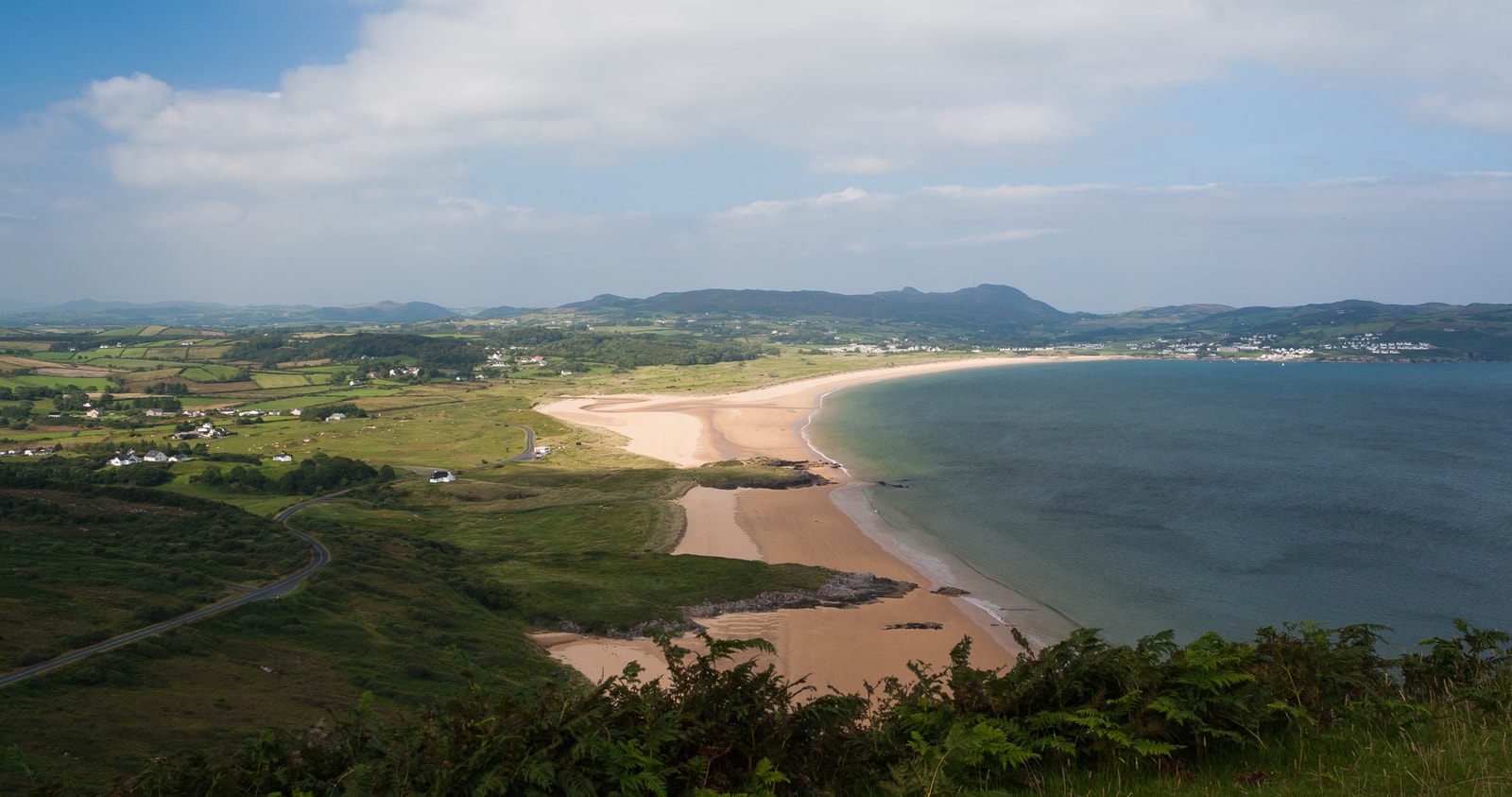
Welcome to County Donegal, the rugged, wind-swept crown of Ireland’s northwest. Named by Lonely Planet as one of the best regions in the world to visit, its 1,134 kilometers of coastline are a showcase of the raw power of the Atlantic Ocean, leaving behind some of Europe's most breathtaking beaches.
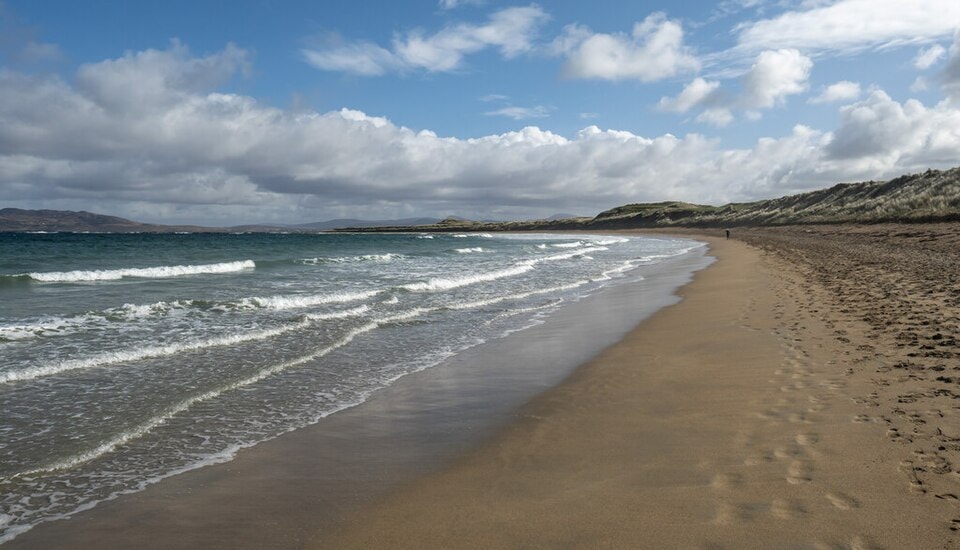
This is a land of massive dunes, high-adrenaline surf breaks, and dramatic mountain backdrops. For the late summer and autumn 2026 season, the county is not just a natural wonder but a hub of world-class events and activity.
Bundoran: Ireland's Surfing Capital Gears Up for EuroSurf 2026
Bundoran proudly holds the title of the "Surfing Capital of Ireland," and for good reason. The town offers a wave for every skill level, from the gentle breaks at Main Beach to the powerful waves at Tullan Strand and the legendary offshore reef break known as "The Peak."
Tullan Strand is internationally celebrated for its consistent Atlantic swells and the famous "wedge" peak near its northern cliffs. However, visitors should be aware that powerful rip currents make this a spot for experienced surfers only. Swimming is strictly prohibited.
In autumn 2026, Bundoran becomes the center of the European surfing world as it hosts the EuroSurf Junior European Championships for the first time in history. This major event brings the continent's best young talent to Donegal's shores.
Running alongside the competition is the Saltwater Festival, a vibrant celebration of Atlantic surf culture featuring live music, coastal film screenings, and local art installations across town.
The Legendary Peninsulas: Fanad, Rosguill & Inishowen
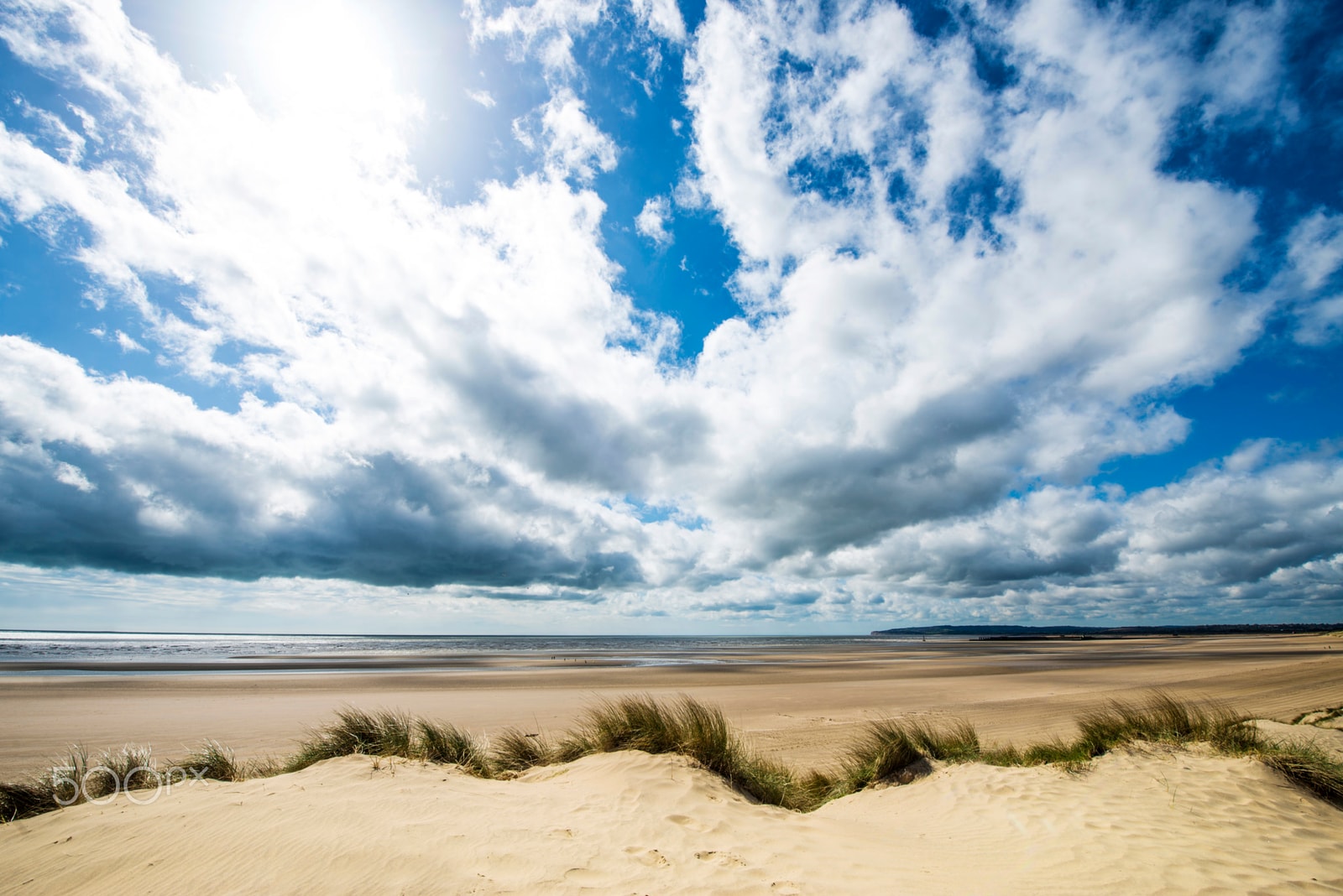
Donegal's peninsulas are where you'll find some of its most dramatic and historically rich coastlines. These fingers of land jutting into the Atlantic are home to windswept beaches, towering dunes, and hidden bays.
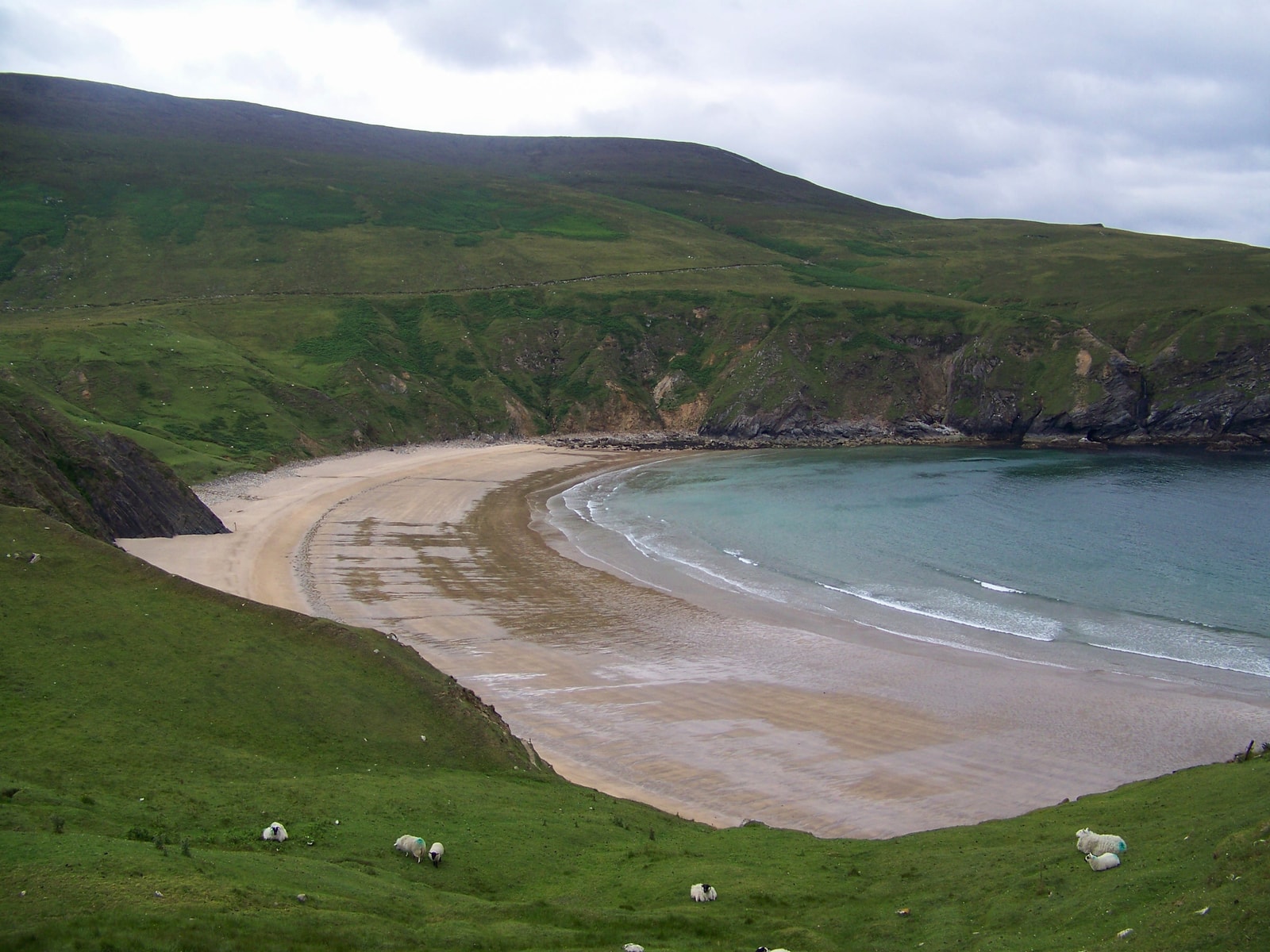
Ballymastocker Bay (Portsalon) is a spectacular two-mile crescent of sand on Lough Swilly, framed by the Knockalla Mountains. While it recently lost its Blue Flag status due to a minor water quality dip, it remains a world-class beach with full lifeguard services.
Murder Hole Beach (Boyeeghter Bay) is a legendary cove of jagged cliffs and sea caves. Historically difficult to reach, a new official walking trail from Melmore Head now offers safe and legal access. Remember that swimming here is prohibited due to violent currents, and dogs are not permitted on the trail.
Five Fingers Strand is defined by the Lagg Dunes, some of the highest in Europe. The views from the Knockamany Bends are stunning, but the name of the bay, Trawbreaga ("The Bay of Deceit"), is a stark warning. Swimming is absolutely forbidden due to treacherous tidal currents.
Kinnagoe Bay is a hidden golden crescent enveloped by steep cliffs. It's known as the resting place of the Trinidad Valencera, a ship from the Spanish Armada that sank here in 1588.
Wild Dunes and Hidden Coves of West Donegal
The coast of West and Southwest Donegal is a remote Gaeltacht region where the mountains meet the sea, creating landscapes of raw, untamed beauty. This is a place for explorers seeking solitude and stunning scenery.
Maghera Beach and Caves, located beneath the Slievetooey mountains, reveals a network of over twenty sea caves and arches at low tide. Visitors must be extremely cautious, as the tide returns with astonishing speed. Swimming is strictly prohibited.
Carrickfin Beach offers a surreal sight, with the runway of Donegal Airport bordering its white sands. The approach over the turquoise water has been voted one of the most scenic in the world. The beach is also a Special Area of Conservation for its rare machair grassland.
Narin-Portnoo Beach is a stunning crescent of white sand where, at low tide, a sandbar appears, allowing walkers to cross to the ancient monastic ruins on Inishkeel Island. This Blue Flag beach is considered very safe for swimming.
Family-Friendly Bays and Surfing Schools
While Donegal is famous for its wildness, it also offers sheltered bays perfect for families and those learning to surf. These beaches provide a calmer counterpoint to the powerful Atlantic swells found elsewhere.
Marble Hill Beach is a Blue Flag cove backed by woodlands rather than dunes. Its geography creates gentle, clean waves, making it a premier spot for local surf schools. High tide splits the beach into two separate, quiet coves.
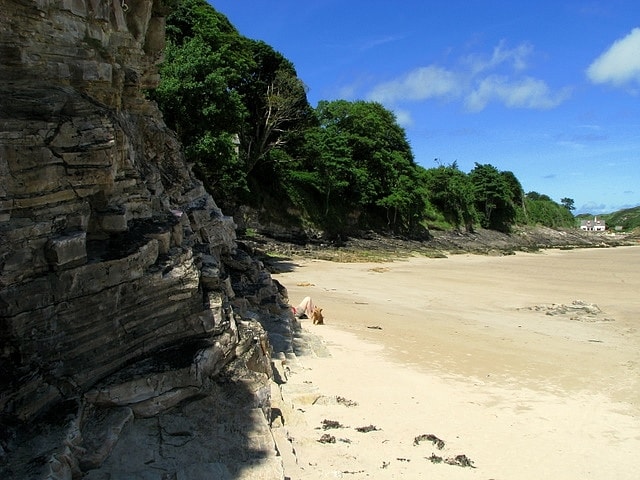
Killahoey Beach, also known as Dunfanaghy Beach, is a vast, flat expanse of sand with a gentle slope that is exceptionally family-friendly and patrolled by lifeguards. At low tide, the sand seems to stretch endlessly towards Muckish Mountain.
Rossnowlagh Beach is famous for its gentle, rolling breaks ideal for longboarders and surf beginners. It's also one of the few beaches in Ireland where cars are permitted to drive directly onto the sand, though drivers must be mindful of the fast-rising tide.
Late Season 2026 Events Calendar
Donegal's coastal calendar remains packed with world-class athletic and cultural events for the end of summer and autumn 2026.
- RNLI & Emergency Services Open Day (August 30, 2026): Head to Bundoran Pier for live helicopter air-sea rescue simulations and lifeboat launches.
- Dune Run Bundoran (September 12, 2026): A high-endurance race challenging runners to conquer the rolling dunes of Tullan Strand.
- EuroSurf Junior European Championships (September 24 – October 4, 2026): Watch over 250 elite young athletes from 20 nations compete on the waves at Tullan Strand and The Peak in Bundoran.
- Saltwater Festival (September 30 – October 4, 2026): A festival celebrating Atlantic surf culture in Bundoran with live music, film, art, and wellness activities.
- North West Coastal Challenge (October 3, 2026): A grueling multi-sport adventure race in Dunfanaghy featuring a dune run across the wild sands of Tramore Beach.
Know Before You Go: Safety and Access for 2026
Donegal's wild beauty demands respect. Daily lifeguard patrols are active on designated beaches from June 1st to September 15th, 2026, between 12:00 PM and 6:30 PM. Always be aware of the safety flag system.
- Red over Yellow Flags: The designated safe swimming zone.
- Solid Red Flag: Do not enter the water.
- Black & White Chequered Flag: Reserved for surfers and other watersports.
Powerful offshore winds can be deceptive. Lightweight inflatables like dinghies and air mattresses are strongly discouraged, as they can be swept out to sea in minutes.
For the 2026 season, Donegal has seen significant infrastructure improvements, including upgrades to major roads like the N13, N15, and N56, making travel to the coast safer and easier.
Donegal's Coastal Wildlife
Donegal’s waters and cliffs are teeming with life. The coastline is home to both Grey Seals and Common Seals, as well as pods of dolphins. In autumn, you might even spot migrating Minke and Humpback Whales.
Cliffs like Horn Head are a designated Special Protection Area, hosting bustling seabird colonies of Razorbills, Guillemots, and Northern Fulmars. On Tory Island, the endangered Corncrake finds a vital stronghold.
To protect this fragile ecosystem, visitors must maintain a 100-meter distance from marine mammals. Keep dogs on a lead to avoid disturbing seal pups, and always stick to designated paths to protect camouflaged nests in the dunes.
Gallery