Elafonissi Beach 2026: Your Guide to Crete's Wild Pink Paradise
In 2026, Crete's most famous pink sand beach has returned to its wilder roots. Following new protections, here's how to navigate its serene turquoise lagoon, windy shores, and rich local culture.
Published on 17 Jul 2026 13:02 GMT
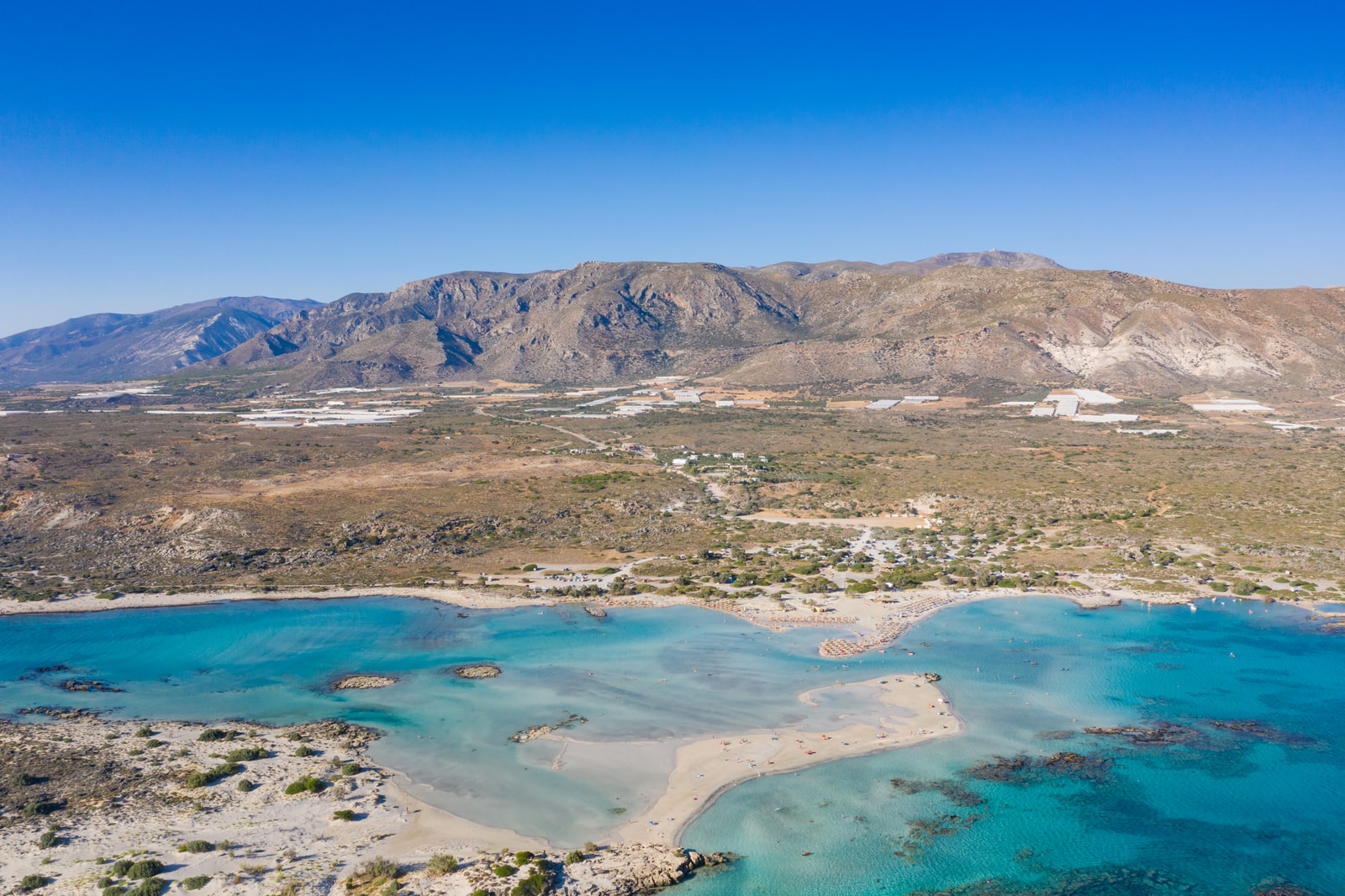
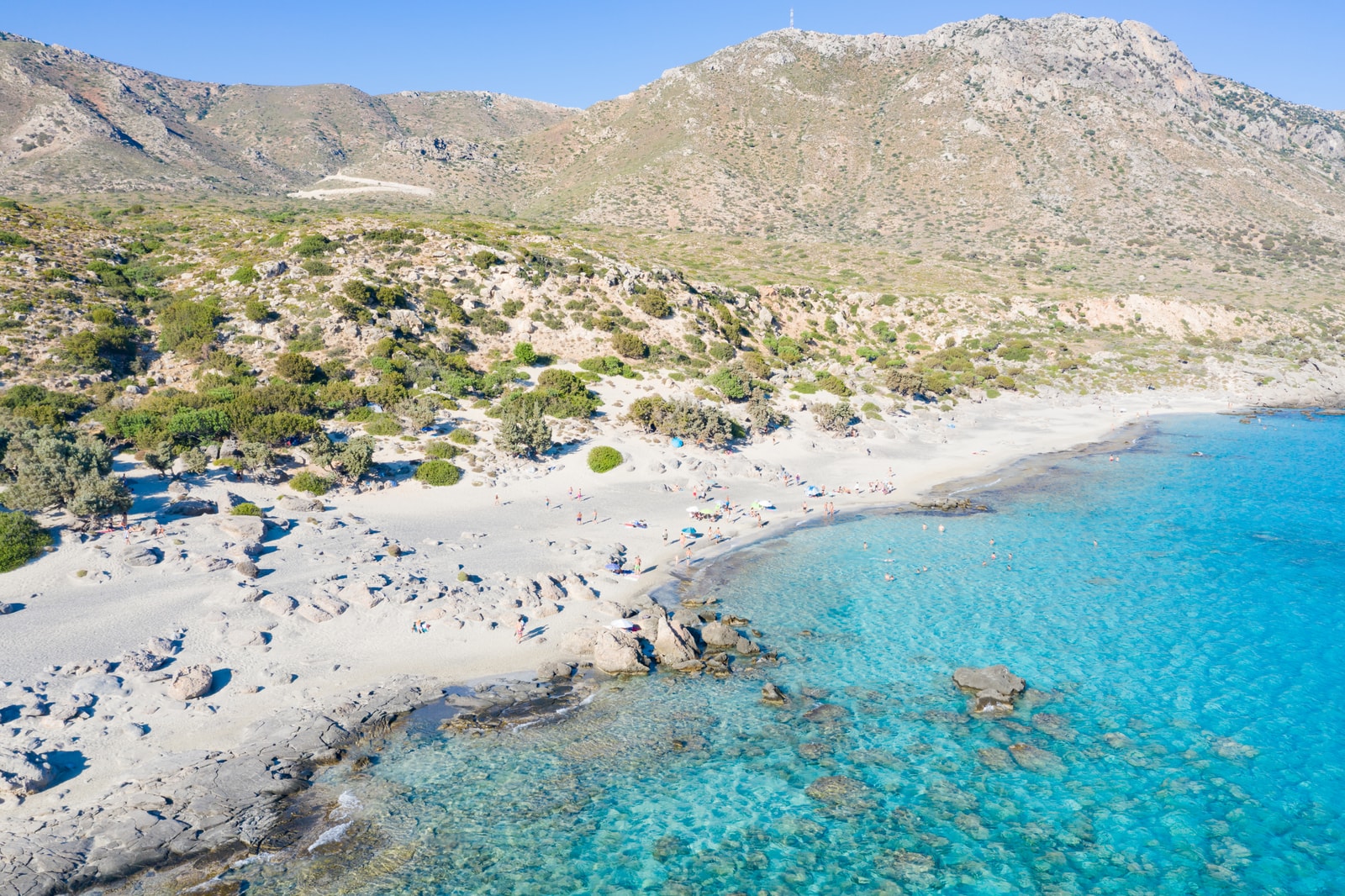
In summer 2026, visitors to Elafonissi will find a dramatically different landscape. In April 2026, the beach was designated an "Untrodden Beach" (Apatites Paralies), a protected status aimed at curbing overtourism and preserving its fragile ecosystem.
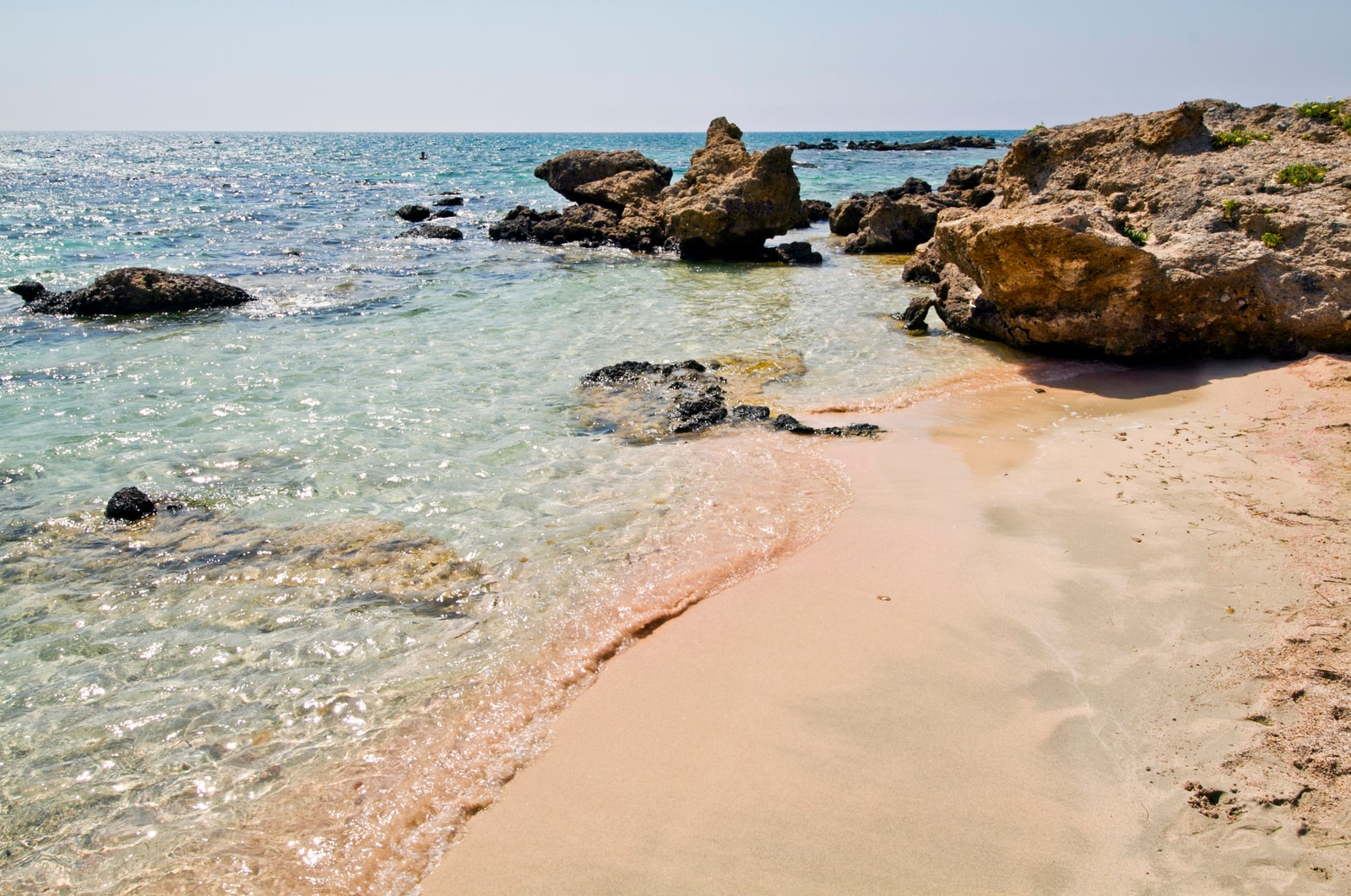
Under the new rules, at least 85% of the beach must remain completely free of commercial equipment. This means sunbeds and umbrellas are confined to a small 15% zone on the mainland beach. Loud music, permanent beach bars, and motorized water sports are now strictly prohibited.
This conservation effort means sunbeds are scarce and in high demand, often selling out before 9:00 AM. A set costs between €15 and €25, so travelers are strongly advised to bring their own portable shades or pop-up tents to enjoy the vast, newly untouched stretches of sand.
The Science Behind the Famous Pink Sand
The magical pink hue of Elafonissi's shoreline isn't from rock or minerals, but from a biological process. The color comes from the crushed shells of tiny marine organisms called Miniacina miniacea, which have bright red-to-pink calcareous shells.
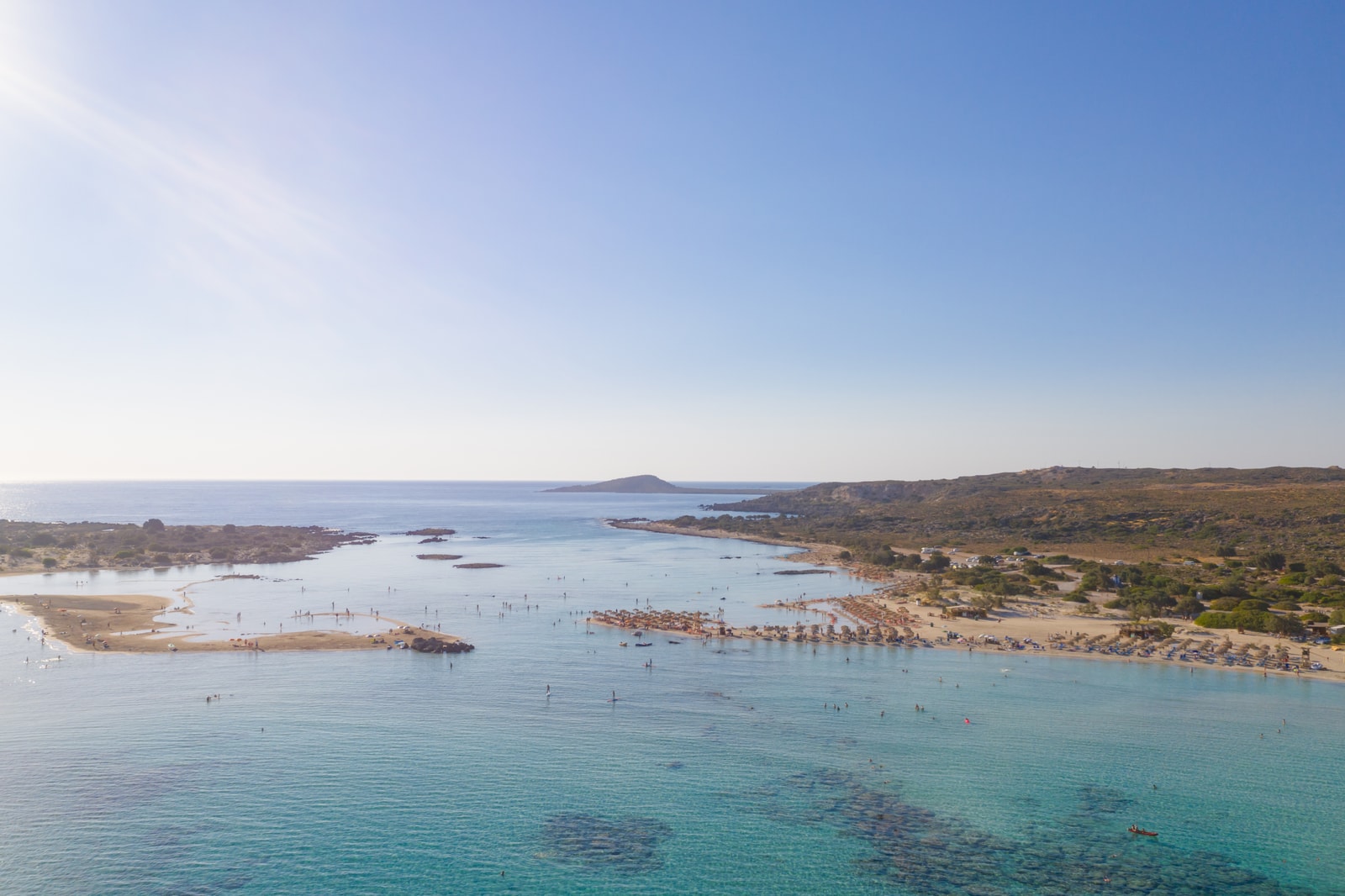
These organisms live on the extensive meadows of Posidonia oceanica (seagrass) that carpet the seabed. When they die, their shells are washed ashore, where wave action grinds them into fine particles that mix with the white sand, creating the delicate pastel shades that shift with the tides and light.
How to Explore Elafonissi: Mainland, Lagoon, and Island
The geography of Elafonissi is divided into three distinct zones, each offering a unique experience. The area transitions from an organized arrival point to a completely wild and protected nature reserve.
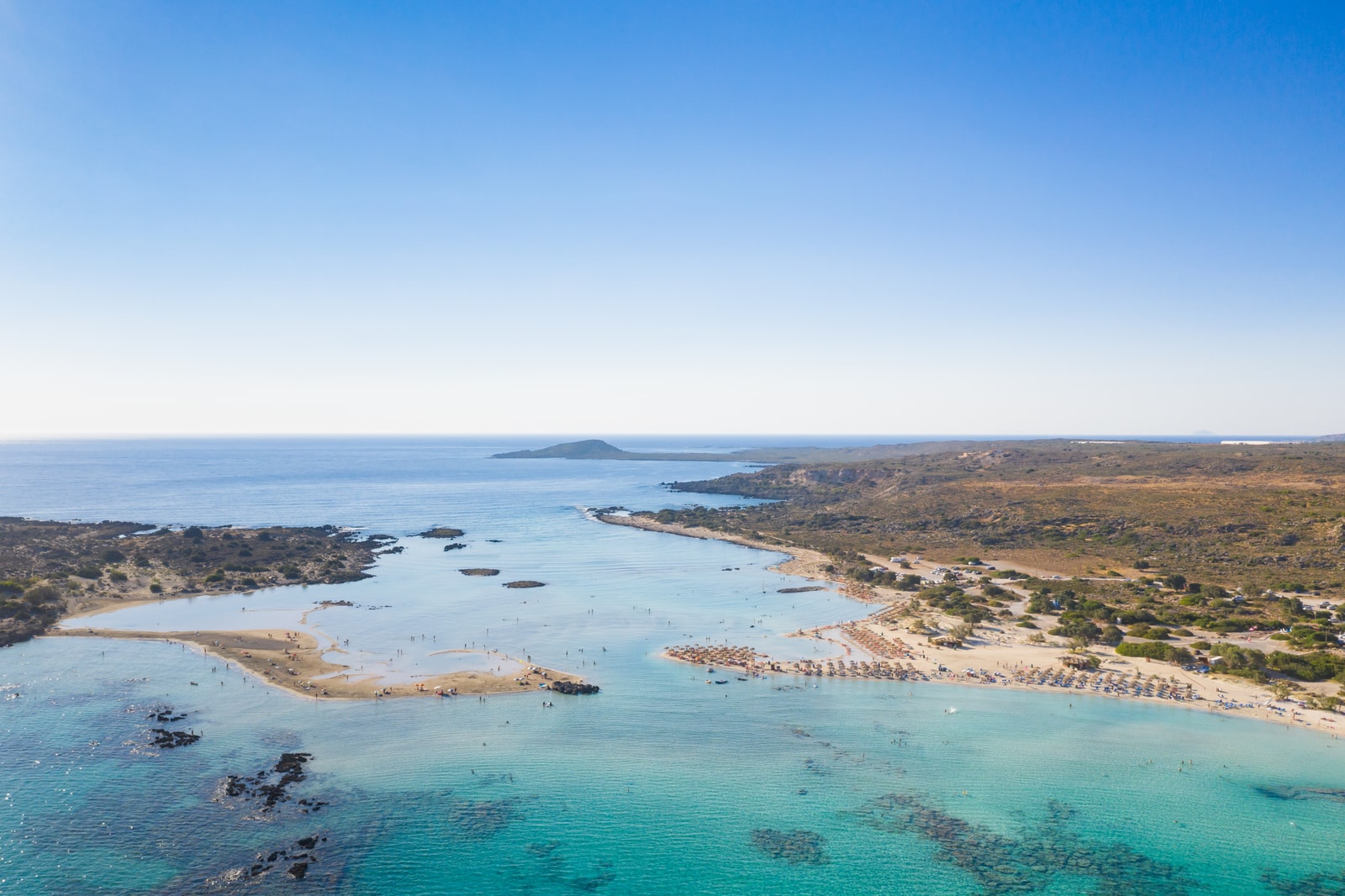
- The Organized Mainland Beach: This is the entry point, with basic wooden canteens, changing cabins, and restrooms (around €1). It also hosts the limited 15% zone where you can rent sunbeds.
- The Shallow Lagoon Wading Path: One of the most iconic parts of a visit is walking across the calm, turquoise sandbar to the island. The water is typically only ankle-to-knee deep.
- The Wilder Elafonisi Island: A protected Natura 2000 reserve where no commercial activity is allowed. Sandy trails lead to the quiet Chapel of Agia Irini and the lighthouse, but visitors must stay out of the fragile, roped-off sand dunes.
Navigating the Meltemi Wind: A Visitor's Guide
Elafonissi's exposed southwestern position makes it highly susceptible to the Meltemi, a dry northerly wind that blows from late May through October, peaking in July and August. These winds can create a powerful "sand-blasting" effect on the main beach, making it uncomfortable to lie on a towel.
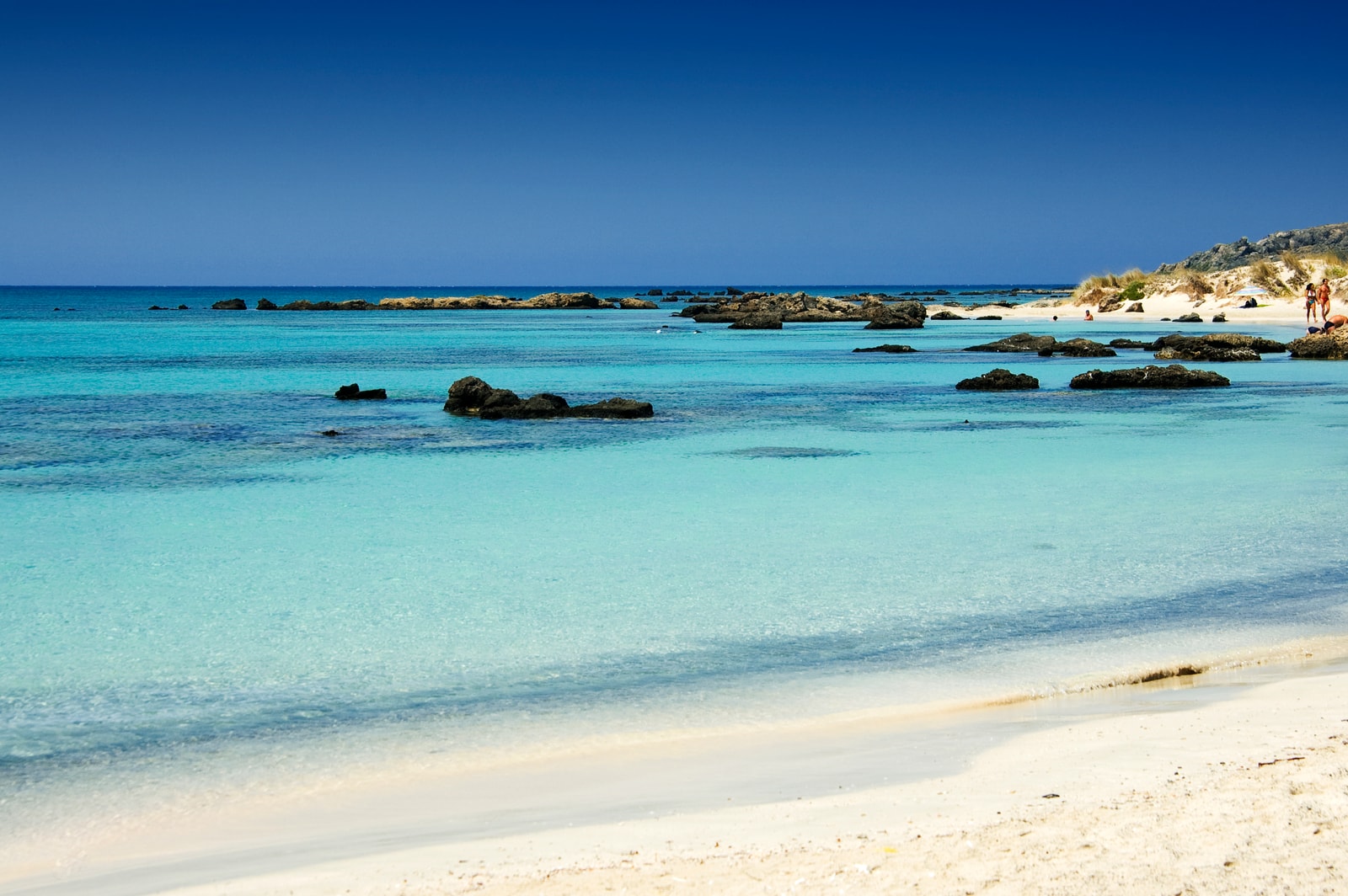
Fortunately, the beach's geography offers a natural solution. During strong northerly winds, the northern shore becomes choppy, but the southern leeward lagoon remains perfectly calm and clear. However, the wind blows offshore here, creating a dangerous conveyor-belt effect. Inflatables are highly discouraged as they can be swept out to sea in seconds, and parents must keep close watch over children.
The Scenic Drive to Paradise: Routes and Must-See Stops
The journey from northern towns like Chania (1.5-2 hours) or Kissamos (1 hour) is a stunning road trip through Crete’s mountainous heart. The two primary routes offer different experiences.
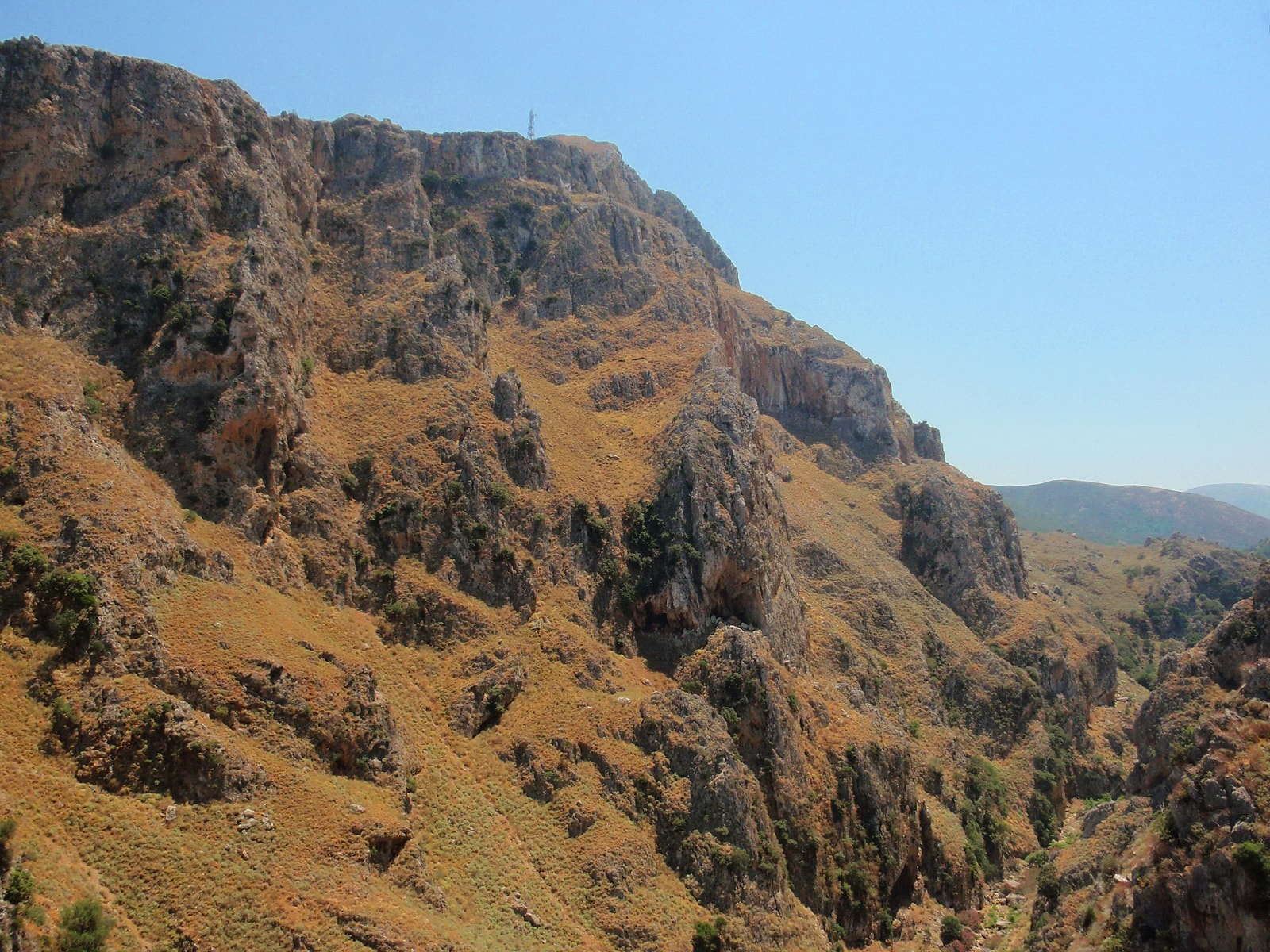
- The Inland Route (via Topolia Gorge): The most direct path, this paved but winding road cuts through lush mountain scenery and passes through a narrow, traffic-light-controlled tunnel at Topolia.
- The Coastal Route (via Sfinari): A dramatic cliffside drive with panoramic sea views. It requires slow, confident driving and is especially spectacular for a sunset return trip.
Along the way, several stops are worth a detour:
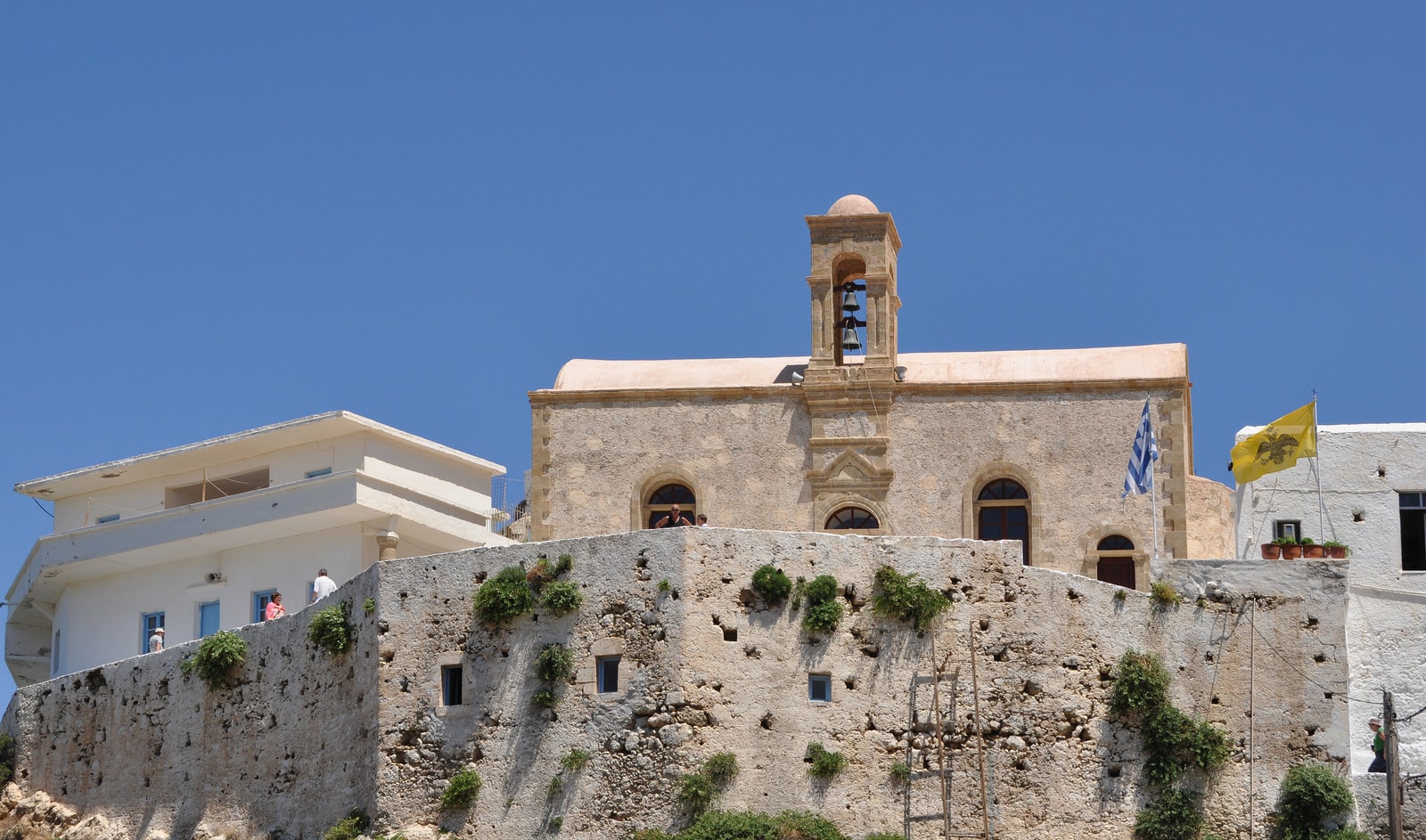
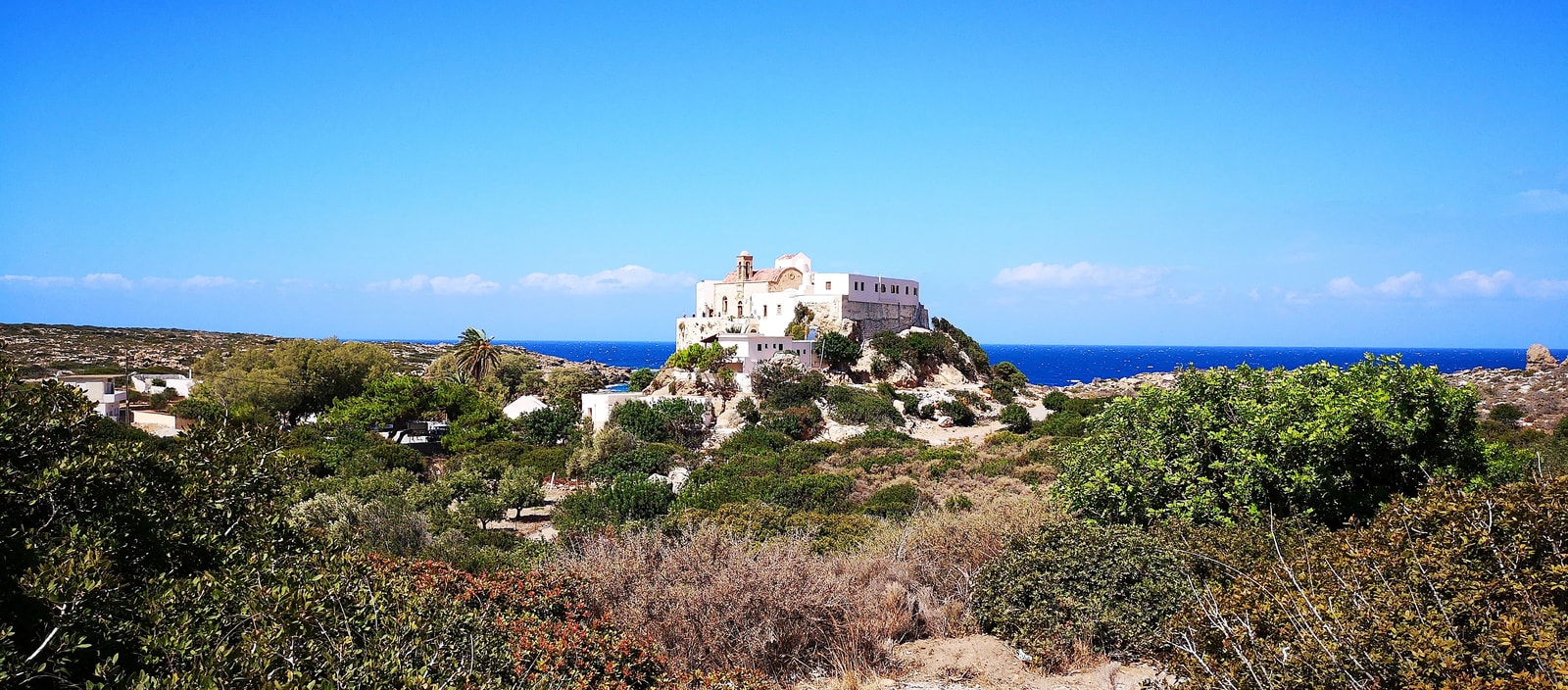
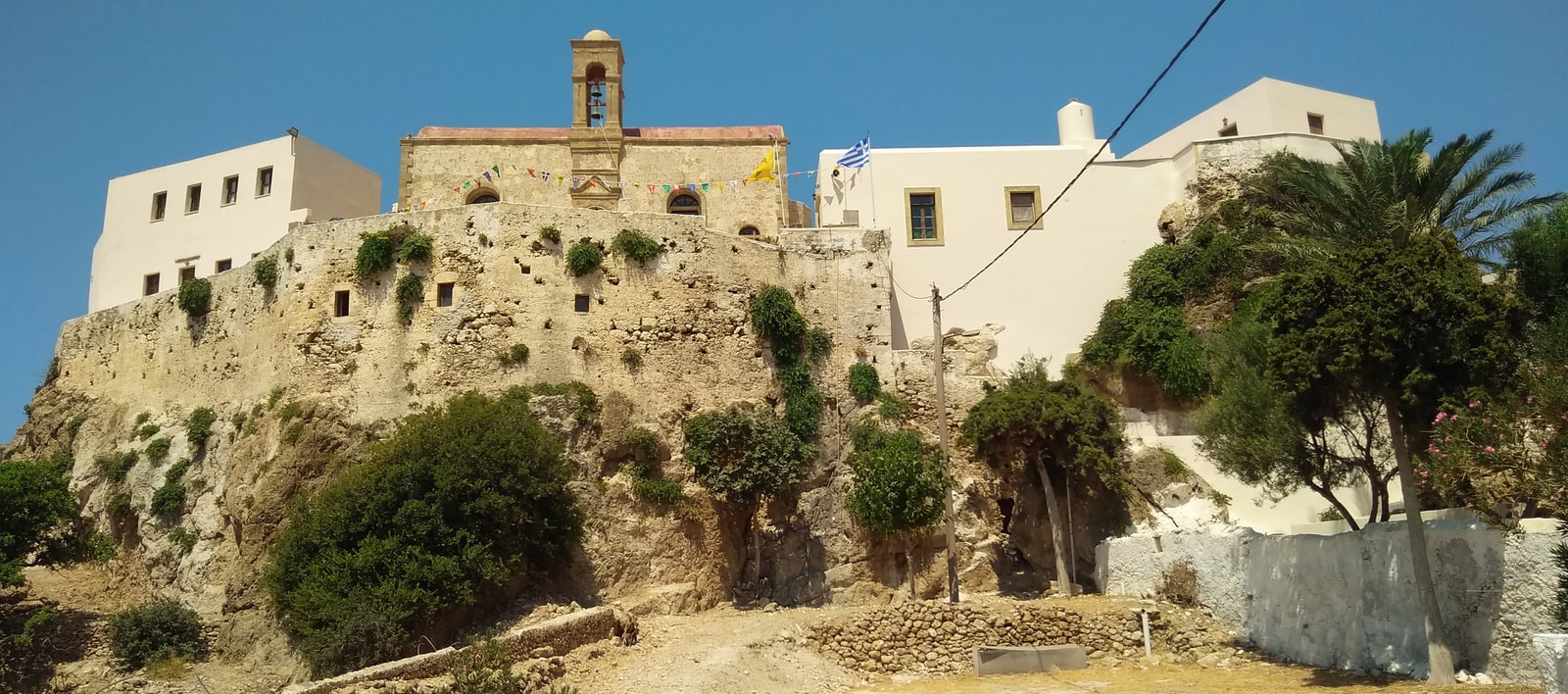
Chrysoskalitissa Monastery: Just 5 kilometers from the beach, this 17th-century monastery sits on a 35-meter cliff. Legend says one of its 98 steps is pure gold, visible only to the sinless.
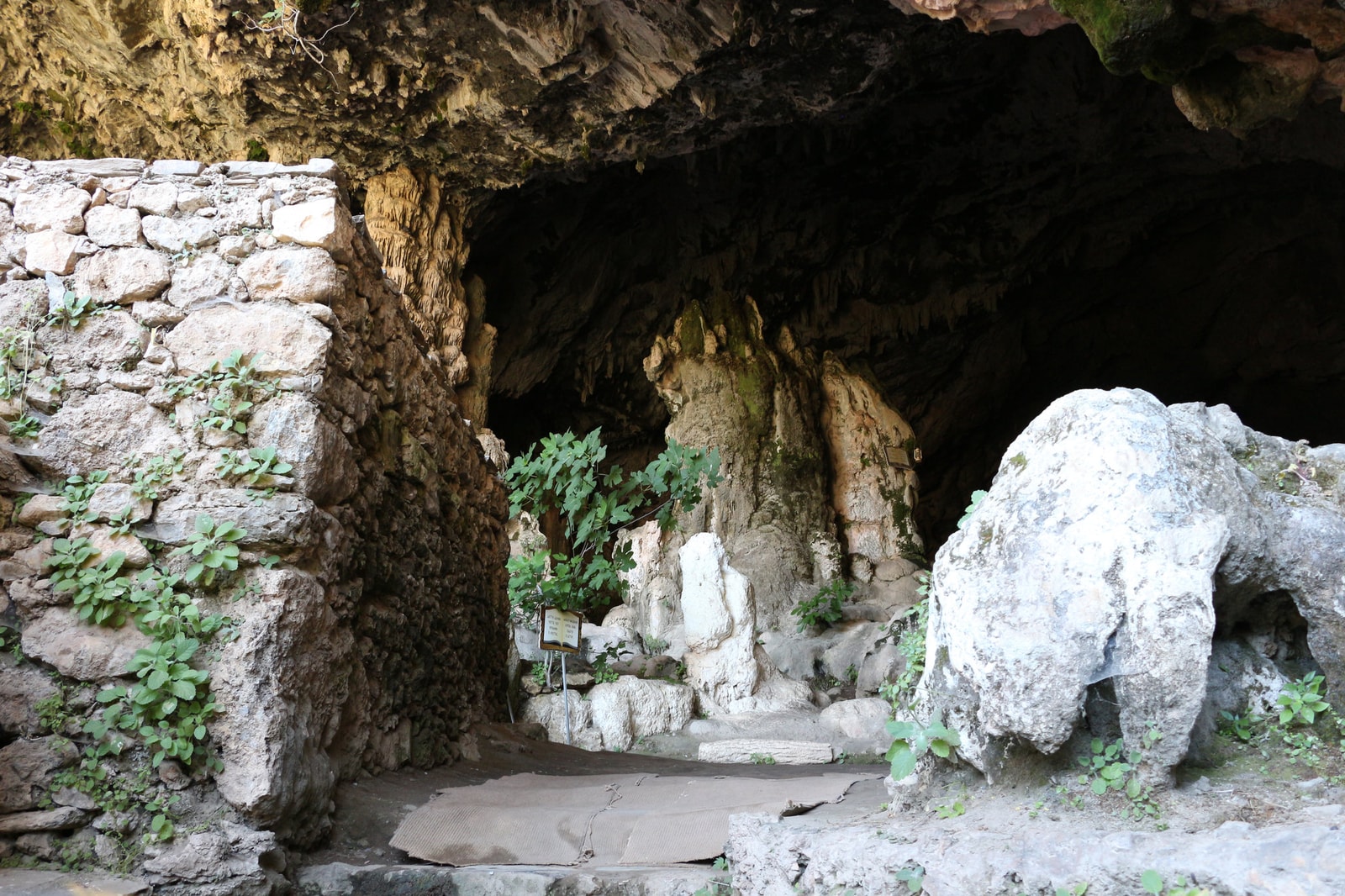
Topolia Gorge & Agia Sophia Cave: A beautiful green gorge with the immense Cave of Agia Sophia nestled above the road, containing stalactites and a tiny chapel.
Elos Mountain Village: A cool mountain oasis known for its chestnut forests, perfect for a coffee or traditional lunch at a local taverna.
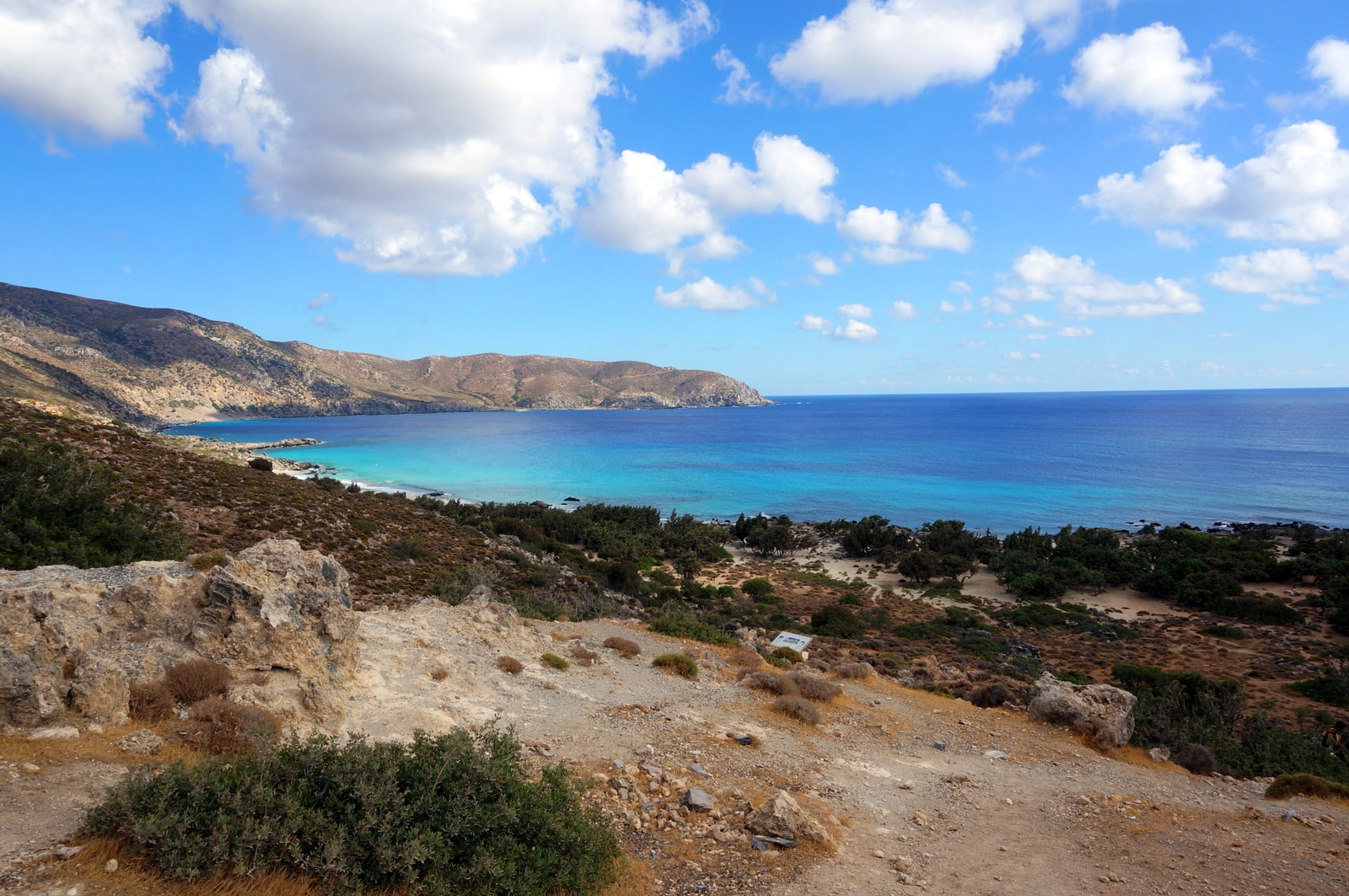
Kedrodasos Beach (Cedar Forest): A wild, secluded beach backed by an ancient juniper and cedar forest, a short hike from Elafonissi.
Voulolimni: A unique, emerald saltwater pool enclosed by rocks, creating a calm natural swimming hole.
A Protected Sanctuary: Elafonissi's Rare Nature
Elafonissi is a critical nature reserve within the EU's Natura 2000 network, home to rare and protected species. Visitors must respect the strict conservation rules, which include not removing any sand, shells, or plants.
The area hosts rare flora like the tiny, endangered Androcymbium rechingeri, which blooms in winter, and the striking Sea Daffodil, which flowers in late summer. From May to August, the beach is a crucial nesting ground for endangered Loggerhead Sea Turtles (Caretta caretta), with nests monitored by the protection society ARCHELON.
Stories in the Sand: A History of Tragedy and Resilience
Beneath the serene beauty, Elafonissi holds a somber history. Two major tragedies have marked this coastline, leaving behind memorials and local legends that add a layer of depth to any visit.
On Easter Sunday in 1824, during the Greek War of Independence, Ottoman troops slaughtered over 600 Greek civilians who had taken refuge on the island. Local legend claims the sand's pink hue comes from the blood shed that day. A memorial cross now stands on the island's high point.
In 1907, the Austrian steamship SS Imperatrix wrecked on the reefs offshore during a storm. Monks and local villagers rescued over 100 survivors, but 40 people drowned and were buried on the island. The shipwreck led to the construction of the area's first lighthouse.
Where to Eat: Beachside Snacks and Authentic Cretan Tavernas
Dining options at Elafonissi are simple, reflecting its protected status. On the mainland, wooden canteens offer snacks like spinach pie (Spanakopita), Greek salads, and refreshing iced coffees like the Freddo Cappuccino.
For a true taste of Crete, drive a short distance to nearby villages. Family-run tavernas serve authentic dishes like Dakos (barley rusks with tomato and mizithra cheese) and Kalitsounia (handmade cheese pies). Elos Village is famed for its mountain fare, including chestnut stew (Chestnut Stifado) and rich wedding rice (Gamopilafo).
Where to Stay: Finding Your Base for Elafonissi
While some small guesthouses and villas like Elafonisi Resort exist near the beach for those seeking solitude, most visitors stay in larger towns and make a day trip.
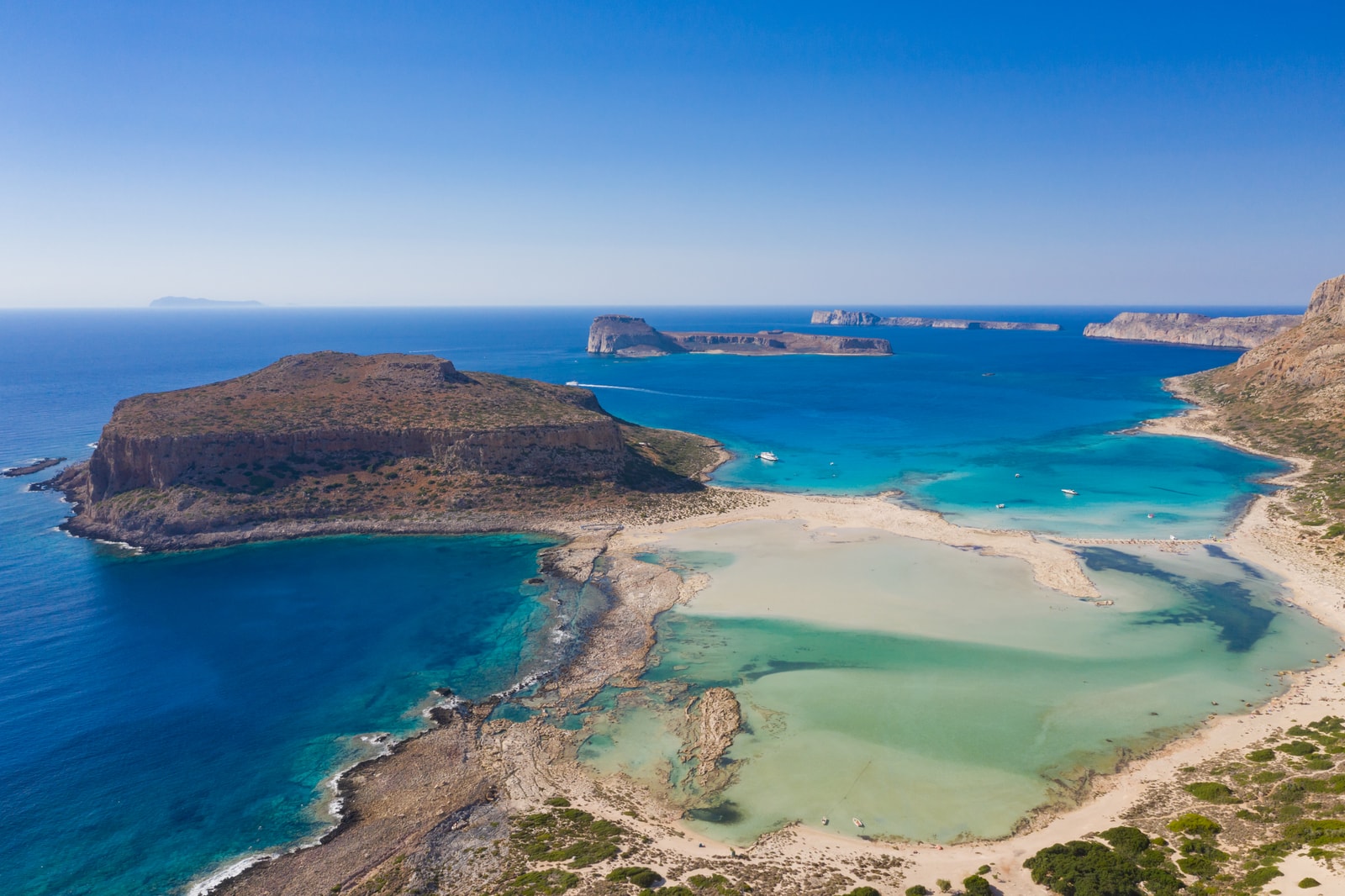
- Kissamos: A budget-friendly north coast town that serves as a perfect launchpad for western Crete's three famous beaches: Elafonissi, Balos, and Falassarna.
- Paleochora: A charming south coast town with a lively, pedestrian-only center at night. A daily passenger ferry runs from Paleochora to Elafonissi, offering a scenic alternative to the mountain drive.
- Chania: The most popular base, offering beautiful hotels in its Venetian Harbor. However, it requires a long 3-4 hour round-trip drive, which means arriving at the beach during peak hours.
Summer and Autumn 2026 Festivals Near Elafonissi
To fully experience the local culture, time your visit with one of the region's vibrant festivals scheduled for the 2026 season. Here are some highlights from July onward:
- Elos Honey Festival (July): Taste local honey and enjoy traditional pastries in Elos Village.
- Dance Days Chania 2026 (July 20 – August 2): An international contemporary dance festival in Chania.
- Honey Festival in Afrata (July 25): A village celebration in the Kissamos region with music and honey-drizzled pastries.
- Feast of Agioi Apostoloi (July 30): A traditional panigyri in Elos with Cretan food and live music.
- Chania Rock Festival 2026 (August 1 – 2): A major rock and metal festival in Chania's medieval moat.
- Chania Summer Festival 2026 (July 6 – August 2): A series of cultural performances in Chania's historic open-air venues.
- Assumption of the Virgin Mary at Chrysoskalitissa Monastery (August 15): A prominent religious festival with traditional music and dancing.
- Lemon Festival in Spilia (August 17): A celebration of the lemon harvest with folk dancing and lemon-infused treats.
- Giortes Rokkas 2026 (August 28): An atmospheric concert at the Rokka archaeological site, lit by the full moon.
- Sardine Festival in Nea Chora (Early September): Enjoy free grilled sardines and local wine by the harbor in Chania.
- Elos Chestnut Festival (October 16 – 18): One of western Crete's most famous autumn festivals, celebrating the local chestnut harvest.
Gallery