Puglia Beaches 2026: The Definitive Guide to Italy's Sun-Drenched Heel
From the dramatic cliffs of the Adriatic to the powdery sands of the Ionian, this is your complete guide to Puglia's stunning coastline for Summer 2026—and the local secret to finding calm water every day.
Published on 8 Aug 2026 17:47 GMT
Puglia, the heel of Italy’s boot, offers a unique coastal experience with over 800 kilometers of shoreline bordering two distinct seas. Understanding their differences is key to mastering a trip here.
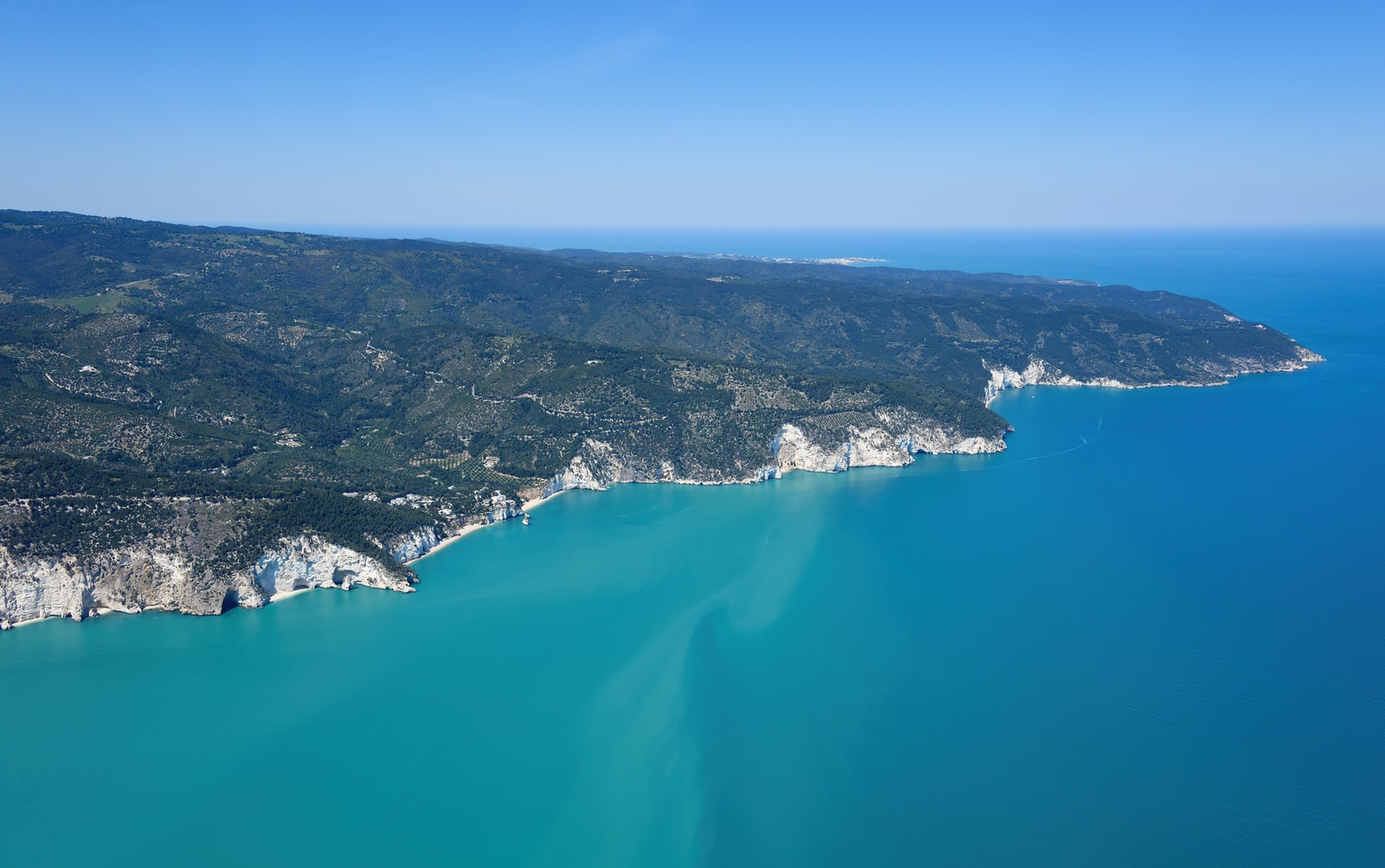
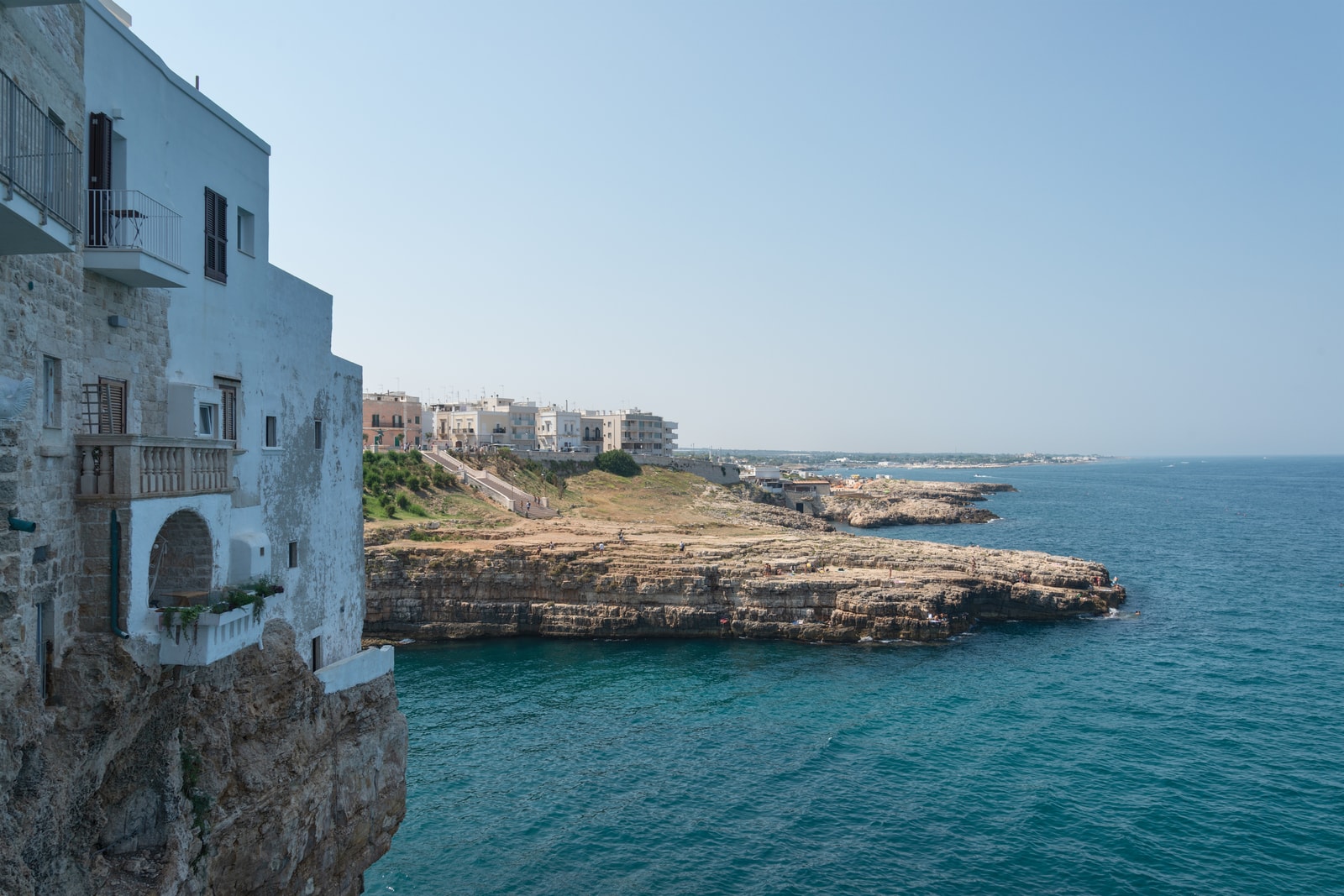
The Adriatic Coast to the east is rugged and dramatic. It’s a world of towering limestone cliffs, hidden sea caves, and rocky coves known as calette. The water here is deeper, cooler, and a brilliant cobalt blue, perfect for snorkeling and exploring.
The Ionian Coast to the west is its gentle counterpart. Often called the "Maldives of Italy," it features long stretches of fine white sand, shallow, warm waters, and soft dunes. The sandy seabed reflects the sun, creating a tropical turquoise hue ideal for families.
The Local's Secret: How Wind Shapes Your Beach Day
In Puglia, choosing where to swim isn't about preference; it's a science dictated by the daily wind. The narrow Salento peninsula means one coast is always calm while the other is rough. Locals live by a simple, age-old rule.
When the Tramontana, a cool north wind, blows, it hits the Adriatic coast, creating choppy waves. On these days, the Ionian Sea is perfectly sheltered, offering glass-like, tranquil water.
The Scirocco, a hot south wind from Africa, has the opposite effect. It churns up the Ionian, making it cloudy and rough. This is when the Adriatic's rocky coves become serene, protected swimming pools.
The golden rules are simple:
- Tramontana (north wind)? Go to the Ionian Sea.
- Scirocco (south wind)? Go to the Adriatic Sea.
The Rugged North: Gargano Peninsula's Cliffs and Caves
The Gargano Peninsula, the spur on Italy's boot, is a world of its own, defined by majestic white cliffs, ancient fishing traditions, and breathtaking sea caves.
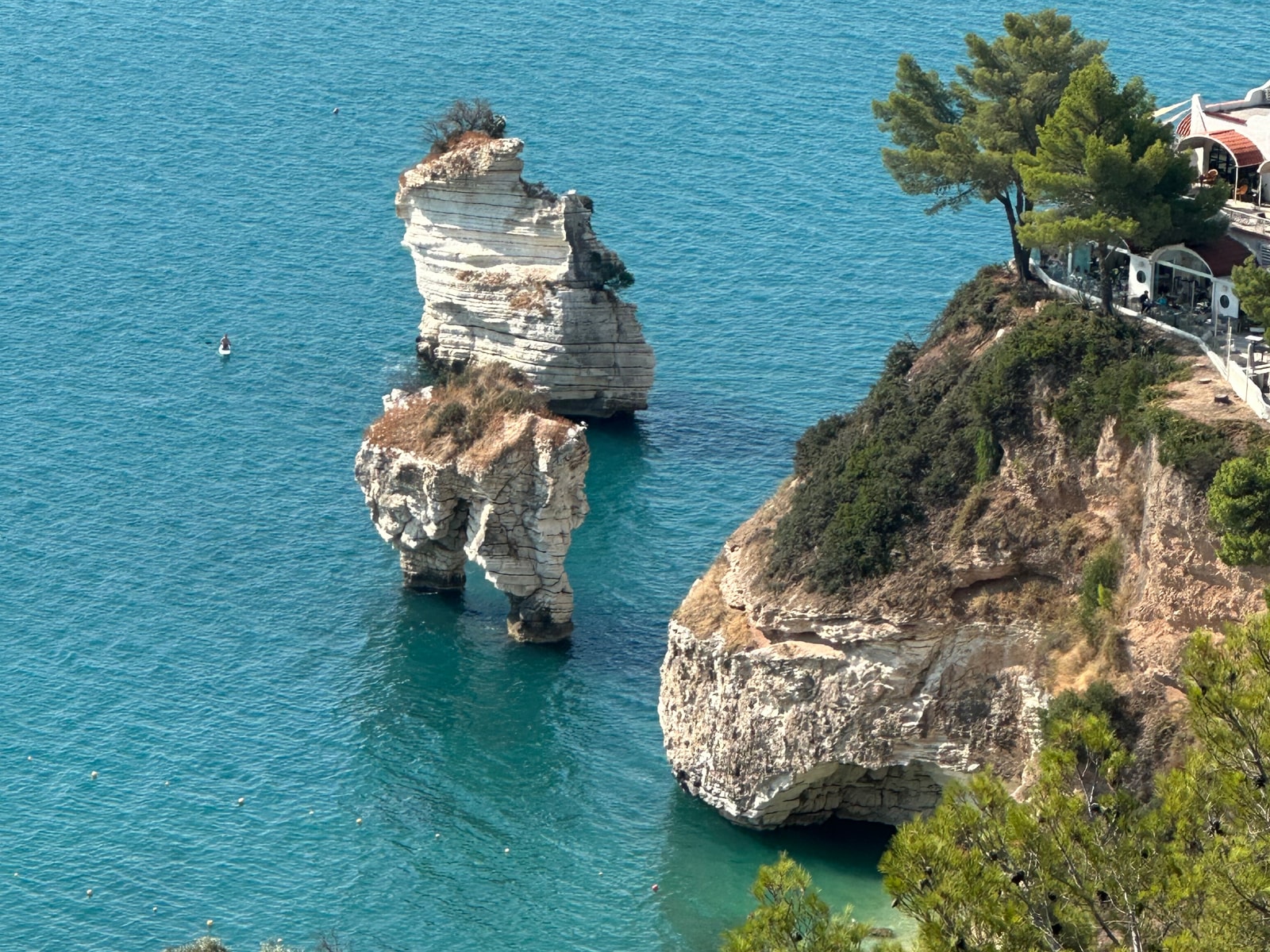
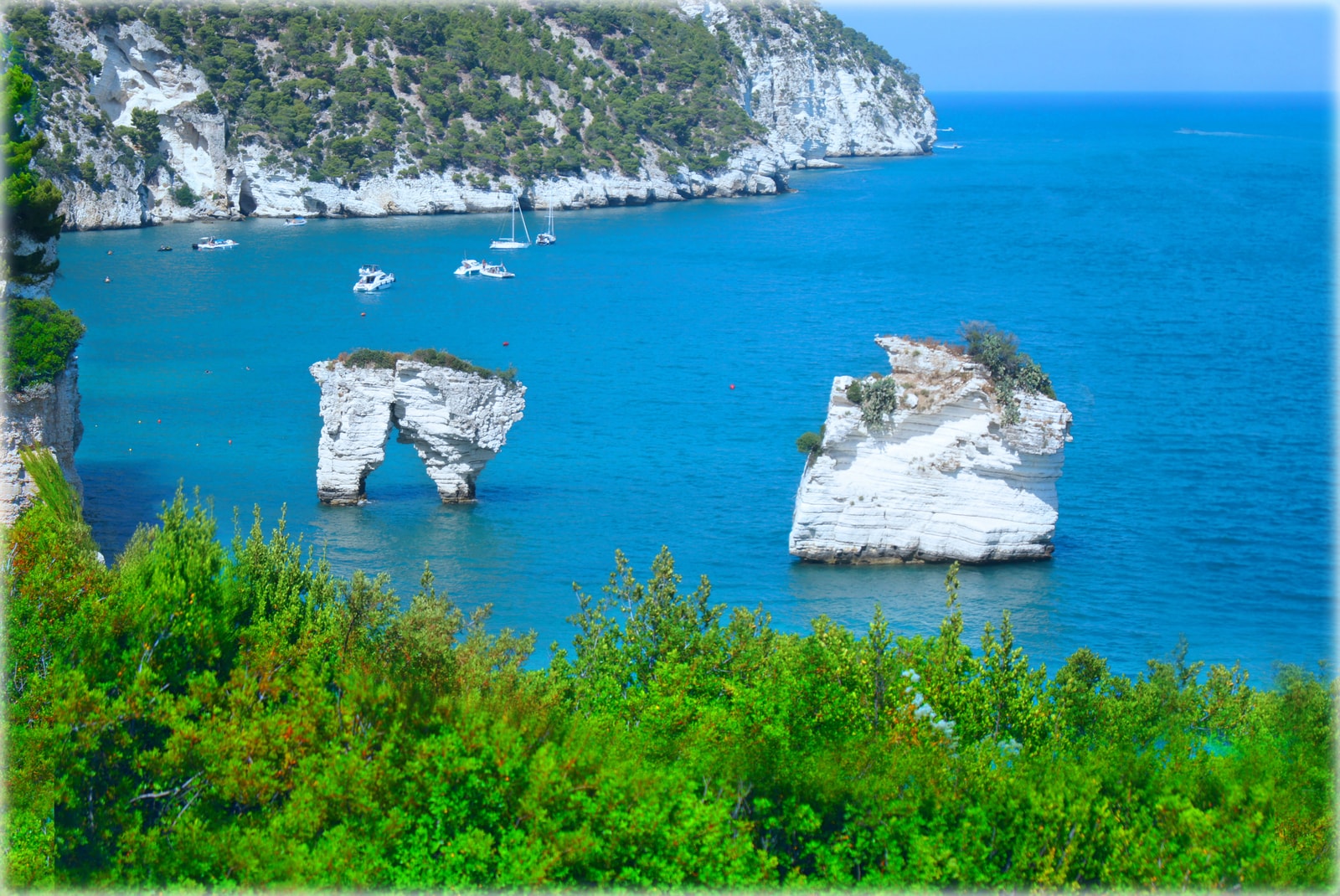
Baia delle Zagare is famed for its two massive limestone sea stacks, Arco di Diomede and Le Forbici, rising from the sea. Access to this pristine pebble beach is restricted, reachable by hotel lifts, pre-booked paths, or boat tours.
Spiaggia di Vignanotica is a wild crescent of pebbles backed by towering white cliffs striped with dark flint. Reached via the scenic Sentiero dell'Amore (Love Trail), it has a secluded, raw atmosphere.
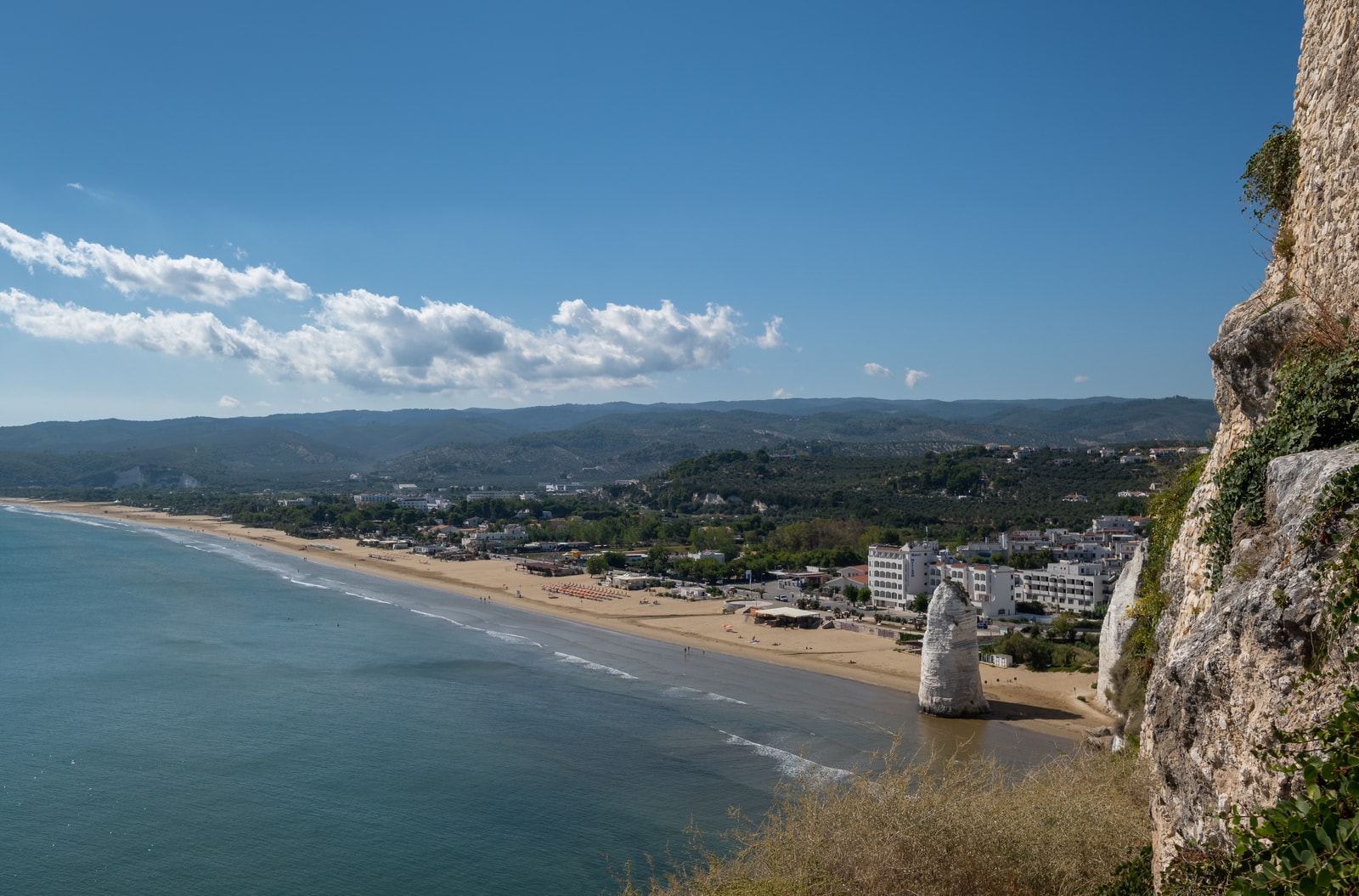
Vieste is the historic heart of the Gargano. Its main beach, Spiaggia del Castello, is dominated by the 25-meter Pizzomunno monolith, a petrified fisherman from local folklore, forever waiting for his lost love, Cristalda.
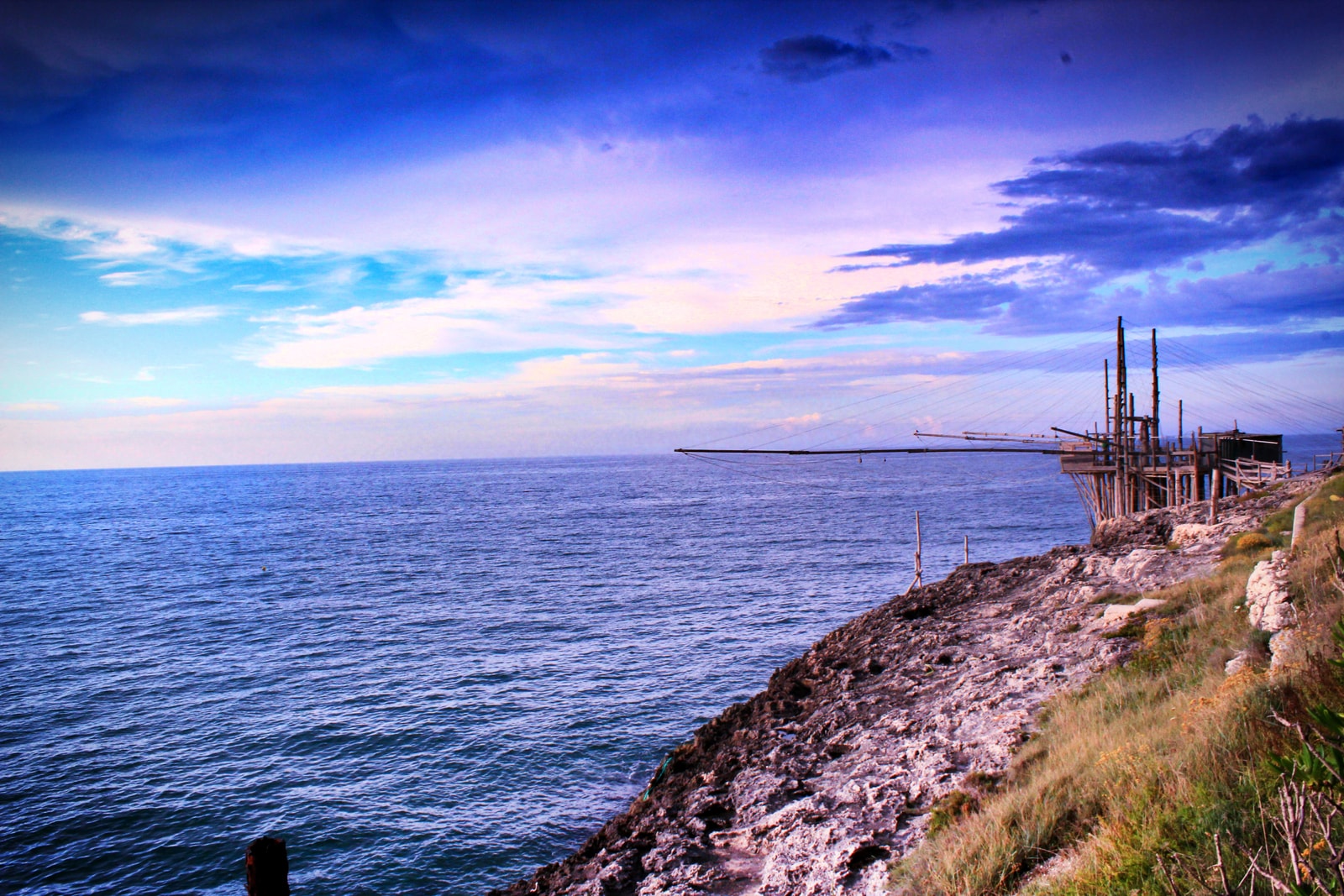
Peschici is famous for its historic wooden fishing platforms called trabocchi. These stilted structures, now often converted into unique seafood restaurants, are an icon of the coast. Nearby beaches include the family-friendly Marina di Peschici and the bohemian Spiaggia di Zaiana.
The coast between Vieste and Mattinata is riddled with Grotte Marine (sea caves). Guided boat tours explore these natural wonders, where sunlight reflects off the seabed to create brilliant emerald and cobalt light shows inside caves like Grotta Sfondata and Grotta dei Due Occhi.
Central Puglia's Charm: From Polignano's Cliffs to Monopoli's Coves
The coast around Bari blends dramatic cliffside towns with expansive sandy resorts, offering a perfect mix of culture and relaxation.
Polignano a Mare is world-famous for its whitewashed old town perched on sheer cliffs. Its iconic beach, Lama Monachile (Cala Porto), is a stunning pebble-filled gorge. Nearby, Cala Paura is a rustic cove where colorful rowboats are pulled onto the shore.
Monopoli offers a beautiful balance of history and modern beach life. Cala Porta Vecchia is a sandy cove framed by the town's 16th-century walls, while the southern Capitolo area is the region's hub for stylish beach clubs and long, golden-sand beaches.
Further south, Savelletri is an upscale village known for its rocky coves, exclusive beach clubs, and fresh sea urchins (ricci di mare). Torre Canne offers sweeping fine-sand beaches, shallow waters, and the famous Terme di Torre Canne thermal spa.
The Southern Paradise: Salento's Double Shoreline
The Salento peninsula is where Puglia's dual personality shines brightest, with some of Italy's most celebrated beaches on both its Ionian and Adriatic shores.
The Ionian Coast is defined by its Caribbean-like features. Punta Prosciutto boasts powdery white sand and tall dunes, while Porto Cesareo is a vibrant town with a vast marine protected area. Here, you can find submerged Roman columns and wade to Isola dei Conigli (Rabbit Island).
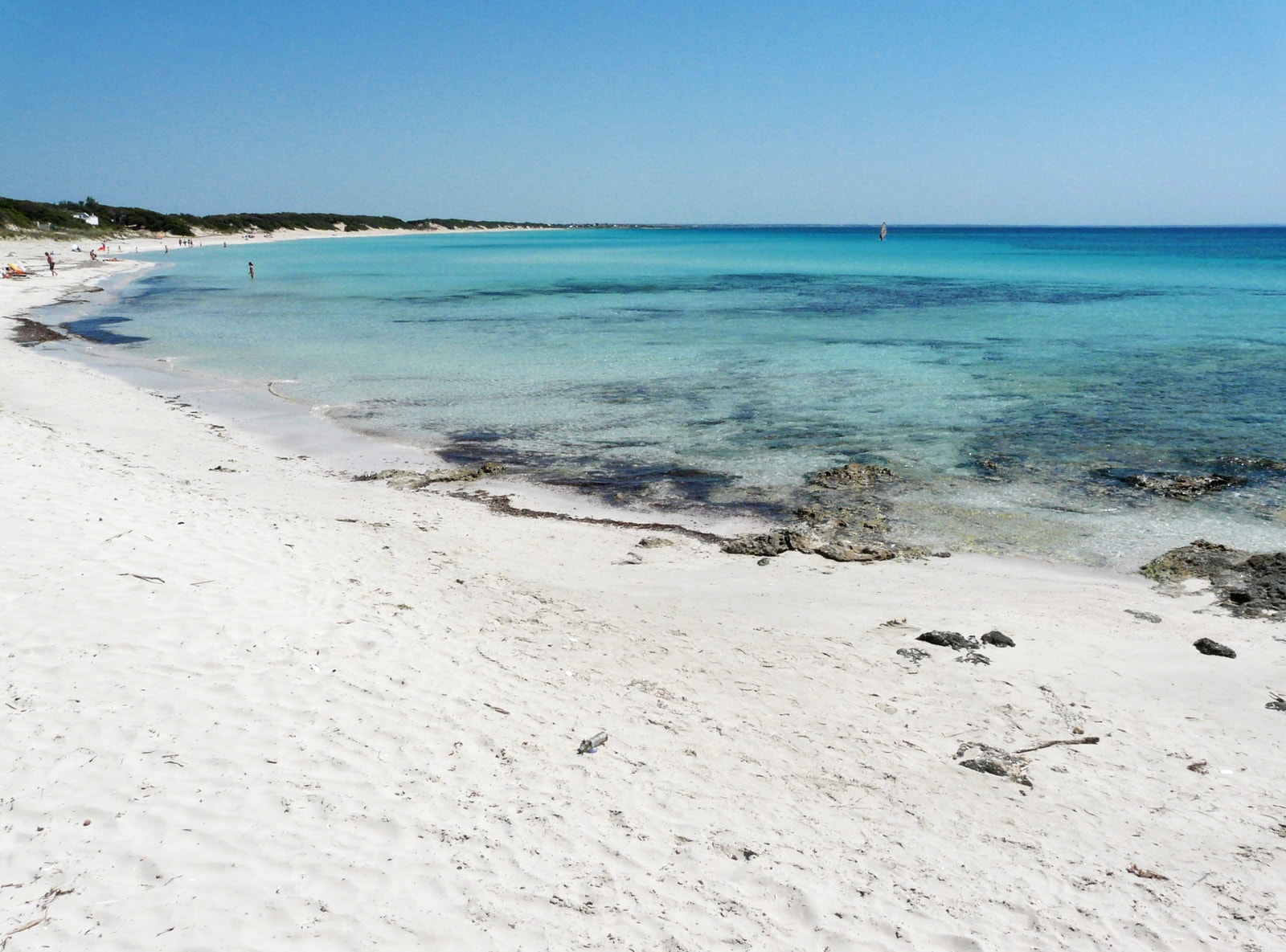
Pescoluse lives up to its nickname, the 'Maldives of Italy,' with its soft golden sand and calm, turquoise waters. For a livelier scene, Gallipoli's Baia Verde is the epicenter of beach parties, while Punta della Suina offers stunning sunsets over rocky coves.
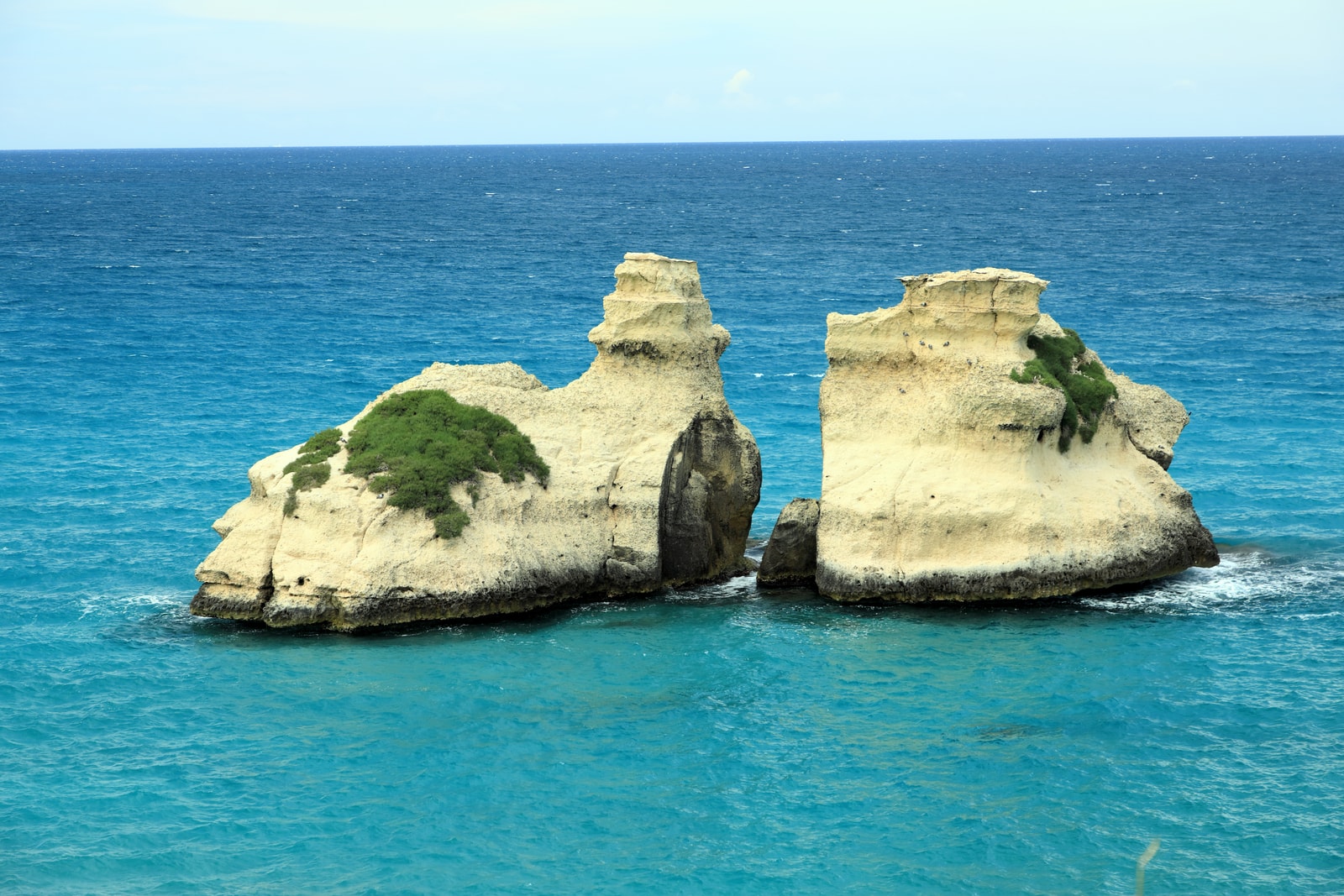
The Adriatic Coast of Salento is rugged and spectacular. Torre dell'Orso is a crescent bay known for Le Due Sorelle (The Two Sisters), two limestone sea stacks. Nearby, Baia dei Turchi is a historic white-sand beach reached through a pine forest.
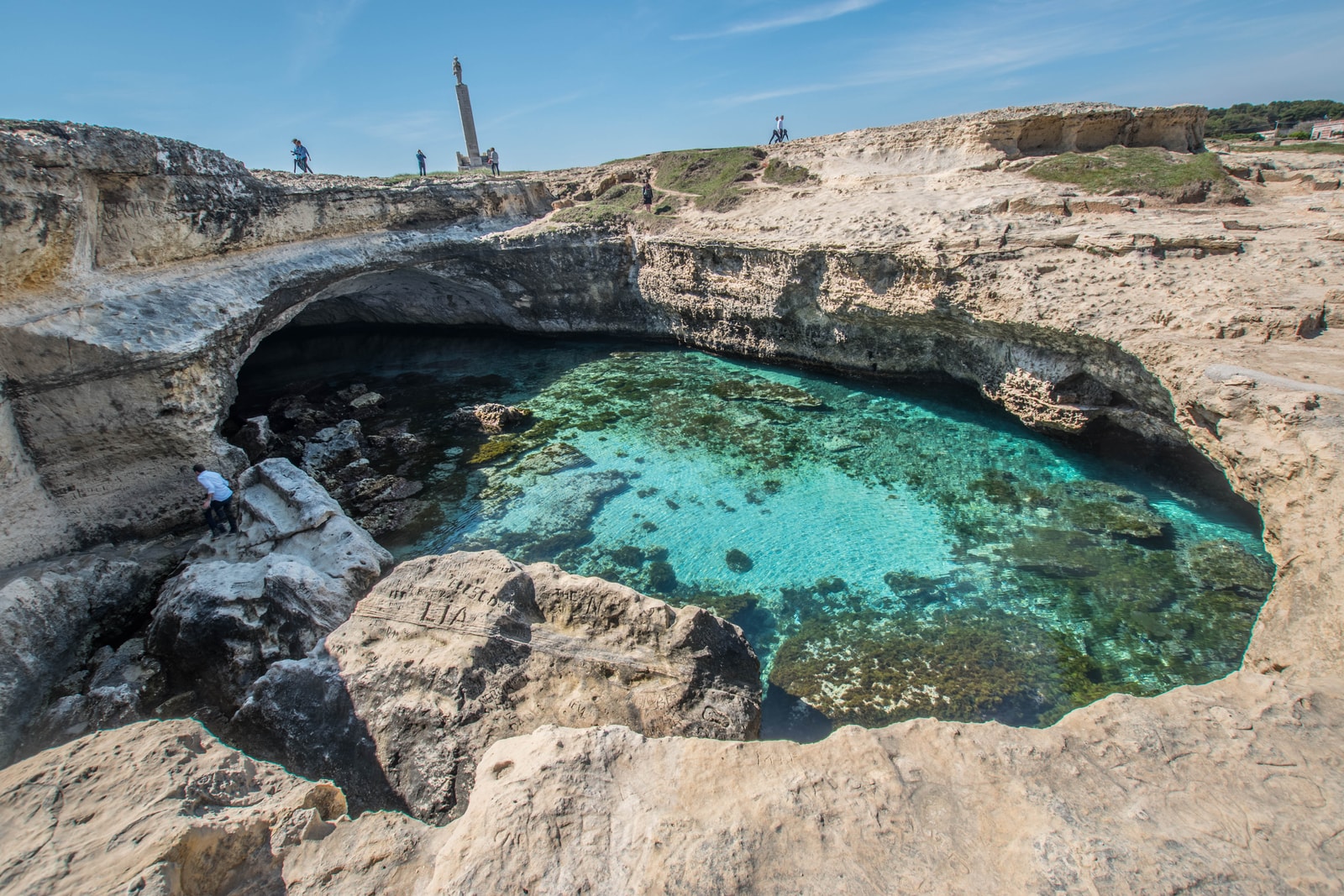
One of the area's jewels is the Grotta della Poesia (Cave of Poetry), a natural sinkhole that forms a perfect turquoise swimming pool. Further south, Castro Marina is home to the stunning Grotta Zinzulusa, a cave famous for its stalactites that resemble hanging rags.
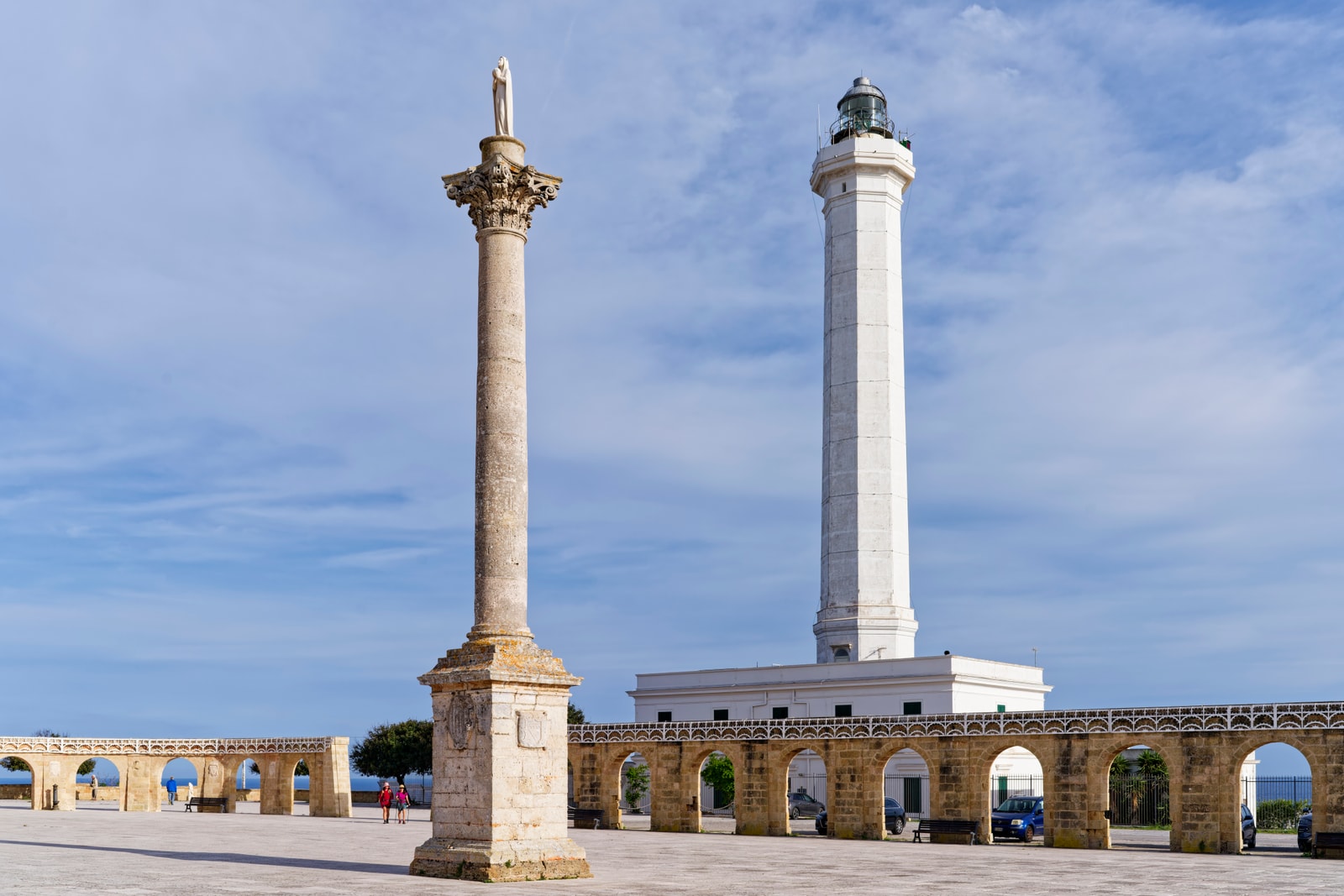
The journey ends at Santa Maria di Leuca, the "end of the earth," where the two seas symbolically meet beneath a majestic lighthouse.
The Tremiti Islands: A Secluded Adriatic Sanctuary
Off Puglia's northern coast, the Tremiti Islands are a protected marine reserve and a paradise for snorkelers and divers. This five-island archipelago offers a pristine escape from the mainland buzz.
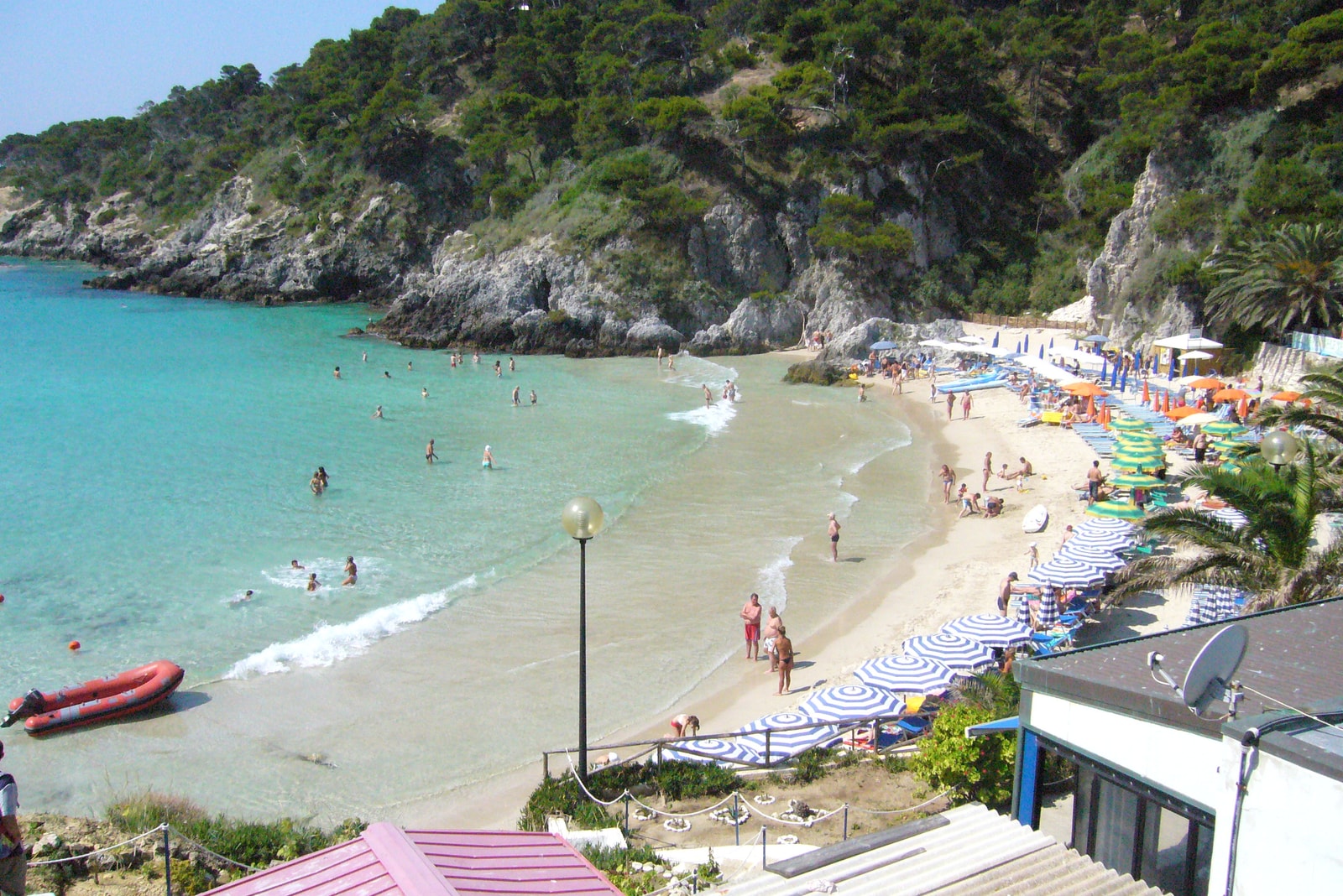
San Domino is the largest and greenest island, home to Cala delle Arene, the only sandy beach in the chain. The historical heart is San Nicola, dominated by a fortress-like sanctuary founded in the 11th century.
The islands are a premier snorkeling destination, with visibility often exceeding 30 meters. Highlights include the submerged bronze statue of Padre Pio and numerous sea caves like the Grotta delle Viole, known for its purple algae. Ferries run from Termoli, Vieste, and Rodi Garganico, but cars are not permitted on the islands.
Lido or Libera? Navigating Italian Beach Culture
A day on a Puglian beach involves choosing between a private beach club (lido) or a free public beach (spiaggia libera).
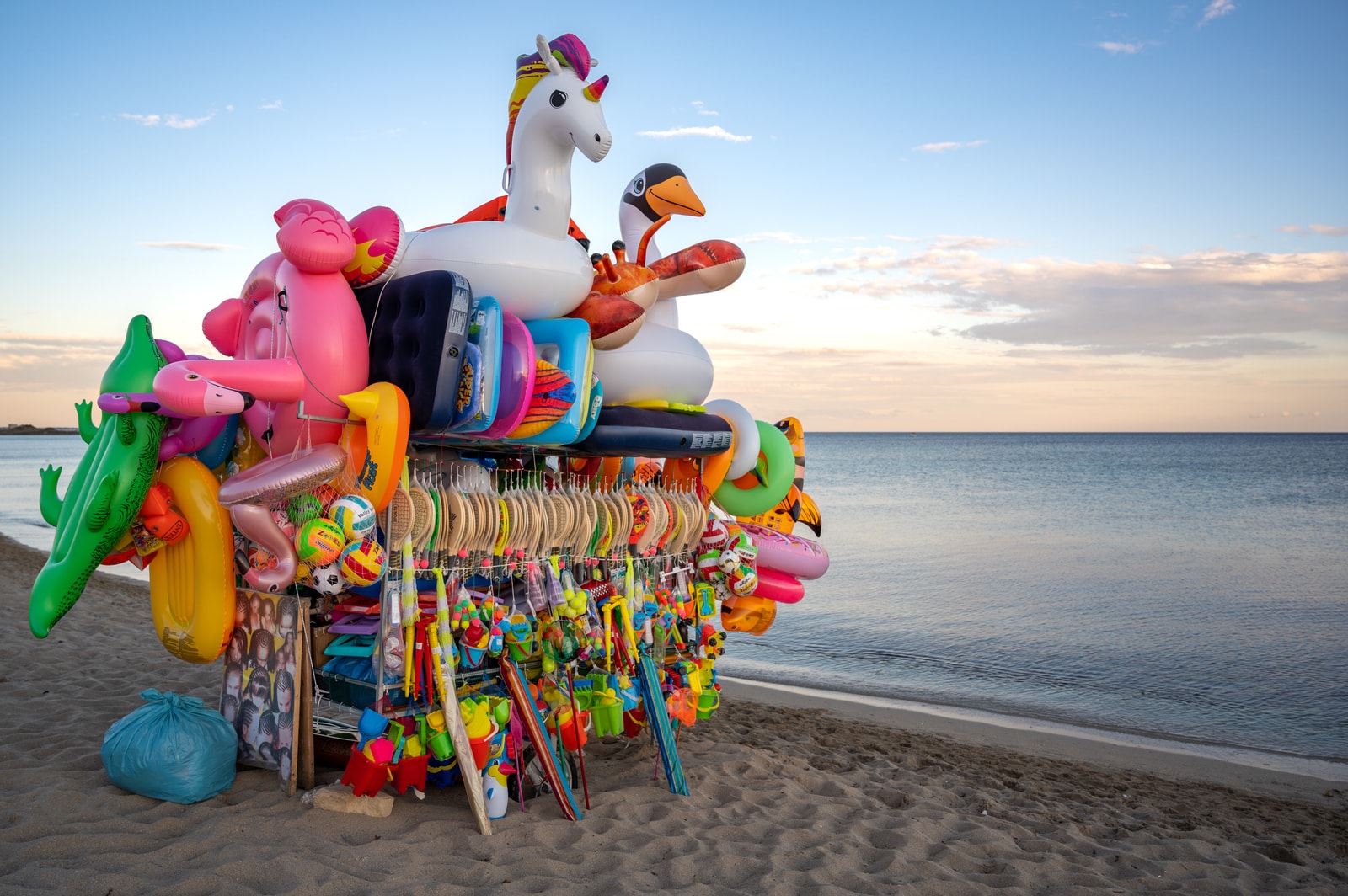
Private Lidi offer rows of umbrellas (ombrelloni) and loungers (lettini), showers, restaurants, and lifeguard services. Prices vary by season, with a standard setup costing anywhere from €20 in June to over €80 in August. Booking is essential in July and August, especially around the Ferragosto holiday on August 15th.
Spiaggia Libera sections are free and open to all, but you must bring your own gear. These spaces are first-come, first-served, and leaving chairs overnight to save a spot is illegal and can result in heavy fines from the Coast Guard.
Summer 2026 in Puglia: Key Coastal Events
Summer 2026 in Puglia is set to be a vibrant season, mixing traditional festivals with international events along the coast.
- La Notte della Taranta 2026 (July 30 – August 22): Italy's largest folk festival celebrates the traditional pizzica dance, with events across Salento's villages culminating in a mega-concert in Melpignano on August 22.
- Panorama Festival 2026 (August 14 – 16): An electronic music festival in a limestone quarry near Lecce, attracting top international DJs during the Ferragosto holiday.
- Ferragosto Coastal Celebrations 2026 (August 14 – 15): The peak of the Italian summer, marked by beach parties, special menus, and midnight firework displays along the coast in towns like Otranto and Monopoli.
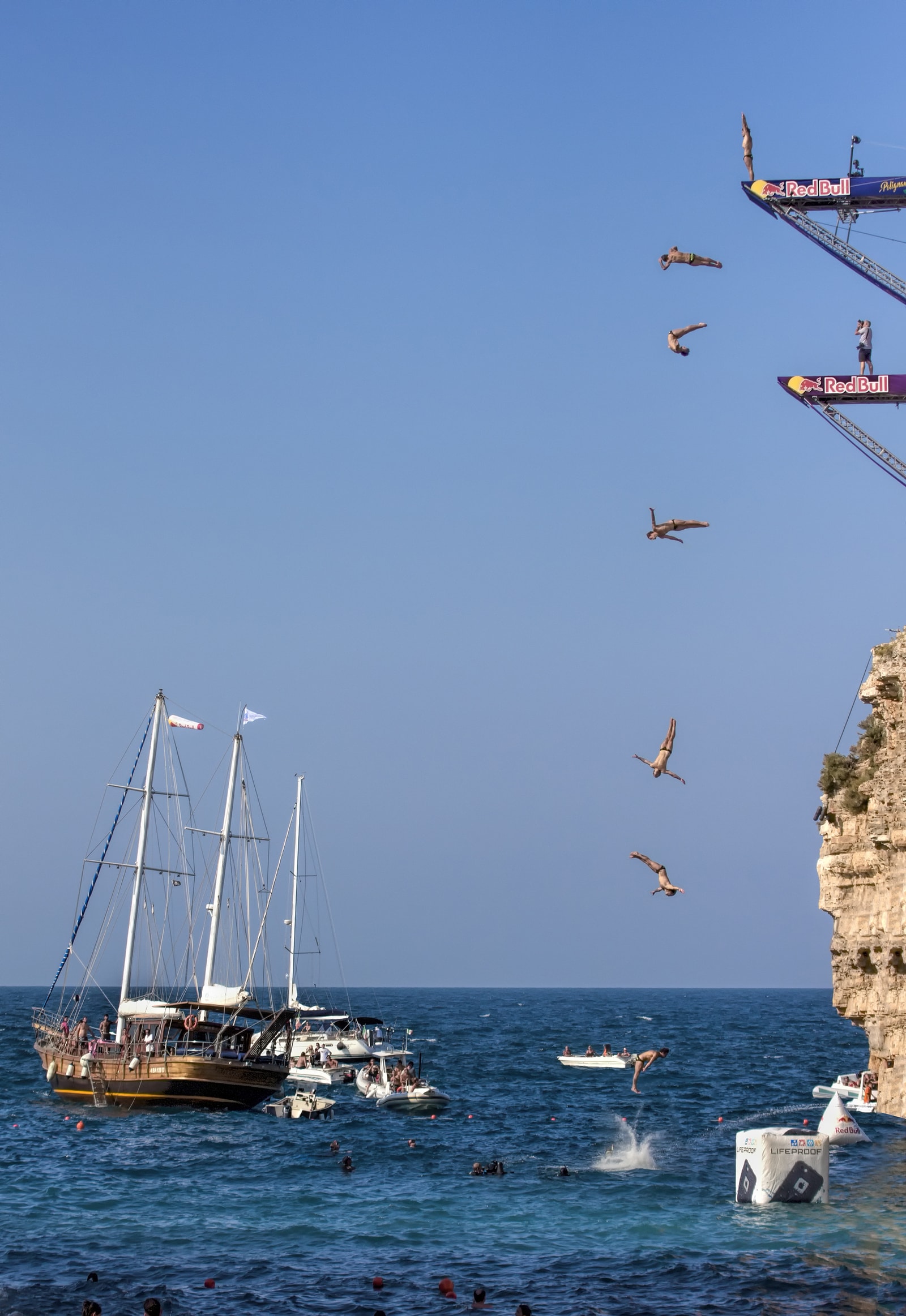
- Red Bull Cliff Diving World Series 2026 (September 25 – 27): Elite divers launch from platforms 27 meters high on the cliffs of Polignano a Mare in one of Europe's most spectacular beachside sporting events.
Essential Travel Tips for Puglia's Coast
To make the most of your coastal trip, a little planning goes a long way. June and September offer the best balance of warm weather and fewer crowds, while August is intensely busy and hot.
A rental car is essential for exploring the coastline. Book well in advance, choose the smallest model possible for navigating narrow village streets, and ensure you have full insurance. Remember that non-EU drivers need an International Driving Permit.
Parking is color-coded: blue lines are paid, white lines are free, and yellow is reserved. Many beaches have private lots for a daily fee. Never leave valuables in your car, especially in isolated areas.
Finally, respect local etiquette. Swimwear is for the beach only, not for walking through town centers. Stay off the protected sand dunes, and never take sand or shells with you. Always check the lifeguard flags: white for safe, red for dangerous conditions.
Gallery