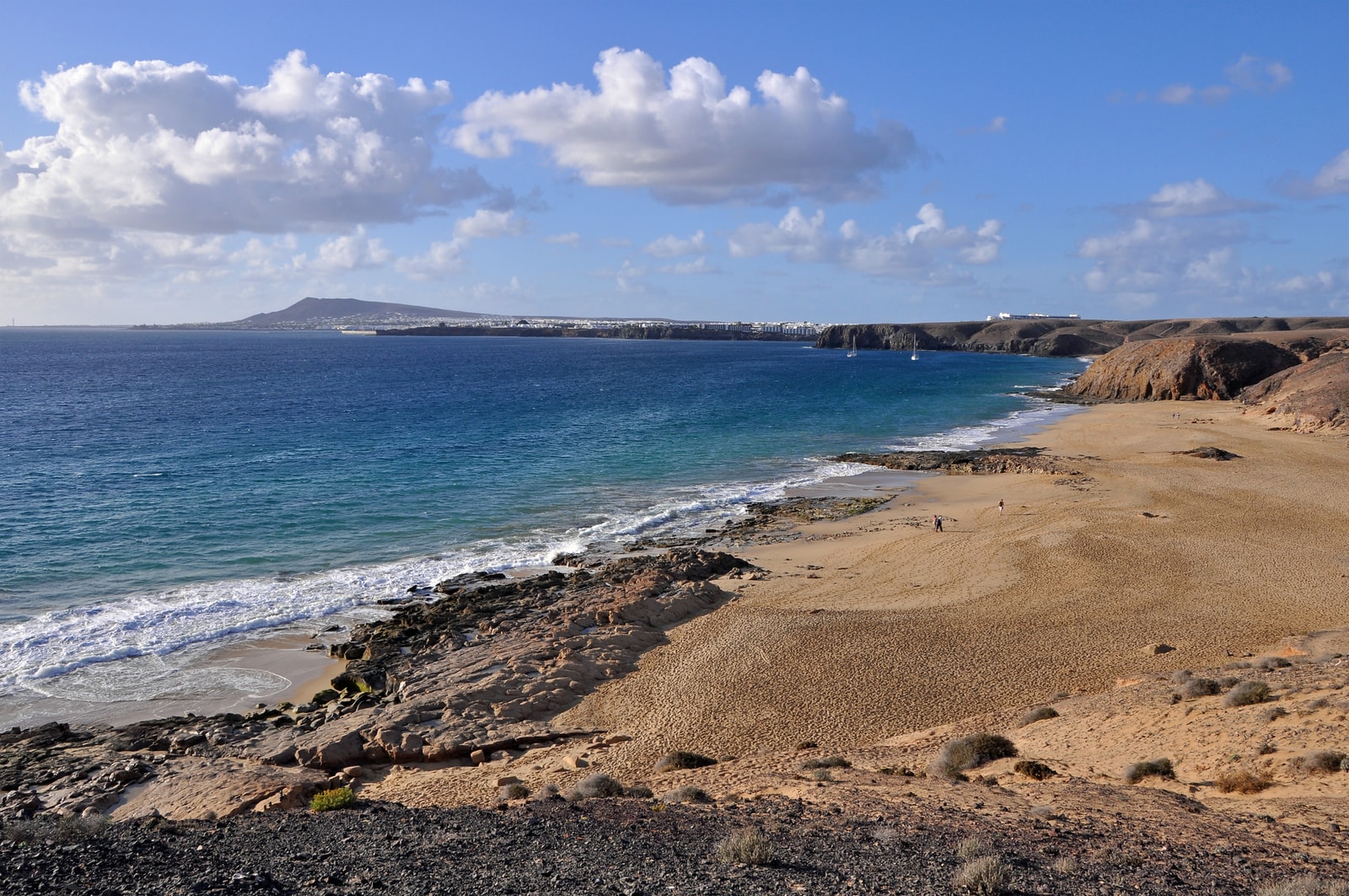
Your Guide to Mirissa Beach: Sri Lanka's Coastal Gem
From whale watching to surfing, this crescent-shaped bay on Sri Lanka’s southern coast offers variety and beauty. Here's how to navigate its seasons, activities, and iconic sights.
Published on 9 Nov 2026 10:18 GMT
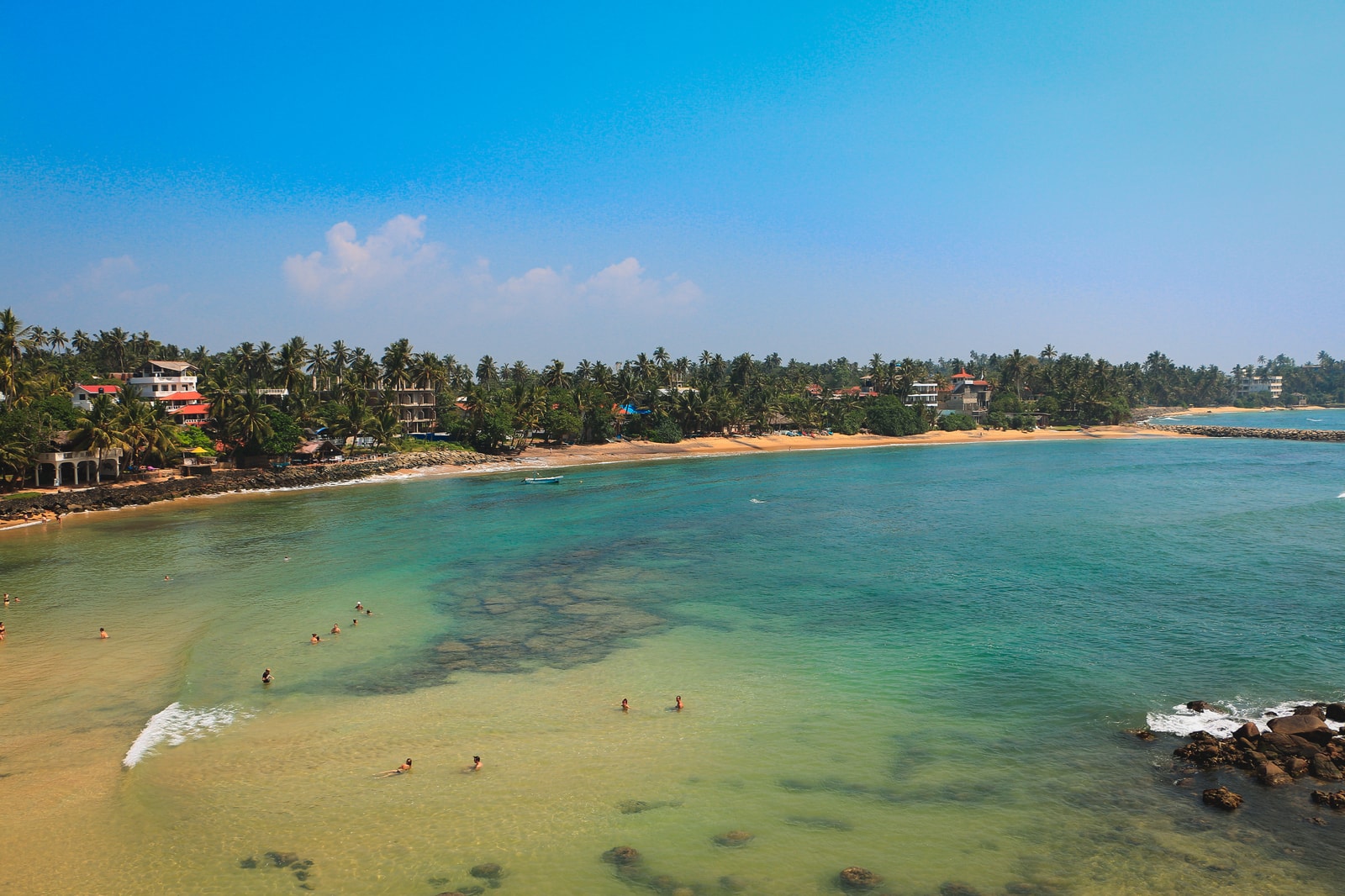
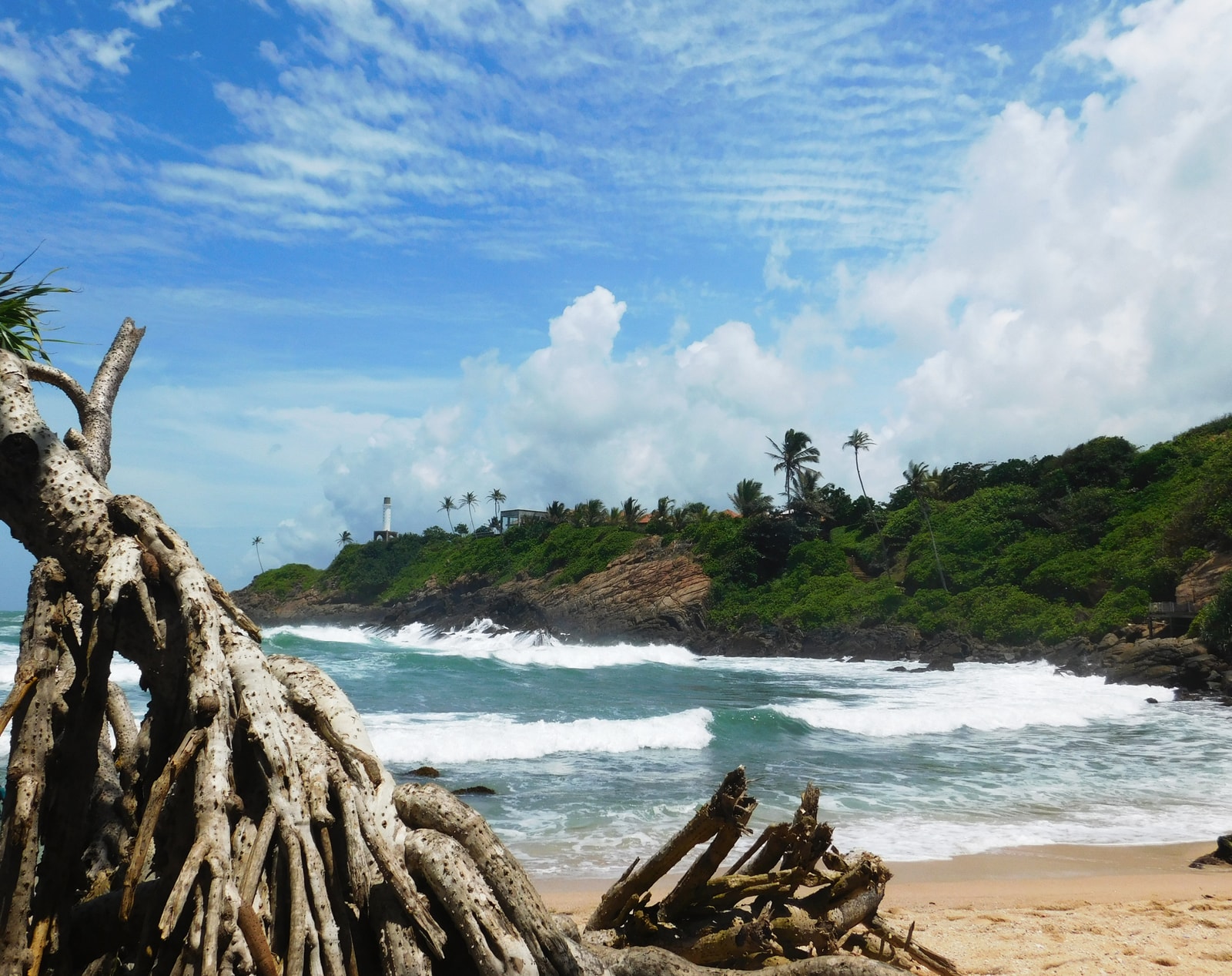
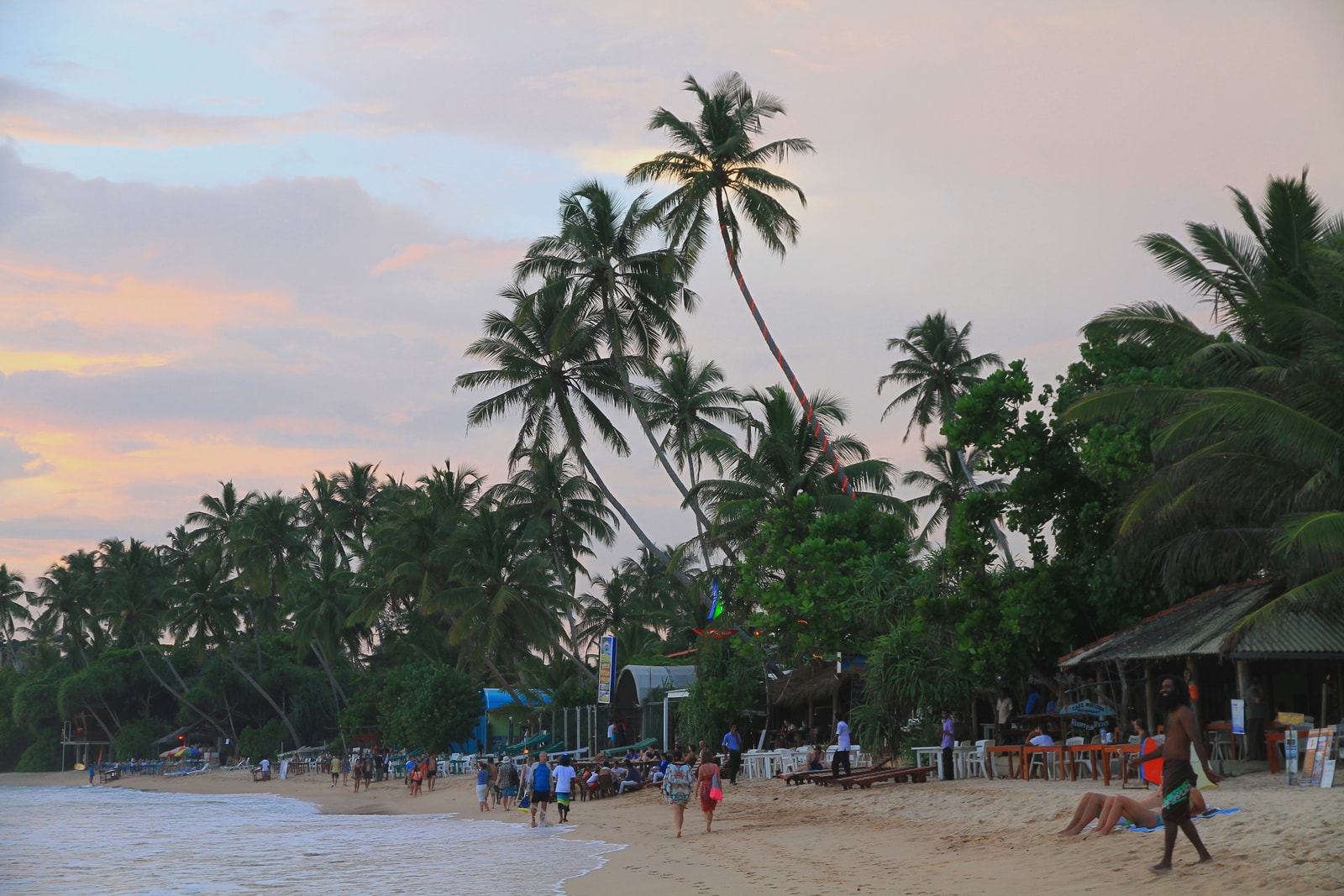
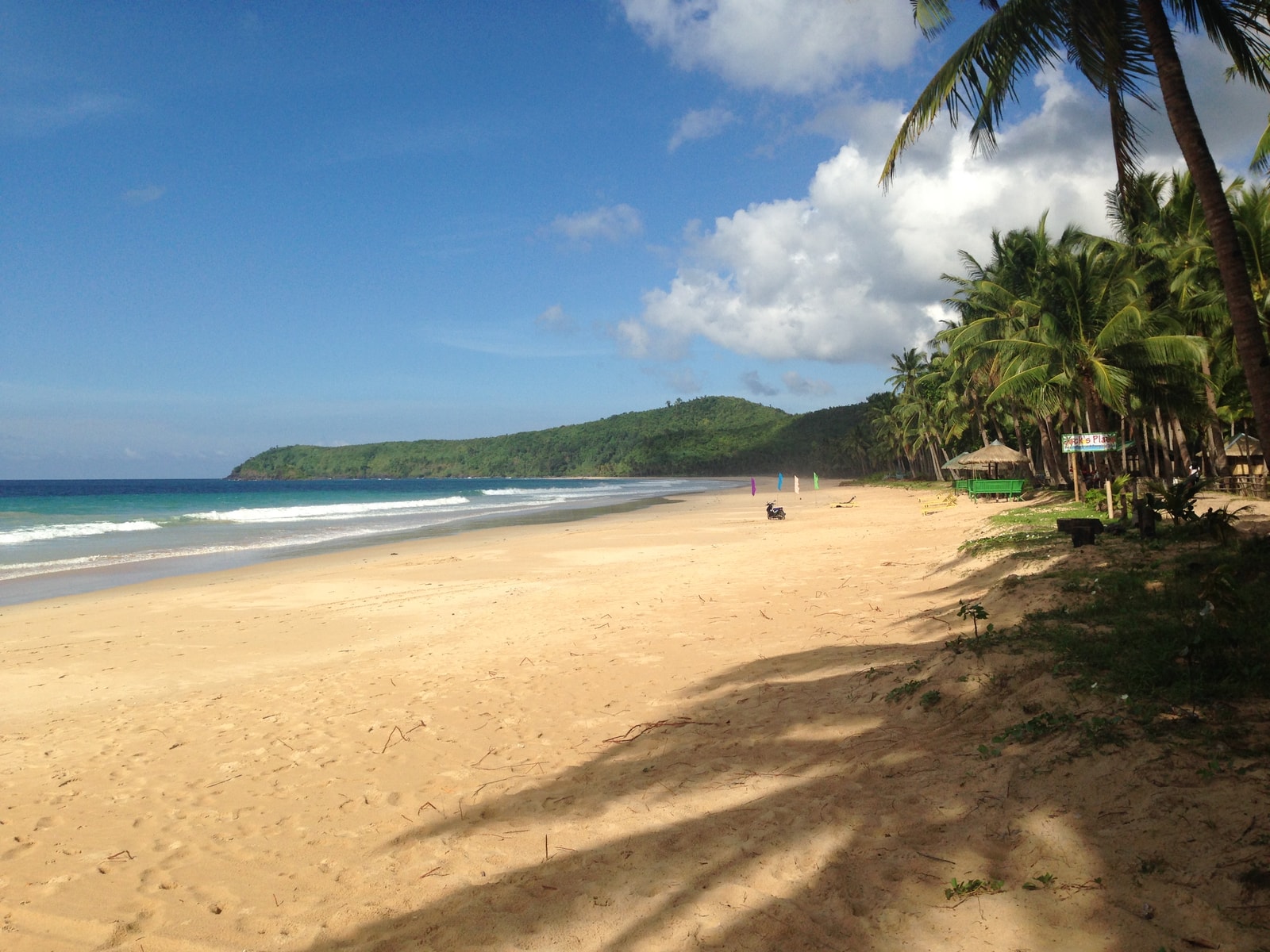
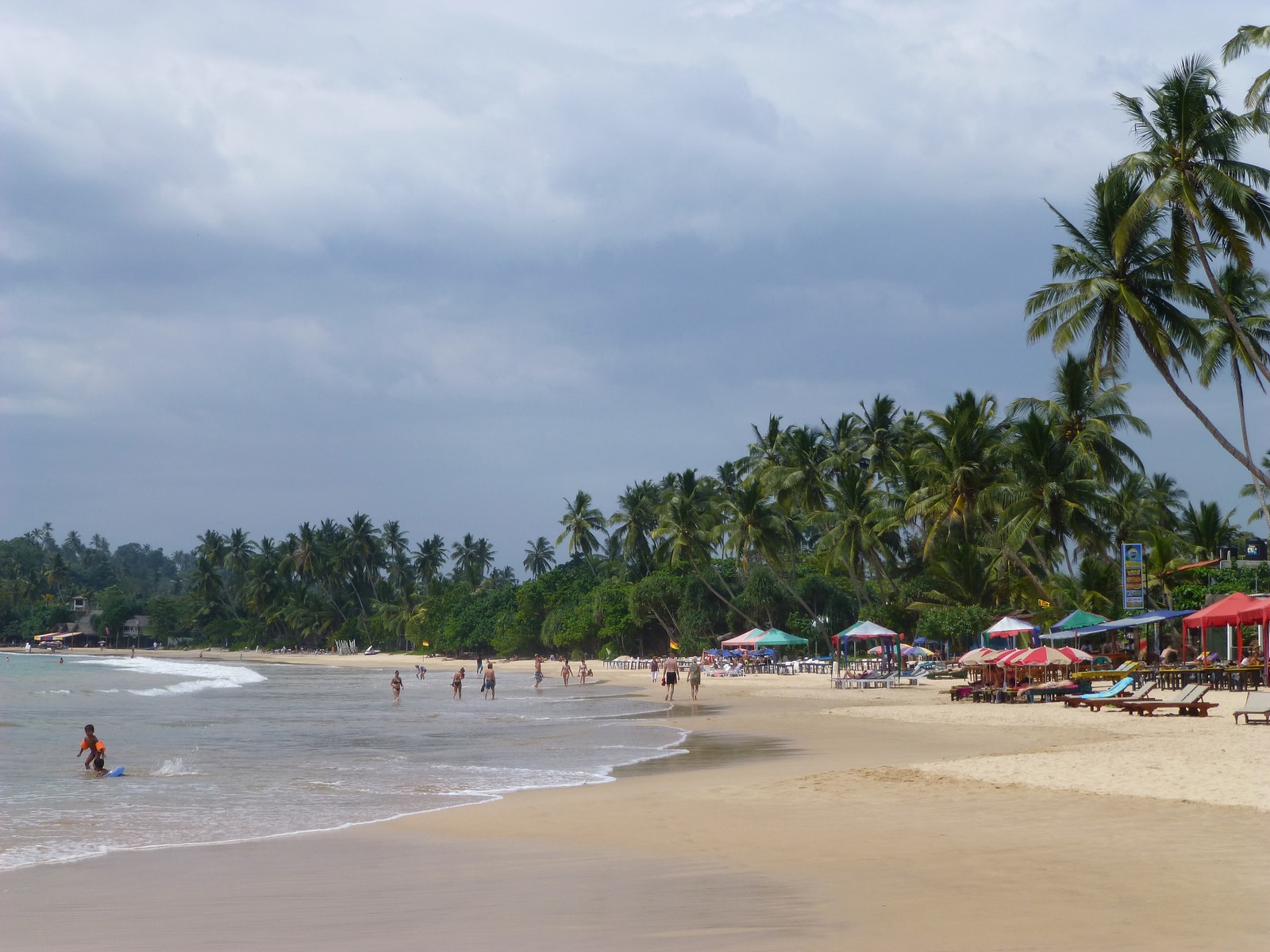
Mirissa is a standout destination on Sri Lanka’s southern coast, known for its golden, crescent-shaped bay. It perfectly blends relaxing beach days with a lively atmosphere, offering enough variety to fill an itinerary without constant travel.
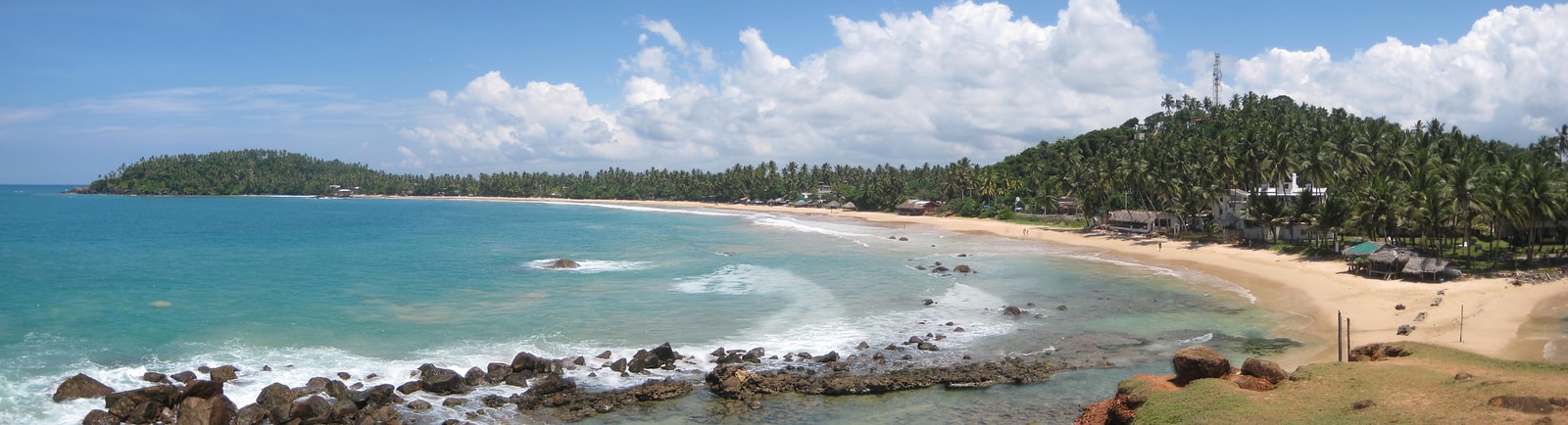
The beachfront is lined with restaurants and bars that create a buzzing nightlife scene after sunset. Accommodation is plentiful, ranging from affordable guesthouses to boutique hotels, ensuring options for different travel styles and budgets.
When to Visit: Navigating the Seasons
The best time to visit Sri Lanka's south coast is typically between November and April. During this drier season, you can expect calmer seas and more sunshine, ideal for beach activities and ocean excursions.
From May to October, the southwest monsoon brings a greater chance of rain, humidity, and rougher seas. While not a period of constant downpour, it makes activities like swimming and whale watching less predictable.
A visit during the monsoon season can still be rewarding, especially for travelers seeking a quieter, greener landscape. However, it's crucial to let daily sea conditions, not the calendar, guide your activities.
Ocean Activities: From Surfing to Sunbathing
Mirissa’s bay is popular for swimming, sunbathing, and snorkeling when conditions are right. However, visitors must be cautious. The ocean can change quickly, with strong currents and rip tides posing a risk even when the water looks calm.

Surfing is a major draw, but the suitability of the break depends on your skill level. For those new to the sport, nearby Weligama is often recommended as a more learner-friendly spot, thanks to its wide, sandy bay.
Always heed local warnings and check sea conditions before entering the water. A beach’s reputation for safety is no substitute for daily vigilance.
Whale Watching from Mirissa
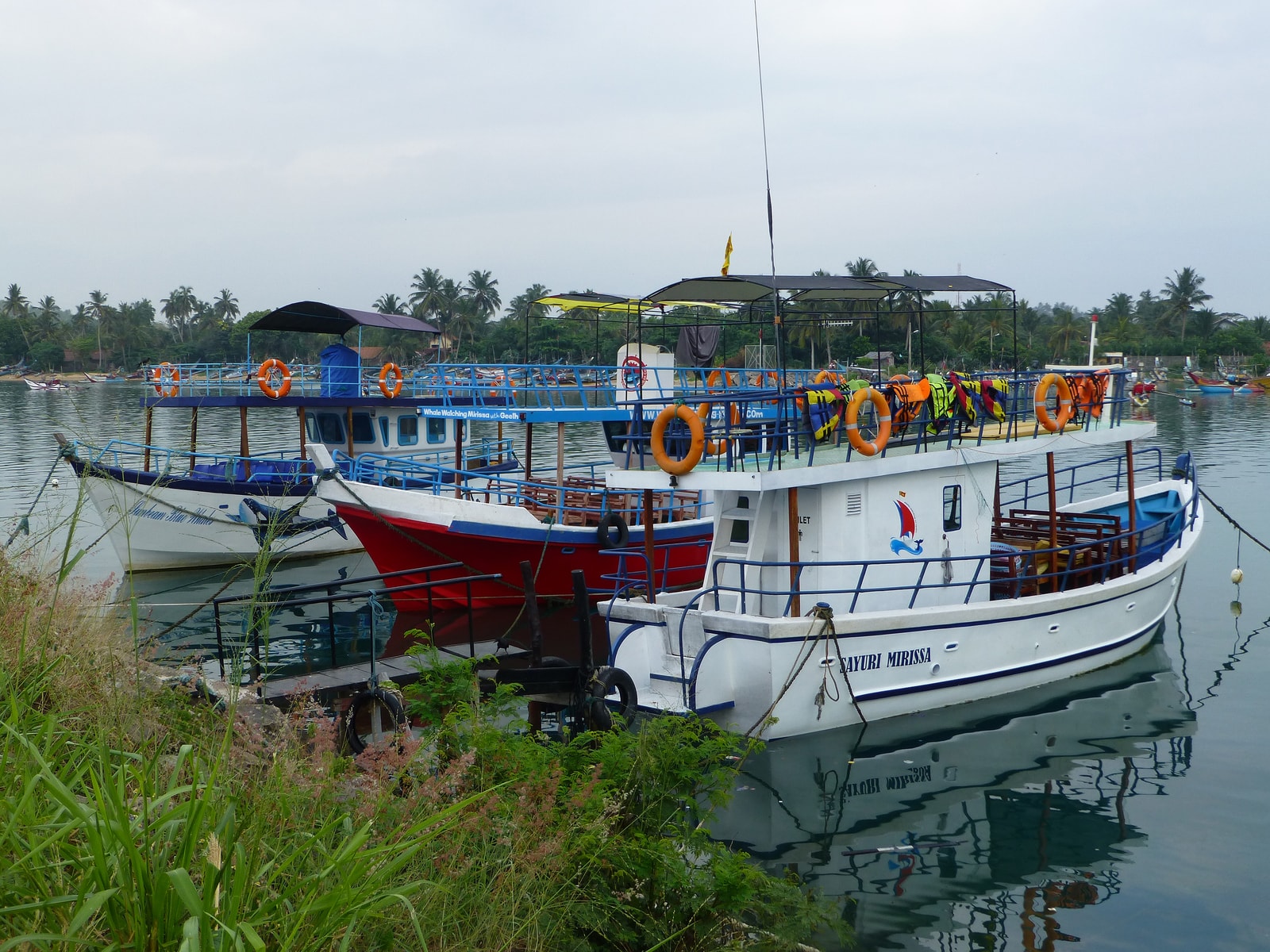
Whale watching is one of Mirissa’s signature experiences. The waters offshore are known for sightings of magnificent blue whales, as well as sperm whales and dolphins. These excursions are a highlight of any trip to the south coast.
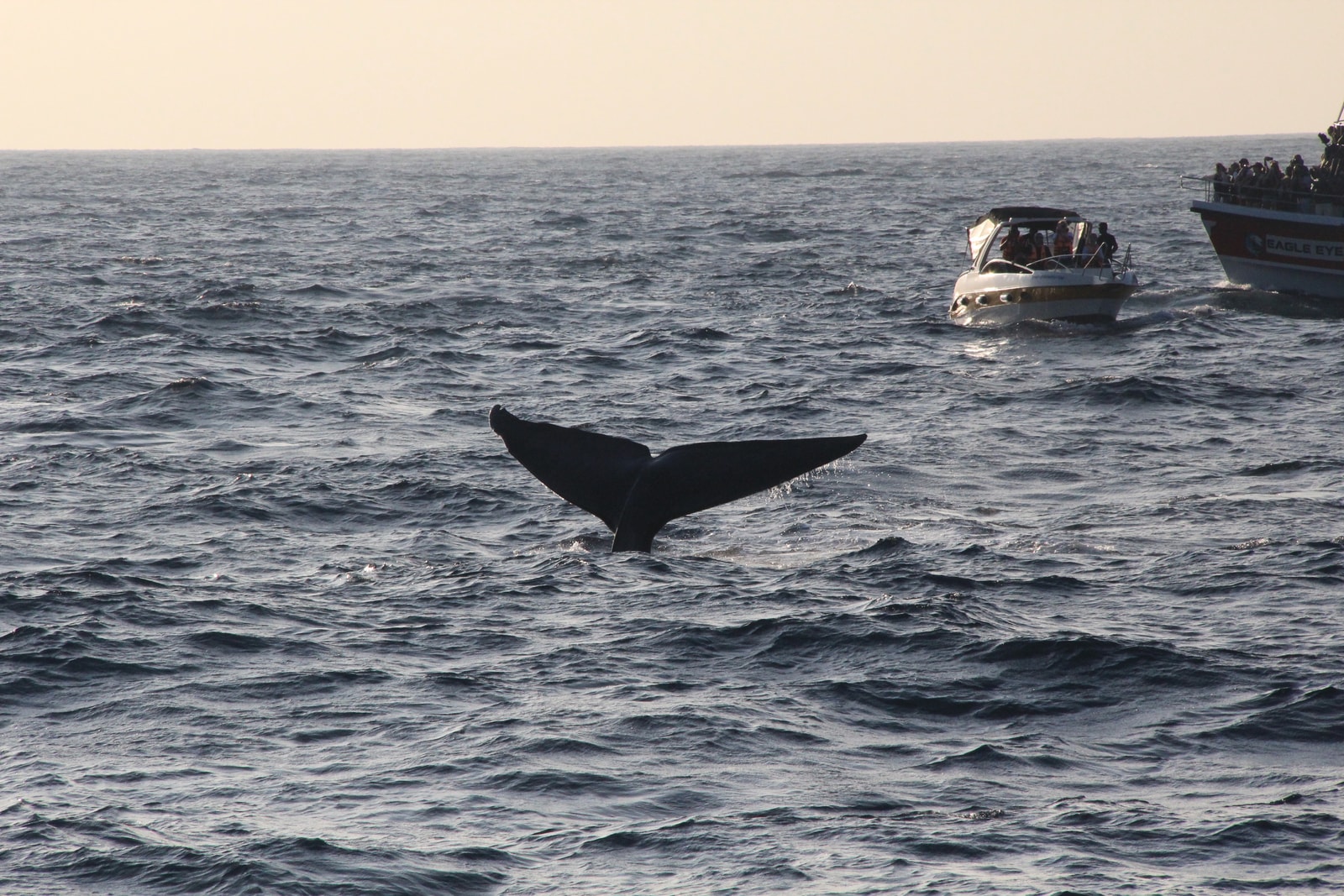
The main season for whale watching runs from November to April, with the International Whaling Commission noting blue whale presence primarily from December to March. Rough seas during the monsoon season can make trips less reliable.
Responsible tourism is key. The IWC outlines rules for boats to keep a safe distance and slow down near whales. When booking a tour, ask about the operator's practices to ensure you're supporting ethical wildlife viewing.
Exploring Coastal Viewpoints and Coves
Beyond the main beach, Mirissa offers several stunning viewpoints. These landmarks provide a different perspective on the coastline but require a bit of planning and care to access safely.
Parrot Rock is a small, rocky island at the east end of the beach offering great views of the bay. Access is highly dependent on the tide; a crossing should never be attempted in rough water or at high tide.
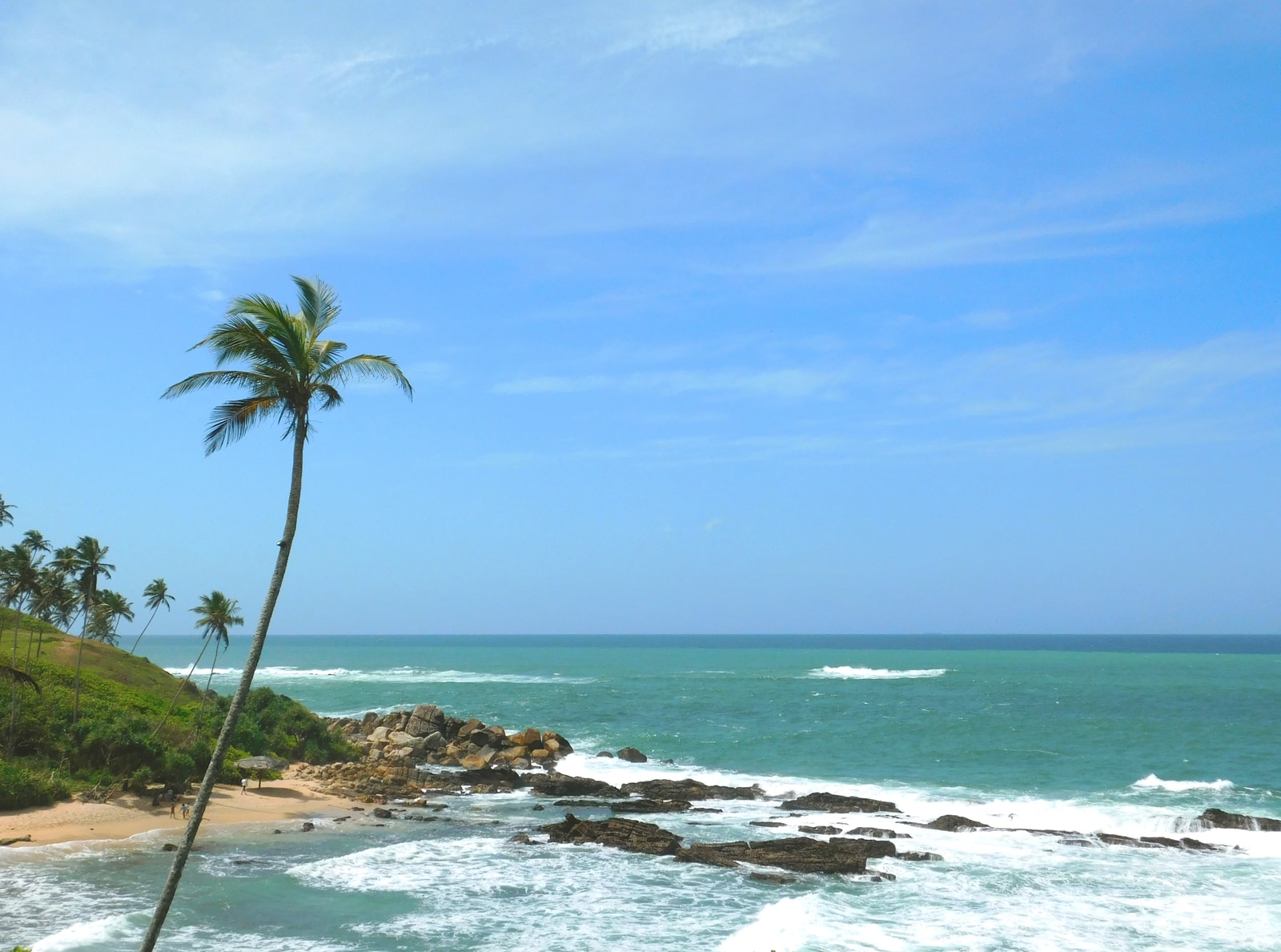
Coconut Tree Hill is a famous palm-covered headland further along the coast. It's a must-visit for its iconic ocean views, but be aware that the path can be uneven and slippery, especially after rain.
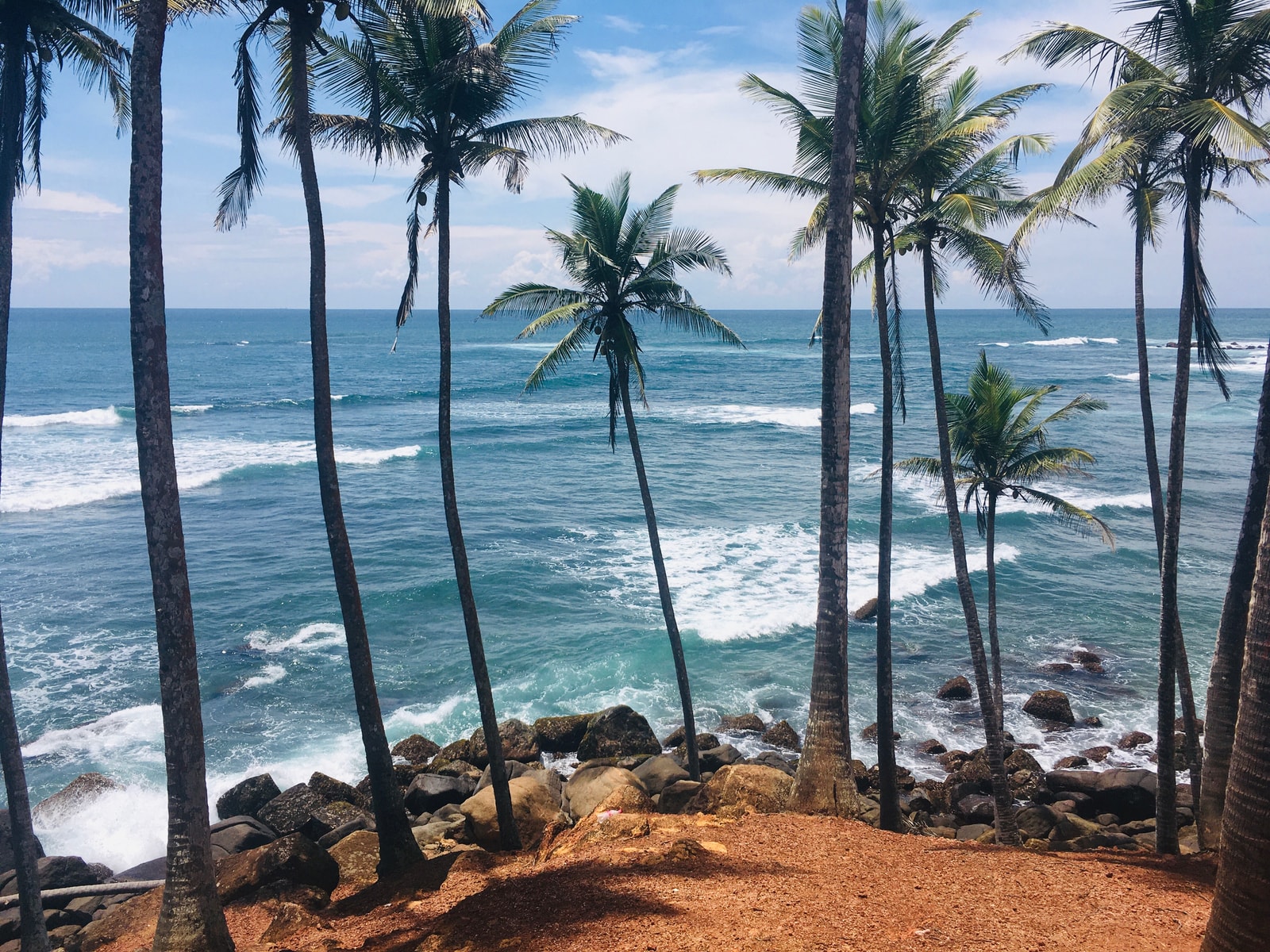
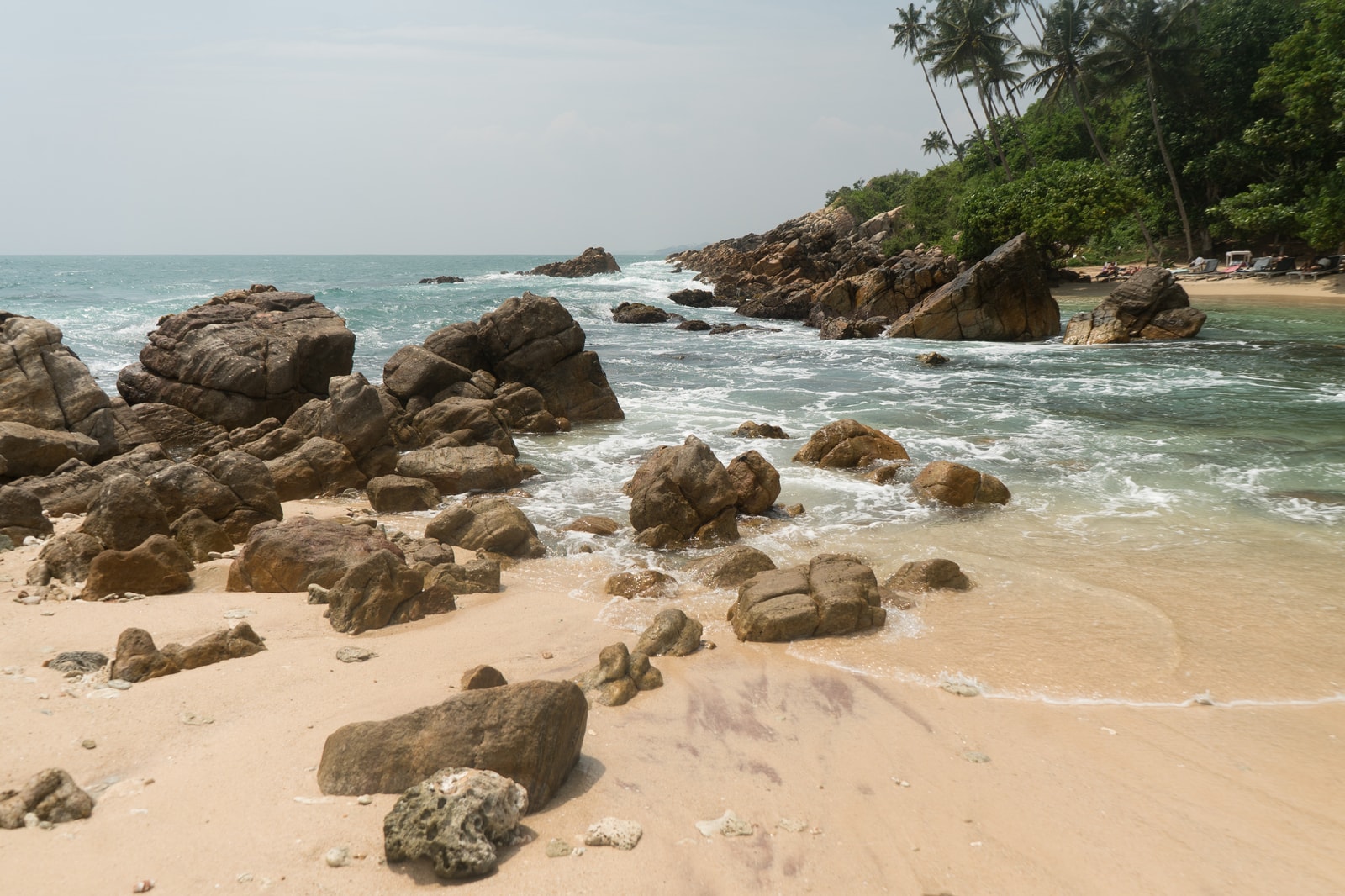
Secret Beach is another popular spot mentioned in local guides. Its name is a bit misleading, as its steep approach makes it less of a casual stroll than the main beach.
Day Trips and Nearby Destinations
Mirissa serves as an excellent base for exploring more of the south coast. A short trip west takes you to Weligama, a broad bay famous for its beginner-friendly surf breaks.
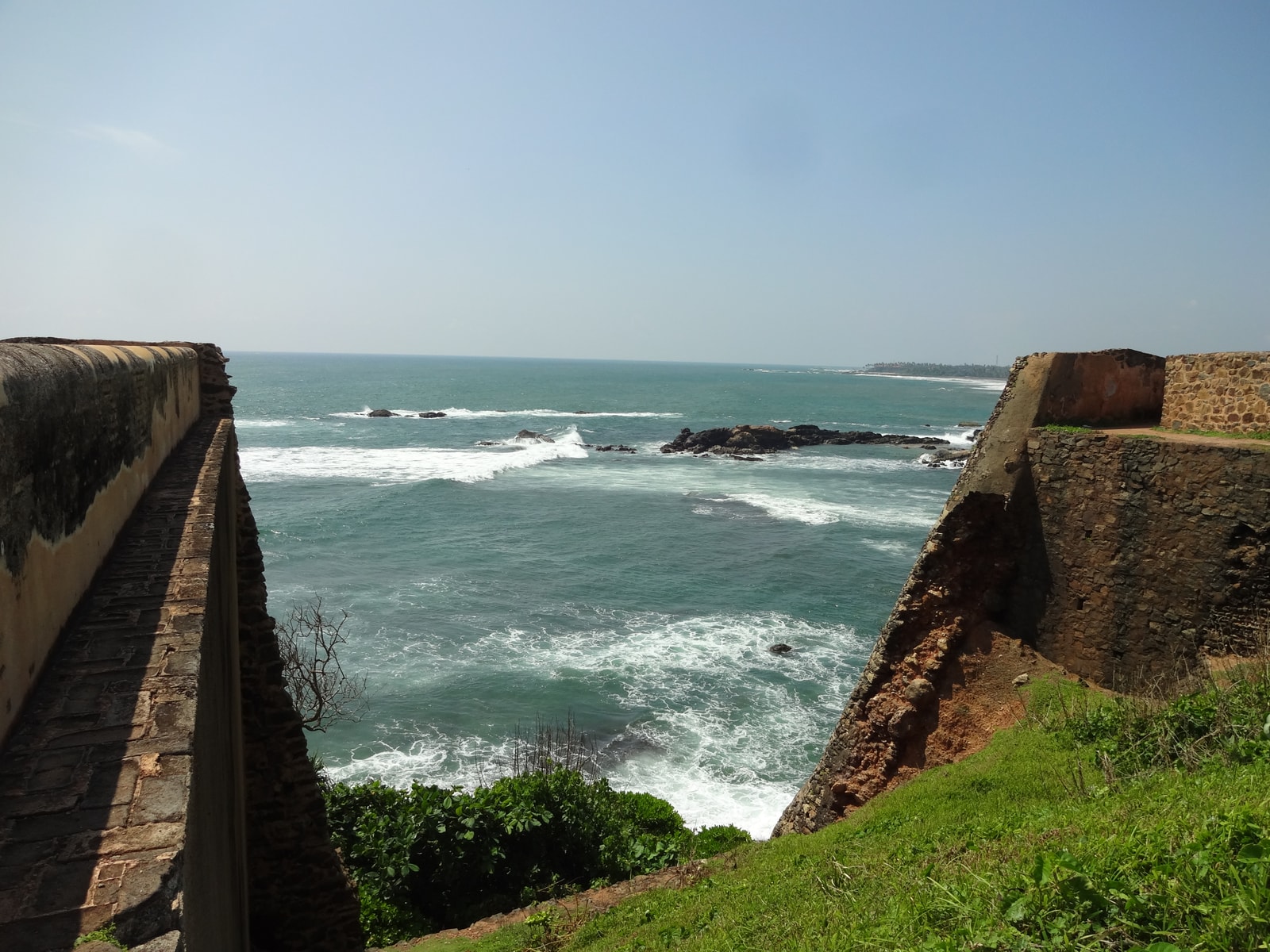
To the east lies Matara, a larger town home to the historic Star Fort. For a more substantial day trip, the UNESCO World Heritage site of Galle Fort is a must-see, offering a fascinating glimpse into Sri Lanka's colonial history.
For snorkeling and possible turtle sightings, consider a guided trip to nearby Polhena or Madiha. As with all wildlife encounters, it's vital to observe from a distance and avoid touching or disturbing the animals.
Practical Tips for Your Mirissa Trip
Mirissa is easily reached by road along the coast. While the town itself has no train station, you can take a train to nearby Weligama or Matara and complete the journey by local road transport.
When packing, remember essentials like sun protection and sturdy footwear for exploring rocky viewpoints. Always stay hydrated in the tropical heat and keep your belongings secure.
When it comes to dining, you'll find everything from traditional Sri Lankan rice and curry and rotis to fresh seafood and international cafe fare. The main cluster of restaurants is along the beach, with quieter options available further inland.
Gallery